The Latin Magdalene we inherited is largely the work of one homily. On 14 September 591, Pope Gregory I preached on the Gospel reading and identified the Magdalene with the unnamed sinful woman who washes Christ's feet with her tears in Luke 7, and with Mary of Bethany who anoints Christ in John 12. The three figures fused into one, and the resulting character — penitent, sensual, perpetually weeping — became the Magdalene of medieval and Counter-Reformation art, of Donatello's gaunt wooden penitent, of Titian and Caravaggio and La Tour.
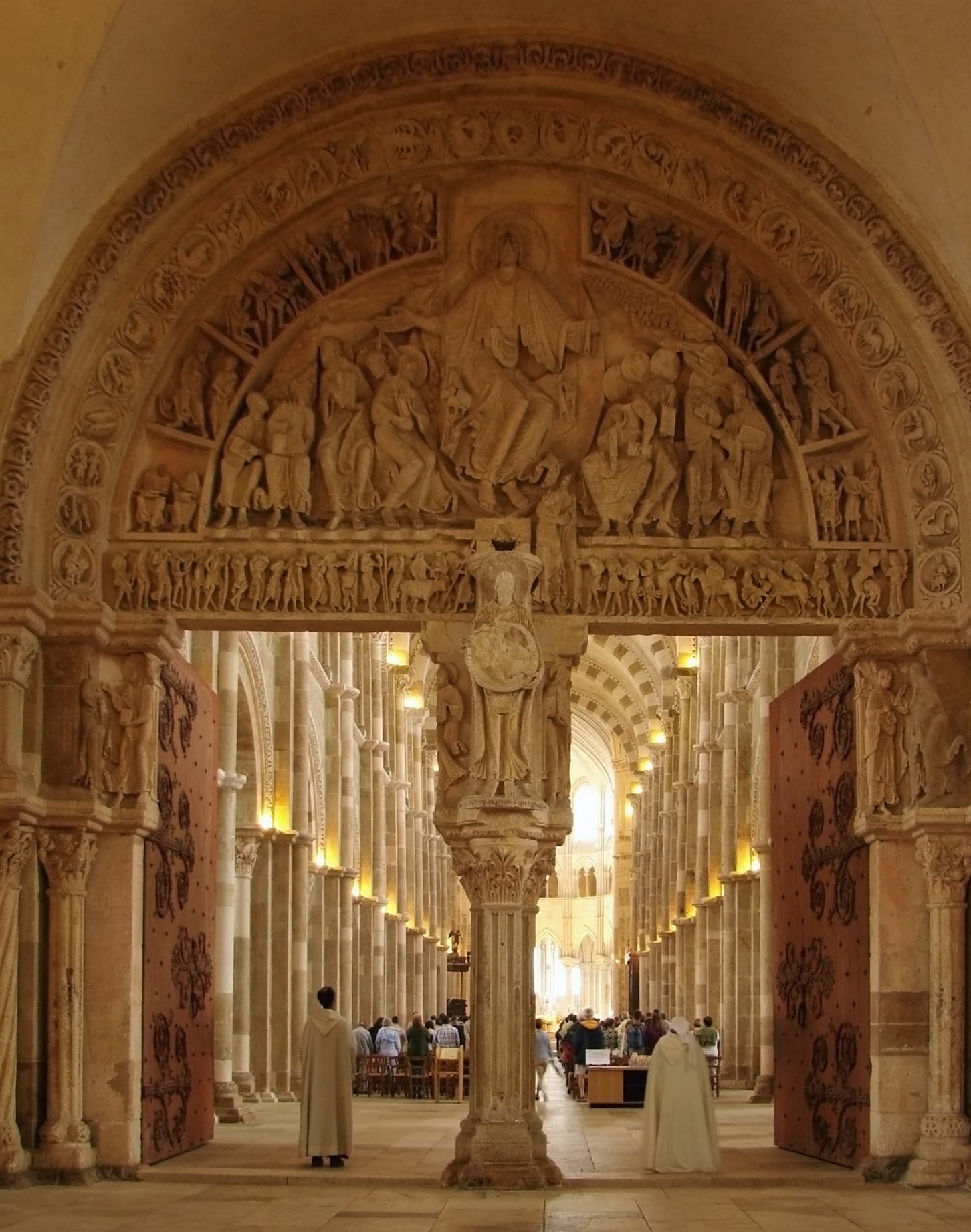
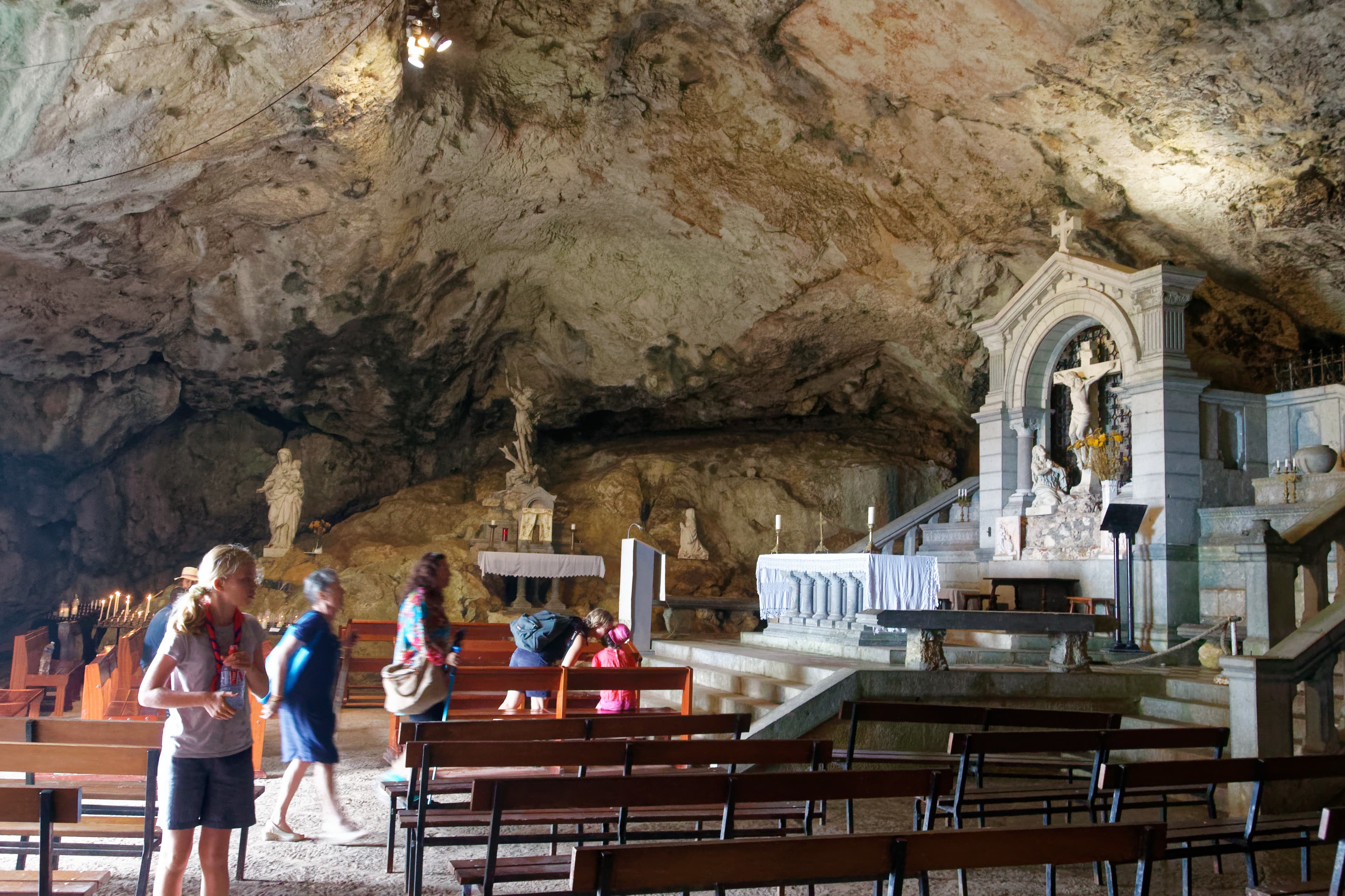
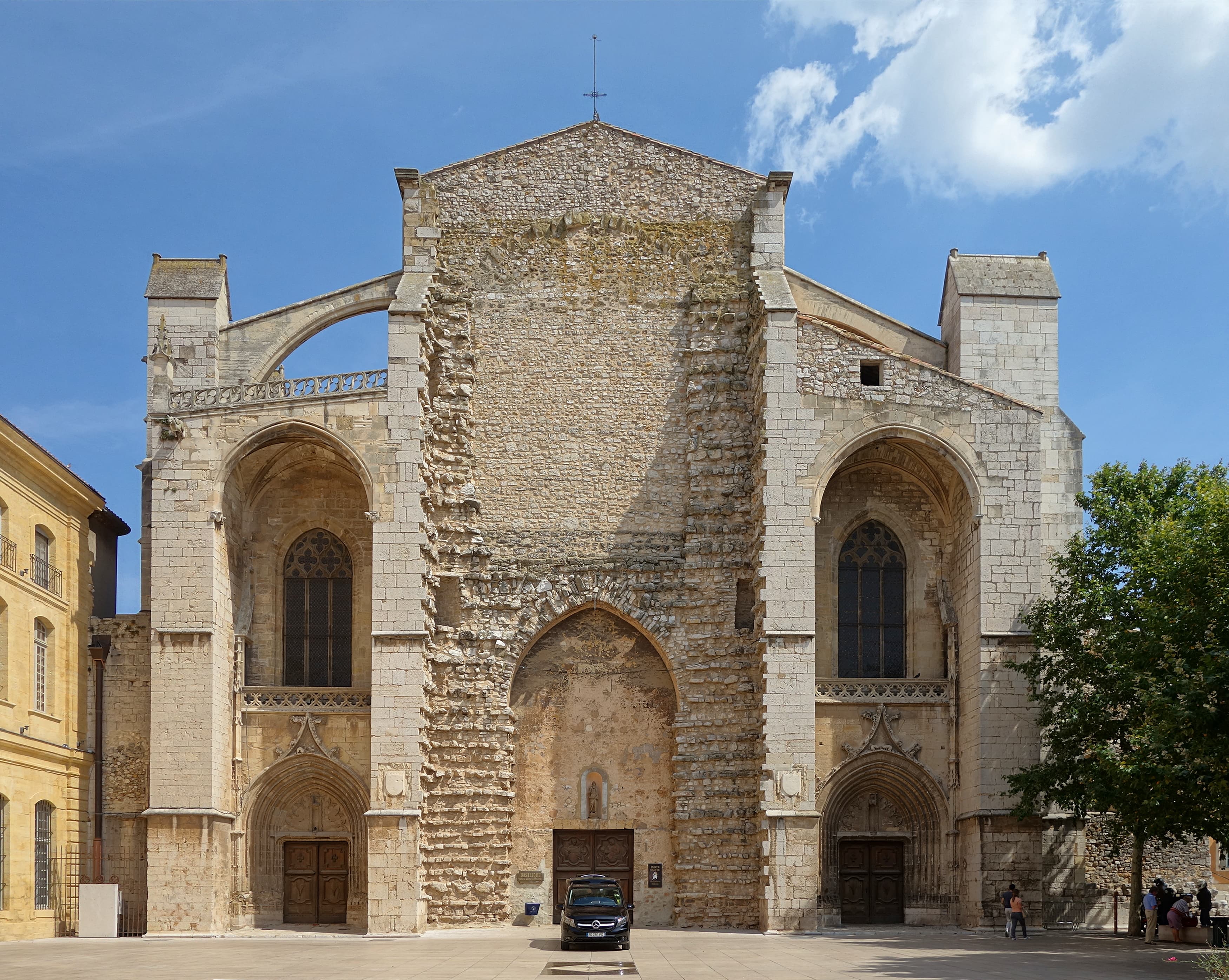
The Provençal arrival narrative comes later and from a different stream. It is first attested in the 9th-century Vita eremitica beatae Mariae Magdalenae, then absorbed and amplified by Jacobus de Voragine in the Legenda aurea around 1260. By the end of the 13th century, with the Saint-Maximin discovery under Charles II of Anjou, the legend had become an officially sanctioned cult with Dominican custodians and royal patronage. Pilgrims have walked the path to the Sainte-Baume grotto continuously since.
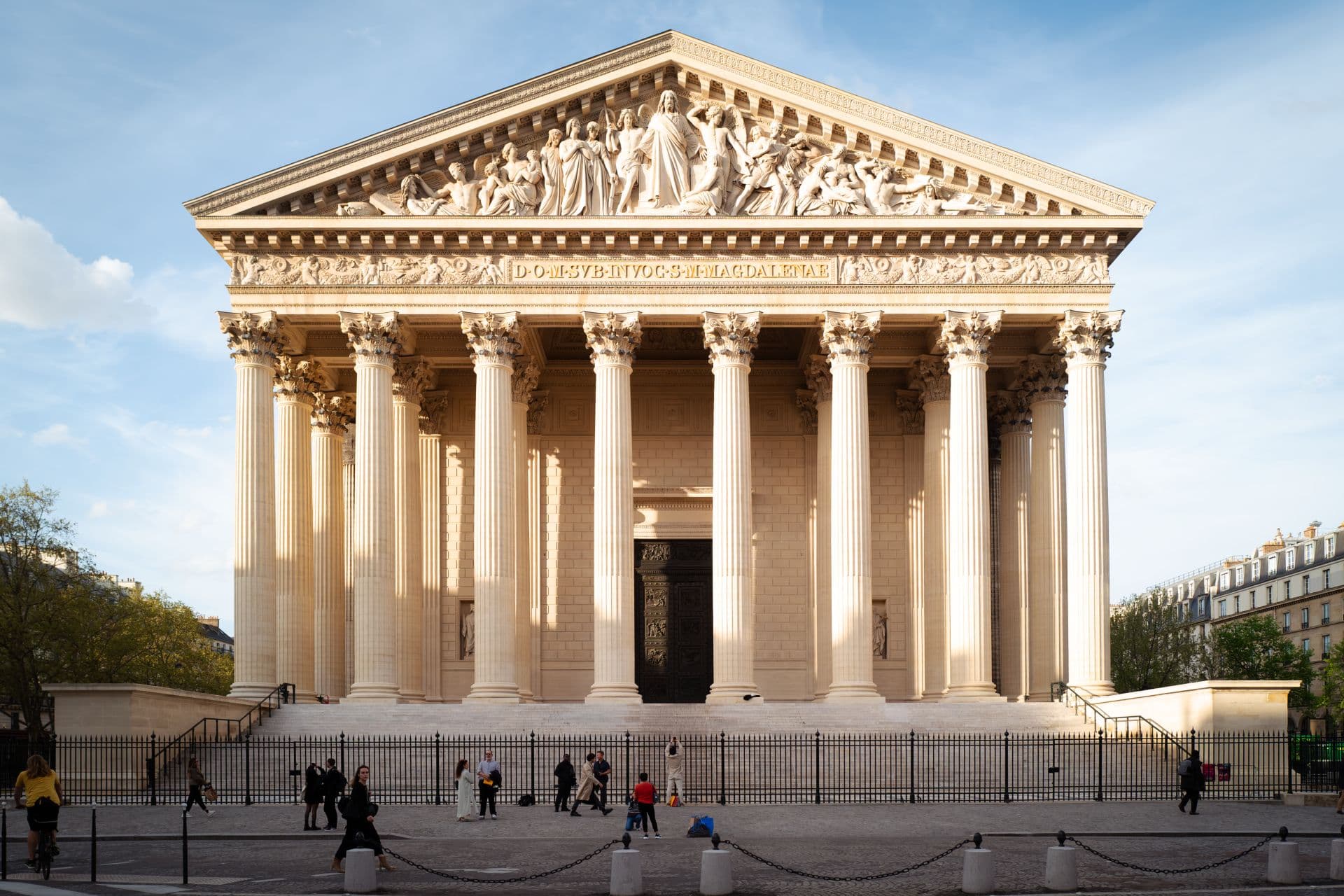
Modern Catholic teaching has done the slow work of disentanglement. The 1969 reform of the Roman Calendar formally separated the three figures Gregory had fused. In 2016, Pope Francis raised the Magdalene's 22 July memorial to the rank of feast — the same rank as the apostles — and the new Preface for her liturgy explicitly names her apostolorum apostola, apostle to the apostles. The penitent Magdalene of the West remains in the visual imagination; alongside her, slowly, the witness of the empty tomb is being remembered.