Mont-Saint-Michele
Where the Archangel commanded a sanctuary on a tidal island, and 'the Wonder of the West' rose toward heaven
Le Mont-Saint-Michel, Manche, France

Visit essentials
Before you go
- Access
- Tidal island in Normandy near Brittany border.
- Duration
- Half to full day for abbey, town, and bay
- Etiquette
- Active monastery within major tourist site.
Overview
Twice daily, Mont-Saint-Michel's tides expose sand flats crossed by medieval mainland pilgrims, whose risk was the returning water; twice daily the sea returns, isolating an island that is both fortress and sanctuary.
In 708, Aubert, Bishop of Avranches, envisioned the Archangel Michael commanding a church on the rock. When Aubert doubted, Michael touched his skull; that skull and its distinctive hole are preserved in Avranches. The sanctuary followed. Duke Richard I of Normandy installed Benedictines in 966. Across five centuries they built upward: the Romanesque abbey church begun in 1023 and the three-story Gothic La Merveille completed in the 13th century.
Master builders anchored massive structures to granite, suspended a cloister in mid-air, and made stone appear weightless.
French and English kings came on pilgrimage, and Crusaders sought blessings before departure. During the Hundred Years War, a small garrison resisted English siege from 1423 to 1434; this was Normandy's only unconquered site. The Revolution turned the closed abbey into a prison, while Victor Hugo's campaign restored it as a national treasure.
Over three million now visit annually. The Monastic Fraternities of Jerusalem, not Benedictines, still pray in the abbey, maintaining continuous prayer since 708.
Why this place is sacred
What makes this place thin begins with the archangel's command. Michael chose the rock; Aubert obeyed; the sanctuary arose. That founding vision establishes Mont-Saint-Michel as territory claimed by heaven before human purpose shaped it.
The tides amplify the thinness. The island's rhythm—surrounded, exposed, surrounded again—creates natural drama that pilgrims have always understood as spiritual metaphor. To approach across exposed sand is to risk; to reach the mount is to arrive at safety; to climb toward the abbey is to ascend from earth toward heaven.
La Merveille literalizes the ascent. The three-story Gothic structure rises tier upon tier: pilgrims' hall and almonry at the base, guests' hall and knights' hall in the middle, refectory and cloister at the top. This vertical organization expressed medieval hierarchy—common folk below, nobility higher, monks at summit—but it also expressed spiritual reality: the climb toward God.
Thirteen centuries of continuous prayer have saturated the stones. From Aubert's first sanctuary through Benedictine chant through Revolutionary prison through restoration to the Jerusalem Fraternities today, someone has always prayed here. That continuity is itself a form of thinness—accumulated devotion that the building holds.
Sanctuary dedicated to Archangel Michael, commanded by angelic apparition to Bishop Aubert in 708
Sanctuary 708. Benedictines 966. Romanesque abbey church begun 1023. La Merveille 13th century. Hundred Years War siege survived 1423-1434. Revolution prison 1791-1863. Viollet-le-Duc restoration. UNESCO 1979. Monastic Fraternities of Jerusalem since 2001. 3 million annual visitors.
Experience and orientation
Begin the approach from the mainland. Whether walking, shuttling, or driving the causeway, watch the mount grow larger across the bay. Note the tidal flats if exposed; note the encircling water if covered. This approach—the pilgrimage before the pilgrimage—is essential to what Mont-Saint-Michel means.
Enter through the gates. The lower town is medieval tourism: narrow streets, shops selling omelets and souvenirs, crowds navigating the climb. This is not distraction from the sacred but part of it—for centuries, the mount has combined commerce and devotion.
Climb. The Grand Rue rises steeply; stairs continue higher. Pass the parish church and the cemetery. Reach the abbey entrance. Here you pay admission; here you enter the monument.
The abbey unfolds in stages. The church at summit offers Romanesque nave and Gothic choir—the thousand-year range of the mount's building history. The cloister seems suspended in air, columns framing views of bay and sky. The refectory demonstrates how monks ate in light filtered through tall windows. The crypts below reveal the engineering that made the structures above possible.
Descend through La Merveille's three tiers. Notice how the spaces change: the almonry's massive columns supporting the weight above, the knights' hall's elegance, the pilgrims' hall where medieval travelers rested. This vertical journey—summit to base—reverses the climb and returns you to the village, to the bay, to the world that extends below the archangel's rock.
Come as pilgrims have come for thirteen centuries—crossing the boundary between ordinary world and Michael's mount, climbing from earth toward heaven.
Context and lineage
In 708, Archangel Michael appeared three times to Bishop Aubert of Avranches, commanding a church on the tidal island then called Mont-Tombe. Aubert doubted; Michael touched his skull to prove his presence. The sanctuary was built. In 966, Duke Richard I of Normandy installed Benedictines, who built the great abbey over five centuries.
Sanctuary since 708. Benedictine monastery 966-1791, 1969-2001. Monastic Fraternities of Jerusalem since 2001. UNESCO World Heritage 1979. Santiago pilgrimage route.
Archangel Michael
Commanded the sanctuary in 708 apparition
Bishop Aubert of Avranches
Received the vision and built first sanctuary
Duke Richard I of Normandy
Installed Benedictines in 966
Victor Hugo
Campaigned for restoration after prison era
Traditions and practice
Pilgrimage across bay at low tide, ascending to abbey, mass, Michael feast days
Mass with Monastic Fraternities of Jerusalem (multiple daily), pilgrimage, tourism, Santiago route stop. Community maintains continuous prayer.
Time visit with tides if possible—approaching at low tide echoes medieval pilgrimage. Attend mass if timing permits. Climb slowly. Rest in the cloister. Watch the bay from the abbey.
Archangel Michael Veneration
ActiveSanctuary since 708 angelic apparition to Bishop Aubert. Benedictine abbey 966-1791. La Merveille among greatest Gothic achievements. Survived Hundred Years War. UNESCO World Heritage. 3 million annual visitors. Monastic community maintains continuous prayer.
Pilgrimage, mass, Michael feast days, ascending to abbey
Perspectives and open questions
Mont-Saint-Michel can be approached as angelic apparition site, architectural achievement, pilgrimage destination, or natural phenomenon shaped by tides.
Scholarly perspective
UNESCO World Heritage since 1979. Architectural evolution well-documented. Historical role in medieval Christianity and French history established. Engineering achievements studied.
Living and traditional perspectives
Catholic tradition sees the mount as Michael's chosen ground—the warrior archangel guarding the boundary between sea and land, earth and heaven.
Alternative interpretations
Some connect Michael sites to ley lines or earth energy networks. The tidal island setting adds elemental dimension—water, rock, air.
Open questions
Full extent of Aubert's original sanctuary. What medieval Miquelots experienced crossing the bay. How La Merveille's builders solved engineering challenges.
Plan your visit
Access and arrival
Tidal island in Normandy near Brittany border. Causeway from mainland. Park on mainland; shuttle, walk, or horse-drawn carriage to mount. Abbey open daily; entry fee (free first Sunday November-March). Town free to walk.
Hotels in village (expensive, book far ahead); more options on mainland
Respectful visit
Modest attire in abbey
Generally permitted; respect services
Donations welcome
Quiet in church; respect monastic community
Very crowded, especially summer and peak hours. Abbey has entry fee. Town restaurants expensive.
Current practical details
The village/island is free; for the abbey at the summit, book a timed e-ticket via the official Centre des monuments nationaux portal (tickets.monuments-nationaux.fr), linked from abbaye-mont-saint-michel.fr.
Only the abbey is ticketed (€16 Apr–Sep, €13 Oct–Mar); the village is always free. Tickets release one month ahead. Free abbey entry on the first Sunday of Jan/Feb/Mar/Nov/Dec and for EU residents under 26.
Buy / book ticketsHours, fees, and access can change — verify on the official source before you travel.
Location
Map loads as you approach this section.
Pilgrim reflections
A portrait of encounter, not a score
Pilgrims describe what they felt, how present they could become, and whether the place would shape a journey. There are no stars and no ranking of traditions.
No reviewed reflections yet
The first pilgrims can help describe the character of being here.
Share a reflection
Available after an account-backed “Been there.” Every reflection is reviewed before publication.
Dates and observances
Upcoming festivals, feast days, and pilgrimages connected to this place. Add any to your calendar, or browse the full observance calendar.
- Add to calendar
Feast of Saint Michael (Michaelmas)
Wed, Sep 29, 2027Feast day
Patronal feast of the archangel Michael, long associated with autumn pilgrimage to the abbey on the tidal island.
Nearby sacred places
Explore other sacred places in the region. Proximity does not establish access or travel time; check each place’s guidance.
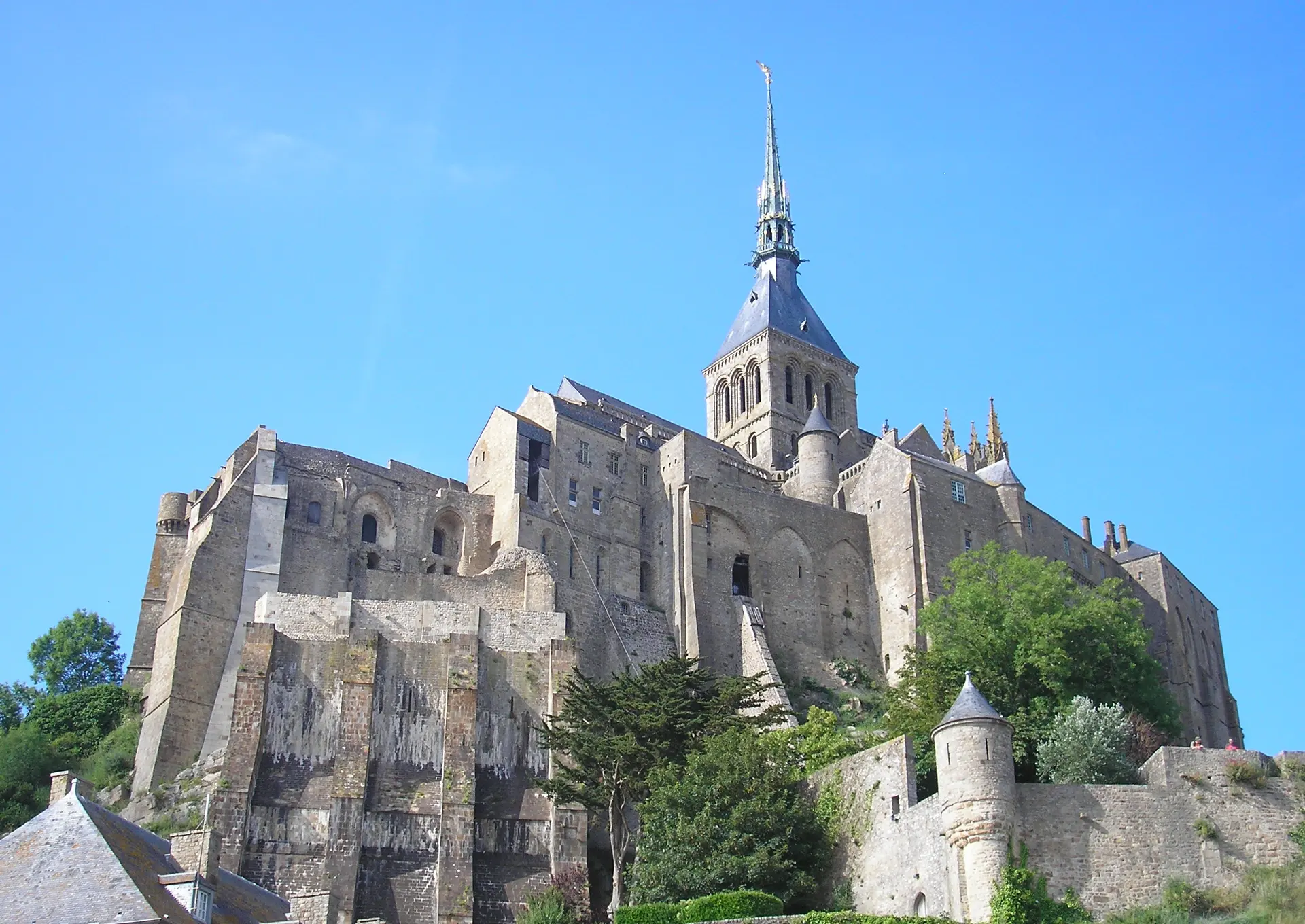
Abbaye du Mont-Saint-Michel (Mont-Saint-Michel Abbey)
Mont-Saint-Michel, Mont-Saint-Michel, Normandie (Manche), France
0.0 km away
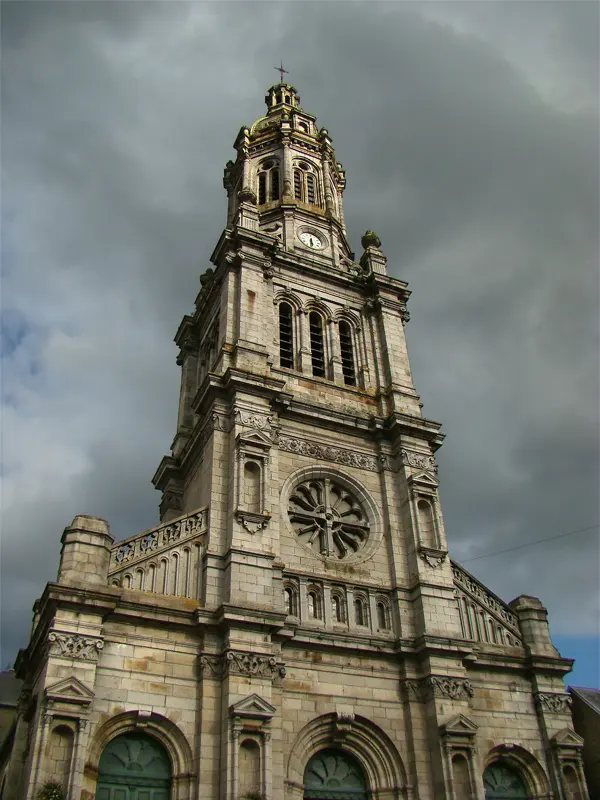
Basilique Saint-Gervais-et-Saint-Protais
Avranches, Avranches, Normandie (Manche), France
12.5 km away
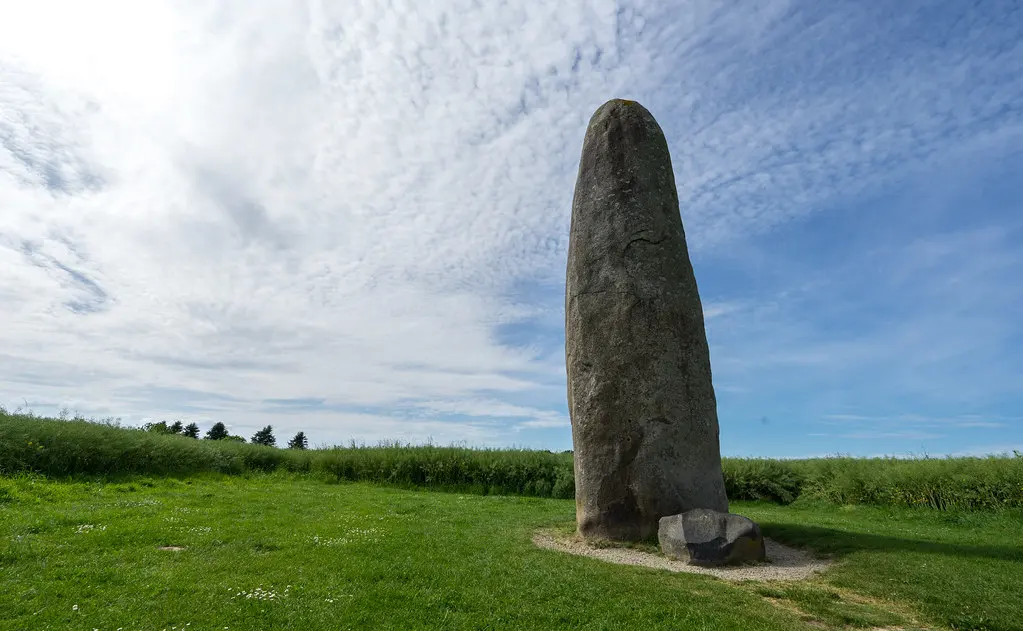
Menhir de Champ-Dolent
Dol-de-Bretagne, Ille-et-Vilaine, France
20.1 km away
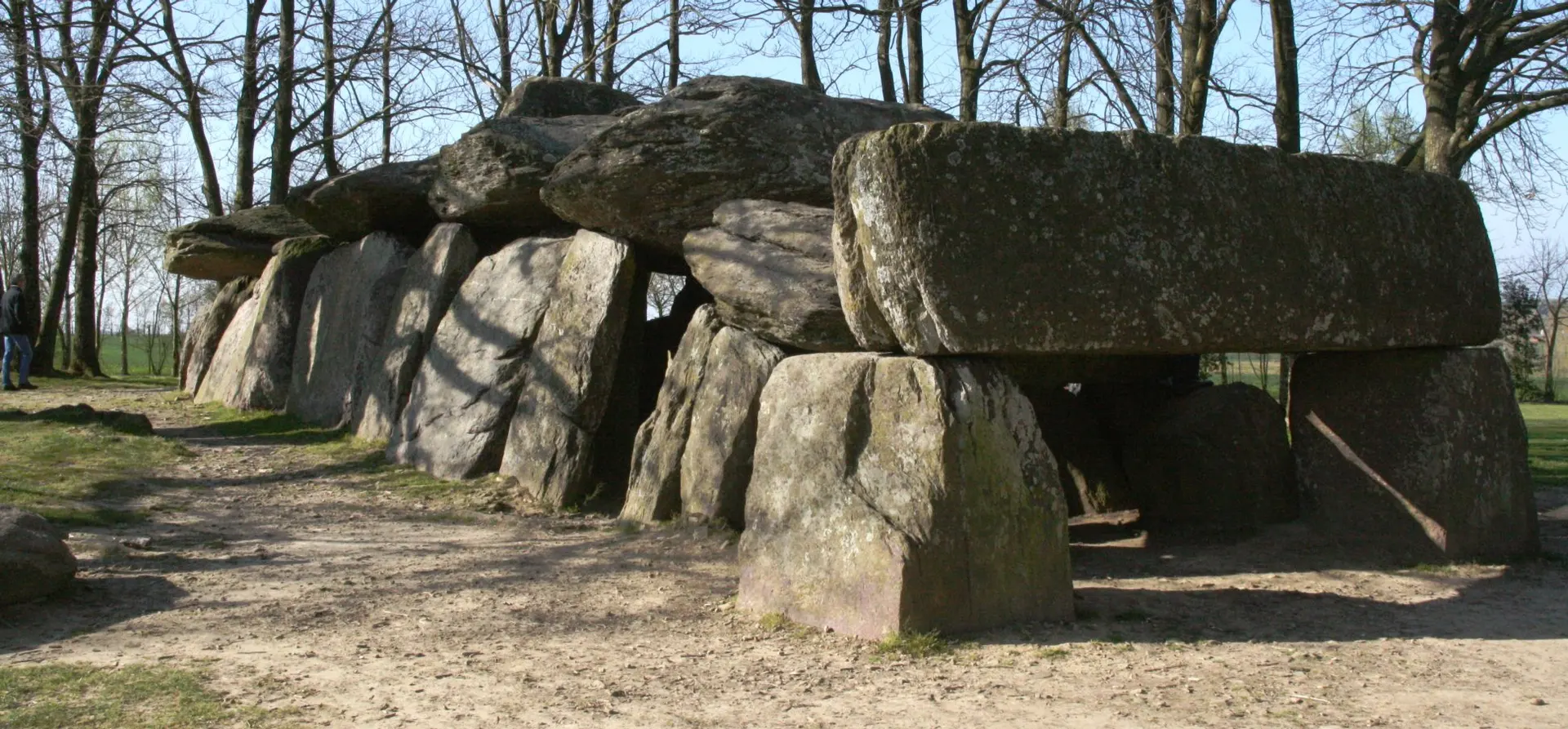
La Roche aux Fées
Essé, Ille-et-Vilaine, France
78.2 km away
Photo gallery
3 curated photos
Share a photo
Help visitors recognize Mont-Saint-Michele. Every submission is reviewed before publication.