Saint-Maximin-la-Sainte-Baume, Basilica of Mary Magdalene
The basilica built around Saint-Maximin’s Magdalene devotion
Saint-Maximin-la-Sainte-Baume, Var, France
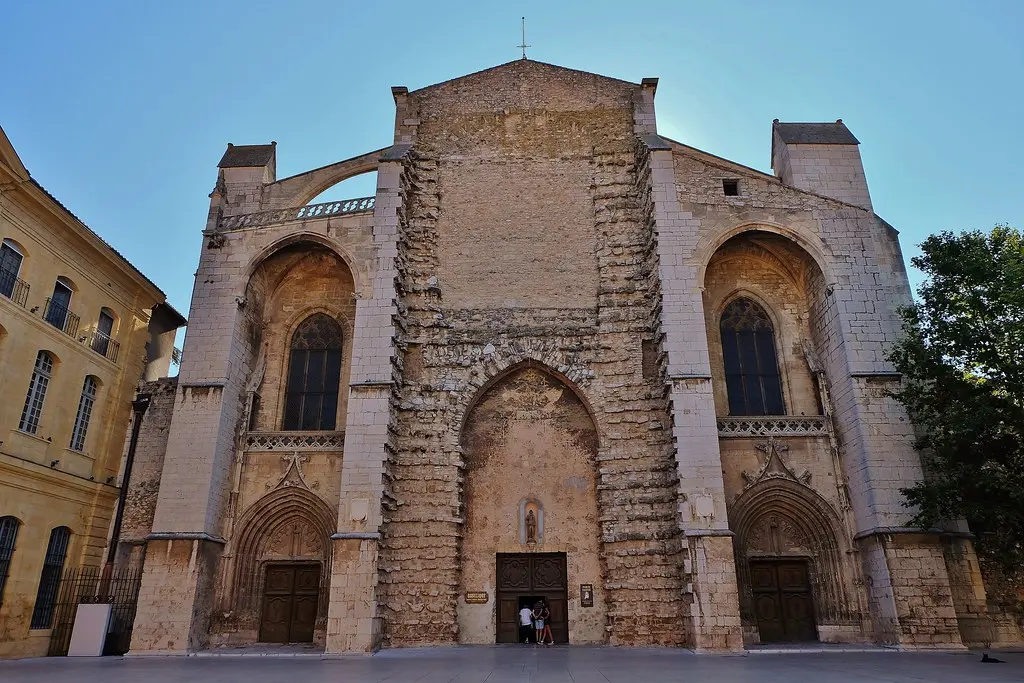
Image of Saint-Maximin-la-Sainte-Baume, Basilica of Mary Magdalene. Image source
Visit essentials
Before you go
- Access
- The basilica is in Saint-Maximin-la-Sainte-Baume.
- Address
- Parvis Charles II d'Anjou, 10 Pl.
- Etiquette
- This is a place of worship.
Overview
The basilica rises over the place associated with the medieval discovery of the Magdalene relics. Inside, the crypt and its marble sarcophagi connect the pilgrimage church with an older funerary setting.
The choir stalls, Passion altarpiece and monumental organ give visitors other ways to read the building’s history. The relic has its own atlas entry, but it is housed within this basilica, not at another stop in town.
Experience and orientation
Begin with the building, then follow the on-site guidance for the crypt. The local tourist office provides information about self-guided and guided visits. Check access to the part you want to see, particularly if your visit coincides with worship.
For the relic, use the basilica destination and confirm crypt access on arrival.
Context and lineage
In the Provençal tradition recounted in the historical introduction to the 2019 relic study, Mary Magdalene leaves her mountain retreat as death approaches and joins Maximin. He buries her at the place later associated with the shrine.
Centuries later, excavations sponsored by Charles II of Anjou in 1279 uncovered remains identified by the religious authorities as hers. Construction of the basilica began in 1295. The building expresses the importance of that recognition to the community; recognition of a relic and scientific identification of a person are different claims.
Traditions and practice
Local celebrations honour Mary Magdalene around 22 July; check the current programme before arranging a visit around an event.
Roman Catholic Christianity
ActiveThe relics are venerated as Mary Magdalene’s within the local Christian tradition.
Perspectives and open questions
A pilgrimage church can be understood through both the devotion it houses and the history of its building.
Open questions
The identity of the remains is not established by the facial reconstruction or by the basilica’s dedication.
Plan your visit
Access and arrival
The basilica is in Saint-Maximin-la-Sainte-Baume. It is separate from the mountain grotto near Plan-d’Aups. Confirm opening and crypt access before travelling; do not treat the two map locations as interchangeable.
Respectful visit
Choose clothing appropriate for a church visit.
Follow the signs and the custodians’ instructions before taking photographs.
Current practical details
Address
Parvis Charles II d'Anjou, 10 Pl. de L Hôtel de ville, 83470 Saint-Maximin-la-Sainte-Baume, France
Phone
Hours
Hours, fees, and access can change — verify on the official source before you travel. Practical details last checked Jun 2026.
Location
Map loads as you approach this section.
Pilgrim reflections
A portrait of encounter, not a score
Pilgrims describe what they felt, how present they could become, and whether the place would shape a journey. There are no stars and no ranking of traditions.
No reviewed reflections yet
The first pilgrims can help describe the character of being here.
Share a reflection
Available after an account-backed “Been there.” Every reflection is reviewed before publication.
Nearby sacred places
Explore other sacred places in the region. Proximity does not establish access or travel time; check each place’s guidance.

Relics of Mary Magdalene at Saint-Maximin-la-Sainte-Baume
Saint-Maximin-la-Sainte-Baume, Var, France
0.0 km away
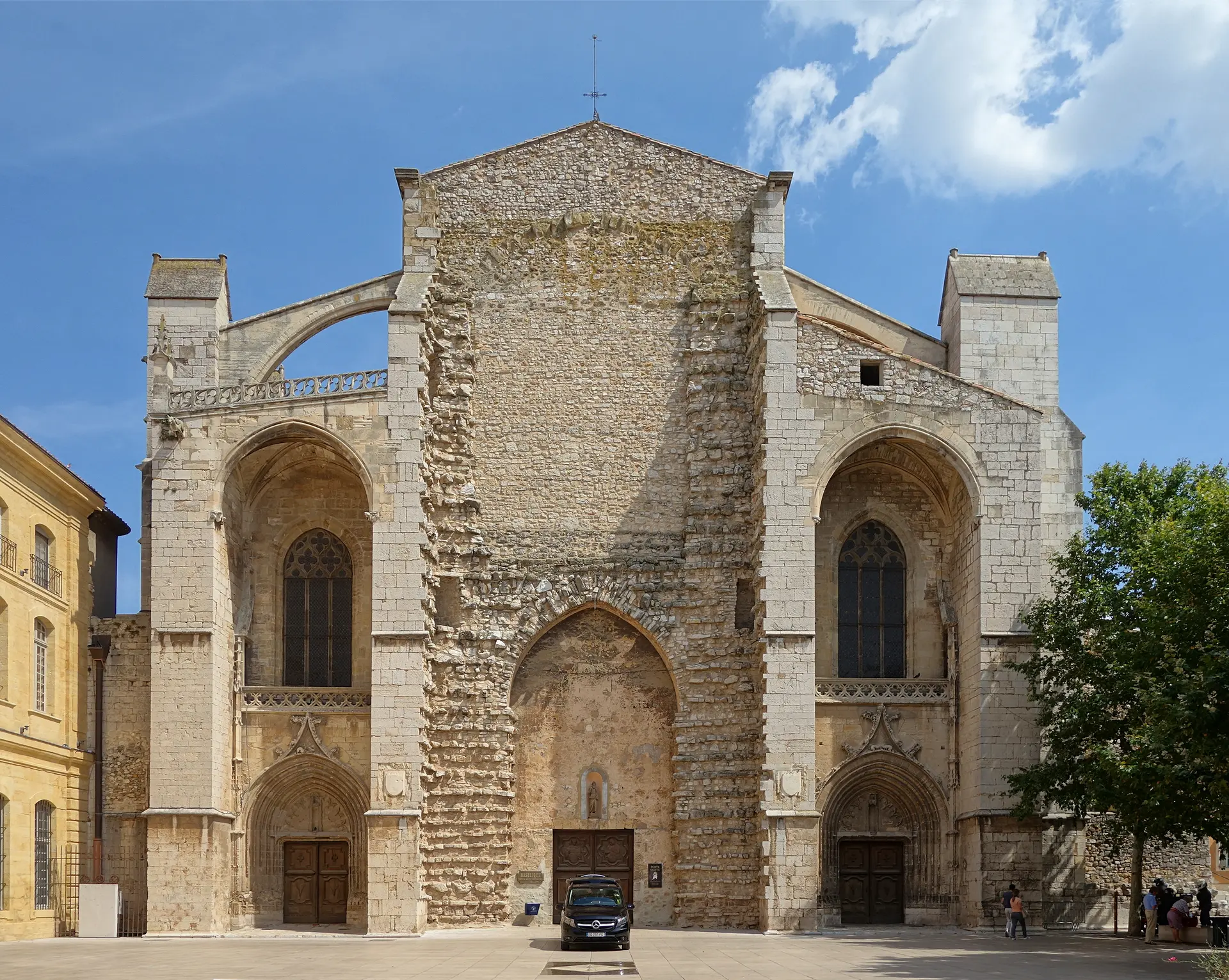
Basilique Sainte-Marie-Madeleine de Saint-Maximin
Saint-Maximin-la-Sainte-Baume, Saint-Maximin-la-Sainte-Baume, Provence-Alpes-Côte d'Azur (Var), France
0.0 km away

Chapelle du Saint-Pilon
Plan-d'Aups-Sainte-Baume, Var, France
16.0 km away
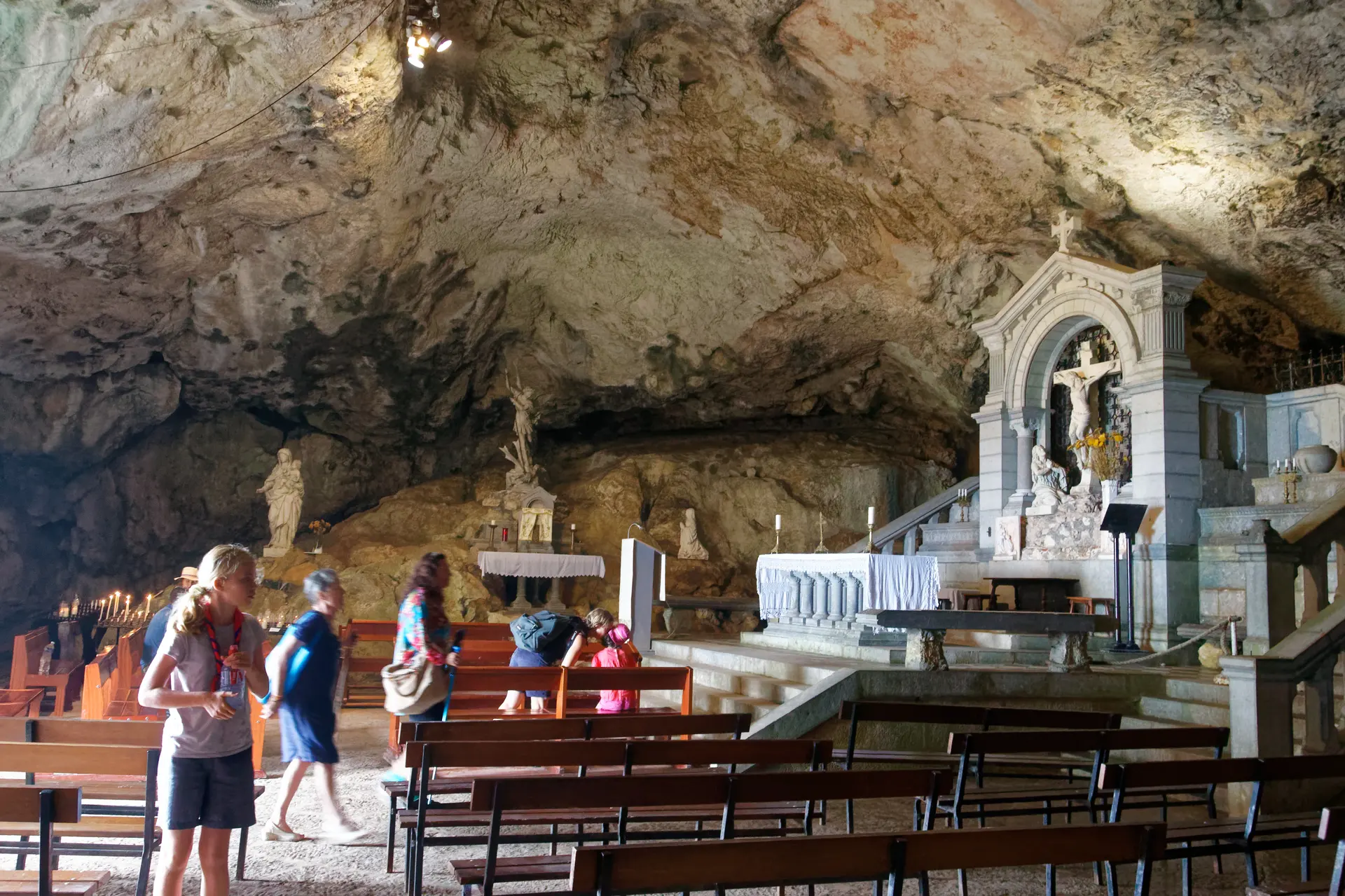
Grotte de la Sainte-Baume
Plan-d'Aups-Sainte-Baume, Plan-d'Aups-Sainte-Baume, Provence-Alpes-Côte d'Azur (Var), France
16.1 km away
References
Sources consulted for this page. Source categories describe the publication, not a guarantee that every claim is verified. Traditional accounts and outside interpretations may differ.
- 01Basilique de Saint-Maximin — Provence Verte & Verdon TourismofficialBuilding, crypt, sarcophagi and furnishings. Omit inconsistent pipe counts and the erroneous royal title used on this page.
- 02Sur les pas de Marie Madeleine — Provence Verte & Verdon TourismofficialVisitor orientation, worship etiquette and tourist-office guide resources; checked 2026-09-12. Timetables must be reconfirmed.
- 03Computer-Aided Facial Reconstruction of “Mary-Magdalene” Relics Following Hair and Skull Analyses (2019) — Philippe Charlier and colleaguesacademicIntroduction: 1974 anthropological examination. Conclusion: carbon dating remains further work; no scientific identification as Mary Magdalene.
Share a photo
Help visitors recognize Saint-Maximin-la-Sainte-Baume, Basilica of Mary Magdalene. Every submission is reviewed before publication.