Country guide
Israel
Israel brings together sacred architecture, pilgrimage traditions, and landscapes shaped by memory, ritual, and local devotion.
22 sacred sites across 6 regions. Use the tradition links to narrow in.
Browse by region
Explore Israel region by region
Open a regional guide to see its sacred sites, traditions, and map.
Explore Israel by facet
Veneration
Dates connected to Israel
Upcoming festivals, feast days, and pilgrimages tied to Israel. Add any to your calendar, or see the full observance calendar.
- Add
Tisha B'Av
Fri, Aug 13, 2027Observance
Refine the atlas
Related Israel guides
Showing 1-22 of 22 sites in this country guide

Cave of Elijah on Mount Carmel, Haifa
Haifa, Haifa District, Israel
Carved into the base of Mount Carmel, the Cave of Elijah has drawn pilgrims for nearly three thousand years....
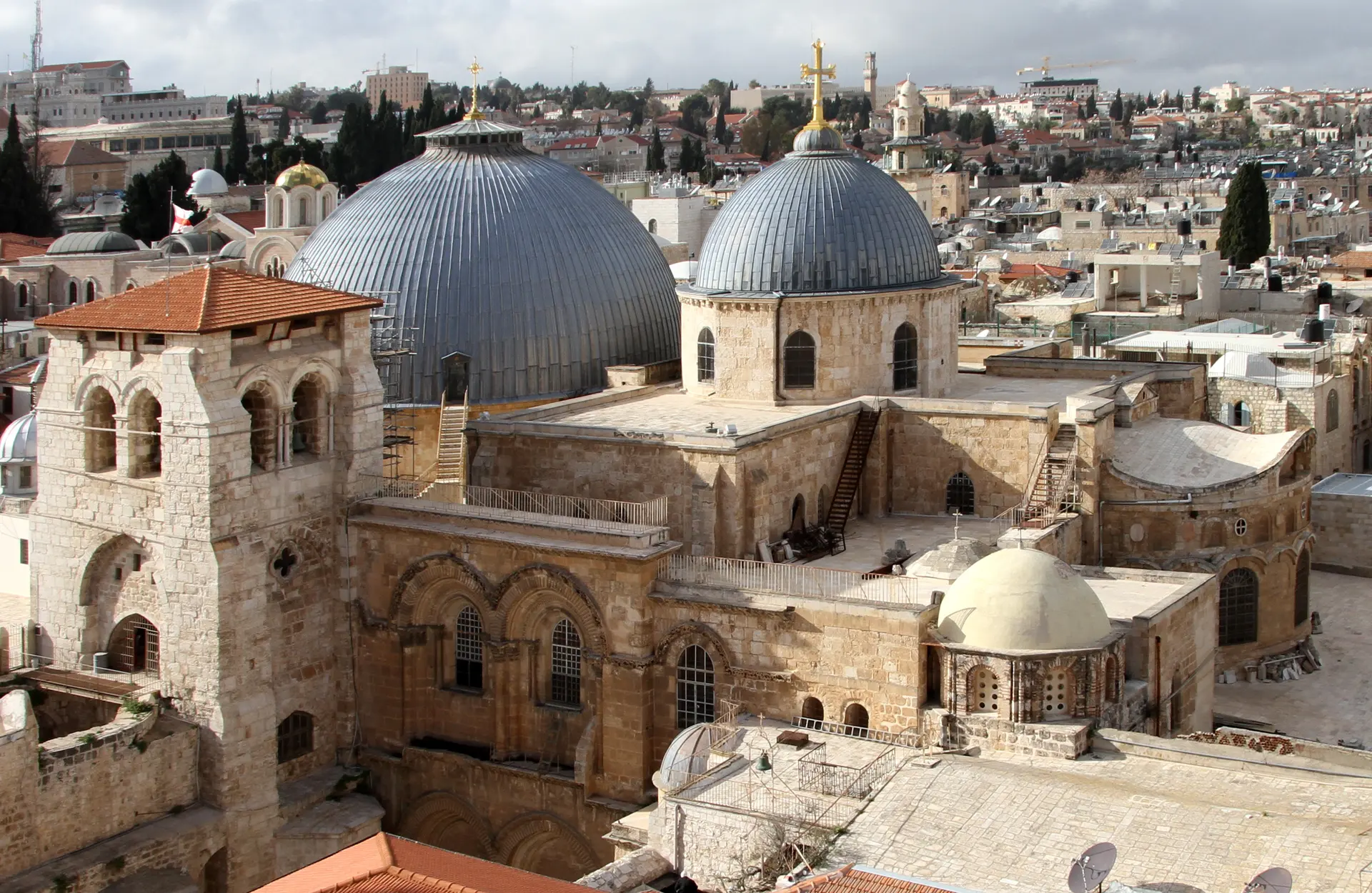
Chapel of the Apparition — Holy Sepulchre
Old City, Jerusalem, Jerusalem District, Israel
Tucked into the north transept of the Church of the Holy Sepulchre, the Chapel of the Apparition is small but theologically immense....
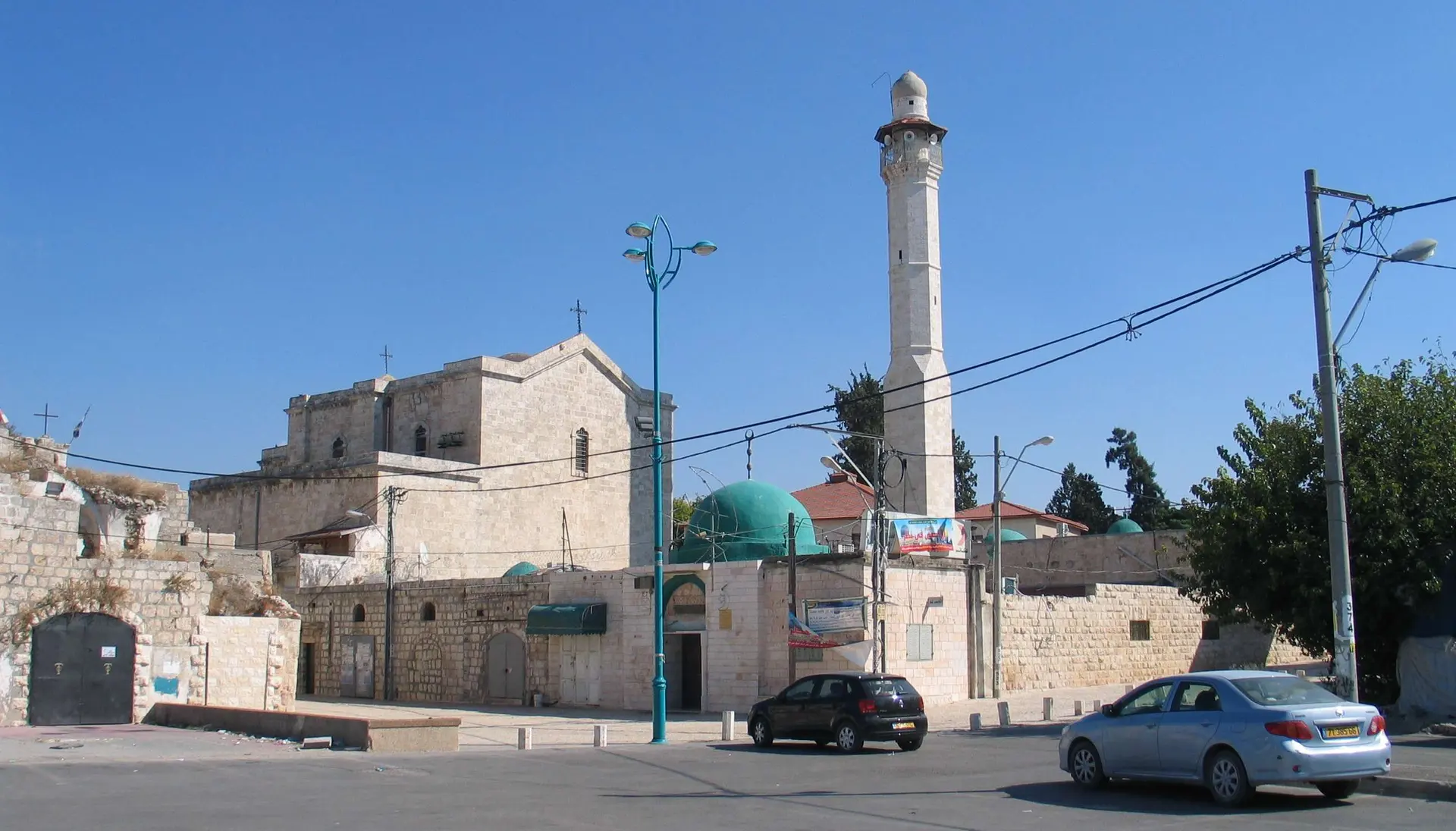
Church of St. George and mosque of El Khidr, Lod (Lynda), Israel
Lod, Central District, Israel
In Lod, the ancient Lydda, a Greek Orthodox church and an Islamic mosque stand wall-to-wall over the venerated tomb of St. George and Al-Khidr....
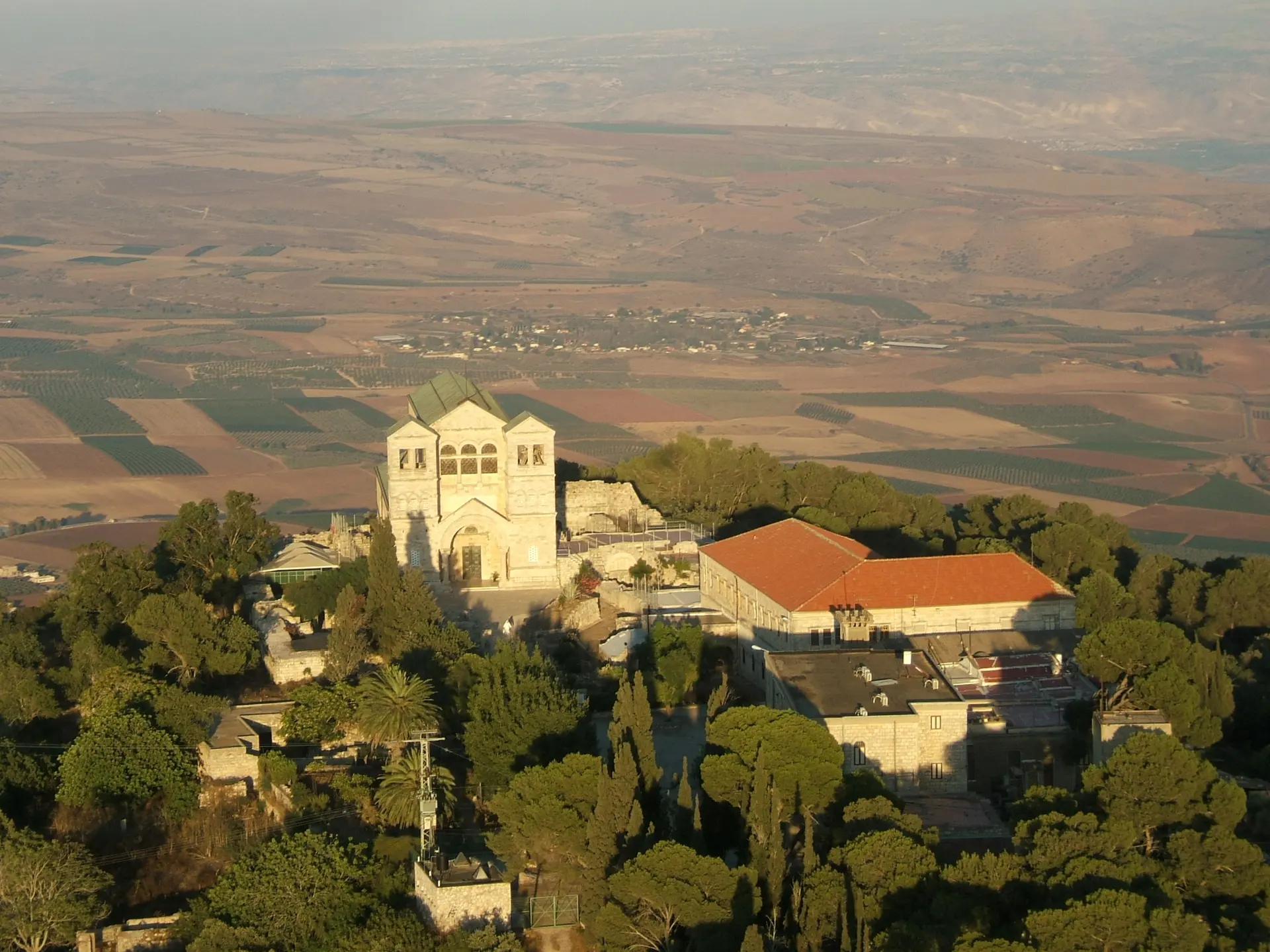
Church of the Transfiguration Mount Tabor
Part of Mt. Tabor
Shibli - Umm el Ghanam, Northern District, Israel
At the summit of Mount Tabor, the Franciscan Basilica of the Transfiguration stands over nearly two millennia of Christian worship....

Dome of the Rock
Part of Temple Mount
Jerusalem District, Israel
Completed in 691/692 CE, the Dome of the Rock is one of the oldest surviving works of Islamic architecture....

Foundation Stone
Inside Dome of the Rock
Jerusalem District, Israel
The Foundation Stone — Even haShetiya — is the bare rock at the heart of the Temple Mount, enshrined within the Dome of the Rock....

Lydda
Lod, Central District, Israel
Lydda, now Lod in central Israel, is remembered in Christian tradition as the city of Saint George....

Magdala Archaeological Park
Migdal, Israel
Magdala’s excavated synagogue and streets reveal an ancient Jewish town beside the Sea of Galilee, traditionally associated with Mary Magdalene.

Mary’s Spring at St Gabriel’s Church
Nazareth, Northern District, Israel
Inside St Gabriel’s Greek Orthodox church in Nazareth, a spring-water outlet is associated with the Annunciation.

Mary’s Spring, Ein Karem
Ein Karem, Jerusalem, Israel
Below a mosque in Ein Karem, a village spring carries a Christian memory of Mary’s visit to Elizabeth.
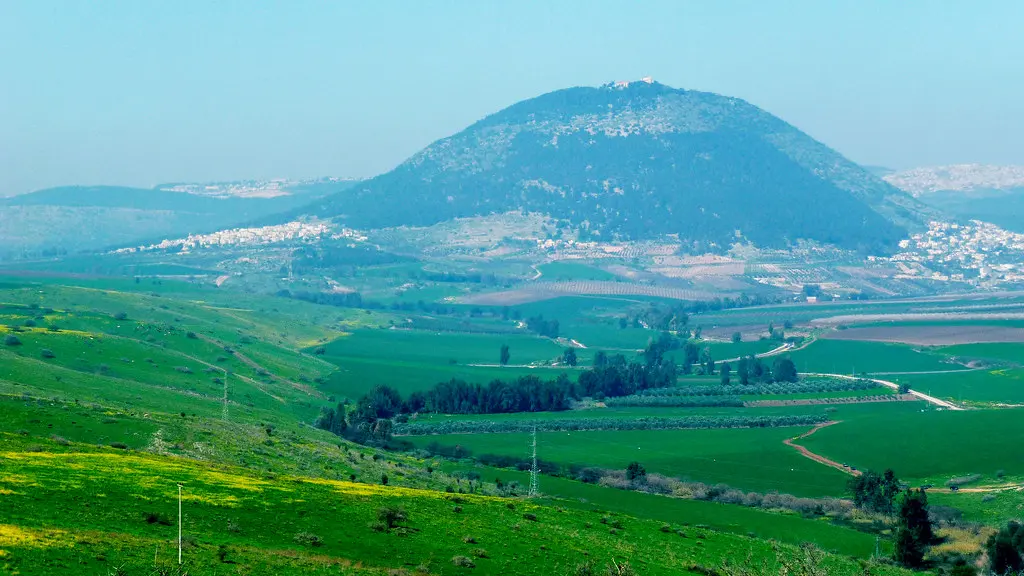
Mt. Tabor
Shibli - Umm el Ghanam, Northern District, Israel
Mount Tabor rises as a near-perfect dome from the Jezreel Valley, a natural altar that has drawn reverence for over three millennia....
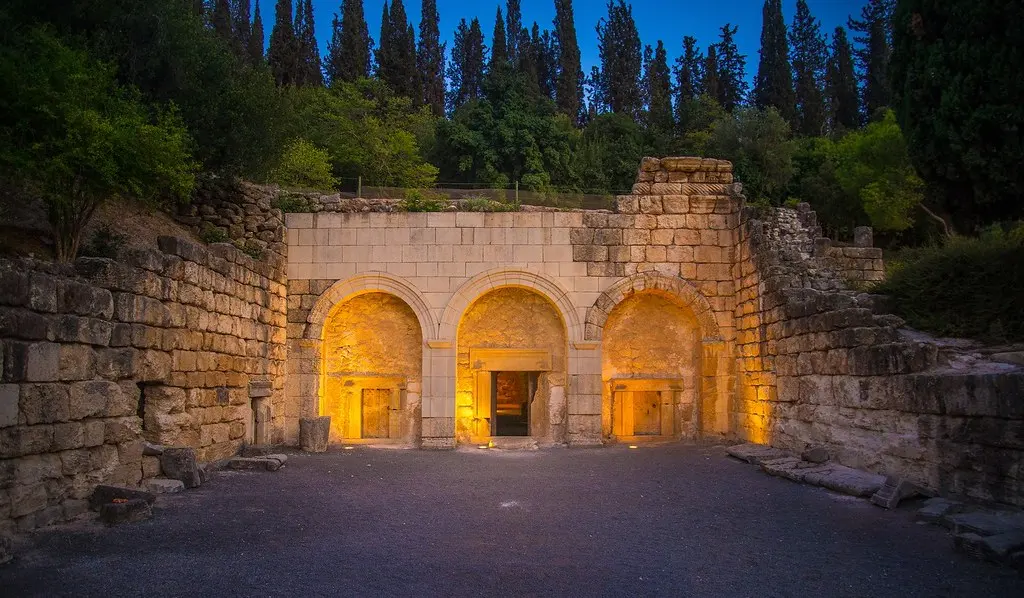
Necropolis of Bet Shearim
Emek Izrael Regional Council, Haifa District, Israel
When Jews were barred from burial on the Mount of Olives after 135 CE, they came to Bet She'arim....
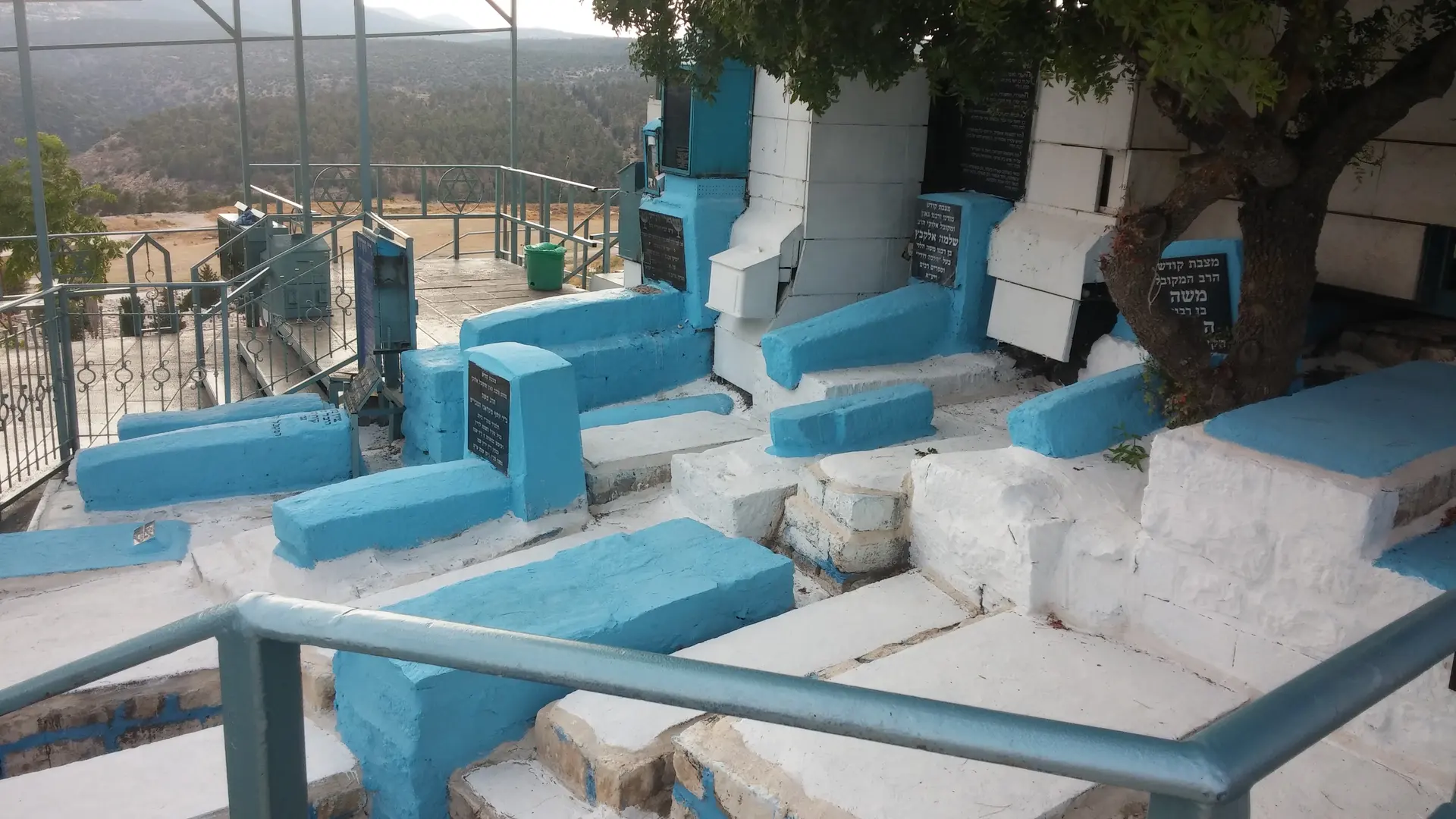
Old Cemetery, Safed
Safed, Northern District, Israel
On the western slope below Safed's Old Jewish Quarter, a cemetery of blue-painted graves holds the remains of some of the most influential figures in Jewish law and...
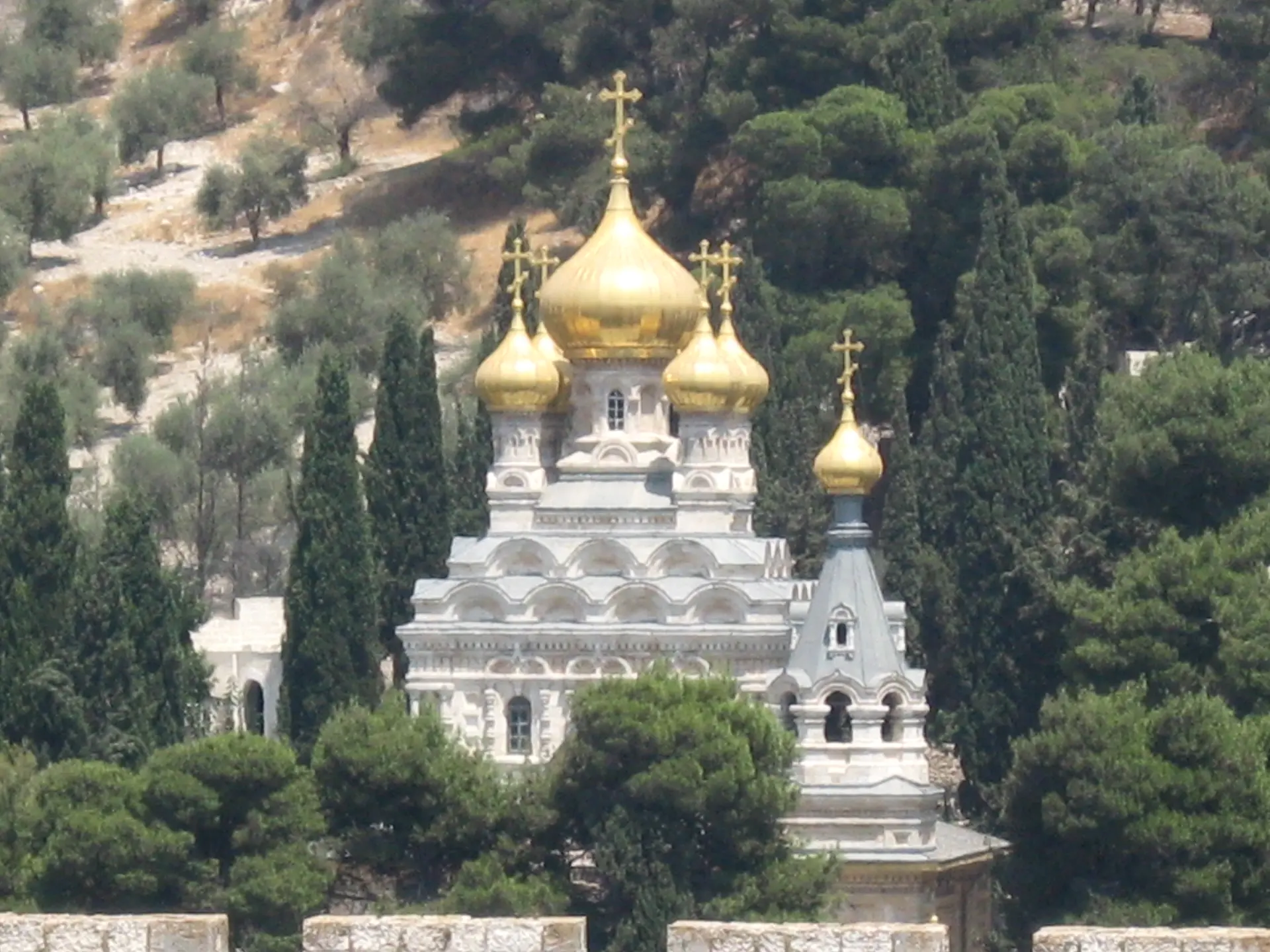
Russian Orthodox Convent of Saint Mary Magdalene
Jerusalem, Jerusalem District, Israel
Built 1885–1888 by Tsar Alexander III in memory of his mother, the Russian Orthodox Convent of Saint Mary Magdalene rises on the western slope of the Mount of Olives above...
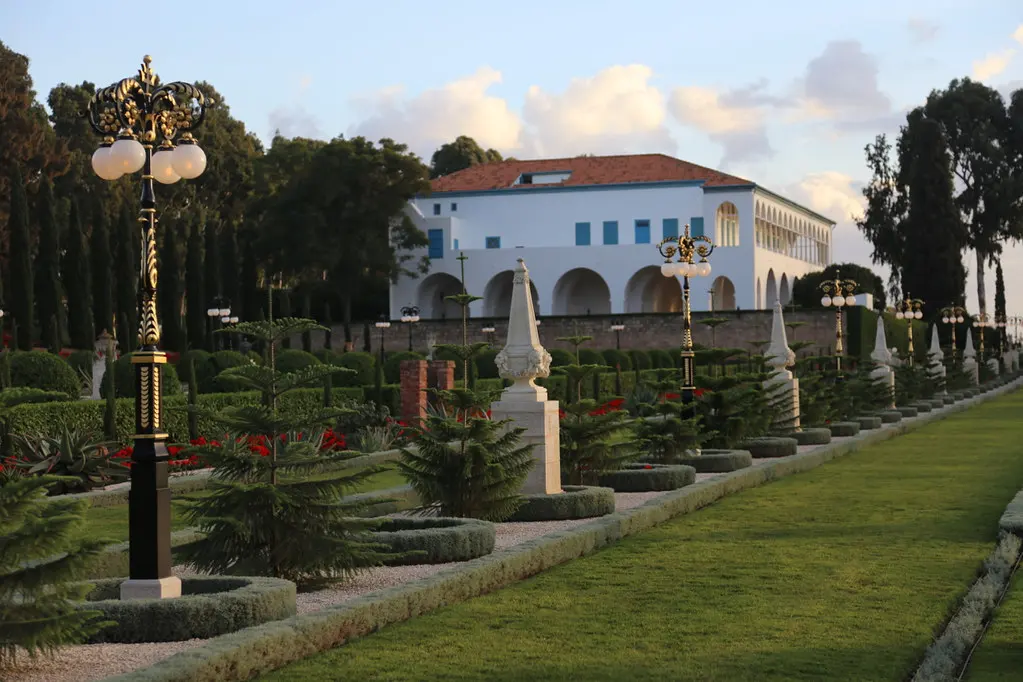
Shrine of Bahá’ú’lláh, Acre
Bustan HaGalil, Northern District, Israel
North of Acre, surrounded by gardens of geometric perfection, the Shrine of Baha'u'llah holds the remains of the founder of the Baha'i Faith....
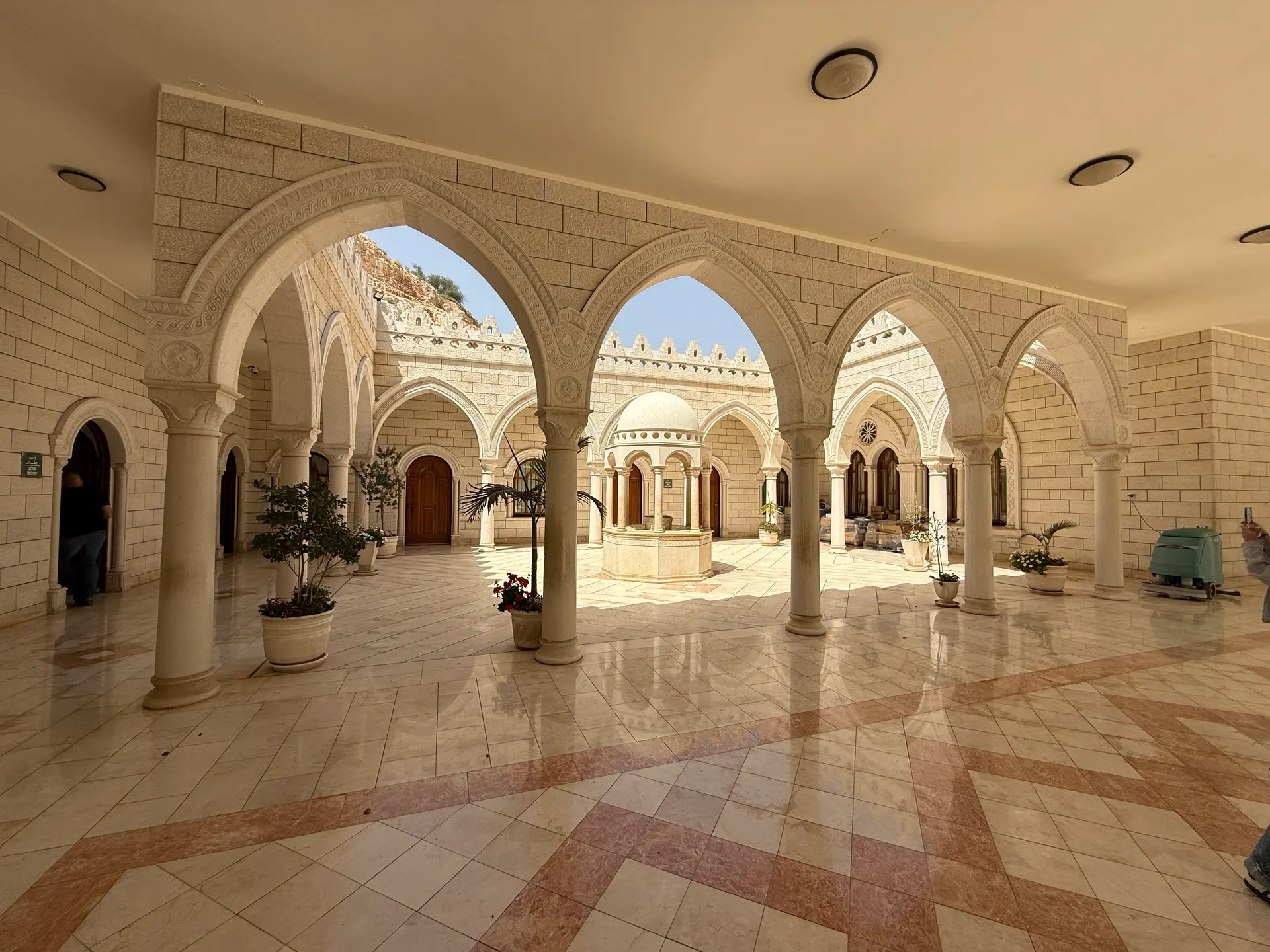
Shrine of Nabi Shuʿayb, near Kfar Zeitim, not far from Tiberias, Israel
Galil Tachton Regional Council, Northern District, Israel
Rising above the Galilee valleys near the Horns of Hattin, the Shrine of Nabi Shu'ayb marks the purported tomb of the Prophet Shu'ayb, whom the Druze identify with the...
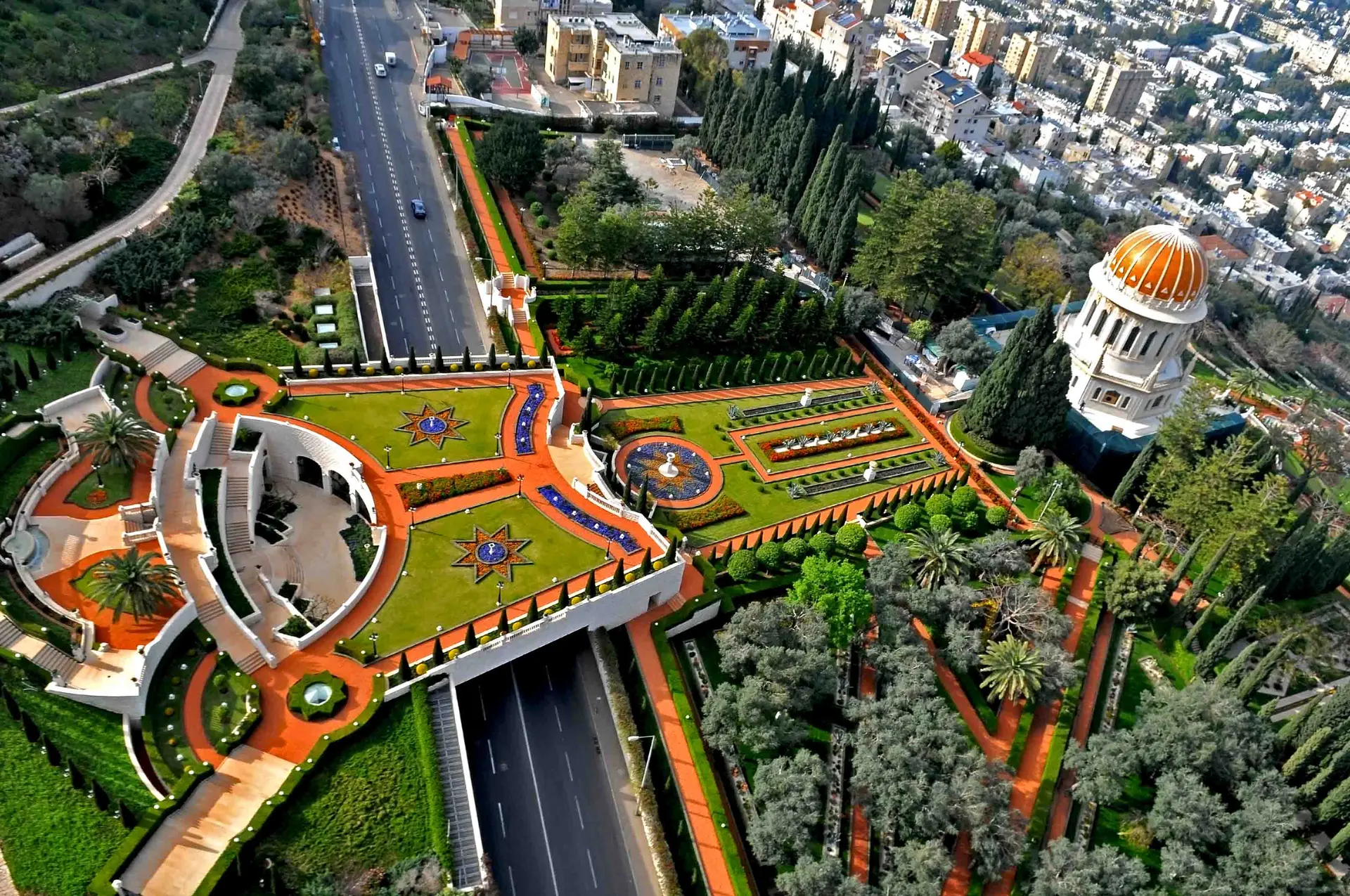
Shrine of the Báb, Haifa
Haifa, Haifa District, Israel
The Shrine of the Bab rises on Mount Carmel in Haifa, its golden dome visible across the city and the sea beyond....
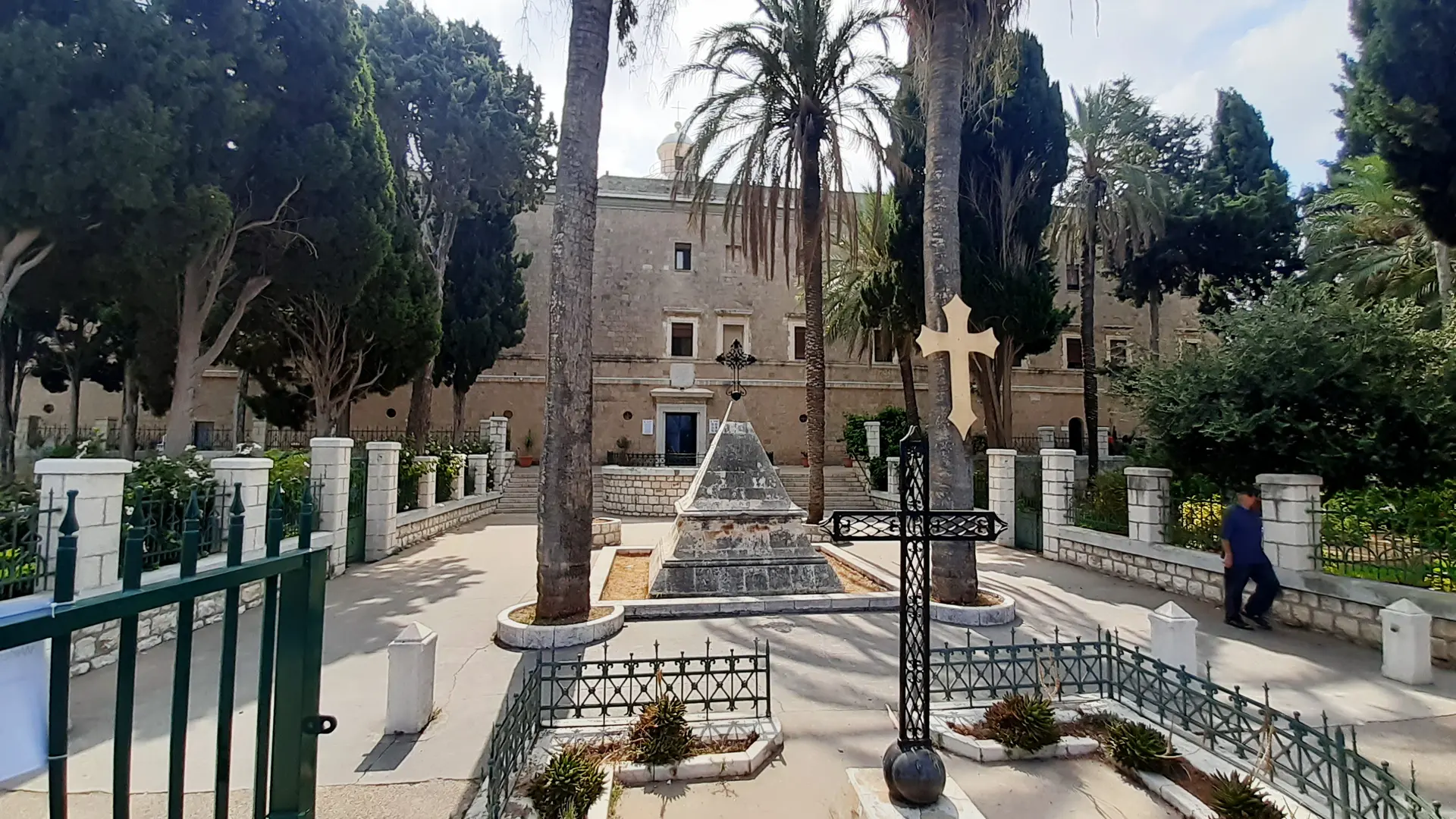
Stella Maris Monastery and Elijah’s Cave, Haifa, Israel
Haifa, Haifa District, Israel
On the western promontory of Mount Carmel, Stella Maris Monastery rises above the Mediterranean while Elijah's Cave opens below....

Temple Mount
Jerusalem District, Israel
A single walled hilltop in Jerusalem's Old City holds the foundation myths of three Abrahamic faiths....
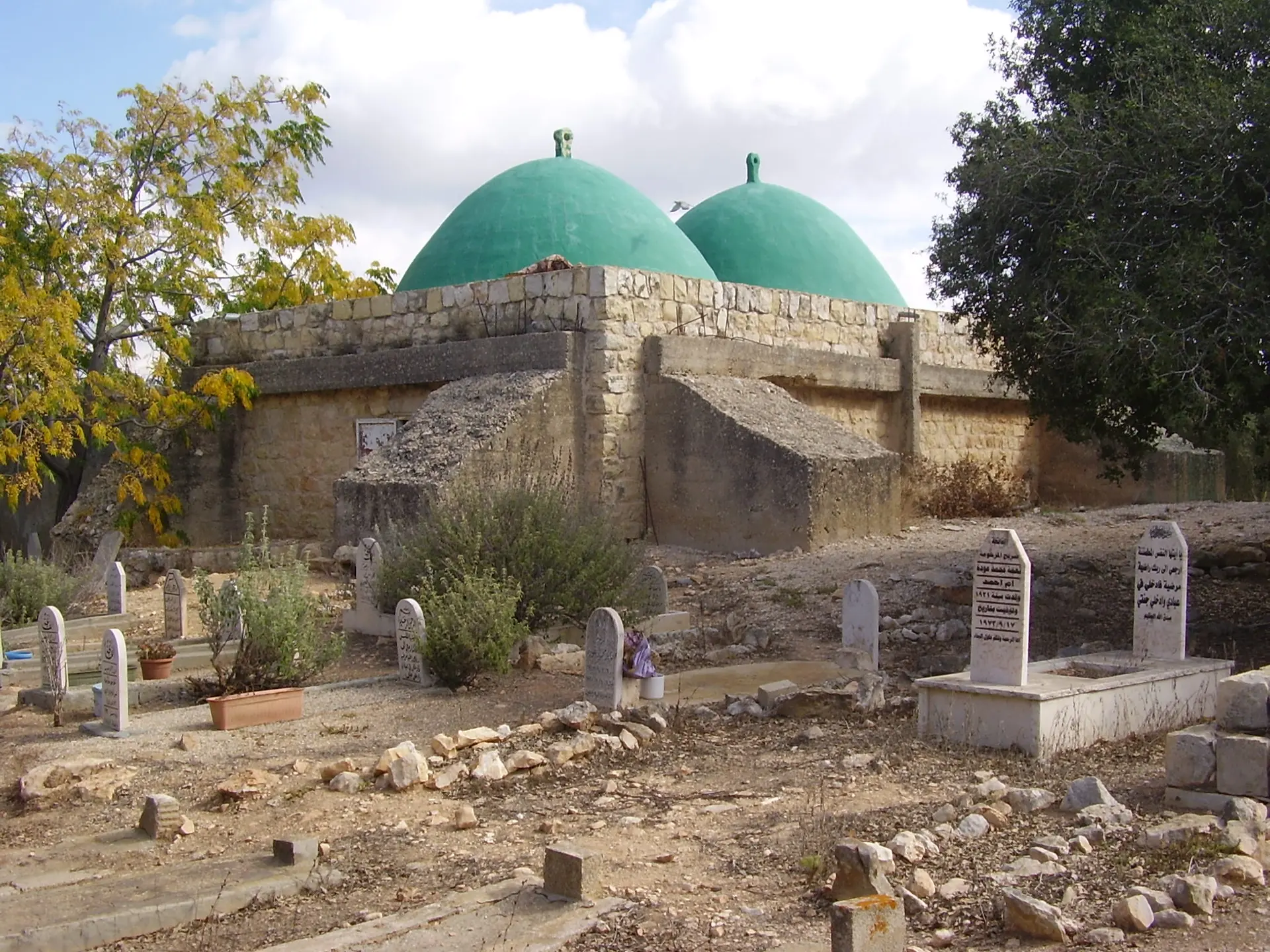
The tomb of Sheikh Abu Al-Hija, Israel
Misgav Regional Council, Northern District, Israel
In the Arab village of Kaukab Abu al-Hija in the Lower Galilee, a two-domed shrine marks the purported tomb of Hussam ad-Din Abu al-Hija, a Kurdish general under Saladin....

Tomb of Mary, Valley of Cedron, Jerusalem, Israel
Jerusalem, Jerusalem District, Israel
Beneath the Kidron Valley floor, at the foot of the Mount of Olives, a rock-cut tomb from the 1st century is venerated as the burial place and site of the Assumption of...

Western Wall
Jerusalem, Jerusalem District, Israel
The Western Wall stands as the holiest accessible site in Judaism, the closest point to where the Holy of Holies once dwelt within the Temple....
Key questions
Israel sacred-site questions
What sacred sites can I explore in Israel?
Pilgrim Map lists sacred places in Israel across living worship sites, heritage landmarks, pilgrimage destinations, and culturally significant landscapes. The current guide lists 22 sites organized by region and tradition.
Which traditions are represented in Israel?
The most represented traditions include Christianity, Judaism, Islam, Bahai, Christianity / Islam, Orthodox.
How should I plan a sacred-site visit in Israel?
Start with regional clusters, compare nearby places on the map, then open individual site pages for coordinates, etiquette, and sacred context where available.
Can I view Israel sacred sites on a map?
Yes. Switch to map view to compare geographic clusters, then open individual site pages for coordinates, visiting context, and related places.