Cave of Elijah on Mount Carmel, Haifa
Where the prophet heard the still small voice, and four faiths still gather to pray
Understand sacred places, explore living traditions, and learn how to engage respectfully with Pilgrim Map.
Access has not been verified. Check current local guidance before planning a visit.
Haifa, Haifa District, Israel

Image of Cave of Elijah on Mount Carmel, Haifa. Image source · CC-BY-SA-3.0
Visit essentials
A quick read before you go
- Duration
- A contemplative visit takes 30 minutes to an hour.
- Etiquette
- The Cave of Elijah welcomes visitors of all faiths but requires modest dress and respectful…
Overview
The Cave of Elijah is a natural cavern on Mount Carmel's western slope overlooking the Mediterranean, visited by pilgrims for nearly three millennia. Elijah is one of the most powerful figures in the Abrahamic traditions. According to Hebrew scripture, he called down fire to defeat Baal's prophets, fled Queen Jezebel to this cave, and heard God not in wind, earthquake, or fire but in a still small voice, changing the meaning of revelation.
Parallel devotions meet here without becoming one: Jews pray to the prophet expected to herald the Messiah; Christians venerate the model of faith who appeared at Christ's Transfiguration; Muslims associate the cave with Al-Khidr, the mysterious Green Prophet who appears to guide seekers; and Druze regard Elijah as a manifestation of eternal wisdom.
Its walls carry 227 ancient Greek and Hebrew pilgrim inscriptions from two thousand years ago, while modern prayers on paper continue a practice begun before the common era. Officially administered as a Jewish holy place, the cave remains open to visitors of all faiths seeking the divine in silence.
Why this place is sacred
The thinness of this place begins with Elijah himself. In the narrative of 1 Kings, the prophet has just performed one of the most spectacular miracles in scripture, calling fire from heaven to consume his sacrifice and prove the power of God against Baal. But when Queen Jezebel threatens his life, he flees into the wilderness and to this cave.
What happened next transformed how believers understand divine communication. God was not in the wind that tore the mountains apart. Not in the earthquake. Not in the fire. God was in the still small voice, the kol demamah dakkah, that followed. This cave is where a prophet learned that the sacred speaks in silence.
The site's power is amplified by the sheer weight of accumulated pilgrimage. The 227 inscriptions carved into the cave walls between the 1st and 6th centuries CE testify to centuries of devotion. These are not casual graffiti but records of desperate prayers, thanksgiving for healing, appeals for blessing. Two millennia of human hope are literally carved into the stone.
Academic researchers have documented the cave as a site of co-produced religion, a place where multiple traditions have shaped each other's understanding of the sacred. Jews, Christians, Muslims, and Druze do not merely tolerate each other here; they have created a shared sacred geography through centuries of parallel devotion.
The cave has been associated with healing since antiquity, particularly for mental illness and infertility. Whether this reflects the site's inherent qualities, the power of collective faith, or something beyond explanation, the pattern of reported healings has persisted across centuries and traditions.
According to tradition, this natural cave served as Elijah's shelter during his flight from Jezebel and as the site of his encounter with God's voice. It may also have been associated with a school of prophets, where Elisha and others gathered. Archaeological evidence confirms pilgrimage use from at least the 1st century CE, with a possible Christian chapel built as early as 83 CE.
The cave has passed through many hands and phases. A larger church was commissioned by Saint Helena in the 4th century. In the 12th century, Crusader-era hermits settled in caves on Mount Carmel, eventually forming what became the Carmelite order, which claims Elijah as its spiritual founder. In the 17th century, the cave was reportedly converted to a mosque while remaining accessible to multiple faiths.
Today it is officially recognized as a Jewish holy site by the Israeli Ministry of Religious Affairs, though pilgrims of all traditions continue to come.
Experience and orientation
The approach to the cave is part of its effect. You descend stairs from Allenby Road near the cable car, or walk down from the Stella Maris monastery above. The Mediterranean spreads below, and Mount Carmel rises behind. You are entering one of the most contested and prayed-over landscapes on earth.
The cave itself is not large, roughly 14 meters by 8 meters, with smaller cavities extending from the main chamber. The scale creates intimacy. You are not in a cathedral designed to overwhelm but in a natural space where a prophet once hid and prayed.
The ancient inscriptions on the walls make the weight of accumulated pilgrimage visible. These marks were carved by people who came here seeking what you seek, across two thousand years. The Hebrew and Greek letters have survived empires, wars, and the weathering of time. To add your own prayer to this tradition is to join something vast.
Visitors often report that the silence here has a particular quality. It is not merely the absence of noise but something closer to presence. Many describe the sensation of being held or witnessed. Some weep unexpectedly. Others find that questions they brought are answered not in words but in a shift of understanding.
The multi-faith nature of the pilgrims themselves becomes part of the experience. To pray alongside Jews, Christians, Muslims, and Druze, each approaching the same prophet through their own tradition, is to glimpse something about the unity beneath religious difference. Elijah belongs to all of them. The cave refuses to be claimed by any one alone.
Those who come during quieter hours, early morning or late afternoon, report deeper experiences. The cave needs time. Rushing through yields only tourism.
Approach the cave as a pilgrim, not a tourist. Before entering, pause to consider what question or intention you bring. The prophet who prayed here was in crisis, fleeing for his life. What brings you?
Inside, find a place to sit or stand quietly. Let your eyes adjust to the dimness. Notice the inscriptions on the walls, the work of pilgrims across two millennia. You are one of thousands who have come here seeking something.
If you wish to leave a written prayer, there are usually places to do so. This practice connects you to an ancient tradition. Let the silence work on you. The still small voice does not shout.
Context and lineage
According to 1 Kings 18-19, the prophet Elijah challenged 450 prophets of Baal to a contest on Mount Carmel. He called upon God to send fire from heaven, which consumed his sacrifice and proved the power of the God of Israel. Afterward, Elijah fled the wrath of Queen Jezebel and hid in a cave, traditionally identified as this one.
It was here that Elijah experienced the theophany that changed the meaning of revelation. God commanded him to stand at the mouth of the cave. A great wind tore the mountains apart, but God was not in the wind. An earthquake shook the ground, but God was not in the earthquake. Fire passed, but God was not in the fire. Then came a still small voice, and Elijah wrapped his face in his cloak and went out to meet it.
Christian tradition adds that the Holy Family may have sheltered in this cave during their return from Egypt to Nazareth, resting under Elijah's protection.
The cave's continuous use as a pilgrimage site for nearly two millennia is documented by the 227 inscriptions carved into its walls. These inscriptions, dating from the 1st through 6th centuries CE, record prayers, thanksgivings, and appeals for blessing in Greek and Hebrew.
In the 12th century, Crusader-era hermits settled in caves on Mount Carmel, eventually forming the Carmelite order. The Carmelites claim Elijah as their spiritual founder and maintain the Stella Maris monastery above the cave. The site has passed through various custodians over the centuries, including a period as a mosque, but has remained a place of multi-faith pilgrimage throughout.
Elijah
prophet
One of the most powerful prophets in the Abrahamic traditions, Elijah confronted idolatry, performed miracles, and ascended to heaven in a chariot of fire. He is expected to return as herald of the Messiah in Jewish tradition and appeared at Christ's Transfiguration in Christian scripture.
Al-Khidr
prophet/immortal guide
The mysterious Green Prophet, sometimes identified with or as a companion of Elijah. In Islamic tradition, Al-Khidr is an immortal who appears to guide seekers. The Druze venerate him as a manifestation of eternal wisdom.
Elisha
prophet
Elijah's successor and student, who received a double portion of his spirit. The cave may have been associated with a school of prophets where Elisha and others studied under Elijah.
Traditions and practice
Traditional practices at the cave center on prayer and petition. Pilgrims have sought Elijah's intercession for healing, particularly for mental illness, for fertility, and for general blessing. The practice of leaving written prayers dates back centuries, connecting to the ancient tradition of carving prayers into the walls.
Jewish pilgrimage intensifies during the summer, especially during the Shabbat following Tisha B'Av. The cave's association with Elijah, who is expected to herald the Messiah, makes it a natural site for messianic hope and longing.
In the 19th and early 20th centuries, multi-faith processions were documented, with Jews, Christians, and Muslims processing together to the cave. These communal practices have faded but the parallel devotion continues.
Today, Jewish prayer services are held in the cave, which is officially administered as a holy site. However, pilgrims of all faiths are welcome to enter, pray, light candles, and leave written prayers. The cave is especially busy during Jewish pilgrimage seasons but receives visitors year-round.
Christian pilgrims often combine a visit to the cave with the Stella Maris monastery above, which houses a grotto associated with Elijah and the Carmelite tradition. Muslim and Druze pilgrims come to venerate Al-Khidr. Bahai pilgrims from the nearby Bahai World Centre also visit.
Come with a genuine intention or question. The cave has been a place of petition for nearly three millennia, and something about bringing your real concerns seems to activate its power.
Take time to sit in silence. The still small voice that spoke to Elijah was heard in the absence of dramatic phenomena. Let the cave's quiet work on you.
If it feels right, leave a written prayer. This connects you to an ancient tradition and to the thousands of pilgrims who have come before. Light a candle if candles are available.
Before leaving, look at the ancient inscriptions on the walls. These prayers, carved two thousand years ago, are the same kind of prayers people bring today. The continuity is humbling.
Judaism
ActiveThe cave is believed to be where Elijah hid from Queen Jezebel and heard God's still small voice. Elijah is one of the most important prophets in Judaism, associated with the coming of the Messiah. Jewish pilgrimage to the cave has continued for millennia, with the site officially recognized as a holy place by the Israeli Ministry of Religious Affairs.
Prayer, pilgrimage (especially after Tisha B'Av), leaving written prayers, seeking healing and blessing, head covering for men, Jewish liturgical prayers.
Christianity
ActiveChristians venerate Elijah as a prophet who appeared alongside Moses at Jesus' Transfiguration. The Carmelite order, founded on Mount Carmel in the 12th century, claims Elijah as its spiritual founder. Christian tradition also holds that the Holy Family may have sheltered in this cave.
Pilgrimage, prayer, visiting the Carmelite monastery at Stella Maris, veneration of Elijah as a forerunner of monasticism and prophetic zeal.
Islam
ActiveMuslims associate the cave with Al-Khidr (the Green Prophet), sometimes identified with or as a companion of Elijah. The cave was converted to a mosque in the 17th century while remaining multi-faith. Muslims call the site 'el-Hadra' (the green).
Pilgrimage, prayer, seeking blessings from Al-Khidr who is believed to appear to guide seekers.
Druze
ActiveThe Druze regard Elijah as a major prophet and manifestation of al-Khidr's reincarnated soul, embodying eternal wisdom and the cycle of prophetic renewal. The cave is considered holy in Druze tradition.
Pilgrimage, veneration of Elijah/al-Khidr as a manifestation of eternal wisdom.
Perspectives and open questions
The Cave of Elijah invites interpretation from multiple angles: archaeological, theological, and phenomenological. Each tradition that venerates this site brings its own understanding of why it matters. Academic researchers have studied it as an example of how sacred sites can be co-produced across religious boundaries.
Scholarly perspective
Archaeological and epigraphic evidence confirms the cave has been a pilgrimage site since at least the 1st century CE. The 227 inscriptions in Greek and Hebrew constitute one of the richest collections of ancient religious graffiti in Israel. Scholars study these inscriptions for insights into popular religiosity, pilgrimage practices, and the concerns that drove people to seek prophetic intercession.
Researchers at the Coproduced Religions Project have documented the cave as an example of multi-faith sacred space, where four traditions have developed parallel devotions without erasing each other's claims. This scholarship helps explain why the cave functions as it does: the power of the site is amplified rather than diluted by its multi-faith character.
Living and traditional perspectives
Each tradition brings its own understanding. For Jews, Elijah is the prophet who will herald the Messiah, and the cave is where he heard God's voice in the mode that defines prophetic encounter. Christians see Elijah as a forerunner of monasticism and a figure who appeared at the Transfiguration. Muslims venerate Al-Khidr here as an immortal guide. The Druze understand the prophet as a manifestation of eternal wisdom in the cycle of prophetic renewal.
All traditions agree that the cave holds power, that prayers offered here carry weight, and that the prophet's presence somehow lingers. The specific theological frameworks differ, but the experience converges.
Open questions
The precise relationship between the lower cave and the upper grotto at Stella Maris, both associated with Elijah, remains unclear. The full meaning of all 227 ancient inscriptions has not been deciphered or published. The historical basis for the cave's association with healing mental illness, documented since antiquity, is not understood.
Plan your visit
Access and arrival
Haifa offers accommodation at all price points. Staying near the Carmel district provides easy access to the cave and the Bahai gardens. The German Colony area below has boutique hotels and good restaurants.
Respectful visit
Modest dress required. Men should cover their heads. Shoulders and knees should be covered for all visitors.
Generally permitted, but be respectful. Do not photograph worshippers without permission. Do not use flash. Do not photograph for social media spectacle.
Candles can be lit. Written prayers can be left in designated areas. Donations are accepted.
{"Maintain quiet and reverence","Do not touch or damage ancient inscriptions","Respect worshippers from all traditions","Men must cover heads","Dress modestly"}
Do not touch or damage the ancient inscriptions. They are irreplaceable archaeological treasures as well as records of sacred devotion.
Respect pilgrims of other faiths who may be praying differently than you would. The cave's power is partly in its multi-faith character. Let others worship as their tradition teaches.
The cave is closed on Saturdays until after Shabbat in summer. Plan accordingly if you are visiting during this period.
Current practical details
Address
HaHagana Ave 79, Haifa, Israel
Hours, fees, and access can change — verify on the official source before you travel. Practical details last checked Jun 2026.
Location
Map loads as you approach this section.
Pilgrim reflections
A portrait of encounter, not a score
Pilgrims describe what they felt, how present they could become, and whether the place would shape a journey. There are no stars and no ranking of traditions.
No reviewed reflections yet
The first pilgrims can help describe the character of being here.
Share a reflection
Available after an account-backed “Been there.” Every reflection is reviewed before publication.
Nearby sacred places
Explore other sacred places in the region. Proximity does not establish access or travel time; check each place’s guidance.
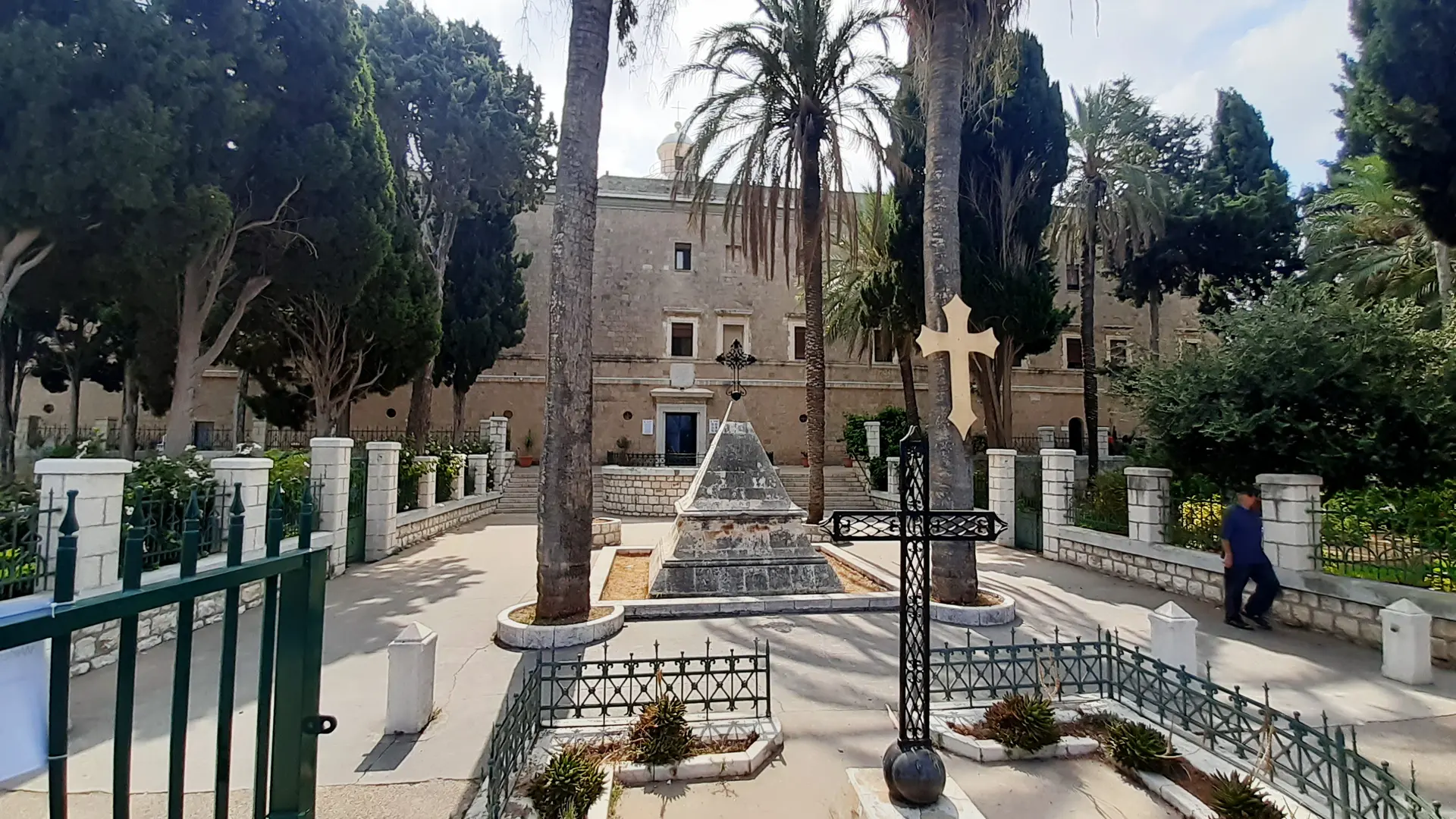
Stella Maris Monastery and Elijah’s Cave, Haifa, Israel
Haifa, Haifa District, Israel
0.3 km away
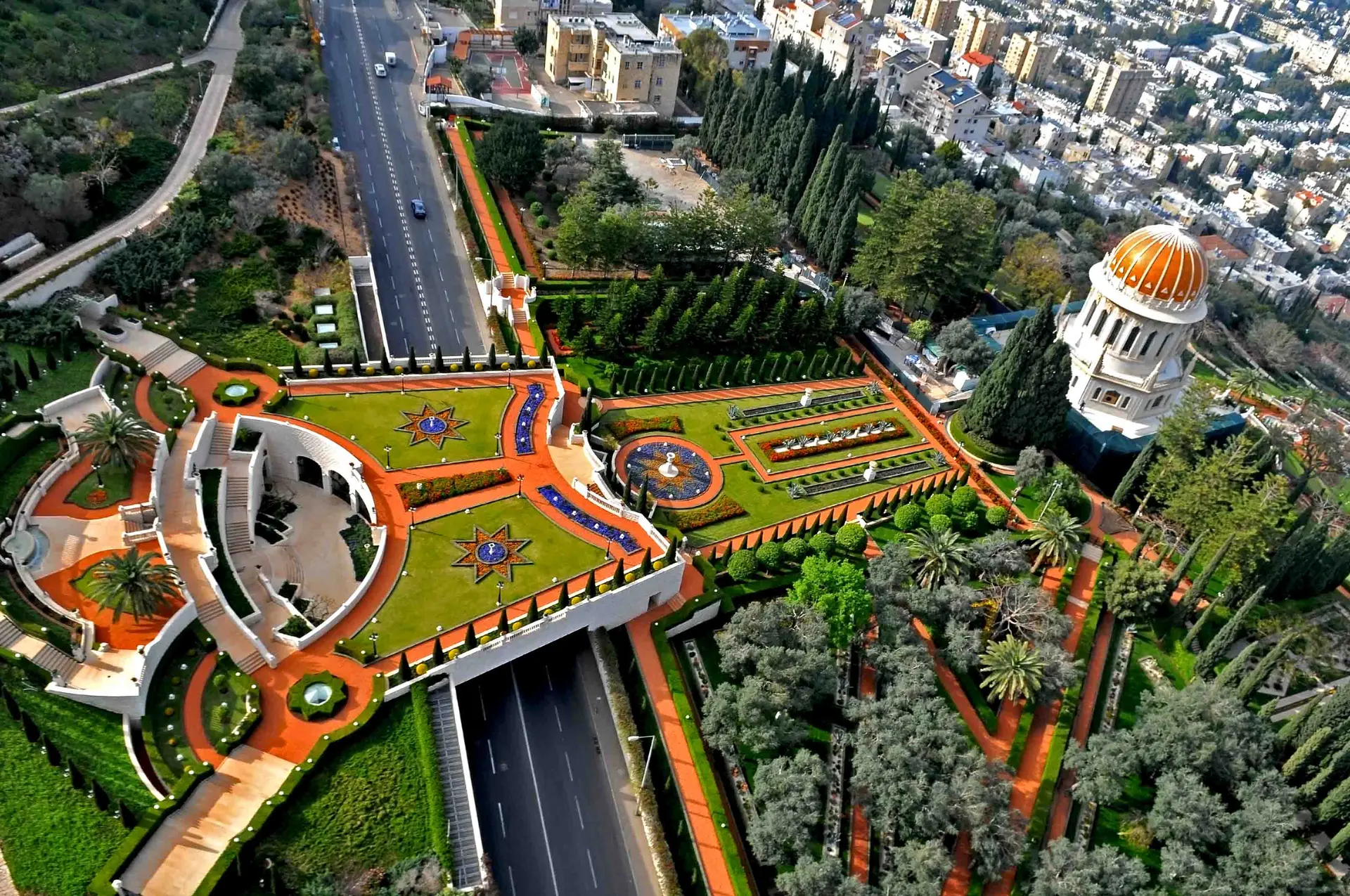
Shrine of the Báb, Haifa
Haifa, Haifa District, Israel
2.4 km away
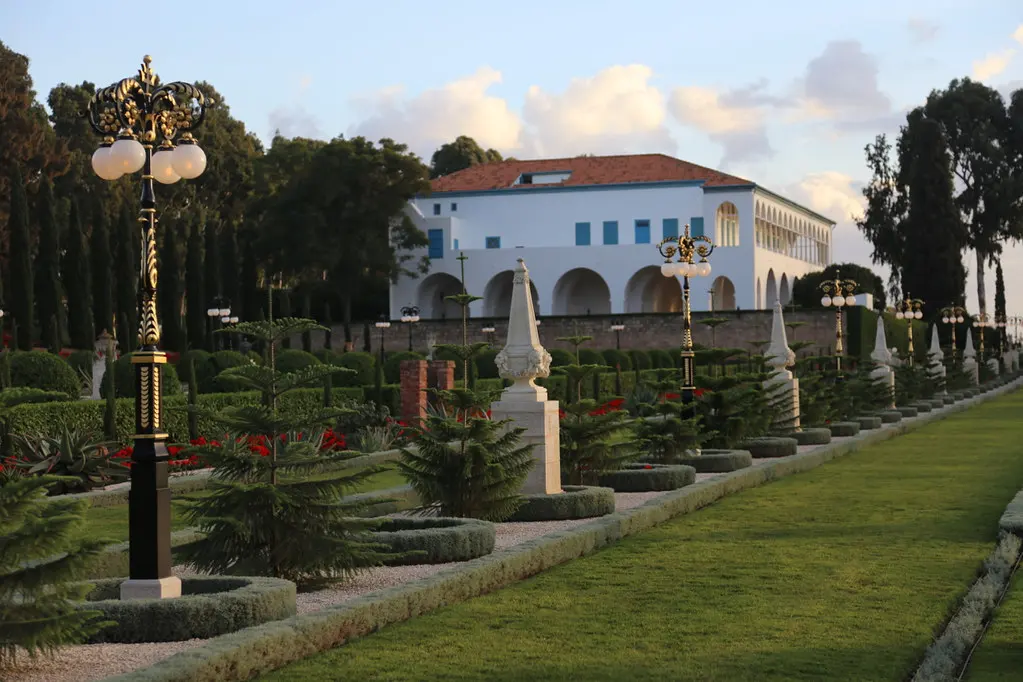
Shrine of Bahá’ú’lláh, Acre
Bustan HaGalil, Northern District, Israel
17.0 km away
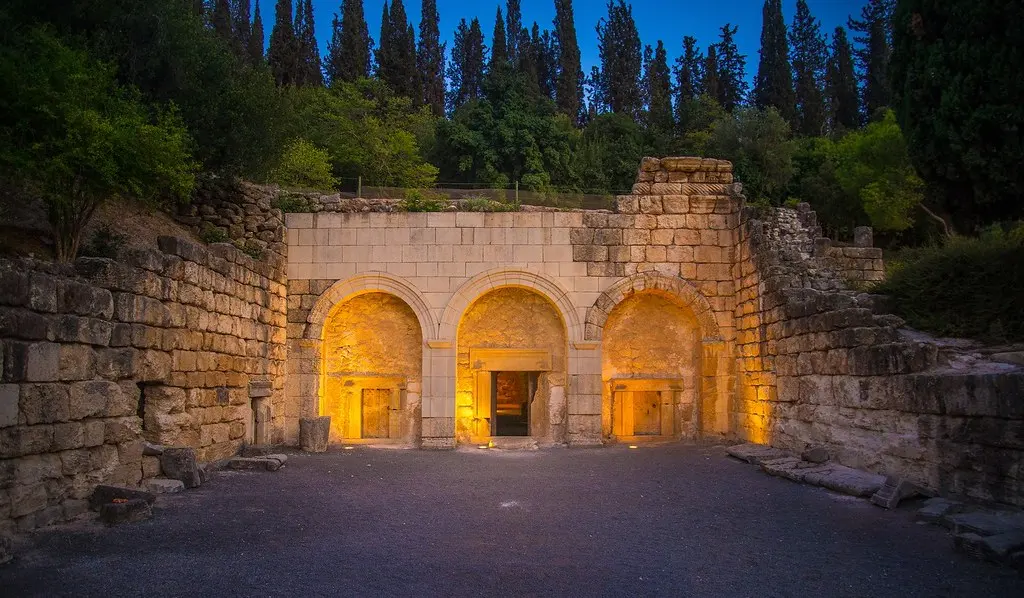
Necropolis of Bet Shearim
Emek Izrael Regional Council, Haifa District, Israel
20.4 km away
Share a photo
Help visitors recognize Cave of Elijah on Mount Carmel, Haifa. Every submission is reviewed before publication.