Necropolis of Bet Shearim
Where diaspora Jews gathered in death around the compiler of the Mishnah after Jerusalem was forbidden
Understand sacred places, explore living traditions, and learn how to engage respectfully with Pilgrim Map.
Access has not been verified. Check current local guidance before planning a visit.
Emek Izrael Regional Council, Haifa District, Israel
Read the sources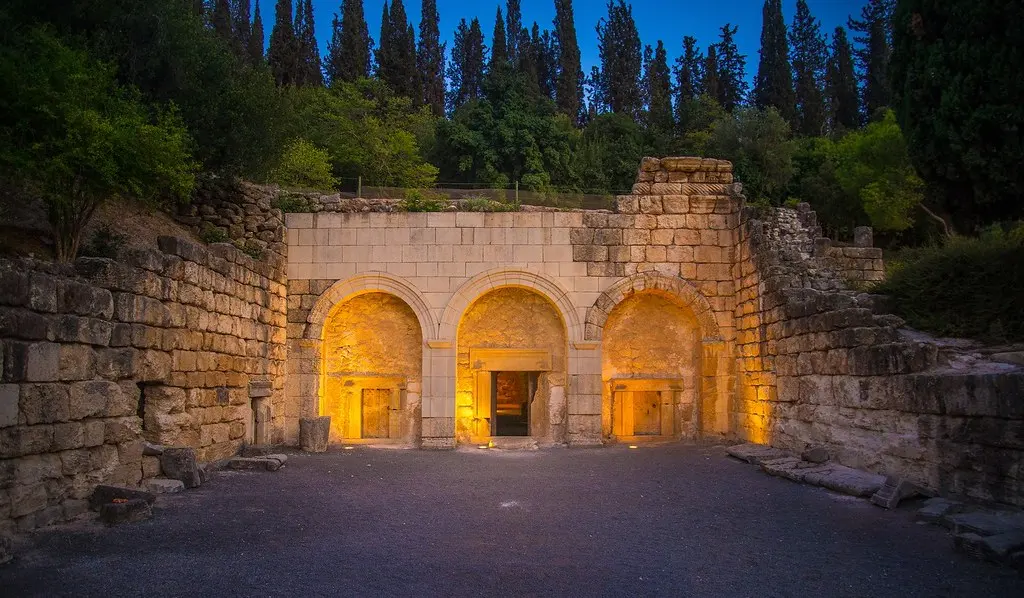
Image of Necropolis of Bet Shearim. Image source · CC-BY-2.0
Visit essentials
A quick read before you go
- Duration
- 2-3 hours for thorough exploration of the open catacombs and national park facilities.
- Etiquette
- Respect the burial nature of the site.
Overview
After the Temple's destruction and Jerusalem's prohibition, scattered Jews faced preserving a tradition rooted in one sacred place. At Galilee's Bet She'arim, 'House of Gates,' Rabbi Judah the Patriarch compiled oral law into the Mishnah so tradition could travel without its buildings.
His burial here in 217 CE made the site a desired resting place for diaspora Jews. From Phoenicia, Palmyra, Himyar in Yemen, and across the Mediterranean, they sent their dead near the leader who preserved their law and identity. More than thirty soft-limestone catacombs hold Greek, Hebrew, Aramaic, and Palmyrene inscriptions, languages of dispersion gathered around one grave. Sarcophagi pair Jewish symbols and Greco-Roman art—menorah with lion, faith with adaptation. Bet She'arim records survival through transformation after the Temple.
Why this place is sacred
What makes Bet She'arim thin is the convergence of loss and renewal. The Temple was gone. Jerusalem was inaccessible. The physical center of Jewish life had been destroyed twice within a century, and Jews were forbidden to approach the ruins.
In this catastrophe, the site became sacred not by ancient tradition but by the presence of a single person: Rabbi Judah the Patriarch, who compiled the Mishnah and thereby ensured that Jewish law could survive without a Temple, could travel without a land, could persist in diaspora. His burial here drew other burials—from Phoenicia, from Palmyra, from Yemen, from everywhere the diaspora reached.
The inscriptions in multiple languages testify to this gathering: Jews who could not come to Jerusalem in life came here in death, resting near the teacher who had made their continued existence possible. The thinness is in this transformation of catastrophe into continuity. The sarcophagi bear both menorah and lion, Jewish symbol and Roman style, documenting a community that absorbed influences without losing identity.
Bet She'arim answers the question that every diaspora faces: how do you remain who you are when you cannot return to where you began? The answer carved into these catacombs is: through law, through learning, through gathering—even in death—around the teachers who preserve what matters.
Seat of the Sanhedrin and center of Jewish life in the Galilee after Jerusalem's destruction. Primary Jewish burial site after Jews were barred from the Mount of Olives.
Town founded under Herod. Sanhedrin moved here 2nd century CE. Rabbi Judah buried 217 CE, making site sacred. Necropolis active until 6th century. Town damaged in Gallus rebellion 351 CE. Abandoned 7th century. Rediscovered 1936. UNESCO inscription 2015.
Experience and orientation
The catacombs of Bet She'arim are cut from the soft limestone of the Lower Galilee, dark passages opening into burial chambers filled with sarcophagi. Entering these spaces—descending from the bright Mediterranean light into the cool darkness of the tombs—the visitor experiences the boundary between the living and the dead that shaped ancient understanding of sacred places.
The sarcophagi bear carvings that document a world in flux: the menorah (Jewish), the lion (universal), the eagle (Roman), combined in ways that show adaptation without assimilation. Some 130 limestone sarcophagi have been found, along with marble ones imported from greater distances. The inscriptions are perhaps the most moving elements: nearly 300 of them, in Greek and Hebrew and Aramaic and Palmyrene, recording the names and origins of the deceased.
Here lies a Jew from Palmyra; here, one from Phoenicia; here, one from Yemen. The languages themselves document the diaspora's reach. Catacomb 20 is traditionally associated with Rabbi Judah's burial, though the exact location is not certain. Walking through the catacombs, the visitor encounters not grandeur but persistence—the determination of a scattered people to gather their dead around a teacher who had preserved their tradition.
Beit She'arim National Park preserves the ancient necropolis. Several catacombs are open to visitors. The site is located in the Jezreel Valley, 20 km east of Haifa. A visitor center provides context. Allow 2-3 hours for exploration.
Context and lineage
The destruction of the Second Temple in 70 CE shattered the center of Jewish life. The Bar Kokhba revolt (132-135 CE) and its failure made things worse: Jews were forbidden from Jerusalem entirely. The question of how Judaism could survive without its Temple, without its city, without its sacred geography required an answer. Rabbi Judah the Patriarch provided one.
As head of the Sanhedrin (the Jewish supreme council) and leader of the Jewish community in the Galilee, he gathered the oral laws that had accumulated over centuries and compiled them into the Mishnah—a text that could travel, that could be studied anywhere, that did not require access to destroyed buildings. He was wealthy and politically astute, reportedly on friendly terms with Emperor Marcus Aurelius. When he died in 217 CE in Sepphoris, he was buried at Bet She'arim.
His burial made the site sacred. Jews from across the diaspora—from places whose names survive in the inscriptions—sent their dead to be buried near the compiler of their law. The catacombs filled over centuries with the diaspora's dead, gathered around a single grave.
Second Temple Judaism to rabbinic Judaism. The destruction of the Temple (70 CE) and Bar Kokhba revolt (135 CE) to the compilation of the Mishnah (early 3rd century). Diaspora burial at Bet She'arim (2nd-6th century). Site abandonment (7th century). Archaeological rediscovery (1936). UNESCO recognition (2015).
Rabbi Judah the Patriarch (Yehuda HaNasi)
Compiler of the Mishnah, spiritual and political leader
The Diaspora Jews
Those who sought burial near Rabbi Judah
Traditions and practice
Transport of bodies from diaspora communities for burial at Bet She'arim. Placement in rock-cut catacombs with decorated sarcophagi. Inscription of names, origins, and sometimes professions on tombs. The specific rituals of burial are not documented but would have followed late antique Jewish custom.
No active burial or pilgrimage tradition. The site functions as a national park. Some Jewish visitors may pray or observe traditional customs at the burial caves out of respect for the dead and the significance of Rabbi Judah.
Approach Bet She'arim as an encounter with survival. Enter the catacombs and let your eyes adjust to the darkness—this is the world of the dead, separated from the world of the living. Read the inscriptions and consider their origins: Palmyra, Phoenicia, Yemen. These are Jews who could not return to Jerusalem but who found a way to gather near their teacher.
Notice the blend of Jewish and Greco-Roman art on the sarcophagi—the menorah beside the lion, the adaptation that did not mean assimilation. Consider the question the site embodies: how does a tradition survive the loss of its center? Rabbi Judah's answer was the Mishnah; the diaspora's answer was gathering here.
Late Antique Rabbinic Judaism
HistoricalBet She'arim was the seat of the Sanhedrin and the center of Jewish life in the Galilee during the crucial period when the Mishnah was compiled. Rabbi Judah the Patriarch, who led this effort, was buried here in 217 CE. The diaspora Jews who sought burial near him were participating in a tradition that valued proximity to the righteous and burial in the Holy Land.
Burial in rock-cut catacombs. Sarcophagi decorated with Jewish symbols and Greco-Roman motifs. Inscriptions documenting names and origins. Transport of bodies from diaspora communities.
Perspectives and open questions
Bet She'arim invites engagement with the question of how a tradition survives catastrophe—how a scattered people maintained identity through law, learning, and gathering around revered teachers.
Scholarly perspective
Archaeologists recognize Bet She'arim as the most important Jewish burial site from late antiquity. The blend of Greco-Roman and Jewish artistic styles documents cultural interaction without assimilation. The multilingual inscriptions are invaluable evidence for diaspora geography and identity. UNESCO inscription recognizes the site's testimony to Jewish renewal under Rabbi Judah's leadership. The Mishnah compiled here became foundational to rabbinic Judaism.
Living and traditional perspectives
For Jewish tradition, Rabbi Judah the Patriarch (HaNasi) was one of the most important figures in the transmission of Jewish law. The Mishnah he compiled is the foundation of the Talmud and thus of rabbinic Judaism. The desire of diaspora Jews to be buried near him expresses the traditional value of burial in the Holy Land and proximity to the righteous.
Alternative interpretations
No significant alternative interpretations are known.
Open questions
What specific burial rituals accompanied interment? How were bodies transported from distant diaspora communities? What was the full extent of the necropolis before destruction and abandonment? What other significant figures were buried here whose identities are now lost?
Plan your visit
Access and arrival
Haifa offers the widest range of accommodation. Smaller options in the Jezreel Valley and Galilee region.
Respectful visit
Normal outdoor attire suitable for a national park. Jewish visitors may wish to cover their heads at burial sites.
Generally permitted.
Not applicable.
Do not touch sarcophagi or inscriptions. Treat the burial sites with respect. Follow national park guidelines.
Treat the burial site with respect. Some visitors may be praying. The catacombs can be dark and uneven; wear appropriate footwear.
Current practical details
Address
Kiryat Tiv'on, Israel
Phone
Hours
Hours, fees, and access can change — verify on the official source before you travel. Practical details last checked Jun 2026.
Location
Map loads as you approach this section.
Pilgrim reflections
A portrait of encounter, not a score
Pilgrims describe what they felt, how present they could become, and whether the place would shape a journey. There are no stars and no ranking of traditions.
No reviewed reflections yet
The first pilgrims can help describe the character of being here.
Share a reflection
Available after an account-backed “Been there.” Every reflection is reviewed before publication.
Nearby sacred places
Explore other sacred places in the region. Proximity does not establish access or travel time; check each place’s guidance.

Mary’s Spring at St Gabriel’s Church
Nazareth, Northern District, Israel
16.3 km away
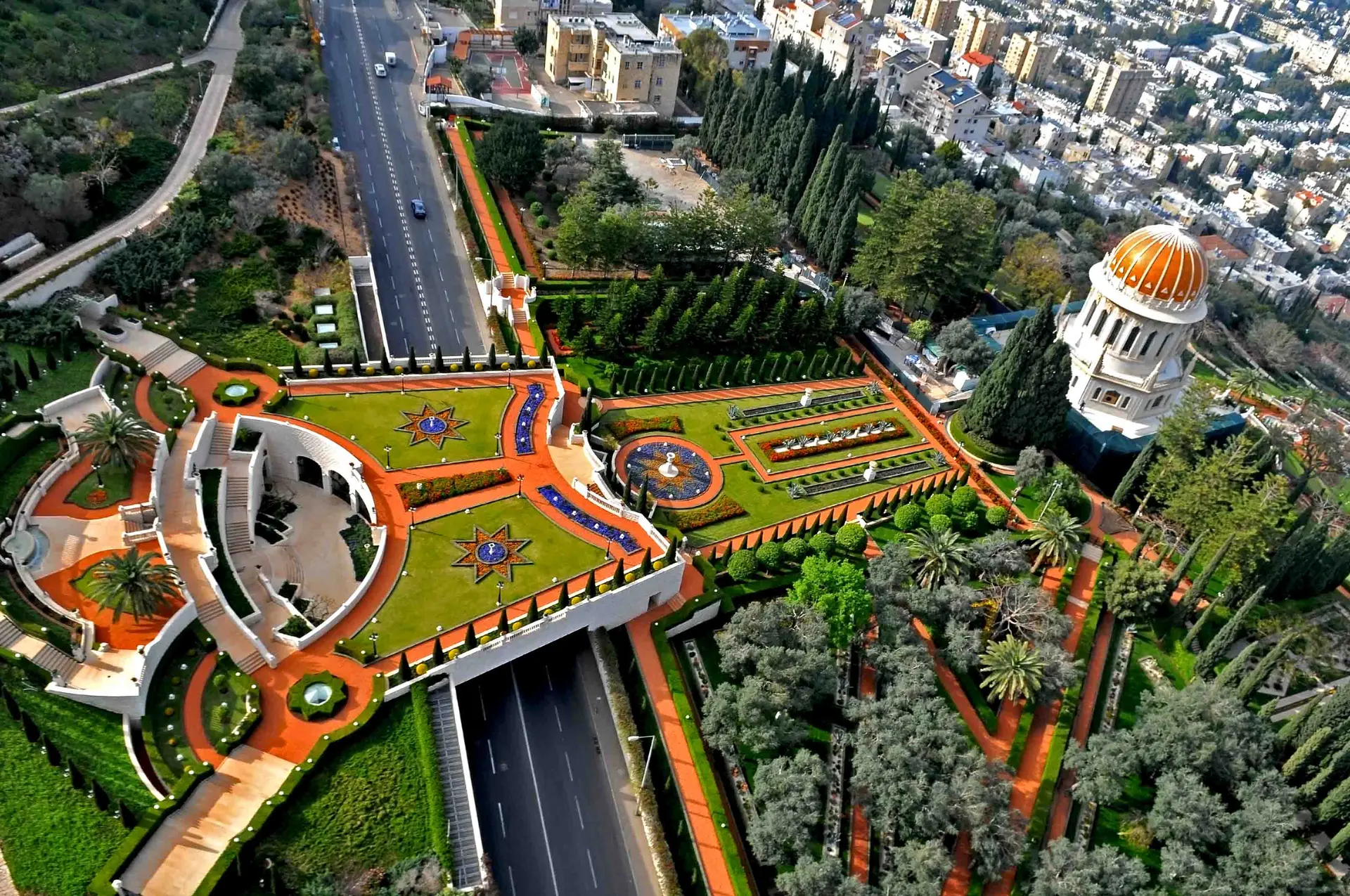
Shrine of the Báb, Haifa
Haifa, Haifa District, Israel
18.0 km away
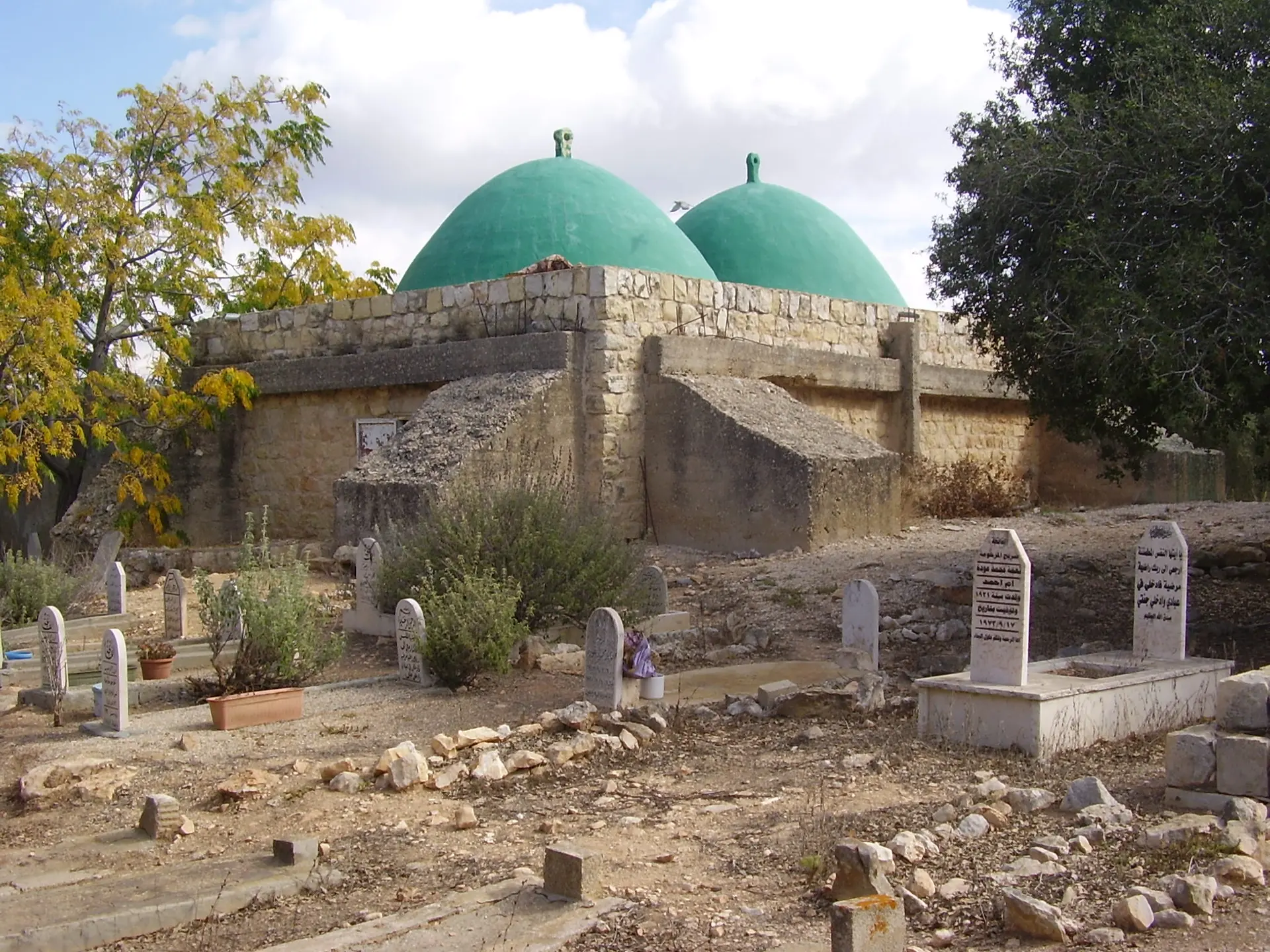
The tomb of Sheikh Abu Al-Hija, Israel
Misgav Regional Council, Northern District, Israel
18.9 km away
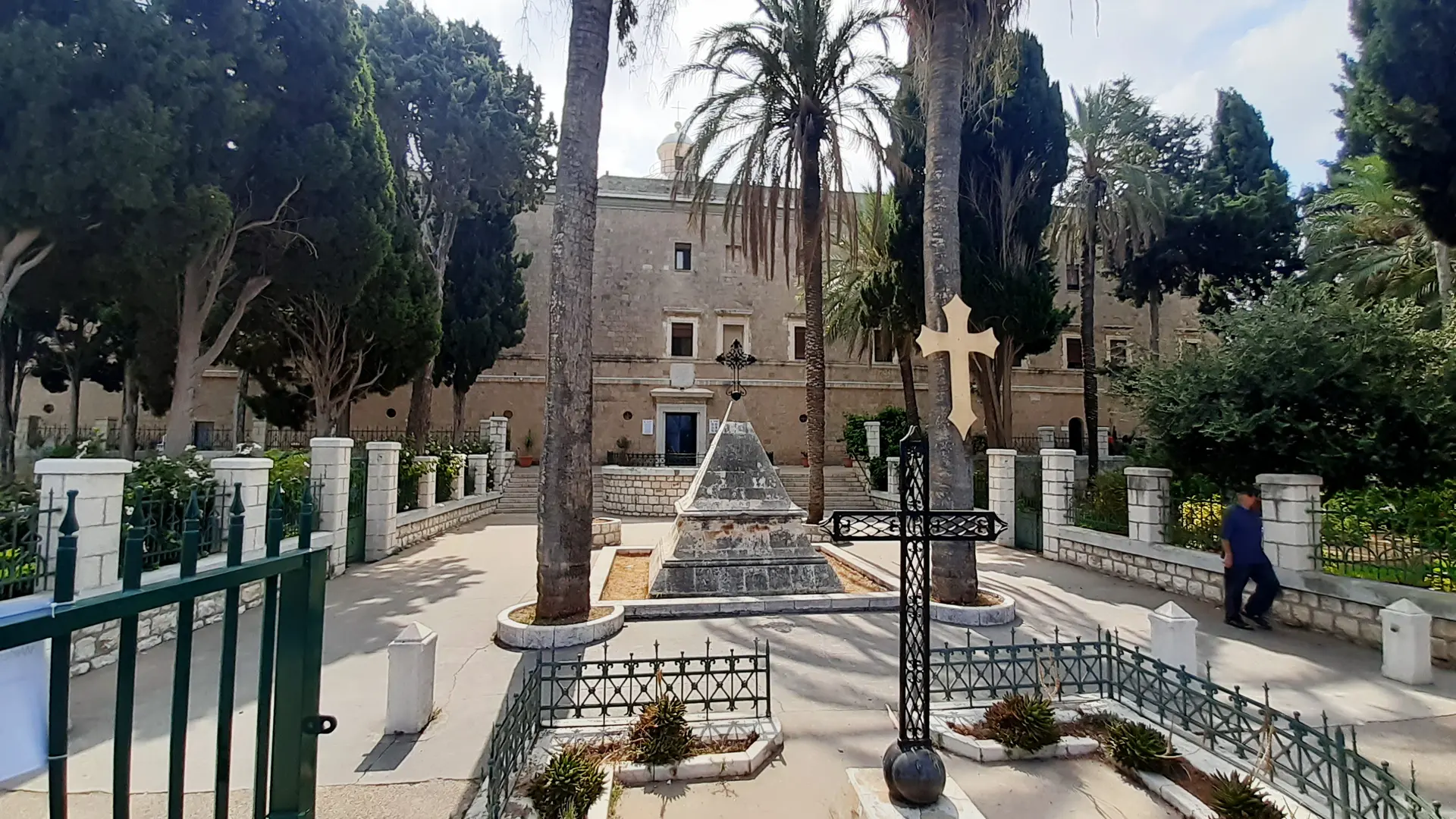
Stella Maris Monastery and Elijah’s Cave, Haifa, Israel
Haifa, Haifa District, Israel
20.2 km away
References
Sources consulted for this page. Source categories describe the publication, not a guarantee that every claim is verified. Traditional accounts and outside interpretations may differ.
- 01Necropolis of Bet She'arim: A Landmark of Jewish Renewal — UNESCO World Heritage CentreofficialOfficial World Heritage documentation
- 02Beit She'arim necropolis — Wikipedia contributorsencyclopediaComprehensive overview
- 03Bet She'arim — Jewish Virtual LibrarySource contextArchaeological and historical details
Photo gallery
3 curated photos
Share a photo
Help visitors recognize Necropolis of Bet Shearim. Every submission is reviewed before publication.