Lydda
Saint George's city and a layered Holy Land pilgrimage stop
Understand sacred places, explore living traditions, and learn how to engage respectfully with Pilgrim Map.
Access has not been verified. Check current local guidance before planning a visit.
Lod, Central District, Israel
Read the sourcesVisit essentials
A quick read before you go
- Duration
- 45 to 90 minutes for the church and immediate surroundings.
- Access
- The site is in Lod, within reach of Tel Aviv, Jerusalem, and Ben Gurion Airport by regional…
Overview
One city name carries several worlds: Christian memory knows Lydda as Saint George's city; modern Israel calls it Lod, Arabic sources al-Ludd, and late antique geography Diospolis. Pilgrims usually visit the Church of Saint George, where a crypt sarcophagus is venerated as the fourth-century martyr's tomb, but church, mosque, ruins, memory, and city life make the site larger than one shrine.
Why this place is sacred
Lydda's thinness is not quiet or remote. It is urban, compressed, and historical. The Church of Saint George is revered because the martyr is traditionally associated with Lydda, and the crypt contains a sarcophagus honored by pilgrims as his tomb. Around that point of devotion, the city carries a long sequence of sacred and political transformations: Byzantine church, Crusader cathedral, Islamic city, Ottoman rebuilding, modern Lod. The adjacent mosque makes the layering visible rather than theoretical.
For pilgrims, Lydda can feel less like a preserved monument than a living argument about memory, custody, and shared sacred ground.
The core Christian purpose is veneration of Saint George, the martyr whose cult spread widely through Eastern and Western Christianity.
The sacred complex was shaped by Byzantine foundation, destruction, Crusader rebuilding, later Muslim and Ottoman periods, and the Greek Orthodox reconstruction of the church in the nineteenth century.
Experience and orientation
The experience of Lydda is compact. The church is the center: icons, candles, stone, and the descent toward the tomb-shrine. The pilgrimage mood is different from open landscape sanctuaries because the sacred space is embedded in a dense city. The nearby mosque, street life, and layers of historical naming all shape how the visit feels.
A good visit is not only a stop for Saint George but a moment to notice how devotional memory survives inside contested and changing urban fabric.
Begin with the Church of Saint George in Lod. Give time to the crypt and the iconography, then step back outside and notice the relationship between church, mosque, and city.
Context and lineage
Christian tradition associates Saint George with Lydda, and the church in Lod preserves the place where his tomb is venerated. The city also appears in late antique and medieval sources under several names, reflecting its shifting political and religious contexts.
The living devotional lineage is primarily Greek Orthodox Christian, with broader Christian pilgrimage interest and a surrounding Muslim urban history.
Saint George
Christian martyr venerated at Lydda
Greek Orthodox Patriarchate of Jerusalem
Custodian tradition of the Church of Saint George
Traditions and practice
Traditional Christian practice centers on prayer before the icons and veneration at the tomb-shrine associated with Saint George. Pilgrims may ask for protection, courage, healing, or intercession.
Contemporary visitors include Orthodox Christians, other Christian pilgrims, local worshippers, and travelers following Saint George or Holy Land church routes.
Enter quietly, spend time with the iconography, and allow the crypt to be the center of the visit. If you are not praying formally, a few minutes of stillness is more fitting than a quick photograph.
Greek Orthodox Christianity
ActiveLydda is venerated as the city and tomb-shrine of Saint George.
Prayer, candle-lighting, liturgy, and veneration at the church and crypt.
Perspectives and open questions
Lydda can be read as a saint's shrine, a Holy Land city, a shared sacred landscape, and a difficult historical palimpsest.
Scholarly perspective
Historians distinguish the layers of Byzantine, Crusader, Islamic, Ottoman, and modern Lod while noting that devotional identification and archaeological certainty are not always the same kind of claim.
Living and traditional perspectives
For Christian pilgrims, Lydda is meaningful because of Saint George's presence in tradition and the veneration of his tomb.
Open questions
The exact historical details of Saint George's life and martyrdom remain debated, as with many early martyr traditions.
Plan your visit
Access and arrival
The site is in Lod, within reach of Tel Aviv, Jerusalem, and Ben Gurion Airport by regional transport or car.
Most visitors stay in Tel Aviv, Jerusalem, or near the airport rather than in Lod itself.
Respectful visit
Wear modest clothing suitable for an active church: covered shoulders and restrained dress are appropriate.
Ask or observe local guidance before photographing inside the church or crypt. Never photograph worshippers without permission.
Candles or small donations may be appropriate where available.
Follow posted rules and instructions from clergy or caretakers.
Avoid treating the church and mosque relationship as a curiosity. For local communities, these are active religious places, not only historical evidence.
Location
Map loads as you approach this section.
Pilgrim reflections
A portrait of encounter, not a score
Pilgrims describe what they felt, how present they could become, and whether the place would shape a journey. There are no stars and no ranking of traditions.
No reviewed reflections yet
The first pilgrims can help describe the character of being here.
Share a reflection
Available after an account-backed “Been there.” Every reflection is reviewed before publication.
Nearby sacred places
Explore other sacred places in the region. Proximity does not establish access or travel time; check each place’s guidance.
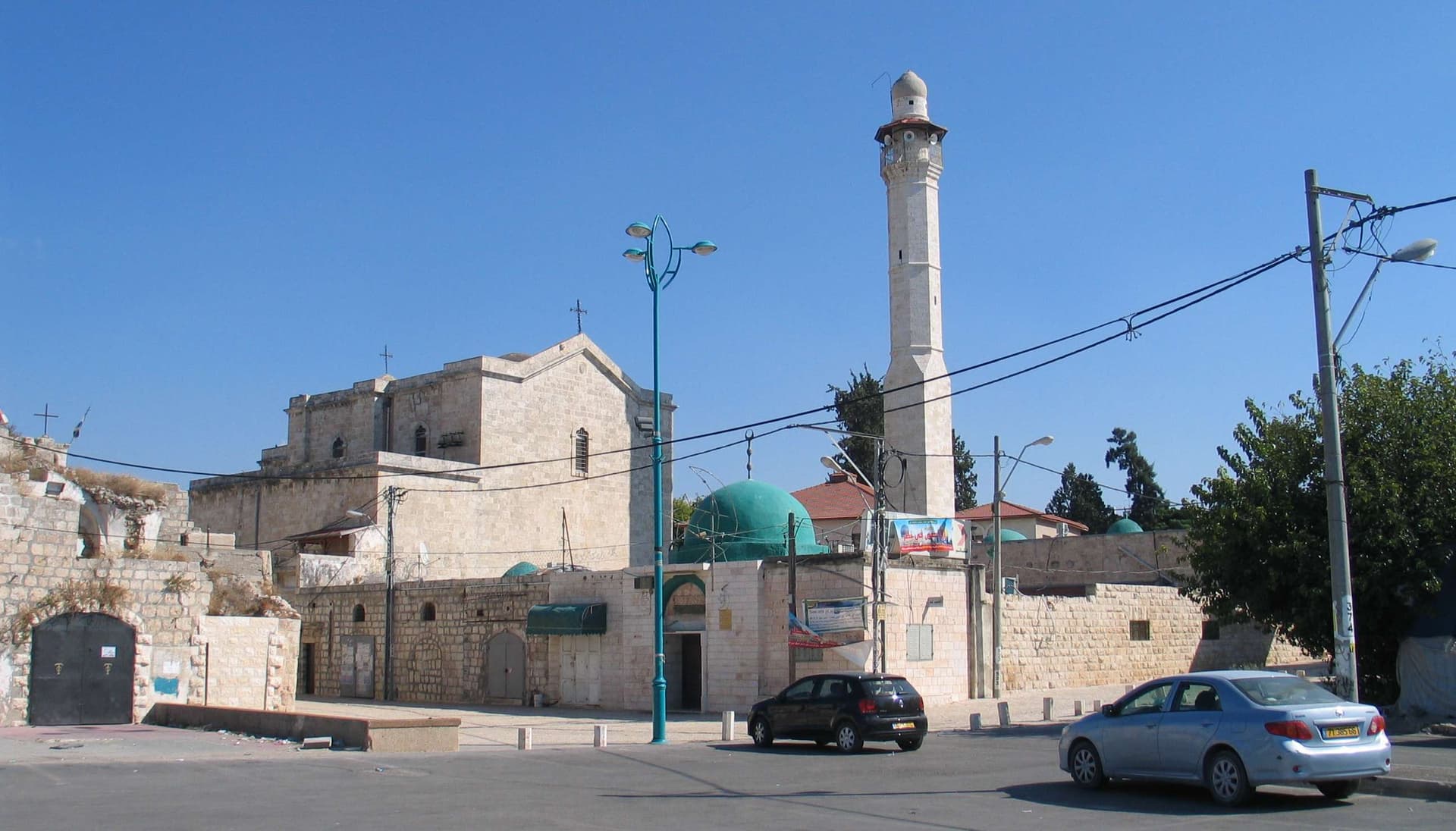
Church of St. George and mosque of El Khidr, Lod (Lynda), Israel
Lod, Central District, Israel
0.0 km away
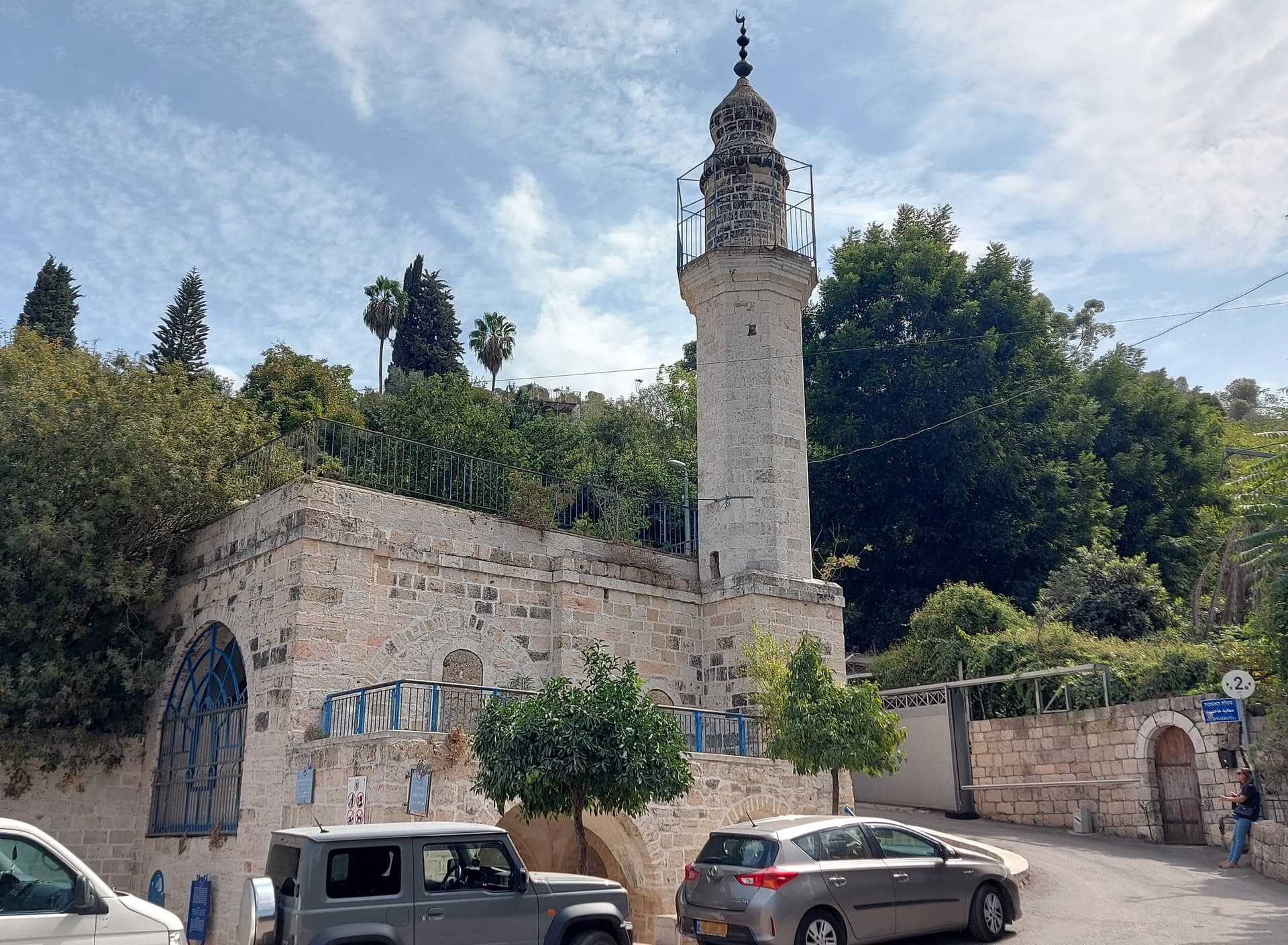
Mary’s Spring, Ein Karem
Ein Karem, Jerusalem, Israel
32.4 km away
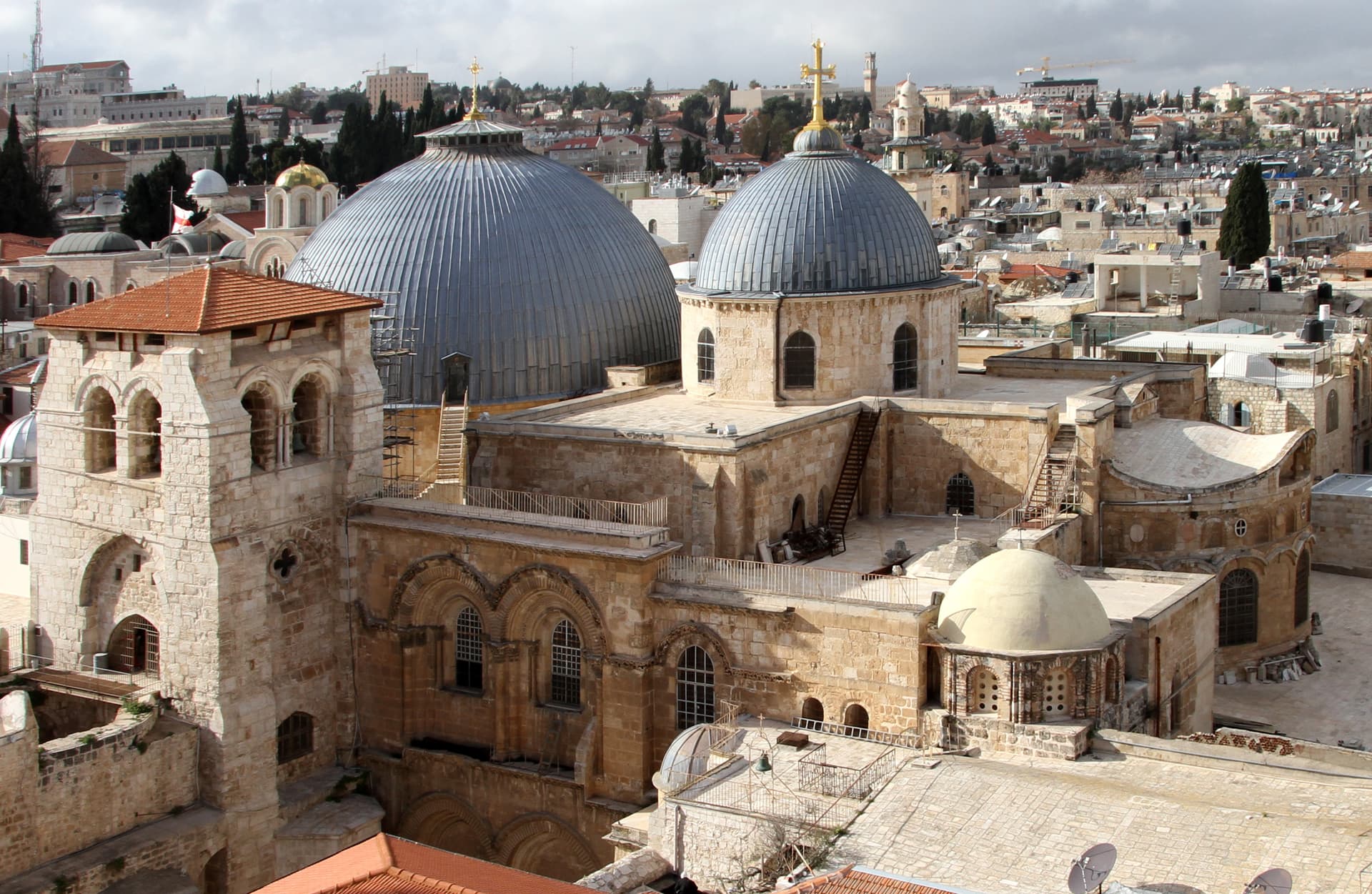
Chapel of the Apparition — Holy Sepulchre
Old City, Jerusalem, Jerusalem District, Israel
36.7 km away

Temple Mount
Jerusalem District, Israel
37.2 km away
References
Sources consulted for this page. Source categories describe the publication, not a guarantee that every claim is verified. Traditional accounts and outside interpretations may differ.
- 01Church of Saint George (Lod) — WikipediaencyclopediaOverview of the church, crypt, and Saint George tradition in Lod.
- 02Lod — WikipediaencyclopediaCity history, alternate names, and references to Saint George and al-Ludd.
- 03Great Omari Mosque of Lod — WikipediaencyclopediaContext for the adjacent mosque and layered sacred complex.
Share a photo
Help visitors recognize Lydda. Every submission is reviewed before publication.