Shrine of Bahá’ú’lláh, Acre
The holiest place in the Baha'i world, where the founder's resting place becomes the axis of prayer
Understand sacred places, explore living traditions, and learn how to engage respectfully with Pilgrim Map.
Access has not been verified. Check current local guidance before planning a visit.
Bustan HaGalil, Northern District, Israel
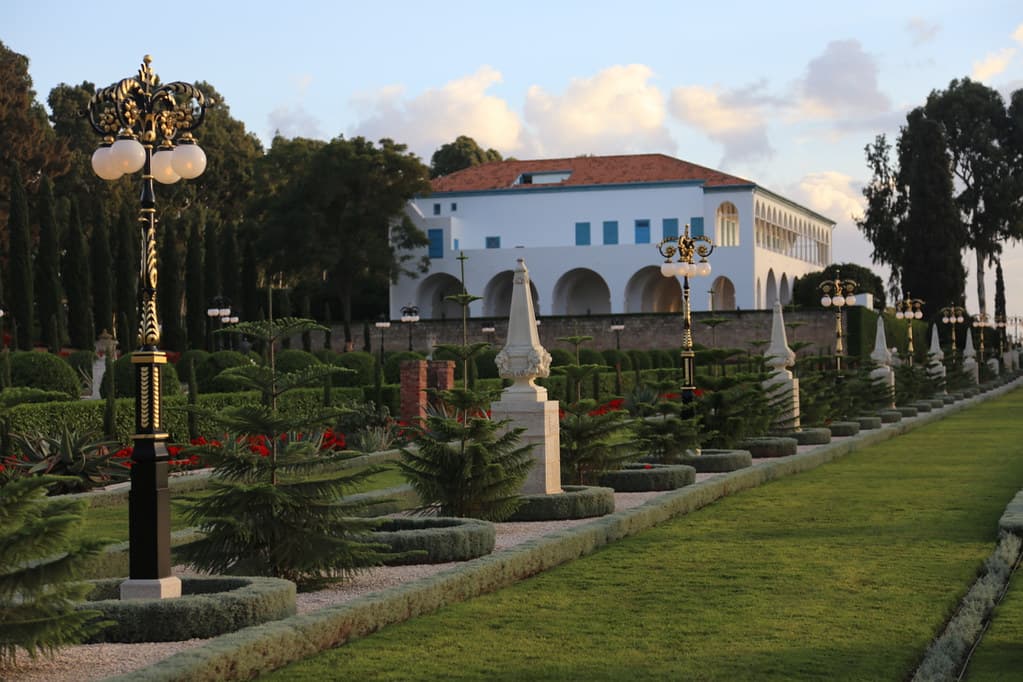
Image of Shrine of Bahá’ú’lláh, Acre. Image source
Visit essentials
A quick read before you go
- Duration
- Allow 1-2 hours minimum for the gardens and shrine exterior.
- Access
- Located in North Acre, on old Akko-Nahariya road.
Overview
The Shrine of Baha'u'llah is where the axis mundi meets the ground. For the world's five to eight million Baha'is, this is the single holiest spot on earth, the Qiblih toward which every obligatory prayer is directed, the destination of lifelong aspiration.
Baha'u'llah, born Mirza Husayn-Ali Nuri in Tehran in 1817, endured decades of exile and imprisonment, moving from Persia to Baghdad to Constantinople to Edirne to the penal colony of Acre, where the Ottoman authorities intended him to be forgotten. He was not forgotten.
He spent his final thirteen years at the Mansion of Bahji, north of Acre's walls, continuing to write the revelations that constitute the core scriptures of the Baha'i Faith. When he died on May 29, 1892, he was interred in an adjacent building. That building became the holiest place in a religion that now spans every country on earth.
The shrine itself is marked by simplicity. The interior is described by those who have entered as light-filled and spare, with a garden growing in the central room and the burial chamber in one corner. There are no icons, no elaborate furnishings, no ostentatious displays.
The power of the place resides in what it represents: the physical presence of one whom Baha'is regard as the most recent in the lineage of divine messengers that includes Abraham, Moses, Jesus, Muhammad, and the Buddha.
Surrounding the shrine, the gardens designed by Shoghi Effendi, Baha'u'llah's great-grandson and Guardian of the Faith, extend in a broad circle of manicured paths, flower beds, fountains, and shade trees. Each quadrant of the garden features a distinct composition, yet the whole achieves a harmony that reflects the central Baha'i teaching: unity in diversity. The gardens are maintained as an act of collective devotion, their beauty understood not as ornament but as offering.
The UNESCO inscription, granted in 2008 as part of the Baha'i Holy Places in Haifa and the Western Galilee, recognized the outstanding universal value of these spaces. But for the pilgrims who wait years for their turn in the nine-day program, the value is not universal in the abstract. It is profoundly personal.
Why this place is sacred
The thin-place quality of the Shrine of Baha'u'llah is inseparable from its function. Every day, five times or more, Baha'is across the world face this point in prayer. The shrine is not merely visited. It is constantly addressed, its significance refreshed by each recitation of the obligatory prayers that name it as the Qiblih. The accumulated weight of these prayers, spoken in hundreds of languages across every time zone, converges on this single location.
The physical setting amplifies what the theological function establishes. The gardens create a graduated approach. From the outer paths, the shrine is glimpsed through trees and between hedges. As you move inward, the density of the planting decreases, the sightlines open, and the shrine building becomes the focal point of every perspective. The design is intentional: a movement from complexity to simplicity, from the many to the one.
The contrast between Baha'u'llah's life of suffering and the beauty of his resting place creates an emotional resonance that visitors, both Baha'i and otherwise, consistently note. This was a man sentenced to perpetual imprisonment, exiled across an empire, chained in a subterranean dungeon in Tehran where he received his first revelations. That he should rest in a place of such tranquility and beauty feels, to Baha'is, like the fulfillment of a divine promise.
To non-Baha'i visitors, the contrast often produces a quiet astonishment.
The shrine's interior simplicity contributes to its power. Where other sacred sites deploy grandeur to signal significance, the Shrine of Baha'u'llah uses restraint. The garden within the central room, the light entering through windows, the absence of elaborate decoration all direct attention inward rather than upward. The sacred here is not mediated by art or architecture. It is present in the proximity to the one who rests within.
The Mansion of Bahji was built around 1870 by 'Udi Khammar, a wealthy Acre merchant, as a residence. Baha'u'llah's son 'Abdu'l-Baha secured it for his father around 1879, and Baha'u'llah spent his final thirteen years there. Upon his death in 1892, his interment in an adjacent building transformed the site from a residence into the holiest shrine of a world religion.
After Baha'u'llah's passing, his son 'Abdu'l-Baha designated the shrine as a site of pilgrimage. Shoghi Effendi, Baha'u'llah's great-grandson and Guardian of the Faith (1921-1957), created the surrounding gardens as a befitting setting, designing them as an expansive circle with each quadrant featuring different compositions. The site was inscribed on the UNESCO World Heritage List in 2008 as part of the Baha'i Holy Places in Haifa and the Western Galilee.
The nine-day pilgrimage program, administered by the Baha'i World Centre, formalizes the visitation tradition that began at Baha'u'llah's death.
Experience and orientation
The gardens announce the shrine's presence long before you reach it. Approaching from the entrance, the paths are wide and pebbled, bordered by carefully composed plantings that combine Mediterranean species with more exotic specimens. The sound of water is present but subdued. Each section of the garden offers a different visual composition, a different palette of greens and colors, a different relationship between open space and enclosure.
The effect is of walking through a series of rooms, each calibrated to draw you further inward.
As you approach the shrine building itself, the garden simplifies. The plantings become more restrained, the paths narrower. The building appears modest in scale, its architecture unassuming. This is deliberate. In a religion that teaches the unity of all divine messengers, the holiest shrine does not compete for attention through grandeur. It receives attention through presence.
Baha'i pilgrims, who may have waited years for their nine-day program, often arrive at the shrine in a state of profound emotional readiness. Many are moved to tears. The experience they describe is not of an encounter with architecture or even with beauty, but with what they understand as the presence of the one interred within. The word that recurs in their accounts is peace, described not as an absence of disturbance but as a positive quality, a fullness.
Non-Baha'i visitors, who are welcome in the gardens and at the shrine exterior during visiting hours, consistently report a similar quality. The peace of the gardens is not merely horticultural. It carries a spiritual dimension that visitors of various backgrounds recognize and respond to, even without the theological framework that gives it its fullest meaning.
The proximity to Acre adds a dimension of historical weight. The old Crusader city, with its mosques, churches, and caravanserais, sits three kilometers to the south. Baha'u'llah arrived here as a prisoner of the Ottoman Empire. The gardens that now surround his shrine were created in a landscape that once represented confinement and suffering. The transformation of this landscape into a place of beauty and pilgrimage mirrors the Baha'i narrative of suffering transfigured by divine purpose.
Enter through the main garden entrance and follow the paths inward toward the shrine. Allow the graduated design to set your pace. The shrine exterior is the destination, but the gardens are not merely a route. They are part of the experience. The Mansion of Bahji, adjacent to the shrine, may also be visited and provides historical context for Baha'u'llah's final years. Plan to spend at least an hour, more if the contemplative atmosphere invites it.
Context and lineage
Baha'u'llah was born Mirza Husayn-Ali Nuri in 1817, the son of a Persian nobleman. He became a follower of the Bab, a messianic figure who announced the imminent arrival of a greater prophet. In 1863, in a garden outside Baghdad, Baha'u'llah declared himself to be that promised one.
The Ottoman authorities, pressured by the Persian government, subjected him to a series of exiles: from Baghdad to Constantinople, from Constantinople to Edirne, and finally to the penal colony of Acre in 1868. The sentence was perpetual confinement.
For years, Baha'u'llah lived within Acre's prison walls, enduring privation and loss. Gradually, his growing reputation and the respect of local officials allowed him to move outside the city. His son 'Abdu'l-Baha secured the Mansion of Bahji, and Baha'u'llah spent his final thirteen years there, continuing to write the revelations, letters, and laws that constitute Baha'i scripture.
He died on May 29, 1892. Thousands of people from diverse backgrounds gathered to pay respects. His interment in a room adjacent to the mansion transformed a point on the map north of Acre into the spiritual center of a faith that would spread to every country on earth.
The Shrine of Baha'u'llah belongs to the tradition of sacred sites established by the burial of religious founders, comparable to the Church of the Holy Sepulchre (Christianity), the Prophet's Mosque in Medina (Islam), and the Bodhi Temple in Bodh Gaya (Buddhism). Its distinction lies in its relative youth: established in 1892, it represents a sacred geography still in the early stages of development, with the gardens and pilgrimage program continuing to evolve.
Baha'u'llah (Mirza Husayn-Ali Nuri, 1817-1892)
Founder of the Baha'i Faith, regarded by Baha'is as the most recent Manifestation of God in a lineage that includes Abraham, Moses, Jesus, Muhammad, and the Buddha. His burial at Bahji established the Qiblih, the direction of prayer for all Baha'is.
'Abdu'l-Baha (1844-1921)
Eldest son of Baha'u'llah, designated as his successor and authoritative interpreter. He secured the Mansion of Bahji for his father and designated the shrine as a site of pilgrimage.
Shoghi Effendi (1897-1957)
Great-grandson of Baha'u'llah and Guardian of the Baha'i Faith. He designed and created the surrounding gardens, formalizing the pilgrimage program and transforming the landscape around the shrine into its current form.
'Udi Khammar
Wealthy Acre merchant who built the Mansion of Bahji around 1870 over an earlier structure. The mansion's eventual acquisition by 'Abdu'l-Baha for Baha'u'llah's use led to its transformation into the holiest site in the Baha'i Faith.
Traditions and practice
Upon Baha'u'llah's passing, 'Abdu'l-Baha established the practice of visiting the shrine as an act of pilgrimage. He described it as the most precious spot, the holiest of places. The gardens were developed by Shoghi Effendi as a devotional landscape, their maintenance understood as an act of service and worship. The Qiblih designation, establishing the shrine as the direction of prayer, gives the site a role in daily Baha'i life that extends far beyond physical visitation.
The nine-day pilgrimage program, administered by the Baha'i World Centre, runs from October through July, bringing approximately 150 pilgrims every two weeks. During the program, pilgrims spend time in prayer and meditation at the shrine, visit the Mansion of Bahji, and tour other holy sites in Haifa and Acre. The Festival of Ridvan (April 20 to May 2), the holiest Baha'i festival commemorating Baha'u'llah's declaration of his mission, is observed with community gatherings, prayers, and celebration.
The Ascension of Baha'u'llah (May 29), marking the anniversary of his death, is observed with reverence and prayer at the shrine.
For non-Baha'i visitors, the gardens themselves are a practice. Walking them slowly, attending to the shifts in composition and atmosphere as you move from the outer paths toward the shrine, allows the designed contemplative experience to unfold. The gardens were not created as decoration. They were created as an approach, a graduated preparation for encounter with the sacred.
At the shrine exterior, pause. Even without entering, the building's simplicity and the quality of silence that surrounds it communicate something that the gardens have been preparing you to receive. Visitors of any background or belief consistently report feeling a sense of peace here that goes beyond the aesthetic.
If you are interested in understanding the Baha'i Faith more deeply, the Mansion of Bahji offers historical context. The rooms where Baha'u'llah lived and wrote are preserved, and the modest scale of the building provides a vivid contrast between the human circumstances of his life and the cosmic significance his followers attribute to him.
Baha'i Faith
ActiveThe Shrine of Baha'u'llah is the single holiest place in the Baha'i Faith, serving as the Qiblih toward which all Baha'is face during obligatory prayers. Baha'u'llah is regarded as a Manifestation of God in the lineage of divine messengers. Every Baha'i aspires to visit this shrine as a pilgrim at least once in their lifetime. The site is inscribed as a UNESCO World Heritage Site.
Baha'is face the shrine during daily obligatory prayers. The nine-day pilgrimage program brings approximately 150 pilgrims every two weeks from October through July. The Festival of Ridvan (April 20-May 2) and the Ascension of Baha'u'llah (May 29) are the most significant holy days observed here. The gardens are maintained as a collective act of devotion.
Perspectives and open questions
The Shrine of Baha'u'llah represents the spiritual center of one of the world's youngest major religions, carrying significance that extends from daily prayer practice to global theological vision.
Scholarly perspective
Academic scholarship recognizes the Baha'i Faith as a world religion with an estimated five to eight million adherents. The UNESCO inscription acknowledges the shrine's outstanding universal value as testimony to the Baha'i pilgrimage tradition and as an exceptional example of a sacred place associated with a recent world religion.
Scholars of religion note that the historical circumstances of Baha'u'llah's exile to the Holy Land, a result of Ottoman political persecution rather than theological design, created what Baha'is interpret as the fulfillment of biblical and Islamic prophecies about the Glory of God appearing in the land of Israel.
Living and traditional perspectives
In Baha'i theology, Baha'u'llah is the most recent Manifestation of God in a lineage that includes Abraham, Moses, Krishna, Buddha, Zoroaster, Jesus, and Muhammad. His shrine is therefore the resting place of the latest embodiment of divine revelation. The Qiblih designation gives the site cosmic centrality: just as Muslims face the Kaaba and Jews historically faced the Temple in Jerusalem, Baha'is face this point. 'Abdu'l-Baha described it as the most precious spot, the holiest of places.
The gardens are not merely aesthetic but devotional, their beauty an offering befitting the station of the one within. The simplicity of the shrine's interior reflects Baha'i values of beauty integrated with humility.
Alternative interpretations
The shrine's location near Acre fulfills, in Baha'i interpretation, prophecies from Isaiah about the Glory of Lebanon and from the Gospel of Matthew about the land of Zebulun and Naphtali seeing a great light. The circular garden design around the shrine can be read as a sacred geometry, with the burial chamber at the center representing the axis mundi.
The trajectory from Baha'u'llah's exile and imprisonment to the beauty of his final resting place mirrors universal spiritual narratives of suffering leading to transcendence.
Open questions
The precise experience of the nine-day pilgrimage program is not extensively documented publicly, maintaining an element of sacred privacy. The interior of the shrine is rarely described in detail in public sources. Long-term architectural plans for the gardens or shrine structure are not publicly known. The specific prayers recited at the shrine during pilgrimage are not detailed in publicly available sources.
Plan your visit
Access and arrival
Located in North Acre, on old Akko-Nahariya road. Approximately 3 km north of Acre's old city. Accessible by car with parking available on site. From Acre old city, a taxi to Bahji takes approximately 10 minutes. Public bus routes serve the Acre area. Admission is free. No current information on mobile phone signal availability at the site; signal is generally strong in the greater Acre area.
Acre offers a range of accommodations from historic guesthouses in the old city to modern hotels. Nahariya (10 km north) provides additional options. Haifa (25 km south) offers the widest selection.
Respectful visit
Modest dress is strictly enforced. Clothing must cover shoulders and reach the knees. No tears, revealing cuts, or excessively casual attire. Comfortable shoes with good traction are recommended for the pebbled garden paths. A hat and sunscreen are advisable in summer.
Photography is permitted in the gardens and of the shrine's exterior. Photography is not permitted inside the shrine. Respectful and quiet behavior should be maintained throughout.
There is no tradition of physical offerings at the shrine. The appropriate devotional response is prayer and meditation. The gardens themselves are understood as a collective offering of beauty and service.
No food, beverages (except personal water bottles), chewing gum, or smoking in the gardens. Photography prohibited inside the shrine. Modest dress required. The gardens are closed on Baha'i holy days and Yom Kippur. The nine-day pilgrimage program is restricted to Baha'is and their spouses. Quiet and contemplative behavior throughout.
The nine-day pilgrimage program is restricted to Baha'is and their spouses, with a waiting list that can extend to several years. Non-Baha'i visitors are welcome in the gardens and at the shrine exterior during visiting hours. The gardens close on Baha'i holy days and on Yom Kippur.
Current practical details
Address
W3VR+CR, Acre, Israel
Hours, fees, and access can change — verify on the official source before you travel. Practical details last checked Jun 2026.
Location
Map loads as you approach this section.
Pilgrim reflections
A portrait of encounter, not a score
Pilgrims describe what they felt, how present they could become, and whether the place would shape a journey. There are no stars and no ranking of traditions.
No reviewed reflections yet
The first pilgrims can help describe the character of being here.
Share a reflection
Available after an account-backed “Been there.” Every reflection is reviewed before publication.
Nearby sacred places
Explore other sacred places in the region. Proximity does not establish access or travel time; check each place’s guidance.

Cave of Elijah on Mount Carmel, Haifa
Haifa, Haifa District, Israel
17.0 km away
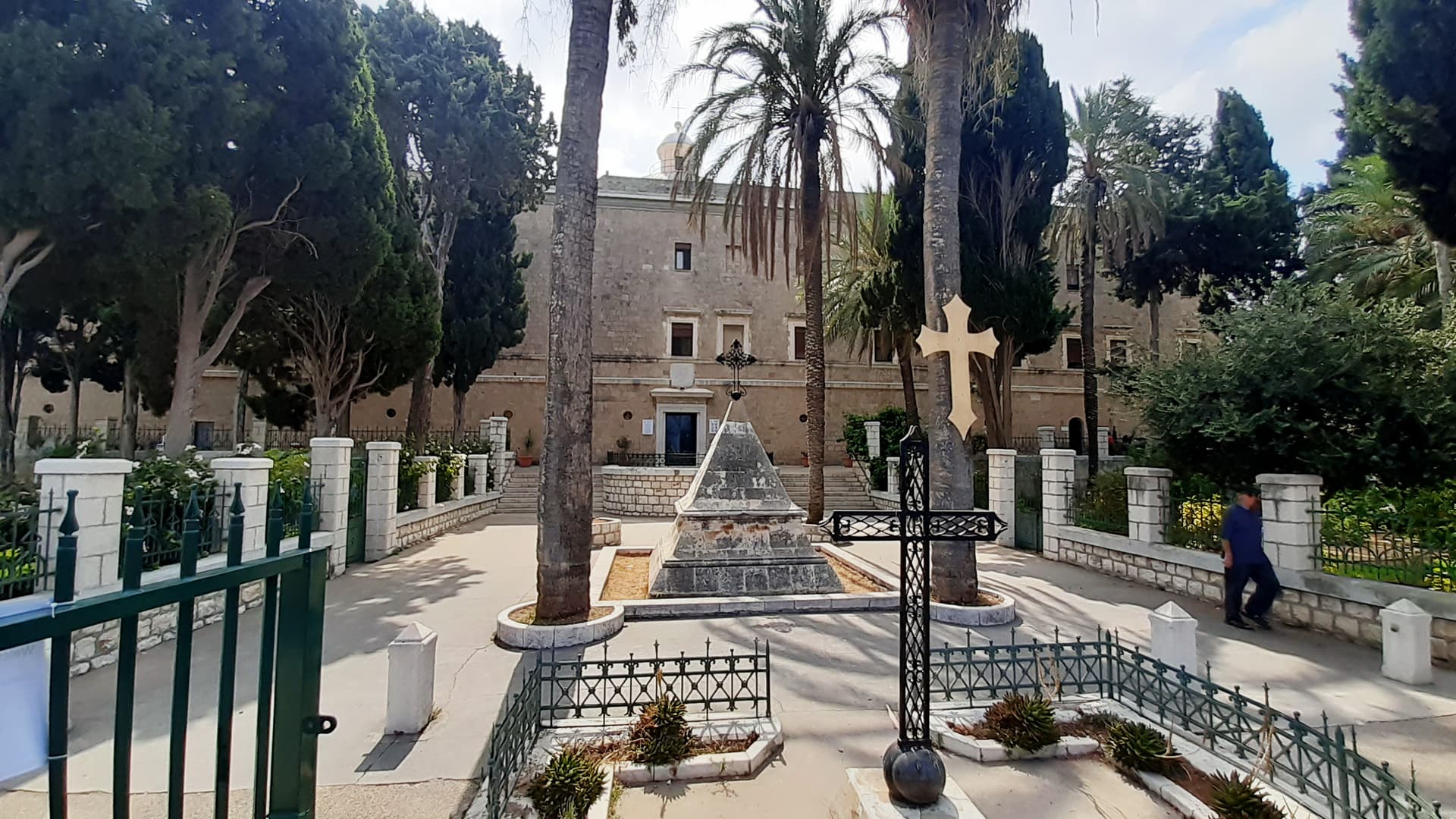
Stella Maris Monastery and Elijah’s Cave, Haifa, Israel
Haifa, Haifa District, Israel
17.2 km away
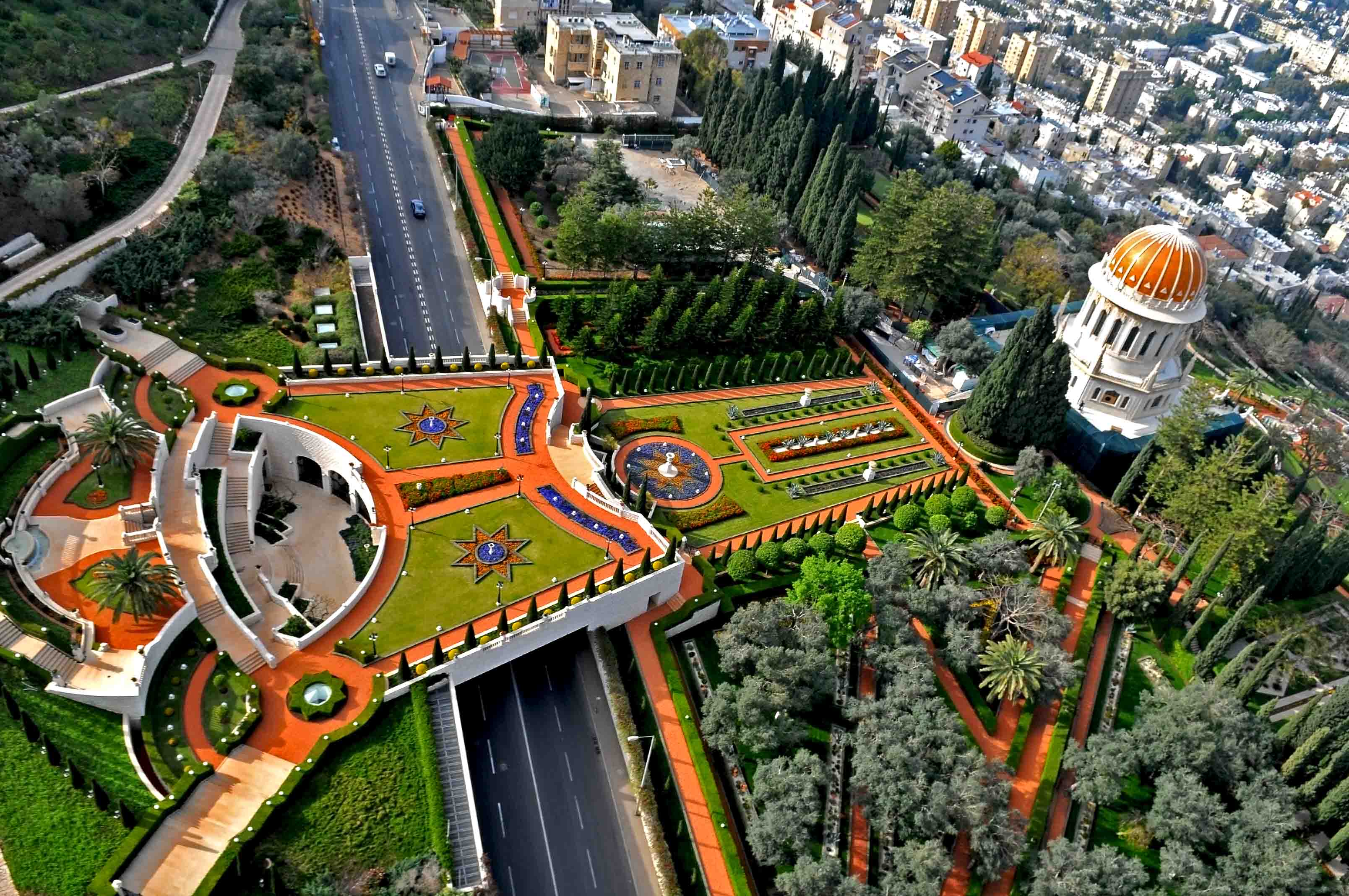
Shrine of the Báb, Haifa
Haifa, Haifa District, Israel
17.3 km away
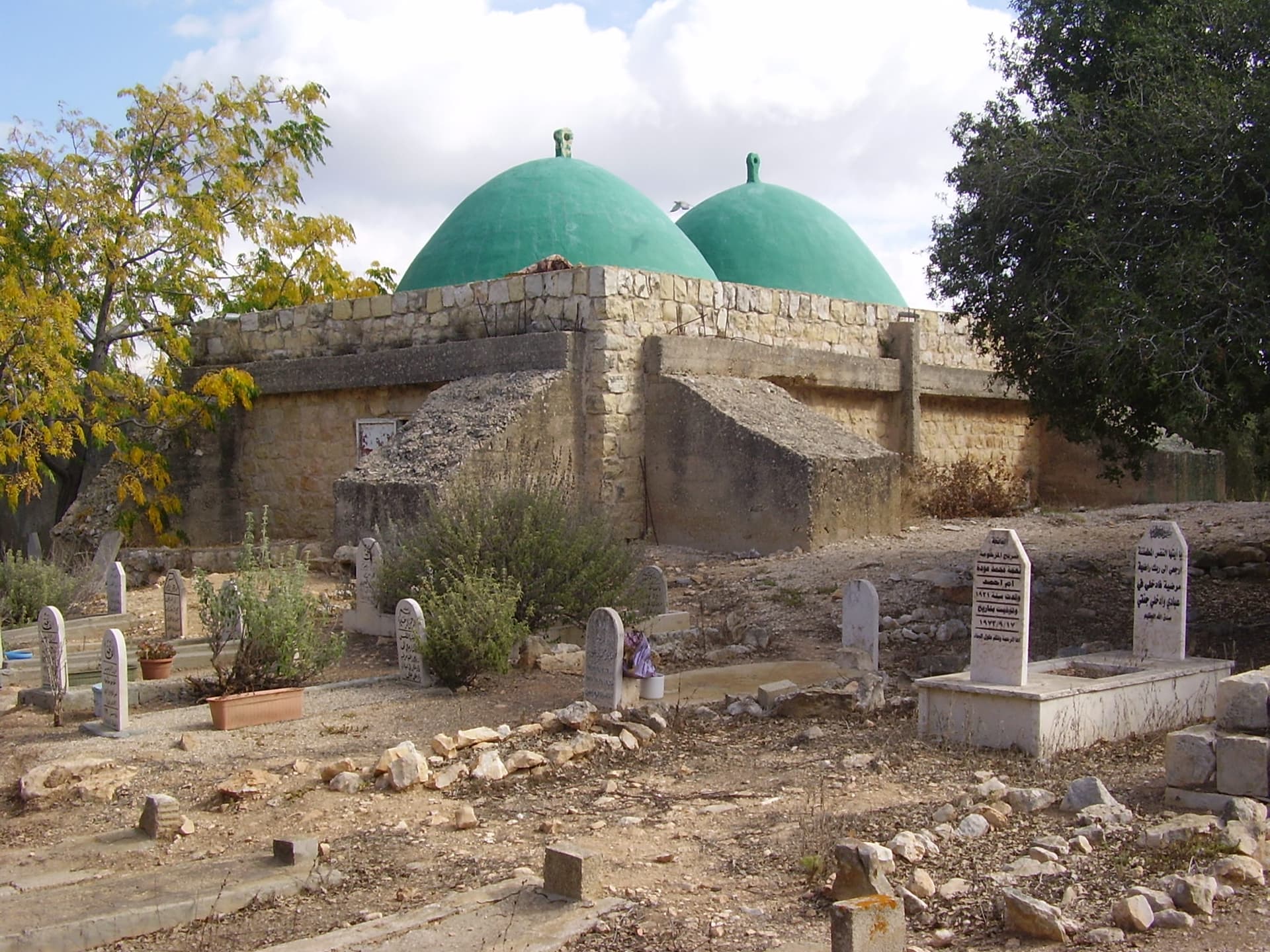
The tomb of Sheikh Abu Al-Hija, Israel
Misgav Regional Council, Northern District, Israel
19.2 km away
Share a photo
Help visitors recognize Shrine of Bahá’ú’lláh, Acre. Every submission is reviewed before publication.