The tomb of Sheikh Abu Al-Hija, Israel
A Crusader-era general's tomb that became a healing shrine, where the body bends to enter and the spirit follows
Understand sacred places, explore living traditions, and learn how to engage respectfully with Pilgrim Map.
Access has not been verified. Check current local guidance before planning a visit.
Misgav Regional Council, Northern District, Israel
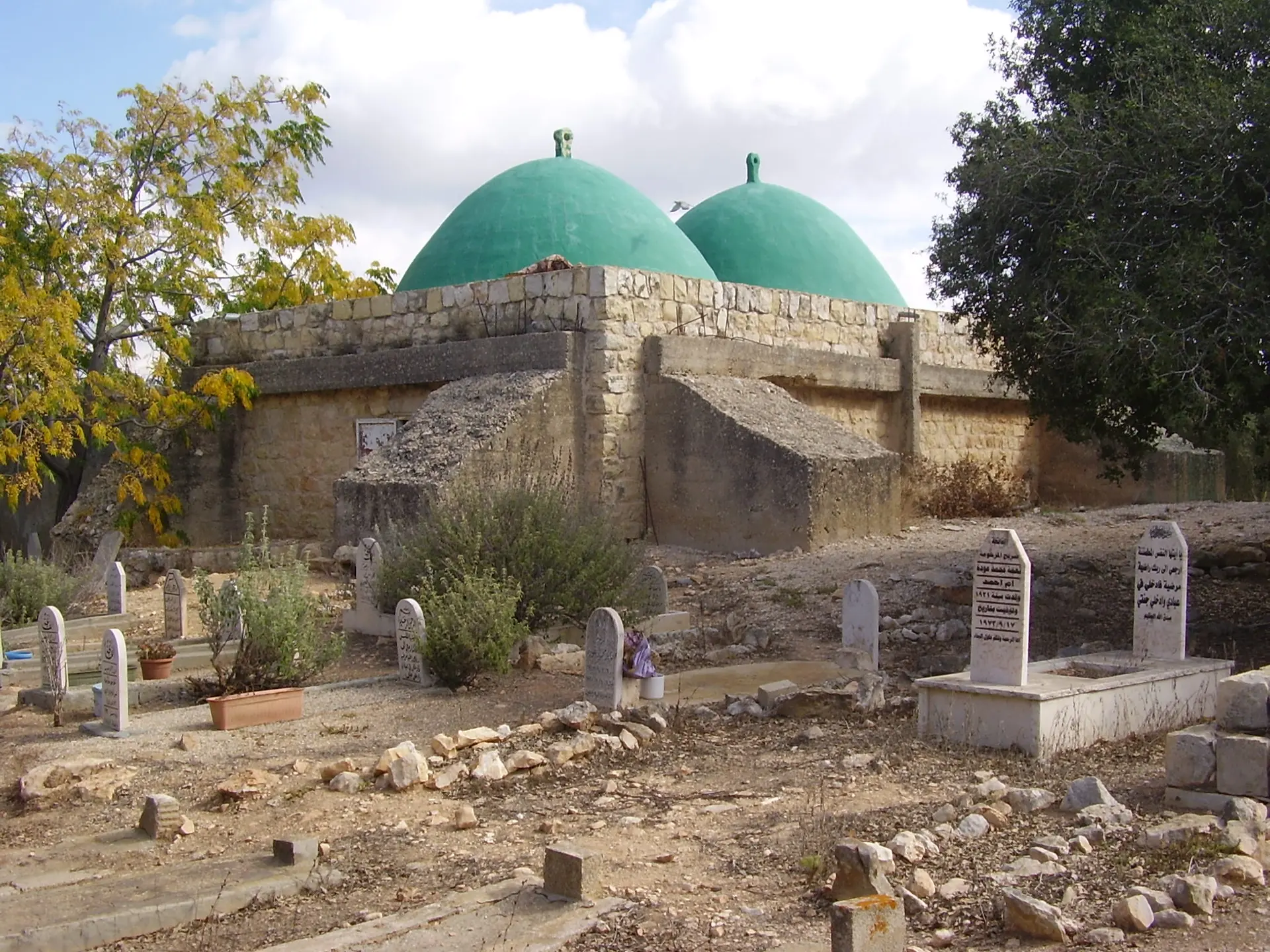
Image of The tomb of Sheikh Abu Al-Hija, Israel. Image source · CC-BY-2.5
Visit essentials
A quick read before you go
- Duration
- 30-60 minutes is sufficient to visit the shrine, explore the courtyard and cenotaphs, and spend…
- Access
- Located in the village of Kaukab Abu al-Hija on Road 784, between Shefa-'Amr and Karmiel in the…
Overview
The entrance is deliberately low. You bend to enter — not as an accident of architecture but as a requirement. The shrine demands a physical gesture of humility before it will receive you, and something about that forced bending shifts what happens inside.
The Tomb of Sheikh Abu al-Hija sits in the village that bears his name — Kaukab Abu al-Hija, a small Arab community on Road 784 between Shefa-'Amr and Karmiel in the Lower Galilee. The two-domed structure houses the cenotaph of Hussam ad-Din Abu al-Hija, a Kurdish general from Erbil who commanded Saladin's Salahiya regiment during the conquest of the Crusader Kingdom in the late 12th century.
How a military commander became a saint is part of the story's interest. Abu al-Hija was remembered not only for his battlefield prowess but for promoting good relations between communities. Over the centuries, reverence for the man transformed into something broader — a folk tradition of healing, intercession, and body-based devotion that scholars have termed 'womb tomb' practice.
The dimly lit interior, the narrow passage, the act of crawling and touching — these create what researchers describe as a liminal space that evokes themes of birth and regeneration. Visitors come with specific afflictions, financial struggles, or prayers for fertility. They touch the walls, kiss the stone, pull threads from ribbons and wrap them around their wrists. Each gesture is personal, improvised, responding to an individual need rather than following a fixed liturgy.
The shrine is not grand. It does not seek attention. It sits in a residential village and serves a local community. Its power is intimate rather than monumental — a place where the threshold between the living and the dead, the sick and the whole, remains permeable.
Why this place is sacred
Academic research has identified the maqam as a 'womb tomb' — a category of sacred structure whose architecture actively participates in the devotional experience. The uncommonly low entrance forces visitors to bend, crouch, or crawl, mimicking the passage through a birth canal. The interior is dimly lit and enclosed, creating a sense of protective darkness.
This architectural liminality is not incidental. The act of entering requires the visitor to make their body vulnerable, to abandon the upright posture of ordinary life and assume a position associated with supplication, birth, or death. By the time you stand inside the chamber, you have already undergone a physical transformation — and this bodily shift prepares the ground for whatever spiritual work the visitor brings.
The presence of two cenotaphs in the courtyard and the prayer chamber with its mihrab oriented toward Mecca adds layers of Islamic devotional structure. The thread-wrapping ritual — pulling threads from ribbons and tying them around the wrist — creates a physical talisman that the visitor carries away, extending the shrine's presence into daily life.
The site's connection to a historical figure of documented courage and righteousness gives these practices a narrative anchor. Visitors are not praying to abstraction but seeking the intercession of a named person whose qualities — bravery, justice, generosity — they wish to access for themselves.
Experience and orientation
The approach through the village grounds you in ordinary life — residential streets, the sound of daily activity. The shrine sits to the north, recognizable by its two domes. A courtyard with cenotaphs provides a transitional space between the village and the interior.
The low entrance changes everything. You cannot remain upright. The physical act of bending or crouching strips away the casual posture of the tourist and replaces it with something closer to prayer — even before you intend it. Inside, your eyes adjust to the dimness. The prayer chamber opens up, larger than the entrance suggested. A mihrab indicates the direction of Mecca.
Visitors engage with the space through touch. Hands on stone walls. Fingers on the cenotaph. Lips on cold surfaces. The thread-wrapping ritual offers something to carry away — a thin cord around the wrist that serves as reminder and talisman. These gestures are not prescribed by formal liturgy but arise spontaneously from the needs each person brings.
The shrine's quietness is distinctive. There is no amplified call to prayer, no guided tour, no interpretive signage. The place speaks through its architecture and through the accumulated devotion of those who have come before.
Approach the village with respect — this is a residential Arab community, not a tourist destination. If you encounter residents near the shrine, a greeting and a gesture of asking permission to enter will be received warmly.
At the low entrance, take a breath before bending through. The transition is part of the experience. Inside, give your eyes time to adjust. Sit in the prayer chamber if you wish. There is no expectation to perform any specific ritual — your presence, entered through humility, is sufficient.
Context and lineage
Hussam ad-Din Abu al-Hija was one of Saladin's most trusted commanders — a Kurd from Erbil (in modern Iraq) who led the Salahiya regiment during the conquest of the Crusader Kingdom. His nickname 'Hija' is said to mean 'sudden attack' in Arabic, reflecting his battlefield reputation. Historical sources describe him as a physically imposing figure of great courage.
After the Ayyubid period, his relatives who remained in Palestine founded the village that bears his name and established the shrine as his memorial. Whether Abu al-Hija is actually buried here is historically uncertain — some sources indicate he returned to Iraq and died there, making this potentially a cenotaph rather than an actual grave. The village, regardless, took his name and his memory as its founding identity.
The village of Kaukab Abu al-Hija has maintained the shrine since the late 12th or early 13th century. The community is 99.9% Muslim, and the shrine remains central to local religious life. Two additional tombs within the village — those of Sheikh Hassan and Sheikh Sayeed — form part of a broader landscape of local veneration.
Hussam ad-Din Abu al-Hija
historical
Kurdish general and aristocrat from Erbil who served as commander of Saladin's Salahiya regiment. Over centuries, his military reputation was augmented by veneration as a righteous figure, and his tomb became a site of healing pilgrimage.
Saladin (Salah ad-Din)
historical
The Ayyubid sultan under whom Abu al-Hija served, connecting this local shrine to one of Islamic history's most significant figures and the broader narrative of the Crusader wars.
Traditions and practice
Traditional practices center on seeking the intercession of the venerated sheikh for healing, protection, and blessing. Pilgrims touch and kiss the cenotaphs, pour oil in devotional contexts, and pull threads from ribbons to wrap around their wrists. The prayer chamber with its mihrab serves for regular salat. These practices blend formal Islamic prayer with folk devotional traditions that are personal and improvisational rather than liturgically prescribed.
The shrine remains active as a place of Muslim prayer and devotion. Visitors come to seek healing for physical ailments, request spiritual assistance for financial or personal struggles, and engage in the body-based practices that have characterized the site for generations. The shrine has historically welcomed visitors of other faiths seeking cures and blessings — an openness rooted in the folk healing tradition rather than formal interfaith dialogue.
If you visit, enter slowly through the low passage. Allow the physical act of bending to become intentional rather than merely necessary. Inside, sit quietly in the prayer chamber. If the thread-wrapping practice speaks to you, participate gently. If not, simply being present in a space shaped by generations of healing prayer is itself a form of engagement.
The village's surroundings in the Lower Galilee hills offer their own contemplative quality. Before or after visiting the shrine, walk the village's edges and notice the landscape — the same hills that Abu al-Hija's followers saw when they chose this place.
Islam (Sunni)
ActiveThe maqam is venerated as the tomb of Hussam ad-Din Abu al-Hija, a Kurdish general revered for his righteousness, courage, and role in the liberation of the Holy Land. The shrine functions as a local mosque and place of prayer, with a mihrab oriented toward Mecca. It serves as a focal point for the village's religious life and communal identity.
Regular prayer in the eastern domed prayer chamber. Pilgrims visit to seek healing, blessing, and spiritual intercession. Visitors engage in body-based rituals including touching and kissing the tomb, and wrapping thread ribbons around their wrists as talismans.
Folk healing and popular devotion
ActiveThe maqam functions as a 'womb tomb' associated with healing, fertility, and regeneration. The shrine's architecture — narrow entrance, dimly lit interior — participates actively in the devotional experience, creating a liminal space between the worlds of the sick and the whole.
Devotees engage in body-based rituals addressing personal afflictions including health issues, financial struggles, and prayers for fertility. Practices include crawling through the entrance, bending, touching and kissing surfaces, and pulling threads from ribbons to wrap around their wrists. Each visit is personal and improvisational rather than liturgically prescribed.
Perspectives and open questions
The Tomb of Sheikh Abu al-Hija can be understood through multiple lenses — as an expression of Islamic saint veneration, as a case study in how military heroes become healing saints, and as an example of the 'womb tomb' phenomenon that connects body-based ritual to sacred architecture.
Scholarly perspective
Academic research, particularly a 2014 study published in the Journal of Anthropological Research, situates the maqam within the broader phenomenon of 'womb tombs' — sacred enclosed spaces that facilitate body-based rituals of healing and regeneration. Scholars note that the shrine serves dual purposes: religious devotion and the assertion of indigenous identity and connection to the land.
The Hebrew University's Sacred Places project documents the maqam as part of the wider landscape of Muslim shrines in the region. Research emphasizes the improvisational nature of the rituals performed here — visitors adapt their practices to contemporary contexts and personal needs rather than following fixed liturgical forms. This flexibility is identified as a source of the shrine's enduring relevance.
Living and traditional perspectives
In local Muslim tradition, Abu al-Hija is venerated as a righteous leader who promoted good relationships between communities and served the cause of justice through his military service under Saladin. His spiritual authority derives from both his personal character and his role in the liberation of the Holy Land from the Crusaders. The shrine represents continuity of Muslim presence and identity in the Galilee since the Ayyubid period.
Alternative interpretations
The 'womb tomb' interpretation connects the shrine to universal archetypes of death and rebirth. The cave-like interior symbolizes the womb of the earth, and the act of entering through the narrow passage represents a symbolic rebirth. This framework, drawn from anthropological research, offers a cross-cultural perspective on why certain architectural forms consistently generate spiritual experience.
Open questions
Whether Hussam ad-Din Abu al-Hija is actually buried at this site remains historically uncertain. Some sources indicate he returned to Iraq and died there, making the shrine potentially a cenotaph rather than an actual grave. The exact date of the shrine's construction is unknown. How the folk healing practices developed at this military commander's tomb — the transition from warrior's memorial to healing shrine — is not well documented.
Plan your visit
Access and arrival
Located in the village of Kaukab Abu al-Hija on Road 784, between Shefa-'Amr and Karmiel in the Lower Galilee, Northern District of Israel. The shrine is to the north of the village. Accessible by car on paved roads. No public transport directly serves the shrine. No formal opening hours are documented; the shrine is likely accessible during daylight hours. A hotel and tourist resort was planned for the village (tender offered in 2020 for 120 accommodation units).
No information on mobile phone signal availability was found in research; the Galilee generally has adequate coverage along main roads.
Limited accommodation is currently available in the village itself, though a tourist resort was planned. The nearby cities of Shefa-'Amr and Karmiel offer basic accommodation. For a wider range of options, Nazareth (approximately 20 km southeast) and Haifa (approximately 30 km west) provide extensive choices.
Respectful visit
Modest dress consistent with Islamic practice. Women should cover their heads. Both men and women should wear clothing that covers arms and legs. Remove shoes before entering the prayer chamber.
No specific photography rules are documented for this site. Exercise sensitivity and ask permission before photographing inside the shrine or when worshippers are present. Photographs of the exterior, courtyard, and domes are generally acceptable.
Thread-pulling from ribbons and wrist-wrapping is the primary devotional practice available to visitors. No formal offering system exists.
Remove shoes before entering the prayer chamber. Dress modestly with head covering for women. Maintain quiet and reverent behavior. Ask permission before entering if custodians or worshippers are present. Respect that this is a living religious site within a residential community.
An active Muslim shrine in a residential village, the maqam is not set up for tourism. Seek permission from local community members or a custodian before entering, particularly if no one else is present. Approach as a respectful visitor to a place of living devotion, not as a sightseer.
Current practical details
Address
Kaukab Abu al-Hija, Israel
Hours, fees, and access can change — verify on the official source before you travel. Practical details last checked Jun 2026.
Location
Map loads as you approach this section.
Pilgrim reflections
A portrait of encounter, not a score
Pilgrims describe what they felt, how present they could become, and whether the place would shape a journey. There are no stars and no ranking of traditions.
No reviewed reflections yet
The first pilgrims can help describe the character of being here.
Share a reflection
Available after an account-backed “Been there.” Every reflection is reviewed before publication.
Nearby sacred places
Explore other sacred places in the region. Proximity does not establish access or travel time; check each place’s guidance.

Mary’s Spring at St Gabriel’s Church
Nazareth, Northern District, Israel
15.1 km away
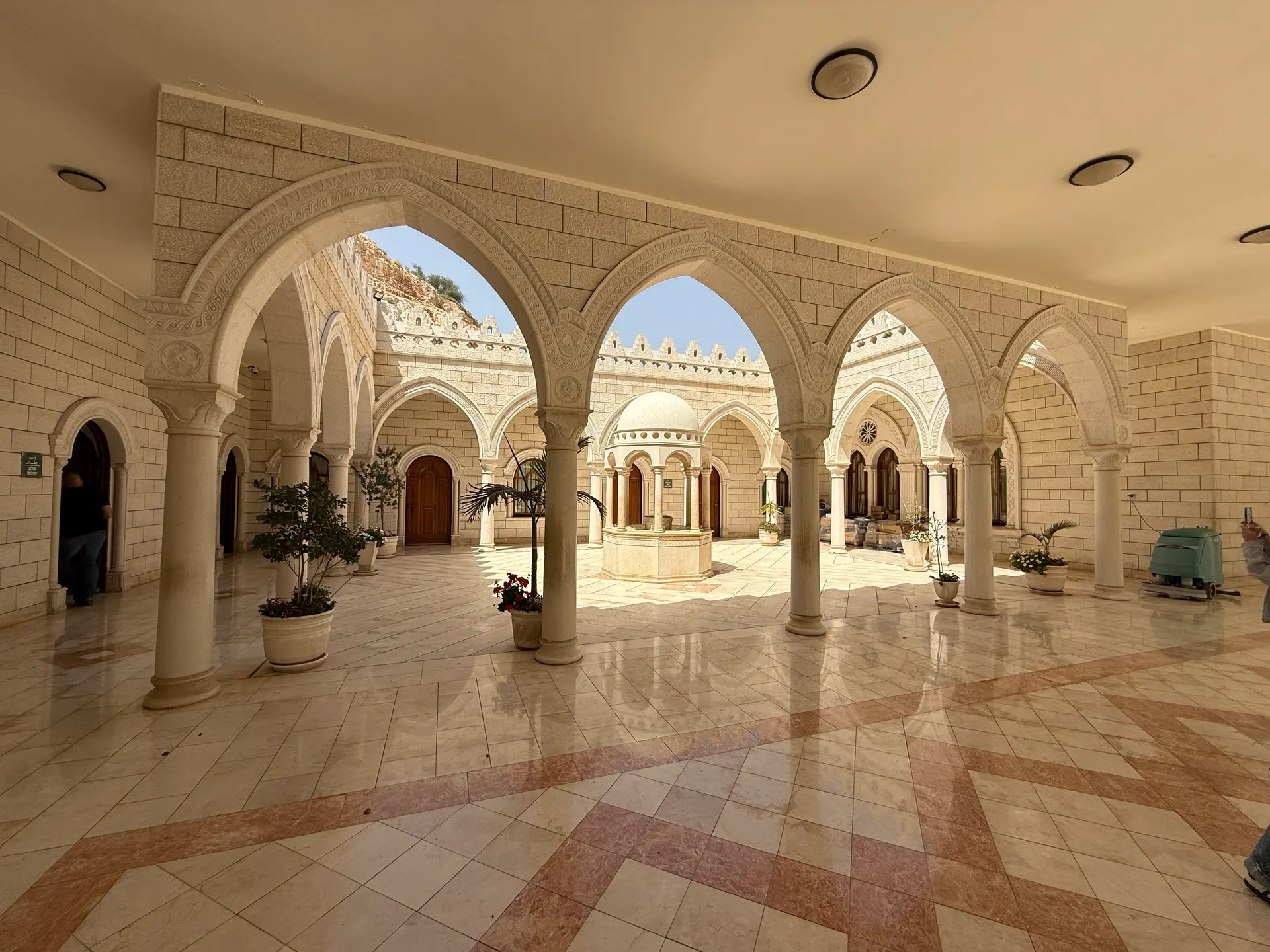
Shrine of Nabi Shuʿayb, near Kfar Zeitim, not far from Tiberias, Israel
Galil Tachton Regional Council, Northern District, Israel
18.8 km away
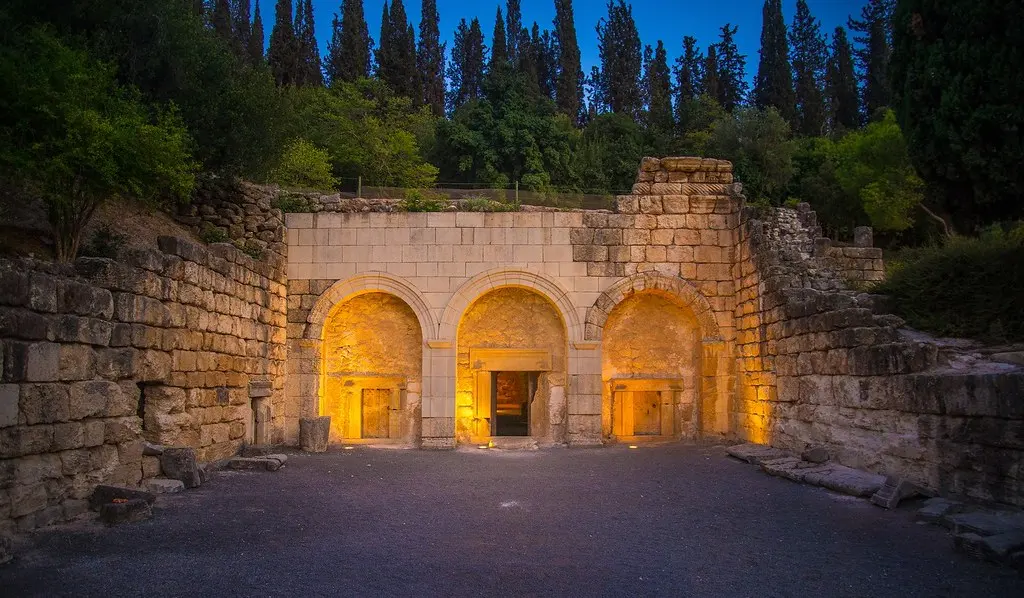
Necropolis of Bet Shearim
Emek Izrael Regional Council, Haifa District, Israel
18.9 km away
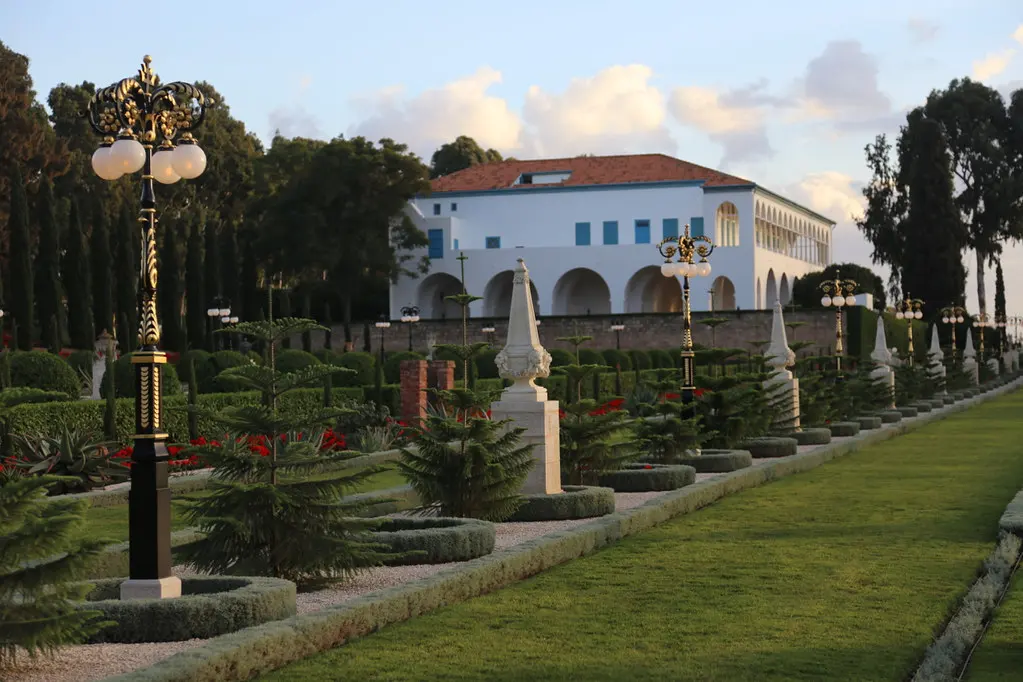
Shrine of Bahá’ú’lláh, Acre
Bustan HaGalil, Northern District, Israel
19.2 km away
Share a photo
Help visitors recognize The tomb of Sheikh Abu Al-Hija, Israel. Every submission is reviewed before publication.