Tradition guide
Multi-faith
Multi-faith sites connect places through shared lineage, practice, story, and pilgrimage across the global atlas.
25 sacred places share this lineage. Use the country links to narrow in.
Atlas summary
Multi-faith sacred sites overview
Multi-faith sacred sites connect places through shared lineage, ritual use, memory, and pilgrimage practice across the Pilgrim Map atlas.
Use this page to compare country clusters, common place types, UNESCO-tagged landmarks, and the map distribution before exploring individual site pages.
| Coverage | 25 Multi-faith sacred places in the current atlas. |
|---|---|
| Country clusters | |
| UNESCO heritage | 1 UNESCO-tagged Multi-faith site appear in this browse view. |
Refine the atlas
Related Multi-faith guides
Showing 1-25 of 25 sites in this tradition guide
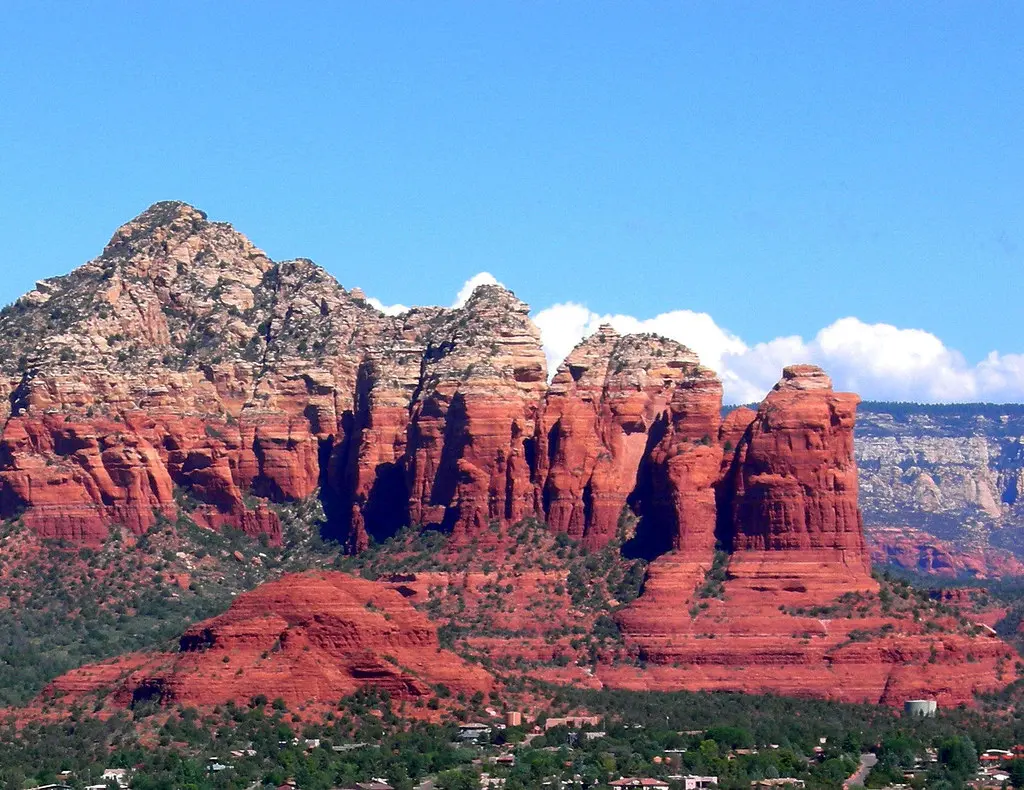
Airport Mesa, Sedona
Sedona, Arizona, United States
Perched above Sedona with 360-degree views of the red rock landscape, Airport Mesa offers the most accessible encounter with vortex energy....

Altare Rupestre di Santo Stefano
Oscheri/Oschiri, Sassari, Italy
In the Sardinian countryside between Sassari and Olbia, a ten-meter granite slab bears geometric carvings found nowhere else in the Mediterranean....

Ancient City of Damascus
Damascus, Damascus Governorate, Syria
The Ancient City of Damascus is the historic walled core of Syria's capital and UNESCO World Heritage property 20bis....

Black Prince's Well
Harbledown, England, United Kingdom
A medieval healing spring on the hillside of Harbledown, the Black Prince's Well is the last sacred stop on the Pilgrim's Way before Canterbury Cathedral appears on the...
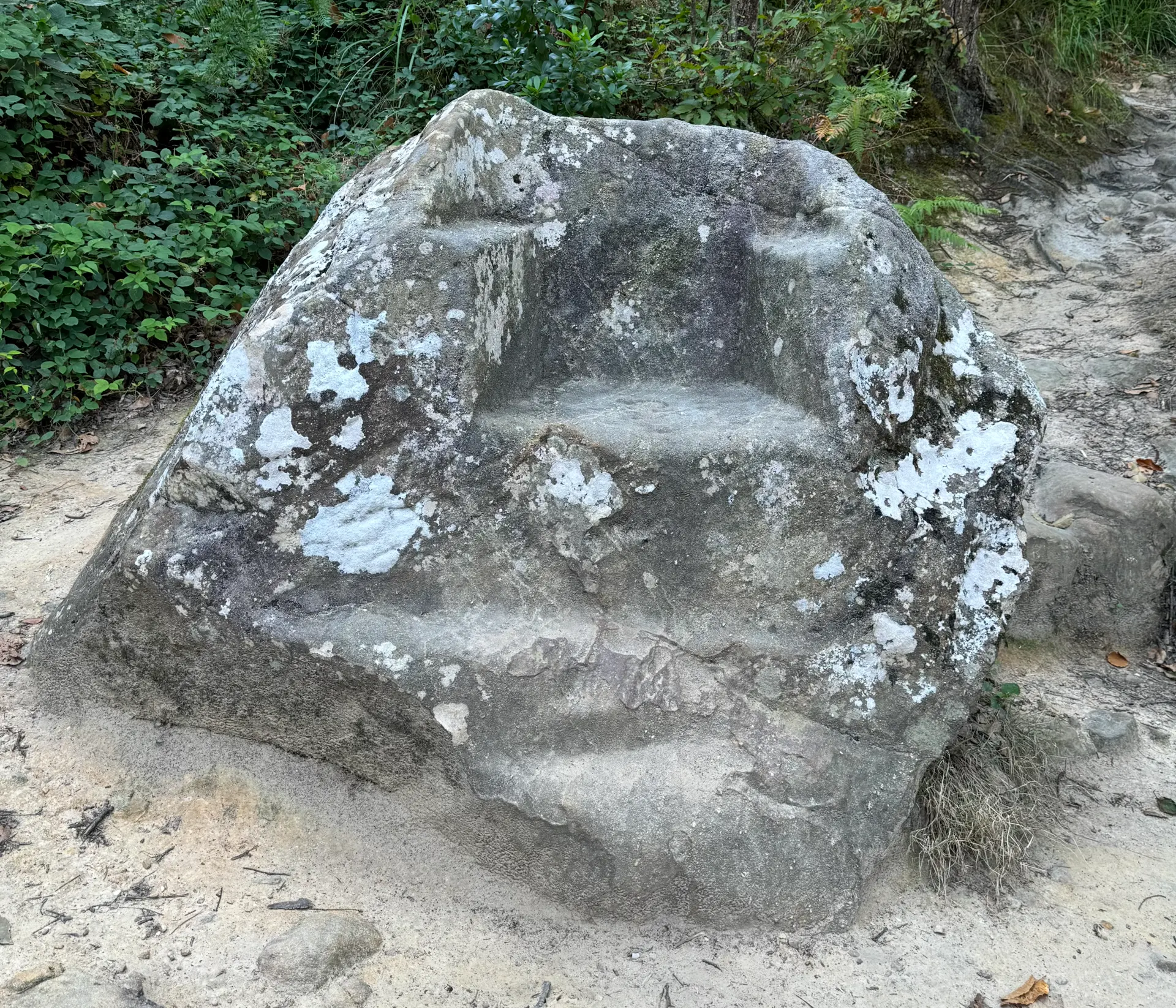
Chair of Isis (Throne of Isis)
Rennes-les-Bains, Aude, France
High above the thermal village of Rennes-les-Bains, a granite seat carved into the forest floor has drawn seekers for centuries....
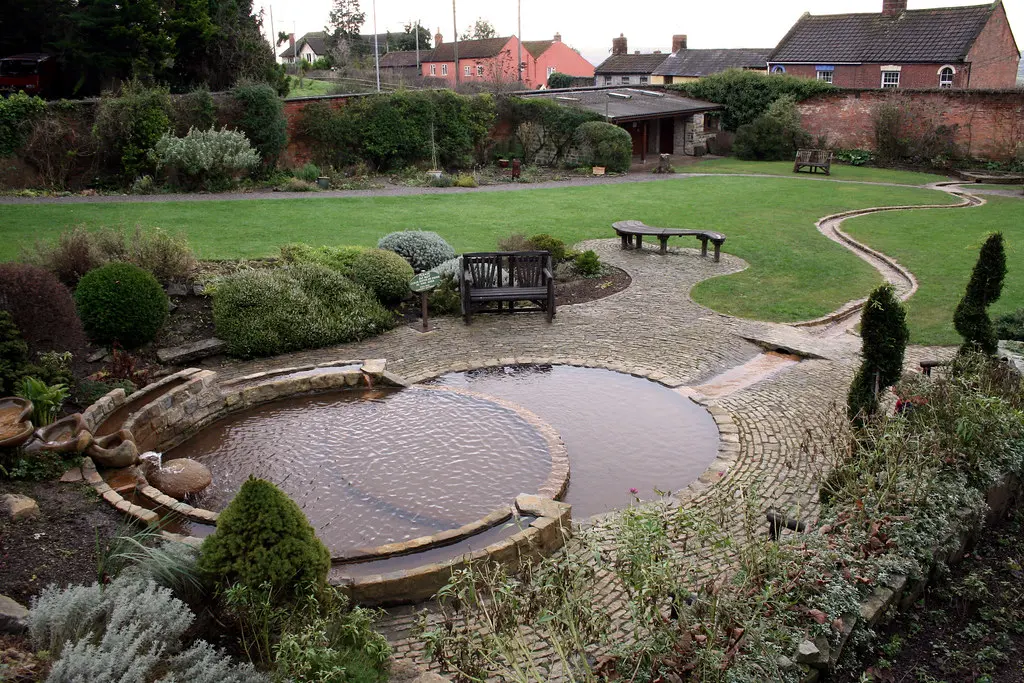
Chalice Well Gardens
Glastonbury, England, United Kingdom
At the foot of Glastonbury Tor, iron-stained waters have flowed without ceasing for over two thousand years. Christian pilgrims come seeking the Holy Grail....
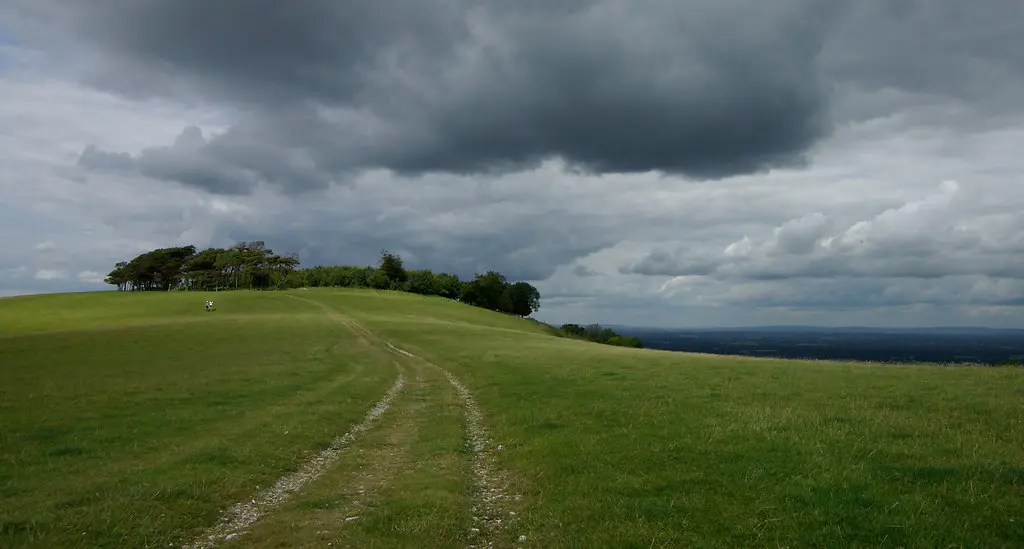
Chanctonbury Rings, Findon, West Sussex, England
Horsham, England, United Kingdom
Rising from the South Downs like a crown of trees visible for miles, Chanctonbury Ring has drawn seekers for over three thousand years....
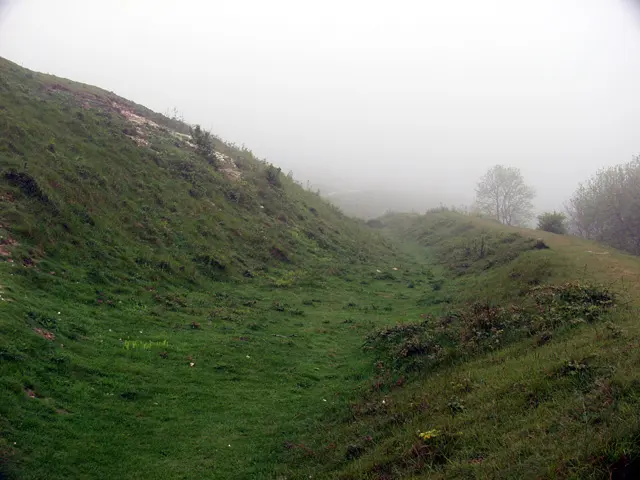
Cissbury Ring, Findon, West Sussex, England
Worthing, England, United Kingdom
Rising above the Sussex Weald, Cissbury Ring holds evidence of five thousand years of human presence....

Crestone
Crestone, Colorado, United States
Crestone rises against the Sangre de Cristo Mountains as North America's most remarkable interfaith sanctuary....

Glastonbury Tor
Glastonbury, England, United Kingdom
Rising 158 meters above the Somerset Levels, Glastonbury Tor has drawn seekers for millennia. Celtic tradition holds it as a gateway to Annwn, the Otherworld....

Köprülü Canyon
Beşkonak, Manavgat, Antalya, Turkey
Köprülü Canyon cuts fourteen kilometers through Mediterranean limestone in Turkey's Antalya region, its walls rising as high as 100 meters above the Köprüçay river....
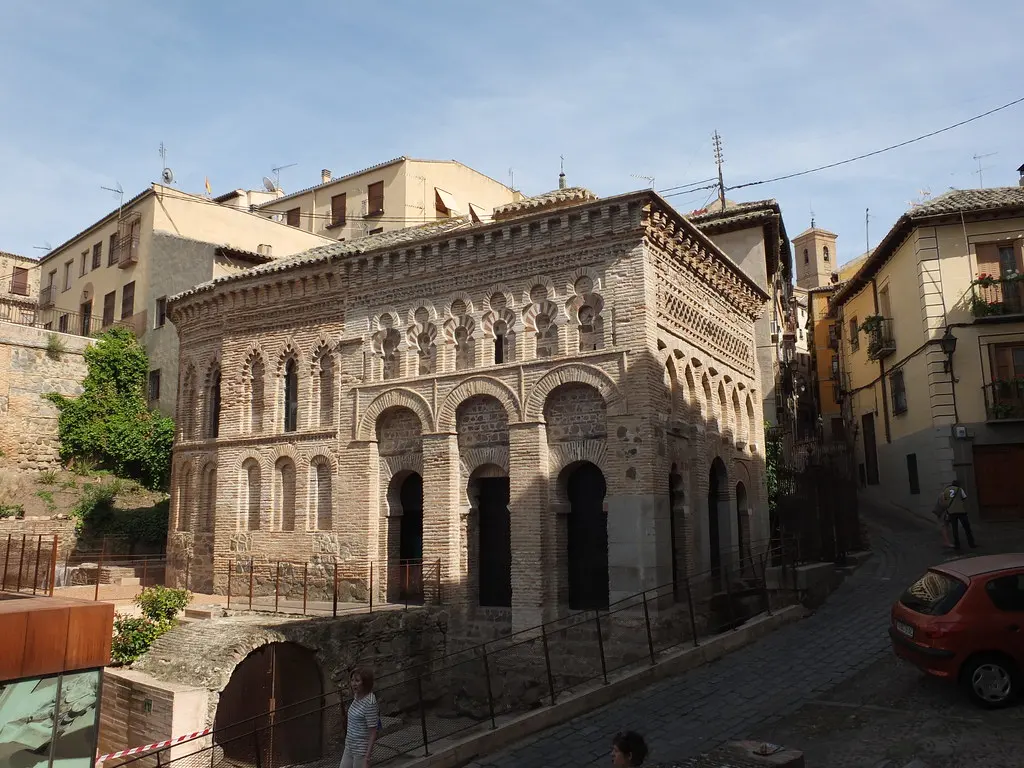
Mosque of Cristo de la Luz
Toledo, Toledo, Spain
Built in 999 CE as a Muslim oratory at the height of al-Andalus, this small nine-bayed mosque became a Christian chapel after the Reconquista and still functions as one...

Mosque-Cathedral of Córdoba
Córdoba, Córdoba, Spain
Begun in 785-786 CE as the great congregational mosque of Umayyad Córdoba and consecrated as a Catholic cathedral after the 1236 Christian conquest, the building known as...
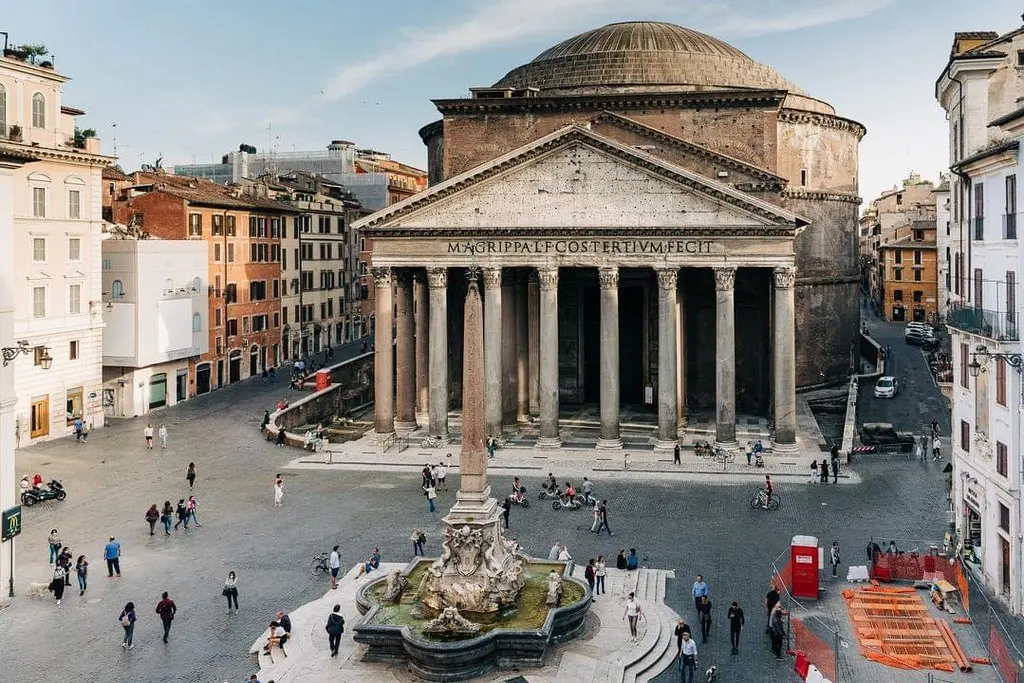
Pantheon, Rome, Italy
Rome, Rome, Italy
The Pantheon stands as ancient Rome's most complete survival—a temple to all gods that became a church to Mary and the martyrs, preserved through continuous use for nearly...

Paucartambo—Fiesta de la Virgen del Carmen
Paucartambo, Cusco, Peru
The Whale geoglyph depicts a marine creature approximately twenty-seven metres in length on the desert floor....

Pharping Vajrayogini Temple
Pharping, Bagmati Province, Nepal
At the base of the stairs leading to Guru Rinpoche's Asura Cave, this 11th-century temple marks where the Pamtingpa brothers transmitted Vajrayogini teachings that would...

Pilgrims Rest Statue
Lenham, England, United Kingdom
Brother Percival is a life-sized wooden sculpture of a resting monk, installed in 2007 on the Pilgrim's Way between Harrietsham and Lenham in Kent....
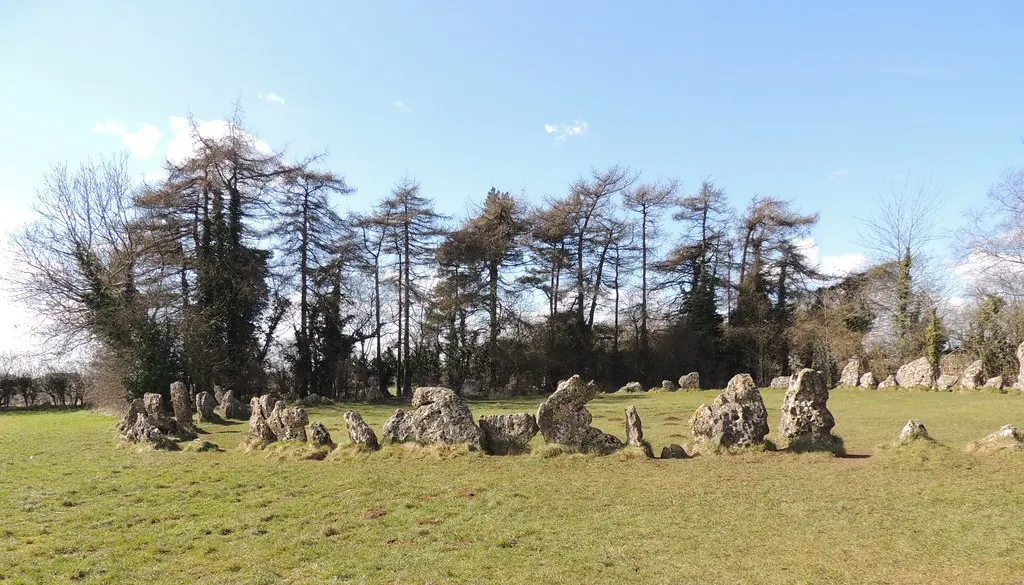
Rollright Stones
West Oxfordshire, England, United Kingdom
Three prehistoric monuments spanning nearly two thousand years crown this Cotswold ridge: a stone circle, a solitary king, and whispering knights plotting in stone....
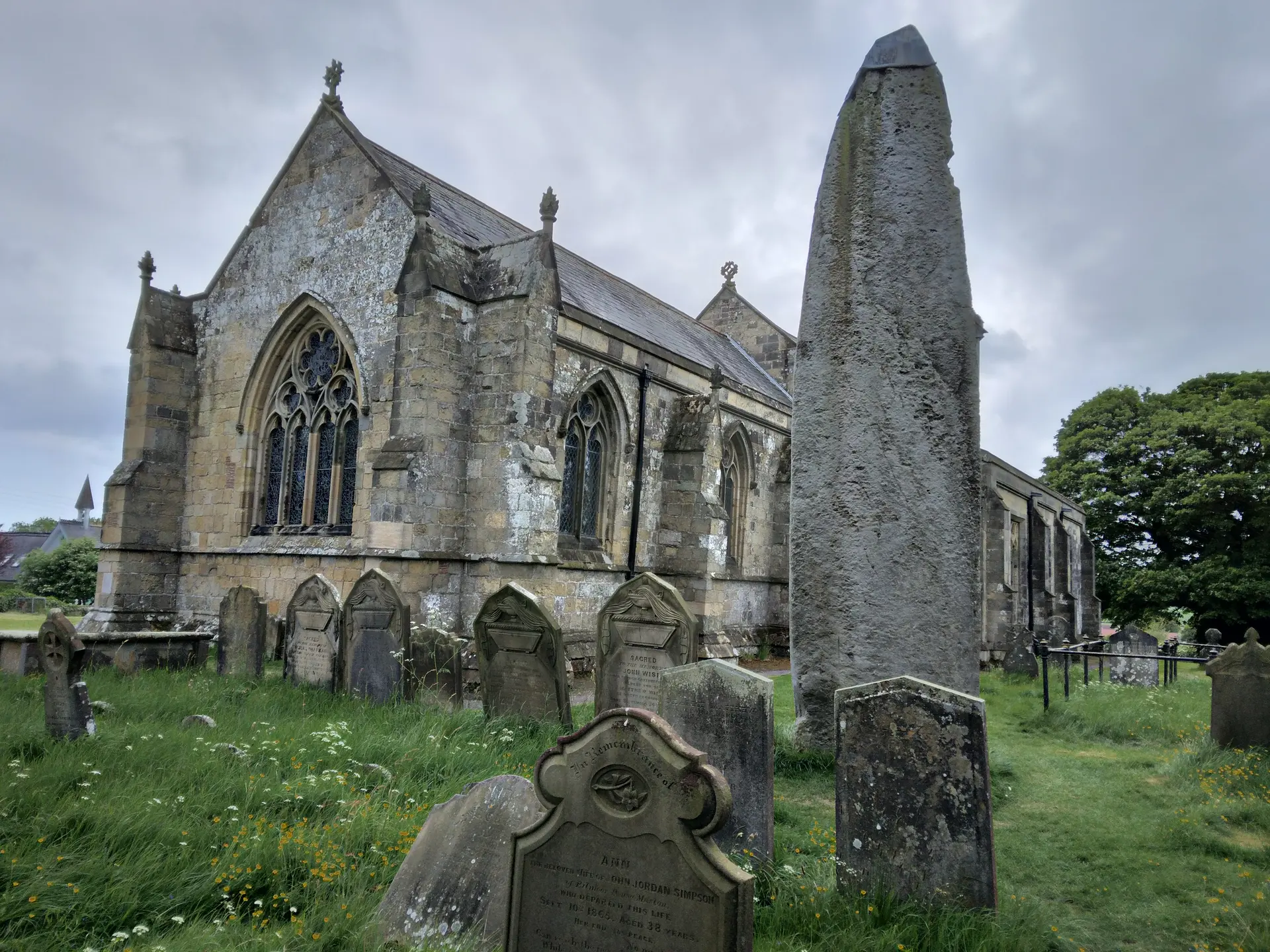
Rudston Monolith
Rudston, England, United Kingdom
Rising nearly eight meters from a Yorkshire churchyard, the Rudston Monolith has anchored human spiritual activity for over four millennia....
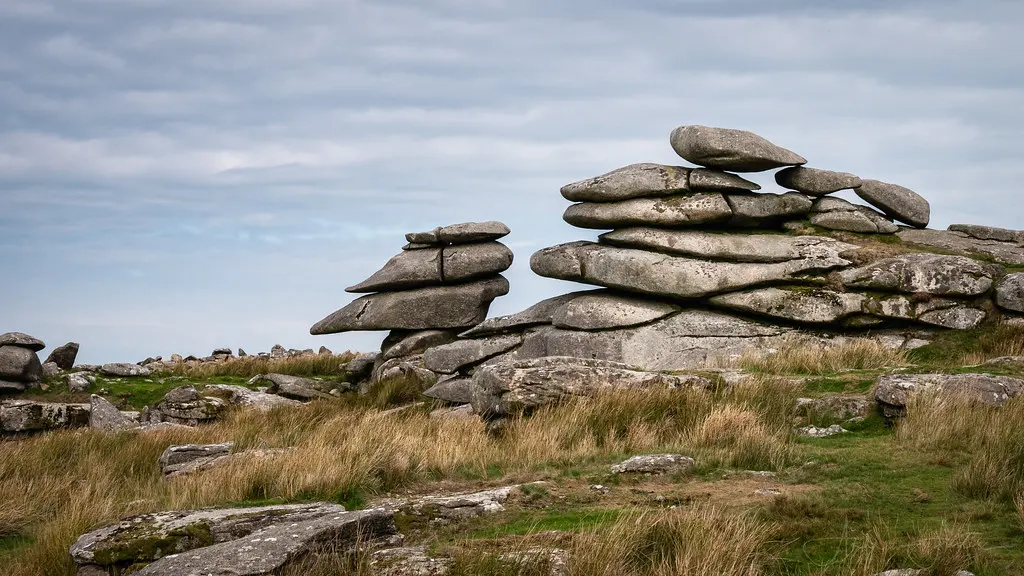
The Cheesewring
Henwood, England, United Kingdom
'+ ''+ 'For additional...
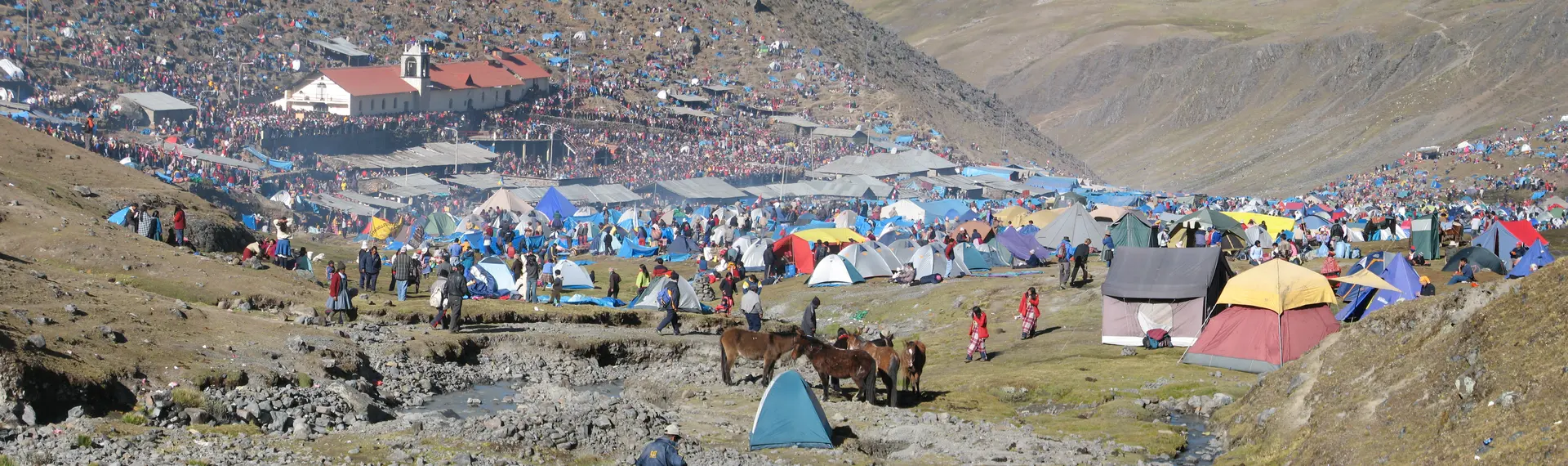
Valle de Sinakara—Quyllurit'i
Ocongate, Cusco, Peru
Each year, fifty-eight days after Easter, approximately 100,000 people walk to the Sinakara Valley beneath the glacier of Ausangate....

Vortex at Boynton Canyon, Sedona
Sedona, Arizona, United States
Boynton Canyon holds the creation story of the Yavapai-Apache people, who understand this as the literal birthplace of their nation....

Vortex at Cathedral Rock, Sedona
Sedona, Arizona, United States
Cathedral Rock rises from the Sedona landscape like hands raised in prayer, its twin spires reflected in the waters of Oak Creek below....

Watts Cemetery Chapel
Compton, England, United Kingdom
Designed by Mary Watts and built by 74 Compton villagers between 1895 and 1904, this Grade I listed mortuary chapel layers Celtic, Egyptian, Byzantine, and Christian...

White Spring Temple
Glastonbury, England, United Kingdom
Step from daylight into darkness. The White Spring Temple occupies a Victorian well house at the base of Glastonbury Tor, where calcite-white waters have flowed for...
Key questions
Multi-faith sacred-site questions
What are Multi-faith sacred sites?
Multi-faith sacred sites are places connected by shared lineage, practice, memory, ritual use, or pilgrimage tradition.
Where can I find Multi-faith sacred sites?
The strongest country clusters in this guide include United Kingdom, United States, Italy, Peru, Spain, France.
What kinds of places are included?
The guide includes sacred landscapes, pilgrimage places, and ritual or historical sites where available.
Can I map Multi-faith sacred sites?
Yes. Compare country clusters and physical forms first, then open individual pages for coordinates, historical context, and visitor guidance.