Cissbury Ring, Findon, West Sussex, England
Where Neolithic miners, Iron Age builders, and modern seekers have walked the same chalk for five millennia
Understand sacred places, explore living traditions, and learn how to engage respectfully with Pilgrim Map.
Access has not been verified. Check current local guidance before planning a visit.
Worthing, England, United Kingdom
Read the sources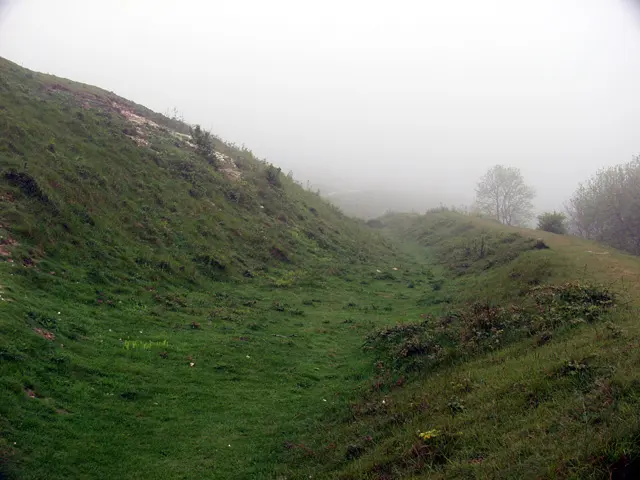
Image of Cissbury Ring, Findon, West Sussex, England. Image source · CC-BY-SA-2.0
Visit essentials
A quick read before you go
- Duration
- The approach walk from the car park takes twenty minutes each way.
- Etiquette
- Cissbury Ring is open-access land managed by the National Trust within the South Downs National…
Overview
The twenty-minute walk to Cissbury Ring slows breath and thought, giving an approach that mirrors five millennia of human ascent.
Beneath the hill are roughly 270 flint-mine shafts dug between 4600 and 3700 BCE for axe stone, some descending twelve meters into chalk. Human remains found in several suggest that extraction sites also served the dead. Older than the pyramids and Stonehenge's sarsen circle, these mines began the hilltop's long conversation with human purpose.
Three thousand years after the mines fell silent, Iron Age people built the massive rampart and ditch that define the ring. The fort enclosed the largest such space in Sussex and the second largest in England; whether its gatherings were defensive, ceremonial, or something else remains unresolved.
Modern pagans treat Cissbury as part of the South Downs' sacred landscape and mark Samhain and Midsummer here. No particular belief is needed to feel the Channel wind, hear larks, and encounter visible ancestors beyond memory: the place works on anyone willing to slow down and attend.
Why this place is sacred
The Neolithic miners who worked here for five centuries were not merely extracting material. Flint axes shaped the world around them, felling the forests that once covered Britain, enabling the agricultural revolution that remade human life. To descend into a chalk shaft, carving galleries by torchlight with antler picks, was to enter a relationship with the earth that held both practical and sacred dimensions.
We know this because they buried their dead in these spaces. In at least one shaft, a young woman lies where a collapse killed her around 3700 BCE. Others appear to have been placed intentionally. The mines were not just industrial sites but liminal zones where the living encountered both the earth and their ancestors.
The prominence of the hilltop itself matters. From the ramparts, on clear days, you can see seventy-eight miles of coastline, the sweep of the Weald, the sister hillforts of the South Downs stretching toward Hampshire. This is landscape as threshold: the first place migratory birds make landfall each autumn, the point where sea and land negotiate their boundary.
Sussex folklore preserved what archaeology confirmed. Local traditions speak of fairies dancing on Midsummer's Eve, of treasure guarded by serpents, of the Devil himself throwing up the hills in rage at Christian conversion. These stories may encode genuine folk memory of the site's pre-Christian significance, persisting through centuries when the mines were forgotten and the earthworks unexplained.
Contemporary visitors who know none of this history still report a particular quality here. The phrase that recurs is 'deep time': a sense of connection to generations beyond counting who have walked this ground. Whether this reflects psychology, geology, or something less easily named, the effect is consistent enough to take seriously.
The Neolithic mines served a clear practical function: extracting flint for axe production during a period when stone tools were essential technology. Evidence suggests Cissbury was among the earliest flint mining sites in Britain, operating for approximately five hundred years. The Iron Age fort, constructed around 400-250 BCE, likely served multiple functions scholars continue to debate: defense, territorial marking, seasonal gathering, livestock management, and possibly ceremonial activity.
After 100 BCE, the interior was used for agriculture, with rectangular field systems visible in aerial photographs. Romano-British settlers built at least eleven structures within the ring. Tudor authorities established a beacon here as part of the coastal warning system. Each era found its own purpose for this prominent hilltop.
The mines fell silent around 3700 BCE. The hillfort's active use appears to have ended in the Romano-British period. Medieval farmers left ridge-and-furrow cultivation marks. Then the site entered a long sleep, known to locals but serving mainly as pasture and walking ground.
Archaeological attention began in 1857 and accelerated when Colonel Pitt Rivers excavated thirty mine shafts in the 1860s. The 1920s brought public protection: local subscription raised funds to purchase the land, which passed to the National Trust in 1929. World War II briefly militarized the hilltop with anti-aircraft guns and an anti-tank ditch.
Today, Cissbury draws walkers, butterfly watchers, and those seeking connection with the land's deep past. Modern pagans have adopted the site into their ritual calendar, marking the turning year here as their ancestors might have done, though in forms those ancestors would not recognize. The meanings shift, but the hilltop continues to gather those who climb it.
Experience and orientation
The ascent matters. From the car park at Storrington Rise, the path rises steadily through grassland and scrub, requiring enough effort that conversation falls away and attention turns inward. By the time you pass through the gap in the ramparts, you have undergone a subtle transition. The hilltop receives you differently than it would if you had driven to its edge.
Once within the ring, the scale becomes apparent. Sixty acres of undulating chalk downland, scattered with the hollows of Neolithic mines, bounded by an earthwork that took immense communal labor to raise. The ditch and rampart stretch away in both directions, curving out of sight. You stand within an achievement that speaks of cooperation on a scale difficult to imagine.
The views pull attention outward: to the sea glittering in the distance, to the Weald spreading north, to Chanctonbury Ring visible on its neighboring hill. But something also pulls attention down, into the ground beneath your feet. The mine shaft depressions invite contemplation of those who descended into darkness with antler picks, seeking the stone that would shape their world.
Those who visit at Samhain or Midsummer often report a different quality of encounter. The veil between times feels thin, some say, or the ancestors feel closer. Walking the ring as darkness gathers on the Celtic new year, surrounded by the works of five millennia, even skeptics may find their sense of the present expanding to include something older.
Butterflies in summer offer their own form of presence. Chalkhill blues, Adonis blues, dark-green fritillaries move across the grassland, indifferent to human significance, beautiful in their indifference. The living landscape holds its own kind of attention.
Cissbury Ring rewards those who approach it as more than scenery. The twenty-minute walk from the car park is not an obstacle but an invitation: let it slow you, let it quiet the mind's chatter, let arrival be a real arrival rather than a continuation of hurrying.
Consider walking the perimeter before exploring the interior. The rampart circuit offers changing views and allows the scale of the place to register. Notice the mine shaft hollows as you pass: each one a door into the earth that someone's ancestor descended.
If you come seeking connection with deep time, sit with the land rather than photographing it. Find a spot out of the wind, close your eyes, and let your awareness extend downward into the chalk. Five thousand years of human presence have left something in this ground. You need not name it to attend to it.
For those marking seasonal transitions, dawn and dusk heighten the site's liminal quality. The play of light across the earthworks at these hours makes visible what midday flattens.
Context and lineage
Sussex folklore offers its own explanation for the hills. According to legend, the Devil grew furious when Sussex became one of the last regions of England to accept Christianity in the seventh century. He vowed to dig a great trench allowing the sea to flood in and drown the Christians. As he dug through the night, the massive mounds of earth he threw aside became the hills of Cissbury Ring, Mount Caburn, and Firle Beacon.
But dawn came before he finished, the cock crowed, and the Devil fled, leaving Sussex undrowned and its hills as monuments to his rage.
The name Cissbury itself carries competing etymologies, both now discounted by scholars. Some claimed it derived from Caesar's fort, attributing the earthworks to Julius Caesar's brief British expedition. Others connected it to Cissa, son of Aelle, the South Saxon king who invaded in the fifth century. Neither explanation accounts for a site whose origins predate both figures by millennia.
The succession of peoples who used Cissbury stretches beyond recorded memory. Neolithic miners worked here for five centuries, leaving when the seams were exhausted or the need for flint diminished. Three thousand years of silence followed, or near-silence, broken perhaps by Bronze Age barrow builders who raised at least one burial mound within what would become the fort. The Iron Age hillfort builders arrived around 400-250 BCE, raising earthworks that would outlast their culture by millennia.
Romano-British settlers built rectangular structures within the ring, farming the interior until the empire withdrew. Medieval cultivation left its marks. Tudor watchers manned a beacon here, part of the chain that would warn of Spanish invasion. In the twentieth century, the site passed from private ownership to public protection, and a new kind of visitor began arriving: those seeking connection with something older than history.
Modern pagans now include Cissbury in their sacred geography, walking here at Samhain and Midsummer as others have walked for five thousand years. The succession continues.
The Neolithic Miners
historical
Anonymous communities who dug approximately 270 mine shafts over five centuries, extracting flint essential for stone axes. Their chalk engravings in the mine galleries represent some of the earliest representational art in Britain. Some were buried in these shafts, linking extraction and interment in ways we can only partially understand.
Iron Age Builders
historical
The peoples who constructed the massive univallate hillfort around 400-250 BCE, creating the largest such enclosure in Sussex. Their identity and culture remain largely anonymous, known primarily through the earthworks they left and the field systems visible within the ring.
Colonel Augustus Lane Fox (later Pitt Rivers)
historical
Pioneer of archaeological method who excavated thirty mine shafts at Cissbury in 1867-1868 with Canon Greenwell. His systematic approach helped establish archaeology as a scientific discipline. The discoveries at Cissbury contributed to understanding of Neolithic Britain.
Traditions and practice
Historical practices at Cissbury are largely a matter of inference. The Neolithic miners worked with antler picks and ox shoulder blade shovels, descending shafts up to twelve meters deep and carving horizontal galleries to follow flint seams. Their burial of human remains in some shafts suggests ritual dimensions to what was also practical work. The chalk engravings found in mine galleries, depicting human and animal figures, represent some of Britain's earliest representational art, though their purpose remains unknown.
Sussex folklore preserves practices now difficult to date. Walking three times widdershins, or counter-clockwise, around the ring was said to summon fairies, grant second sight, or invite encounter with the Devil. On Midsummer's Eve, fairies were believed to dance within the ring, visible to those who watched from outside but dangerous to approach. These traditions may preserve memory of pre-Christian practices, though their exact origins are lost.
Modern pagans treat Cissbury as a site for seasonal observance. Samhain, falling around November first, draws those who mark the Celtic new year and honor ancestors at this time when the veil between worlds is said to thin. Walking the ring at dusk, as darkness gathers and the land shifts into winter, some practitioners report heightened awareness of ancestral presence.
Midsummer's Eve brings others seeking to mark the sun's turning. Some arrive for sunrise, watching light spill across the South Downs. Others come at dusk, keeping vigil as the shortest night unfolds. These observances are typically individual or in small groups, without organized leadership or formal structure.
The National Trust has created a digital interpretation trail accessible by smartphone, allowing visitors to explore the site's archaeology and natural history. Walking the ring with this guide offers a different form of engagement, intellectual rather than devotional, but no less valid for those who find meaning in understanding.
If you come seeking more than exercise, consider these invitations.
Walk the approach slowly. Let the twenty-minute ascent quiet your mind before you arrive. The pilgrimage begins at the car park, not the rampart.
Once within the ring, find a mine shaft hollow and sit beside it. These depressions mark doors into the earth that people descended five thousand years ago. Let yourself imagine the darkness, the chalk walls catching torchlight, the sound of antler striking flint. You need not reconstruct their experience to honor it.
If seasonal timing permits, consider visiting at one of the traditional liminal moments: dawn or dusk, solstice or Samhain. The hilltop holds a different quality when light or season stands at threshold.
Before leaving, pause at the highest point and let your gaze sweep the full circle of horizon. You stand where countless others have stood, their purposes different, their experience of this view essentially the same. Let that recognition settle.
Neolithic Flint Mining Culture
HistoricalCissbury Ring preserves one of Britain's earliest flint mining complexes, active between approximately 4600 and 3700 BCE. The roughly 270 mine shafts, some descending twelve meters into chalk, represent sustained industrial activity over five centuries. The burial of human remains in exhausted shafts suggests these extraction spaces held significance beyond the practical, linking mining, death, and the earth in ways we can only partially understand.
Miners worked with antler picks and ox shoulder blade shovels, descending vertical shafts and carving horizontal galleries to follow flint seams. Some created chalk engravings on gallery walls, depicting human and animal figures in what represents some of Britain's earliest representational art. The dead were placed in certain shafts, whether those who died in mining accidents or those deliberately interred in these liminal spaces.
Iron Age Hill Fort Culture
HistoricalThe massive earthwork defenses were constructed around 400-250 BCE, making Cissbury the largest hillfort in Sussex and second largest in England. The fort represents enormous communal labor and speaks to the importance of this hilltop for Iron Age society, whether for defense, gathering, territorial marking, or purposes that combined these functions.
The specific practices of Iron Age peoples at Cissbury are largely unknown. After 100 BCE, the interior was used for agriculture, with rectangular field systems visible in aerial photographs. The communal effort required to construct the rampart and ditch suggests organized society capable of mobilizing significant labor for shared purpose.
Sussex Folklore Traditions
ActiveLocal folklore invested Cissbury Ring with supernatural significance, explaining its formation through the Devil's Digging legend and associating it with fairy dancing, buried treasure, and ghostly presence. These tales may preserve folk memory of pre-Christian practices at the site, encoding in story form what written history failed to record.
Traditional practices associated with Cissbury include walking three times widdershins around the ring to summon fairies, gain second sight, or encounter the Devil. Fairy dancing on Midsummer's Eve was to be watched from outside the ring, not joined. These practices are now more often recounted than performed, though they inform contemporary pagan engagement with the site.
Neo-Paganism
ActiveModern pagans recognize Cissbury Ring as part of the sacred landscape of the South Downs, marking seasonal celebrations here particularly at Samhain and Midsummer's Eve. The site's association with burial, its position within a network of ancient hillforts, and its quality of deep time make it meaningful for contemporary practice.
Practitioners walk the ring as a sacred act, particularly at Samhain when the Celtic calendar marks the new year and the time for honoring ancestors. Some perform white magic rituals on Halloween. Others simply come to sit in contemplation, allowing the accumulated weight of human presence to inform their practice. These observances are typically individual or in small groups, without organized leadership.
Perspectives and open questions
Cissbury Ring invites multiple readings. Archaeological interpretation, Sussex folklore, and contemporary pagan practice each offer genuine insight, and each sees different significance in the same earthworks and hollows. Holding these perspectives together, without forcing them into agreement, honors the site's complexity.
Scholarly perspective
Archaeological consensus classifies Cissbury Ring as a large univallate hillfort dating to the Middle Iron Age, constructed circa 400-250 BCE, built upon a significantly older Neolithic flint mining complex active circa 4600-3700 BCE. The site is designated a Scheduled Monument and represents one of only about twenty recorded Neolithic flint mine complexes in Britain.
Bayesian modelling suggests Cissbury was among the earliest flint mining sites in the country. The discovery of human remains in several mine shafts indicates burial practices associated with these extraction spaces, though the relationship between mining and interment remains debated. Chalk engravings found in mine galleries, including human and animal figures, represent some of Britain's earliest representational art.
The Iron Age fort enclosed approximately twenty-four hectares, making it the largest in Sussex and second largest in England. Scholars debate its primary function: defensive stronghold, territorial marker, seasonal gathering place, livestock enclosure, or ceremonial center. The post-100 BCE agricultural use of the interior suggests changing purpose over time.
Living and traditional perspectives
Sussex folklore invested Cissbury Ring with supernatural significance. The Devil's Digging legend, explaining the hills as earth thrown aside by Satan in his rage at Christian conversion, embeds the site in a struggle between Christianity and older powers. Fairy traditions hold that the fair folk dance within the ring on Midsummer's Eve, visible to watchers outside but dangerous to approach. Running three times widdershins around the ring was said to summon fairies, grant second sight, or invoke the Devil himself.
A local tale speaks of buried treasure beneath the ring, guarded by serpents who emerge to protect it from seekers. The ghost of a highwayman executed nearby is said to haunt the hill's lower slopes. These stories, however fanciful, may preserve genuine folk memory of the site's pre-Christian significance, encoding in legend what written history failed to record.
Alternative interpretations
Contemporary pagans view Cissbury Ring as part of a sacred landscape of South Downs hillforts and ancient sites, each with its own character and energy. The site holds particular significance for Samhain observance, when the Celtic calendar marks the new year and the time for honoring ancestors. The Neolithic burial practices, discovered by archaeology, resonate with this ancestral focus.
Some practitioners describe Cissbury as less overtly supernatural than neighboring Chanctonbury Ring, which has stronger associations with uncanny encounters. Instead, Cissbury is valued for its quality of deep time and its connection to the dead who were deliberately placed within its earth. Walking here, for some, becomes what one practitioner called 'sacred in itself, where the normative, the quotidian became sacred.'
Alternative interpretations also note the site's position within purported ley line networks, though such claims lack archaeological support and are not endorsed by heritage authorities.
Open questions
Genuine mysteries persist at Cissbury Ring. The exact purpose of human burials in Neolithic mine shafts remains debated: were these accidental deaths honored where they fell, deliberate sacrifices, or chosen interments linking the dead to places of extraction and transformation? The chalk engravings found in mine galleries carry no accompanying explanation; their ritual or artistic purpose can only be guessed.
The nature of Iron Age activity at the hillfort is similarly unclear. Was Cissbury primarily defensive, agricultural, ceremonial, or some combination that our modern categories fail to capture? The relationship between this site and neighboring Chanctonbury Ring, visible across the downs, remains unexplored: did Iron Age peoples see them as connected? As rivals? As complementary?
Perhaps most mysterious is why Sussex flint mines appear to be the earliest in Britain. What drew Neolithic peoples to this particular landscape at this particular time? The answer, if one exists, lies buried deeper than archaeology has yet reached.
Plan your visit
Access and arrival
Findon village, one mile away, offers limited accommodation. Worthing, three miles south, provides a full range of hotels, B&Bs, and holiday lets. Steyning and Washington, nearby on the South Downs, offer characterful options closer to the site.
Respectful visit
Sturdy walking shoes or boots are essential. The approach involves uneven terrain, kissing gates, and stiles. The hilltop itself can be wet, slippery, and rough underfoot. The exposed position means wind is common, sometimes fierce. Dress in layers appropriate for changeable downland weather.
Photography is welcomed and the panoramic views reward it. No permits are required for personal use. Be mindful that others may be seeking experiences ungoverned by cameras. Drone use is prohibited.
There is no established tradition of physical offerings at Cissbury, and leaving objects would be inappropriate for a protected archaeological site. If your practice includes offering, make it internal or return organic materials like water to the earth discreetly and completely.
The site is open at all times. There are no entry fees or tickets. Cycling is prohibited on the hillfort. Metal detecting is prohibited without permission, which is not granted for this site. Camping is not permitted. Ground fires are prohibited.
The site is a Scheduled Monument and Site of Special Scientific Interest. Do not dig, disturb earthworks, or remove anything from the site. The temptation to take a chalk pebble as memento damages cumulative preservation.
If you practice ritual or ceremony here, leave no trace. Physical offerings are not appropriate and will be treated as litter. If your tradition requires offerings, make them internal: prayer, intention, gratitude.
Be aware that the hilltop is shared space. Walkers, dog owners, butterfly enthusiasts, and those seeking solitude all have legitimate claim to Cissbury. Practice in ways that do not impose on others or make them uncomfortable.
Current practical details
Address
Findon, Valley, Worthing BN14 0HT, UK
Phone
Hours
Hours, fees, and access can change — verify on the official source before you travel. Practical details last checked Jun 2026.
Location
Map loads as you approach this section.
Pilgrim reflections
A portrait of encounter, not a score
Pilgrims describe what they felt, how present they could become, and whether the place would shape a journey. There are no stars and no ranking of traditions.
No reviewed reflections yet
The first pilgrims can help describe the character of being here.
Share a reflection
Available after an account-backed “Been there.” Every reflection is reviewed before publication.
Nearby sacred places
Explore other sacred places in the region. Proximity does not establish access or travel time; check each place’s guidance.
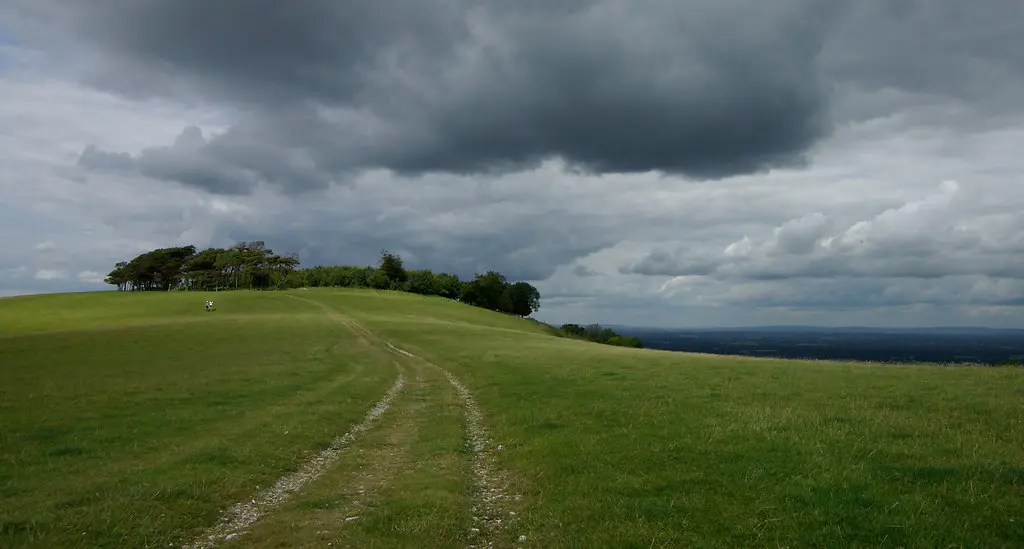
Chanctonbury Rings, Findon, West Sussex, England
Horsham, England, United Kingdom
4.0 km away

Arundel Cathedral
Arundel, England, United Kingdom
12.4 km away
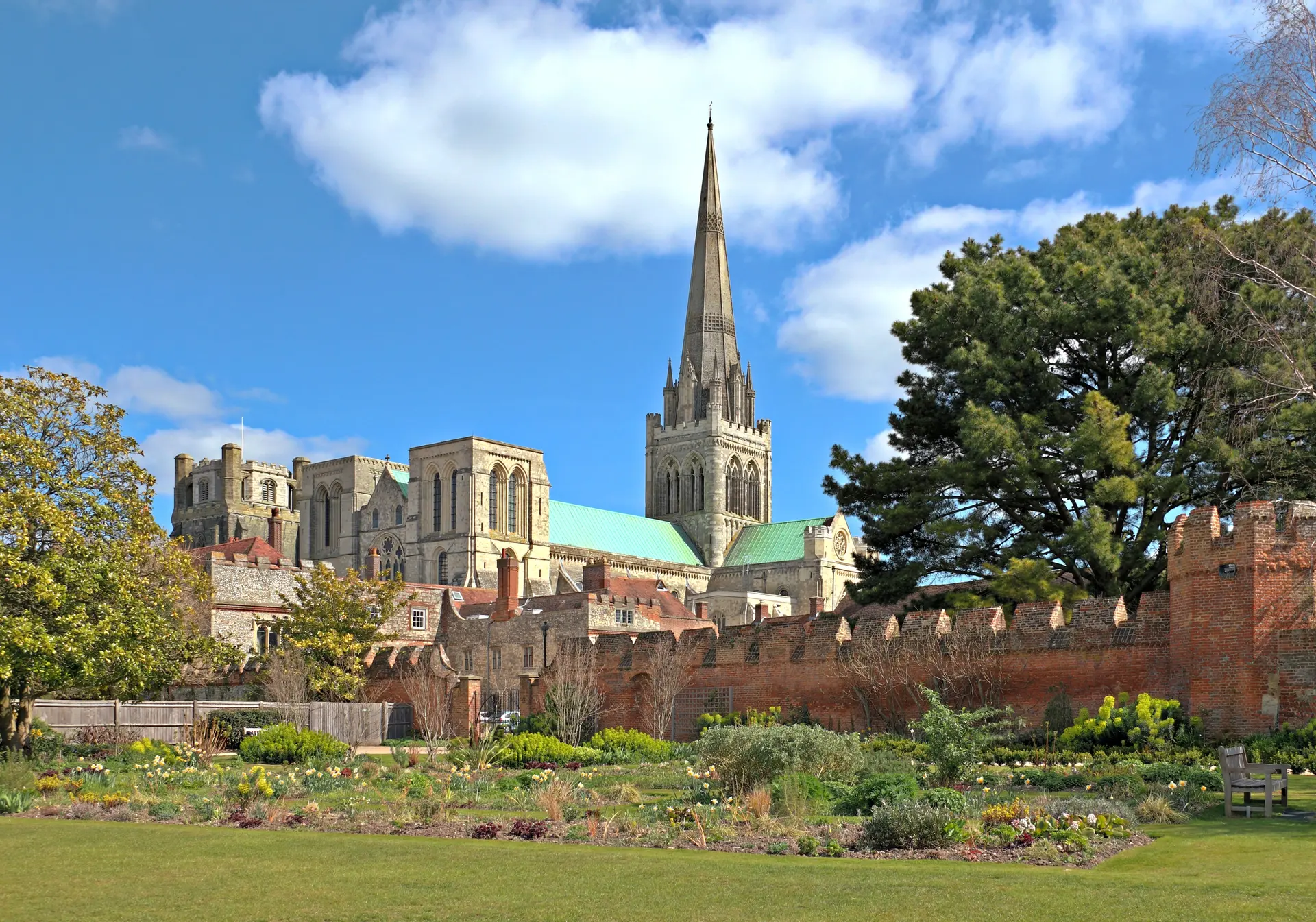
Chichester Cathedral
Chichester, England, United Kingdom
28.1 km away
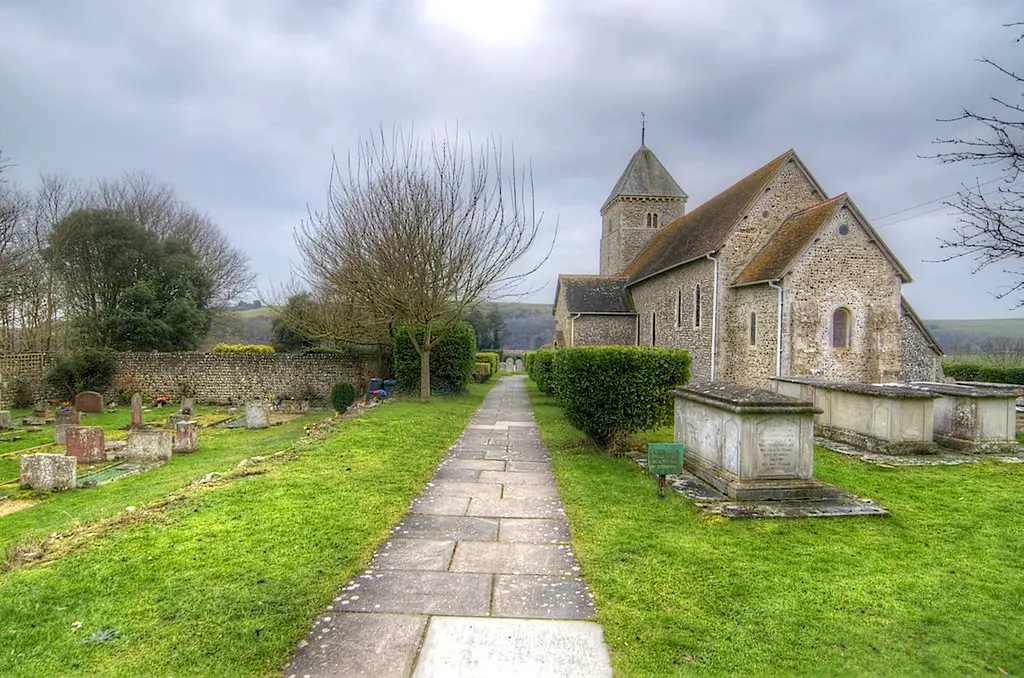
St. Andrew’s Church, Bishopstone, England
Seaford, England, United Kingdom
34.0 km away
References
Sources consulted for this page. Source categories describe the publication, not a guarantee that every claim is verified. Traditional accounts and outside interpretations may differ.
- 01Cissbury Ring | Sussex | National Trust — National TrustofficialOfficial National Trust visitor information and history
- 02Cissbury Ring hillfort, prehistoric flint mine and associated remains - Historic England — Historic EnglandofficialOfficial Scheduled Monument listing with archaeological details
- 03Cissbury Ring circular - South Downs National Park Authority — South Downs National ParkofficialOfficial National Park walking guide and trail information
- 04Cissbury Ring: Neolithic flint-mines in the digital age — The PastacademicDetailed archaeological research on Neolithic flint mines
- 05Cissbury Ring - Wikipedia — Wikipedia contributorsencyclopediaComprehensive coverage with archaeological citations and historical timeline
- 06Cissbury Ring Hillfort - The Megalithic Portal — The Megalithic PortalacademicDetailed archaeological database entry with GPS coordinates
- 07KISS IN THE RING - Cissbury Ring Facts and Fables — The Heritage JournalSource contextFolklore compilation with historical context
- 08Samhain and Cissbury Ring — Rachel PoultonSource contextContemporary pagan perspective on site significance
- 0910 fascinating myths, legends and folklore tales that hail from Sussex — SussexLiveacademicRegional folklore compilation including Devil's Digging legend
- 10Sussex folklore explored: Fairies, buried treasure and ghosts in the Worthing area — Sussex ExpressacademicLocal folklore including fairy dancing and buried treasure legends
Share a photo
Help visitors recognize Cissbury Ring, Findon, West Sussex, England. Every submission is reviewed before publication.