Rudston Monolith
Britain's tallest standing stone, where four thousand years of sacred intention converge in a quiet churchyard
Understand sacred places, explore living traditions, and learn how to engage respectfully with Pilgrim Map.
Access has not been verified. Check current local guidance before planning a visit.
Rudston, England, United Kingdom
Read the sources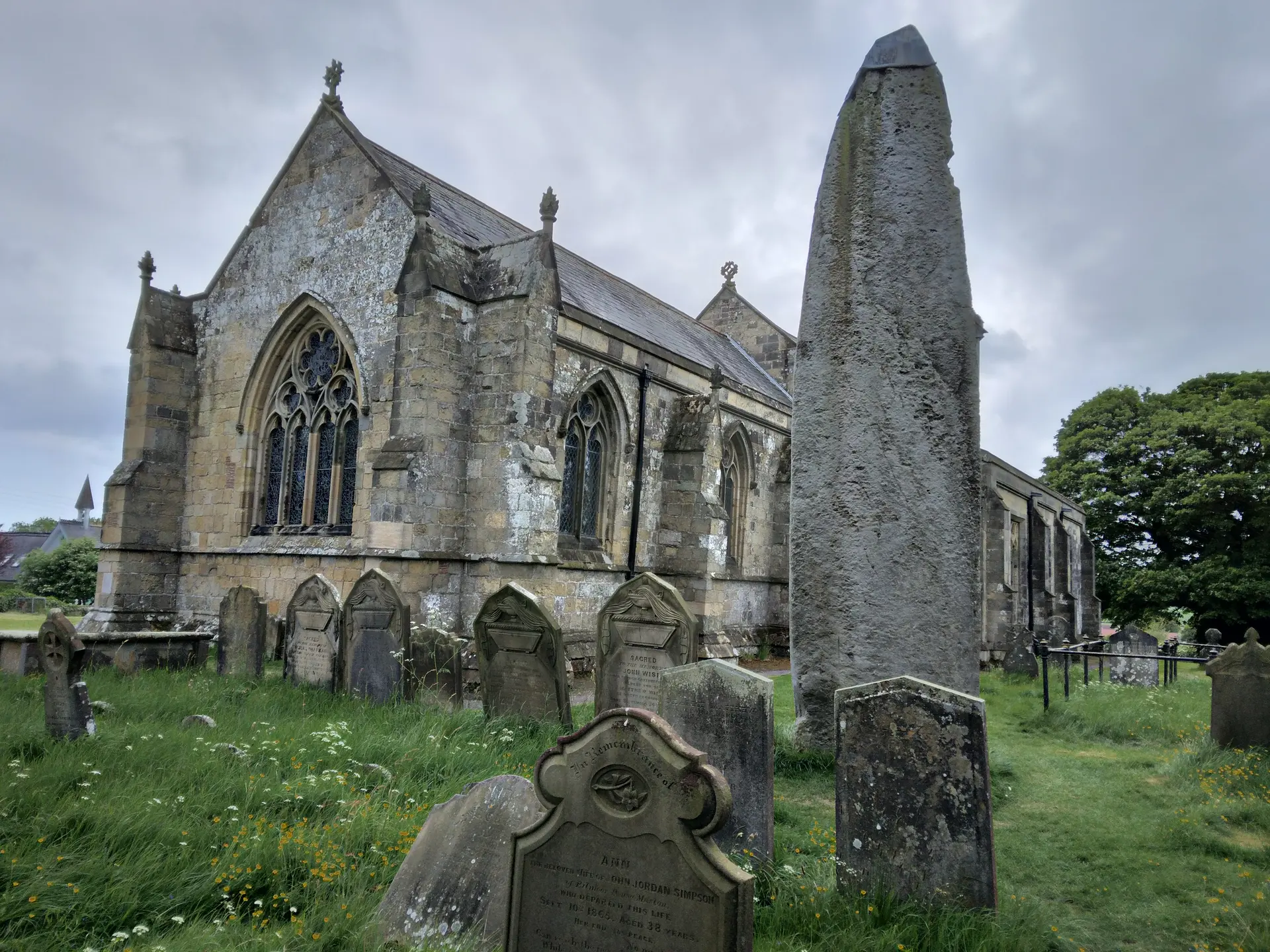
Image of Rudston Monolith. Image source · CC0
Visit essentials
A quick read before you go
- Duration
- A brief visit to see the monolith and church takes thirty minutes to an hour.
- Access
- Rudston village is located on the B1253 road, approximately eight kilometers west of Bridlington…
Overview
Some places hold time differently. The Rudston Monolith stands in an English churchyard surrounded by Victorian gravestones, and yet it predates them by millennia—predates the Norman church beside it by three thousand years, predates writing itself in these islands.
The Neolithic people who erected this stone understood something about this particular bend in the Gypsey Race stream, this convergence of ancient processional avenues, that compelled an extraordinary effort. They quarried a forty-tonne block of gritstone from cliffs sixteen kilometers away, transported it by river and over rolling hills, and set it upright at the heart of their ritual landscape. We do not know their names, their language, or precisely what they believed.
What we know is that they considered this worth doing.
The church that stands beside the monolith chose not to destroy it. Centuries of Christians have worshipped within sight of this pagan marker, their dead buried in its shadow. The village took its name from the stone—Rood-stane, cross-stone—suggesting a time when the two traditions met, when a cross may have crowned this ancient pillar.
Visitors today encounter something rare: a place where continuity is visible in stone. Whatever the Neolithic builders sought here, whatever the Anglo-Saxon missionaries recognized, whatever draws the modern seeker to stand before this weathered surface—it persists. The monolith remains what it has always been: a point of stillness around which human meaning-making continues to turn.
Why this place is sacred
The Neolithic communities who built the Rudston complex did not leave explanations. What they left was evidence of sustained, extraordinary intention.
Three cursus monuments—elongated ceremonial enclosures that may have served as processional avenues—converge on or near the monolith's location. This concentration is the greatest in Britain. Whatever ceremonies these avenues facilitated, whatever pilgrimages they channeled, they all pointed here. The monolith stands at the terminus, the destination, the focal point where separate paths became one.
The stone itself required an engineering feat that speaks of devotion. Forty tonnes of gritstone, quarried from cliffs near the coast, transported first by water and then overland on wooden rollers—sixteen kilometers of labor by a community without metal tools, without wheels, without written records. They invested this effort not in shelter or defense but in marking a place. The investment implies the place merited it.
When antiquarian William Stukeley excavated at the monolith's base in the eighteenth century, he found human skulls. The implications remain debated—ancestor veneration, sacrifice, burial of the sacred dead—but the presence of human remains suggests the site's significance extended to matters of life, death, and what lies beyond. The stone reaches perhaps five meters below ground, anchoring itself in earth as it reaches toward sky.
The Gypsey Race stream curves past the monolith, its waters emerging from chalk aquifers in a pattern that seems to defy local conditions—flowing regardless of recent rainfall, appearing almost mysteriously. Prehistoric monuments line its course. The relationship between sacred water and sacred stone appears intentional.
That the Norman builders chose to place their church beside rather than atop this monument suggests they recognized what the Neolithic builders had: certain places carry weight that transcends the beliefs of any single era.
Archaeological evidence suggests the monolith served as the ceremonial heart of an extensive Neolithic ritual landscape. The convergence of multiple cursus monuments indicates it was a gathering point—perhaps for seasonal festivals, ancestor veneration, or rites marking cosmic transitions. The skulls found at its base hint at funerary practices or offerings to powers the builders sought to honor. The stone's immense height—the tallest in Britain—may have represented a connection between earth and sky, a bridge between worlds.
The relationship between the monolith, the cursuses, and the Gypsey Race suggests water, procession, and stone together constituted a sacred geography whose meaning we can only partially reconstruct.
The transition from Neolithic veneration to Christian worship appears to have occurred gradually. Anglo-Saxon missionaries, arriving in the fifth to seventh centuries, adopted a familiar strategy: rather than destroying the sacred sites of those they sought to convert, they Christianized them. A cross may have been fixed to the monolith's top, transforming a pagan marker into a Christian symbol—a transformation preserved in the village name, Rood-stane.
The Norman church built around 1100 CE continued this approach, positioning itself beside rather than over the ancient stone. The monolith became the 'grandmother of the church' in local tradition—a telling metaphor that acknowledges ancestry without demanding belief. Folklore filled the silence left by forgotten origins: the Devil hurled the stone at the church but missed; a Viking named Rudd was buried beneath it; children who run backwards around it may summon angels.
Today, the monolith draws heritage tourists, archaeology enthusiasts, and those on personal pilgrimages through Britain's prehistoric sacred landscape. The meanings have multiplied, but the site's gravitational pull persists—people continue to come, as they have for four thousand years, seeking something this place seems to hold.
Experience and orientation
The first impression is scale. The monolith rises nearly eight meters from the grass—taller than any other standing stone in Britain—its rough gritstone surface weathered by four thousand years of Yorkshire weather. A lead cap now protects its apex, obscuring the original pointed form, but the mass remains overwhelming. This is not a picturesque garden feature. This is something that required genuine effort to create, and that effort remains legible.
The second impression is incongruity. Victorian and modern gravestones cluster around the monolith's base, their carved names and dates domesticating a space that predates literacy in these islands. The Norman tower of All Saints Church rises just meters away, its architecture anchored in a tradition the monolith's builders could not have imagined. And yet nothing clashes. The arrangement feels settled, as though four thousand years have been long enough to work out how these elements relate.
Visitors often describe a quality of stillness that goes beyond the rural quiet of the Yorkshire Wolds. The churchyard is peaceful, certainly, but the stillness around the monolith seems denser, more deliberate. Whether this reflects the stone's physical presence, the accumulated weight of human attention across millennia, or something less explicable, the effect is consistent enough across accounts to merit notice.
Those who know the site's archaeology—the converging cursuses, the transported stone, the skulls at the base—find these facts add depth rather than explanation. Knowing what effort this required does not resolve the question of why. The monolith stands as a testament to conviction without specifying what was believed. For visitors in life transitions, seeking their own sense of meaning, this openness can feel like permission.
The relationship between the monolith and the church invites particular reflection. Here is evidence that sacred sites can be inherited rather than destroyed, that traditions can layer rather than replace. The grandmother of the church stands in the churchyard, and no one seems troubled by the arrangement.
The Rudston Monolith rewards unhurried attention. The site can be visited in fifteen minutes—a photograph, a walk around the stone, a glance at the church—but those who report deeper engagement describe staying longer, sitting on a bench in the churchyard, letting the incongruity of the scene settle.
Consider approaching the stone before entering the church. Stand close enough to notice the texture of the gritstone, the marks left by quarrying tools that predate metal. The stone is cool to the eye if not to touch—visitors should not touch it, for preservation reasons and because the gesture is unnecessary. Proximity is enough.
If the church is open, the interior displays provide historical context. But the context that matters most is already visible: a Neolithic monument and a Norman church, four thousand years and eight hundred years, standing together in a landscape that has been considered sacred for longer than most civilizations have existed.
The stream called Gypsey Race flows nearby, its course marked by other prehistoric sites. Those with time might walk the village, imagining the processional avenues that once converged here, the feet that walked them before any road was paved.
Context and lineage
Long before the monolith stood, the Great Wold Valley held significance. Beginning around 3500 BCE, Neolithic communities constructed cursus monuments—elongated parallel ditches that may have served as processional avenues—along the course of the Gypsey Race. Three of these cursuses converge on or near the monolith's eventual location, creating the highest concentration of such monuments anywhere in Britain.
The monolith itself came later, around 2000 BCE, during the transition from Neolithic to Bronze Age. Its builders selected rough conglomerate gritstone from cliffs at Cayton Bay or the Cleveland Hills—approximately sixteen kilometers from the erection site. They quarried a block weighing an estimated forty tonnes, transported it by river and then overland, and raised it in a pit at the convergence point of their sacred landscape.
We do not know what they called the place, what gods or spirits they honored, or what ceremonies the stone witnessed. What we know is that they considered this effort proportionate to the site's importance. The stone's height—the tallest in Britain—suggests aspiration, a reaching upward. The skulls found at its base suggest the dead were present in whatever transpired here.
The name 'Rudston' preserves a later chapter: the Anglo-Saxon 'Rood-stane,' meaning cross-stone, suggests missionaries placed a cross atop the monolith to Christianize it. The village grew around a marker that had already stood for three thousand years.
The continuity at Rudston is remarkable. From Neolithic cursus builders to Bronze Age stone erectors to Iron Age inhabitants to Romano-British settlers to Anglo-Saxon converts to Norman church builders to Victorian parishioners to contemporary seekers—this particular bend in the Gypsey Race has drawn human attention for at least five thousand years.
The monolith has served different purposes across these eras: focal point for prehistoric ceremony, marker Christianized by Anglo-Saxon missionaries, silent companion to Norman worship, object of antiquarian curiosity, protected monument under modern heritage law. Yet it has always been recognized as significant. No era has treated it as ordinary.
Today, heritage tourists and those on personal pilgrimages through Britain's prehistoric landscape continue to come. The village of Rudston takes its name and identity from the stone. All Saints Church still holds services within sight of it. The dead continue to be buried in its shadow. The lineage continues.
Unknown Neolithic Builders
historical
The communities who constructed the cursus monuments and erected the monolith remain anonymous. Their motivations, beliefs, and social organization are inferred from the monuments they left. What is clear is their capacity for coordinated effort in service of purposes we can only partially reconstruct.
William Peverel
historical
The Norman lord of the manor who built All Saints Church around 1100 CE. By choosing to site the church beside the monolith rather than destroy it, he established the pattern of coexistence that continues today.
Sir William Stukeley
historical
The eighteenth-century antiquarian who first excavated at the monolith's base, discovering human skulls and noting that the stone extended as far below ground as above. His investigations began the archaeological study of the site.
The Devil
folklore
In local tradition, the Devil hurled the monolith at All Saints Church in anger over the Christianization of his sacred pagan land, but divine intervention caused him to miss. The legend reframes the stone's presence within a Christian cosmology while preserving its sense of otherworldly origin.
Winifred Holtby
cultural
The Yorkshire novelist and journalist, author of South Riding, is buried in the churchyard within sight of the monolith. Her grave adds a literary layer to the site's cultural significance.
Traditions and practice
What the Neolithic builders did at the monolith remains unknown. The convergence of cursus monuments suggests processional practices—ceremonies that may have involved walking sacred paths to reach this focal point. The skulls discovered at the stone's base hint at funerary rites or offerings. Astronomical significance is possible given other Neolithic monuments' celestial alignments, though no specific alignment has been identified at Rudston.
The Anglo-Saxon Christianization likely involved affixing a cross to the monolith's top, transforming it from pagan marker to Christian symbol. The Norman church that followed established regular Christian worship in the stone's shadow, a practice that continues today.
Local folklore generated its own informal traditions. Children reportedly ran backwards around the stone one hundred times to summon an angel—a practice that may preserve or parody older circumambulation rites. The Devil legend and the personification of the monolith as the church's 'grandmother' show how communities generate meaning around monuments whose original purpose has been forgotten.
All Saints Church holds regular Sunday services and observes the Christian calendar. The church is often open for visitors who may wish to sit in the nave within sight of the monolith through the windows.
Modern pagans and those interested in Britain's prehistoric spirituality visit for personal practice. No organized ceremonies are documented, but individuals come for meditation, contemplation, and connection with the ancient sacred landscape. Some time visits around solstices or equinoxes, though no specific alignments link the monolith to these dates.
Heritage tourists and archaeology enthusiasts form the majority of visitors, drawn by the monolith's status as Britain's tallest standing stone and its position within the remarkable Neolithic landscape of the Great Wold Valley. Many combine the visit with exploration of other prehistoric sites along the Gypsey Race.
Approach the monolith slowly, noticing its scale before considering its age. The stone is roughly the height of a three-story building—an achievement that required cooperative effort from people using only muscle, wood, and rope. Stand near enough to sense its mass.
Walk the perimeter of the churchyard, observing how the monolith relates to the church, the gravestones, the surrounding landscape. The cursus monuments that once converged here are no longer visible, but the land remembers their paths in ways that patient attention may detect.
If the church is open, enter and sit. The building is eight hundred years old, the stone outside four thousand. Let the relationship between these durations settle. Consider what it means that the builders of the church chose preservation rather than destruction.
If you come with questions—about transitions, meaning, what persists—bring them. The monolith has held space for human seeking for four millennia. It requires nothing of those who come. It simply stands.
Prehistoric British (Neolithic-Bronze Age)
HistoricalThe Rudston Monolith was the focal point of one of Britain's most important Neolithic ritual landscapes. The convergence of three or four cursus monuments on this location, combined with the enormous effort invested in transporting and erecting the tallest standing stone in Britain, indicates the site held supreme ceremonial importance. Human skulls found at the base suggest associations with death and ancestor practices. The relationship between the monolith, the cursus avenues, and the Gypsey Race stream implies a sacred geography whose full meaning is lost.
Specific practices are unknown. The cursuses suggest processional ceremonies—pilgrimages along defined paths to reach the monolith. The skulls suggest funerary or sacrificial rites. The stone's height may indicate practices oriented toward sky, sun, or celestial phenomena. These are inferences from material evidence; no textual or oral tradition survives.
Christianity (Church of England)
ActiveAll Saints Church has conducted Christian worship beside the monolith since approximately 1100 CE. The choice to build the church adjacent to rather than atop the ancient monument established a pattern of coexistence that continues today. The village name 'Rudston' (cross-stone) preserves evidence of earlier Christianization efforts, likely involving a cross affixed to the monolith's top. For the parish community, the church and monolith together represent continuity of sacred presence across eras.
Regular Sunday services and Christian calendar observances take place at All Saints Church. Funerals and burials continue in the churchyard surrounding the monolith. The church is often open for visitors who may sit in the nave or explore historical displays about the site. Christian practice here does not engage directly with the monolith but occurs in its constant presence.
Local Folklore
ActiveA rich body of folklore has accumulated around the Rudston Monolith, representing the community's ongoing relationship with a monument whose original meaning was forgotten long ago. The Devil legend, the Viking origin story, the 'grandmother' personification, and the children's tradition of running backwards around the stone all demonstrate how communities generate meaning for inexplicable landmarks.
Local traditions include the childhood practice of running backwards around the stone one hundred times to summon an angel (or, in some versions, achieve some other outcome). Storytelling about the stone's origins continues informally. The village takes pride in the monolith as a distinctive local landmark.
Modern Paganism and Contemporary Spirituality
ActiveThe Rudston Monolith attracts individuals interested in Britain's prehistoric sacred landscape, including modern pagans and those on personal spiritual journeys. The site's status as Britain's tallest standing stone and its position within a major Neolithic ceremonial complex make it significant for those seeking connection with pre-Christian British spirituality.
No organized ceremonies have been documented at the site. Individuals visit for personal meditation, contemplation, and connection with the ancient sacred landscape. Some time visits around solstices or equinoxes, aligning with broader prehistoric studies even without specific astronomical evidence at Rudston. The practice is typically quiet and individual rather than communal or ceremonial.
Perspectives and open questions
The Rudston Monolith invites interpretation without yielding easy answers. Archaeologists, folklorists, local communities, and contemporary seekers each find meaning here—meanings that overlap without fully coinciding. The site's power may lie precisely in this openness: it has meant different things to different people for four thousand years, and it continues to hold space for meaning-making without dictating conclusions.
Scholarly perspective
Archaeological consensus places the monolith's erection around 2000 BCE, during the Late Neolithic or Early Bronze Age transition. The site's significance within a broader ritual landscape is well established: the convergence of multiple cursus monuments indicates Rudston served as a focal point for ceremonial activity across the region. The enormous effort required to transport the stone—estimated at forty tonnes over sixteen kilometers—demonstrates the site's importance to its builders.
Scholars debate the specific nature of practices performed here. The skulls found by Stukeley suggest funerary or sacrificial associations, but the evidence permits multiple interpretations. The cursuses may have served as processional avenues, pilgrimage routes, or astronomical sighting lines. The monolith's relationship to the Gypsey Race stream suggests water held ritual significance. What remains clear is the sustained investment of multiple generations in marking this place as exceptional.
Recent GIS analysis has refined understanding of the cursus complex, revealing the sophistication of Neolithic landscape organization. The Rudston monuments represent one of the most important prehistoric ceremonial landscapes in Britain, comparable in significance to better-known sites like Stonehenge or Avebury.
Living and traditional perspectives
For the Church of England, All Saints Rudston is a parish church where Christian worship has continued for nearly a millennium. The monolith's presence is understood within a narrative of Christianization: the Church adopted and transformed pagan sacred sites, bringing their power under Christian interpretation. The cross that may once have topped the monolith represents this transformation.
Local tradition personifies the monolith as the 'grandmother of the church'—an acknowledgment of precedence that does not challenge Christian authority. The Devil legend similarly Christianizes the monument: the stone's pagan origins become evidence of demonic activity thwarted by divine intervention. These framings allow the community to live with the monolith's strangeness while maintaining Christian identity.
For contemporary Andean or indigenous perspectives that might inform understanding of prehistoric British sacred sites, no direct lineage exists. The Neolithic builders left no descendants who maintain their specific practices. What remains is the monument itself, open to interpretation by those who come seeking meaning.
Alternative interpretations
Neo-pagan and New Age perspectives understand the Rudston Monolith as part of Britain's network of sacred sites, connected by ley lines or earth energies. Some describe the site as an energy node or power spot where the veil between worlds thins. The stone's height—reaching toward sky while anchored deep in earth—suggests to some a function as an energetic conduit.
These interpretations lack archaeological support but often emerge from genuine experiences visitors have at the site. The language of 'energy' attempts to name something that resists conventional vocabulary. The pattern of similar experiences across visitors of varied backgrounds suggests something worth attending to, even if the explanatory framework remains contested.
The site's inclusion in the 'Wold Newton Triangle'—a region associated with various mysteries and anomalies—shows how ancient monuments attract contemporary mythology. Whether these modern meanings have any connection to prehistoric understanding is unknowable.
Open questions
Fundamental questions remain unanswered. What did the Neolithic builders believe? What ceremonies did they perform? Why this specific location? The convergence of cursuses suggests centrality, but centrality to what? The skulls at the base suggest death was involved, but how? As offering? As burial? As something else entirely?
The monolith's original height is uncertain—some sources suggest it may have stood as tall as eight and a half meters before weathering. The exact depth below ground has not been scientifically confirmed. The relationship between the stone and the stream, between the stone and the cursuses, between the stone and whatever structures may have surrounded it—all remain matters of inference.
This uncertainty is worth preserving. The monolith has outlasted every interpretation applied to it. It will likely outlast ours as well. What it meant to its builders, what it means now, what it will mean to those who come after—these are questions the stone holds without answering.
Plan your visit
Access and arrival
Rudston village is located on the B1253 road, approximately eight kilometers west of Bridlington and six kilometers east of Driffield. Signs within the village direct visitors to the ancient monument. The church is on Church Lane. Limited parking is available on School Lane outside the church; the road is narrow, and considerate parking is essential. The monolith is visible from outside the churchyard and accessible via steps or a narrow gateway.
The churchyard terrain is uneven but manageable for most visitors; the church interior has limited accessibility.
Rudston village has limited amenities. The nearest town with full services is Bridlington, a traditional seaside resort with accommodation at all price points. Driffield offers market-town accommodation. The Yorkshire Wolds provide bed-and-breakfast options for those seeking rural quiet. No retreat centers specifically oriented toward the site have been identified.
Respectful visit
No formal dress code applies. Practical clothing appropriate for an English churchyard—which may be damp, uneven, or chilly—is recommended. If you intend to enter the church, modest attire is appreciated but not enforced.
Photography is permitted in the churchyard and of the monolith. Be mindful of others seeking quiet contemplation; do not monopolize the space for extended photo sessions. Avoid photographing graves in ways that might distress families. Photography inside the church may require permission during services.
Do not leave physical offerings at the monolith's base. Items left behind—flowers, crystals, coins, notes—require removal by staff and are not appropriate to the site's dual identity as heritage monument and churchyard. If you wish to express something, express it internally.
Do not touch, climb on, or lean against the monolith. The stone's surface has been weathering for four thousand years; human contact accelerates this process. Do not enter roped-off or clearly private areas. Do not remove anything from the site, including plant material or stones. Smoking and littering are prohibited.
Even gentle contact from thousands of visitors erodes this protected Scheduled Monument; proximity conveys what touch would.
Do not leave offerings at the base of the stone. Items left behind must be cleared by church or heritage staff and are considered litter regardless of intention. If you wish to offer something, make it internal—a moment of attention, a silent acknowledgment.
Respect the churchyard as consecrated ground where people's loved ones are buried. Keep voices low, particularly if funeral or memorial activities are taking place. Dogs should be kept under control.
Current practical details
Address
Rudston, Driffield YO25 4UF, UK
Hours
Hours, fees, and access can change — verify on the official source before you travel. Practical details last checked Jun 2026.
Location
Map loads as you approach this section.
Pilgrim reflections
A portrait of encounter, not a score
Pilgrims describe what they felt, how present they could become, and whether the place would shape a journey. There are no stars and no ranking of traditions.
No reviewed reflections yet
The first pilgrims can help describe the character of being here.
Share a reflection
Available after an account-backed “Been there.” Every reflection is reviewed before publication.
Nearby sacred places
Explore other sacred places in the region. Proximity does not establish access or travel time; check each place’s guidance.
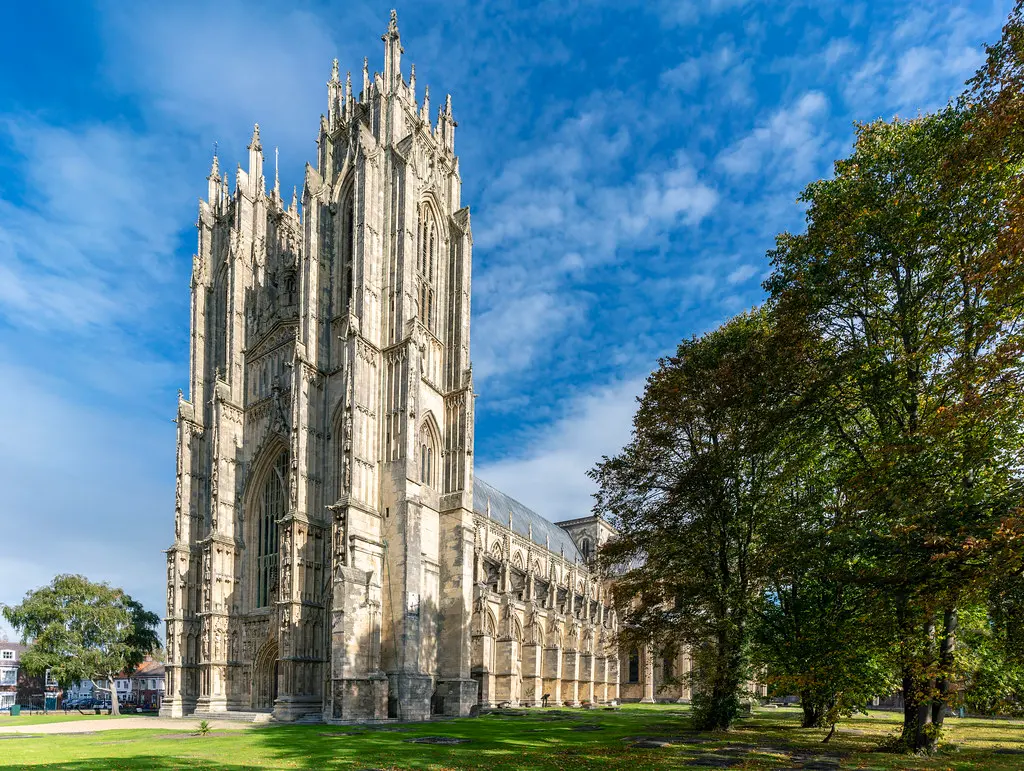
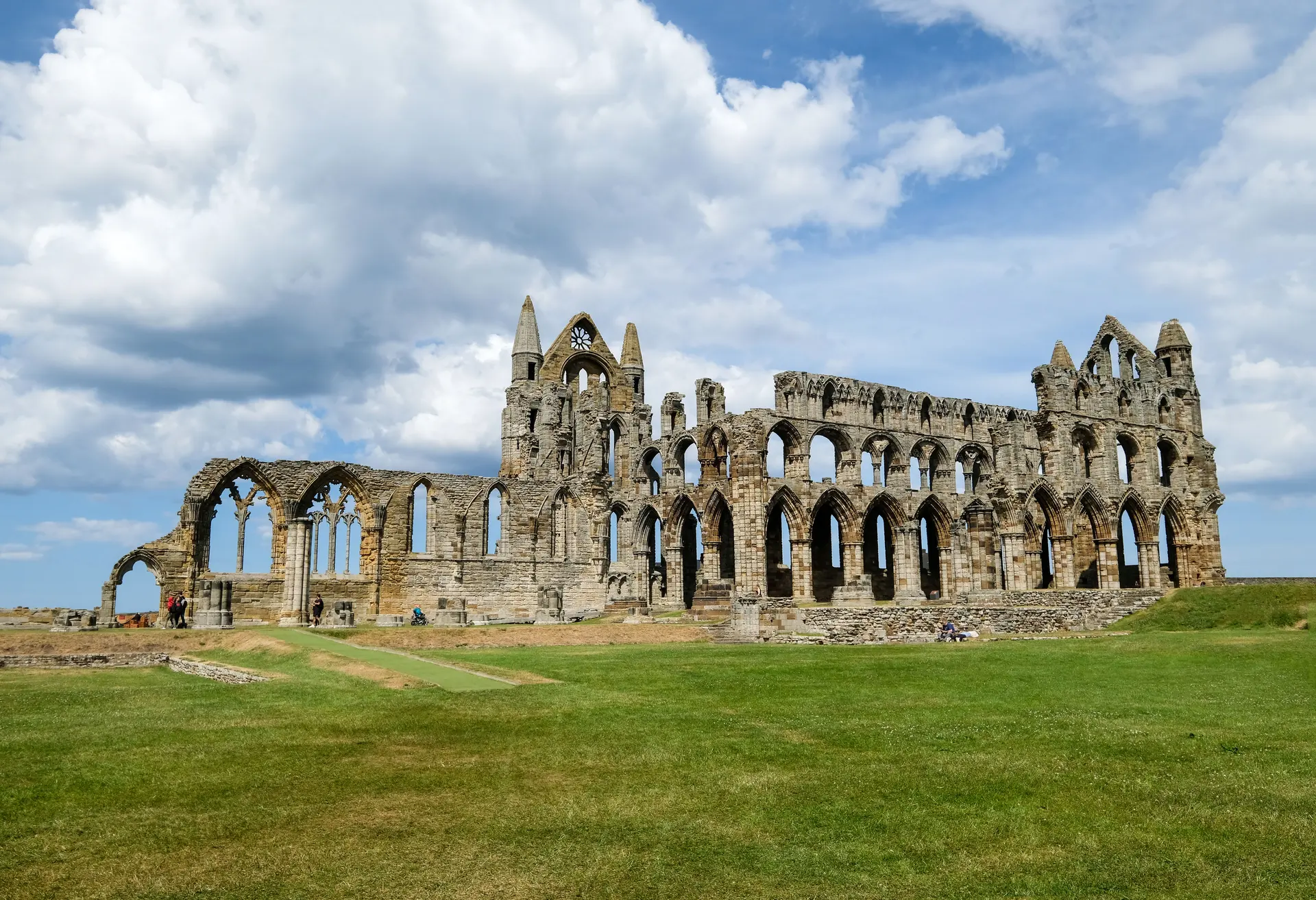
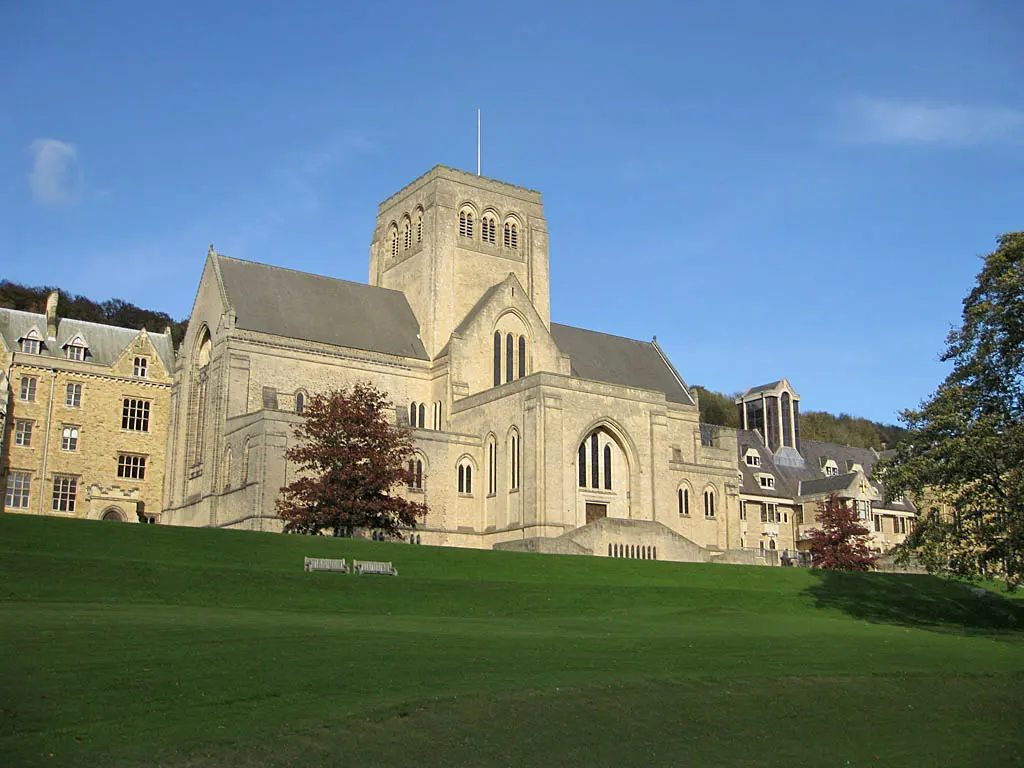
References
Sources consulted for this page. Source categories describe the publication, not a guarantee that every claim is verified. Traditional accounts and outside interpretations may differ.
- 01Rudston Monolith - Wikipediaencyclopedia
- 02Standing stone known as the Rudston Monolith - Historic Englandofficial
- 03Rudston Monolith - Atlas Obscuraguide
- 04Rudston Monolith - Britain Expressguide
- 05A look at the history of the Rudston Monolith with Dr Emma Wells - Welcome to Yorkshireofficial
- 06Rudston Monolith Standing Stone - The Megalithic Portalofficial
- 07Rudston Monolith - The Modern Antiquarianofficial
- 08Rudston and the Ritual Landscape of the Great Wolds Valley - The Smell of Wateracademic
- 09The Rudston Monolith - Mysterious Britain & Irelandacademic
- 10Rudston Monolith: Ancient mysteries and legends unravelled - Paranormal Daily NewsSource context
- 11Rudston: The Yorkshire village with a prehistoric monolith - Yorkshire Postnews
- 12Rethinking the 'Cursus Problem' - Cambridge University Pressacademic
- 13Rudston Monolith, East Yorkshire - The Northern Antiquarianofficial
- 14Visiting the Rudston Monolith - Burials & Beyondguide
Share a photo
Help visitors recognize Rudston Monolith. Every submission is reviewed before publication.