Necropolis di Montessu
Southern Sardinia's greatest necropolis, where the Mother Goddess still watches
Understand sacred places, explore living traditions, and learn how to engage respectfully with Pilgrim Map.
Access has not been verified. Check current local guidance before planning a visit.
Sa Baronia/Villaperuccio, South Sardinia, Italy
Read the sources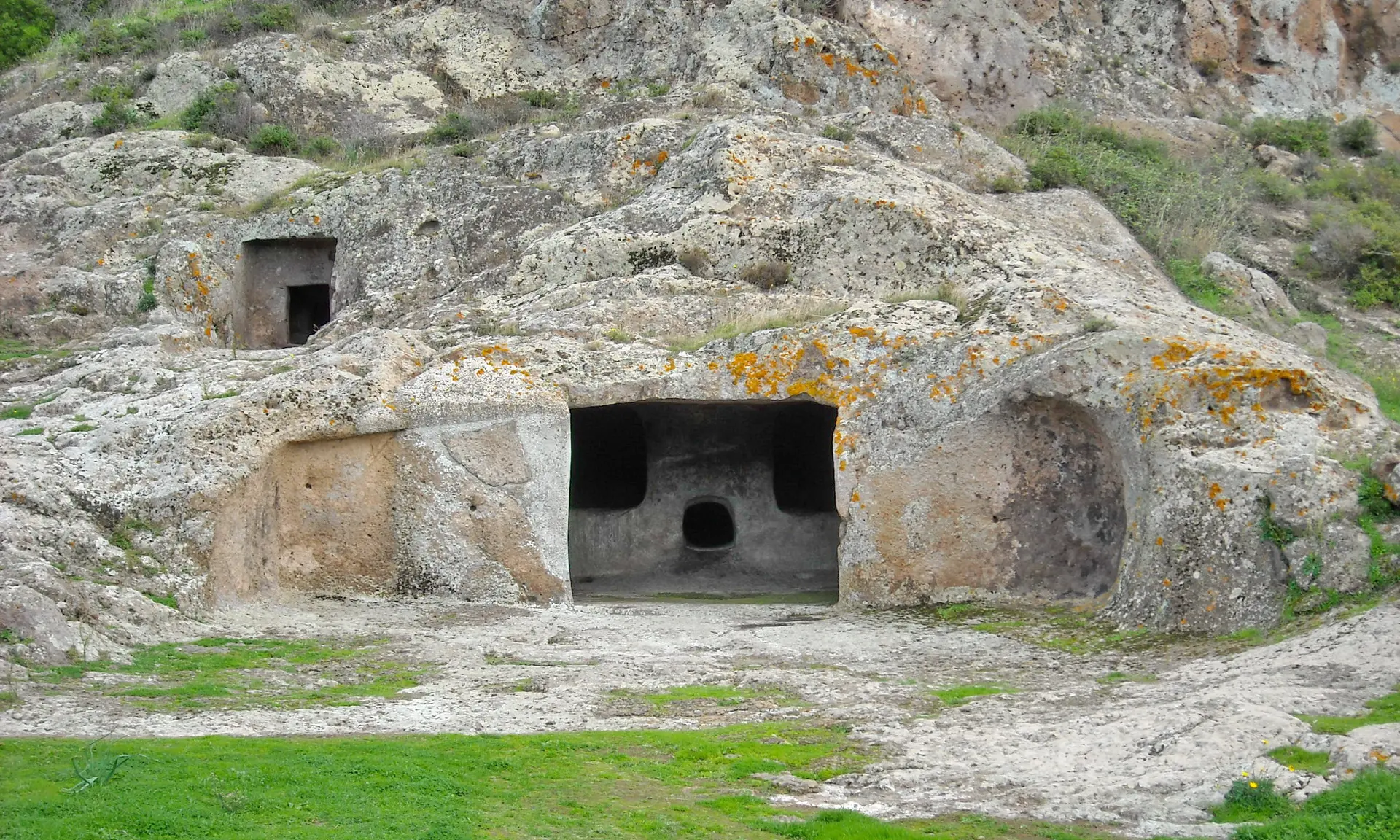
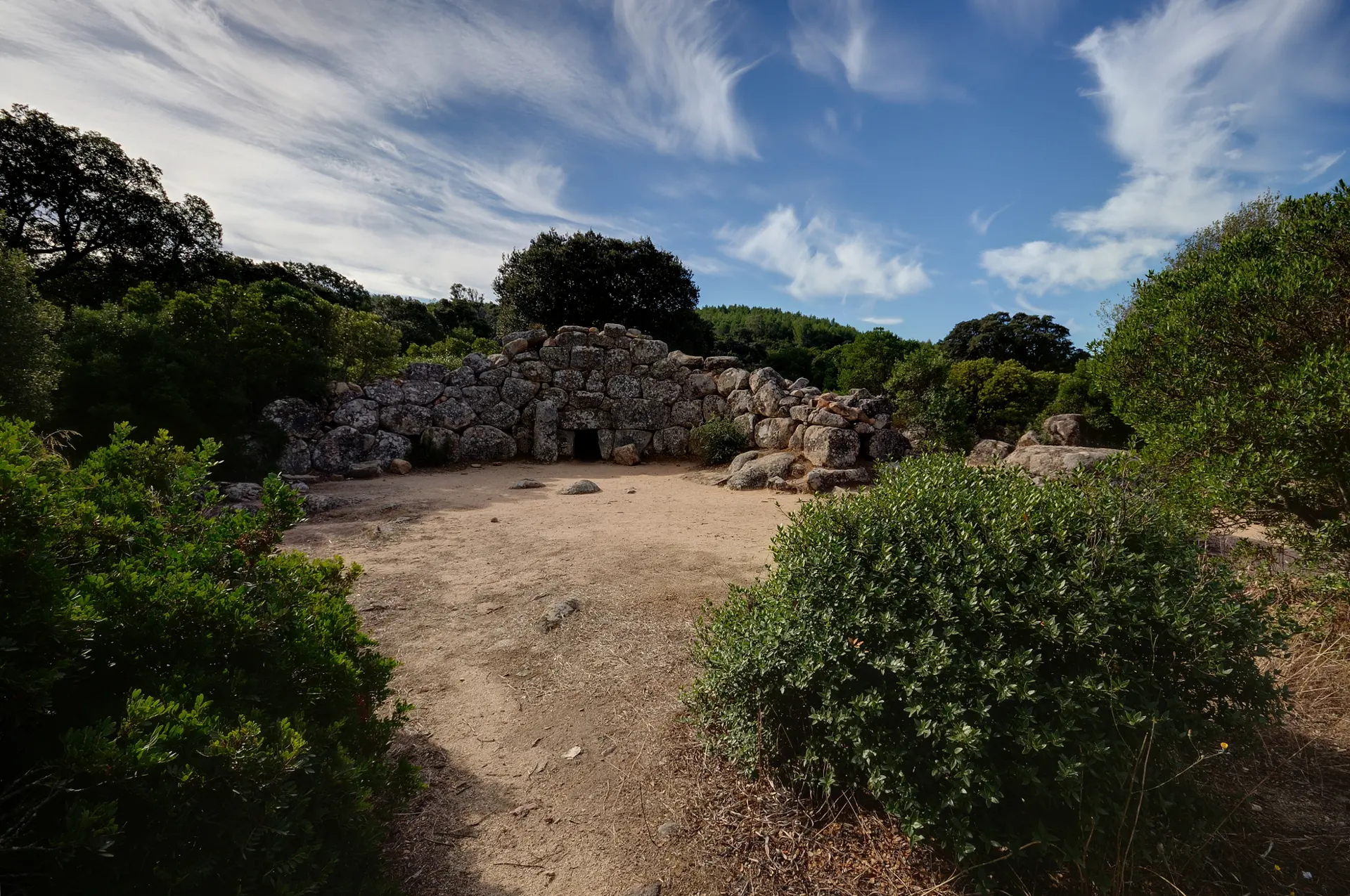
Image of Necropolis di Montessu. Image source · CC-BY-SA-3.0
Visit essentials
A quick read before you go
- Duration
- 1-2 hours for the archaeological park
- Access
- From Villaperuccio, follow signs (1km).
Overview
On the southern face of Sa Pranedda—'the silent one'—more than forty tombs cut into an amphitheater of trachytic rock preserve 1,500 years of death. Montessu is southern Sardinia's most imposing necropolis. Ozieri, Abealzu-Filigosa, Monte Claro, Bell Beaker, and Bonnanaro communities used it from the Final Neolithic through the Early Bronze Age.
Designs range from simple chambers to multi-room tombs with vestibule, hall, and niches. Two tomb-sanctuaries, Sa Cresiedda ('little church') and Sa Grutta de is Procus ('pig cave'), have megalithic alignments, monumental entrances reaching two meters, and large pavilions serving as ritual vestibules.
Montessu's most significant art appears in the Tomb of the Spirals. Red ochre forms spirals representing the Mother Goddess's eyes and breasts, wolf teeth, and a taurine protome, or bull's head. These symbols express pre-Nuragic beliefs about death, fertility, and divine presence.
Why this place is sacred
Five cultures used Montessu across fifteen centuries. The Ozieri people began carving tombs in the Final Neolithic (3200-2800 BCE); the Bonnanaro people were still using the necropolis in the Early Bronze Age (1800-1600 BCE). Between them, the Abealzu-Filigosa, Monte Claro, and Bell Beaker cultures each contributed their dead to this growing community of ancestors.
The natural amphitheater of trachyte rock created setting of particular power. The tombs line the curved face in symmetrical arrangement, suggesting pre-planned design rather than haphazard excavation. Standing below, looking up at the assembled dead, visitors experience what the ancient Sardinians intended: the overwhelming presence of generations who preceded them.
The Tomb of the Spirals preserves the necropolis's most significant art. Red ochre—the pigment of blood and regeneration—decorates the interior walls with spirals, wolf teeth, and a taurine protome. The spirals represent the eyes and breasts of the Mother Goddess—divine presence watching over the dead, perhaps guiding their transition.
The symbolism reveals pre-Nuragic spirituality. The Mother Goddess, the bull, the spiral—these were not decoration but theology, expressions of beliefs about fertility, death, and divine power. The Tomb of the Spirals was not merely a container for the dead but a space where sacred presence was rendered visible.
Two tomb-sanctuaries stand at the amphitheater's end: Sa Cresiedda ('little church') and Sa Grutta de is Procus ('pig cave'). Their megalithic alignments, monumental two-meter entrances, and large vestibule pavilions indicate special significance—perhaps temples where rituals occurred before the dead were placed in their chambers.
The five-meter menhirs and the allée couverte extend Montessu's sacred geography beyond the rock-cut tombs. The standing stones and the covered gallery represent different expressions of prehistoric monumentality, all gathered in this single landscape. The village remains on s'Arriorxu hill remind that the dead were accompanied by the living—that Montessu was necropolis and settlement together.
UNESCO inscription in 2025 confirmed Montessu's international significance. Among seventeen Sardinian sites recognized, the necropolis stands as exceptional example of domus de janas tradition at its most developed—forty-plus tombs, 1,500 years of use, Mother Goddess symbolism, natural amphitheater setting.
Pre-Nuragic necropolis used 3200-1600 BCE by five cultures. Over 40 domus de janas. Mother Goddess symbolism. Natural amphitheater for the dead.
3200-2800 BCE: Ozieri culture begins necropolis. Through 1600 BCE: Successive cultures add burials. 2025: UNESCO World Heritage inscription.
Experience and orientation
The approach to Montessu leads through the lower Sulcis landscape of southern Sardinia, about a kilometer from Villaperuccio. The 'silent hill' of Sa Pranedda rises ahead, its southern face carved with the tombs that make this Sardinia's most extensive domus de janas complex.
The natural amphitheater creates immediate impression. The over forty tombs line the curved rock face, arranged with apparent symmetry. This is not haphazard excavation but intentional design—a sacred landscape shaped across 1,500 years by five successive cultures.
Exploring the individual tombs reveals variety. Simple single-chamber domus de janas alternate with elaborate multi-room complexes featuring vestibules, halls, and niches. The architecture evolved with the cultures that used it, each adding to what predecessors began.
The Tomb of the Spirals demands attention. The red ochre decoration—spirals for the Mother Goddess's eyes and breasts, wolf teeth, a bull's head—survives on the interior walls. Standing in this chamber, visitors encounter pre-Nuragic theology rendered visible. The divine feminine watched over the dead here; the bull lent its power to the transition.
Sa Cresiedda and Sa Grutta de is Procus, the two tomb-sanctuaries at the amphitheater's end, display the most monumental construction: megalithic alignments, two-meter entrances, large vestibule pavilions. These were not ordinary tombs but sacred spaces of particular significance.
The archaeological park extends beyond the rock-cut tombs. Two menhirs reaching five meters stand as vertical markers in the landscape. An allée couverte—a covered gallery tomb—represents different megalithic tradition. The village remains on s'Arriorxu hill connect the dead to the living who once accompanied them.
UNESCO World Heritage status, granted in 2025, confirms what any visitor senses: Montessu is exceptional, a sacred landscape used for 1,500 years where the Mother Goddess still watches from the walls.
Montessu is located about 1km from Villaperuccio in the lower Sulcis region of southern Sardinia. The archaeological park includes the necropolis, menhirs, allée couverte, and village remains.
Context and lineage
Around 3200 BCE, the Ozieri culture began carving tombs into the trachyte amphitheater of Sa Pranedda hill. For 1,500 years, successive cultures—Abealzu-Filigosa, Monte Claro, Bell Beaker, Bonnanaro—added their dead to what became southern Sardinia's greatest necropolis. The Tomb of the Spirals received its Mother Goddess decoration: spirals for eyes and breasts, wolf teeth, a bull's head. By 1600 BCE, when the Bonnanaro culture made their last additions, over forty tombs lined the curved rock face.
In 2025, UNESCO recognized Montessu as World Heritage.
Created by five pre-Nuragic cultures over 1,500 years. Part of broader domus de janas tradition. No descendant tradition preserves original practices.
Traditions and practice
Collective burials across generations. Mother Goddess and bull symbolism. Ritual use of tomb-sanctuaries. Red ochre decoration.
Archaeological park visitation. UNESCO World Heritage site.
Begin at the amphitheater to appreciate the scale. Visit the Tomb of the Spirals for the Mother Goddess decoration. Explore the tomb-sanctuaries. Consider the five cultures that used this necropolis across 1,500 years.
Pre-Nuragic Burial Tradition
HistoricalMontessu represents 1,500 years of pre-Nuragic burial tradition, used by five cultures from 3200-1600 BCE. The Mother Goddess symbolism in the Tomb of the Spirals reveals the theology that animated these practices.
No longer practiced. Archaeological evidence indicates collective burial with Mother Goddess veneration across multiple cultures.
Perspectives and open questions
Montessu offers encounter with southern Sardinia's greatest necropolis—over 40 tombs used for 1,500 years, decorated with Mother Goddess symbolism, inscribed as UNESCO World Heritage.
Scholarly perspective
Most extensive domus de janas site in southern Sardinia. Used 3200-1600 BCE by five cultures. Over 40 tombs in natural amphitheater. Mother Goddess and bull symbolism. UNESCO World Heritage 2025.
Living and traditional perspectives
No living tradition preserves pre-Nuragic burial practices.
Alternative interpretations
The Mother Goddess symbolism has attracted interest in ancient goddess worship and sacred feminine traditions.
Open questions
The specific rituals of each culture. The full meaning of the spiral decorations. The ceremonies at the tomb-sanctuaries.
Plan your visit
Access and arrival
From Villaperuccio, follow signs (1km). Car recommended.
Accommodations in Santadi and southern Sardinia.
Respectful visit
No dress code. Comfortable walking shoes for the extensive park.
Photography permitted.
None; archaeological site.
Do not touch decorated surfaces | Respect archaeological structures
Check locally for hours. The park is extensive; allow adequate time.
Current practical details
Address
09010 Villaperuccio, Province of Sulcis Iglesiente, Italy
Phone
Hours
Hours, fees, and access can change — verify on the official source before you travel. Practical details last checked Jun 2026.
Location
Map loads as you approach this section.
Pilgrim reflections
A portrait of encounter, not a score
Pilgrims describe what they felt, how present they could become, and whether the place would shape a journey. There are no stars and no ranking of traditions.
No reviewed reflections yet
The first pilgrims can help describe the character of being here.
Share a reflection
Available after an account-backed “Been there.” Every reflection is reviewed before publication.
Nearby sacred places
Explore other sacred places in the region. Proximity does not establish access or travel time; check each place’s guidance.
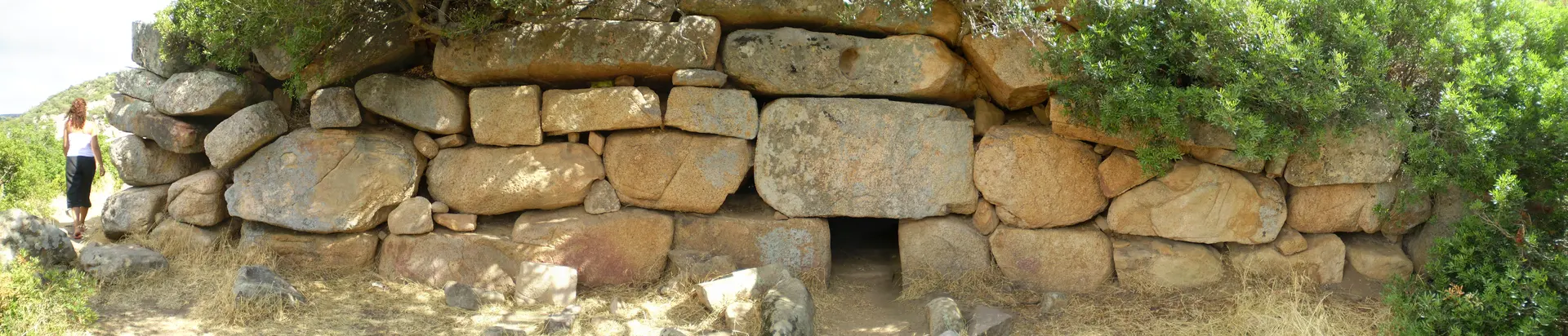
The Giants' Tomb of Barranc Mannu, Sa Tuerredda
Santadi, South Sardinia, Italy
9.0 km away
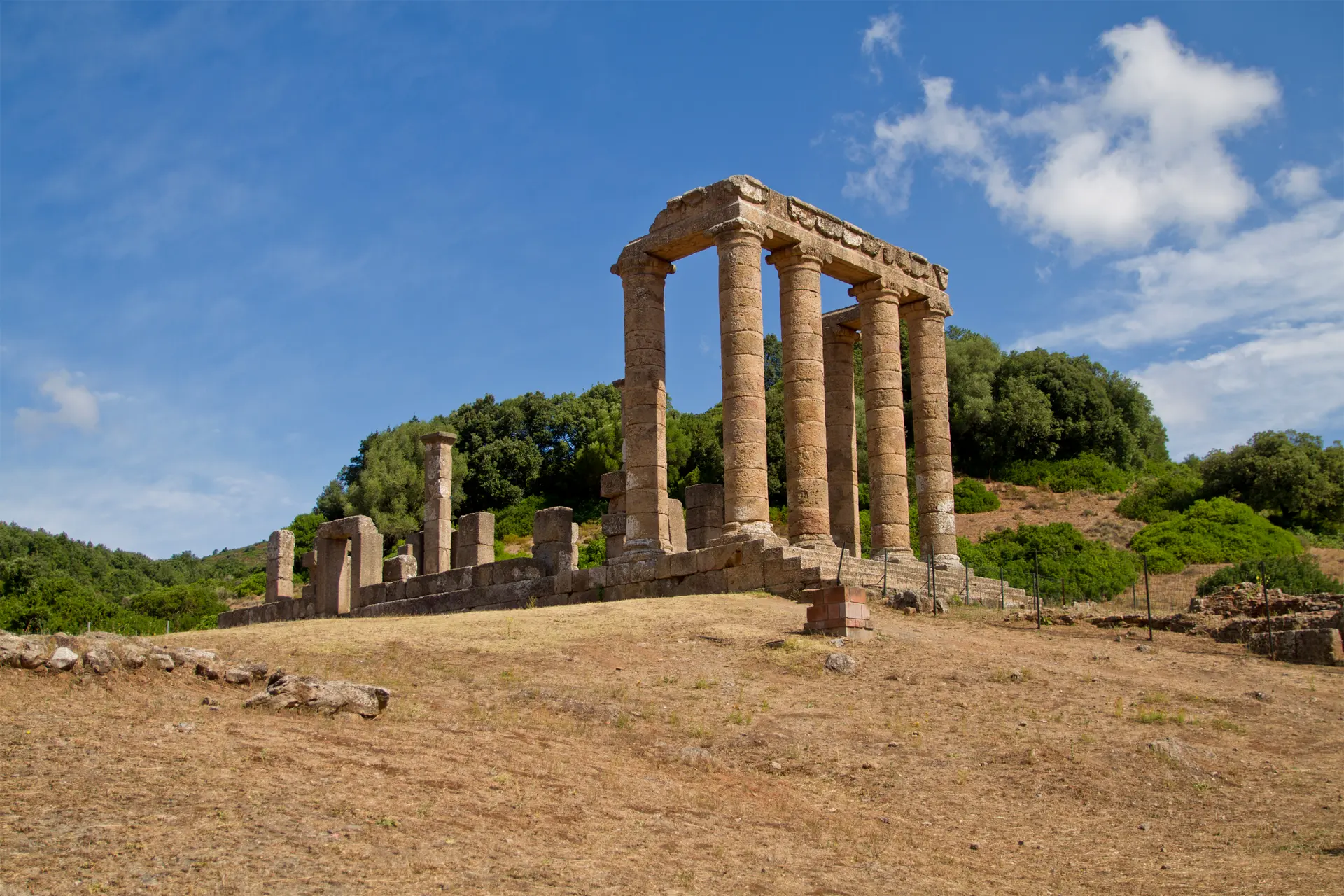
Temple of Antas
Frùmini Majori/Fluminimaggiore, South Sardinia, Italy
34.0 km away
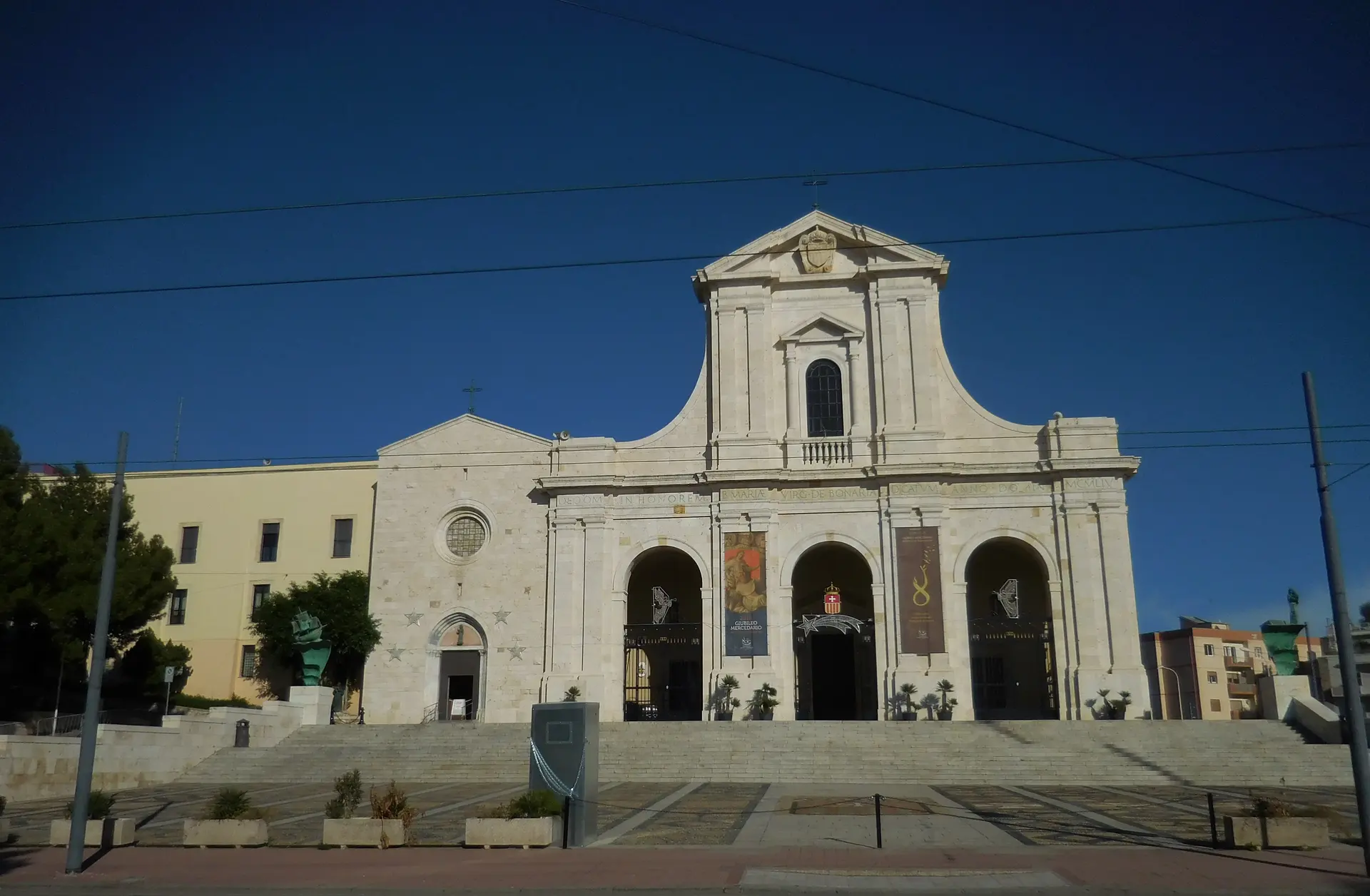
Basilica Santuario Nostra Signora di Bonaria
Cagliari, Cagliari, Italy
41.0 km away
Giant’s Grave of Sa Domu e s’Orcu
Quartùcciu/Quartucciu, Cagliari, Italy
61.7 km away
References
Sources consulted for this page. Source categories describe the publication, not a guarantee that every claim is verified. Traditional accounts and outside interpretations may differ.
- 01Necropolis of Montessu | SardegnaTurismo — Regione Sardegna TourismofficialOfficial tourism
- 02Villaperuccio, Necropolis of Montessu | SardegnaCultura — Regione SardegnaofficialOfficial cultural heritage
- 03Necropolis of Montessu - Wikipedia — Wikipedia contributorsencyclopediaArchaeological overview
Share a photo
Help visitors recognize Necropolis di Montessu. Every submission is reviewed before publication.