Reliquary of Saint Mary Magdalene at Vézelay
InsideBasilique de Vézelay
A rib bone in a crypt that once claimed an entire saint, testifying to seven centuries of Magdalene devotion
Understand sacred places, explore living traditions, and learn how to engage respectfully with Pilgrim Map.
Access has not been verified. Check current local guidance before planning a visit.
Vézelay, Yonne, France
Read the sources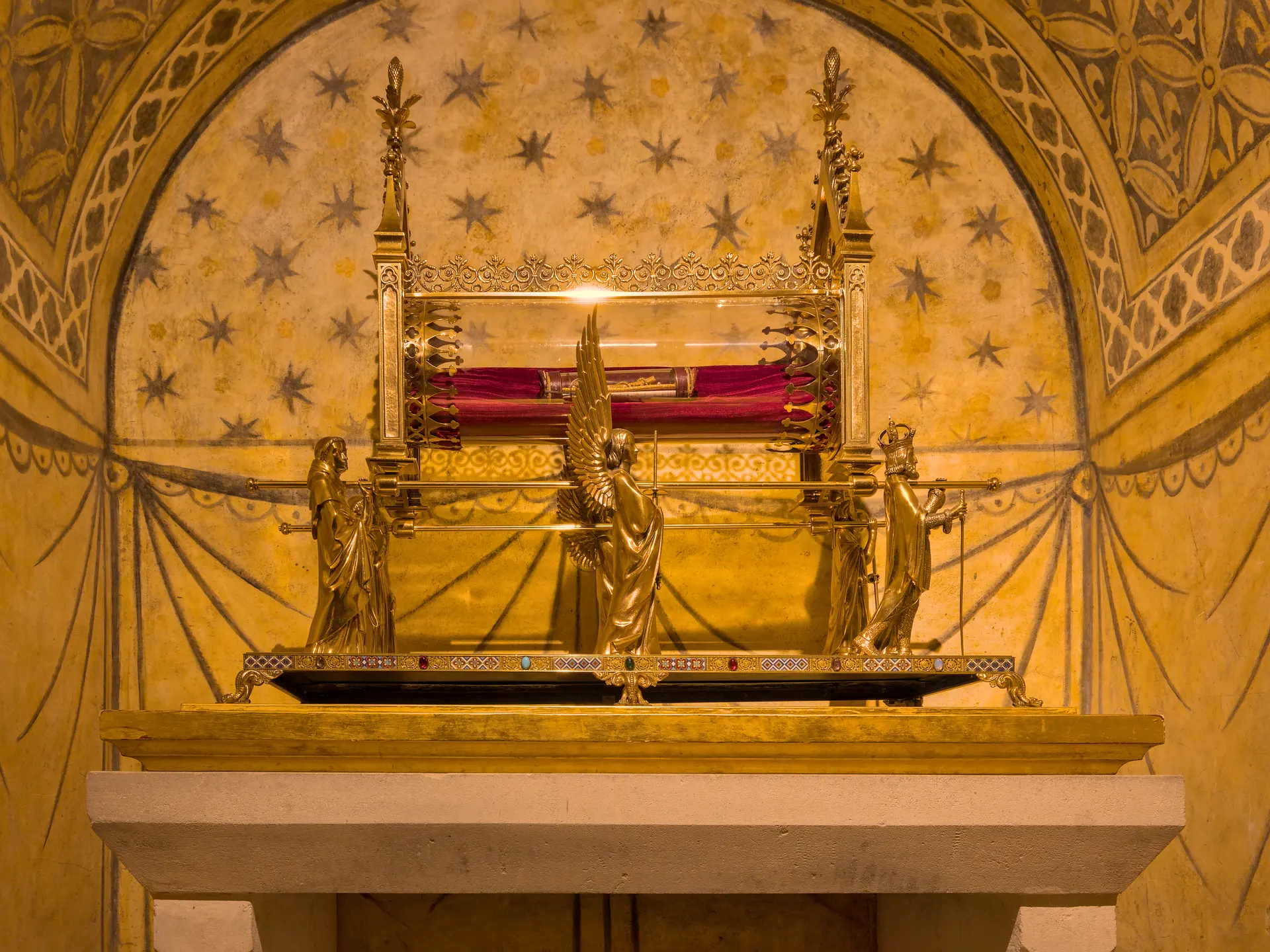
Visit essentials
A quick read before you go
- Duration
- 15-30 minutes as part of 1-2 hour basilica visit
- Access
- Crypt beneath basilica; stairs near choir.
Overview
In the 9th century, Vézelay's monks announced possession of Mary Magdalene's relics—the woman who witnessed crucifixion and resurrection and first saw the risen Christ. The Pope declared them authentic in 1058. Thousands of pilgrims came; Bernard of Clairvaux preached crusade here, and kings knelt in the crypt.
In 1279 Charles of Anjou announced discovery of the 'true' relics at Saint-Maximin in Provence. Vézelay's claims collapsed and pilgrims turned south. During the Wars of Religion, Protestants destroyed most of what remained.
Reconciliation survives: Dominican monks of Saint-Maximin, keepers of Magdalene's skull, gave Vézelay a rib bone, healing medieval rivalry and restoring something to its crypt. The rib rests in a gold-and-glass reliquary beneath the vaulted ceiling of a Romanesque crypt intact since Bernard's time.
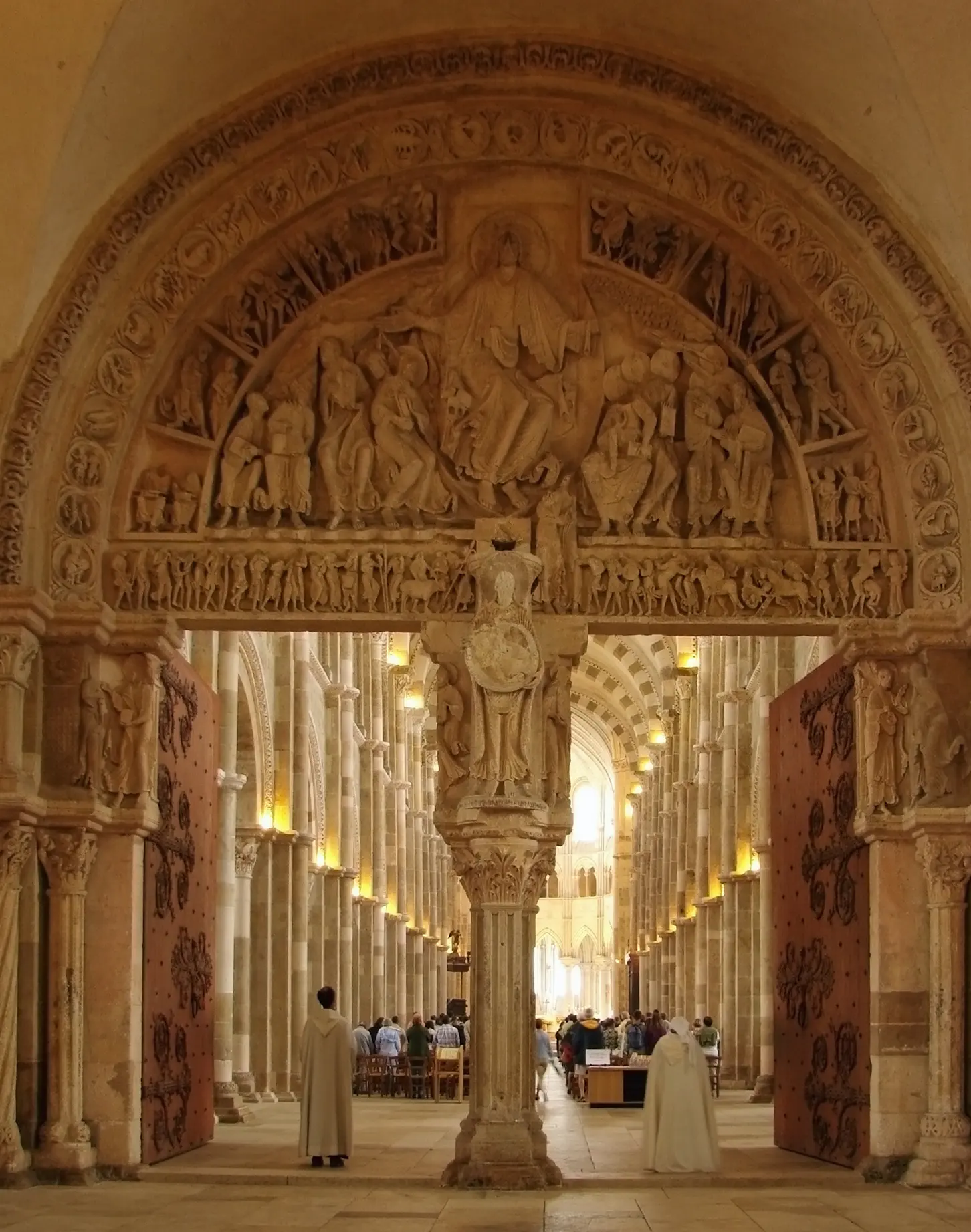
The descent moves from the light-filled basilica into shadow and mystery. Above, the great tympanum shows Christ sending apostles to convert the world; below, the crypt holds the woman who first sent the apostles to believe.
Why this place is sacred
What makes this relic thin is not its antiquity—the bone may be genuine or not—but the devotion it has anchored for centuries. From 1058 when the Pope authenticated claims, through the golden age when Vézelay was Europe's premier Magdalene shrine, through the 1279 collapse and the Wars of Religion's destruction, through Revolutionary suppression and Viollet-le-Duc's restoration, something has rested in this crypt that people came to honor.
The reconciliation with Saint-Maximin adds a dimension the medieval rivals never knew. The rib bone that now rests here was a gift from the 'true' shrine—acknowledgment that Vézelay's devotion deserved recognition, that the woman called apostle to apostles could be present in both places. Rivalry became sharing; competition became communion.
To descend to the crypt is to descend through layers of history: the vast Romanesque church above, the intimate vaulted space below, the small bone that represents what centuries of pilgrims sought—presence of the woman who first said 'He is risen.'
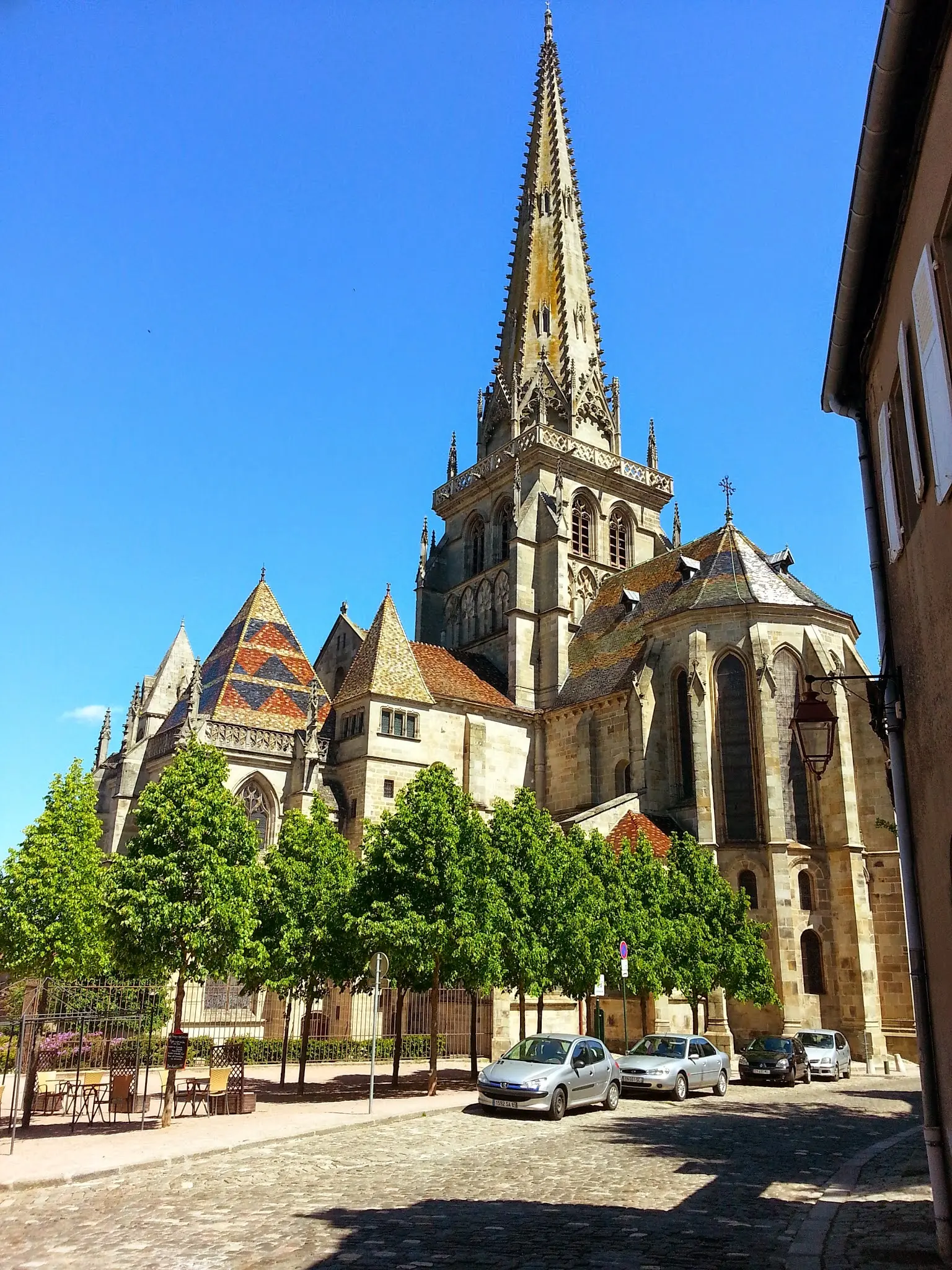
Reliquary for claimed relics of Mary Magdalene, drawing medieval pilgrims by thousands
Relics claimed 9th century. Pope authenticated 1058. King Louis IX visited 1267. Rival claims from Saint-Maximin 1279 undermined Vézelay. Most destroyed in Wars of Religion. Current rib bone gift from Saint-Maximin. Original crypt remains intact through Viollet-le-Duc restoration of church above.
Experience and orientation
Enter the basilica through the narthex tympanum—the Mission of the Apostles, Christ sending his followers to the nations. Walk the nave with its horseshoe arches and famous capitals. Let the light through uncolored glass fill the space. This is the visible church, the architecture that UNESCO recognizes.
Then descend. Stairs near the choir lead down to the crypt. The ceiling is low, vaulted, Romanesque. The space is intimate after the nave's expanse. In this enclosure, beneath the church where crusaders knelt, the reliquary waits.
The gold-and-glass case holds what appears to be a small, age-darkened bone—a rib of Mary Magdalene, given by Saint-Maximin. Around it, the crypt preserves the atmosphere that medieval pilgrims knew: stone, shadow, the presence of the saint who first announced Easter.
Take time in the darkness. The contrast with the light above is intentional—though not designed, merely inherent in what crypts are. To descend from light to shadow and find Magdalene waiting is to rehearse her journey: from Good Friday's darkness to Easter morning's light.
Come as pilgrims have come for seven centuries—descending from light into the presence of the woman who first saw light return.
Context and lineage
Monks claimed Magdalene's relics in the 9th century. Pope authenticated 1058. Pilgrims came by thousands—including kings, crusaders, and Francis of Assisi. In 1279, Saint-Maximin announced 'true' relics; Vézelay's claims collapsed. Wars of Religion destroyed most remaining relics. Current rib bone is a gift from Saint-Maximin—reconciliation between medieval rivals.
Part of France's rich Magdalene relic tradition (Saint-Maximin skull, Vézelay rib, numerous fragments elsewhere). Crypt intact since Romanesque period.
Abbot Geoffroy
'Discovered' relics in 11th century
King Louis IX
Visited 1267 exhumation
Saint-Maximin Dominicans
Gave current rib bone
Traditions and practice
Pilgrimage to relics, prayer in crypt
Descent to crypt, prayer before reliquary, Magdalene feast celebration (July 22)
Descend to the crypt after experiencing the basilica above. Allow time for eyes to adjust to the darkness. Pray or sit in contemplation. Note the contrast between light above and shadow below.
Mary Magdalene Relic Veneration
ActiveVézelay claimed Magdalene relics 9th century; Pope authenticated 1058. Premier shrine until 1279 rival claims. Most destroyed in Wars of Religion. Current rib from Saint-Maximin reconciles medieval rivalry. Crypt intact since Romanesque period.
Descent to crypt, prayer before reliquary, Magdalene feast
Perspectives and open questions
The reliquary can be approached as medieval devotional survival, as testimony to Magdalene's continuing presence, or as evidence of reconciliation between rival shrines.
Scholarly perspective
Historical claims documented but disputed. Destruction in Wars of Religion confirmed. Current rib bone from Saint-Maximin documented.
Living and traditional perspectives
Catholic tradition honors the relic as connecting pilgrims to the saint who first announced resurrection.
Alternative interpretations
Some view Magdalene as carrier of hidden teachings or feminine sacred. Her relics become focal points for alternative spirituality.
Open questions
Contents of 9th-century acquisition. What was destroyed. Full history of reconciliation with Saint-Maximin.
Plan your visit
Access and arrival
Crypt beneath basilica; stairs near choir. Vézelay hilltop, Yonne department, Burgundy.
Vézelay village; Avallon nearby
Respectful visit
Modest attire
May be restricted
Donations welcome
Quiet; reverence near reliquary
Crypt may be crowded in tourist season.
Current practical details
Address
La Basilique de Vézelay, 24 Rue Saint-Pierre, 89450 Vézelay, France
Phone
Hours
Hours, fees, and access can change — verify on the official source before you travel. Practical details last checked Jun 2026.
Location
Map loads as you approach this section.
Pilgrim reflections
A portrait of encounter, not a score
Pilgrims describe what they felt, how present they could become, and whether the place would shape a journey. There are no stars and no ranking of traditions.
No reviewed reflections yet
The first pilgrims can help describe the character of being here.
Share a reflection
Available after an account-backed “Been there.” Every reflection is reviewed before publication.
Nearby sacred places
Explore other sacred places in the region. Proximity does not establish access or travel time; check each place’s guidance.
References
Sources consulted for this page. Source categories describe the publication, not a guarantee that every claim is verified. Traditional accounts and outside interpretations may differ.
- 01Relics of Mary Magdalene — WikipediaSource contextComprehensive overview
- 02Vézelay, Saint Maximin and the relics of Mary Magdalene — Magdalene Sacred JourneysspiritualPilgrimage context
- 03Vézelay burial place of the relics of Mary Magdalene — European FocusblogVisitor account
- 04Vézelay and the Relics of Mary Magdalene — Compostela GuideSource contextHistorical context
Share a photo
Help visitors recognize Reliquary of Saint Mary Magdalene at Vézelay. Every submission is reviewed before publication.