Perperikon
A sacred city carved from volcanic rock where an oracle counseled Alexander the Great
Understand sacred places, explore living traditions, and learn how to engage respectfully with Pilgrim Map.
Access has not been verified. Check current local guidance before planning a visit.
Gorna Krepost, Kardzhali, Bulgaria
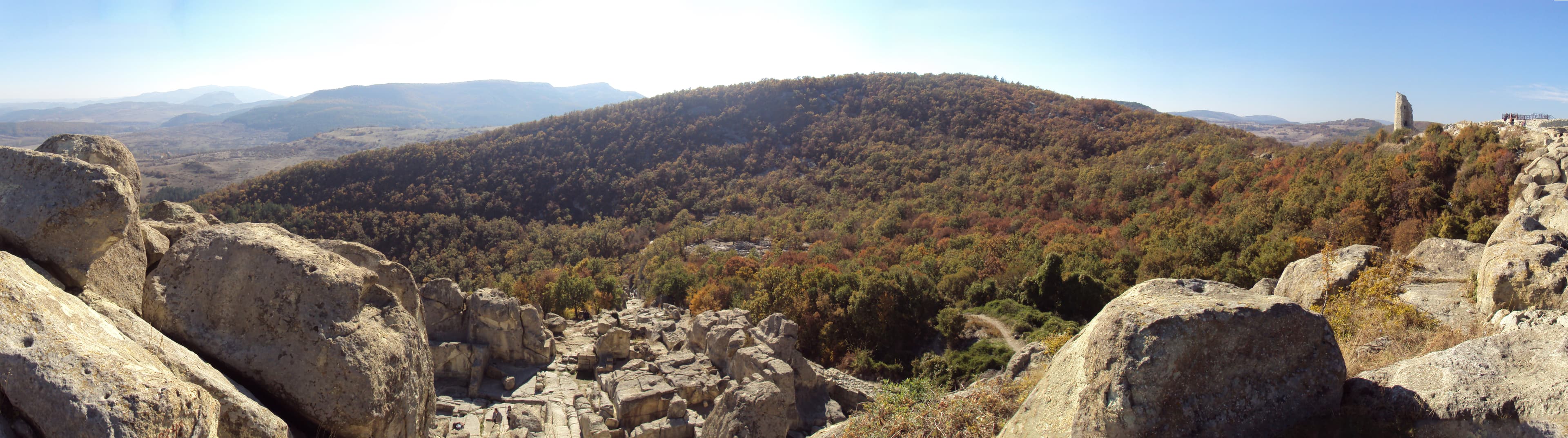
Image of Perperikon. Image source · CC-BY-SA-4.0
Visit essentials
A quick read before you go
- Duration
- Two to three hours for a thorough visit including the climb and exploration of all terraces.
- Etiquette
- Standard archaeological site rules apply.
Overview
Seven thousand years of human need are carved into this rock. From the first Neolithic settlements around 5000 BC to the medieval Christian fortress abandoned in 1362, Perperikon absorbed the faith of every civilization that found it. Its greatest fame belongs to the Thracians, who turned this volcanic hilltop into the Balkans' most important oracle.
Herodotus describes a temple of Dionysus in the mountains of the Bessi, where a priestess delivered oracles as at Delphi. Suetonius records that the future Emperor Augustus's father visited a Thracian shrine of Dionysus, poured wine on the altar, and watched flames leap so high that priests declared his son would rule the world. Alexander the Great is said to have climbed this same hill before crossing into Asia in 334 BC and received a prophecy of universal conquest.
The oracle operated through fire and wine. Bessi priests lit sacred altar flames and poured wine upon them; the height, color, and behavior of the flames were read as divine messages. The medium was elemental: stone, fire, grape, and the interpretation of priests trained throughout their lives.
At the summit, over fifty palace-temple rooms carved directly from rhyolite are connected by corridors and staircases following the natural rock. Altars have carved basins, and a round altar platform marks where the fire oracle likely operated. A monumental approach road ascends through successive gates, shaping the pilgrim's experience from the hill's base to the divine encounter.
Professor Nikolay Ovcharov began systematic excavation in 2000, and Perperikon has become Bulgaria's most visited archaeological attraction. Excavation continues; much remains buried, and the hill has not revealed everything it holds.
Why this place is sacred
Climb the approach road. The grade steepens. The carved steps follow the hill's contour, rising through what were once successive gates that controlled and ritualized the ascent. This is not a path designed for efficiency. It is a path designed for transformation. By the time you reach the summit, you have physically reenacted the pilgrim's journey that thousands undertook over millennia.
At the top, the rock opens into the palace-temple complex. Over fifty rooms, none of them built from transported material. Everything is carved from the hill itself. The distinction between building and landscape dissolves. You are not standing on a hill with structures on it. You are standing inside a hill that has been given form.
The round altar platform is the spiritual axis of the site. This is where, according to the identification accepted by most scholars, the fire oracle operated. Wine poured on the altar. Flames rising. Priests reading the fire for the messages of Dionysus. The altar basin is carved into the rock, and you can see the channel that directed the wine. The technology is simple. The theological commitment that sustained it for centuries was not.
Look outward from the summit. The Perperishka River valley extends below, and the eastern Rhodopes roll toward the horizon. The visual command of the landscape from this position is total. The Bessi did not choose this hilltop at random. The combination of visibility, elevation, and the volcanic rock that could be shaped into any form they needed made Perperikon the natural seat of their most important religious institution.
The thinness at Perperikon is cumulative. Each generation carved deeper into the rock, shaped more rooms, refined the approach, added layers. Seven thousand years of this work have produced a place where the density of sacred intention in the stone exceeds anything a single generation could create.
The hilltop served as a Thracian sanctuary and oracle, identified as the Temple of Dionysus described by Herodotus. The fire and wine oracle operated here, with Bessi priests interpreting flames for divine prophecy.
The site transitioned from Neolithic settlement to Bronze Age megalithic sanctuary to Thracian oracle to Roman settlement to medieval Christian fortress. Each phase built upon or carved into the work of its predecessors. The site was abandoned after the Ottoman invasion of 1362. Professor Nikolay Ovcharov began systematic excavation in 2000.
Experience and orientation
The road from Kardzhali takes fifteen minutes through southeastern Bulgarian countryside. Perperikon's hill is visible from a distance, a distinctive elevation in the rolling landscape. Parking at the base delivers you to the beginning of the ascent.
The climb is steep but managed. Carved steps and a maintained path take you up the hillside through what was once a monumental approach designed to process pilgrims through successive gates. As you ascend, carved features appear in the rock on both sides: niches, basins, channels, surfaces shaped by tools that last touched the stone centuries ago. The approach was not merely functional. It was theatrical, building anticipation through controlled revelation.
The first major terrace opens a view of the surrounding valley and introduces the scale of the rock-cutting. Rooms carved from the rhyolite, their walls and floors continuous with the hill. Doorways framing passages to the next level. The archaeological layering is visible: Thracian foundations, Roman additions, medieval fortifications, all occupying the same rock.
At the summit, the palace-temple complex reveals its full extent. Over fifty rooms, some large enough for ceremony, some intimate enough for private consultation. The round altar platform occupies a prominent position. Approach it. The carved basin and channel are visible. This is where wine was poured and flames were read. This is where, if the identification is correct, the oracle counseled Alexander before he crossed into Asia.
The panoramic view from the summit is comprehensive. The Perperishka River valley, the Rhodope foothills, the distant ridgelines. The Bessi priests who operated the oracle saw this same landscape every day. The view was part of the oracle's authority: whoever commanded this hilltop commanded the visible world.
Summer evening events with illumination of the ruins offer an atmospheric alternative to daytime visits. The carved rock under artificial light takes on qualities that daylight conceals.
Park at the base and follow the ascending path. The monumental approach leads through successive terraces to the summit. The palace-temple complex is at the top. The round altar platform is the spiritual center. Allow time for the climb and for exploring the multiple levels. The Kardzhali Regional History Museum houses artifacts from the excavation.
Context and lineage
Herodotus, writing in the 5th century BC, described a temple of Dionysus in the Rhodope Mountains maintained by the Bessi tribe, where a priestess delivered oracles as at Delphi. The identification of Perperikon as this temple, while not universally accepted, is supported by the archaeological evidence: carved altars with basins for wine offerings, a summit position matching the literary descriptions, and a location in Bessi tribal territory.
The oracle's method was elemental. Wine was poured on a sacred fire. The behavior of the resulting flames carried the messages of Dionysus. When the flames leaped high and burned bright, the oracle was favorable. The simplicity of the medium belied the theological sophistication behind it. Dionysus, in Thracian understanding, was the god of ecstasy and transformation, and the fire-wine ritual enacted his power.
The oracle's reputation extended beyond Thracian lands. Suetonius records that Octavian's father visited and received a prophecy of world rule for his son. The Alexander tradition, though less well documented, claims the Macedonian king received a prophecy of universal conquest before crossing into Asia in 334 BC. Whether literally true, these stories testify to the oracle's international reputation.
Perperikon represents the longest continuous sacred occupation in the Balkans, spanning from Neolithic settlement through Thracian oracle through Roman settlement through medieval Christian fortress. The Thracian oracle tradition connects to the broader Greek Dionysian religion, though the relationship between Thracian and Greek Dionysian worship remains debated. The medieval Christian phase represents the pattern, common across the ancient world, of Christian communities building on pre-Christian sacred sites.
Professor Nikolay Ovcharov
Excavator and site champion
The Bessi tribe
Oracle keepers
Herodotus
Ancient chronicler
Alexander the Great
Famous consultant
Traditions and practice
Bessi priests lit sacred fires on the main altar and poured wine to read the resulting flames for divine messages. Ritual feasting and drinking were associated with the Dionysian cult. Processions ascending the monumental approach ritualized the journey from the profane world to the sacred summit. Animal sacrifice at carved rock altars is attested by archaeological evidence.
No active religious ceremonies. Archaeological excavation continues under Professor Ovcharov's direction. Cultural events and night illumination programs take place during summer months. Guided tours interpret the spiritual and archaeological significance.
Climb the monumental approach slowly, treating the ascent as the Thracian pilgrims did: a processional passage from the ordinary world to the sacred summit. At the round altar platform, stand where the oracle operated and look out over the landscape. Consider what it meant to read divine messages in fire and wine, the most elemental of substances. If visiting in summer, the illuminated evening events allow a different encounter with the carved rock.
Visit the Kardzhali museum afterward to see the artifacts in context.
Thracian religion (Dionysian oracle)
HistoricalPerperikon housed what is believed to be the Temple of Dionysus described by Herodotus, one of the most important oracles in the ancient world. The fire and wine divination method was unique to the Thracian Bessi priests.
Fire oracle, wine oracle, ritual feasting, processions, animal sacrifice. The oracle counseled kings and generals from across the ancient world.
Eastern Orthodox Christianity (medieval)
HistoricalDuring the 5th-14th centuries, Perperikon was transformed into a Christian fortified settlement. Churches were built on the former pagan sanctuary, continuing the site's sacred function under a new religious framework.
Christian liturgical services in medieval churches built within the fortress walls.
Archaeological research and heritage tourism
ActiveSince 2000, Perperikon has become Bulgaria's most visited archaeological site. Ongoing excavation continues to reveal new features. The site is central to Bulgaria's cultural tourism identity.
Seasonal excavation, guided tours, summer night illumination events, museum interpretation in Kardzhali.
Perspectives and open questions
Perperikon invites reading as the largest megalithic site in the Balkans, as the likely location of the oracle that counseled Alexander the Great, and as a seven-thousand-year record of human sacred engagement with a single hilltop.
Scholarly perspective
Archaeologists broadly accept Perperikon as the most significant Thracian megalithic site in the Balkans and the likely Temple of Dionysus described by Herodotus. The fire altar and carved ritual basins align with ancient literary descriptions of the Dionysian oracle. The site's continuous habitation from approximately 5000 BC to 1362 AD makes it one of the longest-occupied sacred sites in Europe. Much of the site remains unexcavated.
Living and traditional perspectives
For modern Bulgarians, Perperikon is a source of national pride and a symbol of Thracian heritage as a foundational element of Bulgarian identity. The site is frequently called the Bulgarian Machu Picchu. The connection to Alexander the Great and Roman emperors situates Bulgarian history within the wider European narrative.
Alternative interpretations
Some spiritual seekers identify Perperikon as a major earth energy point. The Dionysian connection is sometimes interpreted through the lens of ecstatic mysticism and altered states of consciousness achieved through ritual wine and fire. Neopagan groups view the site as significant for its connection to the Dionysian mysteries.
Open questions
The full extent of underground chambers and carved features has not yet been excavated. The precise ritual practices beyond what Herodotus described remain speculative. Whether the identification as Herodotus's temple is definitive or whether another site could match the description is debated by some scholars. The relationship between Thracian and Greek Dionysian worship remains under investigation.
Plan your visit
Access and arrival
Kardzhali (15 km) offers hotels and guesthouses. The city provides a convenient base for exploring the eastern Rhodope Thracian sites.
Respectful visit
No dress code. Sturdy footwear essential for the rocky terrain and steep climb. Sun protection necessary.
Photography permitted throughout the open-air site.
Not applicable. Do not place objects on or in the carved features.
Stay on designated paths. Do not touch carved archaeological features. Some excavation areas are off-limits. Entrance fee required.
The climb to the summit is steep and exposed. There is no shade on the hilltop. Midday visits in July and August can be punishingly hot. Bring water and sun protection. Stay on designated paths. Some areas remain under active excavation and are off-limits.
Current practical details
Address
АК Перперикон, 6610 Kardzhali, Bulgaria
Phone
Hours
Hours, fees, and access can change — verify on the official source before you travel. Practical details last checked Jun 2026.
Location
Map loads as you approach this section.
Pilgrim reflections
A portrait of encounter, not a score
Pilgrims describe what they felt, how present they could become, and whether the place would shape a journey. There are no stars and no ranking of traditions.
No reviewed reflections yet
The first pilgrims can help describe the character of being here.
Share a reflection
Available after an account-backed “Been there.” Every reflection is reviewed before publication.
Nearby sacred places
Explore other sacred places in the region. Proximity does not establish access or travel time; check each place’s guidance.
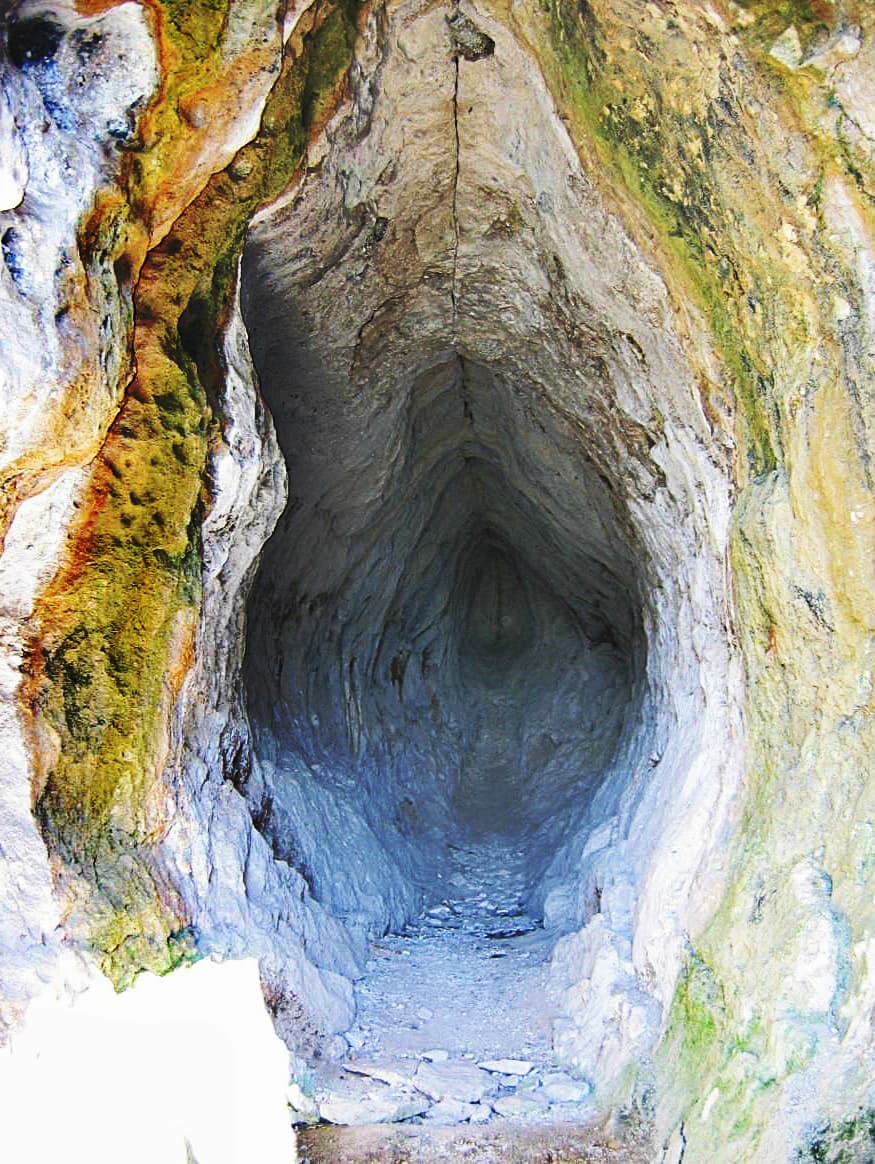
Utroba Cave
Nenkovo / Kardzhali, Kardzhali Province, Bulgaria
18.4 km away
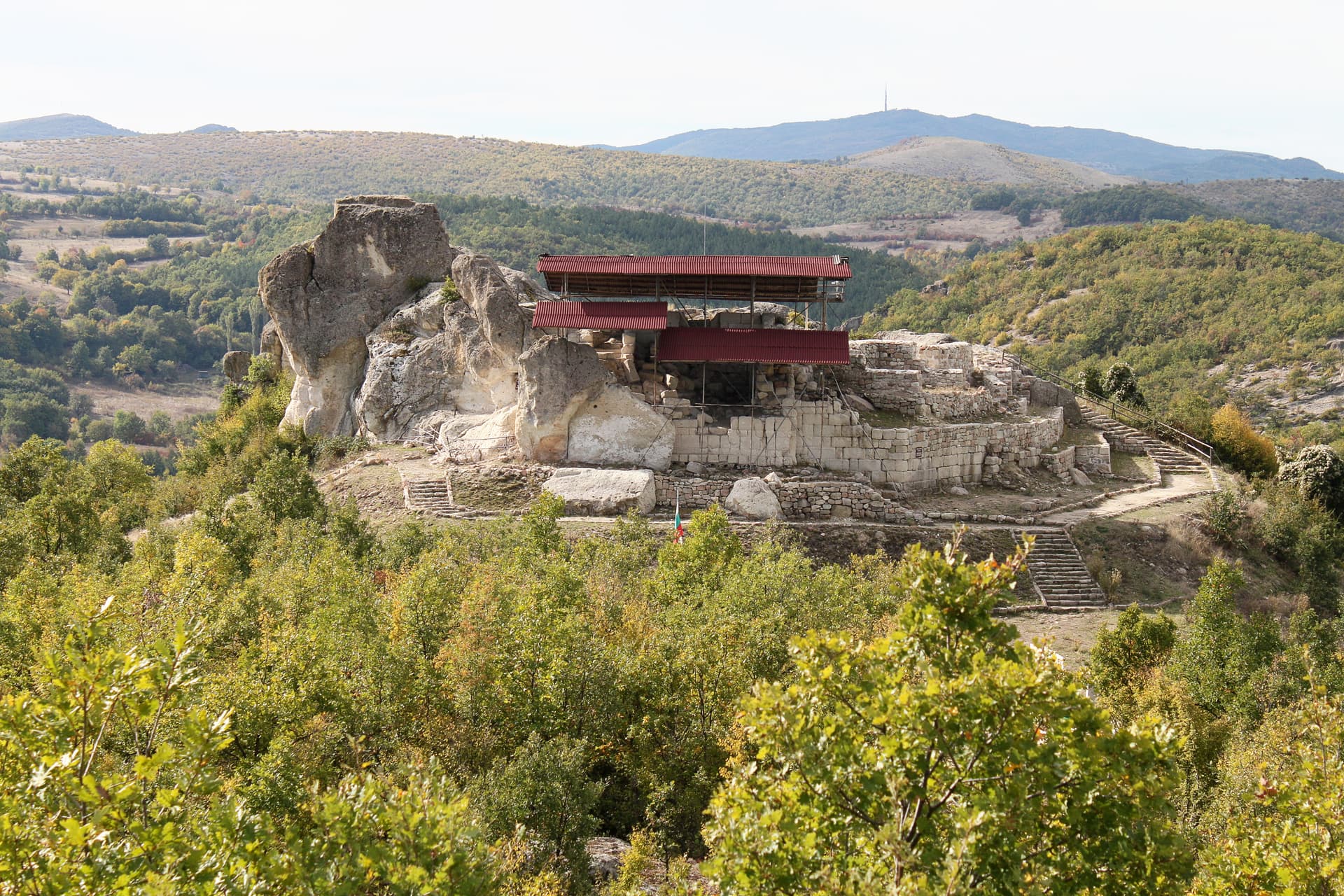
Tatul Thracian Sanctuary
Tatul / Momchilgrad, Kardzhali Province, Bulgaria
20.5 km away

Dolni Glavanak Cromlech
Dolni Glavanak, Haskovo, Bulgaria
28.8 km away
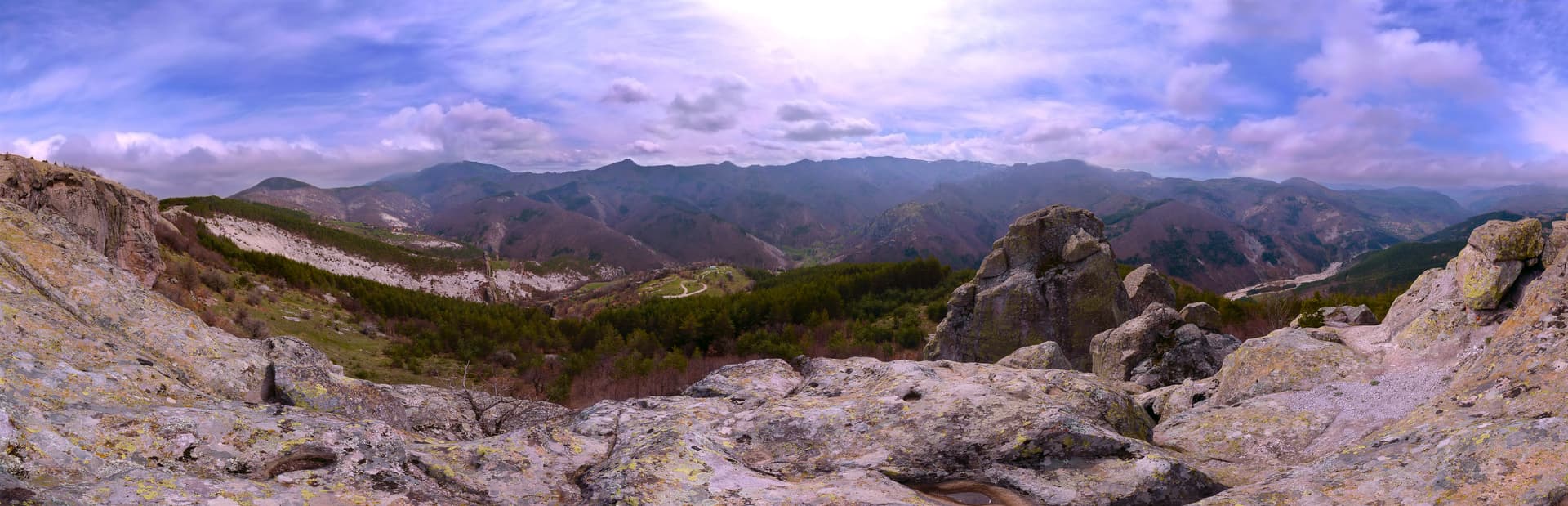
Belintash
Near Mostovo (central Rhodope Mountains), Plovdiv, Bulgaria
44.1 km away
Photo gallery
2 curated photos
Share a photo
Help visitors recognize Perperikon. Every submission is reviewed before publication.