Karadjov kamak, Mostovo
A Thracian sanctuary of the dead on a wind-swept rock plateau in the Rhodope Mountains
Understand sacred places, explore living traditions, and learn how to engage respectfully with Pilgrim Map.
Access has not been verified. Check current local guidance before planning a visit.
Plovdiv, Bulgaria

Visit essentials
A quick read before you go
- Duration
- Two to three hours for the hike and exploration.
- Etiquette
- This is a protected natural and archaeological site.
Overview
The hike to Karadjov Kamak strips away distraction. The trail rises through ancient Rhodope forest, the air thins, and the rock plateau emerges at 1,448 meters like a stage set between earth and sky. The Bessi who climbed here between the 8th and 6th centuries BC were not casual visitors. They were the priestly tribe, the religious specialists of the Thracian world, and they came to commune with the dead.
The evidence is carved into the rock. Cupmarks, channels, and ritual basins score the plateau's surface, worn by centuries of libations poured for ancestors and chthonic deities. Wine, milk, or blood flowed through stone channels into basins, offerings that the Bessi believed reached the underworld. Traces of sacrificial animals have been found during excavation. The ceremonies performed here were not gentle. They addressed death directly.
Within the framework of the Rhodope sacred triangle, Karadjov Kamak occupies the position associated with death and transition. Belintash, roughly 15 kilometers away, represents the realm of the living. Krastova Gora, the Cross Forest, now a Bulgarian Orthodox pilgrimage site, represents rebirth. Whether the Thracians themselves conceived of these three sites as a systematic triangle is debated. What is not debated is that each site bears independent evidence of ancient sacred use.
The plateau commands panoramic views across the Rhodope range. The silence at the summit is the kind that accumulates over millennia. The Bessi who stood here believed the soul was immortal and that the barrier between the living and the dead could be crossed through proper ritual. The carved rock preserves the infrastructure of that belief.
Why this place is sacred
The ascent matters. The hike through Rhodope forest to the rock plateau is not incidental to the experience; it is the first stage of the encounter. By the time the trees fall away and the rock exposes itself to the wind, you have already left the ordinary world behind. Altitude creates separation. Effort creates receptivity.
On the plateau, the carved pits command attention. They are small, deliberate modifications of the natural rock surface, and they transform the entire plateau from a geological feature into a ritual space. Each pit was carved for a specific purpose: to receive offerings of liquid, to channel those offerings toward the earth, to create a physical connection between the surface world and whatever lay below.
The channels that link the pits suggest a choreography of offering, a ritual sequence that moved across the rock surface according to a logic now lost.
The Bessi understood this place as a threshold. The cult of the dead was not ancestor worship in a sentimental sense. It was a technology of communication. The dead were not gone; they were elsewhere, and the proper rituals performed at the proper place could reach them. Karadjov Kamak was that place. The elevated position, the exposed rock, the silence that the wind does not break but deepens, all served the purpose of communication with what lies beyond the visible.
The thinness persists because the conditions persist. The altitude has not changed. The rock has not eroded away. The silence is older than the Bessi and will outlast every visitor. The carved pits wait in the stone, empty of offerings, full of intention.
The rock plateau served as a Thracian sanctuary associated with the cult of the dead. The Bessi tribe used the site for rituals of ancestral communion and offerings to chthonic deities.
The Thracian ritual use ended with the displacement of Thracian religious practice. The site was declared a protected area in 2003. Archaeological excavations by Dr. Ivan Hristov confirmed the Thracian ritual use. The site now functions as a natural and archaeological landmark attracting hikers and spiritual visitors.
Experience and orientation
The approach from Mostovo village follows forest trails into the Rhodope highlands. The forest is old, predominantly coniferous, and the trail passes through a landscape that feels undisturbed. There is no signage announcing a sacred site. The destination reveals itself gradually as the trees thin and the rock becomes the dominant surface.
The plateau opens without ceremony. One moment you are among trees; the next, the rock stretches before you and the Rhodope range extends to the horizon. At 1,448 meters, you are above most of the surrounding terrain. The wind is constant. The silence beneath the wind is profound.
Look down. The carved pits are not immediately obvious to the untrained eye, but once you see the first one, the pattern emerges. Small basins worked into the rock surface, connected by channels that directed liquid offerings from one point to another. Run your eye along the channels. They describe a ritual geography across the plateau, a map of ceremonial movement that the Bessi followed for centuries.
Do not rush. The site rewards stillness. Find a position on the rock where you can sit without damaging the carved features and allow the mountain silence to work. The Bessi came here to speak with the dead. The specific forms of that conversation are lost, but the conditions that made it possible remain: elevation, exposure, rock, and the quality of attention that remote places demand.
If you have come as part of a visit to the Rhodope sacred triangle, note the directions. Belintash lies to the northeast, Krastova Gora to the east. Whether the geometric relationship was intentional or is a modern interpretation, the three sites share the Rhodope landscape and the Thracian heritage that gives it depth.
Approach via hiking trails from Mostovo village. The rock plateau is the destination; no built structures exist at the site. Carved ritual pits are distributed across the rock surface. Bring detailed directions or a local guide, as signage is minimal. The site is fully exposed to weather.
Context and lineage
Herodotus and other ancient authors described the Bessi as the priestly tribe of the Thracians, the religious specialists responsible for interpreting divine will and maintaining the sacred sites of the Rhodope Mountains. They chose Karadjov Kamak, a rock plateau rising above the forest at 1,448 meters, as a sanctuary for the cult of the dead.
The Thracians, the Bessi among them, believed in the immortality of the soul. Death was a transition, not an ending, and the dead could be reached through ritual. The carved pits and channels in the rock surface were the infrastructure of that communication, designed to receive and direct offerings of wine, milk, or blood toward the underworld.
The elevated position of the sanctuary placed the ritualists between earth and sky, at a vantage point from which both the living world below and the celestial realm above were visible.
Karadjov Kamak belongs to the Thracian tradition of rock-top sanctuaries in the Rhodope Mountains. The Bessi, as the priestly tribe, maintained a network of such sites across the range. The Rhodope sacred triangle, linking Karadjov Kamak with Belintash and Krastova Gora, represents three nodes of this sacred landscape.
The Bessi tribe
Priestly caste and sanctuary keepers
Dr. Ivan Hristov
Archaeologist
Traditions and practice
The Bessi performed libation rituals at the carved rock pits, pouring wine, milk, or blood as offerings to the dead and to chthonic deities. Animal sacrifice is attested by excavation finds. Celestial observation from the elevated plateau may have included marking solstices or equinoxes. The ceremonies addressed death and the afterlife within the Thracian belief in the soul's immortality.
No formal ceremonies take place. The site attracts spiritual visitors who come for meditation and personal reflection. Some visitors leave small offerings at the carved pits, though this practice is not sanctioned. Guided tours covering the Rhodope sacred triangle visit the site.
Hike to the summit with attention to the transition from forest to rock. Once on the plateau, locate the carved pits and channels and trace their connections across the surface. Find a place to sit on natural rock away from the carved features. Allow at least thirty minutes of stillness on the plateau. Notice the quality of the silence, the wind, and the view. The site speaks through sensation rather than information.
If exploring the sacred triangle, visit Belintash and Krastova Gora to experience the contrast between the three nodes.
Thracian religion (cult of the dead)
HistoricalKaradjov Kamak served as a sanctuary for the Bessi tribe's cult of the dead, where the living communed with deceased ancestors through ritual offerings. The site represents the Rhodope Mountains' deep Thracian sacred landscape.
Libation rituals at carved rock pits, animal sacrifice, possible celestial observation, funerary and ancestral rites connected to the belief in the soul's immortality.
Spiritual tourism and heritage interpretation
ActiveThe sacred triangle framework has become a significant draw for visitors interested in Bulgaria's pre-Christian heritage. Guided tours and cultural programming interpret the three sites as interconnected nodes.
Guided tours, meditation visits, cultural interpretation of the Rhodope sacred landscape.
Perspectives and open questions
Karadjov Kamak invites reading as a Thracian sanctuary of the dead, as one node in a sacred landscape spanning the Rhodope Mountains, and as a place where the physical experience of altitude and exposure creates conditions for contemplation that no built structure can replicate.
Scholarly perspective
Archaeologists recognize Karadjov Kamak as an authentic Thracian rock sanctuary based on the carved cupmarks, channels, and ritual basins. Dr. Ivan Hristov's 2003 excavations confirmed the ritual use dating to the 8th-6th century BC. The Bessi tribe's role as priestly practitioners is attested by Herodotus. The systematic relationship between the three triangle sites remains debated.
Living and traditional perspectives
The Thracian heritage of the Rhodope Mountains is an important element of Bulgarian cultural identity. The sacred triangle concept has become a popular framework for understanding the relationship between three distinct ancient sites in the region.
Alternative interpretations
Spiritual tourism promoters describe Karadjov Kamak as a powerful energy point. The sacred triangle is compared to energy configurations at other ancient sites worldwide. Some visitors report unusual sensations at the rock plateau, though these claims lack scientific verification.
Open questions
The specific rituals performed by the Bessi remain largely unknown due to the absence of written Thracian sources. Whether the three sites were intentionally conceived as a systematic sacred triangle or whether this is a modern interpretive framework is debated. The full extent of carved features on the rock has not been completely documented.
Plan your visit
Access and arrival
Mostovo village and surrounding Rhodope settlements offer guesthouses. Plovdiv (100 km) provides full accommodation. No facilities at the site.
Respectful visit
No dress code. Sturdy hiking boots essential. Layered clothing for mountain weather. Sun and wind protection.
Photography freely permitted.
Do not place objects in the archaeological carved pits. The site is a protected area.
Do not carve, scratch, or otherwise damage rock surfaces. Carry out all waste. The site is in a protected natural area.
The site requires a moderate mountain hike. Weather on the exposed plateau can change rapidly. Bring appropriate clothing, water, and sun protection. The trails may be poorly marked; a local guide or detailed directions are recommended. Do not place objects in the archaeological carved pits.
Current practical details
Address
4257 Асеновград, Bulgaria
Phone
Hours
Hours, fees, and access can change — verify on the official source before you travel. Practical details last checked Jun 2026.
Location
Map loads as you approach this section.
Pilgrim reflections
A portrait of encounter, not a score
Pilgrims describe what they felt, how present they could become, and whether the place would shape a journey. There are no stars and no ranking of traditions.
No reviewed reflections yet
The first pilgrims can help describe the character of being here.
Share a reflection
Available after an account-backed “Been there.” Every reflection is reviewed before publication.
Nearby sacred places
Explore other sacred places in the region. Proximity does not establish access or travel time; check each place’s guidance.
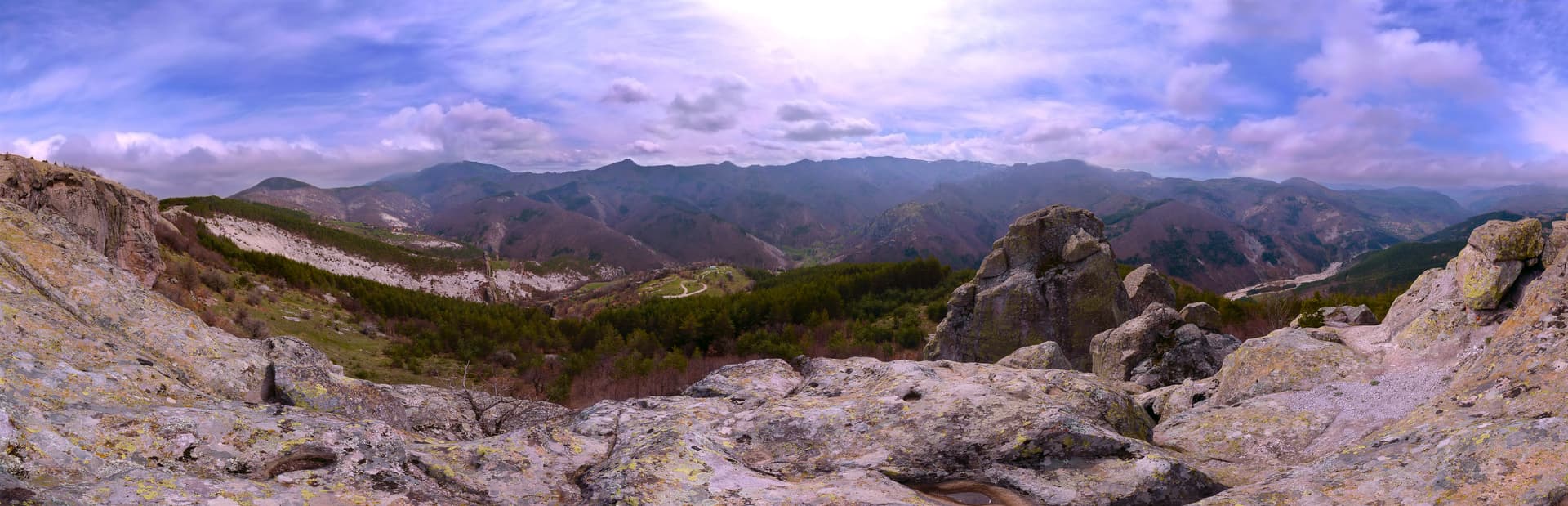
Belintash
Near Mostovo (central Rhodope Mountains), Plovdiv, Bulgaria
3.3 km away
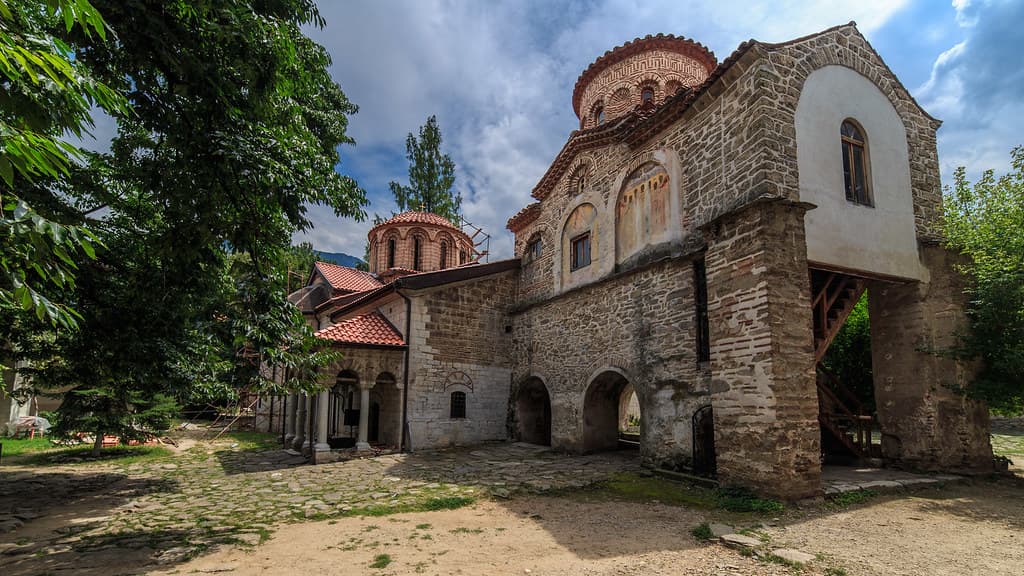
Bachkovo Monastery, Plovdiv, Bulgaria
Bachkovo, Plovdiv, Bulgaria
15.6 km away
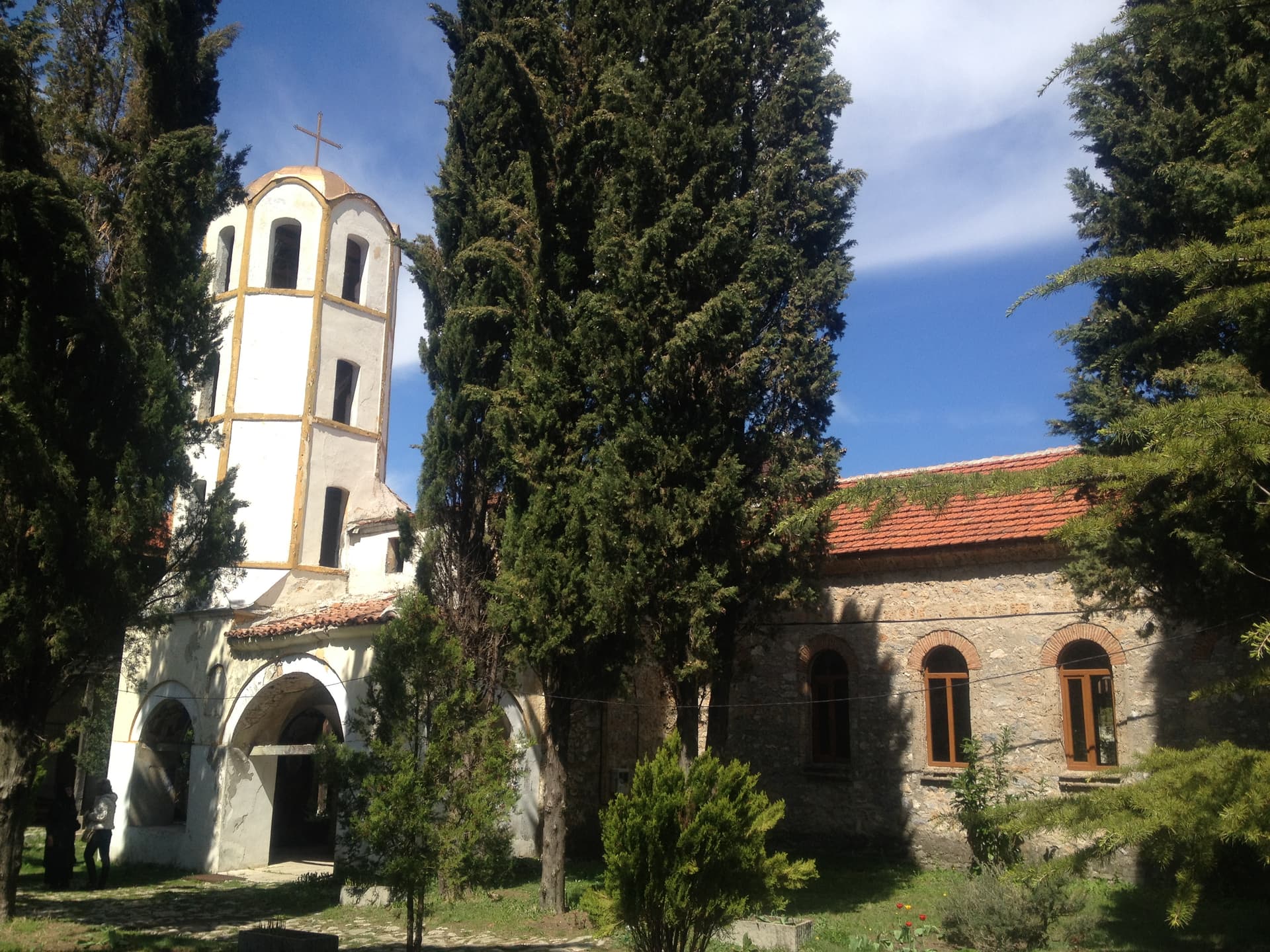
Muldava Monastery
Muldava / Asenovgrad, Plovdiv Province, Bulgaria
17.6 km away
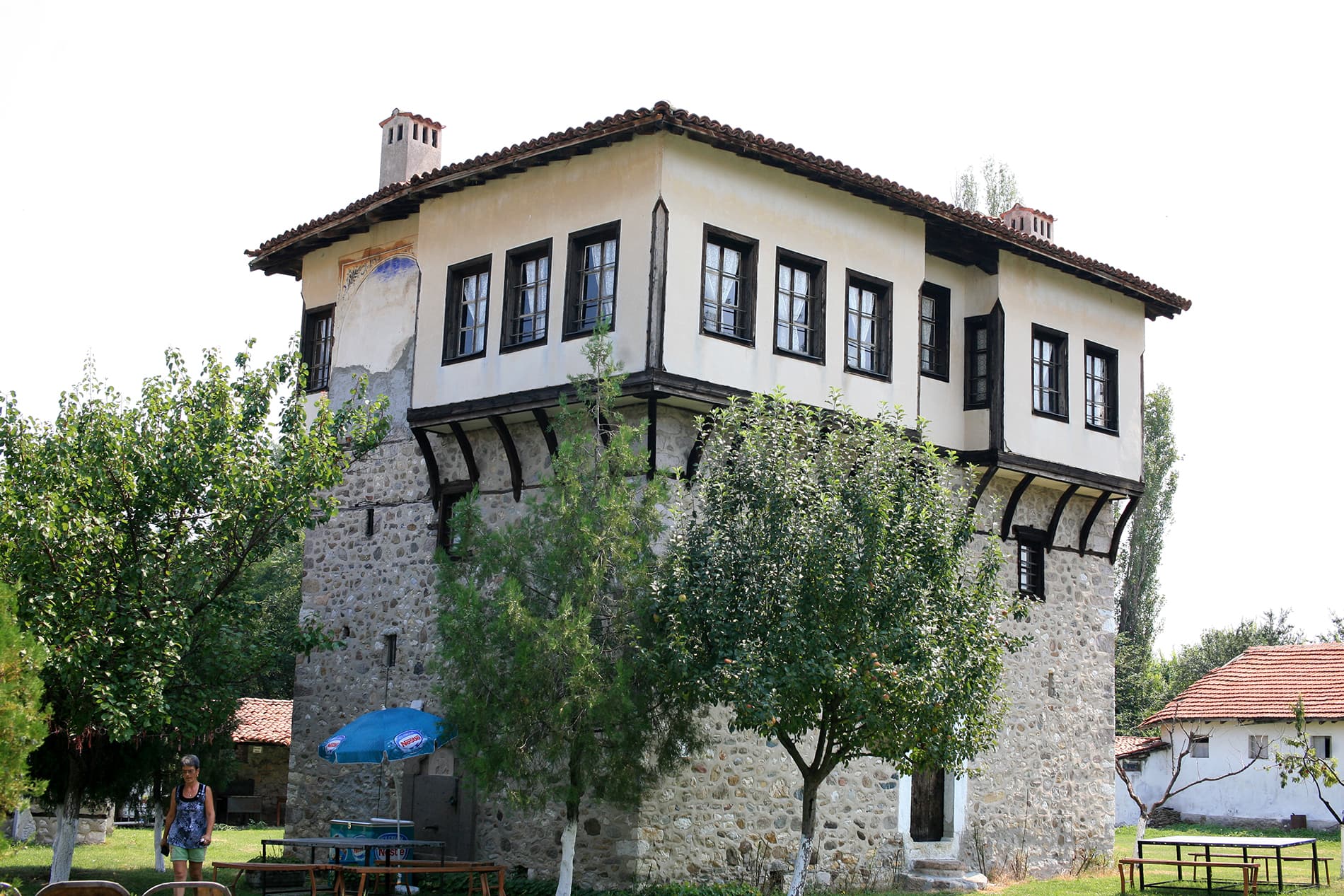
Arapovo Monastery
Zlatovrah / Asenovgrad, Plovdiv Province, Bulgaria
22.2 km away
Share a photo
Help visitors recognize Karadjov kamak, Mostovo. Every submission is reviewed before publication.