Tradition guide
Maya
Maya sites connect places through shared lineage, practice, story, and pilgrimage across the global atlas.
12 sacred places share this lineage. Use the country and site-type filters to narrow in.
Atlas summary
Maya sacred sites overview
Maya sacred sites connect places through shared lineage, ritual use, memory, and pilgrimage practice across the Pilgrim Map atlas.
Use this page to compare country clusters, common place types, UNESCO-tagged landmarks, and the map distribution before exploring individual site pages.
| Coverage | 12 Maya sacred places in the current atlas. |
|---|---|
| Country clusters | |
| Common place types | |
| UNESCO heritage | 3 UNESCO-tagged Maya sites appear in this browse view. |
By country
Showing 1-12 of 12 sites in this tradition guide
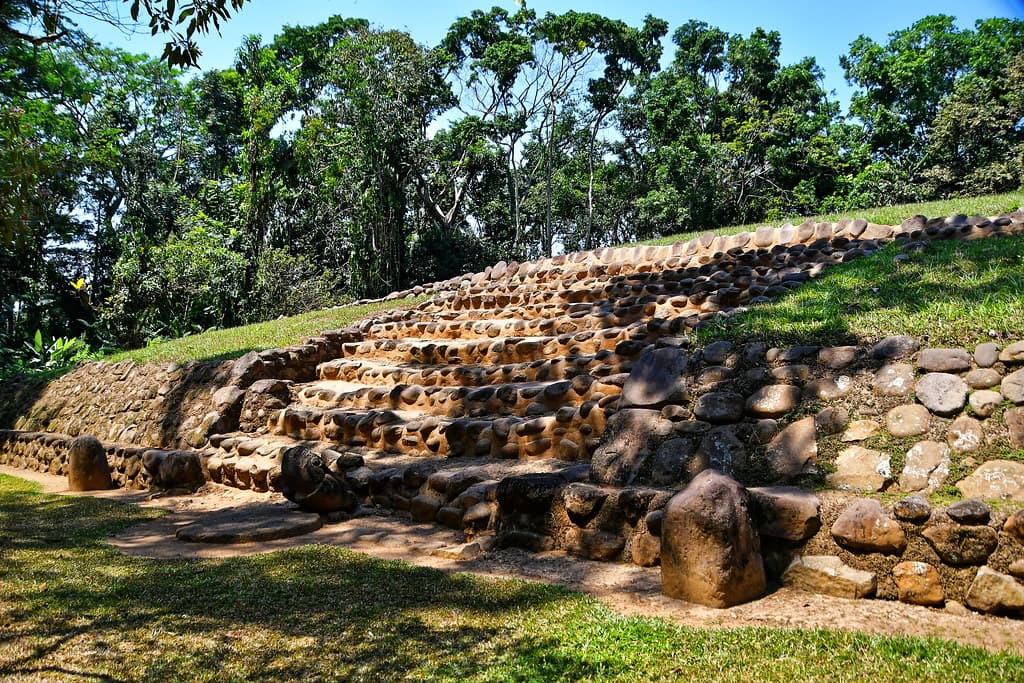
Abaj Takalik
El Asintal, Retalhuleu, Guatemala
Tak'alik Ab'aj is a Preclassic city in Guatemala's Pacific piedmont, inscribed by UNESCO in 2023....

Chichen Itza
Pisté, Yucatán, Mexico
Chichen Itza rises from the Yucatan jungle as one of the most powerful sacred sites in the Americas....

Coba
Cobá, Quintana Roo, Mexico
Coba was once one of the largest Maya cities, its white roads stretching over one hundred kilometers to connect the ancient world....
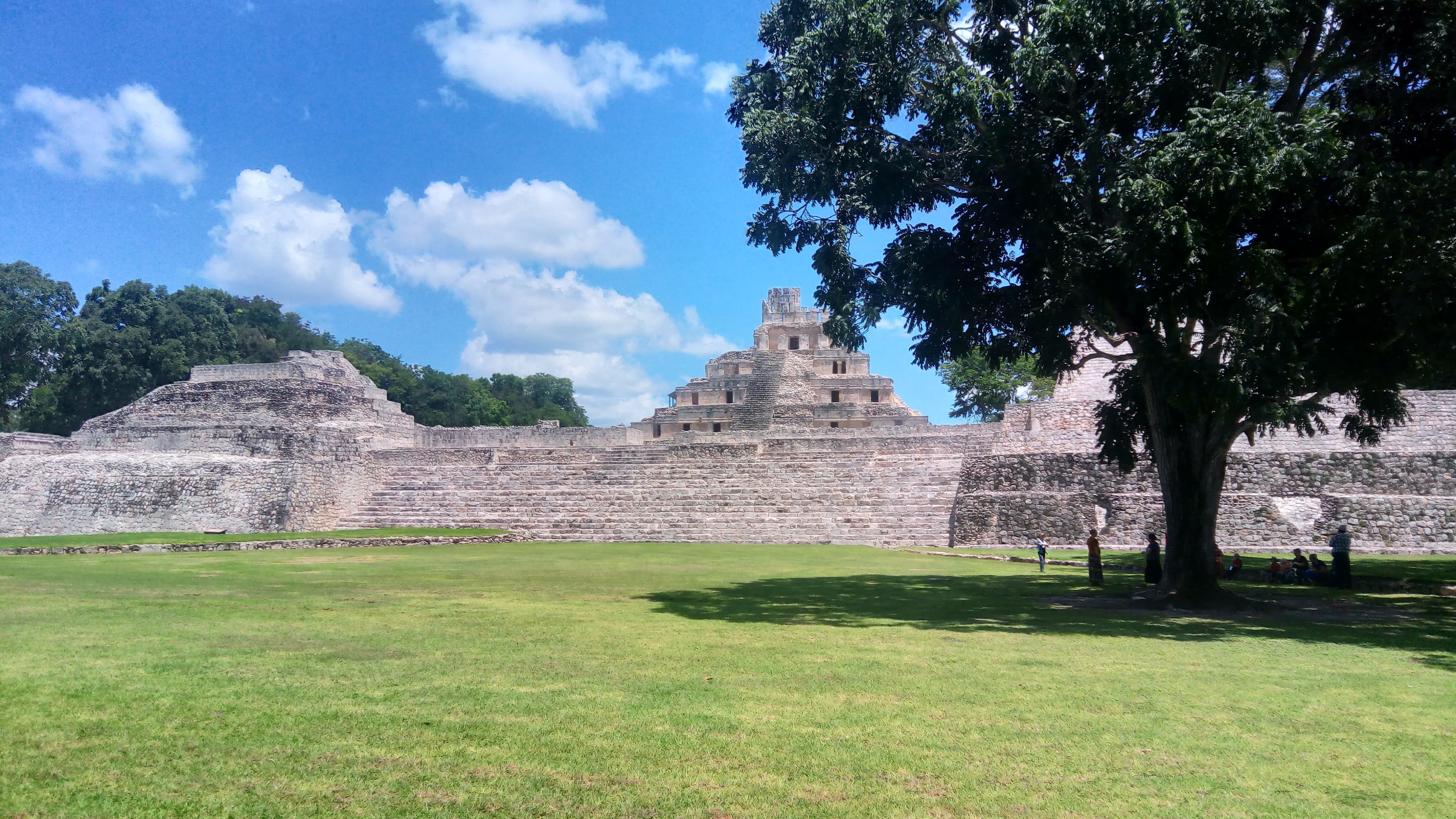
Edzna Archaeological Zone
Municipio de Campeche, Campeche, Mexico
For nearly two millennia, from 400 BCE until the Spanish arrived, Edzna commanded the Campeche lowlands....
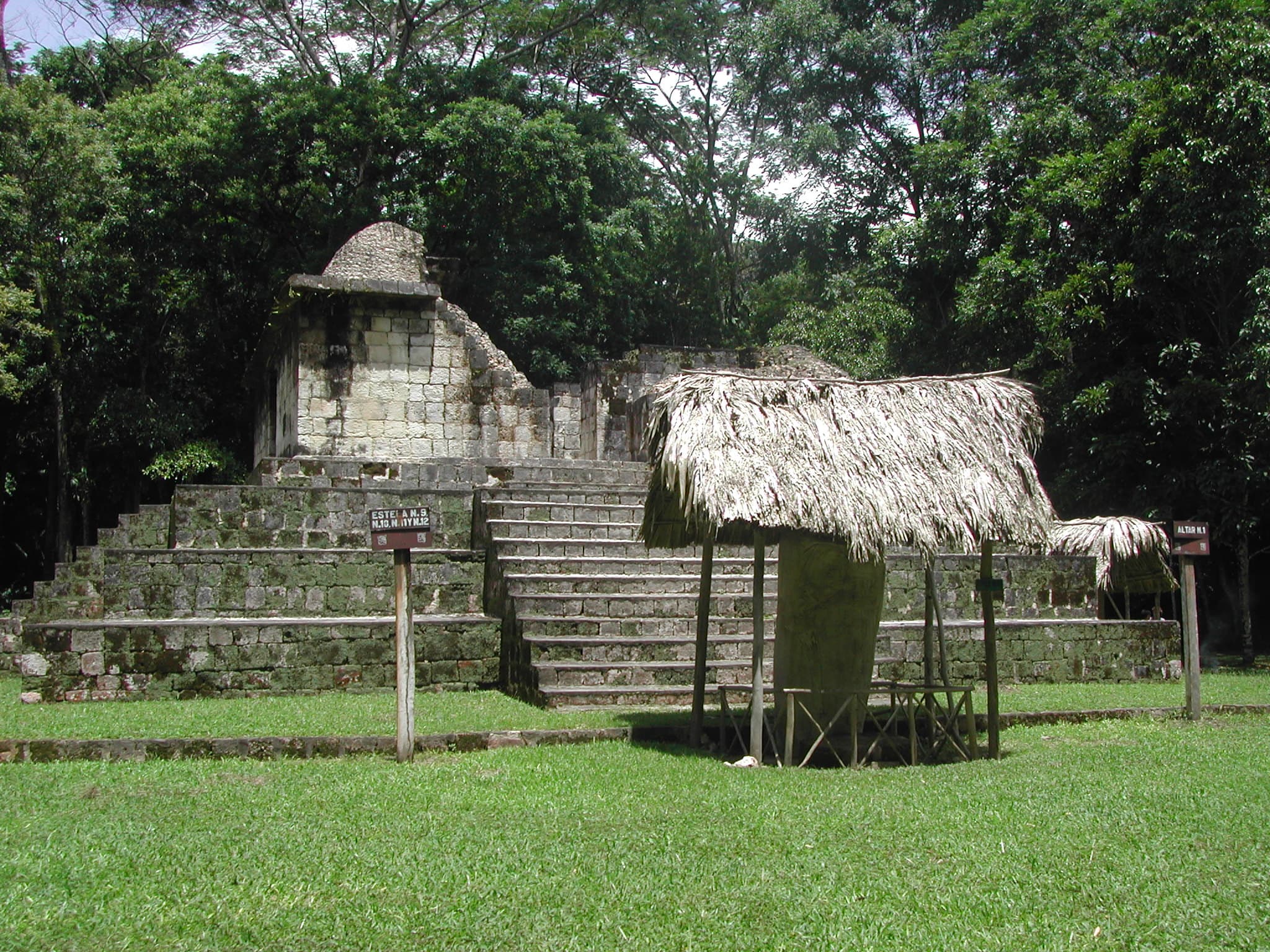
El Ceibal
Sayaxché, Petén, Guatemala
Ceibal sits on forested bluffs above the Pasión River in Petén, Guatemala. It preserves the earliest known formal Maya ceremonial complex, built around 1000 BC, where...
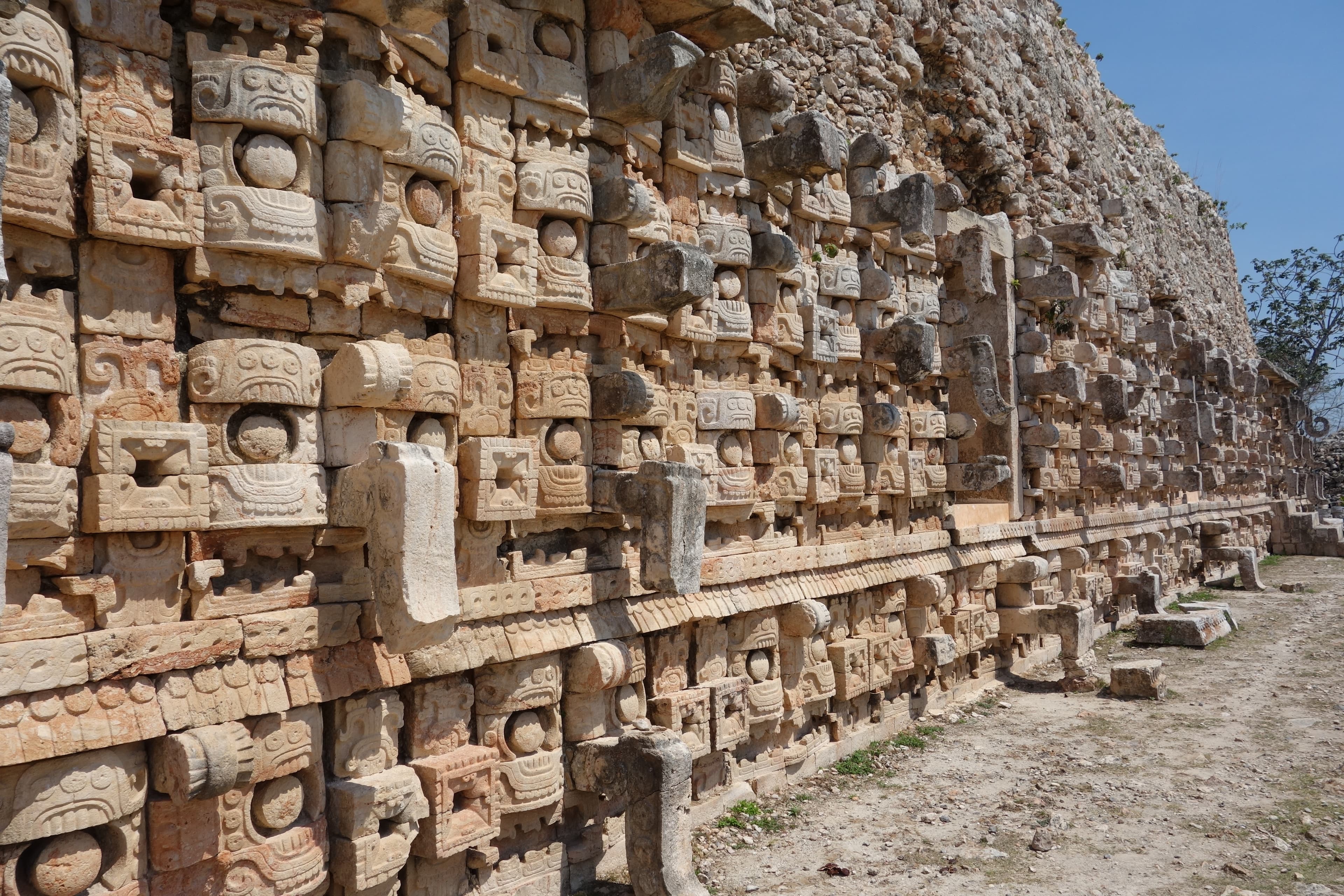
Kabah Archaeological Zone
Santa Elena, Yucatán, Mexico
In the Puuc hills of western Yucatan, where no cenotes break the limestone and rain alone sustains life, the Maya built Kabah and covered its greatest palace with the...

Kaminaljuyu
Guatemala City, Guatemala Department, Guatemala
Kaminaljuyu was the greatest city of the southern Maya highlands in the Preclassic, its name meaning Hill of the Dead....
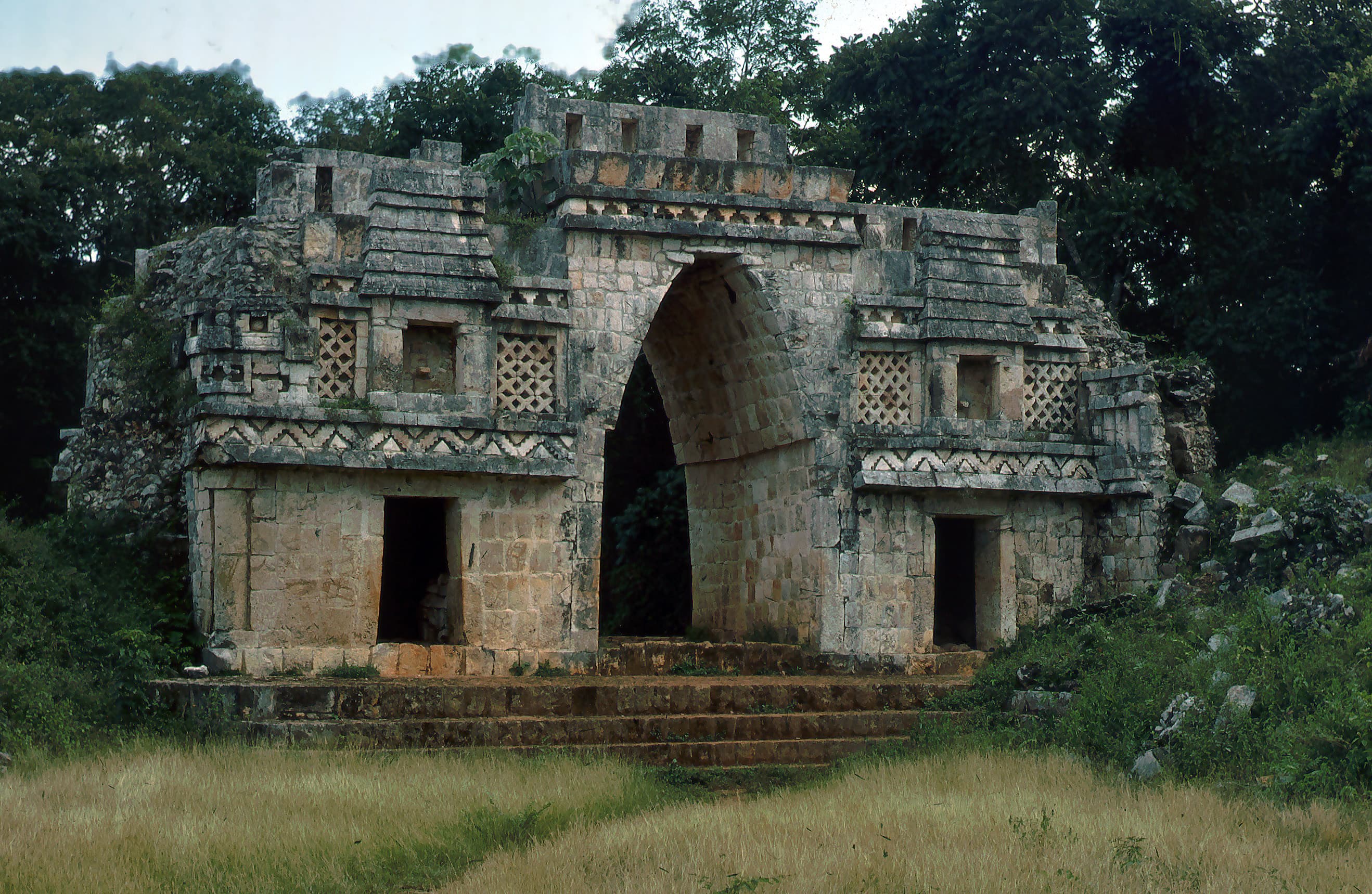
Labna
Santa Elena, Yucatán, Mexico
Rising from the limestone hills of the Puuc region, Labna preserves the most elaborate ceremonial arch in all Maya territory....
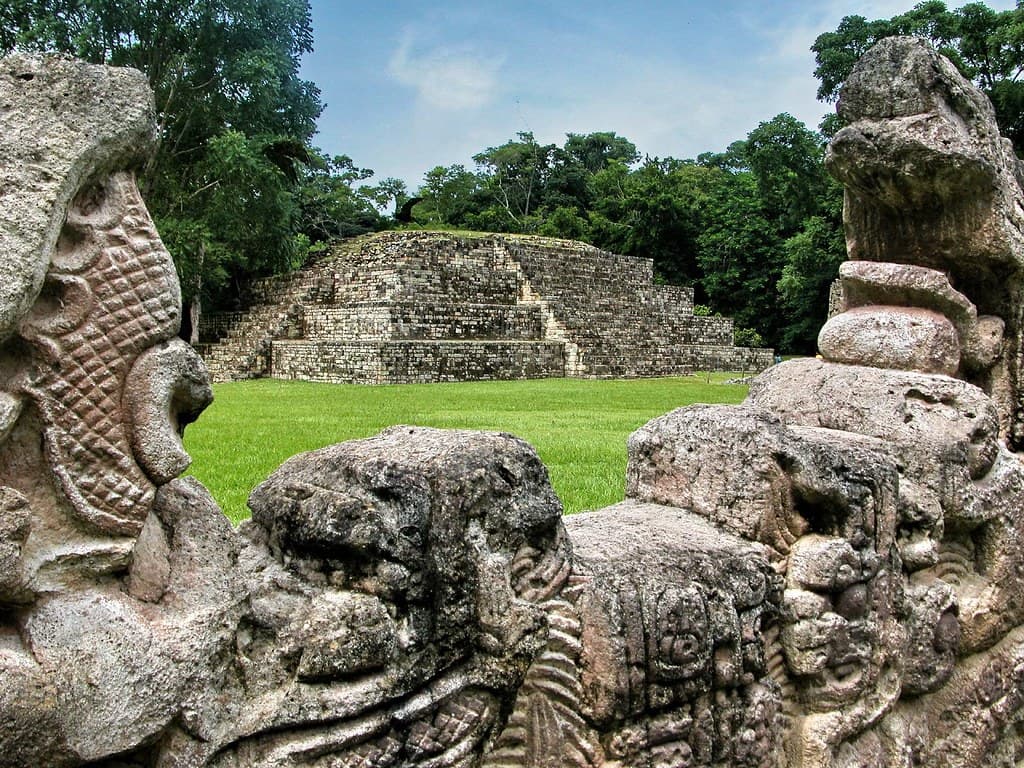
Maya Site of Copan
Copán Ruinas, Copán, Honduras
Copan stands where rulers enacted creation. For 400 years, Maya kings carved themselves as deities in elaborate stelae, believing the stone would hold their divine essence...
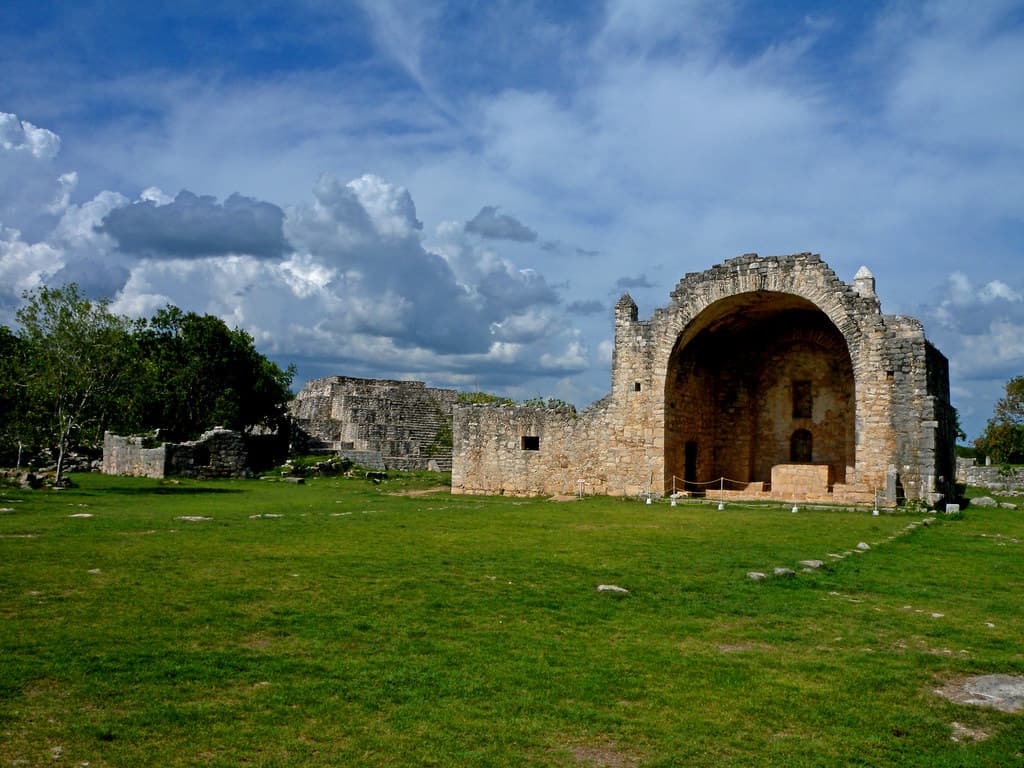
Museum of the Mayan Village at Dzibilchaltun
Mérida, Yucatán, Mexico
Dzibilchaltun—'the place where there is writing on the stones'—was inhabited from 1500 BCE until the Spanish Conquest, one of the longest continuously occupied sites in...
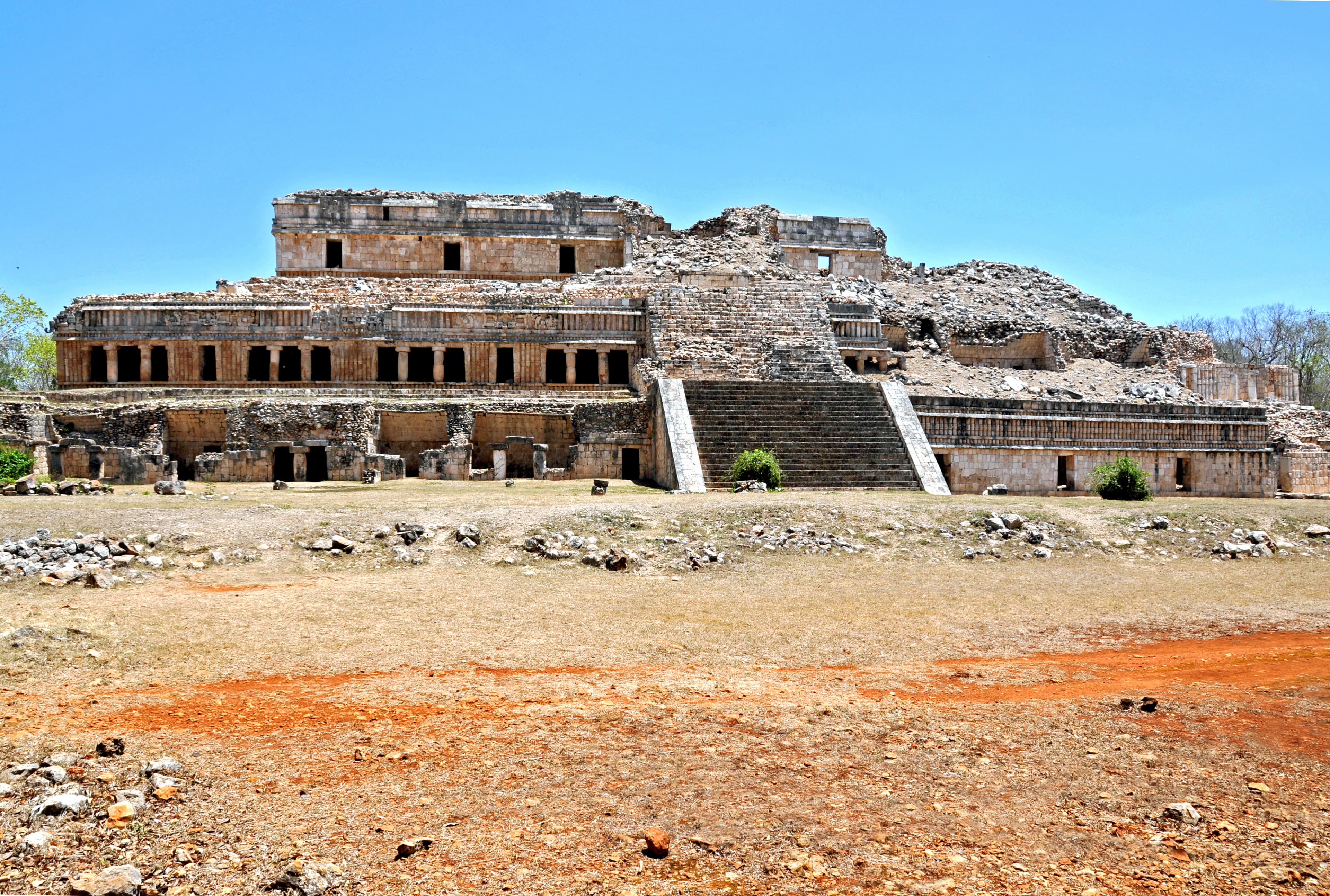
Sayil Archaeological Zone
Santa Elena, Yucatán, Mexico
Sayil—Place of the Leafcutter Ants—was once home to 10,000 people in a region with no surface water....
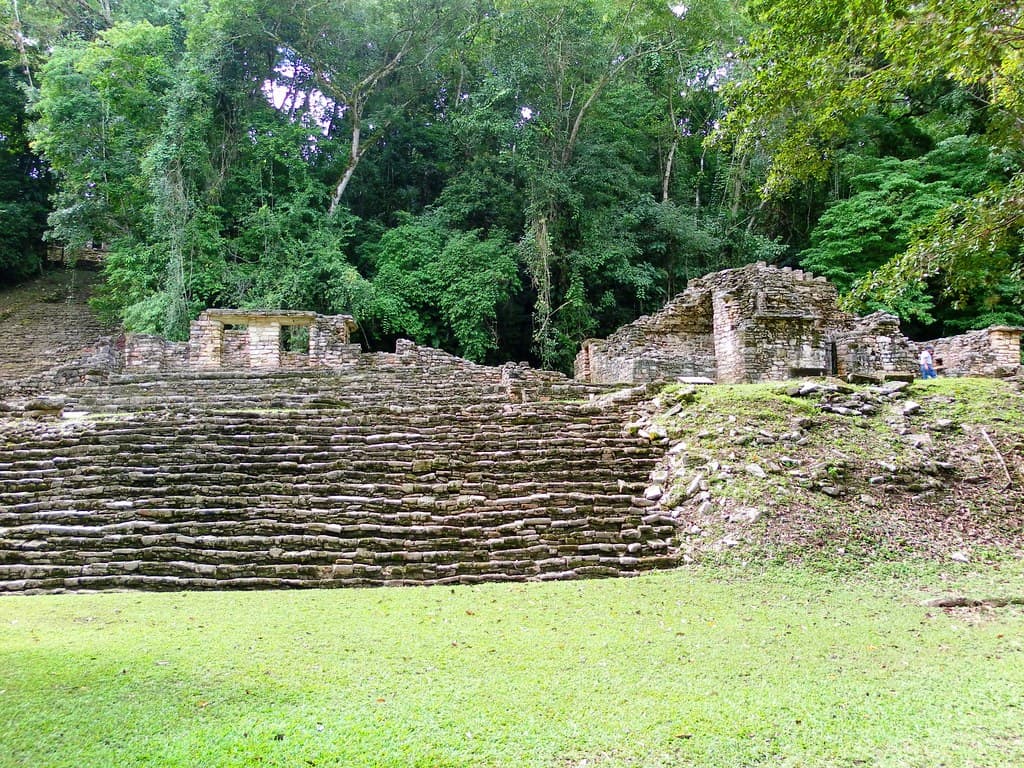
Yaxchilan Archaeological Zone
Ocosingo, Chiapas, Mexico
The Usumacinta River still guards Yaxchilan as it has for fifteen centuries. Reachable only by boat, this jungle-shrouded city preserves the most extraordinary Maya...
Key questions
Maya sacred-site questions
- What are Maya sacred sites?
- Maya sacred sites are places connected by shared lineage, practice, memory, ritual use, or pilgrimage tradition.
- Where can I find Maya sacred sites?
- The strongest country clusters in this guide include Mexico, Guatemala, Honduras.
- What kinds of places are included?
- Common place types include archaeological site, pre-columbian city, ancient city, maya site, pre-columbian site, mesoamerican archaeological site.
- Can I map Maya sacred sites?
- Yes. Compare country clusters and site types first, then open individual pages for coordinates, historical context, and visitor guidance.