Minamihokke-ji (Tsubosaka-dera)
Saigoku temple 6: a working Senju Kannon hall in the Kansai pilgrimage round
Understand sacred places, explore living traditions, and learn how to engage respectfully with Pilgrim Map.
Access has not been verified. Check current local guidance before planning a visit.
Takatori, Nara Prefecture, Japan
Read the sources
Station 6 of 33
Saigoku Kannon PilgrimageVisit essentials
A quick read before you go
- Duration
- 1.5–2 hours including the outdoor stone-relief walk and the Hondō.
- Access
- From Tsubosakayama Station on the Kintetsu Yoshino Line (~30 min from Abenobashi/Osaka), take…
Overview
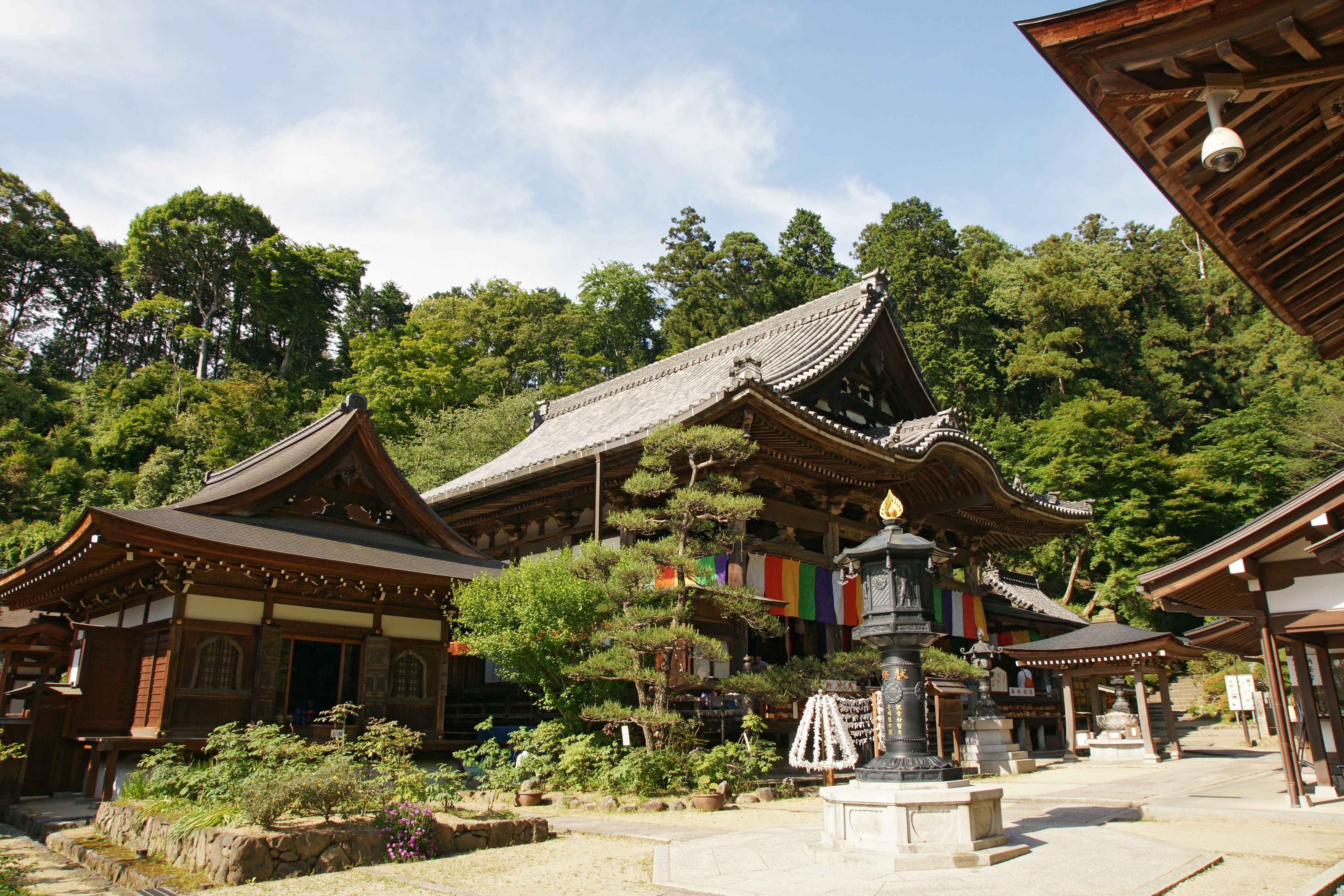
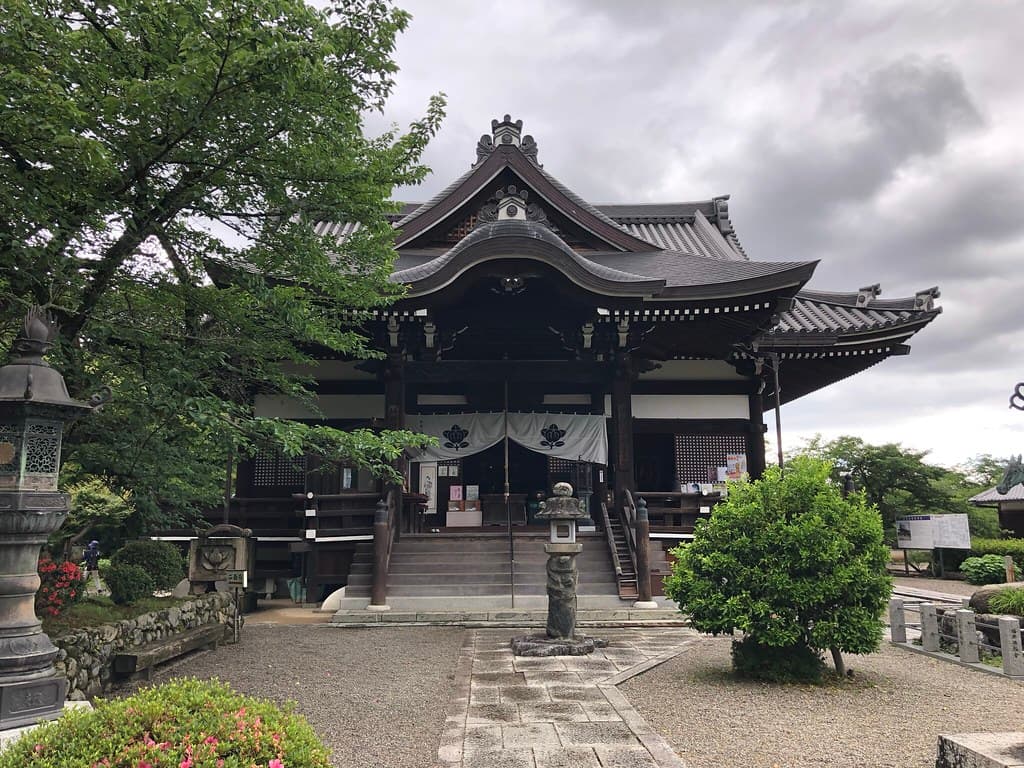
Minamihokke-ji (Tsubosaka-dera) is a working Senjū Kannon hall, Temple 6 of the thirty-three-station Saigoku Kannon Pilgrimage, a route that has organized Kansai Kannon devotion for more than a thousand years, and the head temple of Shingon Tsubosaka-shū, historically the Kojima school. It is Japan's primary devotional center for eyesight and eye health and sustains a contemporary social mission through Jiboen, the country's first nursing home for the blind.
Tradition says Benki Shami, a monk of Gangō-ji in the Heijō capital, founded the temple in 703 CE. During evening prayers, he heard the Senjū dhāraṇī, saw intense blue light from the earth, and found a small golden Senjū Kannon in a lapis-lazuli jar. Later summoned to the imperial court, he placed prayer beads over a blinded empress's eyes, recited the dhāraṇī, and restored her sight. The temple was rebuilt in the medieval period as a major Kojima-school training center.
Why this place is sacred
Mt. Tsubosaka, focused devotion to sight, and monumental India–Japan exchange-era stone reliefs give the temple an intimate and global scope. The reliefs were gifts exchanged for Japanese aid to leprosy care in India; autumn maples frame the outdoor stone Kannon. As Saigoku Temple Six and Shingon Tsubosaka head temple, it joins mountain worship, eye-health prayer, and Jiboen's work with blind residents.
Experience and orientation
Devotees touching their eyes after prayer, visible expressions of concern for ill family members, encounters with residents and staff of Jiboen, awe at the large Indian-style outdoor stone Kannon and Buddha reliefs (donated from India in thanks for Japanese support of leprosy care), striking autumn foliage views.
Context and lineage
Founded in 703 CE by the monk Benki (Benki Shami) of Gangō-ji in the Heijō capital. Mentioned alongside Mt. Founded by Benki Shami. While performing his evening prayers in 703, the ascetic Benki Shami heard a voice chanting the Senjū dhāraṇī from the earth and saw an intense blue light emanating from the ground.
Traditions and practice
Esoteric Shingon liturgy, Senjū dhāraṇī recitation specifically for eye health, prayers for the visually impaired, the centuries-old Tsubosaka Reigenki ningyō-jōruri (puppet play) performance commemorating the love story of Osato and the blind Sawaichi.
Shingon Buddhism — Tsubosaka (Kojima) school
ActiveTsubosaka-dera is the head temple of the Shingon Tsubosaka-shū (also historically called the Kojima school), one of the smaller distinct Shingon lineages with deep roots in Yamato (Nara) Buddhism. The temple was rebuilt in the medieval period as a major Kojima-school training center.
Esoteric Shingon liturgy with strong Kannon orientation, recitation of the Senjū Kannon dhāraṇī, healing prayers focused on eye health, goma fire rituals, sutra copying, and the cultural tradition of the Tsubosaka Reigenki ningyō-jōruri puppet play.
Perspectives and open questions
Tsubosaka-dera is treated as the foremost Japanese case study of a body-specific Kannon devotional cult — eye-health veneration is unusually focused and sustained here. Local Yamato tradition emphasizes the Tsubosaka Reigenki story as a model of conjugal love and miraculous compassion — Osato's devotion to her blind husband Sawaichi, both saved by Kannon, is invoked at weddings and family ceremonies in the region.
Scholarly perspective
Tsubosaka-dera is treated as the foremost Japanese case study of a body-specific Kannon devotional cult — eye-health veneration is unusually focused and sustained here. The temple's Heian-era inclusion in 'The Pillow Book' alongside Mt. Kōya and Ishiyama-dera marks it as a top-tier miracle site of the Heian aristocracy. Its Edo-period revival under Takatori Domain patronage and 19th-century puppet-play fame illustrate the role of regional daimyō patronage and popular performance culture in temple sustainability.
Living and traditional perspectives
Local Yamato tradition emphasizes the Tsubosaka Reigenki story as a model of conjugal love and miraculous compassion — Osato's devotion to her blind husband Sawaichi, both saved by Kannon, is invoked at weddings and family ceremonies in the region.
Alternative interpretations
The lapis-lazuli jar (vaiḍūrya tsubo) of the founding legend invokes the Bhaiṣajyaguru (Medicine Buddha) lapis-light symbolism, suggesting a syncretic reading in which Tsubosaka's Kannon also functions in a Yakushi-like healing role specifically for the senses.
Plan your visit
Access and arrival
From Tsubosakayama Station on the Kintetsu Yoshino Line (~30 min from Abenobashi/Osaka), take the Tsubosakayama bus (~10 min) up the mountain, or walk ~50 minutes uphill. Drive: parking lot at the temple. Admission ¥600 adult.
Respectful visit
Permitted on the grounds and around the outdoor stone reliefs; not inside the Hondō and not of the principal image. Be respectful around Jiboen and any visitors with visual impairments.
Saisen, incense, candles. Eye-health amulets and ema available at the office. Goshuin ¥300. Optional donation to Jiboen.
Photography of the principal image prohibited. Speak softly within hearing of Jiboen residents. Walk slowly around accessibility-needs guests.
Current practical details
Address
Japan, 〒635-0102 奈良県高市郡高取町壷阪3
Phone
Hours
Hours, fees, and access can change — verify on the official source before you travel. Practical details last checked Jun 2026.
Location
Map loads as you approach this section.
Pilgrim reflections
A portrait of encounter, not a score
Pilgrims describe what they felt, how present they could become, and whether the place would shape a journey. There are no stars and no ranking of traditions.
No reviewed reflections yet
The first pilgrims can help describe the character of being here.
Share a reflection
Available after an account-backed “Been there.” Every reflection is reviewed before publication.
Nearby sacred places
Explore other sacred places in the region. Proximity does not establish access or travel time; check each place’s guidance.
References
Sources consulted for this page. Source categories describe the publication, not a guarantee that every claim is verified. Traditional accounts and outside interpretations may differ.
- 01Minamihokke-ji — Wikipedia contributorsencyclopediaFounding history, Heian aristocratic devotion, Edo-period revival, Shingon Kojima/Tsubosaka school
- 02Tsubosaka-dera Temple (Minami Hokkeji Temple) — Visit Nara — Official Nara Travel GuideofficialOfficial Nara prefecture tourism listing
- 03Tsubosakadera Temple - Saigoku Kannon Pilgrimage — Tale of Genji projectblogOrigin legend of the lapis-lazuli jar discovery and the empress's eye cure
- 04Tsubosaka-dera Temple: The Temple of Sight — Kansai OdysseyguideEye-cure devotional context and India-Japan stone reliefs
- 05Saigoku Kannon Pilgrimage: Okadera & Tsubosaka — Hyogo Times (Hyogo AJET)blogPilgrim impressions and Tsubosaka Reigenki puppet-play context
- 06Japanese folklore, history architecture, eye health and autumnal splendor at Tsubosaka Temple — Japan TravelguideArchitecture detail and India-Japan stone reliefs
Pilgrim glossary
- Kannon
- The bodhisattva of compassion, central to many East Asian pilgrimage routes.
- Shingon
- An esoteric Japanese Buddhist school emphasizing ritual, mantra, and mandala practice.
Share a photo
Help visitors recognize Minamihokke-ji (Tsubosaka-dera). Every submission is reviewed before publication.