Bosnian Pyramids, Visoko
A site where geological science and New Age belief collide—and visitors decide for themselves
Understand sacred places, explore living traditions, and learn how to engage respectfully with Pilgrim Map.
Access has not been verified. Check current local guidance before planning a visit.
Visoko, Zenica-Doboj, Bosnia and Herzegovina
Read the sources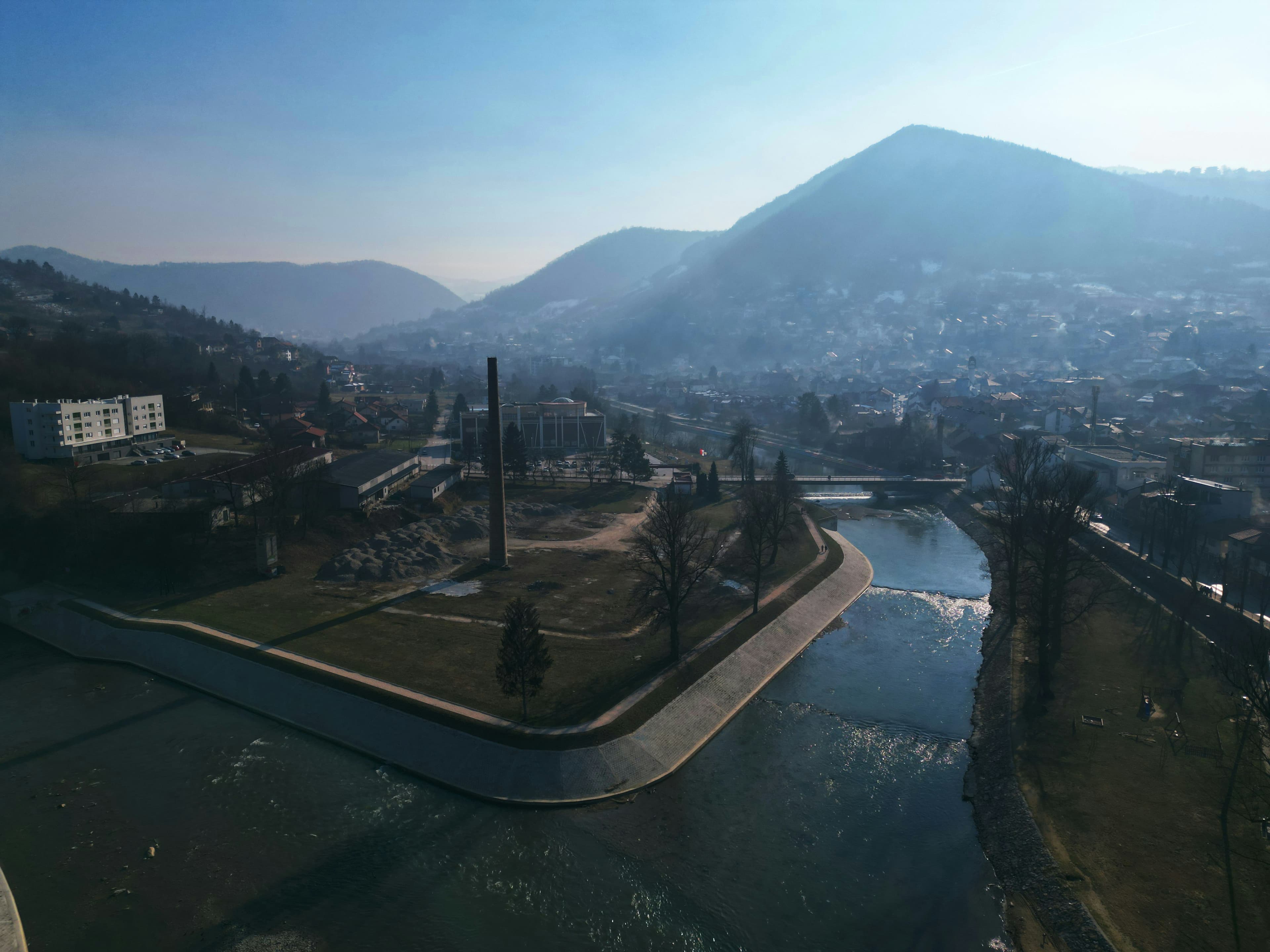
Image of Bosnian Pyramids, Visoko. Image source · Unsplash License
Visit essentials
A quick read before you go
- Duration
- Half-day to full day.
- Etiquette
- Standard tourist etiquette applies.
Overview
Scientific consensus identifies the hills as natural flatirons formed by tectonic uplift and erosion; the European Association of Archaeologists called Semir Osmanagić's pyramid claims a 'cruel hoax.' Since 2005, Osmanagić has promoted them as ancient structures that concentrate healing energy, and visitors use the Ravne tunnels for meditation while reporting varied subjective experiences whose causes remain unknown.
On Visočica, the ruins of fourteenth-century Old Town Visoki—where Tvrtko I was crowned the first King of Bosnia—are genuine heritage damaged by pyramid excavations. Visoko brings scientific evidence, subjective experience, damaged heritage, New Age spirituality, economic realities, and post-war hope into one landscape.
Why this place is sacred
The concept of thinness at the Bosnian Pyramids is complicated by the contested nature of the site. Traditional thin places derive their quality from centuries of prayer, pilgrimage, and sacred practice. The Bosnian Pyramids derive whatever quality they have from approximately twenty years of New Age interpretation and meditation practice.
This does not necessarily mean the experiences visitors report are invalid. People have gathered in the Ravne tunnels to meditate since 2006. The tunnels are cool (around 12°C), quiet, and atmospheric. They contain areas designated as 'healing rooms' where visitors sit in silence. Whatever the geological or historical origin of these tunnels—and this remains unclear—the practice of meditation in them is real. Thousands of people have sat in darkness underground, seeking calm or healing.
Does concentrated meditation practice create a thin place? Some traditions would say yes. The Ravne tunnels might be accumulating the residue of intention regardless of whether the pyramid claims are true.
Alternatively, the experiences visitors report may reflect the power of expectation. When people are told they are entering a healing space, some will experience healing. This is well-documented in medical research on placebo effects. It does not make the experience less real for the person having it, but it raises questions about cause.
The most honest framing: Visoko offers an opportunity to observe yourself observing. What do you experience in the tunnels? What would you experience if you knew nothing of the claims? What do you want to experience, and how does that wanting shape what you perceive? These questions are themselves contemplative practice.
The original purpose of the site depends entirely on which narrative you accept.
According to Semir Osmanagić, the hills were constructed 12,000-34,000 years ago by an advanced civilization with knowledge of energy manipulation. The pyramids were allegedly designed to concentrate and transmit healing frequencies. The Ravne tunnels were part of a prehistoric infrastructure connecting to this energy system.
According to geological science, the hills have no original purpose. They are natural flatirons—wedge-shaped formations created when alternating hard and soft rock layers are uplifted by tectonic forces and then eroded differentially. The process that created them took millions of years and required no human intent.
The Ravne tunnels are less clearly explained. They may be medieval mining works. They may be natural formations. Their exact origin has not been definitively established, though there is no scientific evidence supporting the claim that they are prehistoric.
What is certain: since 2005, the site has been intentionally developed as a spiritual tourism destination. The meditation rooms, the healing claims, the Park Ravne 2 installations with 'aura amplifiers' and stone circles—all of this was created in the past two decades to give visitors a spiritual experience. Whether you consider this authentic depends on your definition of authenticity.
The Bosnian Pyramids phenomenon began in April 2005, when Semir Osmanagić, a Bosnian-American businessman, visited Visočica hill and noticed its pyramidal shape. He subsequently wrote a book claiming the hill was an ancient pyramid, one of five colossal structures near Visoko.
Excavations began in 2006. That same year, the European Association of Archaeologists condemned the claims as a 'cruel hoax,' expressing concern about damage to genuine archaeological sites including the medieval Old Town Visoki fortress on Visočica. Geologists from the University of Tuzla identified the hills as natural formations. Stepan Coric, a Bosnian geologist from the University of Vienna, examined the site and found fractured sediment called breccia from an ancient lake bed—not construction blocks.
Nonetheless, the site developed. Osmanagić founded the Bosnian Pyramid of the Sun Foundation, which received over $1 million in funding from various sources including the town of Visoko, private donors, and Osmanagić himself. The Ravne tunnels were cleared and opened to visitors. Meditation sessions began. An archaeological park was completed in 2016.
The site attracted international attention, including a 2020 visit by tennis star Novak Djokovic, who reportedly meditated in the tunnels for several hours. This generated significant publicity and increased tourism.
Throughout this evolution, the scientific consensus has not changed. The hills remain classified as natural formations. The archaeological community remains concerned about heritage damage. But the site continues to draw visitors, and the meditation practice in the tunnels continues to develop its own momentum.
Experience and orientation
The journey from Sarajevo takes about thirty minutes through the Bosnian highlands. Visoko emerges as a small town along the Bosna River, still bearing traces of the war that devastated the region in the 1990s. The pyramid-shaped hills rise above the valley, their symmetry striking from certain angles, more ambiguous from others.
Most visitors begin at the Ravne tunnels. The entrance is unassuming—a small building, a ticket booth, a guide who will lead you underground. The first visit requires a guide; subsequent visits can be independent. The tunnels are well-lit and safe, with about a kilometer open to the public.
Underground, the temperature drops to around 12°C. The air feels different—visitors often note the sensation of breathing more easily, which proponents attribute to negative ions or higher oxygen levels. The tunnels wind through earth and stone, passing areas designated as 'healing rooms' with large rock formations claimed to emit beneficial frequencies. Guides explain the New Age interpretation: the K-2 ceramic block, the energy points, the claimed measurements of ultrasound and electromagnetic fields.
Some visitors sit in the healing rooms, meditating in darkness. The silence is palpable. Whatever you believe about the claims, the experience of sitting underground in cool quiet darkness has its own quality. Some report feeling calm. Some report feeling nothing unusual. Some report experiences they cannot easily categorize.
Above ground, Park Ravne 2 offers yoga and meditation spaces, stone circles, and installations with names like 'Aura Amplifier.' The Pyramid of the Sun—Visočica hill—can be climbed, a moderately strenuous hike of about an hour to reach the summit. The views from the top span the valley. The ruins of Old Town Visoki are visible, a genuine 14th-century fortress now partially damaged by excavations seeking pyramid evidence.
The experience is layered. You are simultaneously visiting a New Age pilgrimage site, a controversial pseudoarchaeological claim, a legitimate medieval heritage site, a post-war economic development project, and a natural geological landscape. How you interpret what you see and feel is your own work.
Tours from Sarajevo typically last 4-6 hours and include transportation, the Ravne tunnel tour (1.5 hours), and visits to Park Ravne 2 and/or the Pyramid of the Sun. Independent visitors can take public buses to Visoko and arrange local transportation to the sites. The Ravne tunnels are the primary attraction for those interested in the spiritual dimension; the Pyramid of the Sun hike is recommended for those wanting exercise and views. Bring layers—the tunnels are cold.
Bring water and proper shoes for the hill climb.
Context and lineage
Two origin stories compete at Visoko.
Semir Osmanagić's narrative: The hills near Visoko are the remains of the world's largest and oldest pyramid complex, built 12,000-34,000 years ago by an advanced prehistoric civilization. The Pyramid of the Sun (Visočica hill) stands 720 feet tall, exceeding the Great Pyramid of Giza. These builders possessed technology enabling the concentration of healing energies, transmitted through the pyramid structures. The Ravne tunnels connected to this energy network. Osmanagić has connected these claims to theories about ancient astronauts and Atlantis.
The scientific narrative: The hills are natural geological formations called flatirons, created by tectonic uplift and differential erosion approximately 7 million years ago. The pyramidal shape results from natural processes common in regions with alternating hard and soft rock layers. Geologists have studied the site and found no evidence of human construction. The stone layers are fractured sediment called breccia from an ancient lake bed, thrust up by natural forces. Similar formations exist throughout the world.
These narratives cannot be reconciled. The scientific explanation is supported by evidence and expert consensus. The pyramid claims are rejected by mainstream archaeology and geology. But both narratives shape the visitor experience at Visoko.
The Bosnian Pyramids have no lineage in the traditional sense. They are not connected to any historical religious tradition, indigenous practice, or established pilgrimage route. Their spiritual significance is entirely a product of the movement that has developed around Osmanagić's claims since 2005.
The Visoko region does have genuine archaeological lineage. The Neolithic Butmir culture established one of the largest settlements in southeastern Europe at nearby Okolište during the 5th millennium BCE. The medieval Bosnian kingdom centered its power at Visoko, with the fortress of Old Town Visoki serving as a royal seat. This authentic heritage is recognized through National Monument designations.
The New Age lineage at Visoko connects to broader movements of alternative archaeology, energy healing, and spiritual tourism that have developed globally since the late 20th century. Visitors who come for meditation in the Ravne tunnels are participating in practices that draw from various contemporary spiritual traditions, not from any connection to the site's actual history.
Semir Osmanagić
Bosnian-American businessman who first claimed in 2005 that the hills near Visoko were ancient pyramids. He founded the Bosnian Pyramid of the Sun Foundation and has led excavation and development efforts since 2006. His claims are rejected by the scientific community.
Tvrtko I of Bosnia
The first King of Bosnia, crowned in the 14th century. His royal fortress, Old Town Visoki, stands on Visočica hill (the so-called Pyramid of the Sun). This is genuine historical heritage.
European Association of Archaeologists
Professional organization that condemned the Bosnian pyramid claims as a 'cruel hoax' in 2006, expressing concern about damage to genuine archaeological sites.
Traditions and practice
There are no traditional religious or spiritual practices associated with the Bosnian Pyramids. The site's spiritual dimension is entirely contemporary, developed since Semir Osmanagić first made his claims in 2005. Before that date, there was no tradition of pilgrimage, meditation, or healing practice at these locations.
The genuine historical traditions of the Visoko region—medieval Bosnian Christianity at Old Town Visoki, Neolithic practices at Okolište, Ottoman Islamic culture in the town—are unrelated to the pyramid claims and the New Age practices that have developed around them.
Meditation sessions are held regularly in the Ravne tunnels. Visitors sit in designated 'healing rooms' near rock formations claimed to emit beneficial frequencies. The atmosphere is cool, quiet, and dark—conditions conducive to meditation regardless of the specific claims made about the space.
Park Ravne 2 offers outdoor spaces for yoga and meditation, including stone circles and installations described as 'energy amplifiers.' Some visitors engage in personal meditation or energy healing practices during their time at the site.
Spiritual retreats and guided tours with New Age framing are offered by various operators. These may include group meditation, discussions of ancient civilizations and energy healing, and visits to claimed power spots on the property.
For visitors open to contemplative practice, the Ravne tunnels offer an interesting opportunity. Sitting in quiet darkness underground has its own quality regardless of claims about energy fields. If meditation is part of your practice, you can meditate in the designated areas and observe what you experience.
For skeptical visitors, the site offers different contemplative opportunities. Why do such claims attract believers? What human needs does a place like this address? How do you evaluate extraordinary claims? How do you respond when subjective experience conflicts with scientific consensus? These questions can be genuinely contemplative.
For all visitors, the hike to the top of Visočica provides exercise and views. The ruins of Old Town Visoki offer genuine historical interest. The town of Visoko, still recovering from war, offers context about Bosnia's recent history.
New Age Energy Spirituality
ActiveSince 2005, the Bosnian Pyramids site has become a New Age pilgrimage destination attracting those interested in ancient civilizations, energy healing, and alternative history. The Ravne tunnels host regular meditation sessions. Proponents claim the site concentrates healing energies through electromagnetic fields, negative ions, and resonant frequencies. Visitors report experiences of calm, balance, and healing. The site has attracted notable visitors including tennis star Novak Djokovic.
Meditation sessions in the Ravne tunnels, particularly in designated 'healing rooms' near rock formations claimed to emit beneficial frequencies. Visits to 'energy points' such as the K-2 ceramic block. Yoga and meditation in Park Ravne 2. Participation in organized spiritual retreats and tours.
Medieval Bosnian Heritage
HistoricalVisočica hill—the so-called 'Pyramid of the Sun'—is the site of Old Town Visoki (Stari grad Visoki), a genuine medieval fortress and National Monument of Bosnia and Herzegovina. This was where Tvrtko I, the first King of Bosnia, was crowned in the 14th century. The fortress served as a political center from which royal charters were issued. It was abandoned before 1503. This is real historical heritage, damaged by pyramid-related excavations.
No active practices. The site is of historical interest for those studying medieval Bosnian history.
Neolithic Butmir Culture
HistoricalThe Visoko region contains genuine archaeological sites of the Neolithic Butmir culture, including one of the largest settlements in southeastern Europe at nearby Okolište, dating to the 5th millennium BCE. This is legitimate archaeology recognized as a National Monument, unrelated to pyramid claims.
No active practices. The site is of interest for archaeological study of prehistoric Bosnia.
Perspectives and open questions
The Bosnian Pyramids illustrate a fundamental tension between scientific consensus and popular belief. Both perspectives can be understood on their own terms without requiring reconciliation. Visitors must decide for themselves how to navigate this contested territory.
Scholarly perspective
The scientific and archaeological consensus is clear: the Bosnian 'pyramids' are natural geological formations called flatirons, created by tectonic uplift and differential erosion over millions of years. Geologists from the University of Tuzla and University of Vienna have examined the site. Stepan Coric identified the stone layers as fractured breccia from an ancient lake bed thrust up by natural forces 7 million years ago.
The European Association of Archaeologists condemned the pyramid claims as a 'cruel hoax' in 2006. The Council for British Archaeology, German Archaeological Institute, and other institutions have declared the project pseudoscientific. Boston University archaeologist Curtis Runnels stated that all finds at the site are 'either natural features like rocks, or the result of long occupation in these valleys by people since the Greco-Roman period.'
Scholars are particularly concerned about damage to genuine archaeological sites. The medieval Old Town Visoki fortress on Visočica has been damaged by excavations. Roman remains and other authentic heritage have been disturbed without proper archaeological methodology.
Living and traditional perspectives
There are no traditional religious or indigenous claims associated with the Bosnian Pyramids. The region's genuine heritage—medieval Bosnian Christianity, Ottoman Islamic culture, prehistoric Neolithic settlements—is unrelated to pyramid claims. No established religious tradition recognizes the hills as sacred.
Alternative interpretations
Semir Osmanagić and supporters claim the hills are ancient pyramids built 12,000-34,000 years ago by an advanced civilization with knowledge of energy manipulation. Specific claims include: standing waves at the pyramid apex traveling faster than light; a 'cosmic internet' connecting ancient sites; healing frequencies in the tunnels including 28 kHz ultrasound and 7.83 Hz Schumann resonance; high negative ion concentrations; ceramic blocks emitting beneficial energy; and connections to Atlantis and ancient astronauts.
These claims are not supported by scientific evidence. The measurements cited have not been verified by independent scientists. The connections to Atlantis and ancient astronauts place the claims within a broader tradition of pseudoarchaeology.
Nonetheless, visitors continue to report subjective experiences in the tunnels—calm, energy, healing. Whether these experiences validate any of the claims, reflect the power of suggestion, or arise from other factors cannot be determined.
Open questions
Several questions remain genuinely uncertain. The exact origin of the Ravne tunnels is not fully established—they may be medieval mining works, natural formations, or something else. Why subjective experiences persist despite scientific rejection of the claims is an open question about human psychology and the nature of meaning-making. The long-term cultural impact of pseudoarchaeological tourism on legitimate heritage preservation remains to be seen.
Plan your visit
Access and arrival
Limited hotels available in Visoko. Most visitors stay in Sarajevo and visit as a day trip. Sarajevo offers a full range of accommodation options.
Respectful visit
Comfortable walking shoes are essential for both tunnel visits and the Pyramid of the Sun hike. Bring layers—the tunnels maintain a constant temperature around 12°C (54°F). Hiking attire is appropriate for the hill climb.
Photography is permitted throughout the site.
Not applicable. This is a commercial site where admission fees support the foundation. Do not leave items in the tunnels or at meditation areas.
{"First tunnel visit requires a guide","Maintain quiet in meditation areas","Do not remove stones or materials from the site","Respect the genuine medieval ruins on Visočica"}
The pyramid claims are rejected by mainstream archaeology and geology. Visitors should understand the scientific consensus before engaging with the site's alternative interpretations. The European Association of Archaeologists has condemned the claims as a 'cruel hoax.'
The excavations have damaged genuine archaeological heritage, including the medieval fortress on Visočica. This is a real concern for those who value historical preservation.
Meditation experiences in the tunnels may be meaningful, but this does not validate the specific claims made about electromagnetic fields, prehistoric builders, or connections to Atlantis. The calm visitors report may arise from the meditative environment, placebo effect, or other factors unrelated to claimed phenomena.
Current practical details
Address
Ulica Ravne 1, Visoko 71300, Bosnia and Herzegovina
Phone
Hours
Hours, fees, and access can change — verify on the official source before you travel. Practical details last checked Jun 2026.
Location
Map loads as you approach this section.
Pilgrim reflections
A portrait of encounter, not a score
Pilgrims describe what they felt, how present they could become, and whether the place would shape a journey. There are no stars and no ranking of traditions.
No reviewed reflections yet
The first pilgrims can help describe the character of being here.
Share a reflection
Available after an account-backed “Been there.” Every reflection is reviewed before publication.
Watch deeper
Films, episodes, and recorded talks for visitors who want more context before or after a visit. Speculative and alternative-history entries are labelled as perspectives, not as sources for established claims.
Streaming episode
Alternative-history media
Ancient Apocalypse: Legacy of the Sages
Graham Hancock's Giza/Sphinx-focused episode in Ancient Apocalypse season 1.
Perspective note: Highly contested by mainstream archaeology; included as a perspective, not as evidence.
Open on NetflixVideo resource
Alternative-history media
The Revelation of the Pyramids (La Revelation des Pyramides)
Influential 2010 French documentary on pyramid geometry, alignments, and ancient-site pattern claims.
Perspective note: Controversial and not a source for established archaeological claims.
Open on JustWatch MegalithomaniaUK / YouTube
Alternative-history media
Revelations Beneath Khafre's Pyramid FULL UPDATE
Gaia panel discussion connected to Ancient Civilizations and claims beneath Khafre's Pyramid.
Perspective note: Very speculative; pair with mainstream context before treating any claim as factual.
Open on MegalithomaniaUK / YouTubeNearby sacred places
Explore other sacred places in the region. Proximity does not establish access or travel time; check each place’s guidance.

Sacred Heart Cathedral
Sarajevo, Sarajevo, Bosnia and Herzegovina
23.8 km away
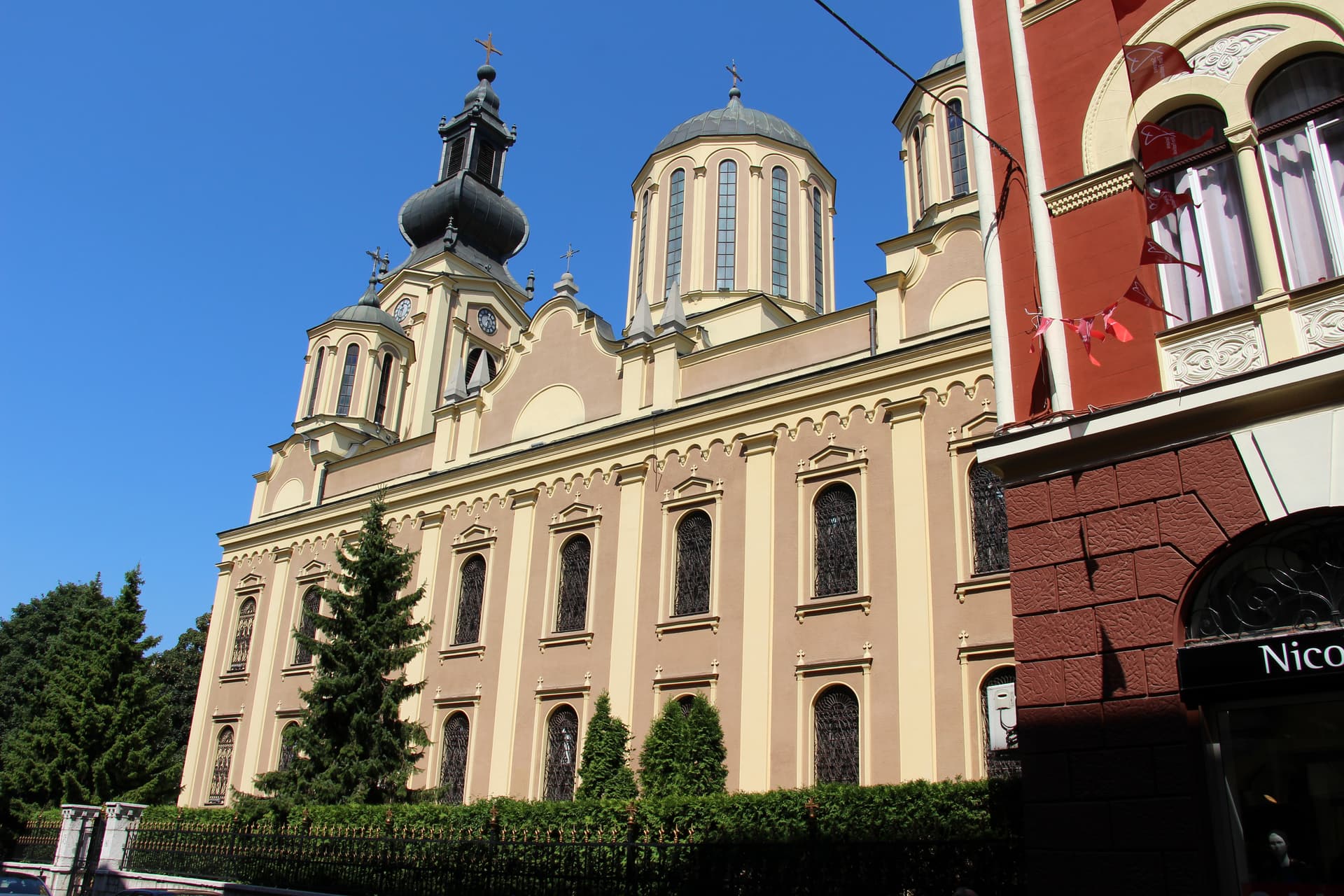
Orthodox Church of the Nativity of the Theotokos
Sarajevo, Sarajevo, Bosnia and Herzegovina
24.0 km away
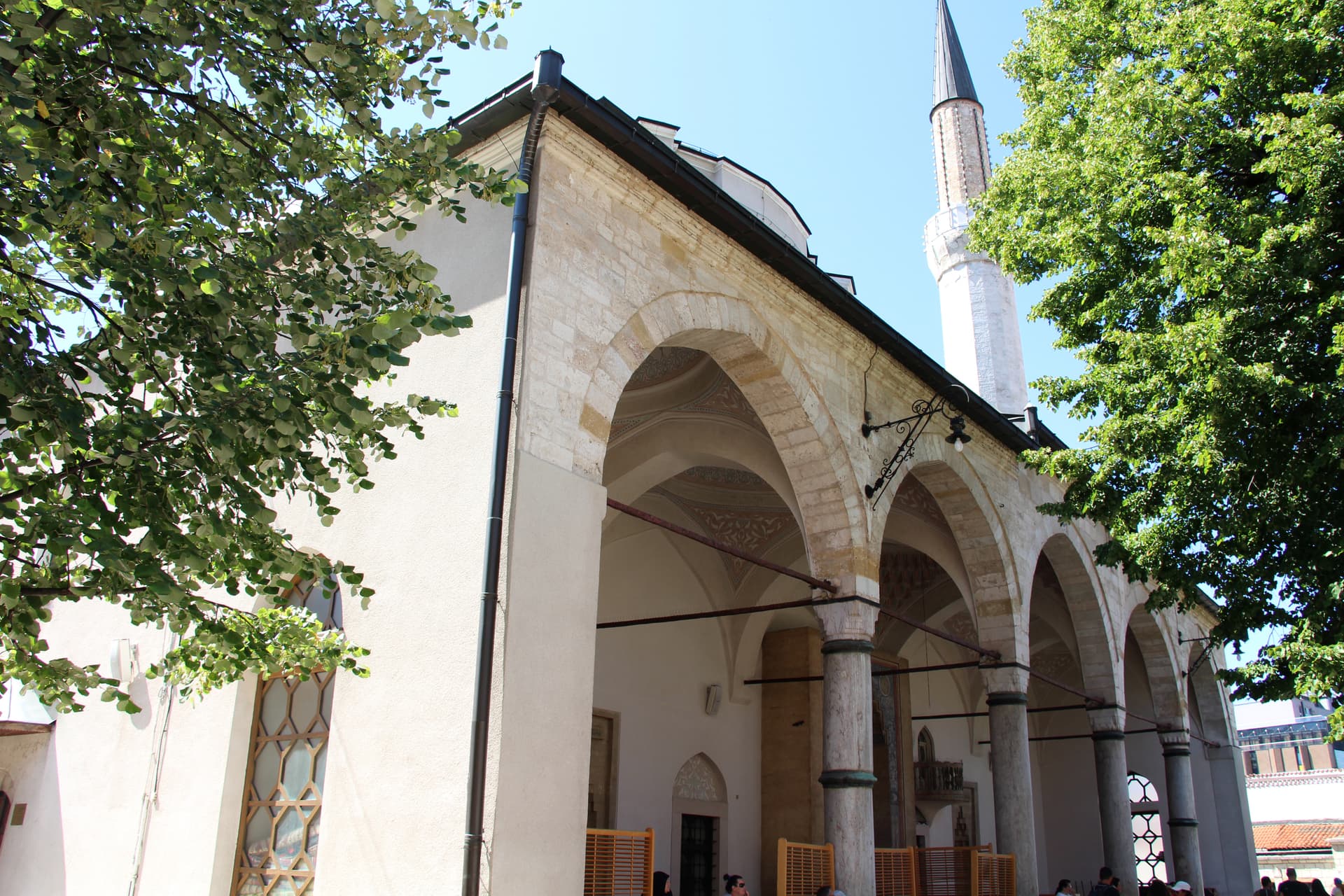
Gazi Husrev-beg Mosque
Sarajevo, Sarajevo, Bosnia and Herzegovina
24.0 km away

Sarajevo Old Orthodox Church
Sarajevo, Sarajevo, Sarajevo Canton, Bosnia and Herzegovina
24.1 km away
References
Sources consulted for this page. Source categories describe the publication, not a guarantee that every claim is verified. Traditional accounts and outside interpretations may differ.
- 01Bosnian pyramid claimsencyclopediaComprehensive overview with scientific consensus documented
- 02The Mystery of Bosnia's Ancient Pyramids — Smithsonian MagazineacademicBalanced journalism covering controversy
- 03Whether Real Or A Hoax, Bosnian 'Pyramids' Bringing Concrete Benefits To Town — Radio Free Europe/Radio LibertyacademicEconomic impact analysis
- 04Bosnian Pyramids: The Influence and Consequences of Pseudo-Archaeology — Vassar College Real ArchaeologyacademicAcademic critique of pseudoarchaeology
- 05Revisiting The Bosnian Pyramid Scheme — Discover MagazineacademicScience journalism perspective
- 06VisokoencyclopediaTown history and legitimate heritage
- 07Old town of VisokiencyclopediaMedieval fortress history
- 08Ravne Tunnels — Atlas ObscuraguideTravel/curiosity perspective
- 09Visiting the Bosnian Pyramid: Amazing Human Achievement or Hoax? — Sailingstone TravelguideBalanced visitor perspective
- 10Underground Labyrinth Ravne - Reviews — TripAdvisorguideVisitor experience reports
Share a photo
Help visitors recognize Bosnian Pyramids, Visoko. Every submission is reviewed before publication.