Yoshimine-dera
Saigoku temple 20: a working Senju Kannon hall in the Kansai pilgrimage round
Understand sacred places, explore living traditions, and learn how to engage respectfully with Pilgrim Map.
Access has not been verified. Check current local guidance before planning a visit.
Nishikyo-ku, Kyoto Prefecture, Japan
Read the sources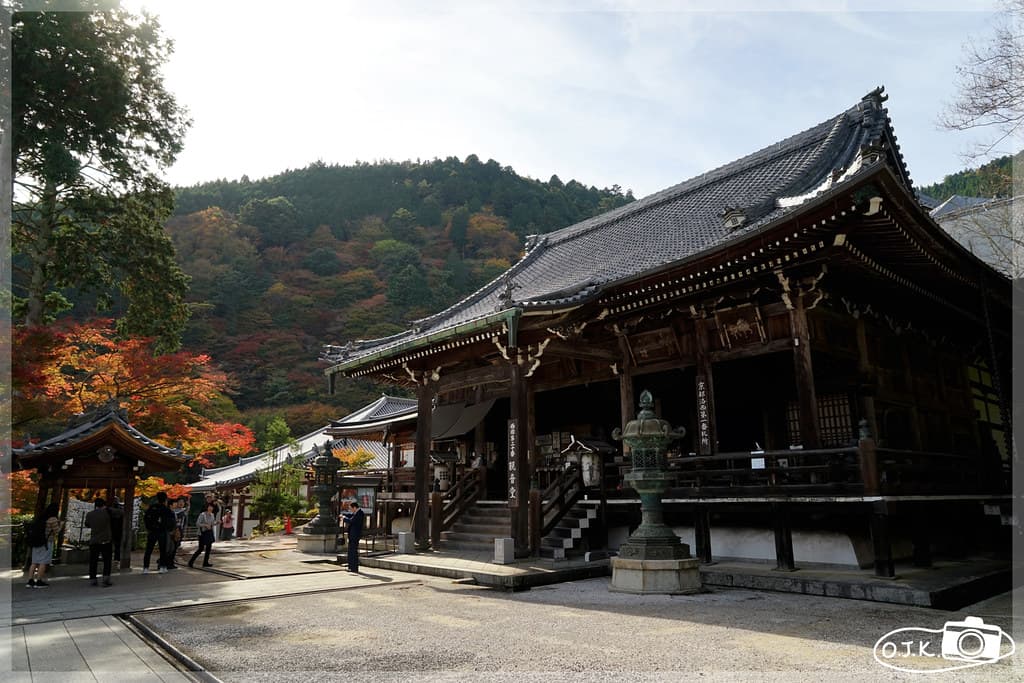
Image of Yoshimine-dera (善峯寺). Image source
Station 20 of 33
Saigoku Kannon PilgrimageVisit essentials
A quick read before you go
- Duration
- 1.5–3 hours for a full walking circuit of the 25-acre precinct.
- Access
- Public transport is limited.
Overview
Yoshimine-dera is temple 20 of the thirty-three-station Saigoku Kannon Pilgrimage, a route that has organised Kansai Kannon devotion for more than a thousand years, and a remote Tendai site in Kyoto's western mountains. Gensan (Gesan), a disciple of the Pure Land-oriented Tendai monk Genshin (Eshin Sōzu), founded it in 1029, placing it between Mount Hiei Tendai scholasticism and early Pure Land devotion; some accounts call it the Tendai-shōshū or Tendai Single-Lotus head temple.
Tradition says a deity directed Gensan to the rocky site, a dream promised help, and wild boars leveled the ground with their tusks for the Hokkein chapel; Gensan then carved its Thousand-Armed/Eleven-Headed Kannon. Emperor Go-Ichijō conferred imperial rank in 1034, and Emperor Go-Suzaku gave a second Kannon in 1042. The paired hibutsu join founder-carved and imperial-gift compassion. After destruction in the Ōnin War (1467), Keishōin—mother of the fifth Tokugawa shogun Tsunayoshi—supported Edo-period rebuilding.
Kyoto-basin views, the 600-plus-year-old Natural Monument Yūryū-no-Matsu pine, and this Genshin-to-Gensan lineage shape the temple's mountain, imperial, and devotional identity.
Why this place is sacred
Yoshimine-dera's remoteness and sweeping Kyoto-basin view frame a lineage running from Genshin through Gensan. The two hidden Kannon images—one carved by the founder and one given by Emperor Go-Suzaku—hold ascetic effort and imperial patronage together. The serpentine Yūryū-no-Matsu, more than 600 years old and declared a Natural Monument, adds living duration to a temple rebuilt through Keishōin's Edo-period patronage.
Temple tradition locates the beginning in deity, dream, wild boars, rocky ground, and the small Hokkein, keeping mountain agency within the site's sacred memory.
Experience and orientation
Visitors describe a rewarding climb across a sprawling 25-acre precinct of stone steps, sub-halls, and viewpoints. The Yūryū-no-Matsu pine, the Tahōtō pagoda, and the seasonal cherry blossoms, hydrangeas (June), and maples (mid–late November) are routinely mentioned as highlights.
Context and lineage
1029 CE — founded by the monk Gensan, a disciple of Genshin (Eshin Sōzu); the temple was bestowed imperial rank by Emperor Go-Ichijō in 1034 and received a second Kannon statue from Emperor Go-Suzaku in 1042. Largely destroyed in the Ōnin War (1467) and rebuilt in the Edo period under the patronage of Keishōin, mother of the fifth Tokugawa shogun Tsunayoshi. Monk Gensan (also rendered Gesan) carved the original honzon; major Edo-period reconstruction sponsored by Keishōin.
Tradition tells that when Gensan retreated to the mountainside in 1029, a deity appeared and asked him to found a temple at that spot.
Traditions and practice
Senju / Jūichimen Kannon devotion at the hondo and Tahōtō pagoda Pure Land–inflected Tendai chanting in the Genshin lineage Saigoku 33 stamp and scroll calligraphy
Tendai Buddhism (head temple of Tendai-shōshū / Tendai Single-Lotus lineage by some accounts)
ActiveFounded by Gensan (Gesan), a leading disciple of the Pure Land–oriented Tendai monk Genshin (Eshin Sōzu); thus the temple sits at the intersection of classical Mount Hiei Tendai scholasticism and early Pure Land devotion. Imperial rank was conferred by Emperor Go-Ichijō in 1034.
Senju / Jūichimen Kannon veneration of two hibutsu images; Recitation of the Lotus Sutra and Pure Land nenbutsu in the Tendai monastic mode; Saigoku 33 goshuin and pilgrimage scroll calligraphy
Perspectives and open questions
Yoshimine-dera can be understood through distinct historical, temple-traditional, and Tendai-Mikkyō lenses. History follows its documented eleventh-century foundation, imperial patronage, war damage, and Edo rebuilding. Temple tradition reads the wild-boar story as mountain kami cooperating with Kannon's compassion in a shinbutsu-shūgō origin. Esoteric interpretation attends to the paired founder-carved and imperially bestowed hibutsu.
Scholarly perspective
Yoshimine-dera is documented as an 11th-century Tendai foundation by Gensan, a direct disciple of Genshin (Eshin Sōzu). Temple chronicles record imperial rank in 1034 and Emperor Go-Suzaku's Kannon donation in 1042. The Ōnin War destruction and Edo-period reconstruction under Keishōin are well attested.
Living and traditional perspectives
The wild-boar leveling story is read in temple tradition as evidence of mountain kami cooperating with the bodhisattva's compassion to make the sacred ground habitable for human practice — a classic shinbutsu-shūgō (kami-Buddha syncretism) origin pattern.
Alternative interpretations
Within Tendai-Mikkyō, the dual-Kannon enshrinement (founder-carved + imperial gift) is sometimes interpreted as embodying both the ascetic 'self-power' (jiriki) carving and the bestowed 'other-power' (tariki) compassion — a microcosm of Genshin's Pure Land synthesis.
Plan your visit
Access and arrival
Public transport is limited. From JR Mukōmachi Station or Hankyū Higashi-Mukō Station, take the Hankyū Bus to Yoshimine-dera (operates seasonally; check current timetable). Plan a half day round trip from central Kyoto. The temple sits at roughly 35.938 N, 135.644 E in the western mountains of Nishikyō-ku.
Respectful visit
Photography is welcome in the outer grounds and from viewpoints. Avoid photographing inside the hondo unless explicitly permitted; do not photograph hibutsu when openings occur.
Coin offerings (5 yen traditional) at the offertory box; light a candle or incense at designated stands. Goshuin and amulets are sold at the temple office.
Quiet voices in the hondo and pagoda Stay on marked stone paths to protect mossy ground and the Yūryū-no-Matsu pine No picking of flowers, leaves, or pine needles
Current practical details
Address
1372 Ōharano Oshiochō, Nishikyo Ward, Kyoto, 610-1133, Japan
Phone
Hours
Hours, fees, and access can change — verify on the official source before you travel. Practical details last checked Jun 2026.
Location
Map loads as you approach this section.
Pilgrim reflections
A portrait of encounter, not a score
Pilgrims describe what they felt, how present they could become, and whether the place would shape a journey. There are no stars and no ranking of traditions.
No reviewed reflections yet
The first pilgrims can help describe the character of being here.
Share a reflection
Available after an account-backed “Been there.” Every reflection is reviewed before publication.
Nearby sacred places
Explore other sacred places in the region. Proximity does not establish access or travel time; check each place’s guidance.



References
Sources consulted for this page. Source categories describe the publication, not a guarantee that every claim is verified. Traditional accounts and outside interpretations may differ.
- 01Yoshimine-dera Temple — Another Kyoto Official Travel GuideofficialKyoto Prefecture's official sightseeing portal.
- 02Yoshiminedera Temple - Saigoku Kannon Pilgrimage — Tale of GenjiguideSaigoku-focused historical narrative; describes wild boar leveling legend, 1029 founding.
- 03Yoshiminedera Temple — Japan National Tourism OrganizationofficialOfficial national tourism source.
- 04Yoshimine-dera – Kyoto — Henro.orgguideSpecialist pilgrimage reference.
- 05Saikoku Kannon Pilgrimage Japan Heritage — Saigoku Sanjusankasho ReijokaiofficialOfficial pilgrimage association; confirms Japan Heritage designation.
- 06Yoshimine-dera — Wikipedia contributorsencyclopediaNotes founder Gensan, disciple of Genshin/Eshin Sozu, founding 1029.
- 07Yoshimine-dera - 20th Temple on the Saigoku Kannon Pilgrimage — Kanpai JapanguideDetailed pilgrimage and access info; admission and hours.
Pilgrim glossary
- Honzon
- The principal Buddhist deity enshrined as a temple's central object of worship.
- Kannon
- The bodhisattva of compassion, central to many East Asian pilgrimage routes.
- Bodhisattva
- An enlightened being who postpones full nirvana to help others toward awakening.
- Tendai
- A Japanese Buddhist school based on the Lotus Sutra, foundational to many later traditions.
- Pure Land
- A Buddhist tradition focused on rebirth in Amida Buddha's western paradise through devotional practice.
Share a photo
Help visitors recognize Yoshimine-dera. Every submission is reviewed before publication.