Nariai-ji
Saigoku temple 28: a working Shō Kannon hall in the Kansai pilgrimage round
Understand sacred places, explore living traditions, and learn how to engage respectfully with Pilgrim Map.
Access has not been verified. Check current local guidance before planning a visit.
Miyazu, Kyoto Prefecture, Japan
Read the sources
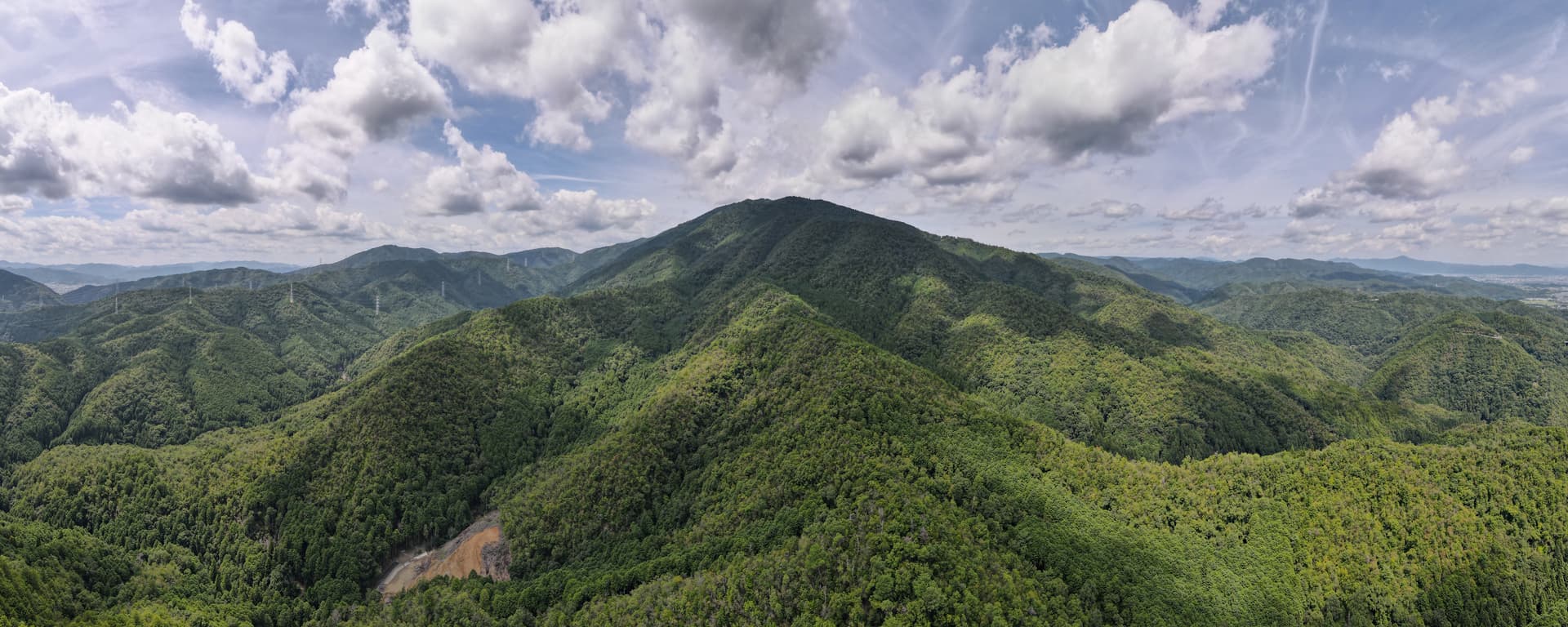
Image of Nariai-ji (成相寺). Image source · CC-BY-3.0
Station 28 of 33
Saigoku Kannon PilgrimageVisit essentials
A quick read before you go
- Duration
- 1.5–2 hours on site; allow half day from Amanohashidate including ropeway/cable and shuttle bus
- Access
- From Amanohashidate Station: ferry or walk to Ichinomiya, cable car/lift up to Kasamatsu Park,…
Overview
Nariai-ji is temple 28 of the thirty-three-station Saigoku Kannon Pilgrimage, a route that has organized Kansai Kannon devotion for more than a thousand years. At 328 m above Amanohashidate, one of Japan's three classic scenic views, it enshrines a Heian-period Shō Kannon hidden for 33-year cycles. The beloved mihagigui or 'Substitute Kannon' legend says the image gave its thigh to feed a starving monk; Nariai means 'wishes come true.'
Tradition attributes the temple's 704 CE foundation to Shin'no Shōnin under Emperor Mommu. A 1400 landslide prompted relocation to the present site; the main hall was rebuilt in 1774 and a five-story pagoda added in 2005.
Nariai-ji formed the independent Hashidate Shingon-shū in 2007 after separating from Kōyasan Shingon-shū. It carries Kūkai-lineage esoteric practice in a local Tango/Amanohashidate identity, with medieval Shugendō heritage and National Historic Site precincts.
Why this place is sacred
At 328 m, Nariai-ji looks down on the Amanohashidate sandbar, one of Japan's three classic scenic views. Its National Historic Site precincts carry medieval Shugendō heritage and a Heian-period Shō Kannon hidden for 33-year cycles. The temple name means 'wishes come true.'
Its mihagigui or 'Substitute Kannon' legend centers self-sacrifice. A solitary monk wintering on Mt. Nariai became so hungry that he considered breaking his vegetarian vow when a wounded deer appeared. He cut, boiled, and ate a piece of its thigh; the Kannon image is understood to have given its own thigh to feed him.
Experience and orientation
Pilgrims describe the steep approach, the panoramic view of Amanohashidate from the temple's overlook, and the intimate scale of the main hall as deeply moving; many specifically come for the Substitute Kannon legend.
Context and lineage
Traditionally 704 CE by Shin'no Shōnin under Emperor Mommu; relocated to current site after a 1400 landslide; main hall rebuilt 1774; five-story pagoda added 2005 Shin'no Shōnin (founder, legendary); Imperial sponsorship of Emperor Mommu; medieval Shugendō community; modern Hashidate Shingon sect leadership A solitary monk wintering on Mt.
Traditions and practice
Shingon kuyō and esoteric chant; Hannya Shingyō and Kannon-kyō recitation; Saigoku nōkyō issuance; rare 33-year hibutsu kaichō (next anticipated 2038, last 2005)
Hashidate Shingon-shū (橋立真言宗)
ActiveIndependent Shingon school founded by Nariai-ji in 2007 after separation from Kōyasan Shingon-shū. Carries forward Kūkai-lineage esoteric Buddhist practice with localized Tango/Amanohashidate identity.
Esoteric Shingon liturgy (kuyō, mikkyō rites); Hannya Shingyō and Kannon-kyō recitation; Saigoku nōkyō stamping; Shugendō-flavored mountain practice (historical heritage)
Perspectives and open questions
The 704 founding tradition is legendary; the temple's continuous existence is well attested from the medieval period when it functioned as a Shugendō yamabushi training site. Local devotion centers on the Substitute Kannon miracle — the compassionate bodhisattva who literally bears the consequences of human frailty — and on the 'wishes come true' meaning of the name.
Scholarly perspective
The 704 founding tradition is legendary; the temple's continuous existence is well attested from the medieval period when it functioned as a Shugendō yamabushi training site. The 2007 establishment of an independent Hashidate Shingon-shū reflects modern reorganization rather than ancient lineage.
Living and traditional perspectives
Local devotion centers on the Substitute Kannon miracle — the compassionate bodhisattva who literally bears the consequences of human frailty — and on the 'wishes come true' meaning of the name.
Alternative interpretations
Shingon esoteric reading: Shō Kannon as the unadorned root form from which the multiplicity of Kannon emanations springs; the five-story pagoda (2005) as a stupa-axis aligning earth, the temple, and the cosmic Buddha.
Plan your visit
Access and arrival
From Amanohashidate Station: ferry or walk to Ichinomiya, cable car/lift up to Kasamatsu Park, then Tankai shuttle bus to temple (~7 min, every ~30 min, 1,120 yen round trip). Direct car access via mountain road also available. Hours 8:00–16:30
Respectful visit
Permitted on grounds; no flash inside main hall; do not photograph hibutsu altar curtain
Coin offerings, incense, candles; nōkyō fee at pilgrim office
Gates locked outside 8:00–16:30; no entry after closing; honzon concealed (33-year cycle)
Current practical details
Address
339 Nariaiji, Miyazu, Kyoto 629-2241, Japan
Phone
Hours
Hours, fees, and access can change — verify on the official source before you travel. Practical details last checked Jun 2026.
Location
Map loads as you approach this section.
Pilgrim reflections
A portrait of encounter, not a score
Pilgrims describe what they felt, how present they could become, and whether the place would shape a journey. There are no stars and no ranking of traditions.
No reviewed reflections yet
The first pilgrims can help describe the character of being here.
Share a reflection
Available after an account-backed “Been there.” Every reflection is reviewed before publication.
Nearby sacred places
Explore other sacred places in the region. Proximity does not establish access or travel time; check each place’s guidance.


References
Sources consulted for this page. Source categories describe the publication, not a guarantee that every claim is verified. Traditional accounts and outside interpretations may differ.
- 01Nariai-ji Temple — Another Kyoto / Kyoto TourismofficialTourism authority page
- 02Nariaiji Temple — Amanohashidate Tourist AssociationofficialSubstitute Kannon legend and access
- 03Nariai Mountain Bus — Tango Kairiku KotsuSource contextBus schedule from Kasamatsu Park
- 04Nariaiji Temple - Amanohashidate Travel — japan-guide.comguideVisitor overview
- 05Nariai-ji — Wikipedia contributorsencyclopediaFounding 704, relocated 1400 after landslide; 2007 split from Kōyasan Shingon-shū to form Hashidate Shingon-shū
Pilgrim glossary
- Kannon
- The bodhisattva of compassion, central to many East Asian pilgrimage routes.
- Bodhisattva
- An enlightened being who postpones full nirvana to help others toward awakening.
- Stupa
- A dome-shaped Buddhist monument that holds relics or marks a sacred place.
- Shingon
- An esoteric Japanese Buddhist school emphasizing ritual, mantra, and mandala practice.
Share a photo
Help visitors recognize Nariai-ji. Every submission is reviewed before publication.