Mt. Atago
Kyoto's guardian mountain where fire gods dwell and pilgrims climb toward protection
Understand sacred places, explore living traditions, and learn how to engage respectfully with Pilgrim Map.
Access has not been verified. Check current local guidance before planning a visit.
Kyoto, Kyoto Prefecture, Japan
Read the sources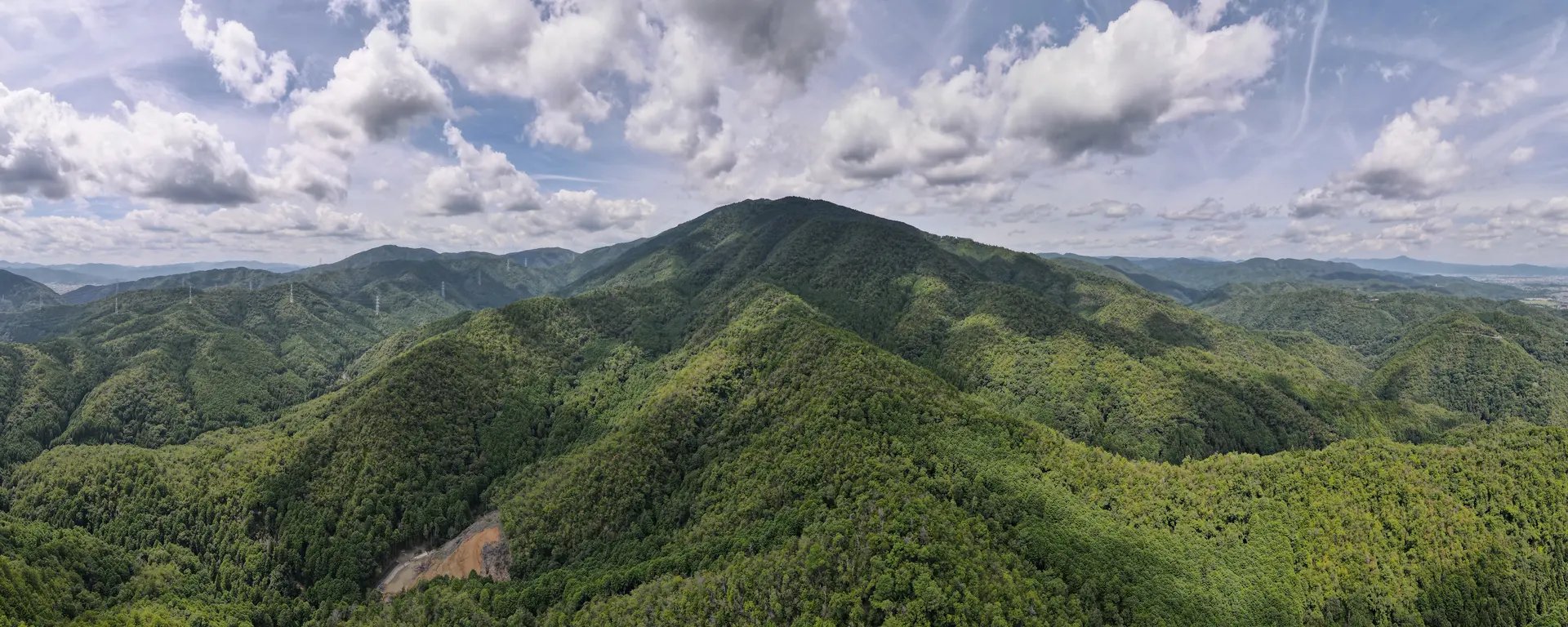
Visit essentials
A quick read before you go
- Duration
- 4-5 hours round trip; longer for contemplation at summit.
- Access
- Mountain accessible year-round; shrine may have specific operating hours.
Overview
Japanese mythology gives fire a tragic birth: Kagutsuchi's flames consumed his mother Izanami as she bore him. Feared and venerated, the fire god could destroy Japan's wooden cities yet, when properly honored, prevent the fires he might cause.
Mount Atago, highest in Kyoto's surrounding ranges, has centered fire-deity worship for over 1,300 years. En-no-gyoja, legendary founder of Shugendo mountain asceticism, recognized it as sacred and opened trails to pilgrims around 700 CE. Its summit shrine became head of approximately 1,000 Atago shrines across Japan, extending fire protection from this peak.
Medieval syncretism formed Atago Gongen from the Shinto fire god, Buddhist Jizo Bosatsu, and tengu spirit Tarobo. In a nation threatened by conflagration, this union made Mount Atago the supreme source of fire protection.
The 4-5 hour summit climb still enacts Shugendo purification. Pilgrims receive fire-prevention blessings and amulets at the shrine. During Sennichi Mairi on July 31, thousands climb through the night within a centuries-old tradition.
Places within this site
Why this place is sacred
The thinness at Mount Atago operates through multiple channels. First is the presence of fire deities who have been worshiped here for over 1,300 years. Kagutsuchi, Atago Gongen, the tengu Tarobo, all are understood to dwell on this mountain. The accumulated devotion of centuries has established it as their home.
Second is the transformative power of the climb itself. In Shugendo understanding, physical hardship in sacred mountains opens practitioners to spiritual realities. The 4-5 hour ascent, especially during the night climb of Sennichi Mairi, works on body and mind to create receptivity. By the time one reaches the summit, the ordinary condition has been altered.
Third is the specific quality of fire worship. Fire is not merely destructive force to be placated but transformative power essential to human life. Properly approached, fire purifies, warms, illuminates, enables cooking and craft. The fire god embodies this ambivalence, and pilgrimage to his seat requires holding both aspects, the danger and the blessing, simultaneously.
At the summit shrine, pilgrims receive amulets and blessings that they understand as genuine protection. The hi-no-yojin charm is carried home to ward off fire. This is not symbolic gesture but actual power, transferred from the mountain's accumulated spiritual capital to the pilgrim's daily life.
En-no-gyoja and Taicho opened the mountain for Shugendo practice around 700 CE, recognizing its spiritual power. The summit shrine developed to honor fire deities and provide protection against conflagration for the wooden capital below.
The mountain has been sacred continuously for over 1,300 years. During the medieval period, syncretistic Atago Gongen worship developed, combining Shinto fire deity with Buddhist and Shugendo elements. The Meiji government's separation of Shinto and Buddhism in 1868 'purified' the shrine, but the mountain's essential character as seat of fire protection remained unchanged.
Experience and orientation
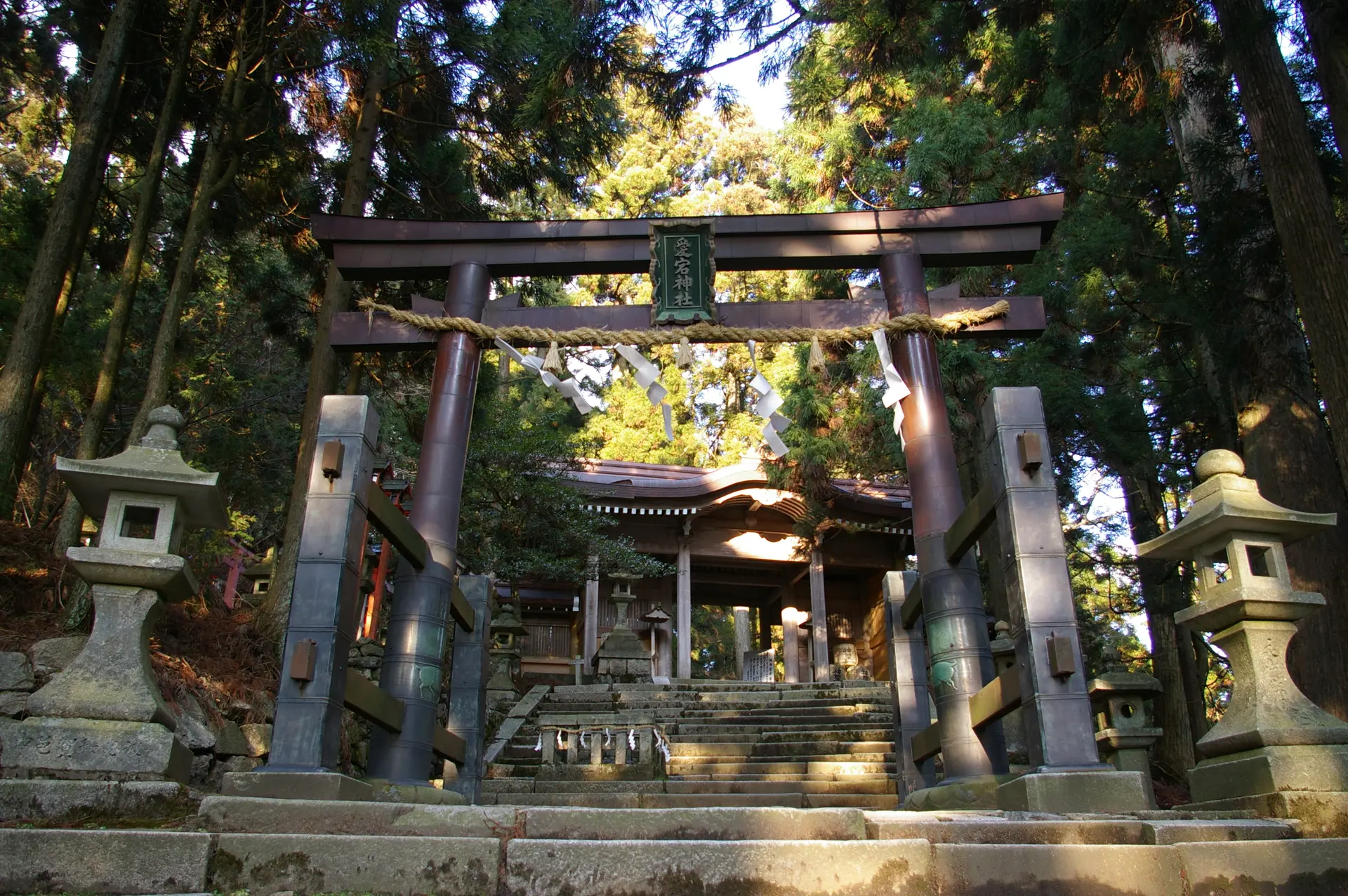
The pilgrimage to Mount Atago begins at Kiyotaki, where a torii gate marks the trail entrance. From this point, the path climbs steadily through forested slopes, passing traditional stone markers and smaller shrines that punctuate the ascent. The trail is well-maintained but consistently demanding, gaining significant elevation over several kilometers.
The forest atmosphere deepens the sense of leaving ordinary world behind. Tall trees, dappled light, the sound of one's own breath and footsteps, these combine to create the focused attention that mountain pilgrimage cultivates. Each step becomes a form of practice, a physical prayer for the protection sought at journey's end.
Reaching the summit after 2-2.5 hours of climbing brings relief and accomplishment. The shrine buildings emerge from the mountain landscape, their traditional forms marking the destination toward which centuries of pilgrims have strived. Prayers are offered, blessings received, fire prevention amulets acquired. The views over Kyoto below remind one of what is being protected.
The descent is physically easier but spiritually important. One carries the mountain's blessing back down to daily life. The amulet in one's pocket represents genuine protective power, drawn from the fire god's own seat.
During Sennichi Mairi on July 31, the experience transforms. Climbing through the night with thousands of others, lanterns and flashlights illuminating the path, the sense of community pilgrimage becomes palpable. A single visit on this night is credited with 1,000 days of blessing.
Begin at Kiyotaki, accessible by bus from Kyoto. Allow 2-2.5 hours for the ascent, longer if you wish to proceed contemplatively. Bring water and snacks. At the summit, follow standard shrine protocol. For Sennichi Mairi, plan for a night climb beginning late on July 31.
Context and lineage
In Japanese mythology, the goddess Izanami died giving birth to Kagutsuchi, the fire god, when his flames burned her. Despite this tragic origin, Kagutsuchi was enshrined at Mount Atago not as destroyer but as protector. En-no-gyoja, the legendary founder of Shugendo, recognized the mountain's spiritual power around 700 CE and opened it for religious practice. Properly honored, the fire god prevents the very fires he could cause.
Mount Atago represents the intersection of Shinto fire deity worship, Shugendo mountain asceticism, and Buddhist influence. The shrine at the summit is the head shrine of approximately 1,000 Atago shrines across Japan, each extending the mountain's protective power to local communities.
En-no-gyoja
Opener of mountain
Taicho
Temple founder
Kagutsuchi
Fire deity
Traditions and practice
Shugendo practitioners have used Mount Atago for ascetic training for over 1,300 years. The physical hardship of the climb serves as purification. Fire prevention prayers and blessings have protected Kyoto and other wooden cities from conflagration. The Sennichi Mairi night pilgrimage on July 31 has been observed for centuries.
Year-round pilgrimage continues to the summit shrine. Fire prevention prayers are offered and hi-no-yojin amulets distributed. The monthly festival on the 24th (Jizo's day, connected to Atago Gongen) draws additional worshipers. The Sennichi Mairi on July 31 - August 1 attracts thousands for the night climb.
Approach the climb as spiritual practice, not merely hiking. Set an intention before beginning. Maintain awareness during the ascent, letting physical effort quiet mental chatter. At the summit, offer prayers and receive blessing. Carry an amulet home as tangible connection to the mountain's protective power. If possible, participate in Sennichi Mairi to experience the communal dimension of this pilgrimage.
Shinto
ActiveMount Atago enshrines Kagutsuchi, the fire god, at its summit. This shrine is the head of approximately 1,000 Atago shrines across Japan, forming a network of fire protection. The shrine has guarded Kyoto from fire for over 1,300 years.
Pilgrimage to summit shrine, Sennichi Mairi festival on July 31 - August 1, prayers for fire prevention, acquisition of hi-no-yojin protective amulets
Shugendo
ActiveMount Atago was opened for Shugendo practice by En-no-gyoja around 700 CE. Mountain asceticism here purifies practitioners through physical effort and connects them to the mountain's spiritual power.
Mountain asceticism, pilgrimage as spiritual discipline, offerings at stations along the path, integration of physical and spiritual practice
Perspectives and open questions
Mount Atago can be understood through Shinto theology, Shugendo practice, and historical analysis of fire in Japanese culture.
Scholarly perspective
Mount Atago represents an important example of Japanese mountain worship and the development of syncretic religious practice. The fusion of Shinto fire deity worship with Buddhist Jizo veneration and Shugendo mountain asceticism created a unique religious complex. The mountain's role in protecting Kyoto from fire reflects the practical concerns that shaped Japanese spirituality in a nation of wooden architecture.
Living and traditional perspectives
In Shinto tradition, Kagutsuchi genuinely dwells on Mount Atago and provides protection when properly honored. The mountain is alive with spiritual presence, and the pilgrimage path itself is sacred space. The hi-no-yojin amulets carry actual protective power derived from the fire god's blessing.
Alternative interpretations
Some view Mount Atago as a powerful energy center where tengu mountain spirits dwell. The medieval Atago Gongen was depicted riding on a wild boar, and images of boars remain around the shrine, suggesting connections to pre-Buddhist mountain worship. The mountain's geomantic position relative to Kyoto may contribute to its spiritual significance.
Open questions
The nature of Atago Gongen and his tengu aspects remains partially obscured by the Meiji separation of Shinto and Buddhism. The full history of Shugendo practice on the mountain has not been completely documented. The origin of the Sennichi Mairi tradition and why this particular date was chosen remain questions for further research.
Plan your visit
Access and arrival
Mountain accessible year-round; shrine may have specific operating hours. Free admission. Take bus from Kyoto to Kiyotaki, then begin mountain trail. Taxi to trailhead also possible.
Return to Kyoto for accommodations. No lodging on the mountain. For Sennichi Mairi, plan to climb through the night.
Respectful visit
Hiking attire with proper footwear essential. Bring layers for changing temperatures. Rain gear advisable.
Permitted in most areas including along the trail. Some restrictions may apply at the main shrine building.
Coins for offering boxes at the summit shrine. Prayers for fire protection are the primary devotional act.
{"Prepare adequately for demanding 4-5 hour mountain hike","Bring water and snacks","Respect shrine protocols at summit","Be mindful of weather conditions","Follow marked trails"}
The climb is demanding, typically 4-5 hours round trip. Prepare adequately with proper footwear, water, and snacks. Check weather conditions. The mountain remains sacred space; maintain appropriate reverence throughout.
Current practical details
Address
Mount Atago, Sagaatagocho, Ukyo Ward, Kyoto, 616-8458, Japan
Hours, fees, and access can change — verify on the official source before you travel. Practical details last checked Jun 2026.
Location
Map loads as you approach this section.
Pilgrim reflections
A portrait of encounter, not a score
Pilgrims describe what they felt, how present they could become, and whether the place would shape a journey. There are no stars and no ranking of traditions.
No reviewed reflections yet
The first pilgrims can help describe the character of being here.
Share a reflection
Available after an account-backed “Been there.” Every reflection is reviewed before publication.
Nearby sacred places
Explore other sacred places in the region. Proximity does not establish access or travel time; check each place’s guidance.

References
Sources consulted for this page. Source categories describe the publication, not a guarantee that every claim is verified. Traditional accounts and outside interpretations may differ.
- 01Atago Shrine on Mt. Atago - VisitKansai — VisitKansaiSource contextOfficial tourism information
- 02Atago Shrine (Kyoto) - Wikipedia — Wikipedia contributorsencyclopediaComprehensive overview
- 03Atago Gongen - Wikipedia — Wikipedia contributorsencyclopediaDeity and religious context
- 04Mt Atago, Kyoto: exploring the energy of a sacred mountain — Elemental JapanguideSpiritual pilgrimage perspective
- 05Mt Atago pilgrimage - Green Shinto — Green ShintospiritualShinto religious context
- 06Atago Sennichi Mairi - Traditional Kyoto — Traditional KyotospiritualFestival information
Pilgrim glossary
- Jizo
- A bodhisattva who protects travelers, children, and the deceased; common in Japanese roadside shrines.
- Torii
- The traditional Japanese gate marking the entrance to a Shinto sacred area.
Share a photo
Help visitors recognize Mt. Atago. Every submission is reviewed before publication.