Mt. Asama
Where Honshu's most active volcano embodies the power of fire
Understand sacred places, explore living traditions, and learn how to engage respectfully with Pilgrim Map.
Access has not been verified. Check current local guidance before planning a visit.
Komoro, Nagano Prefecture, Japan
Read the sources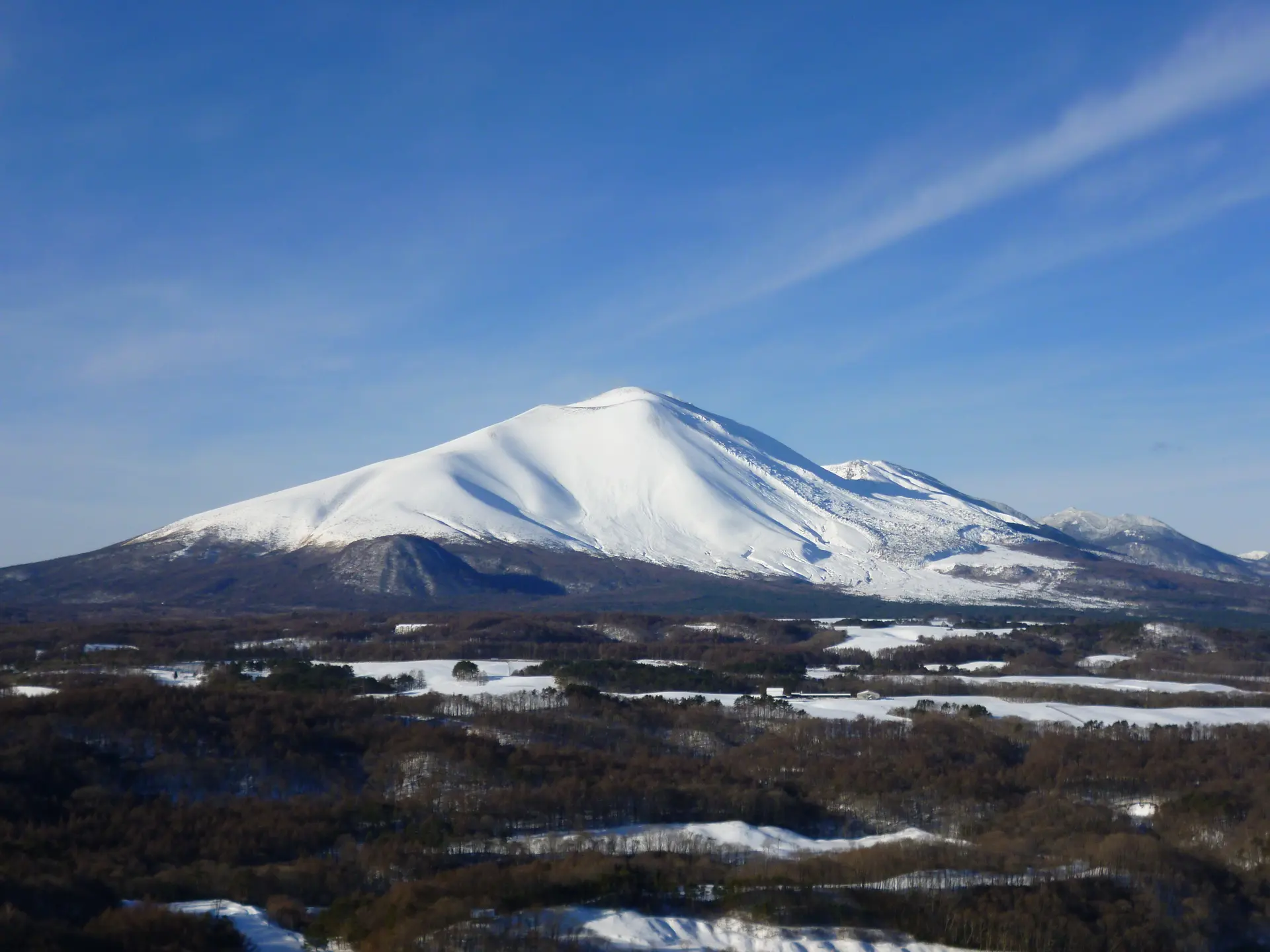
Visit essentials
A quick read before you go
- Duration
- Half day for park and shrine visits.
- Etiquette
- Standard shrine etiquette at Asama shrines.
Overview
Smoke never stops rising from Mount Asama's crater. At 2,568 meters, Japan's most active volcano on Honshu has erupted regularly throughout recorded history, most recently in 2019. Its activity makes visible the subterranean fire and power that shape the Japanese archipelago.
'Asama' derives from an old Japanese term meaning volcano. Shrines bearing the name throughout Japan are dedicated to the volcano goddess Konohanasakuya-hime, also enshrined at Mount Fuji. Mount Asama worship appears in the Man'yoshu, Japan's oldest poetry anthology, compiled in the 8th century, showing a tradition contemporary with Mount Fuji veneration.
Each plume, tremor, and eruption renews the holiness that ancient observers recognized as divine. The smoking crater and shaking ground offer modern visitors an encounter with geological force beyond metaphor: a mountain worshipped for over a millennium that remains unmistakably alive.
Why this place is sacred
The sacred quality of Mount Asama differs from dormant peaks. There is no need to imagine or remember the power here—it announces itself through smoke visible from miles away, through the occasional rumble felt in surrounding villages, through eruptions that reshape the landscape in real time.
Japanese mountain worship often centers on peaks that seem to touch heaven, that rise above ordinary geography into realms of mist and mystery. Mount Asama adds another dimension: fire. The volcano connects not only upward to heaven but downward to forces that create and destroy land itself.
The goddess Konohanasakuya-hime embodies this dual nature. In Shinto mythology, she is associated with both cherry blossoms—ephemeral beauty—and volcanic fire—transformative power. The pairing seems paradoxical until one sees Mount Asama's slopes covered in spring blossoms while smoke rises from the summit above. Beauty and danger coexist here; the mountain teaches that they always do.
The Man'yoshu references indicate that worship traditions here developed alongside Mount Fuji veneration, suggesting that ancient Japanese recognized both peaks as manifestations of the same volcanic divine presence. Mount Fuji's quiet dormancy and Mount Asama's continuous activity represent two modes of the same power—sleeping and waking, potential and actual.
Ancient volcano worship recognized Mount Asama as a manifestation of divine fire. The goddess Konohanasakuya-hime was enshrined to honor and perhaps propitiate the power that could both destroy and create.
From ancient worship documented in the 8th century Man'yoshu through the development of Asama shrine traditions, the mountain has maintained its sacred status through continuous volcanic activity that makes the original recognition perpetually relevant.
Experience and orientation
The approach to Mount Asama reveals a landscape shaped by fire. Lava fields from historical eruptions create terrain unlike anywhere else in Japan. The vegetation patterns tell stories of destruction and recovery—where lava flowed, where ash fell, where life returned.
Current volcanic activity restricts summit access. The mountain cannot be casually conquered; it sets its own terms. Visitors typically experience Asama from designated viewing areas where the smoking crater remains visible but safely distant. This restriction, far from diminishing the experience, amplifies it. The danger is real. The boundary matters.
Oni-oshidashi Park preserves a lava field from the 1783 eruption, one of Asama's most destructive. Walking among the twisted rock formations, visitors encounter direct evidence of volcanic power—frozen flows that buried villages, killed thousands, and created this strange beautiful terrain. The park makes tangible what the smoking crater implies.
Nearby Asama shrines offer connection to the worship tradition. These modest structures—far less grand than famous shrines elsewhere—carry the weight of genuine local devotion. Communities living in Asama's shadow have worshipped here for centuries, seeking protection from the power they cannot control.
The mountain is monitored constantly. The Japan Meteorological Agency classifies Mount Asama as rank A—the highest volcanic hazard level. Visitors should check current conditions before approaching. The volcano that demanded ancient respect continues to demand modern caution.
Viewing areas and Oni-oshidashi Park provide primary access for most visitors. Check volcanic activity status before visiting as restrictions change with conditions. Karuizawa and surrounding areas offer base access to the region.
Context and lineage
The worship of Mount Asama predates historical records. When the Man'yoshu, Japan's oldest poetry anthology, was compiled in the 8th century, it already contained references to the sacred mountain, indicating established traditions. The goddess Konohanasakuya-hime—also called Sengen-sama—became associated with both Mount Asama and Mount Fuji as the divine presence within Japan's volcanic peaks.
Asama shrine traditions connect to the broader network of volcano worship throughout Japan, with the goddess Konohanasakuya-hime linking Mount Asama to Mount Fuji and other volcanic peaks.
Konohanasakuya-hime
Goddess of volcanoes and cherry blossoms, enshrined at Asama shrines
Traditions and practice
Traditional practice involved worship at Asama shrines seeking the goddess's protection from eruption and her blessing for agriculture in the fertile volcanic soil. The mountain's power was acknowledged through offerings and prayers.
Asama shrines continue to receive worship. The volcano's ongoing activity maintains awareness of the divine power ancient traditions recognized. Access varies with volcanic conditions.
Visit Oni-oshidashi Park to encounter evidence of the volcano's power. Worship at nearby Asama shrines to connect with the tradition. View the smoking crater from designated areas with appropriate respect for both the beauty and the danger.
Asama / Volcano Worship
ActiveMount Asama represents ancient Japanese volcano worship, with traditions documented since the 8th century Man'yoshu. The mountain is dedicated to the goddess Konohanasakuya-hime, linking it to Mount Fuji and broader volcanic divinity traditions.
Worship at Asama shrines, volcano deity veneration, respect for the mountain's power.
Perspectives and open questions
Mount Asama invites interpretation as living geological force, as manifestation of the volcano goddess, and as continuous reminder of the power that shapes Japan.
Scholarly perspective
Geologists monitor Mount Asama as one of Japan's most hazardous volcanoes. Religious scholars recognize the mountain's significance in the development of volcano worship traditions contemporary with Mount Fuji.
Living and traditional perspectives
In Shinto understanding, the volcano manifests the presence of Konohanasakuya-hime, the goddess of volcanic fire. The continuous activity represents ongoing divine presence.
Open questions
Pre-historic worship traditions at the volcano remain undocumented. The full extent of ancient practices is uncertain.
Plan your visit
Access and arrival
Karuizawa offers extensive accommodation options as a major resort area.
Respectful visit
Hiking attire for viewing areas and park visits. Modest dress at shrines.
Generally permitted at viewing areas and shrines.
Standard shrine offerings at Asama shrines.
{"Follow all volcanic activity warnings","Respect restricted zones absolutely","Check current conditions before visiting"}
Mount Asama is an active volcano with ongoing hazard. Check current volcanic activity status before visiting. Summit access may be restricted. Follow all official guidance and respect restricted zones.
Current practical details
Address
Mount Asama, Kanbara, Tsumagoi, Agatsuma District, Gunma 377-1524, Japan
Hours, fees, and access can change — verify on the official source before you travel. Practical details last checked Jun 2026.
Location
Map loads as you approach this section.
Pilgrim reflections
A portrait of encounter, not a score
Pilgrims describe what they felt, how present they could become, and whether the place would shape a journey. There are no stars and no ranking of traditions.
No reviewed reflections yet
The first pilgrims can help describe the character of being here.
Share a reflection
Available after an account-backed “Been there.” Every reflection is reviewed before publication.
Nearby sacred places
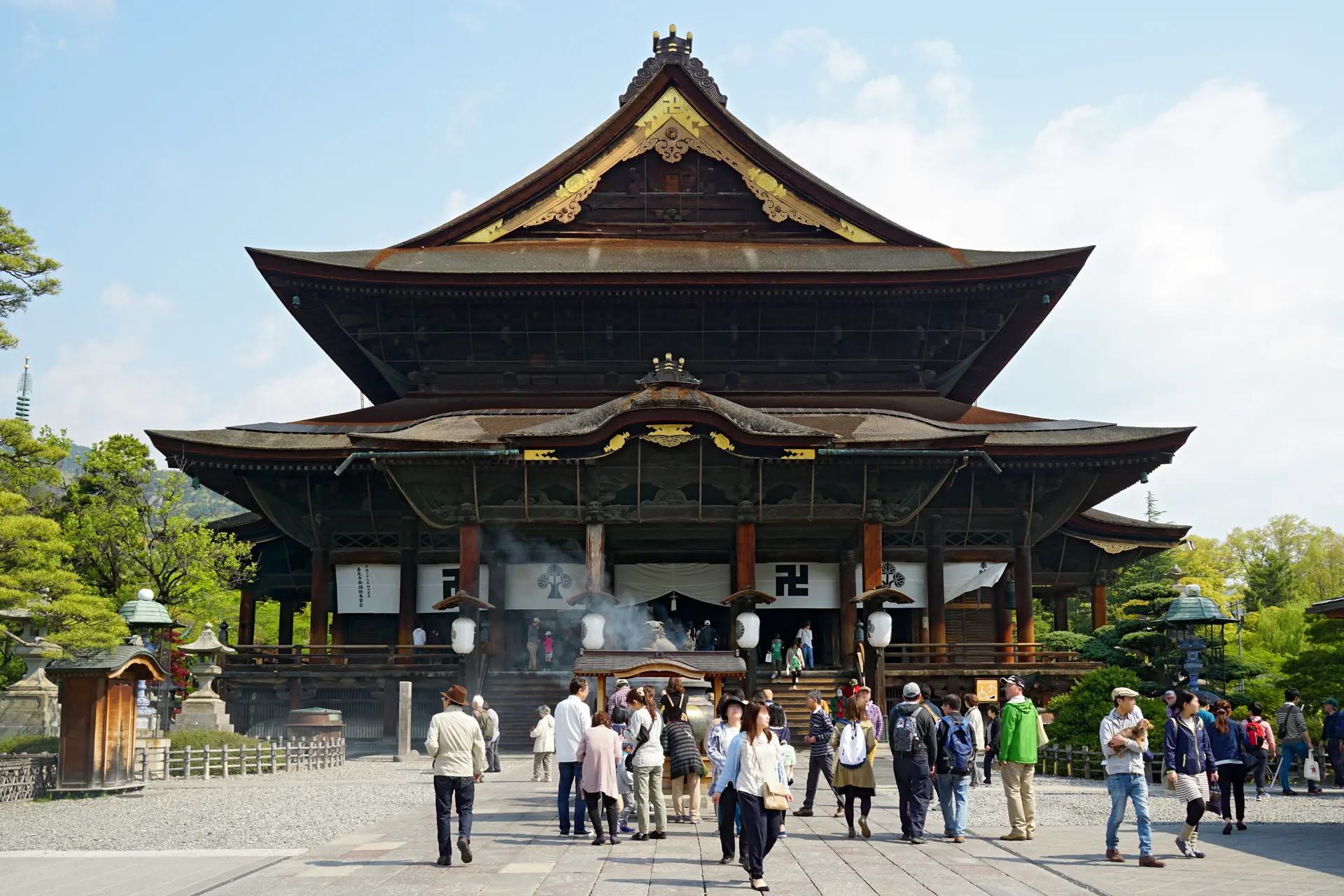
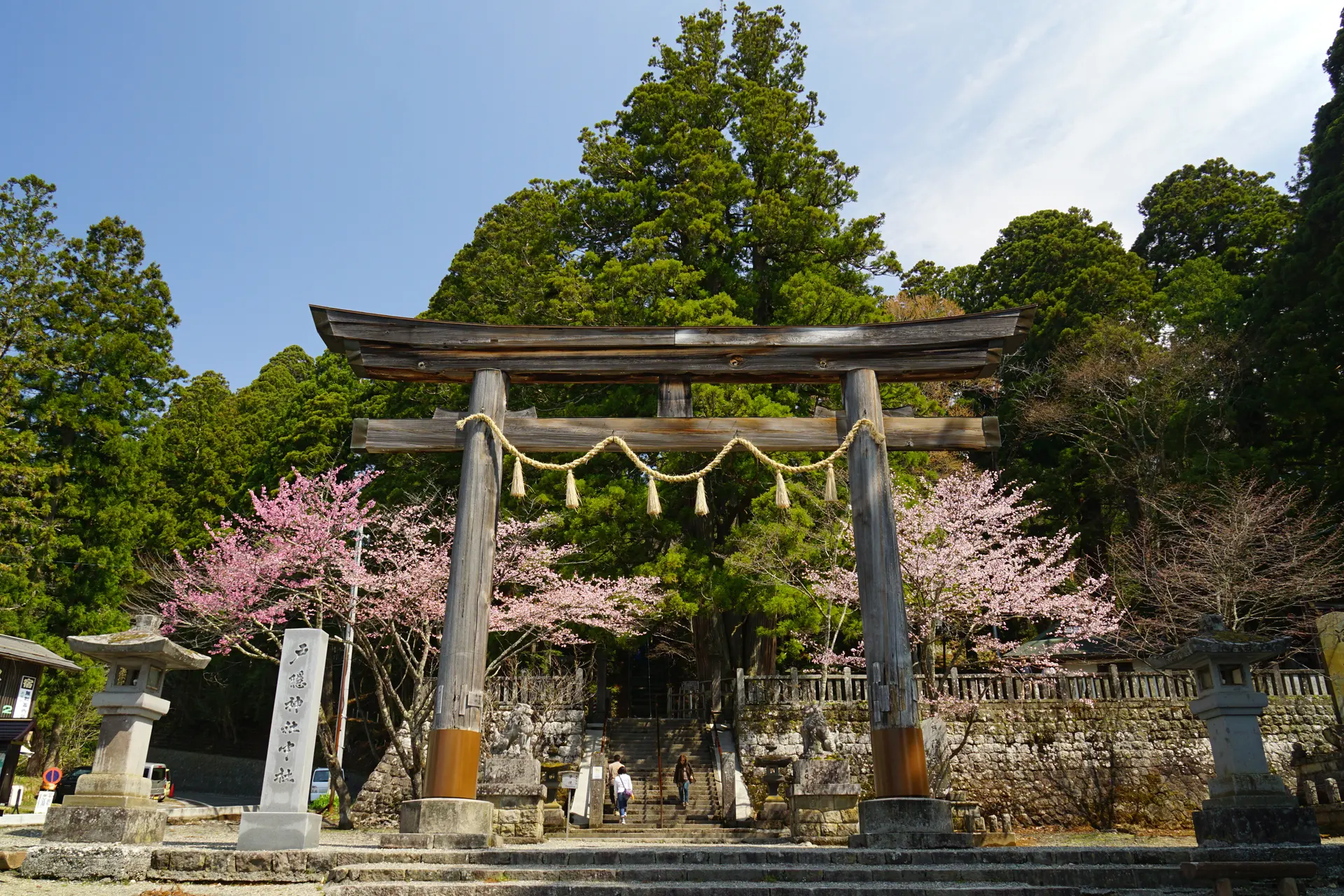
Explore other sacred places in the region. Proximity does not establish access or travel time; check each place’s guidance.


References
Sources consulted for this page. Source categories describe the publication, not a guarantee that every claim is verified. Traditional accounts and outside interpretations may differ.
- 01Mt. Asama - JNTO — Japan National Tourism OrganizationofficialOfficial tourism information
- 02Mount Asama - Wikipedia — Wikipedia contributorsencyclopediaVolcano overview
- 03Mountain Worship in Japan — Japan UnknownacademicContext on mountain worship
Share a photo
Help visitors recognize Mt. Asama. Every submission is reviewed before publication.