Sleeping Bear Dunes, Michigan
Where a mother bear still watches the waters for her lost cubs, now islands in Lake Michigan
Empire, Michigan, United States

Visit essentials
Before you go
- Duration
- A half day allows visiting the main overlooks and Dune Climb.
- Etiquette
- Visitors to Sleeping Bear Dunes should respect both the natural environment and its Indigenous…
Overview
Sleeping Bear Dunes National Lakeshore preserves 71,000 acres of perched dunes, Lake Michigan shoreline, forests, and North and South Manitou Islands. For the Anishinaabe—Ojibwe, Odawa, and Potawatomi peoples here for millennia—this is sacred geography, not scenery alone. The complete mother-bear narrative remains in the origin account. Manitou names spiritual power pervading creation and signals the islands' sacred character.
The story makes the dunes the waiting mother's resting place, the islands memorials for her drowned cubs, and the lake their crossing; it teaches love, loss, faithfulness, and divine compassion. Indigenous presence exceeds ten thousand years, while the known written account dates to 1891. Grand Traverse Band members acknowledge the story while criticizing popular versions that strip deeper Anishinaabe meanings. Tourist introduction is not the full inherited tradition.
Why this place is sacred
From the bluff, the mother-bear story aligns dune, lake, and North and South Manitou Islands into sacred geography. Manitou names spiritual power; Gitche Manitou's response makes the islands memorials to the cubs and the dune the mother's vigil. The landscape becomes teaching about love, loss, faithful waiting, and divine compassion, not a resource or tourist image alone. Visitors can begin attentive reading but receive introduction, not initiation.
Grand Traverse Band concerns about popular simplification mark the boundary: deeper spiritual meaning remains with Anishinaabe inheritors.
Glacial and aeolian processes formed the dunes and islands. Anishinaabe tradition reads this configuration as meaningful teaching about love, loss, divine compassion, reverence, attention, and humility toward land and powers beyond humans.
The Detroit Free Press documented the legend on January 23, 1891; earlier material may appear in Henry Rowe Schoolcraft’s nineteenth-century collecting with Jane Johnston, who was of Ojibwe descent. Federal lakeshore establishment in 1970 brought the story into park interpretation. The land remains Anishinaabe in spiritual relationship even where its legal management is federal; the story belongs to the Anishinaabe while visitors consume both story and federally managed land without fully belonging to either.
Grand Traverse Band members remain critical of simplification as park-tribal relations evolve. Erosion is reducing the tree-covered knoll once seen from the water as the sleeping bear, even as the story persists.
Experience and orientation
Begin at the Empire visitor center for maps and Ojibwe interpretation. Pierce Stocking Scenic Drive offers accessible dune, lake, and island overlooks; the loose-sand Dune Climb is strenuous. Beaches support swimming and sunbathing; Lake Michigan is cold, the sand is clean, and the setting is as beautiful as any beach in the Midwest. Summer ferries serve North and South Manitou Islands for hiking and wilderness camping.
South Manitou has a lighthouse, old-growth cedar forest, and Valley of the Giants; North Manitou is more primitive and offers genuine wilderness solitude. Learn the story before viewing the mother's dune, cubs' islands, and lake crossing. Recreation and attentive learning can coexist, but neither gives outsiders ownership of the tradition.
The lakeshore covers 71,199 acres and 35 miles of Michigan's Lower Peninsula shoreline, including dunes, forests, inland lakes, and both Manitou Islands. Start in Empire; ferries leave Leland in summer. Traverse City is about 25 miles east, while Empire and Glen Arbor offer nearer services.
Context and lineage
The legend exists in multiple versions, all sharing the same basic narrative. A mother bear and her two cubs fled a forest fire in Wisconsin. They plunged into Lake Michigan and swam toward the distant Michigan shore. The mother reached land and climbed a high bluff to watch for her children. But the cubs, exhausted by the long swim, drowned within sight of safety.
The mother waited. She watched. She would not leave. Gitche Manitou, the Great Spirit, was moved by her devotion. He raised two islands from the waters where the cubs had drowned, honoring their bravery. North Manitou and South Manitou stand as their memorial. The winds buried the sleeping mother under sand, where she waits still.
The story teaches multiple lessons. Love persists. Faithfulness is seen. The divine responds to devotion. Loss can be honored without being erased. The landscape embodies these teachings, making them visible to all who learn to see.
The Sleeping Bear legend belongs to the Anishinaabe peoples: the Ojibwe, Odawa, and Potawatomi who form the Council of Three Fires. These peoples have inhabited the Great Lakes region for millennia, developing relationships with the land that are expressed in stories like this one.
The legend participates in broader Anishinaabe traditions of sacred geography, in which landscape features are understood as embodiments of spiritual truth rather than mere natural phenomena. The mountains, lakes, and rivers of the Great Lakes region are not just resources but teachers.
Michigan is home to twelve federally recognized tribes who maintain cultural connections to the Great Lakes landscape. The Grand Traverse Band is particularly associated with the Sleeping Bear region. Their relationship to this story is ongoing, including critical engagement with how the legend has been popularized.
The Mother Bear
Central figure of the legend
The Cubs
Central figures of the legend
Gitche Manitou
The Great Spirit
Henry Rowe Schoolcraft
Collector of Ojibwe legends
Traditions and practice
Storytelling is the primary traditional practice associated with the Sleeping Bear legend. The story was passed from generation to generation as part of the oral tradition that preserved Anishinaabe culture. Telling the story was itself a form of honoring the landscape and maintaining relationship with it.
The landscape was understood as sacred. Approaching sacred places required appropriate attitudes: reverence, attention, humility. The Manitou Islands, named for the spiritual power present in all things, were recognized as places of particular significance.
The National Park Service shares the Ojibwe legend through visitor-center exhibits and ranger programs. Indigenous education also occurs regionally, and park-tribal relations continue to evolve. General visitors may practice attentive seeing—dune as mother, islands as memorial, lake as crossing—without claiming ceremony.
Learn the Ojibwe legend through National Park Service materials before visiting. At overlooks and islands, attend to the story and the meaning of Manitou. Across cultural backgrounds, visitors may reflect on love, loss, faithfulness, and divine response and carry that learning into their own lives without claiming the tradition. Reflect without inventing ritual: the visitor role is to learn, appreciate, and respect Anishinaabe ownership of the tradition.
Ojibwe/Anishinaabe Sacred Geography
ActiveThe Anishinaabe understand the Sleeping Bear Dunes and Manitou Islands as sacred geography, landscape features that embody spiritual truths. The legend of the sleeping bear teaches about love, loss, faithfulness, and divine compassion. The name Manitou identifies the islands as places of spiritual power.
Storytelling and cultural preservation. Recognition of the landscape as sacred. Engagement with the National Park Service on interpretation and management. The specific traditional practices of contemporary tribal members are not publicly documented.
Great Lakes Natural Sacred Site
ActiveThe Sleeping Bear Dunes represent a type of sacred site centered on natural landscape rather than human construction. The holiness is in the land itself, identified and interpreted by human tradition but not dependent on human activity. Michigan is home to twelve federally recognized tribes who maintain cultural connections to the Great Lakes landscape.
Contemplation, respect, attention to the land. Learning and sharing the stories that interpret the landscape. Advocacy for protection and appropriate management.
Perspectives and open questions
Sleeping Bear Dunes is understood through geological, recreational, and Indigenous frameworks. Geologically, it is a product of glacial and aeolian processes. Recreationally, it is one of the premier natural areas in the Great Lakes region. For the Anishinaabe, it is sacred geography embodying spiritual truths. These perspectives coexist in the same landscape.
Scholarly perspective
Geologists understand the Sleeping Bear Dunes as perched dunes, formed when wind-blown sand accumulated on top of glacial moraines. The dunes rise up to 450 feet above lake level, among the highest in the Great Lakes region. The landscape is dynamic, shaped by ongoing wind and water erosion.
Anthropologists and historians have traced Indigenous presence in the region back over ten thousand years. The Ojibwe legend was first documented in English in 1891, though oral tradition extends much further. Scholars like those working with Henry Rowe Schoolcraft in the nineteenth century helped preserve Anishinaabe narratives, though the process of documentation inevitably changed what it preserved.
Living and traditional perspectives
Anishinaabe tradition understands the dunes, lake, and islands as sacred geography teaching love, loss, faithfulness, and divine compassion. Manitou names spiritual power present throughout creation and particularly concentrated in certain places; North and South Manitou Islands are such places. Grand Traverse Band members have criticized tourist versions that retain the outline but lose deeper meaning.
Alternative interpretations
No significant alternative or esoteric interpretations complicate understanding of Sleeping Bear Dunes. The site is understood through geological, recreational, and Indigenous frameworks without substantial fringe theories.
Open questions
Outsiders do not know the full pre-contact or inherited tradition. The 1891 written account is one version, earlier forms may differ, and broader cosmological relationships may not be documented or shared. The full tradition belongs to its inheritors.
Plan your visit
Access and arrival
Campgrounds within the park, including on the Manitou Islands. Lodging in Empire, Glen Arbor, and Traverse City. The region is oriented toward tourism with extensive accommodations available.
Respectful visit
Appropriate outdoor clothing for Great Lakes shoreline conditions. Sun protection in summer. Good shoes for dune climbing, which involves strenuous walking on loose sand. Swimwear for beach areas. The weather can change quickly; bring layers.
Photography is permitted throughout the park. Use respectfully. The landscape is both natural feature and sacred geography. Let your photographs reflect both dimensions.
Not applicable for general visitors. Do not leave offerings or create makeshift shrines. The story is not yours to ritualize.
{"National park entrance fee required ($25 per vehicle, 7 days)","Follow all park regulations","Stay on designated trails in sensitive areas","Pack out all waste","Do not disturb natural features","Do not create rituals or leave offerings"}
Grand Traverse Band members warn that tourist retellings simplify deeper sacred meaning. Treat what is shared as introduction, not initiation; do not appropriate practices or claim knowledge you do not possess.
Location
Map loads as you approach this section.
Pilgrim reflections
A portrait of encounter, not a score
Pilgrims describe what they felt, how present they could become, and whether the place would shape a journey. There are no stars and no ranking of traditions.
No reviewed reflections yet
The first pilgrims can help describe the character of being here.
Share a reflection
Available after an account-backed “Been there.” Every reflection is reviewed before publication.
Nearby sacred places
Explore other sacred places in the region. Proximity does not establish access or travel time; check each place’s guidance.
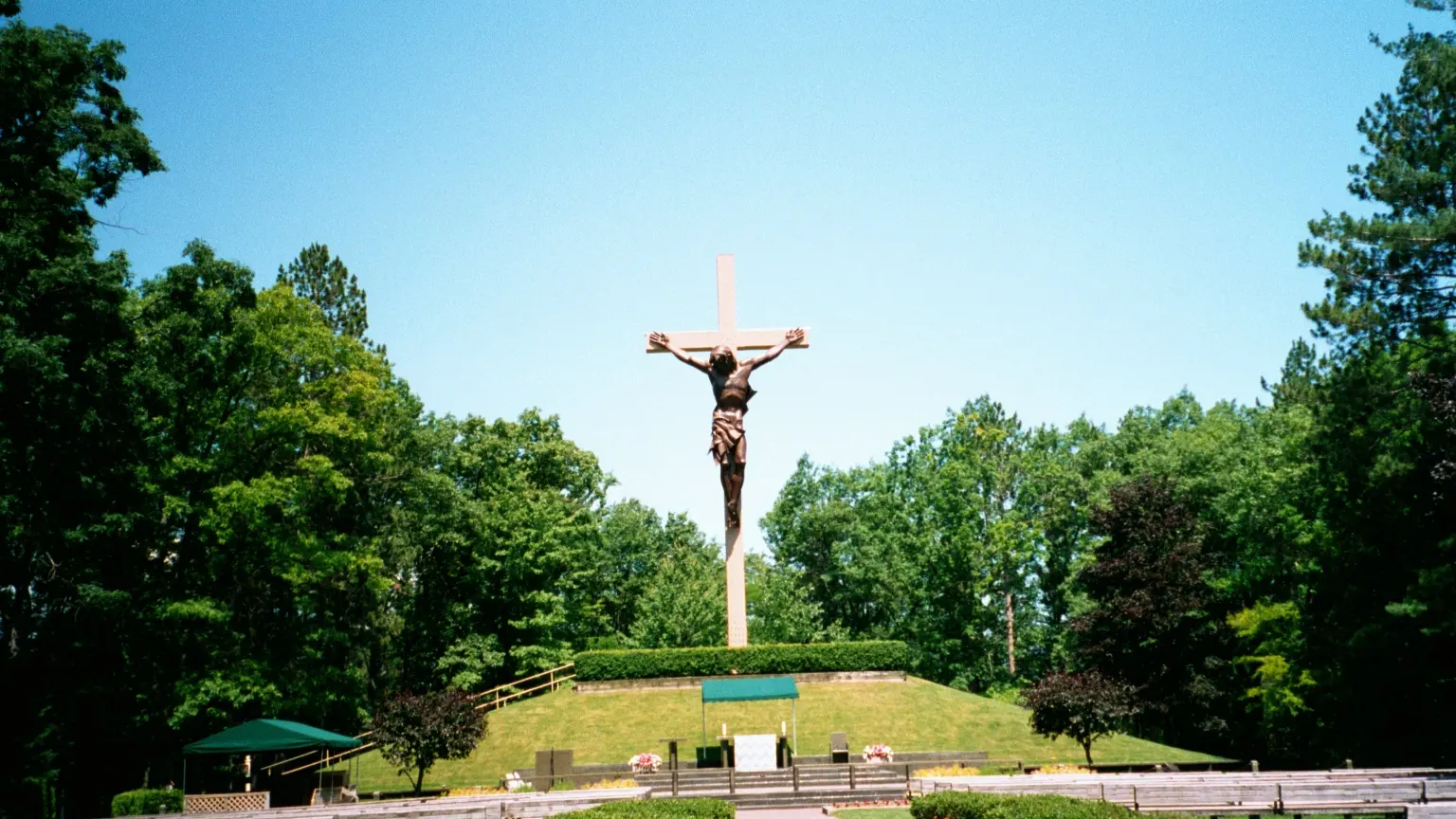
National Shrine of the Cross in the Woods, Indian River, Michigan
Indian River, Michigan, United States
125.0 km away
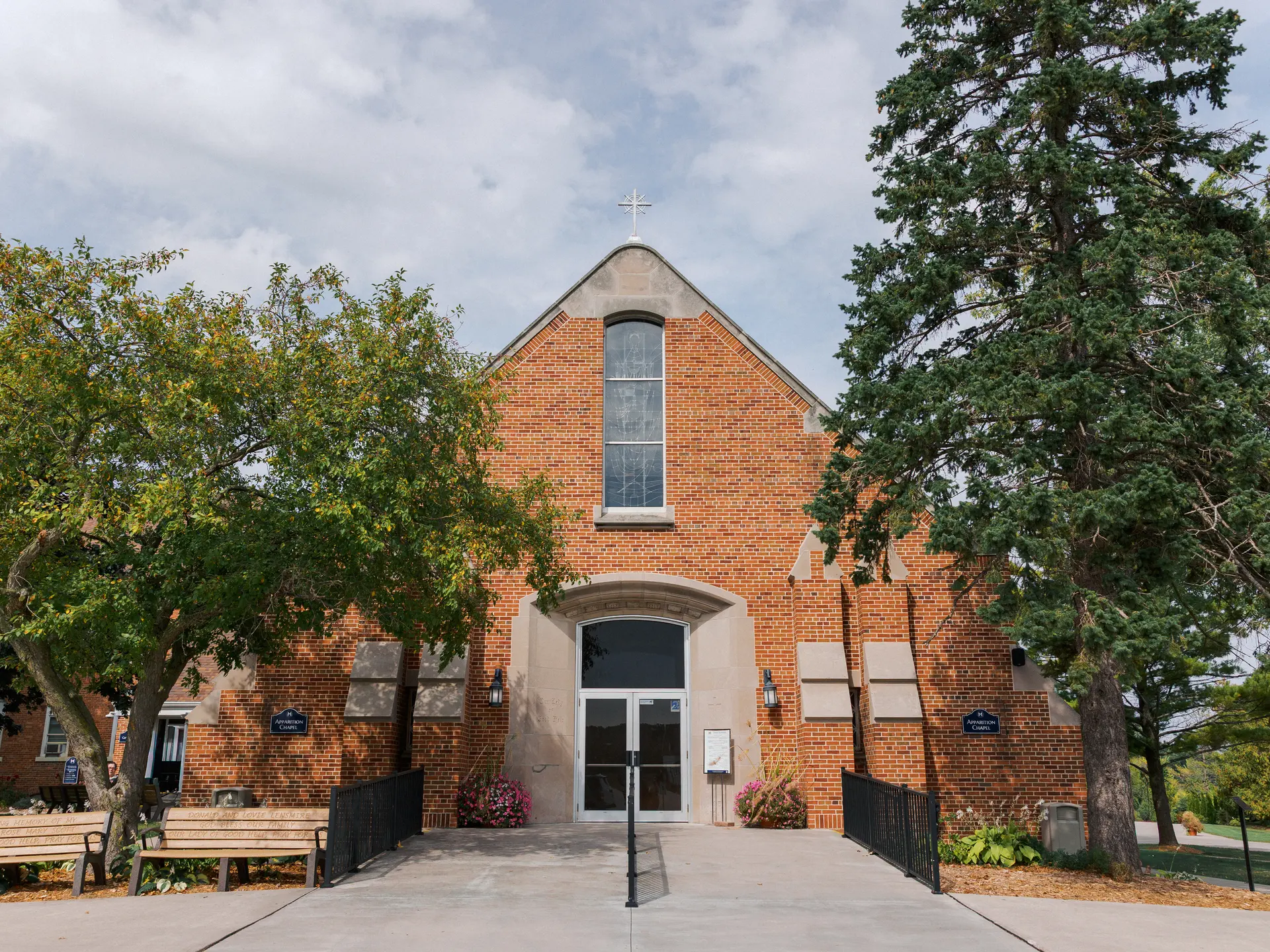
Shrine of Our Lady of Good Help
Champion, Wisconsin, United States
140.3 km away
Norton Mound Group
Grand Rapids, Michigan, United States
208.9 km away
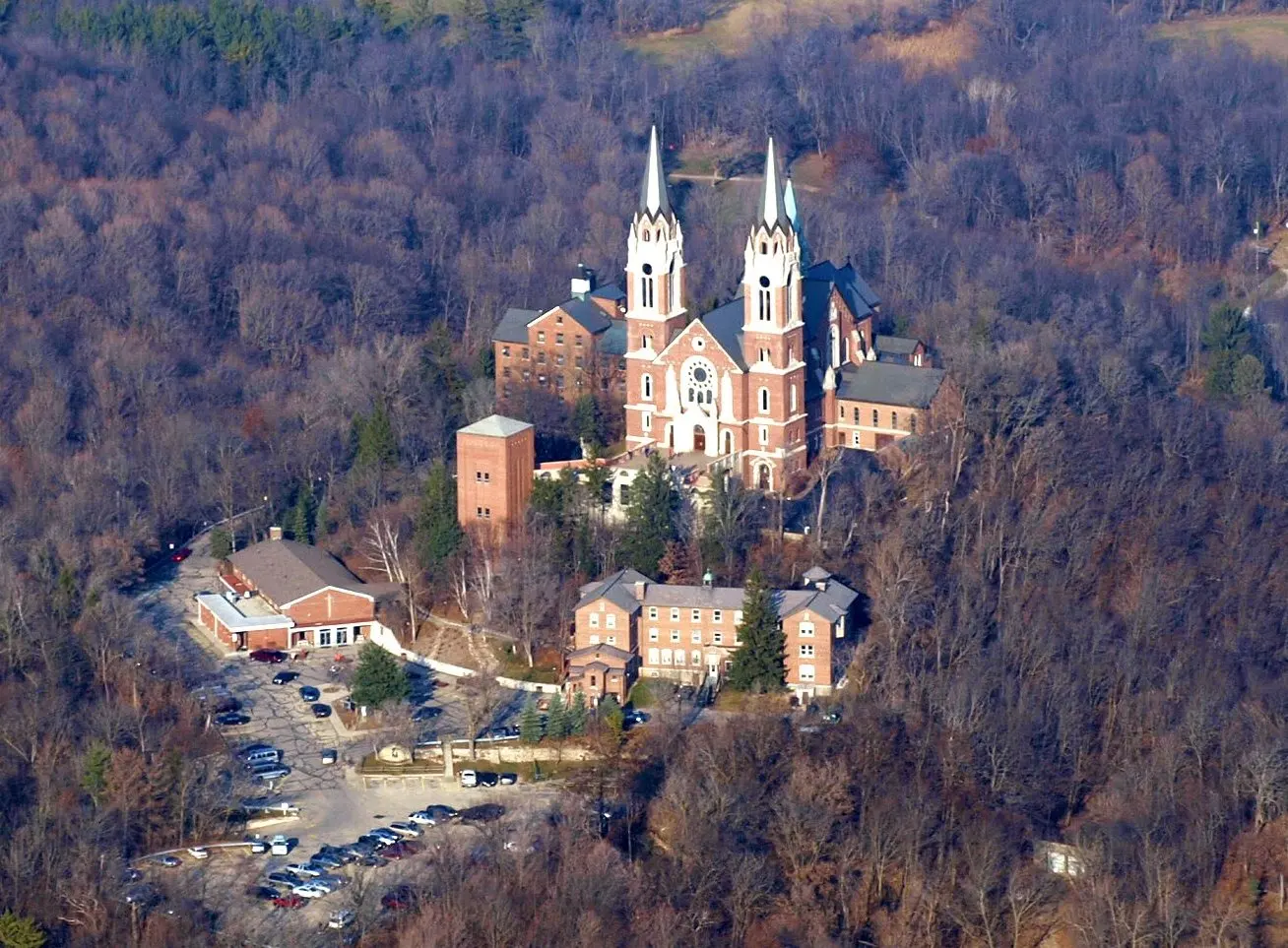
Holy Hill National Shrine of Mary
Hubertus, Wisconsin, United States
260.5 km away
References
Sources consulted for this page. Source categories describe the publication, not a guarantee that every claim is verified. Traditional accounts and outside interpretations may differ.
- 01The Mother Bear and Cubs of Sleeping Bear Dunes — U.S. National Park ServiceofficialOfficial NPS documentation
- 02Sleeping Bear Dunes National Lakeshore — WikipediaencyclopediaGeneral reference
- 03Pure Michigan and Its Indigenous Storytellers — MidstorynewsAnalysis of Indigenous storytelling and tourism
Share a photo
Help visitors recognize Sleeping Bear Dunes, Michigan. Every submission is reviewed before publication.