Aztalan Mounds, Wisconsin
A thousand-year-old ceremonial center where Mississippian cosmology met the Wisconsin frontier
Understand sacred places, explore living traditions, and learn how to engage respectfully with Pilgrim Map.
Access has not been verified. Check current local guidance before planning a visit.
Lake Mills, Wisconsin, United States
Read the sources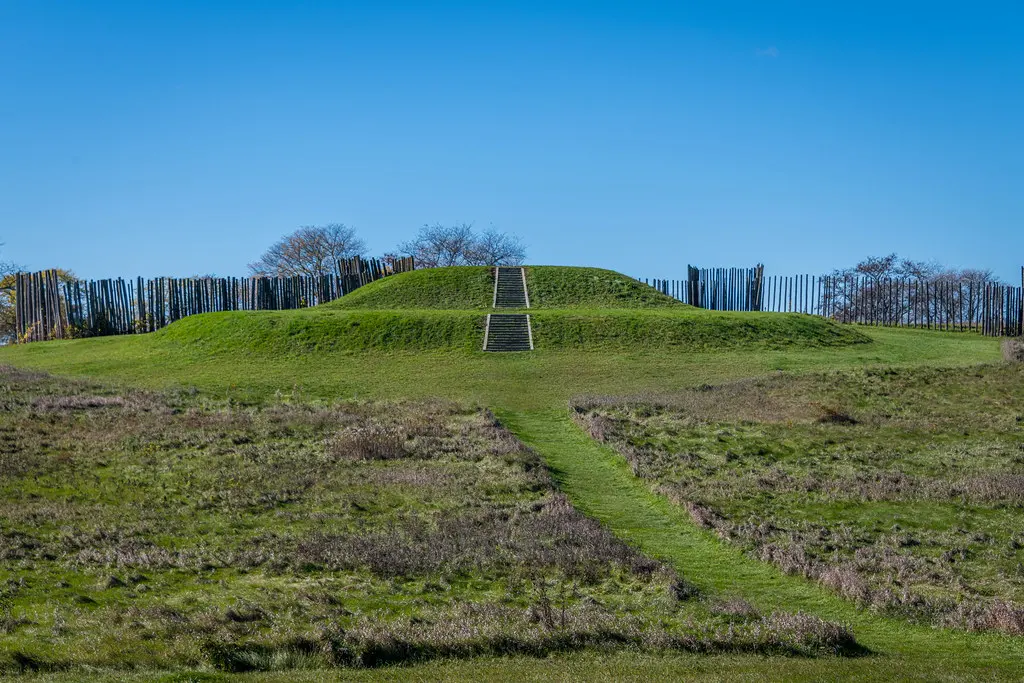
Image of Aztalan Mounds, Wisconsin. Image source
Visit essentials
A quick read before you go
- Duration
- 1-2 hours for a thorough walking tour of the site.
- Etiquette
- Aztalan is a state park open to the public, but it is also a sacred site to Native American…
Overview
Aztalan's grass-covered platform mounds rise modestly from the Wisconsin prairie, yet visitors consistently report a quietly insistent presence, as though the land holds memory.
From roughly 1000 to 1200 CE, it was one of the upper Midwest's most significant settlements. Mississippian peoples from Cahokia built temple-topped mounds and a twelve-foot stockade, ritually extinguished and relit sacred fires in cosmic renewal, and understood a spring within the site as an underworld entrance. Aztalan was abandoned around the time Cahokia declined, for reasons still unknown.
Now a state park and National Historic Landmark, Aztalan includes reconstructed stockade walls that evoke what visitors encountered a thousand years ago. The Ho-Chunk Nation and other contemporary Native American communities recognize it as part of their cultural heritage and occasionally hold traditional ceremonies on grounds where their ancestors may have walked.
Why this place is sacred
The Mississippian cosmology that shaped Aztalan divided existence into three realms: the upper world of celestial powers, the lower world accessible through water and caves, and the middle world of human life. Sacred sites were designed to facilitate movement between these realms, and Aztalan incorporated multiple threshold features.
The platform mounds served as elevated foundations for temples, lifting ceremonies and sacred fires closer to the upper world. The northeast ceremonial mound was oriented toward the rising sun, its surface covered with light-colored clay, its fire pits filled with charcoal interspersed with white sand understood as a purifying material. These fires connected earthly ritual to celestial power.
A natural spring within the site offered the complementary threshold. Mississippian peoples understood bodies of water as openings to the underworld, and this spring would have been recognized as a place where the lower realm could be accessed. The spring still flows today, though modern visitors may pass it without recognizing its former significance.
Aztalan also occupied a liminal position in geographic terms. Located at the northern frontier of Mississippian civilization, it stood at the edge of the known world for its founders. The migrants who established this settlement had traveled hundreds of miles from Cahokia, following rivers north into territory inhabited by peoples with different traditions. The site was literally a threshold between civilizations.
Contemporary visitors sometimes report sensing this quality of liminality without knowing its historical basis. The mounds sit quietly in the landscape, neither dramatic nor hidden, present in a way that invites attention without demanding it. Something persists here that archaeological excavation can document but not fully explain.
Aztalan functioned as a ceremonial center, administrative outpost, and fortified settlement where Mississippian migrants maintained their sacred traditions while interacting with local Woodland peoples. The platform mounds supported temples for ritual observance, the central plaza provided space for public gatherings, and the stockade offered protection in what may have been contested territory.
Archaeological evidence suggests the site evolved through several phases. Initial Woodland settlement gave way to Mississippian transformation around 1000 CE, when migrants from Cahokia introduced platform mound construction and new ceremonial practices. The two cultural groups appear to have lived alongside each other, their traditions intermingling rather than one dominating the other. The site was abandoned around 1200 CE and remained unoccupied until European settlers arrived in the nineteenth century.
Today it functions as an archaeological preserve where visitors can encounter the physical remnants of Mississippian civilization and learn about the cultures that created them.
Experience and orientation
The approach to Aztalan does not prepare visitors for what they will encounter. The surrounding countryside is unremarkably rural Wisconsin: agricultural fields, scattered farmhouses, the small towns that dot the region between Madison and Milwaukee. Then the park entrance appears, and the landscape shifts.
The reconstructed stockade is the first arresting feature. Portions of the original twelve-foot defensive wall have been rebuilt using the post holes discovered during excavation, and the effect is immediate. These walls were not symbolic; they were serious fortifications, suggesting a community that felt the need for protection. Walking alongside them, visitors begin to sense the scale of what existed here a thousand years ago.
Beyond the stockade, the platform mounds rise from the prairie. They are modest by the standards of Cahokia's great mounds, yet their presence is undeniable. The southwest and northwest mounds stand at the corners of what was once an enclosed ceremonial complex, while the smaller northeast mound occupies the area nearest the Crawfish River. Interpretive signage explains what archaeologists have learned, but the mounds communicate something beyond what signs can convey.
Visitors often spend time simply standing in the central plaza area, the open space between the mounds where the Mississippian community would have gathered. The silence here is not empty but full. Bird calls, wind through the prairie grass, the distant sound of the river—these natural elements create a soundtrack that has likely changed little since the site was occupied.
Many visitors find themselves drawn to walk the paths between mounds slowly, pausing to look back and see the site from multiple angles. From some positions, the mounds align with each other and with features of the surrounding landscape in ways that feel intentional. The Mississippians were careful observers of solar and celestial events, and the orientation of their constructions was rarely accidental.
The experience differs by season. In summer, the prairie grasses grow tall and the mounds emerge from waves of green. In autumn, the surrounding woods turn color and the site takes on a golden quality. In winter, snow reveals the contours of the mounds with new clarity, and the stockade walls stand stark against the white landscape. Each season offers a different encounter with the same persistent presence.
Enter through the main park entrance and proceed to the parking area near the trailhead. An initial interpretive area provides context before you begin walking. The main trail loops through the site, passing the reconstructed stockade, all three platform mounds, and the central plaza area. Budget at least an hour for a thoughtful visit; those who wish to sit with the site will want longer.
The Aztalan Museum, operated by the local historical society just north of the park, offers additional artifacts and interpretation for visitors wanting deeper context.
Context and lineage
The Mississippian peoples who established Aztalan traveled north from Cahokia, following the Mississippi River and then its tributaries into what is now Wisconsin. They were not explorers in the modern sense but carriers of a sophisticated civilization, bringing with them knowledge of mound construction, urban planning, and ceremonial practices refined over generations in their homeland.
Why they made this journey remains a matter of scholarly interpretation. Trade connections likely played a role; the upper Midwest offered resources not available at Cahokia, and establishing an outpost here would have extended the trade network significantly. Political motivations may also have contributed, as elite families sometimes established new centers to extend their influence or escape factional conflicts at home.
The migrants did not arrive in empty territory. Late Woodland peoples had lived in this region for centuries, building their own effigy mounds and maintaining their own traditions. Archaeological evidence suggests the two groups lived alongside each other at Aztalan, their artifacts found in the same strata, their burial practices remaining distinct. This was not conquest but coexistence, an intercultural community at the edge of the Mississippian world.
A cultural hero figure known as Red Horn, or He-Who-Wears-Human-Heads-As-Earrings, connects Aztalan to the broader tradition of Mississippian spirituality. Copper maskettes depicting this figure have been found at the site, linking it to legends that were later recorded among the Ho-Chunk and other Siouan-speaking peoples. The stories describe Red Horn's exploits and his role in maintaining the cosmic order—the same order that the sacred fires and ceremonial mounds were designed to serve.
Aztalan belongs to the Middle Mississippian cultural tradition that flourished from roughly 800 to 1400 CE across much of eastern North America. The tradition was centered at Cahokia, near present-day Collinsville, Illinois, which at its peak around 1100 CE was the largest pre-Columbian city north of Mexico. Aztalan was an extension of this civilization, carrying its practices and beliefs to the northern frontier.
After the site was abandoned, the Oneota culture emerged in the region, and their descendants include the Ho-Chunk Nation and other contemporary Native American peoples of Wisconsin. While the direct relationship between Mississippian peoples and later inhabitants remains a subject of archaeological study, the Ho-Chunk recognize Aztalan as part of their broader cultural heritage, and traditional performers occasionally present songs and dances at the site.
Red Horn
Cultural hero figure in Mississippian and later Siouan traditions, also known as He-Who-Wears-Human-Heads-As-Earrings. Copper maskettes depicting this figure found at Aztalan connect the site to broader Mississippian cosmology.
Nathaniel Hyer
First European to describe the site in 1837. Mistakenly named it 'Aztalan' believing it connected to Aztec civilization, a theory now rejected but the name persists.
Increase Allen Lapham
Conducted first scientific examination of the site in 1850 for the Smithsonian Institution, producing detailed maps and descriptions.
Samuel Barrett
Led major excavations for the Milwaukee Public Museum in 1919-1920, establishing much of what is known about the site's structure and artifacts.
Traditions and practice
The most significant practice documented at Aztalan was the maintenance of sacred fire. A wooden temple atop one of the platform mounds housed a fire kept burning at all times, representing the sun and its life-giving power. Once each year, at the arrival of green corn, the fire was ceremonially extinguished. The community likely fasted and purified themselves during this period of darkness, then gathered to witness the fire's relighting—a symbolic death and renewal that maintained the cosmic order.
The northeast ceremonial mound served different purposes. Archaeological excavation revealed special fire pits filled with charcoal and interspersed with white sand, which the Mississippians understood as a purifying material. The mound was oriented toward the rising sun and covered with light-colored clay, creating a visual distinction from the surrounding landscape. Whatever ceremonies took place here emphasized purification and solar connection.
Chunkey was also practiced at Aztalan. This ritual game, common throughout Mississippian culture, involved rolling a stone disc across a prepared court while players threw spears at where they expected it to stop. The game carried religious significance related to the Southeastern Ceremonial Complex, a set of shared symbols and practices that connected Mississippian communities across hundreds of miles.
Mortuary practices at Aztalan included the use of charnel houses where the dead were processed before final burial. The treatment of human remains at the site has been subject to shifting scholarly interpretation; earlier archaeologists interpreted certain evidence as indicating cannibalism, while more recent taphonomic analysis suggests these were mortuary rituals treating the dead according to Mississippian custom.
The Ho-Chunk Nation maintains a cultural connection to Aztalan as part of their broader heritage in Wisconsin. Elliott Funmaker and the Wisconsin Dells Singers and Dancers have performed traditional Ho-Chunk songs and dances at the park, continuing a Native American presence at a site that has held significance for indigenous peoples for over a millennium.
These contemporary ceremonies are not reconstructions of Mississippian practice but expressions of living Ho-Chunk tradition. They honor the site and the ancestors who built it while maintaining the cultural continuity that connects contemporary Native American peoples to the deep history of this region.
Visitors to Aztalan engage with the site primarily through walking, observing, and contemplation. There are no formal practices for non-Native visitors, nor should there be—the ceremonies that once took place here belonged to a specific tradition that ended eight centuries ago.
What visitors can do is approach the site with awareness. Walk slowly. Pause at the mounds rather than passing them quickly. Notice how the site orients to the landscape and the sky. If you encounter interpretive signage, read it, but also allow yourself time simply to be present without explanation.
Some visitors find it meaningful to time their visits to solar events—sunrise, sunset, solstices, or equinoxes—given the Mississippian attention to celestial alignments. Others prefer the quiet of off-peak hours when the site can be experienced in relative solitude.
Mississippian Culture
HistoricalThe Mississippian tradition represented the most complex pre-Columbian civilization in eastern North America, centered at the great city of Cahokia. Aztalan was its northernmost known outpost, carrying Mississippian practices and beliefs to the Wisconsin frontier. The tradition shaped the site's architecture, ceremonies, and cosmological understanding.
Platform mound construction elevated temples and elite residences toward the sky realm. Sacred fires were maintained atop mounds and ceremonially extinguished and relit each year at the green corn harvest. The central plaza served as a gathering space for communal ceremonies. Chunkey, a ritual game connected to the Southeastern Ceremonial Complex, was played. Mortuary practices included processing and cremation in charnel houses.
Late Woodland Culture
HistoricalThe Late Woodland peoples were the original inhabitants of the Aztalan area before Mississippian migrants arrived. They built effigy mounds—burial mounds shaped like animals and spirits—and maintained traditions distinct from those of their Mississippian neighbors. Archaeological evidence suggests they lived alongside the newcomers rather than being dominated by them.
Effigy mound construction created burial monuments in the shapes of birds, bears, and other powerful beings. Agricultural village life supported settled communities. Burial practices differed from Mississippian custom, allowing archaeologists to identify cultural boundaries within shared sites.
Ho-Chunk Heritage
ActiveThe Ho-Chunk Nation are among the cultural descendants of peoples who inhabited Wisconsin after the Mississippian period. They recognize Aztalan as part of their broader heritage, particularly because artifacts found at the site connect to figures and stories important in Ho-Chunk tradition.
Elliott Funmaker and the Wisconsin Dells Singers and Dancers perform traditional Ho-Chunk songs and dances at the park. These contemporary ceremonies honor the site and maintain Native American presence at a location significant to indigenous peoples for over a millennium.
Perspectives and open questions
Aztalan invites multiple interpretations. Archaeological science has established the basic facts of the site's history, but significant questions remain unanswered. Native American traditional knowledge offers perspectives that complement scholarly understanding. Some visitors are drawn by the site's mysteries, including the unexplained abandonment that has puzzled researchers since the first European documentation.
Scholarly perspective
The archaeological consensus recognizes Aztalan as a Mississippian settlement established around 1000 CE by migrants from Cahokia. The site demonstrates sophisticated urban planning characteristic of Mississippian centers, including platform mound construction, central plaza design, and defensive stockade architecture. Current research emphasizes that rather than Mississippian migrants dominating or displacing local Woodland peoples, the two cultural groups appear to have coexisted, creating a diverse community with intermingling traditions.
The site's abandonment around 1200 CE coincided with Cahokia's own decline, suggesting these events were connected. Possible explanations include climate change, resource depletion, political instability, or a combination of factors. No evidence of violent destruction has been found, which suggests the inhabitants left deliberately rather than being driven out.
Interpretation of processed human remains at the site has evolved significantly. Earlier archaeologists concluded from cut marks and burning on bones that cannibalism occurred. More recent taphonomic analysis challenges this view, suggesting the evidence is consistent with mortuary ritual processing—the defleshing and cremation of the dead according to ceremonial custom rather than consumption. This reinterpretation removes one of the more sensational claims about the site while revealing the sophisticated mortuary practices of its inhabitants.
Living and traditional perspectives
The Ho-Chunk Nation and other contemporary Native American peoples recognize Aztalan as part of their broader cultural heritage in Wisconsin. While the direct relationship between Mississippian inhabitants and later peoples remains a subject of scholarly investigation, cultural continuity connects the ancient site to living traditions.
Copper long-nosed god maskettes found at Aztalan depict Red Horn, a cultural hero figure whose stories have been recorded among Ho-Chunk and other Chiwere Siouan-speaking peoples. These legends, passed down through generations, describe Red Horn's exploits in maintaining cosmic balance—the same order that the sacred fires and ceremonial mounds were designed to serve.
For indigenous peoples, Aztalan represents evidence of sophisticated pre-Columbian civilization in the upper Midwest, challenging historical narratives that minimized Native American cultural achievements. The site demonstrates that complex societies with advanced engineering, urban planning, and cosmological understanding flourished in this region centuries before European contact.
Alternative interpretations
The name "Aztalan" reflects an early misconception. Nathaniel Hyer, who first described the site to European audiences in 1837, believed the mounds were connected to Aztec civilization in Mexico—that they represented a northern outpost of the same people who built pyramids at Tenochtitlan. This theory was rejected by subsequent researchers, who established the site's connection to Cahokia and the Mississippian tradition, but the evocative name persisted.
Some visitors continue to be drawn by the site's "mysterious" aspects: the unexplained abandonment, the spring as underworld entrance, the cosmic alignments of the mounds. While these features have been incorporated into scholarly interpretation, they also invite speculation that goes beyond archaeological evidence. The site accommodates multiple ways of engaging with its mystery.
Open questions
Why Aztalan and Cahokia were both abandoned around 1200 CE remains unexplained. No single factor—climate change, resource depletion, social upheaval, external pressure—has been definitively established as the cause. The abandonment may have resulted from a combination of factors that scholars have not yet been able to reconstruct.
The exact nature of the relationship between Mississippian migrants and local Woodland peoples continues to generate scholarly debate. Archaeological evidence supports coexistence and interaction, but the dynamics of this intercultural community remain incompletely understood.
The full extent of the site has not been established. Archaeological features may extend beyond current park boundaries, and private land surrounding the park has not been systematically surveyed. Future research may reveal aspects of Aztalan that current interpretation cannot address.
Plan your visit
Access and arrival
The park offers picnic facilities with an accessible shelter available for reservation. Camping is not available at Aztalan itself. The nearby town of Lake Mills provides lodging options including hotels and bed-and-breakfasts. Madison and Milwaukee offer full tourism infrastructure for those making day trips to the site.
Respectful visit
No specific requirements. Wear appropriate outdoor clothing for walking prairie terrain, including sturdy footwear and weather-appropriate layers. The site is exposed and can be windy.
Permitted throughout the park. The reconstructed stockade and platform mounds are popular subjects. Early morning and late afternoon light often produces the most evocative images.
Not applicable. This is an archaeological site rather than an active religious sanctuary. Leaving objects at the site could interfere with archaeological preservation and is discouraged.
Stay on designated paths. Do not climb on mounds or reconstructed structures. Do not remove any objects from the site, including stones and plant material. Vehicle admission sticker required for entry.
This is an archaeological site containing evidence of human burials. Approach with the respect due to a place where people lived, worshipped, and died. Do not climb on the mounds or remove any objects from the site, even items that appear to be ordinary stones. What looks unremarkable may be archaeologically significant.
Earlier interpretations of processed human remains suggested cannibalism, but recent scholarly analysis challenges this view. Visitors should be aware that popular accounts may repeat outdated interpretations that are now considered both inaccurate and culturally disrespectful.
Current practical details
Address
N6200 County Rd Q, Jefferson, WI 53549, USA
Phone
Hours
Hours, fees, and access can change — verify on the official source before you travel. Practical details last checked Jun 2026.
Location
Map loads as you approach this section.
Pilgrim reflections
A portrait of encounter, not a score
Pilgrims describe what they felt, how present they could become, and whether the place would shape a journey. There are no stars and no ranking of traditions.
No reviewed reflections yet
The first pilgrims can help describe the character of being here.
Share a reflection
Available after an account-backed “Been there.” Every reflection is reviewed before publication.
Nearby sacred places
Explore other sacred places in the region. Proximity does not establish access or travel time; check each place’s guidance.
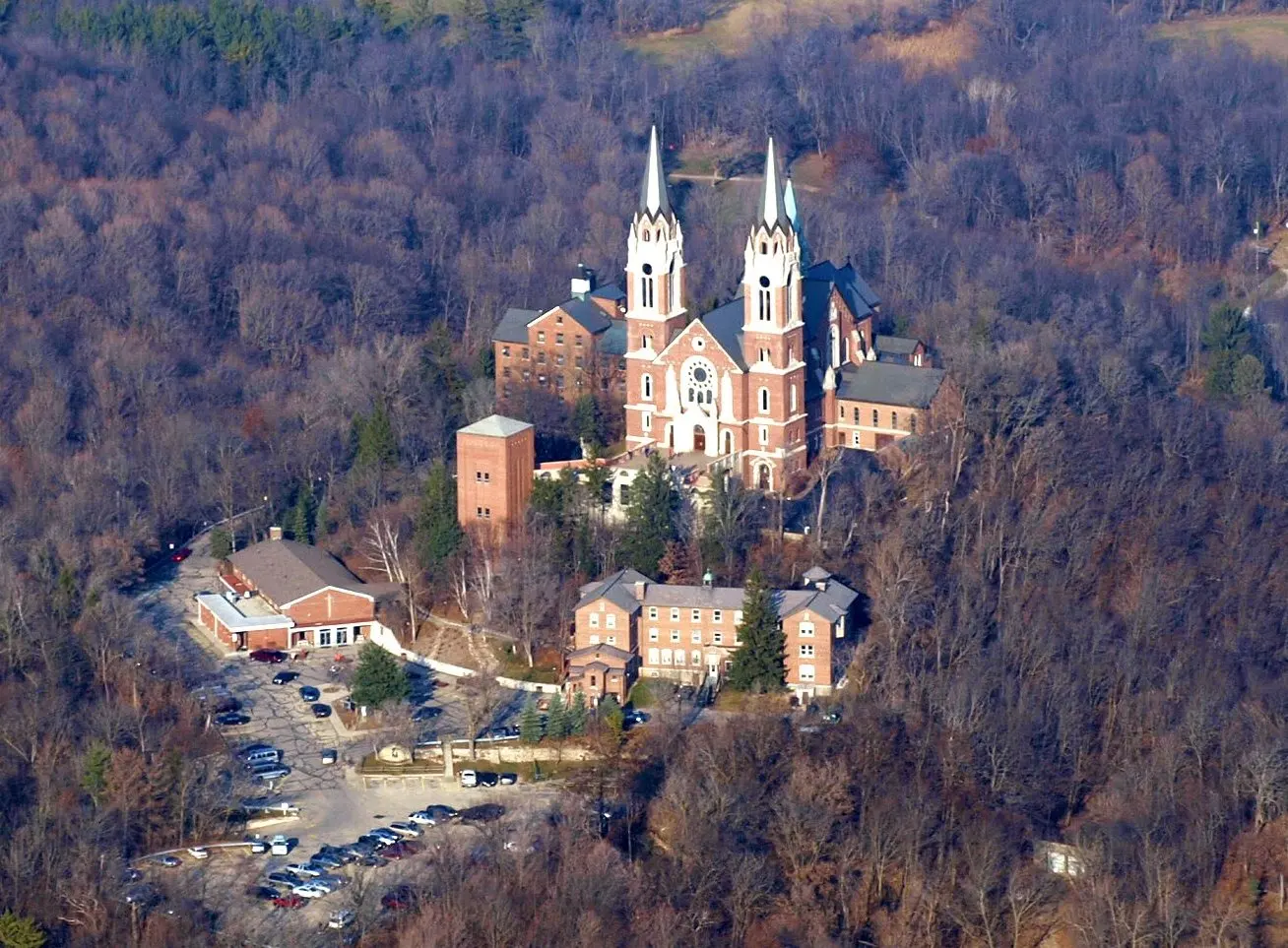
Holy Hill National Shrine of Mary
Hubertus, Wisconsin, United States
47.7 km away

Bahá'í House of Worship
Wilmette, Illinois, United States
146.5 km away

National Shrine of Saint Jude
Chicago, Illinois, United States
183.6 km away
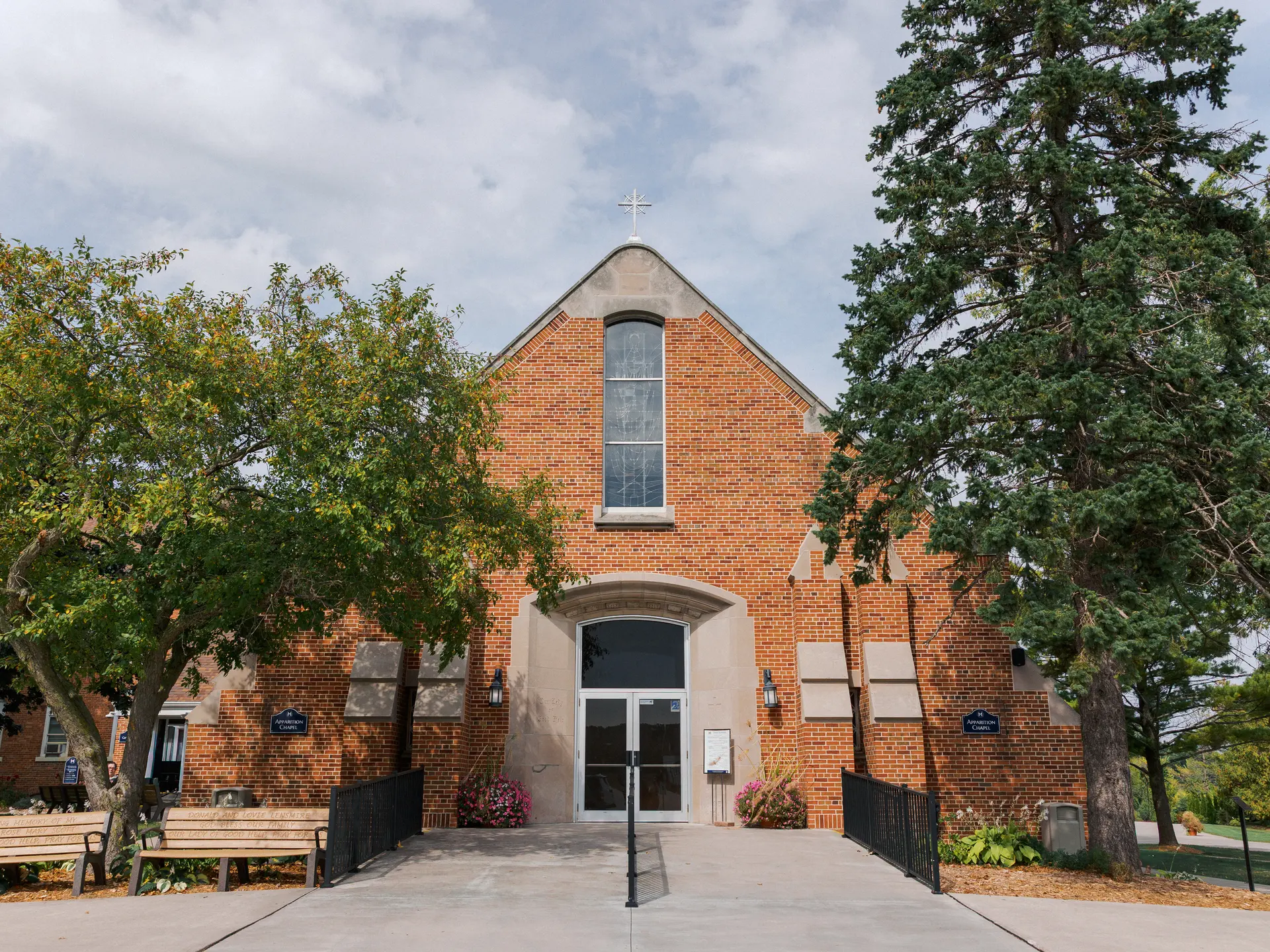
Shrine of Our Lady of Good Help
Champion, Wisconsin, United States
188.2 km away
References
Sources consulted for this page. Source categories describe the publication, not a guarantee that every claim is verified. Traditional accounts and outside interpretations may differ.
- 01Aztalan Site History — Milwaukee Public MuseumofficialPrimary academic source with detailed archaeological history
- 02History | Aztalan State Park — Wisconsin Department of Natural ResourcesofficialOfficial state park information
- 03Mississippian Culture and Aztalan — Wisconsin Historical SocietyacademicState historical society academic resource
- 04Middle Mississippians - Aztalan — Milwaukee Public MuseumofficialDetailed information on Mississippian culture and artifacts
- 05Wisconsin Outpost - Aztalan — Milwaukee Public MuseumofficialInformation on Aztalan as Mississippian outpost
- 06Ancient Aztalan, WI: A Diverse Community — The Schroeder Laboratory of Wisconsin Archaeology, UW-MadisonacademicCurrent academic research perspectives
- 07Aztalan State Park — Wisconsin First NationsspiritualNative American cultural perspective
- 08Aztalan State Park - Wikipedia — Wikipedia contributorsencyclopediaGeneral overview with citations
- 09Aztalan State Park — Travel WisconsinguideVisitor information and tourism details
- 10Visit - Friends of Aztalan State Park — Friends of Aztalan State ParkSource contextLocal preservation organization
- 11Archaeology - Friends of Aztalan State Park — Friends of Aztalan State ParkSource contextArchaeological overview for visitors
Share a photo
Help visitors recognize Aztalan Mounds, Wisconsin. Every submission is reviewed before publication.