Pentre Ifan Dolmen
Five thousand years of stone holding sky in the hills of Pembrokeshire
Understand sacred places, explore living traditions, and learn how to engage respectfully with Pilgrim Map.
Access has not been verified. Check current local guidance before planning a visit.
Nevern, Wales, United Kingdom
Read the sources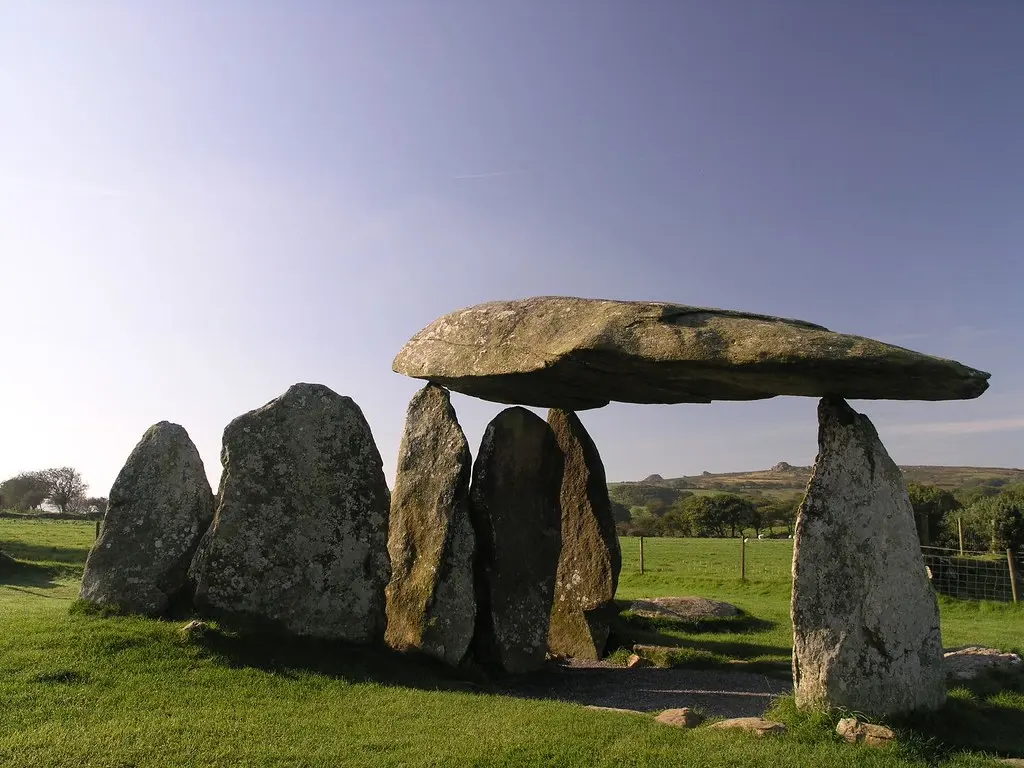
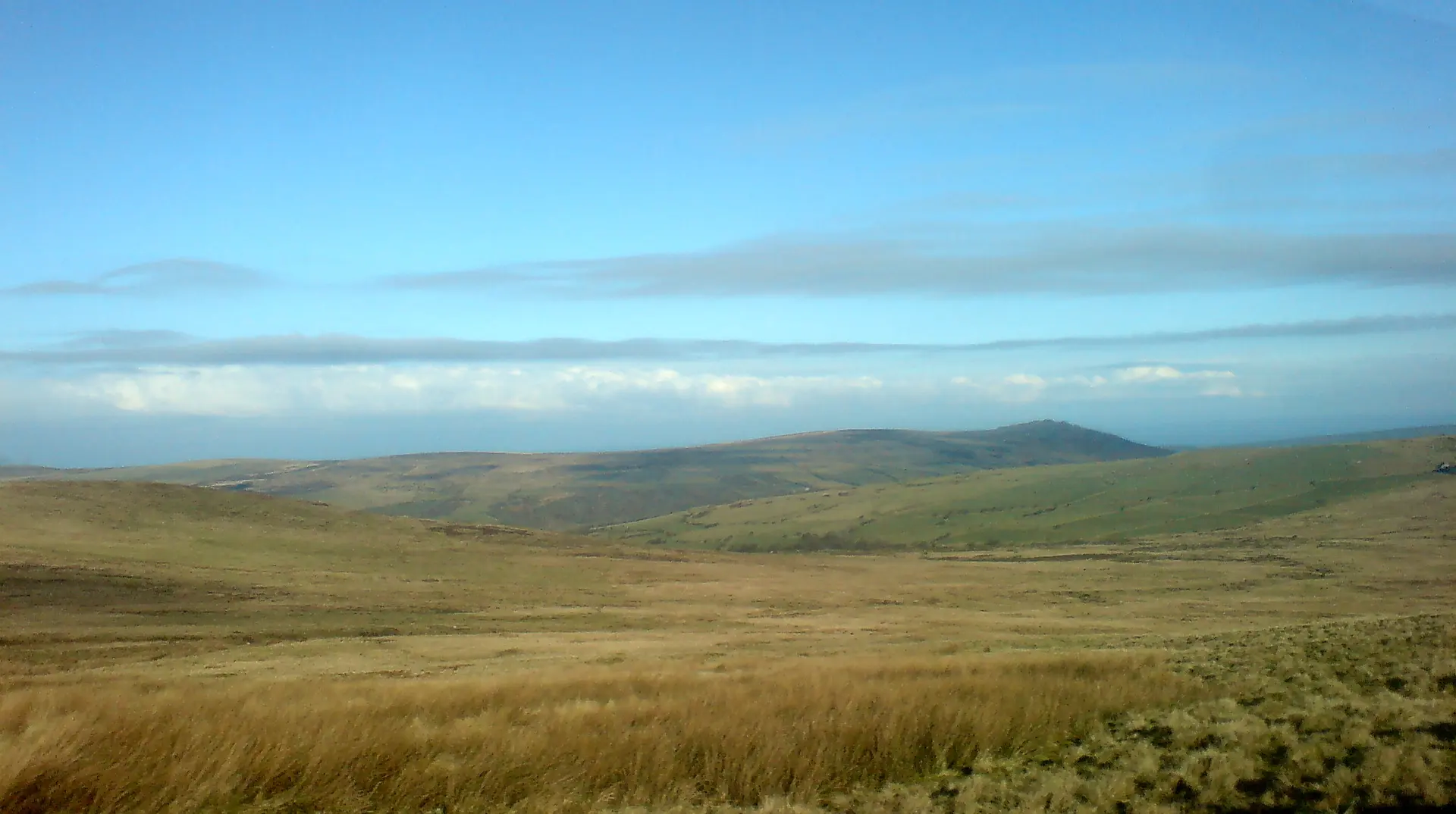
Image of Pentre Ifan Dolmen. Image source
Visit essentials
A quick read before you go
- Duration
- Most visitors spend 30 minutes to 1 hour.
- Access
- Signposted from the A487 between Cardigan and Fishguard, near the village of Nevern.
Overview
Pentre Ifan remains a question in stone. Its massive capstone balances on three tapering uprights, apparently defying gravity as it has for over five thousand years through ice, wind, and time. Neolithic people raised it deliberately, though their purpose is beyond certain recovery.
This was a burial chamber holding the community's dead, whose bones may have been brought out periodically for rituals now unknowable. A roughly thirty-meter stone cairn once covered it as a mound. After its stones were carried away or sank into the earth, only the portal remained—accidentally beautiful, with its engineering exposed.
The Welsh term for such a structure is cromlech. Pentre Ifan stands in the Preseli Hills, near the quarries that supplied Stonehenge's bluestones. From it, visitors see a landscape of deep Neolithic significance, where communities gathered and built for centuries before written history.
Why this place is sacred
The thinness of Pentre Ifan lies in its silence. Unlike medieval shrines with their documented saints and recorded miracles, this place predates writing in Britain by thousands of years. We cannot read what its builders believed. We can only stand where they stood and notice what they noticed: the hills, the light, the way the capstone seems to hover.
Time itself becomes thin here. The span between then and now, ordinarily ungraspable, becomes tangible in the stone. These are the same rocks the Neolithic builders touched. The hillside is the same hillside. The Preseli Mountains on the horizon have not moved. For a moment, the centuries collapse, and you are contemporary with people whose names were never written.
The engineering adds to the effect. This is not a rough pile of boulders. It is precise, considered, the product of communities who understood leverage and balance, who planned and coordinated over what must have been years of work. The capstone's apparent lightness, despite its sixteen tons, is not accident but intention. They wanted it to appear this way, floating between earth and sky.
The Arthurian association, though medieval rather than original, adds its own layer. Cultures reach for their greatest stories when confronted with what exceeds ordinary explanation. That people have been doing so here for at least eight hundred years, probably longer, creates its own accumulated significance.
What remains unknown contributes most to the thinness. We do not know precisely what rituals occurred here, how the dead were treated, what the builders believed awaited beyond the portal they constructed. That uncertainty is not a gap but an invitation. The site asks questions it does not answer. Thin places often do.
Pentre Ifan was built around 3500 BC as a communal burial chamber. The structure formed the portal and main chamber of a cairn approximately thirty meters long. The dead of the community were placed within, likely for rituals that connected the living with their ancestors.
The original stone cairn eroded over millennia, leaving the exposed chamber we see today. By the medieval period, the site had been incorporated into Arthurian legend as Coetan Arthur (Arthur's Quoit). In 1882, Pentre Ifan became one of the first three Welsh monuments protected under the Ancient Monuments Protection Act. It is now maintained by Cadw, the Welsh heritage agency, and remains one of Britain's most visited prehistoric monuments.
Experience and orientation
The approach matters. A short walk from the car park brings you across grass to the dolmen, which grows larger as you near it. From a distance, the balance seems impossible. Up close, it remains so. The capstone is not merely large; it is massive, a single slab of local bluestone weighing over sixteen tons. It sits on three pointed uprights, touching each at only their tips. The arrangement should not work, but it has worked for fifty-five centuries.
You can walk around the structure, view it from all angles. From certain positions, the capstone frames the Preseli Hills beyond, the same hills where Stonehenge's bluestones were quarried. The landscape connection is not coincidental. This was a significant region for Neolithic peoples, a place of gathering and building.
Many visitors feel the urge to touch the stones. The rock is cool, rough, real. Whatever else may be uncertain about this place, the solidity of the stone is not. These are the same surfaces the builders touched. That continuity of contact across five thousand years is its own form of encounter.
The site is usually quiet. There are no scheduled rituals, no custodians, often no other visitors. You are left alone with the dolmen and whatever it evokes. Some report a sense of peace. Others describe something harder to name, a feeling of presence or attention. The place is not dramatic in the way of some ancient sites, not threatening or overwhelming. It simply is, and has been, and will continue to be.
Pentre Ifan is located in northern Pembrokeshire, signposted from the A487 between Cardigan and Fishguard. A small car park provides access; from there, a short walk across a field brings you to the monument. The site is managed by Cadw and is free to visit at any time. No facilities exist at the monument itself; the nearest town, Newport, offers cafes and shops.
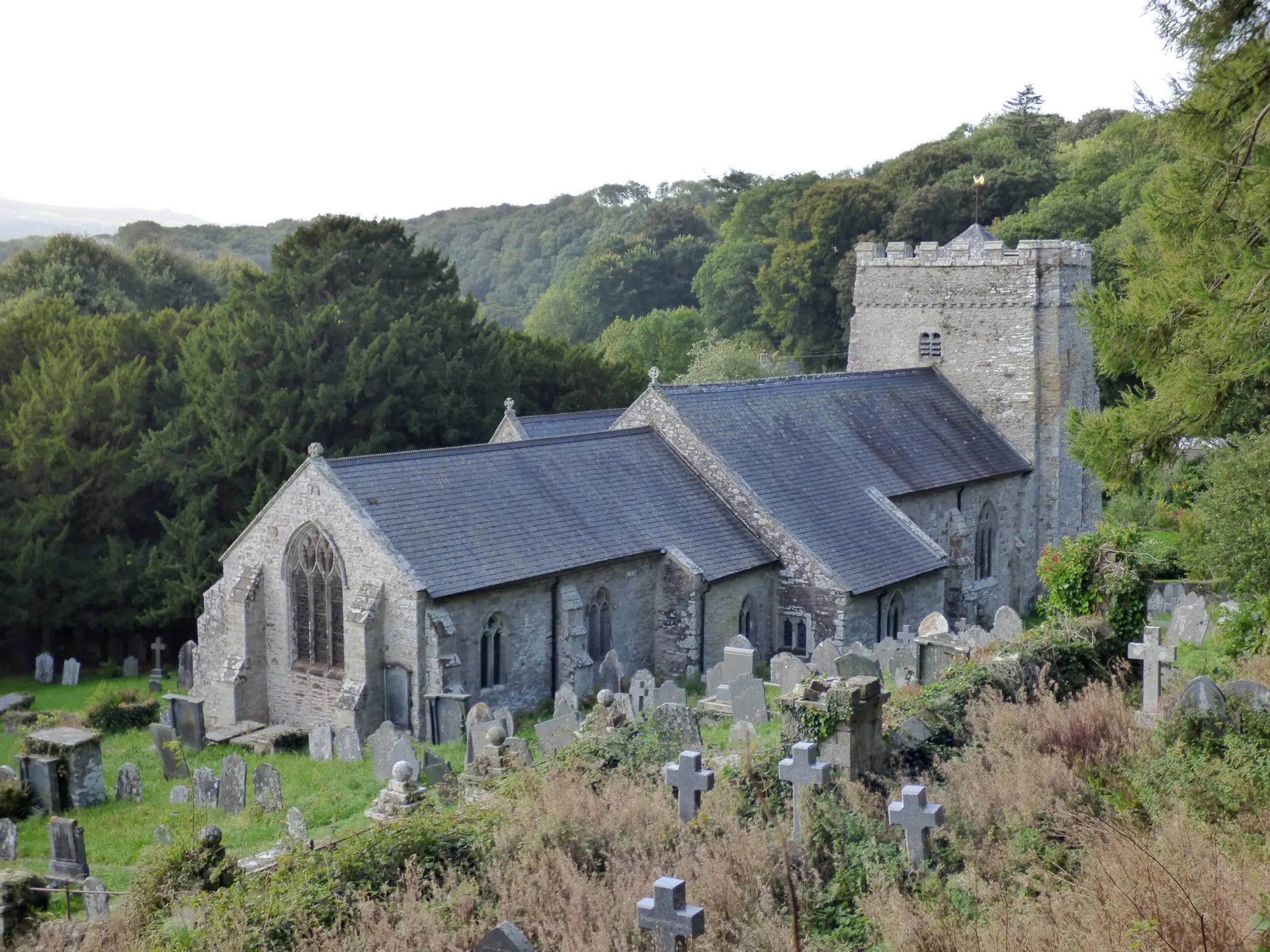
Nevern, with its famous church and Celtic cross, lies nearby and can be combined for a fuller experience of the area's sacred heritage.
Context and lineage
The builders left no records. What we know comes from the stones themselves and from comparative studies of similar monuments across Britain and Europe. Pentre Ifan belongs to a type called the portal dolmen, characterized by a large capstone balanced on upright stones at the entrance to a burial chamber. Such structures served as communal tombs, places where the bones of multiple individuals were deposited, sometimes rearranged, possibly brought out for ceremonies.
The Preseli Hills, visible from the site, were a significant Neolithic landscape. From these same hills, communities transported bluestones over 150 miles to Stonehenge, suggesting the region held particular importance. Whether Pentre Ifan's builders participated in this broader network of monument-building and stone-moving remains unclear, but the proximity is notable.
The alternative name Coetan Arthur, Arthur's Quoit, reflects medieval attempts to explain the inexplicable. Finding a massive stone balanced on delicate points, later peoples reached for their greatest legend. Arthur, in Welsh tradition, was a figure of superhuman deeds. Only such a figure could have placed this stone.
There is no known continuous tradition of practice at Pentre Ifan. The original burial rituals ceased in prehistory. Medieval association with Arthurian legend reflects cultural reinterpretation rather than continuity. Modern visitors include heritage tourists, archaeologists, and contemporary pagans who find meaning in Neolithic sites.
Neolithic Builders
Constructors of the monument
Traditions and practice
The original practices are lost to time. Neolithic burial rituals likely involved placement of the dead within the chamber, possibly excarnation (exposure of bodies until only bones remained), and periodic ceremonies that may have included rearranging or removing bones. Comparable sites in Britain show evidence of bones being sorted, skulls placed separately, or remains of multiple individuals mingled. Whether Pentre Ifan followed these patterns is unknown; no detailed excavation of the burial deposits has been published.
Most visitors today come as heritage tourists, drawn by the site's dramatic appearance and historical significance. Photographers are particularly attracted by the balance of the stones and the views toward the Preseli Hills. Some contemporary pagans and druids consider Neolithic monuments sacred and may perform ceremonies here, particularly at solstices or equinoxes. These practices, while not continuous with the original tradition, represent a sincere attempt to reconnect with pre-Christian spirituality.
Allow time. The site rewards unhurried presence. Walk around the dolmen, view it from different angles, notice how the light changes its appearance. Touch the stones if you wish; the connection to the past becomes tangible. Sit in the grass and simply observe. The Preseli Hills on the horizon were significant to the same people who built here. Let the silence do its work.
Neolithic Burial Tradition
HistoricalPentre Ifan was built as a communal burial chamber around 3500 BC. The structure served as a portal between the living and the dead, a place where ancestors could be honored and perhaps consulted. This tradition ceased in prehistory as cultural practices evolved.
Original practices are unknown but likely included placement of the dead within the chamber, possible excarnation, and periodic ceremonies involving the remains. Comparative evidence from similar sites suggests bones may have been sorted, rearranged, or removed for rituals.
Contemporary Paganism
ActiveSome contemporary pagans and druids consider Neolithic monuments sacred and incorporate them into their practice. Pentre Ifan, as one of Britain's finest dolmens, attracts such visitors, particularly at solstices and equinoxes.
Practices vary among individuals and groups but may include meditation, offerings, ceremonies marking seasonal transitions, and attempts to connect with ancestors or with the land itself.
Perspectives and open questions
Pentre Ifan invites interpretation as archaeological evidence, as engineering achievement, as Arthurian legend, and as a place where something persists despite the loss of its original context.
Scholarly perspective
Archaeologists classify Pentre Ifan as a portal dolmen, one of the finest examples in Britain. The structure dates to approximately 3500 BC based on typological comparison with similar monuments. It formed the entrance and main chamber of a chambered long barrow, originally covered by a cairn roughly thirty meters long. The covering stones have eroded or been removed, leaving the chamber exposed.
The engineering achievement is significant. Moving and raising a sixteen-ton capstone onto precisely positioned uprights required sophisticated understanding of leverage, balance, and communal organization. The apparent delicacy of the balance, while visually striking, reflects careful calculation rather than accident.
The site's relationship to the broader Neolithic landscape is notable. The Preseli Hills, source of Stonehenge's bluestones, are visible from the dolmen. Whether Pentre Ifan's builders participated in the transportation of stones to Wiltshire, or what connections may have existed between these communities, remains a subject of research.
Living and traditional perspectives
Welsh tradition associates the monument with King Arthur under the name Coetan Arthur (Arthur's Quoit). This attribution, while medieval rather than original, reflects the site's power to inspire explanation. Confronted with the improbable balance of the stones, local people reached for their greatest legend. The association says less about the monument's origins than about the human need to explain the extraordinary.
Alternative interpretations
Some contemporary practitioners view Pentre Ifan as a portal between worlds, its position between earth and sky reflecting Neolithic cosmology. Others suggest it was aligned with astronomical events, though evidence for specific alignments is limited. The site attracts those interested in earth energies and ley lines, though such interpretations have not been substantiated by archaeological evidence.
Open questions
Much about Pentre Ifan remains uncertain. The exact construction methods used to raise the capstone have not been definitively determined. The identities and beliefs of those buried here are unknown. Whether the site had astronomical alignments, and if so to what celestial events, is unclear. The full extent and form of the original cairn can only be estimated. These gaps are not failures of research but reflections of the limits of what can be recovered from the preliterate past.
Plan your visit
Access and arrival
Signposted from the A487 between Cardigan and Fishguard, near the village of Nevern. A small free car park is located on a minor road; from there, a short walk (approximately 200 meters) across a field leads to the monument. The path is unpaved and may be muddy.
Newport offers bed and breakfast options. The town of Fishguard, about 10 miles distant, has additional hotels and guest houses.
Respectful visit
No specific dress is required. Sturdy footwear is recommended, as the ground may be wet.
Permitted and encouraged. The site is particularly photogenic at dawn and dusk.
Not traditional at this site. If you choose to leave something, use only natural biodegradable materials and remove them afterward.
Do not climb on the stones. Leave no litter. Gates should be left as found.
Do not climb on the stones. The site has survived fifty-five centuries; visitors should not test its endurance. The field may be wet and muddy, particularly in winter; appropriate footwear is recommended. There are no facilities at the monument.
Current practical details
Address
Nevern, Crymych SA41 3TZ, UK
Hours
Hours, fees, and access can change — verify on the official source before you travel. Practical details last checked Jun 2026.
Location
Map loads as you approach this section.
Pilgrim reflections
A portrait of encounter, not a score
Pilgrims describe what they felt, how present they could become, and whether the place would shape a journey. There are no stars and no ranking of traditions.
No reviewed reflections yet
The first pilgrims can help describe the character of being here.
Share a reflection
Available after an account-backed “Been there.” Every reflection is reviewed before publication.
Nearby sacred places
Explore other sacred places in the region. Proximity does not establish access or travel time; check each place’s guidance.
References
Sources consulted for this page. Source categories describe the publication, not a guarantee that every claim is verified. Traditional accounts and outside interpretations may differ.
- 01Pentre Ifan Chambered Tomb — CadwofficialOfficial Welsh heritage agency
- 02Pentre Ifan Portal Tomb — The Megalithic PortalofficialComprehensive archaeological database
- 03Pentre Ifan — WikipediaencyclopediaGeneral encyclopedia entry
- 04Pentre Ifan — Atlas ObscuraSource contextTravel and heritage site
Share a photo
Help visitors recognize Pentre Ifan Dolmen. Every submission is reviewed before publication.