St Brynach’s Church
A Celtic cross, a bleeding yew, and fourteen centuries of pilgrims passing through
Understand sacred places, explore living traditions, and learn how to engage respectfully with Pilgrim Map.
Access has not been verified. Check current local guidance before planning a visit.
Nevern, Wales, United Kingdom
Read the sources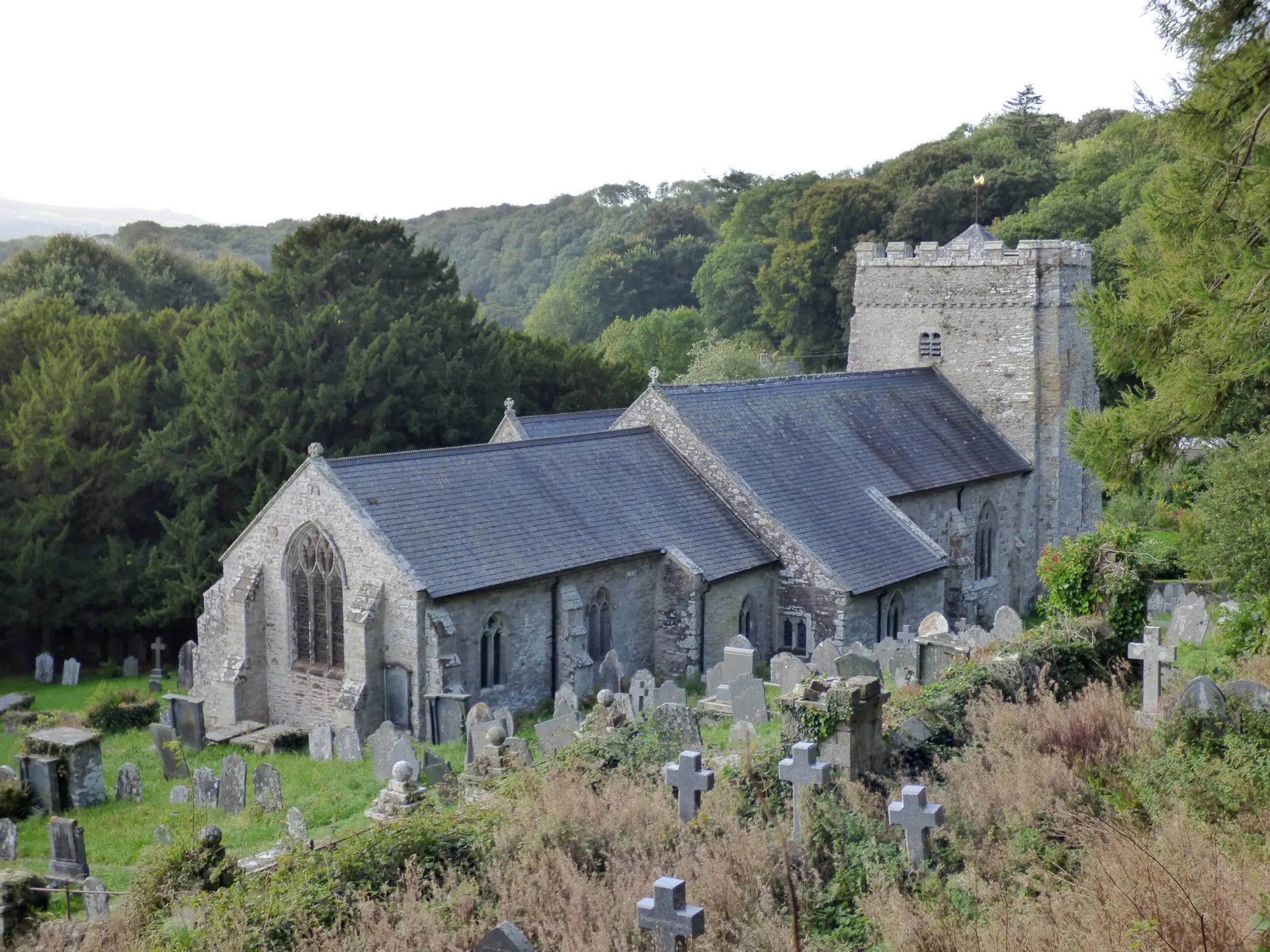
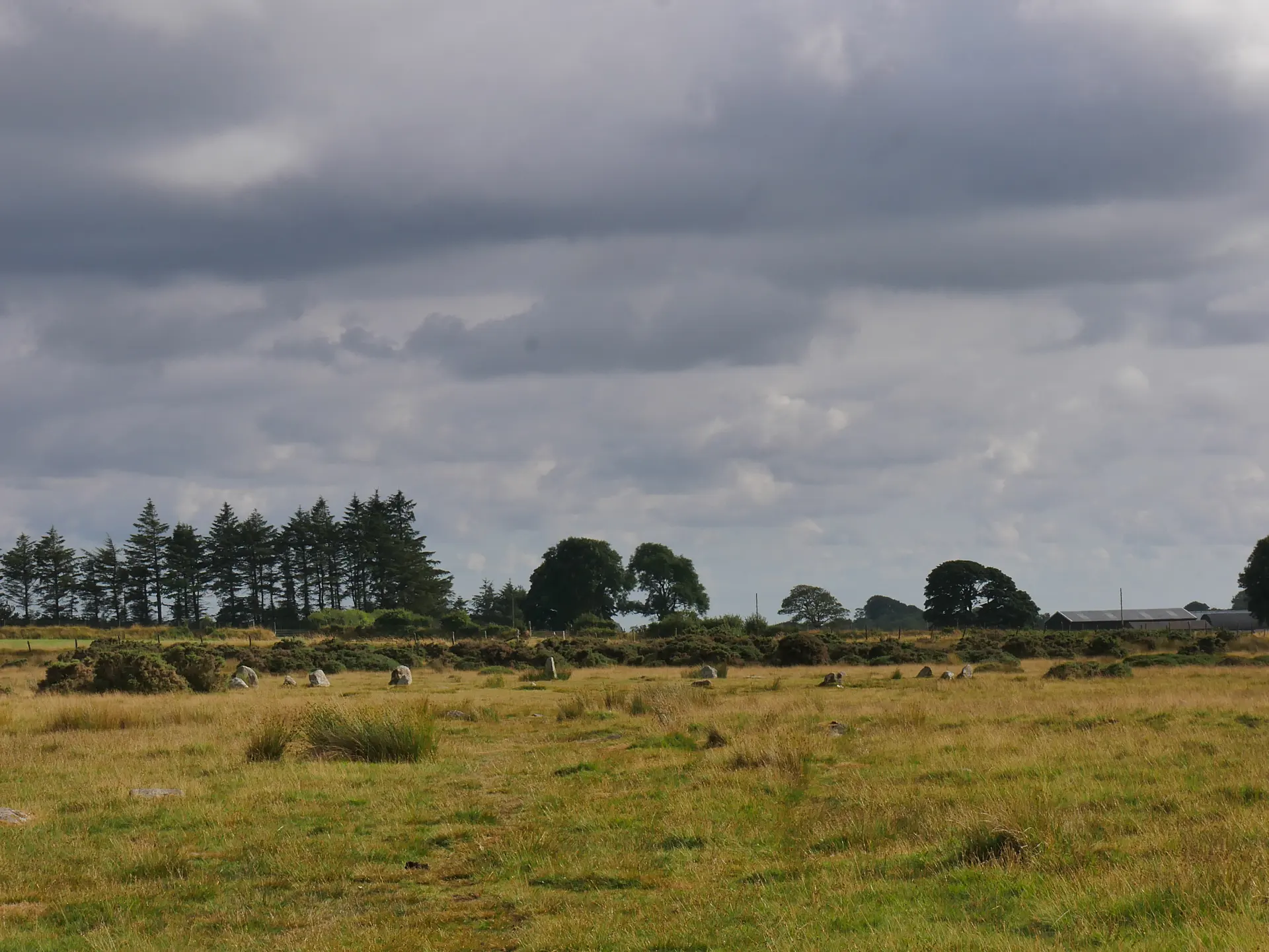
Image of St Brynach’s Church. Image source · CC-BY-SA-4.0
Visit essentials
A quick read before you go
- Duration
- Most visitors spend 30 minutes to 1 hour at the church and churchyard.
- Access
- Located in Nevern village, approximately 2 miles west of Newport (Trefdraeth) on the B4582 in…
Overview
St Brynach came to this valley in 540 AD, following a dream. A white sow had shown him where to build his church, and he built it here beside the River Nyfer, in a hollow of green hills. Fourteen centuries later, pilgrims still arrive, and the church still stands, though rebuilt many times in the intervening years.
What draws seekers now is what has always drawn them: something in the air of the place, something that resists full explanation. The Great Cross stands in the churchyard, carved in the 10th or 11th century, covered in intricate Celtic knotwork that speaks of worlds intertwined. Nearby, a yew tree bleeds. Red sap seeps from a gash where a branch was cut, staining the bark, refusing to heal.
Some say the tree will bleed until a Welsh prince is crowned in the ruined castle across the valley. Others offer no explanation at all.
The church was a key stop on the medieval pilgrimage route from Holywell to St Davids. Pilgrims would rest here by the river, gather strength for the final miles. Above the village, at a place called the Pilgrims' Cross, centuries of feet wore grooves into the slate. Those footsteps are still visible, still speak of the seeking that brought people here.
Why this place is sacred
The thinness of St Brynach's builds from accumulation. No single element would suffice; together they create something that exceeds their sum.
Begin with the foundation story. Brynach was an Irish missionary who came to Wales in the 6th century. His choice of this location was not arbitrary but visionary. The white sow of his dream led him here, to this fold in the hills beside the River Nyfer. Such stories speak to places chosen rather than merely settled, locations where the sacred was recognized before anyone built a wall.
The Great Cross intensifies this. Carved eleven or twelve centuries ago, it stands four meters tall, its surfaces covered with Celtic knotwork. The patterns have no beginning and no end, interlacing lines that suggest eternity made visible. Scholars classify it among the three greatest high crosses of Wales, alongside the crosses at Carew and Maen Achwyfan. It has stood here through Norman conquest, Reformation, world wars, and countless ordinary days. The stone has worn but the patterns persist.
Then there is the bleeding yew. Red sap seeps from a wound in the bark, staining it crimson. No definitive explanation has been offered. The tree is old, perhaps four hundred years, and has been bleeding for at least two centuries. Legend connects it to Welsh sovereignty, but legends often attach to phenomena that resist easier understanding. The tree bleeds. It has not stopped.
The Vitalianus Stone adds depth of time. Its bilingual inscription in Latin and Ogham places it in the 5th century, the era of the earliest Celtic Christianity in Wales. Someone cared enough about Vitalianus to commemorate him in two scripts, one the language of Rome, the other the indigenous writing of the Celts. That care persists in stone.
Above the village, grooves worn into slate mark where pilgrims climbed toward the Pilgrims' Cross. Feet shaped the rock over centuries. Those depressions are physical evidence of seeking, tangible proof that others came before with hopes not so different from those who come now.
Finally, the yew avenue itself, some six hundred years of growth leading toward the church door. Yews were sacred before Christ was preached in Wales. The church did not destroy them but walked between them. To enter the churchyard is to pass through layers of time, each adding its portion to the thinness of the place.
St Brynach founded his church here around 540 AD, following a vision. The location became a center of Celtic Christian worship and a stop on the pilgrimage route to St Davids.
The church was rebuilt multiple times, with the present structure dating mainly to the 15th and 16th centuries, though the tower is Norman. The Great Cross was carved in the 10th or 11th century. The Vitalianus Stone predates the church, suggesting the site's sacred character may extend to the 5th century or earlier. Pilgrimage continued through the medieval period; the worn footsteps at the Pilgrims' Cross above the village attest to its intensity.
Today, the church remains an active parish of the Church in Wales and a destination for those walking to St Davids.
Experience and orientation
The approach through the yew avenue prepares you. The trees are old, their trunks twisted by centuries of growth. Light filters green through the canopy. Somewhere among them stands the bleeding yew. You can find it by looking for the red stain on the bark, the seeping sap that has not stopped flowing. There is no interpretive sign explaining it. The tree simply bleeds.
The Great Cross stands in the churchyard, rising from the grass. Up close, the knotwork becomes visible, patterns that loop and interweave without end. The stone is weathered but the carving remains clear enough to trace with your eyes. This cross has stood here for over a thousand years. It will likely stand for a thousand more.
Inside the church, the atmosphere is quiet. Light enters through old windows. The Vitalianus Stone is set into the fabric of the building, its inscription readable if you know what to look for: Latin in Roman letters, Ogham in the vertical lines of Celtic script. Other carved stones are displayed here too, fragments of a past that the church has gathered and preserved.
Outside again, you can walk to the river. The Nyfer flows past the churchyard, the same water that flowed when Brynach built here. Pilgrims washed in it, rested beside it, gathered strength for the miles remaining to St Davids. The sound of moving water accompanies everything at Nevern.
Above the village, if you choose to climb, the Pilgrims' Cross offers a different perspective. The grooves worn into the slate by centuries of feet are visible. You can place your own feet in them, walk where pilgrims walked. The view extends over the valley, over the church, toward the hills that pilgrims crossed.
St Brynach's Church is located in Nevern village, approximately two miles west of Newport on the B4582 in Pembrokeshire. Parking is available near the church. Enter through the yew avenue at the main gate. The bleeding yew stands among the other yews and can be found by the red staining on its bark. The Great Cross stands prominently in the churchyard. The church is typically open during daylight hours; if locked, information about key access may be posted.
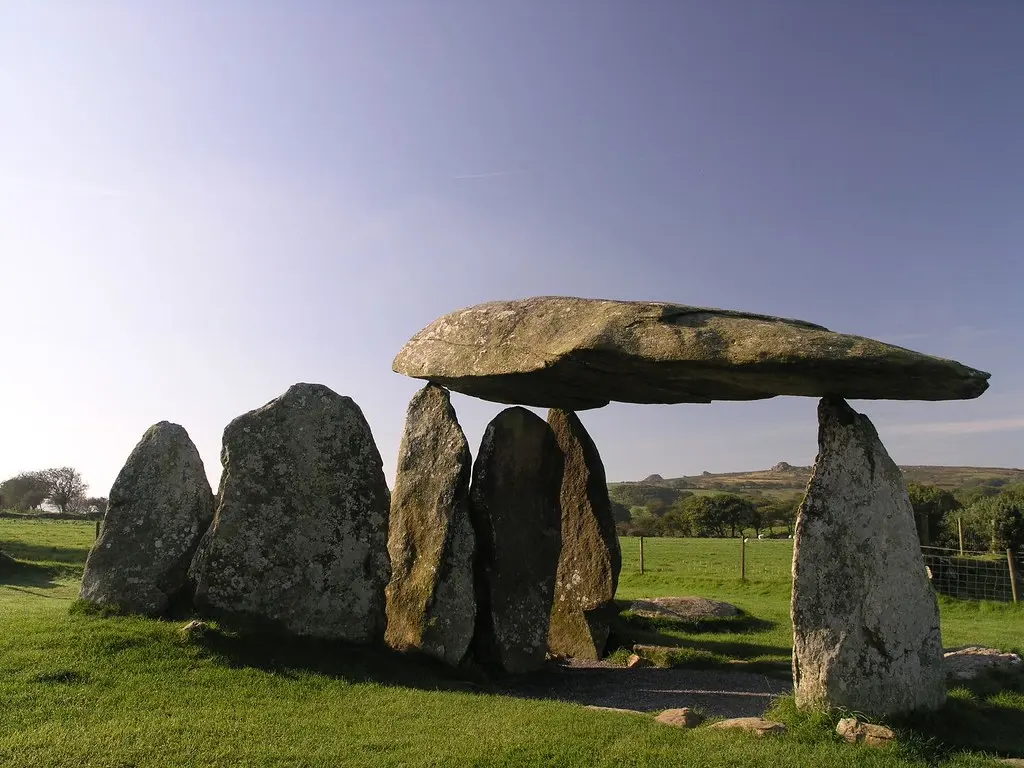
The Pilgrims' Cross is located on the hillside above the village, accessible via a marked footpath. Nearby Pentre Ifan dolmen can be combined with a visit to Nevern.
Context and lineage
Brynach was an Irish prince who became a missionary, traveling to Wales in the 6th century. According to tradition, he was guided to this location by a vision in which a white sow showed him where to build his church. He established his community here beside the River Nyfer and became associated with miraculous events, including an encounter with angels on nearby Carn Ingli (the Mountain of Angels).
The church Brynach built no longer stands; the present structure dates from the medieval period. But the location has been sacred since his time, and possibly before. The Vitalianus Stone, with its 5th-century inscription, suggests this valley held significance even before Brynach arrived.
The church has been a place of Christian worship for approximately fourteen centuries. It served as a stop on the medieval pilgrimage route from Holywell to St Davids. Today it is an active parish church of the Church in Wales, the Anglican communion in Wales. It continues to welcome pilgrims walking to St Davids along historical routes.
St Brynach (Brenach)
Founder of the church
Vitalianus
Unknown historical figure commemorated on stone
Traditions and practice
Pilgrimage to St Davids was one of the great medieval journeys, elevated by papal decree to spiritual equivalence with Rome. The route from Holywell in the north passed through Nevern, where pilgrims could rest by the River Nyfer before the final miles. The Pilgrims' Cross above the village and the grooves worn into the slate by countless feet testify to the intensity of this traffic.
The veneration of St Brynach himself was also significant. His feast day (April 7) was observed, and his connection to Carn Ingli made the broader landscape sacred.
The church holds regular services according to the Church in Wales calendar. Pilgrims walking to St Davids continue to stop here, often signing a guest book. Visitors come throughout the year to see the Great Cross, the bleeding yew, and the Ogham stones. Some walk up to the Pilgrims' Cross to trace the path of medieval seekers. The church is typically open during daylight hours for private prayer and contemplation.
Take time in the yew avenue. Find the bleeding yew and observe without explaining. Stand before the Great Cross and trace the knotwork with your eyes. Inside the church, locate the Vitalianus Stone and consider what it meant to commemorate someone in two scripts, two traditions. If you have time, walk up to the Pilgrims' Cross and stand where others have stood for centuries. Let the river be part of your experience too; Brynach built beside it for a reason.
Christianity (Church in Wales)
ActiveSt Brynach's is an active parish church of the Church in Wales, the Anglican communion in Wales. It has maintained continuous Christian worship since its foundation around 540 AD, making it one of the oldest ecclesiastical sites in Wales.
Regular Sunday services, occasional weekday services, and observance of the Church calendar. The church welcomes visitors and pilgrims. April 7, St Brynach's feast day, is observed.
Pilgrimage
ActiveNevern was a major stop on the medieval pilgrimage route to St Davids. Modern pilgrims continue to walk this route, stopping at St Brynach's as their predecessors did.
Pilgrims rest at the church, pray at the Great Cross, and often sign the guest book before continuing to St Davids. Some walk the route to the Pilgrims' Cross above the village, following the path worn by centuries of seekers.
Perspectives and open questions
St Brynach's Church invites reflection on the layers of sacred history that can accumulate in a single place: Celtic saint, medieval cross, bleeding tree, ancient stones, and centuries of pilgrimage all coexisting in one quiet churchyard.
Scholarly perspective
The Great Cross is dated to the 10th or 11th century based on its style of knotwork and is considered one of the three finest Celtic Christian high crosses in Wales. The Vitalianus Stone's bilingual inscription places it in the 5th century and provides important evidence for the transition from Roman to Celtic Christianity in Wales. The Ogham script links it to Irish tradition, while the Latin inscription reflects Roman influence.
The church fabric dates mainly to the 15th and 16th centuries, with a Norman tower. The avenue of yews may be 600 years old; yews can live for over a thousand years, and dating ancient specimens is difficult.
The bleeding yew phenomenon has no confirmed scientific explanation. The red sap may be related to a fungal infection, stress response, or other biological process. The phenomenon is documented from at least the early 19th century.
Living and traditional perspectives
For Welsh Christians, St Brynach's represents the deep roots of Celtic Christianity in Wales. Brynach's vision and foundation story connect the site to the Age of Saints, the 5th and 6th centuries when missionaries from Ireland and elsewhere established the distinctive Welsh church. The pilgrimage route to St Davids passes through Nevern, linking local veneration to the greatest Welsh pilgrimage of all.
Alternative interpretations
The bleeding yew has attracted speculation ranging from the mystical to the prophetic. Local legend holds that it will bleed until a Welsh prince is crowned at the ruined castle across the valley. Others see it as a manifestation of the site's concentrated spiritual energy. The combination of Celtic cross, ancient yews, and flowing water has suggested to some a deliberate arrangement of sacred elements.
Open questions
The cause of the bleeding yew phenomenon remains unexplained. Whether a pre-Christian sacred site existed at this location is uncertain. The full identity and significance of Vitalianus is lost. The extent and intensity of medieval pilgrimage traffic through Nevern can only be estimated from the physical evidence of worn footsteps.
Plan your visit
Access and arrival
Located in Nevern village, approximately 2 miles west of Newport (Trefdraeth) on the B4582 in Pembrokeshire. Parking is available near the church. The site is accessible from the A487 coastal road.
Newport offers bed and breakfast options and a few small hotels. Fishguard and Cardigan provide additional accommodation choices.
Respectful visit
Modest dress appropriate for a church. No specific requirements, but respectful attire is appreciated.
Permitted outside without restriction. Inside the church, photography is generally acceptable; ask if uncertain.
Donations for church maintenance are welcome.
Do not damage the yew trees, the Great Cross, or the carved stones. Maintain quiet and respect.
The church may occasionally be locked; check locally for access information. The path to the Pilgrims' Cross involves a climb and may be muddy. Respect the ancient yews and do not damage the bleeding tree by probing the wound.
Current practical details
Address
Nevern, Newport SA42 0NF, UK
Phone
Hours
Hours, fees, and access can change — verify on the official source before you travel. Practical details last checked Jun 2026.
Location
Map loads as you approach this section.
Pilgrim reflections
A portrait of encounter, not a score
Pilgrims describe what they felt, how present they could become, and whether the place would shape a journey. There are no stars and no ranking of traditions.
No reviewed reflections yet
The first pilgrims can help describe the character of being here.
Share a reflection
Available after an account-backed “Been there.” Every reflection is reviewed before publication.
Nearby sacred places
Explore other sacred places in the region. Proximity does not establish access or travel time; check each place’s guidance.
References
Sources consulted for this page. Source categories describe the publication, not a guarantee that every claim is verified. Traditional accounts and outside interpretations may differ.
- 01St Brynach's Church, Nevern, Newport — British Pilgrimage TrustguidePilgrimage organization
- 02St Brynach's Church, Nevern — Nevern ChurchspiritualOfficial church website
- 03Nevern Cross and St Brynach's Church — Britain ExpressSource contextHeritage tourism guide
- 04St Brynach Cross — WikipediaencyclopediaEncyclopedia entry on the cross
Share a photo
Help visitors recognize St Brynach’s Church. Every submission is reviewed before publication.