Our Lady of Deliverance
The Black Madonna who breaks chains and frees captives
Douvres-la-Délivrande, Normandy, France

Plan this visit
Practical context before you go
Part of basilica visit.
Approach the Madonna with reverence for her centuries of receiving prayers for deliverance. Maintain appropriate quiet; do not touch the statue.
At a glance
- Coordinates
- 49.2894, -0.3672
- Type
- Basilica
- Suggested duration
- Part of basilica visit.
Pilgrim tips
- Modest dress appropriate for a church.
- Ask permission; be respectful.
- This is a sacred image within an active church. Approach with appropriate reverence.
Overview
Notre-Dame de la Délivrande—the Black Madonna of Délivrande—specializes in liberation. Prisoners' chains have fallen from her devotees; spiritual bondage has broken before her shrine. Saint Francis de Sales was freed from terrible temptation through her intercession. Crowned by Papal authority in 1872, she draws those seeking release from whatever binds them.
She stands in her chapel within the basilica of Douvres-la-Délivrande: a painted stone figure, dark-faced, crowned in gold, robed in precious fabric. The Black Madonna of Délivrande has been the focus of deliverance prayers for centuries—or rather, for millennia, since she continues a tradition of mother-goddess devotion that predates Christianity on this site.
The current statue dates to 1580, donated by Canon Legendre after Protestants destroyed the medieval original. But what makes her significant is not age but efficacy. The miracles attributed to her focus on liberation in all its forms.
A sixteenth-century merchant, captured and enslaved on a Turkish ship, prayed to Our Lady of Deliverance. His iron shackles fell from his hands and he escaped. Making pilgrimage to her shrine afterward, the iron ring that remained around his neck dropped to the ground before her altar. The miracle was documented and widely reported.
Saint Francis de Sales, tormented by spiritual anguish, found relief through devotion to her. Other saints—Vincent de Paul among them—were members of her confraternity. King Louis XI made pilgrimage here. Saint Thérèse of Lisieux visited as a teenager.
The Papal coronation in 1872 recognized what pilgrims had long known: this Madonna has power. Her specialty is deliverance—from physical captivity, from addiction, from fear, from spiritual darkness, from whatever chains bind the soul.
Context and lineage
The original Madonna of Délivrande was installed by Saint Regnobert in the third century on a site previously sacred to a Celtic mother goddess. The devotion grew; pilgrims came seeking deliverance from various forms of bondage.
In 1561, during the religious wars, Protestants destroyed the medieval statue. Canon Legendre donated the current Black Madonna in 1580, and the devotion resumed. The statue was crowned by Papal authority on August 22, 1872.
Documented miracles include the liberation of a merchant from Turkish captivity—his chains falling free when he prayed, and the iron ring around his neck dropping to the ground at her shrine. Saint Francis de Sales was freed from severe spiritual temptation through devotion to her.
The devotion has spread from this site to Senegal and beyond, carried by missionaries who recognized the Black Madonna's power.
Saint Francis de Sales
Notable devotee
Saint Vincent de Paul
Confraternity member
Why this place is sacred
The Black Madonna's power comes from her specificity. She is not a general-purpose intercessor but a specialist: her domain is deliverance. Bring your chains to her, whatever form they take, and trust in the tradition that says they can be broken.
The darkness of her face adds dimension to this ministry. Black Madonnas across Europe carry associations with earth, with the womb, with passage through darkness toward light. This Madonna reaches into shadows—the shadow of the prison cell, the shadow of addiction, the shadow of despair—and draws the captive out.
The documented miracles confirm the tradition. The Turkish captive's chains falling free, Saint Francis de Sales' liberation from spiritual torment, the countless unnamed pilgrims who have left testimony of deliverance—all witness to a Madonna who does what her name proclaims.
To pray before her is to join this tradition of seeking. The prayer need not be elaborate. Name your bondage; ask for freedom; trust that the Madonna who has heard such prayers for centuries is hearing yours.
The original statue was installed by Saint Regnobert in the third century, continuing Marian devotion on a site previously sacred to a Celtic mother goddess.
Destroyed by Protestants in 1561, replaced in 1580, crowned by Papal authority in 1872. The devotion has spread beyond France, with shrines in Senegal and elsewhere continuing the tradition.
Traditions and practice
Medieval pilgrims came seeking liberation from physical captivity, illness, and spiritual bondage. The confraternity of Our Lady of Deliverance maintained organized devotion.
Individual pilgrims visit year-round. The August procession maintains the public tradition. The specificity of the devotion—deliverance—continues to draw those who know what they are seeking.
Come with honest awareness of what binds you. Kneel before the Madonna; name your bondage; ask for freedom. Trust the tradition that says such prayers are heard.
Roman Catholicism
ActiveOne of France's most venerated Black Madonnas, specializing in deliverance from all forms of bondage. Saints including Francis de Sales and Vincent de Paul have sought her intercession.
Prayers for deliverance, lighting candles, annual procession participation, pilgrimage.
Experience and perspectives
Find her in the basilica of Douvres-la-Délivrande, in a chapel to one side. She is not large—an image proportioned for intimacy rather than awe. But intimacy is appropriate. Deliverance is personal; the chains that bind are specific to each person who wears them.
Kneel or sit before her. Let the chapel's quiet settle. Consider what bondage you carry. It may be obvious—an addiction, a fear, a pattern you cannot break—or it may be something you barely recognize, a constriction you have lived with so long it feels like part of you.
Name it, silently or aloud. Ask the Madonna for deliverance. Do not worry about form; the prayer that matters is the honest one. Light a candle if the gesture helps.
The response may not be immediate. Deliverance is sometimes sudden—the chain falling free—and sometimes gradual—the slow loosening of bonds. But the tradition holds that prayers made here are heard and answered.
The Black Madonna is located in a side chapel within the Basilica of Notre-Dame de la Délivrande.
The Black Madonna can be understood as continuation of pre-Christian goddess devotion, as miraculous Christian image, or as focus for the human need for liberation from bondage.
The 'deliverance' specialty may preserve functions originally associated with the Celtic goddess who preceded the Madonna at this site. The transition from pagan to Christian illustrates common patterns in religious history.
Within Catholic tradition, the Black Madonna is a powerful intercessor whose dark coloring is variously attributed to age, smoke, or intentional symbolism connecting her to earth and to all peoples.
Some researchers connect Black Madonnas to pre-Christian goddess figures, particularly earth mothers and underworld goddesses associated with death, rebirth, and passage through dark places.
The theological significance of the Madonna's dark coloring remains debated. The full extent of miracles attributed to her is not publicly documented.
Visit planning
See parent site information.
Approach the Madonna with reverence for her centuries of receiving prayers for deliverance. Maintain appropriate quiet; do not touch the statue.
Modest dress appropriate for a church.
Ask permission; be respectful.
Candles may be lit.
Do not touch the statue.
Plan your visit
Address
10 Pl. de la Basilique, 14440 Douvres-la-Délivrande, France
Phone
Hours
Hours, fees, and access can change — verify on the official source before you travel. Practical details last checked Jun 2026.
Nearby sacred places
Sacred places within a half-day’s reach. Pilgrims often visit them together: walk one, stay for the other.
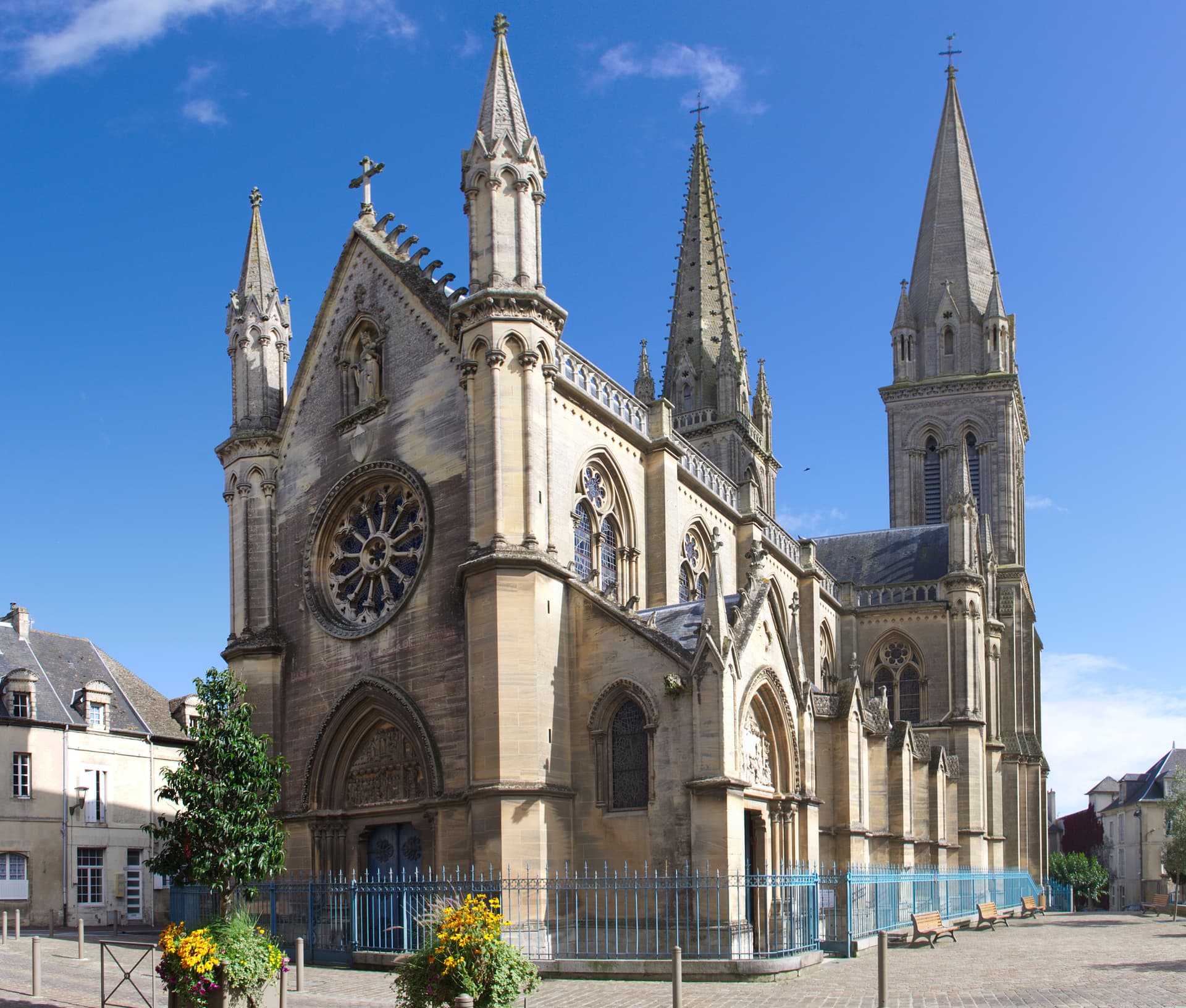
Basilica of Our Lady of Deliverance, Douvries-la-Delivrande
Douvres-la-Délivrande, Normandy, France
Basilica of Sainte-Therese of Lisieux
Lisieux, Normandy, France
45.9 km away

Mont-Saint-Michele
Le Mont-Saint-Michel, Normandy, France
110.7 km away
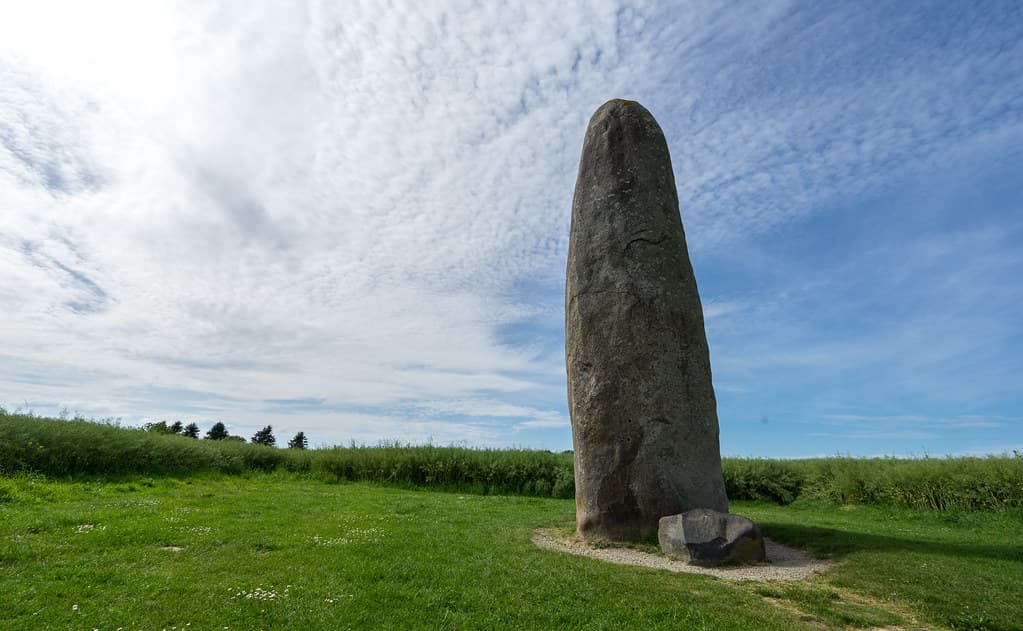
Menhir de Champ-Dolent
Dol-de-Bretagne, Brittany, France
130.6 km away
References
Sources consulted when researching this page. Independent verification by readers is welcome.
- 01Our Lady of Deliverance (Notre-Dame de la Délivrande) — Interfaith Mary Page
- 02A Goddess and the black Madonna of Douvres-la-Délivrande — Normandy Then and Now
Key questions
What pilgrims usually ask
- Why is Our Lady of Deliverance considered sacred?
- The Black Madonna who breaks chains and frees captives. Crowned by Papal authority, she specializes in deliverance from bondage of all kinds.
- What should I wear at Our Lady of Deliverance?
- Modest dress appropriate for a church.
- Can I take photos at Our Lady of Deliverance?
- Ask permission; be respectful.
- How long should I spend at Our Lady of Deliverance?
- Part of basilica visit.
- What offerings are appropriate at Our Lady of Deliverance?
- Candles may be lit.
- What etiquette should visitors follow at Our Lady of Deliverance?
- Approach the Madonna with reverence for her centuries of receiving prayers for deliverance. Maintain appropriate quiet; do not touch the statue.
- What is the history of Our Lady of Deliverance?
- The original Madonna of Délivrande was installed by Saint Regnobert in the third century on a site previously sacred to a Celtic mother goddess. The devotion grew; pilgrims came seeking deliverance from various forms of bondage. In 1561, during the religious wars, Protestants destroyed the medieval statue. Canon Legendre donated the current Black Madonna in 1580, and the devotion resumed. The statue was crowned by Papal authority on August 22, 1872. Documented miracles include the liberation of a merchant from Turkish captivity—his chains falling free when he prayed, and the iron ring around his neck dropping to the ground at her shrine. Saint Francis de Sales was freed from severe spiritual temptation through devotion to her.
- Who is associated with Our Lady of Deliverance?
- Saint Francis de Sales (Notable devotee), Saint Vincent de Paul (Confraternity member)