National Shrine of Our Lady of the Snows, Belleville, Illinois
Two hundred acres of prayer where a flying priest's Arctic devotion took root in the Midwest
Belleville, Illinois, United States
Visit essentials
Before you go
- Duration
- Half a day permits thorough exploration of multiple devotional sites with time for prayer and…
- Etiquette
- The National Shrine of Our Lady of the Snows welcomes visitors of all backgrounds with standard…
Overview
In Rome in 352 AD, a wealthy couple received the same dream: Mary requested a church in her honor and promised snow to mark its location. On August 5, despite summer heat, Esquiline Hill turned white. The Basilica of St. Mary Major rose there, and devotion to Our Lady of the Snows entered Christian tradition.
Sixteen centuries later, Father Paul Schulte flew supplies to remote Arctic missions. In ice and darkness, bringing medicine and sacraments to people cut off from the world, he drew comfort and strength from Mary under this title. He brought the devotion to Illinois in 1941.
The shrine now covers over two hundred acres. Pilgrims move among the Lourdes Grotto, a replica of the French healing site; the Annunciation Garden with hourly chimes; and Stations of the Cross winding through landscaped grounds. During Advent, the Way of Lights draws hundreds of thousands to contemplate Christ's birth through over a million glowing bulbs.
Daily Mass, the Perpetual Novena begun in 1943, and retreats sustain active pilgrimage. The Oblate missionaries operating the shrine maintain their founder's commitment to bringing Mary's care to whoever seeks it.
Why this place is sacred
The miracle that gave Our Lady of the Snows her name established a pattern: Mary intervenes in the physical world. Snow in August Rome was not metaphor but event. Those who come to this shrine in Belleville come with the understanding, explicit or implicit, that divine intervention is possible.
Father Schulte's story adds a modern dimension. He was not a mystic in a medieval cell but a pilot in a cockpit, navigating by instruments through Arctic weather to reach communities no one else could serve. His devotion was formed in action, in the practical work of keeping people alive in impossible conditions. When he prayed to Our Lady of the Snows, he prayed for fuel to last, for weather to clear, for the sick to survive until he arrived.
The perpetual novena begun in 1943 has never stopped. For over eighty years, prayers have risen from this place to Mary under this title. The weight of that continuous attention accumulates. Catholics believe prayer changes things. Eight decades of prayer, assuming they are right, has changed this ground.
The various devotional areas create multiple entry points. The Lourdes Grotto connects pilgrims to the French healing shrine where Bernadette saw Mary. The Stations of the Cross invite physical pilgrimage through Christ's suffering. The Annunciation Garden marks the moment everything changed with bells that ring each hour. The Way of Lights during Christmas transforms the grounds into meditation on incarnation.
Pilgrims report a quality of peace here that exceeds what the landscaping alone could produce. Whether this reflects the accumulated devotion, the effectiveness of the Oblates' ministry, or Mary's actual presence working through this dedicated place, the effect is consistent enough that a million people come each year.
Father Paul Schulte brought devotion to Our Lady of the Snows to Illinois as a continuation of his personal spirituality formed in Arctic ministry. The formal shrine development began with the purchase of land in 1958 and construction of devotional spaces designed to serve pilgrims seeking Mary's intercession. The purpose was explicitly pastoral: to create a place where people could encounter the sacred through Marian devotion.
The shrine has grown continuously since its founding. Each decade has added new devotional areas, from the Lourdes Grotto to the Millennium Spire built in 2000. The Way of Lights, now one of the largest Christmas light displays in the country, developed from smaller beginnings into an event that draws hundreds of thousands annually.
The Oblate community has maintained the shrine's identity while adapting to changing times. Retreats address contemporary concerns. The guest house welcomes those seeking longer stays. The shrine has become not just a place of pilgrimage but a center for Catholic spiritual life in the Midwest.
Experience and orientation
The two hundred acres themselves do much of the work. Walking grounds designed for prayer, past gardens planted with intention, surrounded by other people also seeking something, produces effects before any explicitly religious activity begins. The landscape itself is ministry.
At the Lourdes Grotto, visitors encounter a physical connection to one of Catholicism's most significant modern apparitions. Bernadette's vision of Mary in a French cave has drawn millions to Lourdes seeking healing. The replica here cannot offer the waters of Lourdes, but it offers proximity to the devotion those waters represent.
The Stations of the Cross invite participation in Christ's suffering. Walking from station to station, pausing at each to contemplate one moment of the crucifixion narrative, is a form of pilgrimage compressed into a half-hour walk. The physical movement through space mirrors the spiritual movement the stations are designed to produce.
The Annunciation Garden's hourly bells mark time differently than watches do. Each chiming recalls the moment the angel came to Mary, the moment human and divine history intersected in a young woman's consent. To sit in this garden and hear the bells is to be regularly interrupted by reminder of what Christians believe happened.
The Way of Lights transforms everything. Over a million bulbs illuminate the Christmas story across the grounds. Visitors drive or walk through scenes depicting the birth of Christ, surrounded by other families, other seekers, all moving through light in darkness. The experience is popular enough to draw over 350,000 visitors during the Advent and Christmas season. Some come for spectacle. Some come for devotion. The lights do not distinguish.
The shrine's scale can be overwhelming for first-time visitors. Consider choosing one devotional focus rather than trying to see everything. A morning spent at the Lourdes Grotto, attending Mass, and walking the Stations provides a complete pilgrimage without exhaustion. Return visits can explore other areas.
The Way of Lights requires separate planning. The Christmas display runs from Thanksgiving through early January. Evening visits during this period are wholly different from daytime visits during the rest of the year. Both are valid but serve different purposes.
For those seeking retreat rather than day visit, the Guest House offers overnight accommodation. A retreat stay allows time for the grounds to work at their own pace, for prayer patterns to establish themselves, for whatever is seeking resolution to find space.
Context and lineage
The story begins in Rome in 352 AD. A wealthy couple, childless and wishing to dedicate their fortune to Mary, both received the same dream. Mary appeared to them, asking that a church be built in her honor. She promised to mark the location with snow. Pope Liberius received the same dream.
On August 5, the height of the Roman summer, Esquiline Hill was covered with snow. The Pope traced the outline of a church in the miraculous white. The Basilica of St. Mary Major, built on that spot, remains one of Rome's four major basilicas. The Feast of Our Lady of the Snows is celebrated each August 5.
The Illinois story begins with Father Paul Schulte. Ordained as an Oblate missionary, he served in northern Canada and the Arctic, flying his own plane to reach communities inaccessible by other means. In the snow and ice, he developed deep personal devotion to Mary under the title of Our Lady of the Snows. The Arctic conditions that most would find hostile became for him the setting of encounter with Mary's care.
When Schulte came to St. Henry's Seminary in Belleville in 1941, he brought his devotion with him. The perpetual novena he established in 1943 has continued unbroken. Land was purchased in 1958, and the shrine began to take its present form.
The shrine is operated by the Missionary Oblates of Mary Immaculate, the same order to which Father Schulte belonged. The Oblate charism of bringing God's love to the poor and most abandoned informs the shrine's welcoming approach. The community maintains Schulte's vision while developing new ways to serve contemporary pilgrims.
The shrine connects to the broader Marian devotion tradition within Catholicism. The replica of the Lourdes Grotto links this Illinois site to the French apparition site. The title Our Lady of the Snows itself connects to the Roman basilica and to every place where Mary has been honored under this name.
Father Paul Schulte, OMI
founder
Known as the flying priest of the Arctic, Schulte developed devotion to Our Lady of the Snows while serving as a missionary pilot in northern Canada. He brought this devotion to Illinois in 1941 and initiated the perpetual novena that seeded the shrine.
Mary
deity
The mother of Jesus, honored under the title Our Lady of the Snows in commemoration of the miraculous Roman snowfall. Catholic tradition holds that Mary intercedes with her son on behalf of those who seek her help.
Traditions and practice
The Perpetual Novena to Our Lady of the Snows began in 1943 and continues today. A novena is nine days of prayer, but a perpetual novena continues indefinitely, with prayer intentions received constantly and prayed for on a rolling basis. This creates a continuous stream of prayer rising from the shrine.
The Solemn Outdoor Novena takes place annually in late July and early August, culminating on August 5, the Feast of Our Lady of the Snows. This special novena draws pilgrims for nine days of heightened devotion.
Rosary, Stations of the Cross, and traditional Catholic prayers can be practiced throughout the grounds. The Lourdes Grotto invites the same devotions offered at the French original.
Daily Mass is celebrated at the shrine, offering pilgrims the opportunity for Eucharistic participation. Confession is available. Retreats and conferences address contemporary spiritual needs within a framework of Marian devotion.
Group pilgrimages organize visits for parishes and organizations. The Oblates' ministry extends beyond the grounds through publications and resources that allow connection even for those who cannot visit in person.
The Way of Lights has become a contemporary tradition in its own right. Over a million lights illuminate the Christmas story, transforming the grounds during Advent and Christmas. What began as devotional display has become a regional event drawing people of various backgrounds to contemplate the birth narrative.
If you come seeking spiritual renewal, consider structuring your visit around Mass and the Stations of the Cross. Walking the stations creates a pilgrimage experience within the grounds, physical movement paired with meditation on Christ's suffering.
At the Lourdes Grotto, spend time in silence. The grotto invites the same kind of prayer offered at the French original: petitions for healing, gratitude for blessings received, simple presence in a place dedicated to Mary's care.
If visiting during the Way of Lights, consider walking rather than driving portions of the display. The slower pace allows the lights to work differently, meditation rather than spectacle.
Marian devotion - Our Lady of the Snows
ActiveDevotion to Mary under the title Our Lady of the Snows traces to a miraculous snowfall in Rome in 352 AD. A wealthy couple received dreams directing them to build a church for Mary, with the location marked by snow. On August 5, in the height of summer, Esquiline Hill was covered with white. The Basilica of St. Mary Major, built on that spot, remains the center of this devotion.
The Perpetual Novena to Our Lady of the Snows has continued since 1943. The annual Solemn Outdoor Novena culminates on August 5, the Feast of Our Lady of the Snows. Daily Mass, rosary, and prayer at the various devotional sites continue the tradition.
Oblate missionary spirituality
ActiveThe shrine is operated by the Missionary Oblates of Mary Immaculate, the order to which Father Schulte belonged. Oblate spirituality emphasizes bringing God's love to the poor and most abandoned. The shrine embodies this charism through welcome to all who come seeking.
The Oblate community maintains the shrine, celebrates liturgy, offers retreats, and provides pastoral care. Their missionary identity shapes how the shrine operates and whom it serves.
Perspectives and open questions
The National Shrine of Our Lady of the Snows operates within a clearly Catholic framework while welcoming visitors of all backgrounds. Scholarly, traditional, and popular perspectives all contribute to understanding what this place offers.
Scholarly perspective
The shrine is well-documented as a significant American Catholic pilgrimage destination. Its history is preserved through Oblate records and the shrine's own archives. The Way of Lights has attracted attention as one of the largest Christmas light displays in the country.
The shrine represents a particular form of Catholic Marian devotion characteristic of 20th-century American Catholicism. Its development during and after World War II, its growth during the Catholic cultural confidence of the 1950s and 1960s, and its adaptation to post-Vatican II spirituality all reflect broader patterns in American Catholic history.
Living and traditional perspectives
Catholic tradition holds that Mary intercedes with her son on behalf of those who seek her help. The miraculous snowfall in Rome demonstrated that she can and does intervene in the physical world. Pilgrims who come to the shrine come with faith that their prayers will be heard and may be answered.
The continuous prayer of the perpetual novena, the celebration of Mass, the devotions at the various sites all contribute to what Catholics understand as the sanctification of this ground. Eight decades of prayer have made this a holy place.
Open questions
{}
Plan your visit
Access and arrival
The Guest House hotel on site offers overnight accommodations for pilgrims and retreat participants. Many hotels are available in Belleville and the greater St. Louis area.
Respectful visit
Modest, respectful attire appropriate for a religious site. Comfortable walking shoes are recommended for exploring the extensive grounds.
Photography is permitted throughout the grounds. Be respectful of pilgrims engaged in prayer and avoid disrupting devotional moments for the sake of images.
Prayer intentions, candles, and monetary donations are welcomed. The shrine's ministry depends in part on the generosity of pilgrims.
Standard religious site expectations: respectful behavior, appropriate volume, recognition that this is sacred ground for those who consider it so.
While the shrine welcomes all visitors, the practices are explicitly Catholic. Those from other traditions or no tradition can certainly participate in ways that feel appropriate, but should understand that the shrine's identity and purpose are rooted in Catholic faith.
The Way of Lights evenings can be very crowded on weekends. Plan accordingly if contemplative quiet is important to your experience.
Location
Map loads as you approach this section.
Pilgrim reflections
A portrait of encounter, not a score
Pilgrims describe what they felt, how present they could become, and whether the place would shape a journey. There are no stars and no ranking of traditions.
No reviewed reflections yet
The first pilgrims can help describe the character of being here.
Share a reflection
Available after an account-backed “Been there.” Every reflection is reviewed before publication.
Nearby sacred places
Explore other sacred places in the region. Proximity does not establish access or travel time; check each place’s guidance.
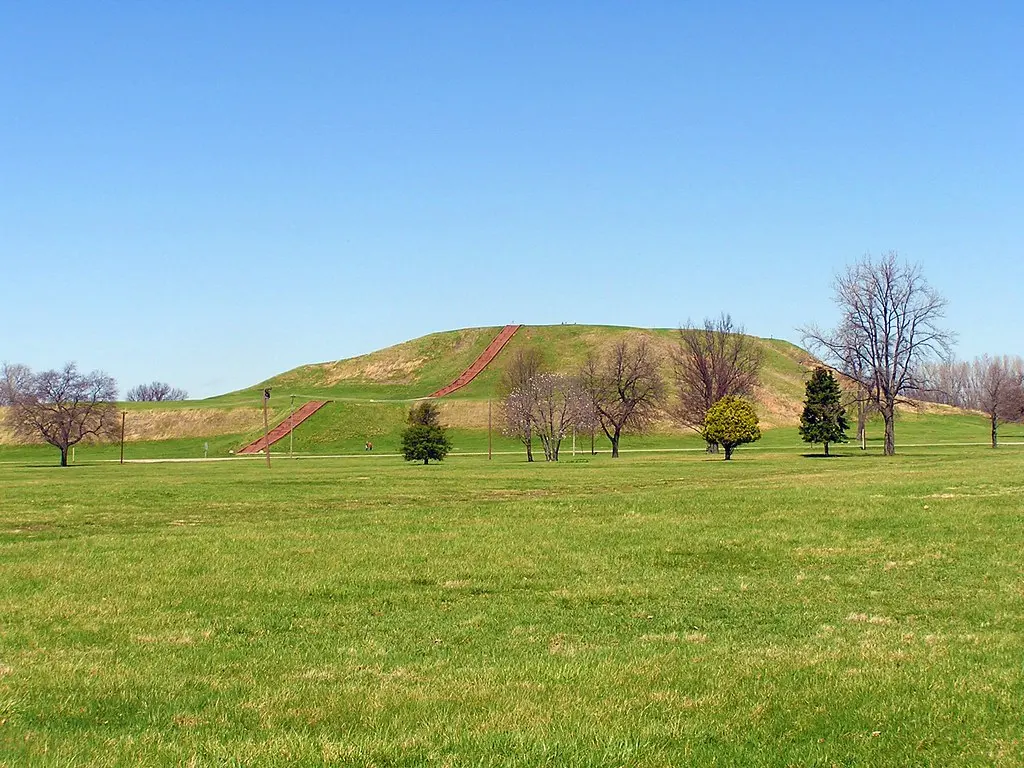
Cahokia Mounds, Collinsville, Illinois
Collinsville, Illinois, United States
17.0 km away
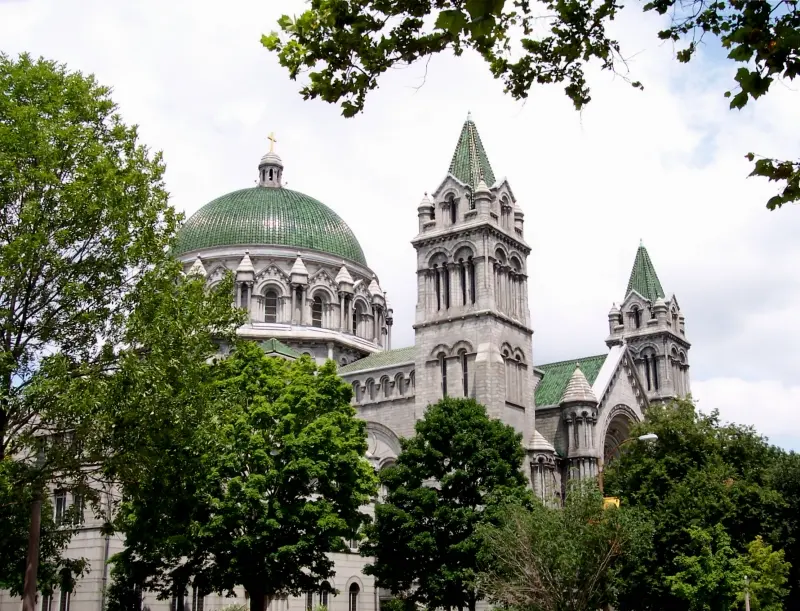
Cathedral Basilica of Saint Louis
St. Louis, Missouri, United States
26.9 km away
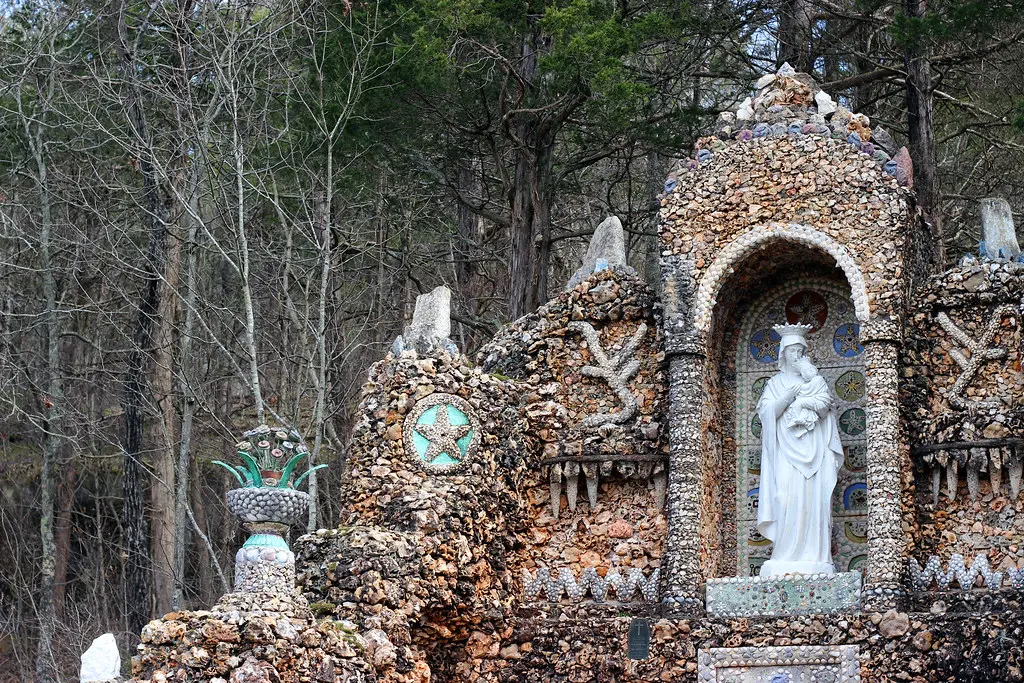
Black Madonna of Częstochowa (Eureka, MO)
Eureka, Missouri, United States
55.0 km away
Kincaid Mounds, Brookport, Illinois
Brookport, Kentucky, United States
198.4 km away
References
Sources consulted for this page. Source categories describe the publication, not a guarantee that every claim is verified. Traditional accounts and outside interpretations may differ.
- 01National Shrine of Our Lady of the Snows - Official Website — Missionary Oblates of Mary ImmaculateSource contextOfficial shrine website
- 02National Shrine of Our Lady of the Snows — WikipediaencyclopediaGeneral reference
- 03Shrine of Our Lady of the Snows has made memories for many in Belleville — STLPRnewsPublic radio coverage
- 04With over 1 million lightbulbs, Illinois shrine has Christmas display like few others — National Catholic ReporternewsCatholic media coverage
Share a photo
Help visitors recognize National Shrine of Our Lady of the Snows, Belleville, Illinois. Every submission is reviewed before publication.