Angel Mounds, Evansville, Indiana
A sacred city aligned with the cosmos, where Mississippian ancestors built mounds to mark the turning of the sun
Understand sacred places, explore living traditions, and learn how to engage respectfully with Pilgrim Map.
Access has not been verified. Check current local guidance before planning a visit.
Evansville, Indiana, United States
Read the sources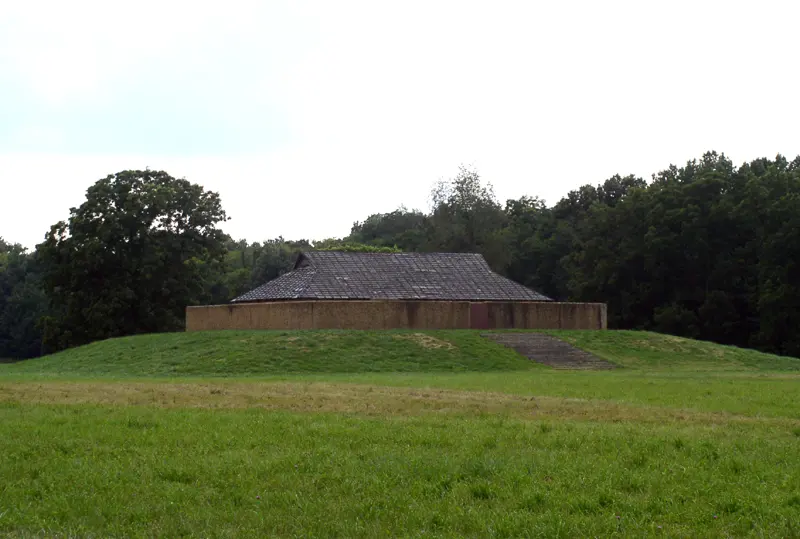
Visit essentials
A quick read before you go
- Duration
- Two to three hours for the full experience including the 1.4-mile trail.
- Etiquette
- Angel Mounds requires visitors to approach as guests on ancestral land where repatriated…
Overview
From roughly 1100 to 1450 AD, about one thousand people lived within the palisaded sacred precinct of Angel Mounds on the Ohio River. They built thirteen earthen mounds, eleven of which survive. Two-level Central Mound rises forty-four feet, elevating important buildings and occupants, while mound alignments marked summer and winter solstices—a calendar written in earth.
Seasonal ceremonies in the plaza joined community life to a larger cosmic order. Around 1450 the inhabitants left for reasons that remain uncertain, and forest and farmland gradually covered the mounds.
Angel Mounds is now one of the best-preserved Mississippian sites in the United States and an active place of descendant relationship. Delaware, Miami, Osage, Quapaw, Shawnee, and other nations helped shape the interpretive center; ancestors removed from this land have been repatriated and reburied here. The sacred city is archaeological heritage, ancestral homeland, and burial ground.
Why this place is sacred
The builders of Angel Mounds oriented their city to the heavens. The platform mounds were positioned to mark celestial events, particularly the solstices that divided the year. From certain positions, the rising or setting sun would align with mound features, creating a visual marker that the community could witness together. This was not astronomy in a modern sense but something closer to participation in cosmic order.
The mounds themselves represent accumulated labor and intention. Building a forty-four-foot earthwork without metal tools, carrying basket after basket of soil, required community effort sustained over years. This labor was not merely construction but devotion. The mounds are solidified commitment to something the builders considered essential.
The palisade walls that surrounded the settlement created a defined sacred precinct. What happened inside those walls was set apart from ordinary life. The entire city was, in some sense, a temple.
The site's significance deepened through modern acts of return. For decades, human remains and artifacts excavated from Angel Mounds sat in museums. Under NAGPRA and through tribal advocacy, many have been repatriated. Ancestors have been reburied at the site. This return changes what the place is. It is no longer only archaeological site but active burial ground, cared for by descendants.
The new interpretive center, opened in 2024 after a $6.5 million renovation, was developed in collaboration with descendant tribes. Their perspectives are woven throughout. The story told is not merely of a vanished people but of ancestors whose descendants still live and still remember.
Angel Mounds served as the political, cultural, and ceremonial center of the Angel chiefdom from approximately 1100 to 1450 AD. The mound alignments with celestial events suggest ceremonial marking of solstices and seasons. The platform mounds supported temples, council houses, and elite residences. The plaza provided space for community gatherings. The whole settlement functioned as a sacred city connecting human society to cosmic order.
The site was abandoned around 1450 AD. Reasons remain debated: climate change, resource depletion, political upheaval, or migration. The mounds persisted through centuries of agricultural use. In 1938, Eli Lilly funded purchase of the site for preservation through the Indiana Historical Society. WPA excavations from 1939 to 1942 processed 2.3 million artifacts.
In recent decades, repatriation and collaboration with descendant tribes have transformed how the site is understood, culminating in the 2024 interpretive center.
Experience and orientation
The interpretive center, opened in 2024, now greets visitors with cultural context that earlier outdoor-only visits lacked.
Outside, the mounds themselves do the work. Central Mound's forty-four feet of elevation does not seem dramatic until you consider that every inch was carried by human hands. The reconstructed palisade walls, standing twelve feet high with defensive bastions, create a sense of enclosure that suggests what it might have meant to enter this sacred city.
The 1.4-mile loop trail passes interest points that the site's designers considered worth noting. Walking the full trail takes time but allows the site to accumulate. The relationship between mounds, the orientation toward celestial markers, the way the settlement was organized all become clearer through movement.
Many visitors report a quality of presence that exceeds what an empty archaeological site might suggest. The phrase "mystical attraction" has been used in tourism materials. Whether this reflects accumulated human intention, descendant acknowledgment, reburied ancestors, or something unmeasurable, the effect is consistent enough to note.
Solstice dates carry particular significance. Though no formal ceremonies occur, visiting on June 21 or December 21 lets you stand where architecture and astronomy align.
Angel Mounds rewards visitors who come with context. The new interpretive center provides what earlier visits lacked. Plan to spend time inside before walking the grounds.
The 1.4-mile loop trail offers the fullest experience of the site's layout and scale. Allow two to three hours for a visit that includes the interpretive center and the full trail.
Consider what you are walking on. Approximately one thousand people lived here, and this is ground descendant communities hold sacred. Your presence adds to the presence of others who have come.
The reconstructed village structures and palisade give a sense of the settlement's character. These are modern reconstructions based on archaeological evidence, not original structures. They help visitors imagine what no longer exists.
Context and lineage
The Mississippian culture developed around 800-1000 AD along the Mississippi River and its tributaries. These peoples created complex societies characterized by intensive agriculture, social hierarchy, and monumental earthwork construction. Angel Mounds was established around 1100 AD on the Ohio River, positioned for trade and communication.
For 350 years, the Angel chiefdom flourished here. At its peak, approximately one thousand people lived within the palisaded settlement. They built mounds aligned with celestial events, creating a sacred city that connected daily life to cosmic order.
Around 1450 AD, the site was abandoned. The reasons remain uncertain. The Mississippian world was transforming across the region. What came after left little trace at Angel Mounds. The mounds persisted, gradually covered by vegetation, until preservation efforts began in the 20th century.
The descendants of Mississippian peoples at Angel Mounds include several federally recognized tribes today: Delaware, Miami, Osage, Quapaw, Shawnee, and others. These communities maintain cultural connection to the site, consulting on the interpretive center and participating in repatriation and reburial of ancestors.
The connection is not merely genetic but cultural. Descendant tribes preserve traditions, languages, and worldviews that link them to their Mississippian heritage. Angel Mounds is part of a larger sacred geography that descendant communities hold.
Eli Lilly
patron
The pharmaceutical company founder who funded purchase of Angel Mounds in 1938 for the Indiana Historical Society, enabling preservation of the site.
Traditions and practice
Mississippian ceremonial practices at Angel Mounds would have included ceremonies marking solstices and seasonal changes, rituals conducted atop platform mounds, burial ceremonies, and community gatherings in the plaza. The specific practices are not documented and can only be inferred from archaeological evidence and comparison with practices at other sites.
The alignment of mounds with celestial events suggests ceremonies timed to astronomical markers. The platform mounds elevated sacred activities, connecting them to sky realms. The whole settlement functioned as a ceremonial landscape.
The site is managed by Indiana State Museum and Historic Sites. Educational programs serve schools and visitors. The new interpretive center offers exhibits developed with descendant tribes.
Descendant communities maintain connection through consultation and ceremony. Repatriation of human remains has led to reburial ceremonies at the site. These ceremonies are conducted by tribal members and are not public events.
For visitors, engagement is primarily educational and contemplative. Walking the grounds, visiting the interpretive center, and allowing time for reflection constitute the available practice.
Visit the interpretive center before walking the grounds. Understanding what the Mississippian people built and why deepens the experience of seeing it.
Walk the full 1.4-mile loop trail if you are able. The site reveals itself through movement. Standing in one spot offers less than walking the whole.
Consider the solstice dates. Visiting on June 21 or December 21 allows you to experience something of what the builders created: a moment when architecture and astronomy align. No formal ceremony occurs, but the alignment persists.
Remember that ancestors rest here. Human remains removed by archaeologists have been returned and reburied. You are walking on burial ground. Act accordingly.
Mississippian culture
HistoricalAngel Mounds was the political, cultural, and economic center of the Angel chiefdom from approximately 1100 to 1450 AD. The Mississippian people built earthen mounds aligned with celestial events, creating a sacred city that connected human society to cosmic order.
Ceremonies marking solstices and seasonal changes. Rituals atop platform mounds. Burial ceremonies. Community gatherings in the plaza. Agricultural practices tied to the ceremonial calendar.
Descendant tribal connections
ActiveSeveral federally recognized tribes maintain connection to Angel Mounds as descendants of Mississippian peoples, including Delaware, Miami, Osage, Quapaw, and Shawnee nations. The site remains spiritually and historically significant to these communities.
Collaboration on interpretive center exhibits. Cultural consultation. Repatriation and reburial of ancestors. The specific practices are conducted by tribal members.
Perspectives and open questions
Angel Mounds invites understanding through archaeological, descendant, and experiential perspectives. Each illuminates different dimensions of what the site holds. The 2024 interpretive center represents an integration of these perspectives unprecedented in the site's history.
Scholarly perspective
Angel Mounds is recognized as one of the best-preserved Mississippian sites in the United States. WPA excavations from 1939 to 1942 processed 2.3 million artifacts, establishing fundamental knowledge of the site's layout and function. Central Mound, at forty-four feet, is the tenth largest Native American mound in the country.
Scholarly consensus places Angel Mounds as a major chiefdom center, with mound alignments corresponding to celestial events. The site demonstrates sophisticated understanding of astronomy, urban planning, and social organization. National Historic Landmark designation confirms its archaeological significance.
Living and traditional perspectives
Descendant tribes, including the Delaware, Miami, Osage, Quapaw, and Shawnee, maintain connection to Angel Mounds as ancestral homeland. The site is not merely data but heritage. The development of the new interpretive center in collaboration with these communities represents recognition that their perspectives are essential to understanding what the site means.
Repatriation and reburial of ancestors has transformed the site from archaeological collection to active burial ground. The dead have returned home. Descendant communities consider this sacred.
Alternative interpretations
Tourism materials have described Angel Mounds as a "mystical attraction." Some visitors report experiences of presence or energy that exceed typical site visits. These descriptions often emerge from genuine experiences but lack archaeological support. The consistency suggests the site produces effects worth noting.
Open questions
Genuine mysteries remain. The specific beliefs and ceremonial practices of Angel Mounds' inhabitants are not fully known. The reasons for abandonment around 1450 AD remain debated. The full extent of the Angel chiefdom's territory and influence awaits further research.
Plan your visit
Access and arrival
Hotels available in Evansville.
Respectful visit
Comfortable outdoor clothing and walking shoes appropriate for a 1.4-mile trail.
Permitted throughout the site. The mounds and reconstructed structures may be photographed. Consider whether documentation serves the experience or substitutes for it.
Not applicable at this site.
Stay on designated trails; walking off them causes erosion and risks disturbing what the site preserves. Do not climb on mounds, which were sacred structures built with devotion. Treat the reconstructed palisade and village structures with care, and keep an atmosphere appropriate to both museum and burial ground. Respect this as sacred ground for descendant communities.
Angel Mounds is sacred to descendant communities. Do not climb on mounds. Stay on designated trails. Remove nothing. The site's preservation and its meaning for living peoples depend on visitors who understand this.
Current practical details
Address
8215 Pollack Ave, Evansville, IN 47715, USA
Phone
Hours
Hours, fees, and access can change — verify on the official source before you travel. Practical details last checked Jun 2026.
Location
Map loads as you approach this section.
Pilgrim reflections
A portrait of encounter, not a score
Pilgrims describe what they felt, how present they could become, and whether the place would shape a journey. There are no stars and no ranking of traditions.
No reviewed reflections yet
The first pilgrims can help describe the character of being here.
Share a reflection
Available after an account-backed “Been there.” Every reflection is reviewed before publication.
Nearby sacred places
Explore other sacred places in the region. Proximity does not establish access or travel time; check each place’s guidance.
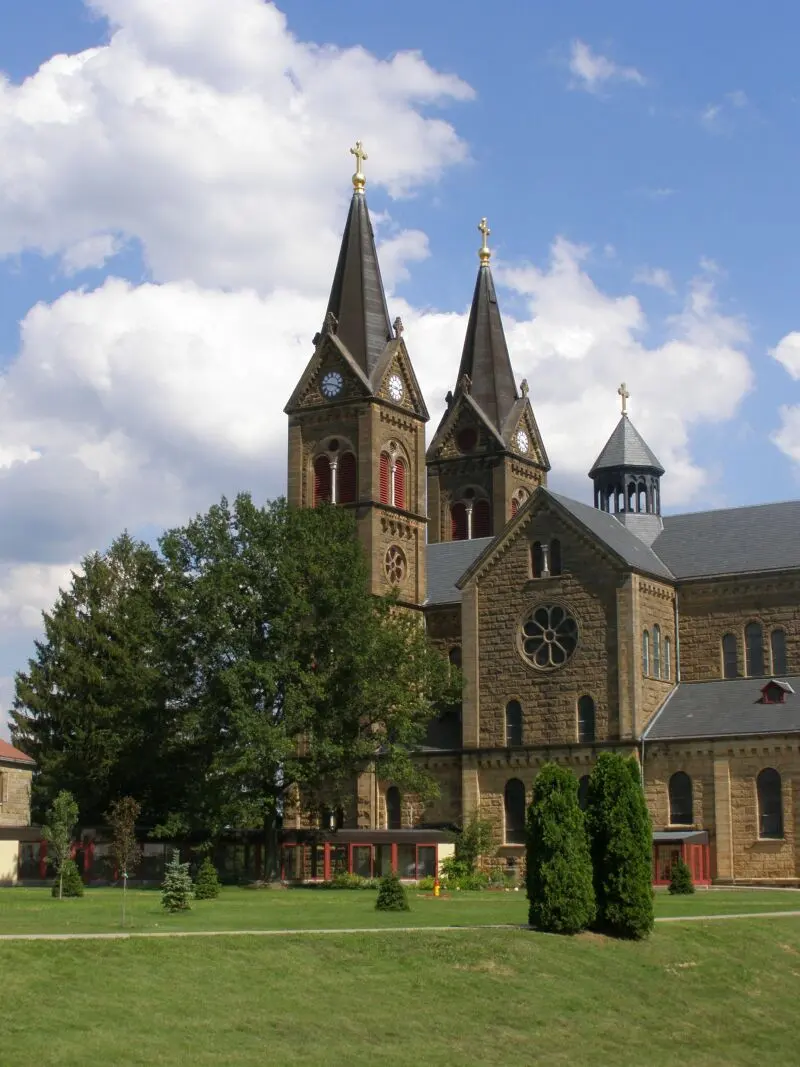
Saint Meinrad Archabbey
St. Meinrad, Indiana, United States
61.1 km away
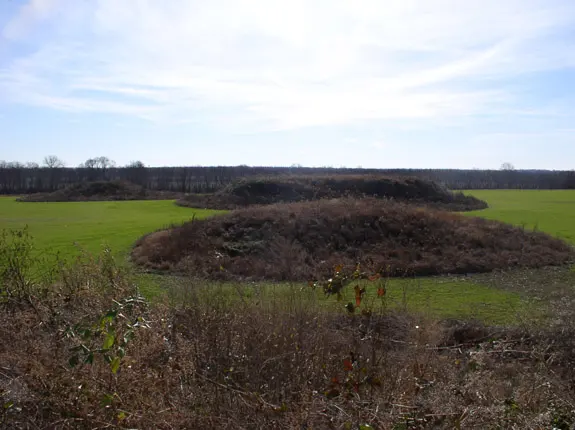
Kincaid Mounds, Brookport, Illinois
Brookport, Kentucky, United States
144.3 km away
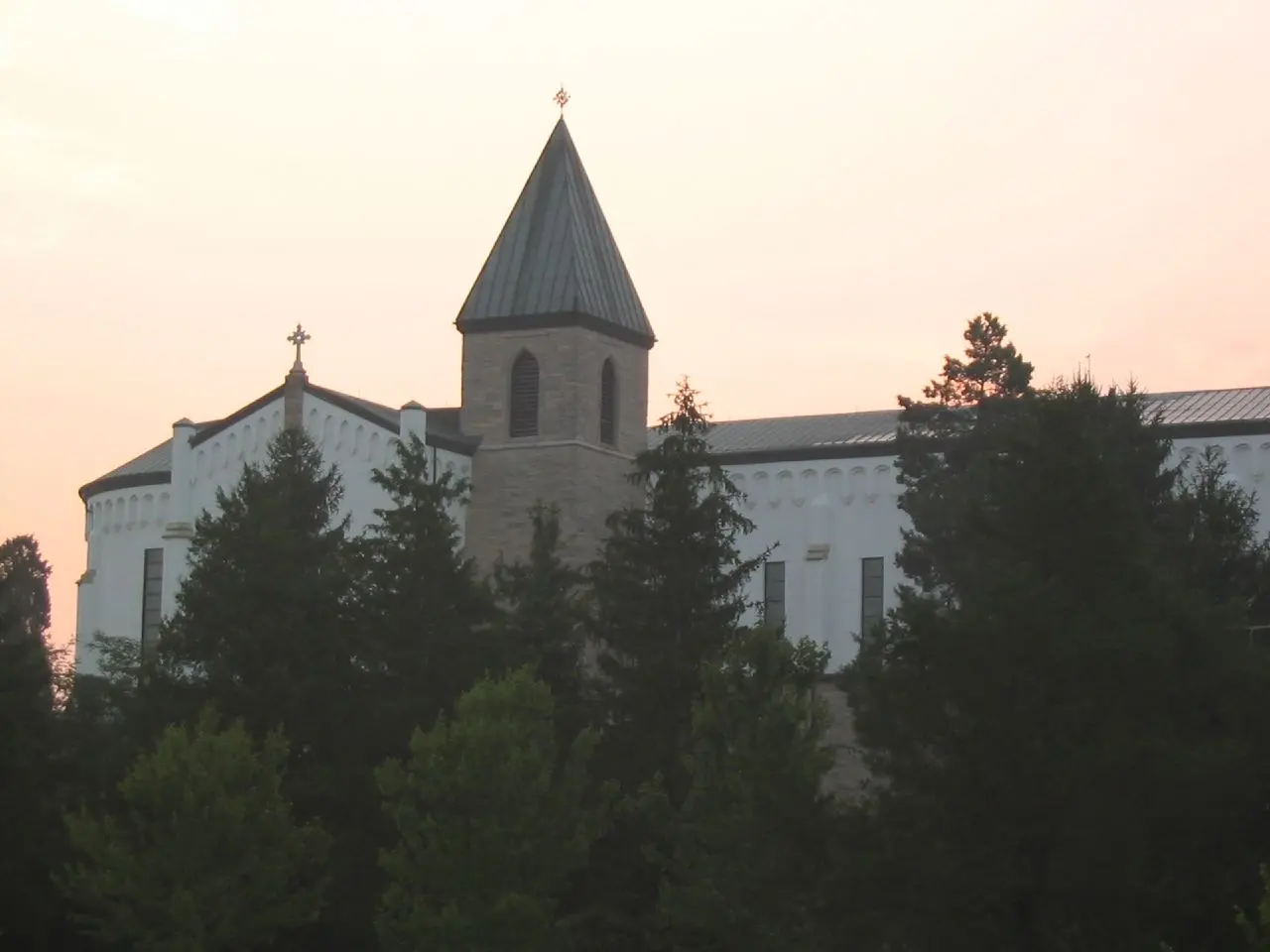
Abbey of Our Lady of Gethsemani
Trappist, Kentucky, United States
171.8 km away
National Shrine of Our Lady of the Snows, Belleville, Illinois
Belleville, Illinois, United States
230.8 km away
References
Sources consulted for this page. Source categories describe the publication, not a guarantee that every claim is verified. Traditional accounts and outside interpretations may differ.
- 01Angel Mounds State Historic Site — Indiana State Museum and Historic SitesSource contextOfficial state historic site
- 02Angel Mounds State Historic Site — U.S. National Park ServiceofficialNational Park Service documentation
- 03Angel Mounds — WikipediaencyclopediaGeneral reference
- 04This mystical southern Indiana attraction just got an upgrade — Visit IndiananewsTourism coverage of recent upgrades
Share a photo
Help visitors recognize Angel Mounds, Evansville, Indiana. Every submission is reviewed before publication.