Nasca - El Garza
Part ofLíneas de Nazca
A waterbird stretching across the desert, its long neck reaching toward something that is not there
Understand sacred places, explore living traditions, and learn how to engage respectfully with Pilgrim Map.
Access has not been verified. Check current local guidance before planning a visit.
Nazca, Ica, Peru
Read the sources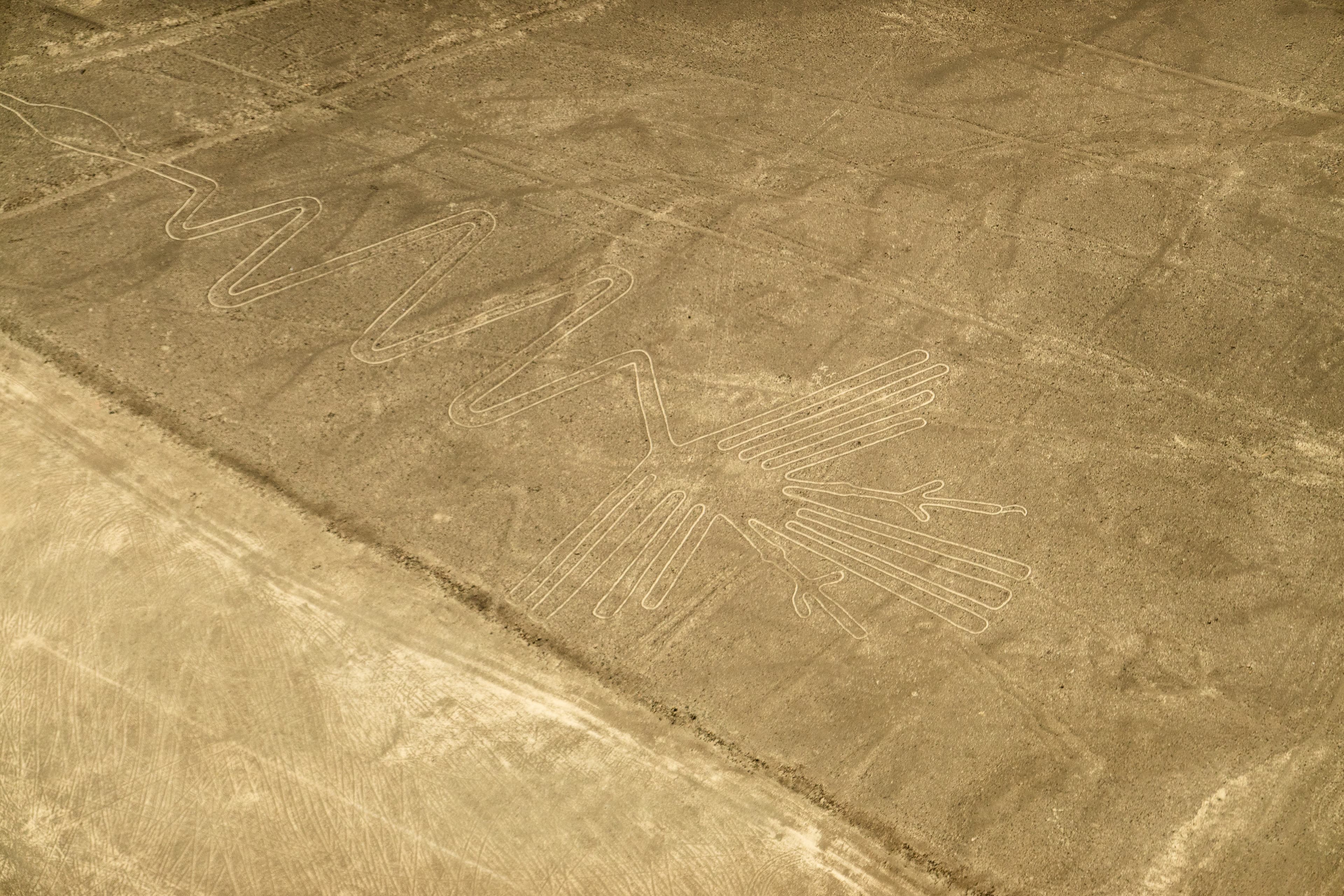
Image of Nasca - El Garza. Image source · CC-BY-SA-4.0
Visit essentials
A quick read before you go
- Duration
- Part of flight.
- Access
- Nazca airport.
Overview
The Heron geoglyph depicts a long-necked wading bird, its elongated form stretching across the desert floor. Herons are waterbirds, and their presence among the Nazca geoglyphs reinforces the connection between the figurative designs and water worship.
As a creature that inhabits the edges of rivers and wetlands, the heron's patient hunting style may have resonated with a people who waited for seasonal rains in a landscape that offered little certainty.
Why this place is sacred
The heron is a creature of thresholds. It stands where water meets land, motionless, waiting. To draw a heron in a desert is to invoke the edge it inhabits — the place where water appears. The Nazca heron stretches across the pampa like a prayer for the wetlands that sustained life, its long neck reaching toward something that is not there but might, with enough patience, arrive.
Part of Nazca water worship.
Created between 500 BC and 500 AD.
Experience and orientation
The Heron's extreme length makes it a dramatic presence during scenic flights. Its elongated neck and body stretch across a vast area. The lines are finer than those of more compact geoglyphs, giving the Heron a delicate quality despite its enormous scale.
Follow the neck from head to body. The figure stretches perception itself.
Context and lineage
Part of water worship.
Created by Nazca and Paracas cultures.
Paul Kosok
First aerial researcher
Traditions and practice
Ritual processions.
Conservation.
Follow the neck.
Nazca culture religion
HistoricalWaterbird symbolism.
Water worship.
Perspectives and open questions
The Heron invokes the threshold between water and land.
Scholarly perspective
Waterbird symbolism.
Living and traditional perspectives
No living tradition.
Alternative interpretations
N/A.
Open questions
Species debated.
Plan your visit
Access and arrival
Nazca airport.
Nazca town.
Respectful visit
Sun protection.
From aircraft.
None.
Walking prohibited
Ground access prohibited.
Current practical details
Address
PE-1S, 11350, Peru
Hours
Hours, fees, and access can change — verify on the official source before you travel. Practical details last checked Jun 2026.
Location
Map loads as you approach this section.
Pilgrim reflections
A portrait of encounter, not a score
Pilgrims describe what they felt, how present they could become, and whether the place would shape a journey. There are no stars and no ranking of traditions.
No reviewed reflections yet
The first pilgrims can help describe the character of being here.
Share a reflection
Available after an account-backed “Been there.” Every reflection is reviewed before publication.
Nearby sacred places
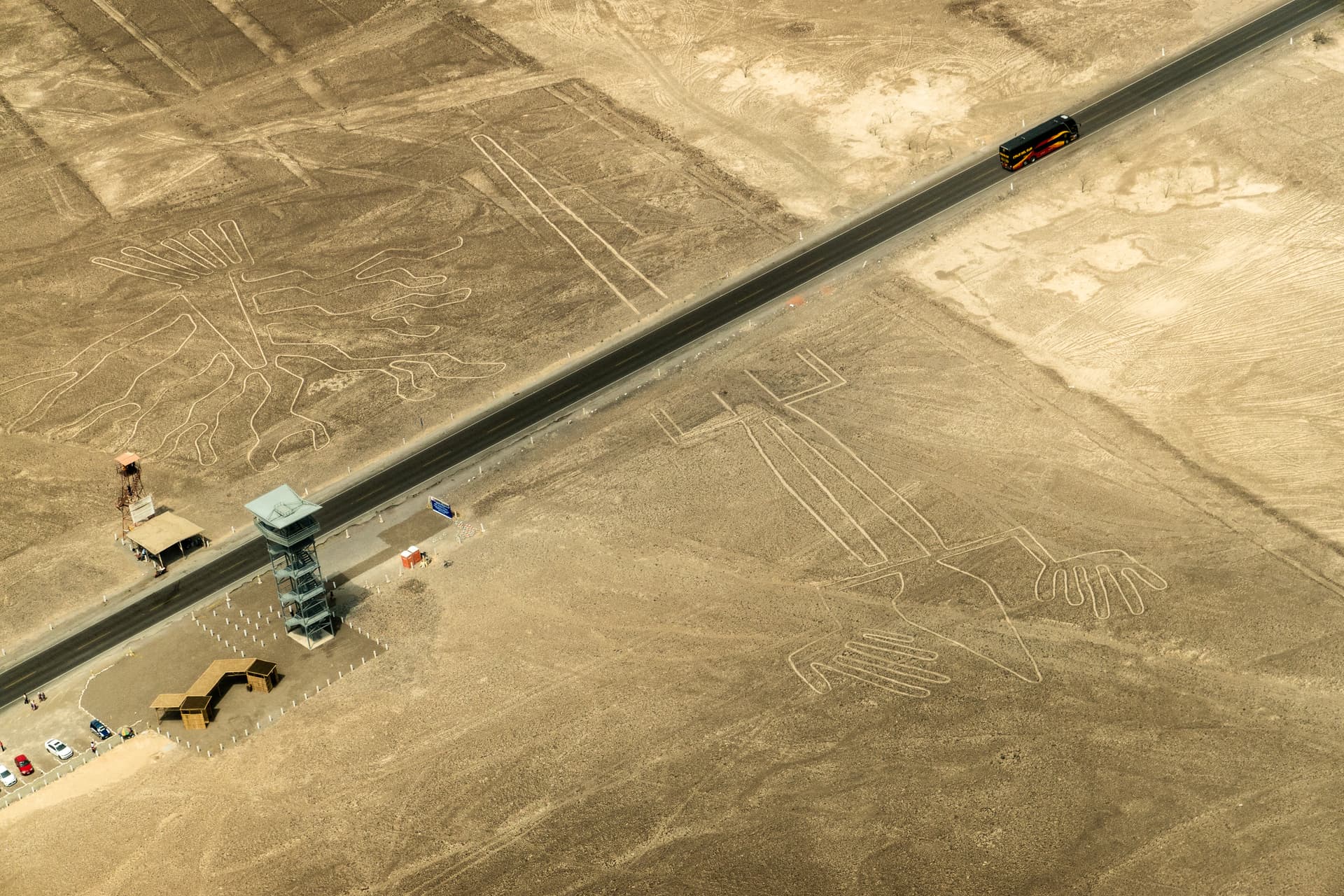
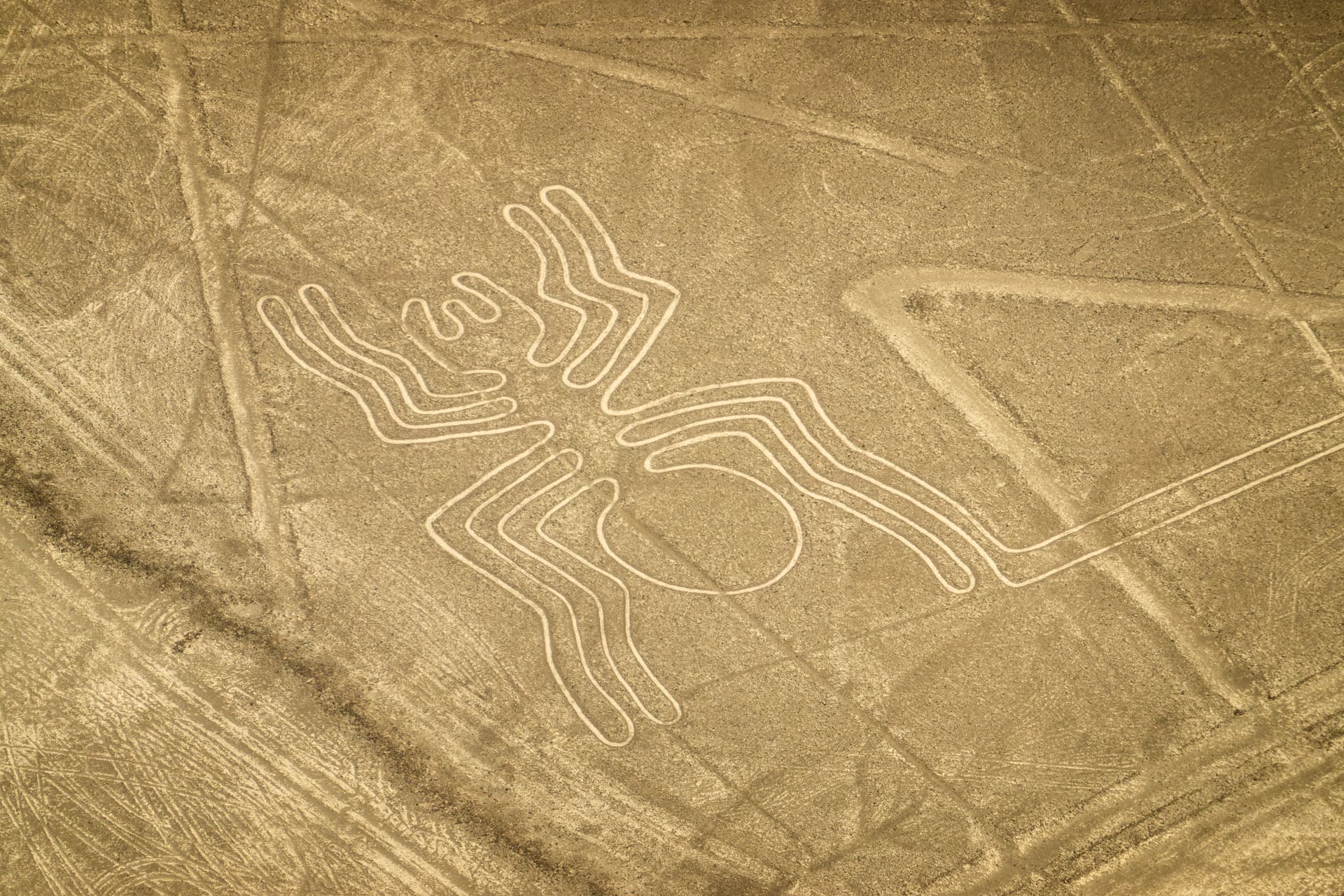
Explore other sacred places in the region. Proximity does not establish access or travel time; check each place’s guidance.


References
Sources consulted for this page. Source categories describe the publication, not a guarantee that every claim is verified. Traditional accounts and outside interpretations may differ.
- 01Nazca lines - Wikipedia — Wikipedia contributorsencyclopediaAmong the largest figurative geoglyphs
Share a photo
Help visitors recognize Nasca - El Garza. Every submission is reviewed before publication.