Mt. Katahdin, Maine
Where Pamola guards the summit and the Penobscot still journey to the Greatest Mountain
Understand sacred places, explore living traditions, and learn how to engage respectfully with Pilgrim Map.
Access has not been verified. Check current local guidance before planning a visit.
Millinocket, Maine, United States
Read the sources
Visit essentials
A quick read before you go
- Duration
- Summit day requires 8-12 hours for most routes, including rest stops.
- Etiquette
- Katahdin requires respect for both its physical dangers and its sacred significance.
Overview
Mount Katahdin rises from the forests of northern Maine as the undisputed terminus of the Appalachian Trail, where thousands of hikers complete their journey each year. But long before the AT existed, long before European settlement, this mountain held a different kind of significance. For the Penobscot Nation and the Wabanaki peoples, Katahdin is the Greatest Mountain, the sacred heart of their homeland, a place where the spirit world and physical world meet.
The mountain's guardian is Pamola, a spirit being of formidable aspect. Traditional accounts describe Pamola as having the head of a moose, the wings and talons of an eagle, and the body of a man. Pamola dwells atop the summit, commanding the clouds and storms that famously engulf the peak. In traditional Penobscot understanding, it was taboo for humans to climb to the summit.
Those who ascended too high risked Pamola's wrath: sudden storms, misfortune, or disappearance into the mists that shroud the mountain.
This taboo has been broken countless times since European arrival. Today, Katahdin is one of the most challenging and sought-after climbs in the eastern United States. Rangers recommend allowing ten hours for most approaches. The Knife Edge, a narrow ridge connecting Pamola Peak to Baxter Peak, is considered one of the most exposed trails in the East, with thousand-foot drops on either side.
Yet the mountain's sacred character has not been extinguished by recreational use. Jennifer Neptune, a Penobscot artist, puts it simply: 'It's a sacred mountain. For Penobscot people, it's really the heart of our homeland.' The tension between traditional reverence and modern recreation is not resolved but ongoing.
Since 1981, the Katahdin 100 has offered a different way of approaching the mountain. This annual spiritual journey begins on Indian Island, the seat of the Penobscot Nation, and travels one hundred miles by foot, bicycle, and canoe to reach the mountain's base. Participants gather around the Sacred Fire for drumming, singing, and dancing. They feast in the shadow of Katahdin and share their experiences in closing ceremony. This is not recreation but pilgrimage, ceremony, and personal sacrifice.
The 2024 opening of the Tekakpimk Contact Station at the adjacent Katahdin Woods and Waters National Monument represents ongoing recognition of Indigenous connections to this landscape. The name means 'as far as one can see' in Penobscot, honoring ancestors of the past while ensuring the sacred relationship speaks to future generations.
Why this place is sacred
Approach Katahdin on a clear day and you see a mountain. Approach it through Penobscot understanding and you encounter something else: a threshold between worlds, a dwelling place of spirits, a location where the ordinary rules of existence shift.
Pamola embodies this liminal quality. The spirit is described as having the head of a moose, wings and talons of an eagle, and body of a man. This is not random assemblage but meaningful synthesis: the moose of the forest, the eagle of the sky, the human form that walks between. Pamola is a being of boundaries, positioned at the summit where earth meets sky, where human world meets spirit world.
The traditional taboo against climbing was not arbitrary restriction but recognition of reality. To climb into Pamola's domain was to enter sacred space uninvited, to transgress a boundary that existed for reasons beyond human convenience. The storms that famously engulf Katahdin, the mists that descend without warning, the exposure on the Knife Edge where a single misstep means death: these are Pamola's domain, reminders that the mountain has its own character and will.
The most sacred stories about Pamola are kept within the Wabanaki tribes. What is shared publicly is only what outsiders need to know: that the mountain is sacred, that Pamola dwells there, that respect is required. The deeper teachings remain protected, as sacred knowledge should be.
The tension remains unresolved. Thousands climb each year, and Appalachian Trail thru-hikers celebrate at Baxter Peak's summit sign, transforming how most Americans experience the mountain. Yet the sacred persists. Each summer, the Katahdin 100 brings Penobscot and invited guests on the traditional journey from Indian Island; the Sacred Fire is lit and drums sound. As Jennifer Neptune says, the mountain remains the heart of Penobscot homeland, unchanged in that meaning by recreational use.
Awareness asks climbers to enter sacred space rather than conquer a peak, and approach mystery rather than merely achieve a goal. The mountain permits the approach; visitors are responsible for what they make of that permission.
For the Wabanaki peoples, Katahdin served as a sacred landmark, a boundary marker of homeland, and a location of spiritual power. Traditional relationships with the mountain included reverence, offerings, and strict taboos against transgressing Pamola's domain. The mountain was approached ceremonially, not recreationally.
The specific rituals conducted at Katahdin remain largely protected knowledge. What is known is that the mountain functioned as what some scholars call an axis mundi, a world axis connecting earthly and spiritual realms. Pamola's presence at the summit was not merely story but lived reality, shaping how the Penobscot understood and related to the highest point in their territory.
European arrival and American expansion transformed Katahdin's context. Henry David Thoreau climbed partway up in 1846, describing an encounter with wild nature that shaped American wilderness philosophy. Governor Percival Baxter began purchasing land in 1931, eventually donating over 200,000 acres to create Baxter State Park, with the stipulation that it remain 'forever wild.'
The Appalachian Trail's northern terminus was established at Baxter Peak in 1937, making Katahdin a destination for long-distance hikers. Today, thousands attempt the summit annually, with most using the Hunt Trail, the official AT route.
The Penobscot relationship has also evolved while remaining rooted in tradition. The Katahdin 100 began in 1981 when Barry Dana initiated the spiritual journey that now occurs annually. This is not recreation of lost tradition but creation of living tradition, connecting contemporary Penobscot to their ancestors and their sacred mountain.
The 2016 designation of Katahdin Woods and Waters National Monument and the 2024 opening of the Tekakpimk Contact Station represent institutional recognition of Indigenous connections. The contact station includes input from Penobscot artists like Jennifer Neptune, ensuring that visitors encounter Indigenous perspectives alongside recreational information.
The tension between traditional sacred site and recreational destination has not been resolved. Some argue that climbing Katahdin is inherently disrespectful to Penobscot tradition. Others note that the Penobscot themselves climb the mountain and welcome non-Indigenous participants in the Katahdin 100. The relationship is complex, ongoing, and not reducible to simple narratives.
Experience and orientation
Begin before dawn. The parking lots at Roaring Brook fill early, and rangers recommend the earliest possible start. You are embarking on an eight to twelve hour day.
The Hunt Trail, the Appalachian Trail's final stretch, gains four thousand feet over five miles. The ascent begins in mixed forest, transitions through subalpine zone, and emerges onto exposed alpine terrain. Above treeline, the mountain reveals its true character: bare rock, cairns marking the route, and nothing between you and the sky.
The weather deserves respect. Katahdin generates its own weather systems, and conditions at the summit bear no necessary relation to conditions below. Clear skies at the trailhead can become whiteout at Baxter Peak. Pamola Peak, where traditional accounts place the spirit guardian, often disappears into cloud while other summits remain visible. Carry rain gear regardless of forecast.
The Knife Edge demands particular attention. This 1.1-mile ridge connects Pamola Peak to Baxter Peak with drops of a thousand feet on either side. The traverse involves scrambling over exposed rock with no margin for error. In high winds or wet conditions, the Knife Edge becomes genuinely dangerous. Rangers close it when conditions warrant. Do not attempt it if you are afraid of heights or uncomfortable with exposure.
Reaching Baxter Peak, the summit, brings what most visitors expect: the famous sign marking the Appalachian Trail's northern terminus, panoramic views across northern Maine, the satisfaction of completing a significant climb. Thru-hikers who have walked two thousand miles from Georgia gather here to celebrate.
But something else is possible. Knowing that you stand in Pamola's domain, on ground sacred to the Penobscot for millennia, facing storms and mist that traditional understanding attributed to spirit presence, you might find your experience shifts. The summit becomes not achievement but encounter. The mountain reveals itself as something more than geology.
The descent takes as long as the ascent. Knees and ankles absorb thousands of feet of downward impact. The forest that seemed welcoming in morning light grows dim in afternoon. Most hikers finish exhausted, transformed in some measure by what Katahdin demands.
Chimney Pond, nestled in a glacial cirque below the summit, offers a different approach. Backpackers who secure reservations can camp here, breaking the climb into two days and experiencing the mountain at dawn and dusk when most visitors have gone.
Mount Katahdin (5,267 feet) stands in Baxter State Park in north-central Maine, approximately eighty miles north of Bangor. The park has no cell service and limited facilities. The mountain is surrounded by wilderness.
Primary access is through Togue Pond Gate in the south. Day Use Parking Reservations are required for Katahdin trailheads and should be booked weeks in advance during summer months. The park operates on a quota system to protect the wilderness character.
Major routes include the Hunt Trail (Appalachian Trail), Helon Taylor Trail, Saddle Trail, and Cathedral Trail. The Knife Edge connects Pamola Peak to Baxter Peak for those seeking the most dramatic traverse. Most visitors climb via Hunt Trail and descend the same way.
Context and lineage
In Penobscot understanding, Katahdin stands as the heart of their homeland, present since the beginning. The mountain was not made by humans but by the forces that shaped the world. What makes it sacred is not construction but presence: this is where the spirit world and physical world meet.
Pamola's dwelling on the summit is foundational to understanding the mountain's character. The stories told about Pamola are not folklore in the dismissive sense but sacred narrative, explaining why the mountain behaves as it does and why certain relationships are required. The head of a moose, wings and talons of an eagle, body of a man: Pamola synthesizes the animal powers that matter most to the Wabanaki worldview.
The taboo against climbing was recognition that Pamola's domain was not for human trespass. Those who climbed too high faced consequences: storms, misfortune, disappearance. The mountain has always been a place of power, and power demands respect.
The most sacred stories about Pamola remain within the Wabanaki tribes. What has been shared publicly represents what outsiders need to know, not the fullness of traditional understanding. This is appropriate. Sacred knowledge requires protection.
The Penobscot are one of the Wabanaki Confederacy, the 'People of the Dawn' who have inhabited the northeastern woodlands since time immemorial. Their relationship to Katahdin is part of a broader sacred geography that includes the Penobscot River, the Atlantic coast, and the forests of Maine.
European colonization disrupted but did not destroy this relationship. The Penobscot Nation maintains its seat on Indian Island in the Penobscot River, and the journey to Katahdin remains viable. The Katahdin 100 represents living tradition, not historical reconstruction.
The mountain's other lineage is recreational. Henry David Thoreau's 1846 partial ascent became a foundational text of American wilderness writing. The Appalachian Trail, completed in 1937, made Katahdin a destination for long-distance hikers worldwide. These layers coexist, sometimes uneasily.
The 2024 Tekakpimk Contact Station at Katahdin Woods and Waters National Monument represents institutional recognition of Indigenous connections. Named 'as far as one can see,' it honors ancestors while speaking to future generations. The relationship between federal land management and tribal sovereignty continues to evolve.
Pamola
Spirit guardian of Katahdin
Percival Baxter
Governor of Maine who created Baxter State Park
Barry Dana
Penobscot who initiated the Katahdin 100
Jennifer Neptune
Penobscot artist and cultural interpreter
Traditions and practice
Traditional Penobscot relationship to Katahdin centered on reverence for Pamola and recognition of the mountain's sacred character. Specific rituals are protected knowledge not shared publicly, but the broad contours are known: the mountain was approached with respect, taboos against climbing were observed, and the summit was understood as Pamola's domain rather than human territory.
The taboo against climbing had practical and spiritual dimensions. Practically, the mountain is genuinely dangerous, its weather unpredictable, its terrain unforgiving. Spiritually, the summit was sacred space, and uninvited entry risked Pamola's displeasure. The storms that frequently engulf Katahdin, the mist that descends without warning, the exposure that has claimed lives: traditional understanding attributed these to Pamola's presence and power.
The Katahdin 100 is the primary contemporary Penobscot ceremony associated with the mountain. Beginning in 1981 and continuing annually, this spiritual journey starts at Indian Island, the seat of the Penobscot Nation. Participants travel one hundred miles by walking, running, biking, and canoeing, retracing ancestral pathways to the mountain.
At Katahdin, participants gather around the Sacred Fire for drumming, singing, and dancing. They feast in the shadow of the mountain and share experiences in closing ceremony. The journey is understood as ceremony and personal sacrifice, connecting contemporary Penobscot to ancestors and to Creator.
The Katahdin 100 includes both tribal members and invited non-Indigenous guests. Participation is by invitation and involves commitment to the journey's spiritual purpose.
For recreational visitors who are not part of the Katahdin 100, the appropriate practice is awareness and respect rather than ceremony.
Before your climb, learn about Pamola and the mountain's significance to the Penobscot. Understand that you are entering sacred space, regardless of your own beliefs. The mountain's character remains what it has always been.
During your climb, practice attentiveness. Notice the weather changes, the exposure, the power of this landscape. When mist descends or storms approach, consider that traditional understanding had explanations for these phenomena that modern meteorology does not exhaust.
If you encounter Indigenous people engaged in ceremony or prayer, give them space. This is their mountain in a way it is not yours. Your presence is permitted but your participation in their practices is not assumed.
At the summit, take time before posing for photos. Consider where you are standing and what it has meant to those who have known it longest. The summit sign marks a recreational achievement. The ground beneath it marks something older.
Penobscot/Wabanaki Sacred Mountain Tradition
ActiveFor the Penobscot Nation and the Wabanaki peoples, Katahdin is not merely a mountain but the sacred heart of their homeland. The name means 'The Greatest Mountain.' The mountain is where spirit world and physical world meet. Jennifer Neptune articulates contemporary understanding: 'It's a sacred mountain. For Penobscot people, it's really the heart of our homeland.'
Traditional reverence and respectful approach to the mountain. The Katahdin 100 spiritual journey, an annual tradition since 1981 where participants travel from Indian Island to Katahdin by walking, running, biking, and canoeing. Ceremony and personal sacrifice. Drumming, singing, and dancing around the Sacred Fire. Feasting and thanksgiving to Creator and ancestors.
Legend of Pamola
ActivePamola is the spirit being who dwells atop Katahdin, guarding the summit as the boundary between human and spirit worlds. Pamola is described as having the head of a moose, wings and talons of an eagle, and body of a man. Traditional belief held it taboo for humans to climb to the summit; those who ascended too high risked Pamola's wrath through storms, misfortune, or disappearance.
Reverence for Pamola as mountain guardian. Recognition of the summit as Pamola's domain. Acknowledgment that the most sacred stories about Pamola are kept within the Wabanaki tribes, as sacred knowledge should be protected.
Appalachian Trail Pilgrimage
ActiveKatahdin serves as the northern terminus of the Appalachian Trail, a 2,190-mile footpath from Georgia to Maine. Completing the AT is a significant achievement, often described in transformative terms by those who accomplish it. The summit sign at Baxter Peak has become an iconic image in American outdoor culture.
Thru-hiking the Appalachian Trail over 5-7 months. Section hiking over multiple years. Day hiking from Baxter State Park to the summit. Celebration and documentation at the summit sign.
Perspectives and open questions
Katahdin invites multiple frameworks of understanding. Recreational hikers see a challenging summit and the northern terminus of the Appalachian Trail. The Penobscot and Wabanaki peoples see the sacred heart of their homeland, guarded by the spirit Pamola. These perspectives coexist, sometimes tensely, on the same mountain.
Scholarly perspective
Geologically, Katahdin is a remnant of a granite pluton exposed by millions of years of erosion. The mountain's dramatic cirques and ridges were carved by Pleistocene glaciation. At 5,267 feet, it is Maine's highest peak and one of the most prominent mountains in the eastern United States.
Anthropologically, the mountain's significance to the Wabanaki peoples is well documented. The Pamola tradition represents a widespread pattern of associating high peaks with spirit beings, found across many Indigenous cultures. The specific form of Pamola, combining features of moose, eagle, and human, reflects the importance of these animals in Wabanaki cosmology.
Historically, the mountain entered American consciousness through Henry David Thoreau's 1846 partial ascent, documented in The Maine Woods. Thoreau's encounter with wild nature on Katahdin's slopes influenced American wilderness philosophy. The Appalachian Trail's establishment in 1937 made the summit a destination for long-distance hikers.
Living and traditional perspectives
The Penobscot and Wabanaki peoples understand Katahdin as sacred ground, the heart of their homeland. Jennifer Neptune states: 'It's a sacred mountain. For Penobscot people, it's really the heart of our homeland.'
Pamola is not legend but living tradition. The spirit being dwells on the summit, guarding the boundary between human and spirit worlds. Traditional taboos against climbing recognized this boundary. The storms and mists that engulf the mountain are attributed to Pamola's presence and power.
The most sacred stories about Pamola are kept within the Wabanaki tribes, as sacred knowledge should be protected. What is shared publicly represents what outsiders need to know: that the mountain is sacred, that Pamola guards it, that respect is required.
The Katahdin 100 represents living tradition, connecting contemporary Penobscot to ancestors and to Creator through journey, ceremony, and personal sacrifice. This is not historical reconstruction but ongoing practice.
Alternative interpretations
Some non-Indigenous visitors report perceiving unusual energy or spiritual presence on Katahdin, particularly at the summit or on the Knife Edge. These experiences, while not part of Penobscot tradition, parallel reports from other high peaks worldwide that are considered sacred.
The mountain's dramatic weather, its physical demands, and its isolated setting create conditions that often produce altered states of awareness in those who climb it. Whether this is attributed to physical exertion, psychological response to wilderness, or something beyond conventional explanation varies by interpreter.
Open questions
The full extent of traditional Penobscot knowledge about Katahdin and Pamola remains within the tribe. What has been shared publicly is only what outsiders need to know. The deeper teachings, the complete stories, the full understanding of the mountain's significance are protected as sacred knowledge should be.
The nature of Pamola remains mysterious. The spirit is described in physical terms that synthesize moose, eagle, and human, but what Pamola actually is, beyond these descriptions, exceeds public knowledge. The relationship between Pamola and the mountain's weather, between the spirit's presence and human experience on the summit, belongs to realms where Western categories may not apply.
The pre-contact history of Wabanaki relationship to the mountain extends beyond written records. Oral tradition carries this knowledge, but oral tradition is selective about what it shares with outsiders.
Plan your visit
Access and arrival
Camping within Baxter State Park requires reservations, often months in advance. Chimney Pond offers lean-tos and bunkhouse with direct access to summit routes. Roaring Brook, Abol, and other campgrounds provide alternatives. Millinocket has lodges and hotels for those preferring beds. The park has no facilities for RVs or trailers.
Respectful visit
Dress for serious mountain conditions. Sturdy hiking boots are essential, preferably with ankle support. The terrain is rough and a twisted ankle miles from the trailhead is a serious problem.
Carry rain gear regardless of forecast. Katahdin generates its own weather, and summit conditions may differ dramatically from base conditions. Hypothermia is possible even in summer.
Layer clothing for changing conditions. You will be warm during ascent and potentially cold at exposed summit. Base layer, insulating layer, and wind/rain outer layer is the standard approach.
Bring more food and water than you think you need. Ten hours of strenuous hiking requires significant calories and hydration. There are no facilities on the mountain.
Photography is permitted throughout Baxter State Park. Use respectfully. The summit sign at Baxter Peak is a popular photo spot, but be aware of others waiting.
Do not photograph Indigenous people engaged in ceremony without explicit permission. Their practices are not performance for your documentation.
The mountain and surrounding wilderness offer extraordinary photographic opportunities. Take them, but also take time to simply experience rather than document.
Do not leave offerings unless you are a member of the Penobscot Nation or another affiliated tribe with traditional relationship to the mountain. Creating your own rituals or leaving objects appropriates practices that are not yours.
If you encounter offerings left by others, do not touch or disturb them. They are private spiritual communications.
{"Day Use Parking Reservations required for Katahdin trailheads","Start early, allow 10+ hours for most routes","Do not attempt Knife Edge in bad weather or high winds","No camping except in designated sites with reservation","Pack out all waste, Leave No Trace principles apply absolutely","Do not build cairns or leave markers","Respect rangers' guidance on conditions and closures"}
The recreational use of Katahdin exists in tension with its traditional sacred status. Some Penobscot consider any climbing to be disrespectful. Others participate in the Katahdin 100, which approaches the mountain's base, or welcome increased understanding of the mountain's significance.
Visitors should not attempt to perform Native American ceremonies or create their own rituals. Such appropriation is offensive. Your role as a recreational visitor is to climb, observe, and respect rather than to participate in traditions that are not yours.
The mountain itself demands respect regardless of spiritual orientation. Katahdin has killed people. The Knife Edge is genuinely dangerous. Weather changes can strand climbers overnight. Approach the mountain as what it is: a powerful, demanding, and potentially lethal environment that permits your presence but does not guarantee your safety.
Current practical details
Address
Mt Katahdin, Northeast Piscataquis, ME 04462, USA
Hours, fees, and access can change — verify on the official source before you travel. Practical details last checked Jun 2026.
Location
Map loads as you approach this section.
Pilgrim reflections
A portrait of encounter, not a score
Pilgrims describe what they felt, how present they could become, and whether the place would shape a journey. There are no stars and no ranking of traditions.
No reviewed reflections yet
The first pilgrims can help describe the character of being here.
Share a reflection
Available after an account-backed “Been there.” Every reflection is reviewed before publication.
Nearby sacred places
Explore other sacred places in the region. Proximity does not establish access or travel time; check each place’s guidance.

Sanctuaire Sainte-Anne-de-Beaupré
Sainte-Anne-de-Beaupré, Quebec, Canada
197.6 km away
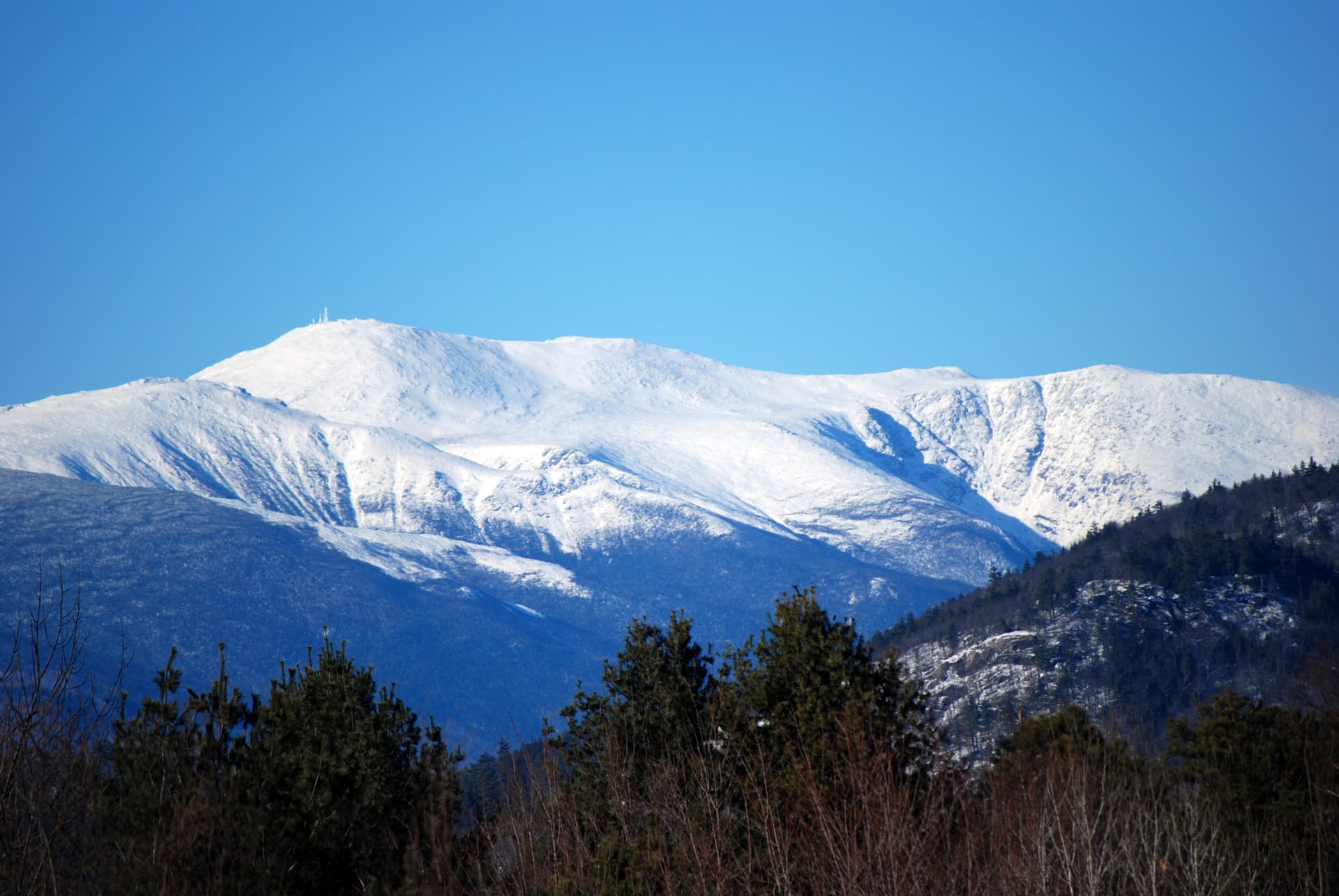
Mt. Washington, New Hampshire
Gorham, New Hampshire, United States
260.7 km away
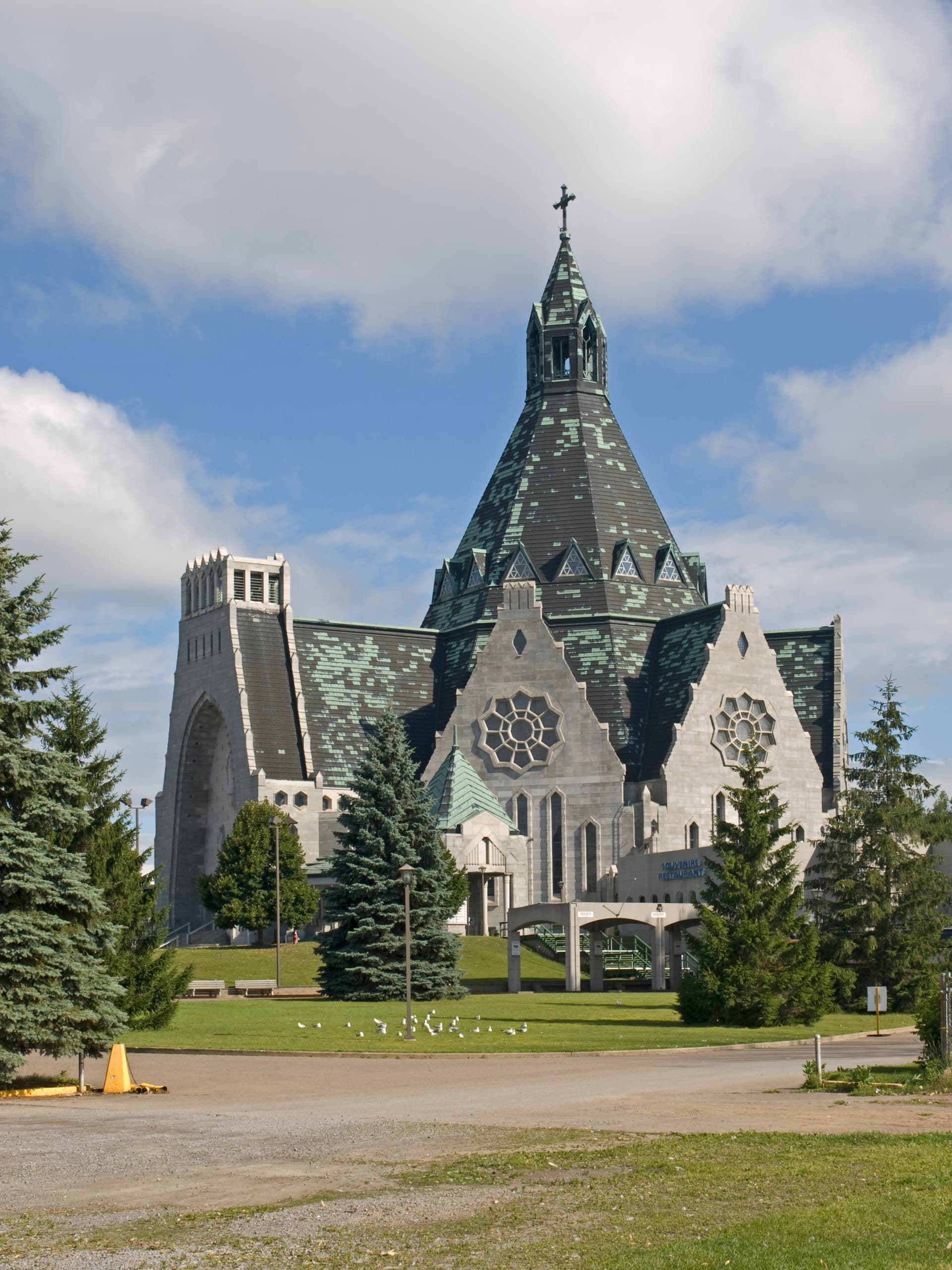
Our Lady of the Cape Shrine
Trois-Rivières, Quebec, Canada
280.3 km away
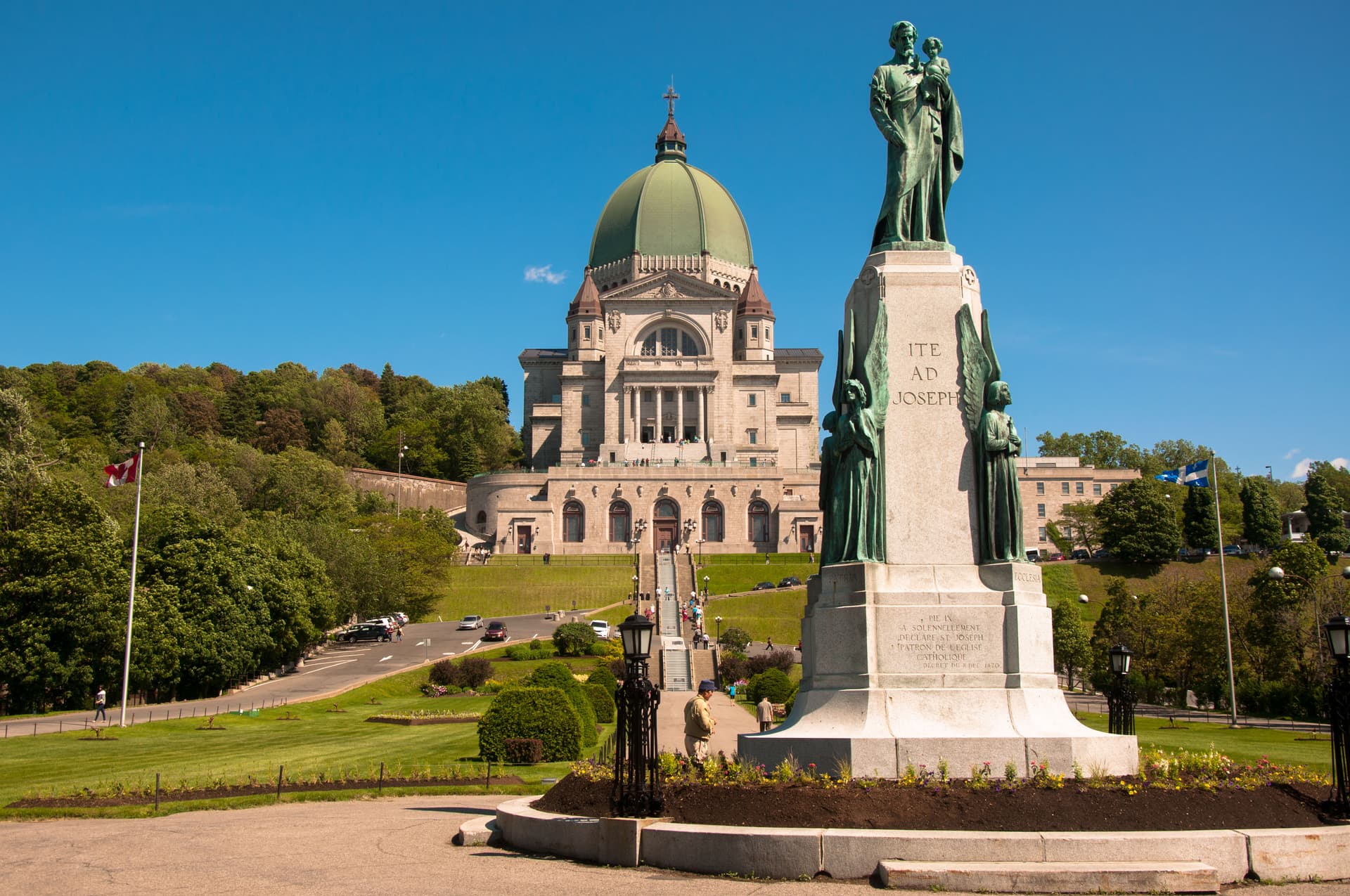
Saint Joseph's Oratory of Mount Royal
Montreal, Quebec, Canada
367.5 km away
References
Sources consulted for this page. Source categories describe the publication, not a guarantee that every claim is verified. Traditional accounts and outside interpretations may differ.
- 01A Spiritual Canoe Journey — Butch Phillips, Penobscot Nation / Wabanaki ReachSource contextIndigenous perspective on the spiritual journey
- 02Hiking - Baxter State Park — Baxter State ParkofficialOfficial park information
- 03Katahdin Woods and Waters National Monument unveils Tekαkαpimək Contact Station — Maine PublicnewsCoverage of new interpretive center honoring Indigenous culture
- 04Climbing Katahdin — Friends of Baxter State ParkSource contextPark support organization
- 05The Legend of Pamola — Katahdin Woods & Waters National Scenic BywayspiritualCultural legend documentation
Share a photo
Help visitors recognize Mt. Katahdin, Maine. Every submission is reviewed before publication.