Basilica of Notre-Dame-du-Cap, Trois-Rivières, Quebec, Canada
Where a frozen river and a statue that opened its eyes gave Canada its national Marian shrine
Trois-Rivières, Quebec, Canada
Plan this visit
Practical context before you go
Minimum 1 hour for the basilica and old chapel. Recommended 2-3 hours to include the Way of the Rosary, gardens, and museum. A half-day or full day is warranted during pilgrimage season events or when attending Mass and walking all devotional paths.
Address: 626, rue Notre-Dame Est, Trois-Rivieres, Quebec, Canada, G8T 4G9. Phone: 819-374-2441. Website: sanctuaire-ndc.ca. Located on the north shore of the St. Lawrence River in the Cap-de-la-Madeleine district. Accessible by car via Highway 40 (Autoroute Felix-Leclerc); blue directional signs mark the approach. Free outdoor parking available, including parking for motor homes. Trois-Rivieres is approximately 130 km northeast of Montreal and 130 km southwest of Quebec City. The sanctuary has full accessibility, certified by Keroul, Quebec's accessibility rating organization. The basilica is wheelchair accessible and the main pathways through the grounds are accessible. Restaurant L'Escale is open daily 7:00 AM to 8:00 PM. Museum open daily 9:00 AM to 5:00 PM. Gift shop on site. Public restrooms available. No mobile phone signal information was available at time of writing; check the sanctuary website for current details.
Notre-Dame-du-Cap is an active Catholic sanctuary that welcomes visitors of all backgrounds. Standard church etiquette applies in both the basilica and old chapel.
At a glance
- Coordinates
- 46.3686, -72.4982
- Type
- Basilica
- Suggested duration
- Minimum 1 hour for the basilica and old chapel. Recommended 2-3 hours to include the Way of the Rosary, gardens, and museum. A half-day or full day is warranted during pilgrimage season events or when attending Mass and walking all devotional paths.
- Access
- Address: 626, rue Notre-Dame Est, Trois-Rivieres, Quebec, Canada, G8T 4G9. Phone: 819-374-2441. Website: sanctuaire-ndc.ca. Located on the north shore of the St. Lawrence River in the Cap-de-la-Madeleine district. Accessible by car via Highway 40 (Autoroute Felix-Leclerc); blue directional signs mark the approach. Free outdoor parking available, including parking for motor homes. Trois-Rivieres is approximately 130 km northeast of Montreal and 130 km southwest of Quebec City. The sanctuary has full accessibility, certified by Keroul, Quebec's accessibility rating organization. The basilica is wheelchair accessible and the main pathways through the grounds are accessible. Restaurant L'Escale is open daily 7:00 AM to 8:00 PM. Museum open daily 9:00 AM to 5:00 PM. Gift shop on site. Public restrooms available. No mobile phone signal information was available at time of writing; check the sanctuary website for current details.
Pilgrim tips
- Address: 626, rue Notre-Dame Est, Trois-Rivieres, Quebec, Canada, G8T 4G9. Phone: 819-374-2441. Website: sanctuaire-ndc.ca. Located on the north shore of the St. Lawrence River in the Cap-de-la-Madeleine district. Accessible by car via Highway 40 (Autoroute Felix-Leclerc); blue directional signs mark the approach. Free outdoor parking available, including parking for motor homes. Trois-Rivieres is approximately 130 km northeast of Montreal and 130 km southwest of Quebec City. The sanctuary has full accessibility, certified by Keroul, Quebec's accessibility rating organization. The basilica is wheelchair accessible and the main pathways through the grounds are accessible. Restaurant L'Escale is open daily 7:00 AM to 8:00 PM. Museum open daily 9:00 AM to 5:00 PM. Gift shop on site. Public restrooms available. No mobile phone signal information was available at time of writing; check the sanctuary website for current details.
- Modest attire appropriate for a Catholic place of worship. Shoulders and knees should be covered when entering the basilica or old chapel. Casual but respectful clothing is standard for the gardens and grounds.
- Photography is generally permitted in the gardens, grounds, and exterior areas. Photography may be restricted during Mass and liturgical celebrations. Discretion and respect are expected when photographing inside the basilica and old chapel.
- The summer pilgrimage season (June through September) brings large crowds, particularly around the Feast of the Assumption on August 15. The old chapel is very small and can feel crowded. Winter brings cold temperatures and reduced access to the outdoor stations and gardens, though the basilica and chapel remain open.
Overview
On the banks of the St. Lawrence River, in Quebec's Trois-Rivieres, a tiny stone chapel from 1714 and a monumental octagonal basilica from 1964 stand side by side. Together they hold three centuries of rosary devotion, two reported miracles, and the only canonically crowned Madonna in Canada. Over half a million pilgrims come each year to pray before the statue that three witnesses described as opening its eyes on a June evening in 1888.
Something happened in this place that changed things. In the winter of 1879, when Father Luc Desilets needed stones from across the St. Lawrence to build a larger church, the river that had refused to freeze all winter suddenly formed an ice bridge. It held for exactly one week, long enough for horse-drawn sleds to haul the stones across. The old chapel was saved from demolition. Nine years later, on the evening of its dedication as a Marian shrine, three men praying before a donated statue of the Virgin saw her eyes open. They remained open for five to ten minutes. Father Frederic Janssoone, one of the witnesses, later said the experience changed his life forever.
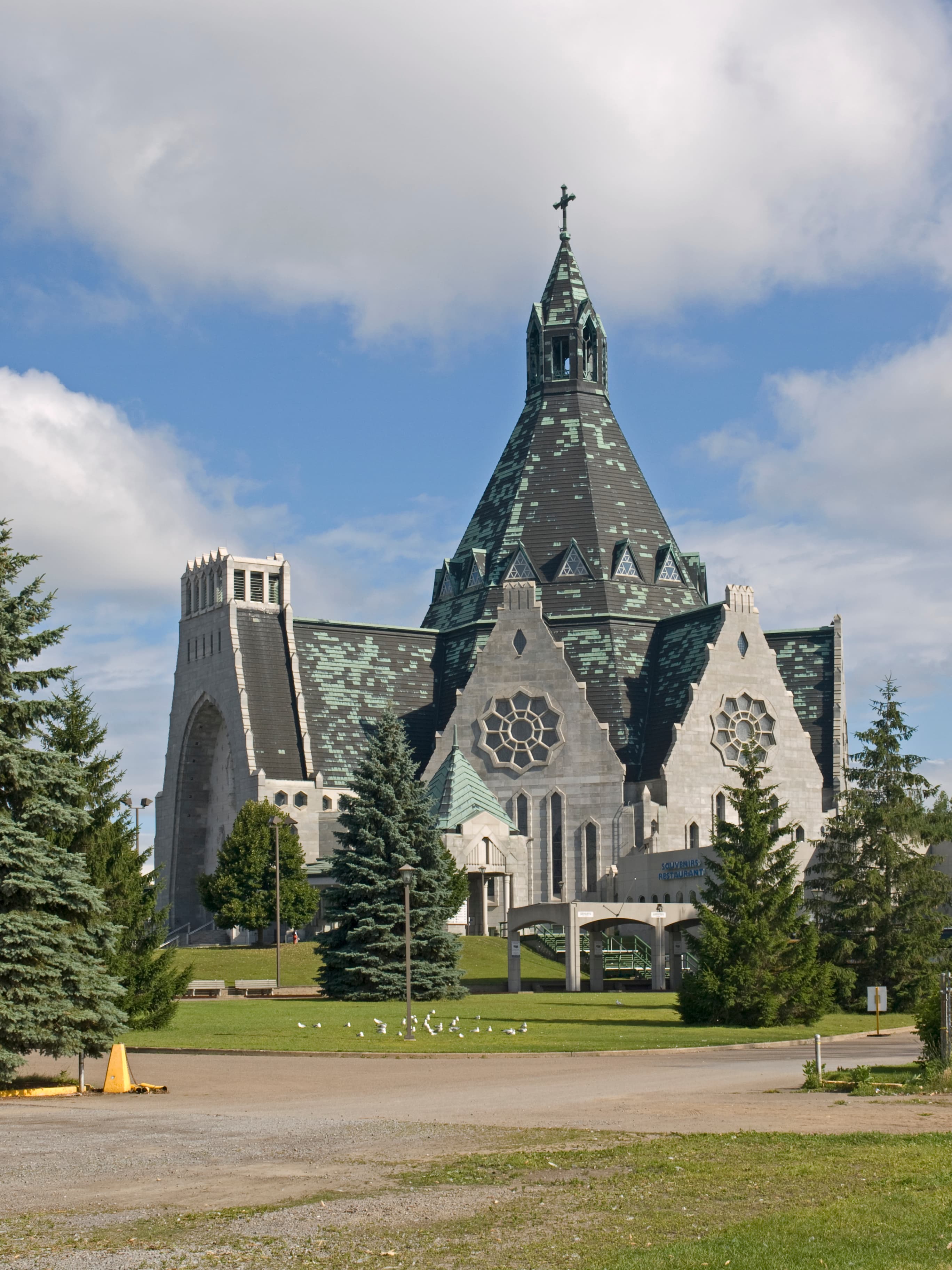
From these two events grew one of North America's largest pilgrimage destinations. The old stone chapel, barely large enough for sixty people, still holds the statue at its altar. Beside it, the octagonal basilica designed by Adrien Dufresne rises to a cross 78 metres above the ground, its stained glass by a Dutch Oblate priest casting coloured light across a space built for 1,600. Between these two buildings, gardens spread along the riverbank: bronze stations of the Way of the Rosary, an artificial lake with a small island, Stations of the Cross winding through trees.
Notre-Dame-du-Cap is one of Canada's six national shrines, one of Quebec's three great pilgrimage sites alongside Sainte-Anne-de-Beaupre and the Oratoire Saint-Joseph. The Missionary Oblates of Mary Immaculate have served as its guardians since 1902. Each summer, the pilgrimage season fills the grounds with processions, candlelight ceremonies, and the sound of a 5,425-pipe Casavant organ. Each Labour Day weekend, pilgrims walk 100 kilometres over three days to arrive here. What draws them is not only the history but something more personal: the sense, reported by visitors across generations, that prayer offered in this place is heard.
Context and lineage
Notre-Dame-du-Cap grew from a modest New France parish into one of North America's most important Marian shrines through three centuries of devotion, two reported miracles, and the institutional stewardship of the Missionary Oblates.
The story begins with a pig. In the mid-19th century, Father Luc Desilets found a pig chewing a rosary inside his parish church at Cap-de-la-Madeleine. The sight moved him to vow himself to the Blessed Virgin and revive the Marian devotion that Father Paul Vachon had planted in 1694. When his growing congregation needed a larger church, Desilets planned to use stones from across the St. Lawrence, but the river refused to freeze during the mild winter of 1878-1879. He vowed that if the stones could be transported, he would preserve the old chapel as a shrine to Mary. In March 1879, ice floes from upstream formed a solid bridge across the river. It held for exactly one week, from the Feast of St. Joseph to the Feast of the Annunciation. Parishioners hauled stones across on horse-drawn sleds. Desilets kept his promise. Nine years later, on the evening the chapel was formally dedicated as a Marian shrine, Desilets, Franciscan friar Frederic Janssoone, and Pierre Lacroix saw the statue of the Virgin open her eyes. The event lasted five to ten minutes. Bishop Cloutier of Trois-Rivieres later recognized its supernatural character. From that evening forward, Notre-Dame-du-Cap was a pilgrimage site.
Marian devotion at Cap-de-la-Madeleine dates to 1694 and the Confraternity of the Most Holy Rosary. The shrine was formally inaugurated in 1888. The Missionary Oblates of Mary Immaculate have served as guardians since 1902, transforming a parish shrine into a national pilgrimage destination. The shrine forms part of Quebec's trinity of great pilgrimage sites alongside Sainte-Anne-de-Beaupre (founded 1658) and the Oratoire Saint-Joseph (founded 1904). It is one of six Canadian national shrines recognized by the Canadian Conference of Catholic Bishops.
Father Paul Vachon
First resident pastor who established the Confraternity of the Most Holy Rosary in 1694, planting the seed of Marian devotion at Cap-de-la-Madeleine
Father Luc Desilets
Parish priest who revived Marian devotion from 1867, made the vow that preserved the old chapel, and was one of three witnesses to the prodigy of the eyes in 1888
Blessed Frederic Janssoone, OFM
Franciscan friar known as 'God's Pedlar' who witnessed the prodigy of the eyes and developed the pilgrimage. Beatified by Pope John Paul II in 1988, exactly 100 years after the miracle
Pierre Lacroix
Handicapped man from Trois-Rivieres, third witness to the prodigy of the eyes on June 22, 1888
Bishop Francois-Xavier Cloutier
Bishop of Trois-Rivieres who recognized the supernatural character of the prodigy of the eyes and carried out the canonical coronation of the statue in 1904
Adrien Dufresne
Quebec architect (1904-1983) who designed the modern octagonal basilica
Father Jan Tillemans, OMI
Dutch Oblate (1915-1980) who created the basilica's stained glass windows, considered an unequalled treasure in North America
Why this place is sacred
The thinness of Notre-Dame-du-Cap rests on two reported miracles, three centuries of unbroken rosary devotion, and the juxtaposition of intimate chapel and monumental basilica that together hold the full range of how people pray.
The old stone chapel is where the thinness concentrates. Built between 1714 and 1720, it is one of the oldest stone churches in Canada, and its scale demands intimacy. Sixty people fill it. The altar holds the statue donated by a parishioner in 1854, the same statue three men saw open its eyes thirty-four years later. To stand in this space is to stand inches from an object around which extraordinary claims have gathered, in a room where the rosary has been prayed continuously since Father Paul Vachon established the Confraternity in 1694.
The modern basilica offers a different register of thinness. Where the chapel concentrates, the basilica expands. Tillemans' stained glass windows, mounted according to centuries-old techniques, fill the octagonal interior with coloured light. The Casavant organ, one of the largest in Canada, fills the space with sound that pilgrims describe as physically felt. During summer pilgrimage season, when the basilica holds its full capacity, the collective devotion of 1,600 people praying together creates what many visitors report as a palpable atmosphere.
Between these two poles, the gardens add a third dimension. The Way of the Rosary winds through landscaped grounds past fifteen bronze stations cast in France between 1906 and 1910. Lac Sainte-Marie, excavated in 1938, creates a still surface that reflects the basilica's silhouette. The St. Lawrence River flows nearby, the same river whose miraculous freezing in 1879 preserved the old chapel. Water, prayer, and time converge here in ways that pilgrims have found meaningful for over three hundred years.
Parish church at Cap-de-la-Madeleine since 1659; stone chapel built 1714-1720 as replacement for original wooden structure; formally inaugurated as Marian shrine June 22, 1888
From modest parish of New France (1659) through establishment of Marian devotion (1694), the ice bridge miracle (1879) and prodigy of the eyes (1888), institutional stewardship by the Oblates (1902), canonical coronation (1904), development of pilgrimage grounds (1906-1938), and construction of the modern basilica (1955-1964). Pope John Paul II's visit in 1984 drew 75,000 people. Today one of Canada's six national shrines with over 500,000 annual visitors.
Traditions and practice
Daily Mass, rosary devotion, the Way of the Rosary, Eucharistic adoration, and seasonal pilgrimage processions sustain an active devotional life that has continued without interruption since the late 17th century.
The Confraternity of the Most Holy Rosary, established in 1694, is the oldest and most enduring practice at Cap-de-la-Madeleine. Rosary prayer is central to the shrine's identity: the miraculous ice bridge was attributed to rosary intercession, and the shrine is dedicated to Our Lady of the Most Holy Rosary. The canonical coronation of the statue in 1904 established formal liturgical celebration honoring the crowned Madonna. Pilgrimage processions, Marian hymns, and candlelight ceremonies have been practiced since the first official pilgrimage on May 7, 1883.
Daily Mass in the basilica follows a regular schedule: Monday through Friday at 11:00 AM and 4:00 PM, Saturday at 11:00 AM and 4:00 PM, Sunday at 8:30 AM, 10:00 AM, 11:30 AM, and 4:00 PM with a Spanish Mass at 11:00 AM in the Old Shrine. The daily rosary is prayed at 3:30 PM, with an additional session Saturday at 10:30 AM. Eucharistic adoration takes place Sunday at 2:00 PM in the Old Shrine. The Sacrament of Reconciliation is available. The Novena of the Assumption runs from August 7 through 15. The Marie-Reine-du-Canada walking pilgrimage covers 100 kilometres over three days during Labour Day weekend, from Saint-Joseph-de-Lanoraie through Maskinonge to Trois-Rivieres. A museum documents the shrine's history.
Spend time in the old chapel first. Let the intimacy of the space and the proximity of the statue settle before entering the basilica's grandeur. Walk the Way of the Rosary slowly, pausing at each of the fifteen bronze stations. If you do not pray the rosary, the stations are still worth contemplating as works of devotional art cast over a century ago. Attend Mass at 4:00 PM for a liturgical experience enhanced by the Casavant organ and Tillemans' light. Walk the Stations of the Cross through the gardens. Sit by Lac Sainte-Marie. If visiting during pilgrimage season, consider attending a candlelight procession.
Roman Catholic Marian Devotion (Our Lady of the Most Holy Rosary)
ActiveNotre-Dame-du-Cap is Canada's national shrine to the Blessed Virgin Mary and one of the most significant Marian pilgrimage sites in North America. The devotion to Our Lady of the Rosary at Cap-de-la-Madeleine dates to 1694. The shrine was formally inaugurated on June 22, 1888. The statue of Our Lady of the Cape is the only canonically crowned Madonna in Canada, crowned under the authority of Pope Pius X in 1904. Over 500,000 pilgrims visit annually. The shrine is one of Quebec's three great pilgrimage sites and one of Canada's six national shrines.
Daily Mass, rosary devotion (daily at 3:30 PM), Eucharistic adoration (Sunday 2:00 PM), Sacrament of Reconciliation, pilgrimage processions, candlelight ceremonies, Way of the Rosary (fifteen bronze stations), Stations of the Cross, Novena of the Assumption (August 7-15), Marie-Reine-du-Canada walking pilgrimage (100 km over Labour Day weekend), prayer before the miraculous statue in the old chapel
Missionary Oblates of Mary Immaculate
ActiveThe Oblates have served as guardians and administrators of the shrine since 1902. Under their stewardship, the sanctuary was transformed from a parish shrine into a national pilgrimage destination through landscaping of the grounds, excavation of Lac Sainte-Marie (1938), installation of the Way of the Rosary with bronze statues cast in France (1906-1910), and the planning and construction of the modern basilica (1955-1964). Father Jan Tillemans, a Dutch Oblate, created the basilica's stained glass windows.
The Oblates lead daily worship, organize pilgrimage seasons, provide spiritual direction and the Sacrament of Reconciliation, maintain the shrine grounds, and coordinate major events including the summer pilgrimage season and Assumption celebrations.
Experience and perspectives
Visiting Notre-Dame-du-Cap means moving between two churches and through gardens that together hold three centuries of devotion, from the intimate encounter with the miraculous statue to the vast light-filled basilica to the meditative paths along the St. Lawrence.
Begin at the old chapel. The door opens onto a space so small that the altar seems close enough to touch. The statue of Our Lady of the Cape sits above it, crowned in 1904 under papal authority with a shamrock-girdled crown donated by the Irish community of Montreal. This is the statue. The light is low. The walls are fieldstone, the ceiling close. In this room, on the evening of June 22, 1888, the eyes reportedly opened. Pierre Lacroix, a handicapped man from Trois-Rivieres, had asked two priests to help him inside. As the three men prayed, the statue's eyes were seen to open and remain open for several minutes. Whatever one believes about what occurred, the room itself communicates something: three hundred years of prayer pressed into a space barely larger than a living room.
The basilica is the opposite of compression. Adrien Dufresne's octagonal design stretches 79 metres long and 60 metres wide, with a pyramidal dome that lifts the eye upward to a skylight beneath a cross 78 metres from the ground. Father Jan Tillemans' stained glass windows, the work of a Dutch Oblate who spent years in their creation, are described as an unequalled treasure in North America. Mounted according to centuries-old techniques, they fill the interior with shifting colour throughout the day. When the Casavant organ sounds during Mass, its 5,425 pipes produce a vibration that occupies the body as much as the ears.
The grounds between and around these two buildings reward slow walking. The Way of the Rosary passes fifteen bronze statues, each representing one of the traditional mysteries, cast by French craftsmen and installed over four years. The path circles Lac Sainte-Marie, the artificial lake excavated in 1938, whose small island and still water create a contemplative pause. The Stations of the Cross wind through gardens that are most lush in summer. The St. Lawrence River is visible nearby, and to see it is to think of the ice bridge that held for one week in March 1879, long enough to save the chapel that stands here still.
During the summer pilgrimage season, the grounds come alive with collective devotion: processions, candlelight ceremonies, the Novena of the Assumption running from August 7 to 15. The Labour Day weekend brings the Marie-Reine-du-Canada walking pilgrimage, in which participants walk 100 kilometres over three days to arrive at the shrine. Even outside these peak periods, the daily rhythm of Mass, rosary, and individual prayer sustains the atmosphere that draws half a million people each year.
Come prepared to move between intimacy and grandeur. The old chapel asks you to be still. The basilica asks you to look up. The gardens ask you to walk slowly. All three ask you to listen.
Notre-Dame-du-Cap can be approached as a pilgrimage destination, a repository of francophone Canadian spiritual heritage, an architectural study in contrasts, or a site where reported miracles invite reflection on the boundary between ordinary and extraordinary experience.
Religious historians recognize Notre-Dame-du-Cap as the most important Marian pilgrimage site in francophone America. The shrine's development illustrates the deep intertwining of Catholic devotion and French-Canadian cultural identity. Scholars note that the pilgrimage tradition grew from parish-level Marian devotion in the 17th century through a series of extraordinary events that attracted wider attention and ecclesiastical recognition. The 1714 stone chapel is recognized as a significant heritage structure from the New France period, listed in the Quebec cultural heritage registry. The modern basilica represents mid-20th-century ecclesiastical architecture, with Tillemans' stained glass windows acknowledged as an exceptional artistic achievement. The shrine forms part of a triangle of major Quebec pilgrimage sites that together define the province's Catholic pilgrimage geography.
For Catholic tradition, Notre-Dame-du-Cap is a place where the Blessed Virgin has been present and active. The ice bridge of 1879 is understood as intercession through the rosary. The prodigy of the eyes of 1888 is understood as the Virgin making herself known. The canonical coronation of 1904, the only such coronation in Canada, is understood as the Church's recognition of her presence at this place. Bishop Cloutier's formal recognition of the supernatural character of the prodigy, the papal authority behind the coronation, and Pope John Paul II's 1984 pilgrimage all place institutional weight behind the devotion. The beatification of Father Frederic Janssoone in 1988, exactly one hundred years after the miracle he witnessed, is understood as providence.
Some visitors and spiritual seekers note the convergence of water, devotional energy from centuries of prayer, and reported miraculous phenomena as creating an unusually charged location. The St. Lawrence River, one of North America's great waterways connecting interior and ocean, adds a geographic dimension to the spiritual significance. The juxtaposition of the intimate 1714 chapel and the vast basilica is sometimes read as symbolizing the personal and communal dimensions of sacred experience. The site's position on traditional Indigenous territory invites awareness that the landscape held spiritual significance for the First Nations peoples of the St. Lawrence valley long before European settlement.
The precise nature of the prodigy of the eyes remains formally uninvestigated by modern Vatican protocols, though it was recognized as supernatural by Bishop Cloutier. The identity of the sculptor and original provenance of the 1854 statue are unknown. The full scope of reported healings and spiritual experiences among the hundreds of thousands of annual pilgrims goes largely unrecorded.
Visit planning
Located in the Cap-de-la-Madeleine district of Trois-Rivieres, midway between Montreal and Quebec City. Open daily. Free admission. Full accessibility. Free parking including motor homes.
Address: 626, rue Notre-Dame Est, Trois-Rivieres, Quebec, Canada, G8T 4G9. Phone: 819-374-2441. Website: sanctuaire-ndc.ca. Located on the north shore of the St. Lawrence River in the Cap-de-la-Madeleine district. Accessible by car via Highway 40 (Autoroute Felix-Leclerc); blue directional signs mark the approach. Free outdoor parking available, including parking for motor homes. Trois-Rivieres is approximately 130 km northeast of Montreal and 130 km southwest of Quebec City. The sanctuary has full accessibility, certified by Keroul, Quebec's accessibility rating organization. The basilica is wheelchair accessible and the main pathways through the grounds are accessible. Restaurant L'Escale is open daily 7:00 AM to 8:00 PM. Museum open daily 9:00 AM to 5:00 PM. Gift shop on site. Public restrooms available. No mobile phone signal information was available at time of writing; check the sanctuary website for current details.
Trois-Rivieres offers a full range of hotels, motels, and bed-and-breakfasts, some within walking distance of the shrine. The sanctuary's restaurant (L'Escale) provides meals for pilgrims and visitors. Advance booking is recommended during the summer pilgrimage season and around the Feast of the Assumption.
Notre-Dame-du-Cap is an active Catholic sanctuary that welcomes visitors of all backgrounds. Standard church etiquette applies in both the basilica and old chapel.
The sanctuary is a place of active worship, not a museum. Masses are celebrated daily, the rosary is prayed each afternoon, and individual pilgrims may be deep in private devotion at any hour. Awareness of this atmosphere is the primary etiquette. The old chapel, given its small size, requires particular sensitivity: conversations carry, and a visitor's presence is immediately felt by everyone in the room. The gardens and grounds are more relaxed, but the Way of the Rosary and Stations of the Cross are devotional paths, and visitors using them may be engaged in prayer.
Modest attire appropriate for a Catholic place of worship. Shoulders and knees should be covered when entering the basilica or old chapel. Casual but respectful clothing is standard for the gardens and grounds.
Photography is generally permitted in the gardens, grounds, and exterior areas. Photography may be restricted during Mass and liturgical celebrations. Discretion and respect are expected when photographing inside the basilica and old chapel.
Candle lighting is a traditional offering. Donations to the shrine are welcomed. The gift shop offers religious articles and devotional items.
Silence and respect are expected during worship services. Mobile phones should be silenced inside the basilica and chapel. Food and drink should not be brought into the worship spaces. Visitors should stay on marked paths for the Way of the Rosary and Stations of the Cross.
Nearby sacred places
Sacred places within a half-day’s reach. Pilgrims often visit them together: walk one, stay for the other.

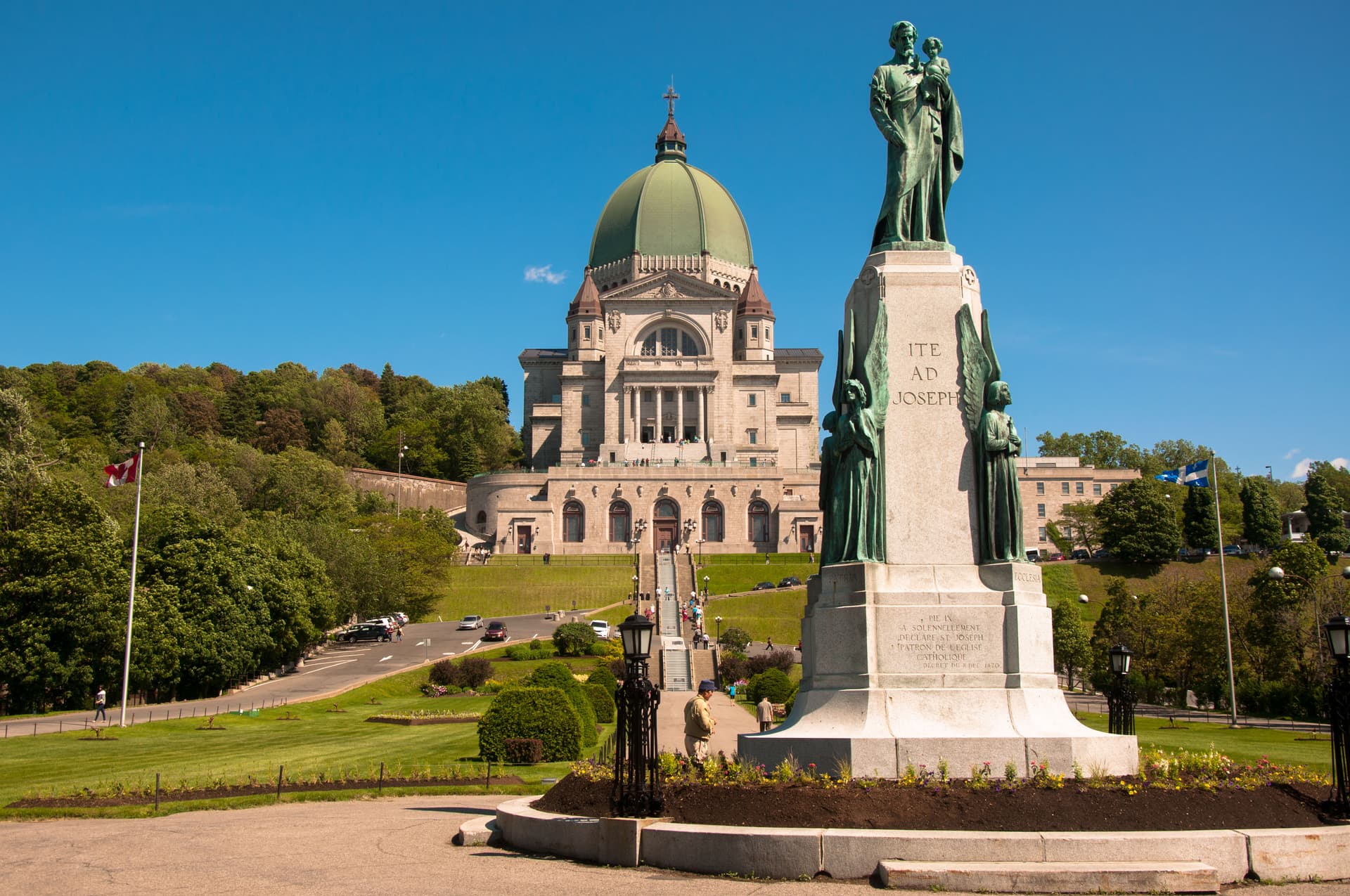
Saint Joseph's Oratory of Mount Royal
Montreal, Montreal, Quebec, Canada
130.3 km away
Sanctuaire Sainte-Anne-de-Beaupré
Sainte-Anne-de-Beaupré, Sainte-Anne-de-Beaupré, Quebec, Canada
140.1 km away

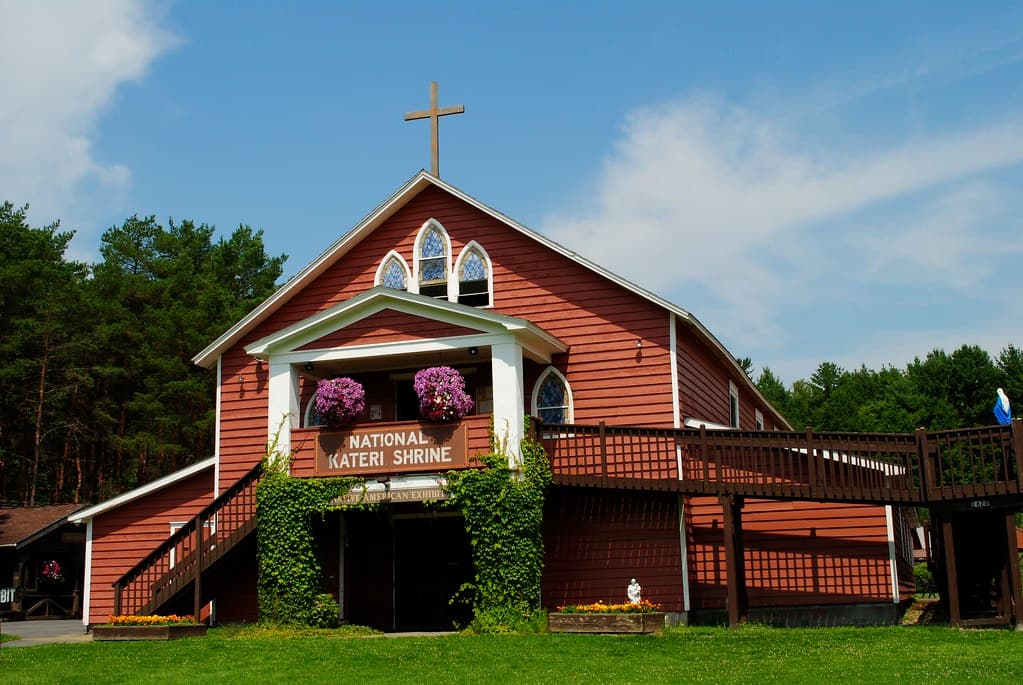
Kateri Tekakwitha Shrine
Kahnawake, Quebec, Canada
140.2 km away

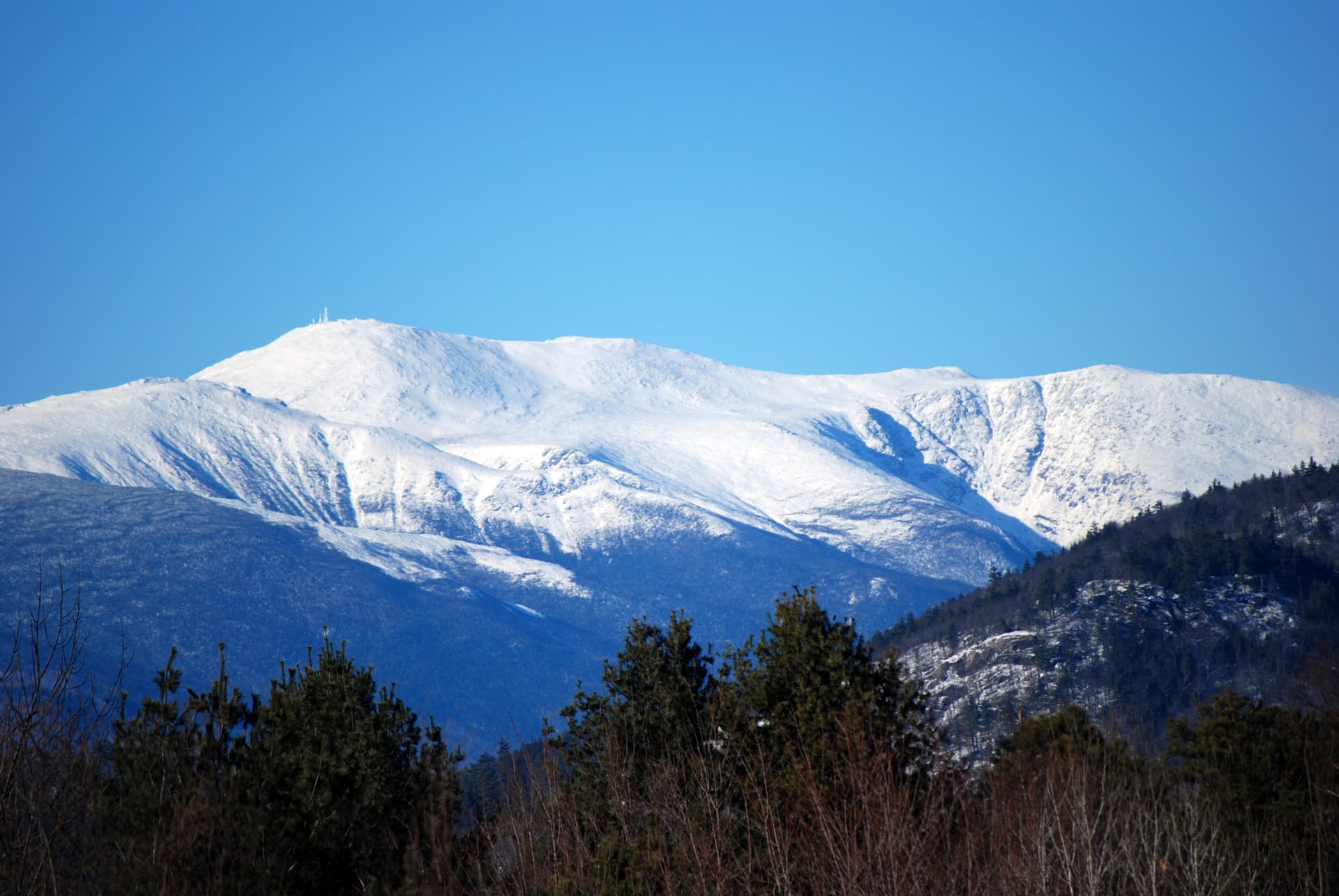
Mt. Washington, New Hampshire
Gorham, New Hampshire, United States
251.3 km away
References
Sources consulted when researching this page. Independent verification by readers is welcome.
- 01Historical Summary - Sanctuaire Notre-Dame-Du-Cap — Sanctuaire Notre-Dame-du-Caphigh-reliability
- 02The Basilica - Sanctuaire Notre-Dame-Du-Cap — Sanctuaire Notre-Dame-du-Caphigh-reliability
- 03The Pilgrimage to Our Lady of the Cape Shrine, Quebec — Encyclopédie du patrimoine culturel de l'Amérique françaisehigh-reliability
- 04Access to the Site - Sanctuaire Notre-Dame-Du-Cap — Sanctuaire Notre-Dame-du-Caphigh-reliability
- 05Sanctuaire Notre-Dame-du-Cap - Bonjour Québec — Bonjour Québec (Tourisme Québec)high-reliability
- 06Our Lady of the Cape Shrine - Tourisme Trois-Rivières — Tourisme Trois-Rivièreshigh-reliability
- 07Canada's National Shrines - Canadian Conference of Catholic Bishops — Canadian Conference of Catholic Bishopshigh-reliability
- 08Blessed Frédéric Janssoone (1838-1916) - CCCB — Canadian Conference of Catholic Bishopshigh-reliability
- 09To the Faithful at the Shrine of Notre Dame du Cape - EWTN — EWTN / Pope John Paul IIhigh-reliability
- 10Répertoire du patrimoine culturel du Québec - Basilique Notre-Dame-du-Cap — Gouvernement du Québechigh-reliability