Nuraghe of Saint Constantine, Sa domo de su re (The house of the king)
The House of the King, where Bronze Age astronomy meets megalithic majesty
Understand sacred places, explore living traditions, and learn how to engage respectfully with Pilgrim Map.
Access has not been verified. Check current local guidance before planning a visit.
Turalva/Torralba, Sassari, Italy
Read the sources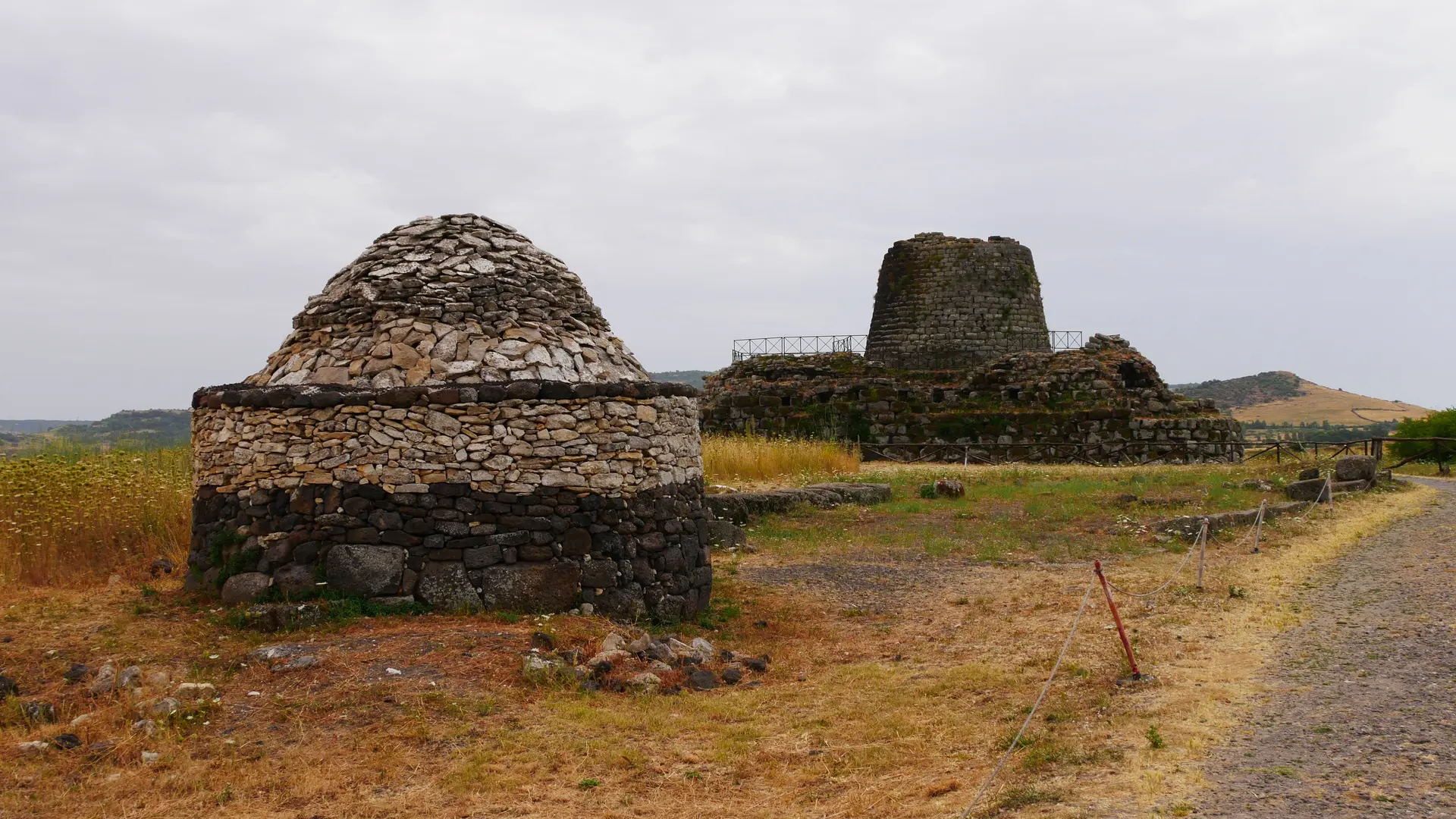
Image of Nuraghe of Saint Constantine, Sa domo de su re (The house of the king). Image source · CC-BY-SA-4.0
Visit essentials
A quick read before you go
- Duration
- 1.5-2 hours for nuraghe tour; additional time for museum visit in Torralba.
- Etiquette
- Respect the archaeological site through careful movement, following guide instructions, and…
Overview
Nuraghe Santu Antine stands at the heart of Sardinia's Valley of the Nuraghi, where thirty tower complexes and ten Giants' Tombs form a Bronze Age sacred geography. At its center rises Sa Domo de su Re, the House of the King, a name carrying four thousand years of cultural memory. Whether a king lived here remains uncertain, but three stacked stories of tholos chambers, a wall-carved spiral staircase, and mortarless construction achieved without modern tools express exceptional status and precision.
Archaeoastronomers read the floor plan as conceived through solar calculation: summer-solstice light reaches the innermost chamber and winter-solstice sunset answers it. The builders left no written explanation. Professor Hoskin judges that no other dry-stone monument on earth achieves such sophistication. Nearly four thousand years later, the House of the King continues to mark the sun's passage through the seasons.
Why this place is sacred
Santu Antine makes a connection between earth and cosmos visible in basalt: an instrument and permanent calendar linking human life to celestial cycles. Belmonte and Zedda's 2002 discovery shifted interpretation from impressive engineering to architecture designed from astronomical principles rather than merely happening to align.
The wider Valley's thirty nuraghi and ten Giants' Tombs make the monument a deliberate focal point within a Bronze Age sacred landscape. Three wells connect it to Nuragic water cult; water ritual, solar observation, and monumental architecture suggest no firm separation between practical and sacred—observatory and temple, fortress and calendar. Solstice visitors can still witness light enter the aligned chambers at the appointed times, preserving continuity with the phenomena ancient observers tracked.
Built between 19th-15th century BC as a multifunctional center combining astronomical observation, ritual practice, and possibly administrative functions. The precise solstice alignments indicate sophisticated understanding of celestial cycles.
Occupied through 9th century BC end of primary Nuragic period. Reoccupied during Roman era (1st century BC-4th century AD). Archaeological excavation and archaeoastronomical studies continue. Now part of UNESCO tentative list nomination for Nuragic monuments.
Experience and orientation
Approaching Nuraghe Santu Antine from Torralba, the central tower rises against the Sardinian sky—a presence that has dominated this landscape for nearly four millennia. The guided tours depart at scheduled times; arrive early to appreciate the setting and the surrounding Valley of the Nuraghi.
Your guide leads you through the complex, explaining the construction phases that transformed a single tower into the trilobed bastion you see today. The central keep once rose twenty-three to twenty-four meters; what remains still impresses with its mass and precision. Notice how the stones fit without mortar, how the corbelled chambers create interior spaces that feel both ancient and somehow timeless.
The three-story interior rewards careful attention. Steep stone steps—uneven and worn by centuries of footsteps—lead upward through tholos chambers. The spiral staircase within the walls demonstrates engineering skill that archaeologists continue to study. These spaces were designed not merely to be passed through but to be experienced, each chamber opening onto the next in a vertical progression toward light.
If you visit during summer or winter solstice, you may witness what the Nuragic astronomers observed: sunlight entering aligned chambers at precise moments, connecting the structure to the cosmic order it was built to track. Even outside these special dates, the knowledge that you stand in an astronomical instrument transforms perception of the space.
The three wells within the complex connect to the water rituals central to Nuragic spirituality. The village huts surrounding the nuraghe suggest communal life organized around this central monument.
After the tour, the museum in Torralba provides additional context for understanding the Valley of the Nuraghi and its place in Sardinian heritage.
Located 4 km south of Torralba in north-central Sardinia. Guided tours at 09:30, 10:30, 11:30, 12:30, 14:30, 15:30. Best accessed by car; buses from Sassari to Torralba, then 4 km walk. Summer and winter solstice periods offer special astronomical observation opportunities.
Context and lineage
The Nuragic civilization developed on Sardinia from approximately 1900 BC, creating a distinctive culture characterized by the construction of stone towers. By the time Santu Antine was built—central tower in the 19th-16th century BC, with additions through the 15th century BC—the Nuragic people had refined their building techniques to achieve extraordinary sophistication.
The location was not random. The Valley of the Nuraghi concentrates thirty nuraghi and ten Giants' Tombs in a relatively small area, creating a sacred landscape of which Santu Antine forms the natural center. The Sardinian name 'Sa Domo de su Re' (The House of the King) preserves memory of its special status.
What makes Santu Antine exceptional is not merely its size but its astronomical conception. Studies by Belmonte, Zedda, and Professor Michael Hoskin of Cambridge have demonstrated that the structure's orientation to the summer solstice sunrise and winter solstice sunset reflects deliberate design. The floor plan emerges from astronomical calculation—this is not a building that happens to align with celestial events but one conceived from astronomical thinking.
The nuraghe served multiple functions: astronomical observatory, ceremonial center, possibly administrative seat. Three interior wells connected it to the water cult central to Nuragic religion. The surrounding village suggests a community organized around this central monument.
Primary Nuragic occupation ended around the 9th century BC. Romans later reoccupied the site, adding their own layer to its long history. Today, Santu Antine is among 31 monuments proposed for UNESCO World Heritage status as representatives of Nuragic civilization.
Built by Nuragic civilization (19th-9th century BC), reoccupied during Roman period (1st century BC-4th century AD), now managed as archaeological site and museum. Part of UNESCO tentative list nomination.
The Nuragic Astronomers
Creators
Professor Michael Hoskin
Scholar
Traditions and practice
The Nuragic people practiced solar-aligned ceremonies timed to solstices, as evidenced by the structure's precise astronomical orientation. Water rituals were performed using the three wells within the complex. Bronze figurines were offered at sacred sites. The surrounding village suggests communal ceremonies took place in connection with the nuraghe.
Guided tours provide the primary mode of engagement, combining archaeological knowledge with appreciation of astronomical alignments. Solstice observations attract visitors interested in experiencing the ancient light phenomena. The museum in Torralba contextualizes the site within broader Nuragic civilization.
Take the guided tour to understand the sophisticated engineering and astronomical alignments. If possible, visit during summer or winter solstice to witness the solar phenomena. Spend time in the Valley of the Nuraghi to appreciate the sacred landscape of which Santu Antine forms the center. Visit the museum for additional context.
Nuragic Religion
HistoricalNuraghe Santu Antine represents the pinnacle of Nuragic sacred architecture and astronomical knowledge. The precise solstice alignments indicate it served not merely as a fortress but as a calendrical and ceremonial center. The integration of water cult practices (three wells within the complex) with solar observation demonstrates a sophisticated spiritual worldview connecting earth, water, and sky.
Solar-aligned ceremonies performed at solstices. Water rituals using the three wells. Bronze figurine offerings at sacred sites. Communal ceremonies in the surrounding village. The combination of astronomical observation and ritual practice suggests the Nuragic people perceived no separation between tracking celestial cycles and honoring the sacred.
Perspectives and open questions
Nuraghe Santu Antine can be understood as an astronomical instrument, as the center of a sacred landscape, as evidence of sophisticated Bronze Age civilization, or as testimony to human desire to connect earthly life with cosmic order.
Scholarly perspective
Archaeoastronomical studies by Belmonte, Zedda, and Hoskin have established Santu Antine as 'astronomically conceived' rather than merely oriented—its floor plan design stems from astronomical thinking. Scholars recognize it as one of the most sophisticated nuraghi and among 31 monuments proposed for UNESCO World Heritage status.
Living and traditional perspectives
Modern Sardinians maintain cultural connection to their Nuragic heritage. The name 'Sa Domo de su Re' preserves ancient associations with royal or divine power. Local guides present the site with scientific accuracy and cultural pride.
Alternative interpretations
The sophisticated solar alignments have attracted interest from researchers exploring ancient astronomical networks and the possibility that Bronze Age cultures shared cosmological knowledge. These interpretations remain outside mainstream archaeology.
Open questions
The full extent of Nuragic astronomical knowledge and how it was transmitted remains uncertain. Whether the structure functioned primarily as observatory, temple, palace, or all three cannot be definitively determined. The specific rituals performed during solstice alignments are not documented. The reasons for Nuragic civilization's decline around the 9th century BC continue to generate scholarly debate.
Plan your visit
Access and arrival
Accommodation available in Torralba and surrounding towns. The museum in Torralba provides context for the site visit.
Respectful visit
No specific requirements. Comfortable, sturdy shoes highly recommended for navigating steep stone steps and uneven surfaces.
Photography permitted throughout the site.
This is an archaeological site; leaving objects is not appropriate. Respect is shown through careful attention and genuine engagement.
Guided tours at scheduled times only. Upper levels have limited accessibility due to steep, uneven stone steps. Do not climb on or touch fragile structures. Stay with guide during tours.
Guided tours at scheduled times only. Upper levels reached by steep, uneven stone steps—limited accessibility. Do not climb on fragile structures.
Current practical details
Address
SP21, 07048 Torralba SS, Italy
Phone
Hours
Hours, fees, and access can change — verify on the official source before you travel. Practical details last checked Jun 2026.
Location
Map loads as you approach this section.
Pilgrim reflections
A portrait of encounter, not a score
Pilgrims describe what they felt, how present they could become, and whether the place would shape a journey. There are no stars and no ranking of traditions.
No reviewed reflections yet
The first pilgrims can help describe the character of being here.
Share a reflection
Available after an account-backed “Been there.” Every reflection is reviewed before publication.
Nearby sacred places
Explore other sacred places in the region. Proximity does not establish access or travel time; check each place’s guidance.
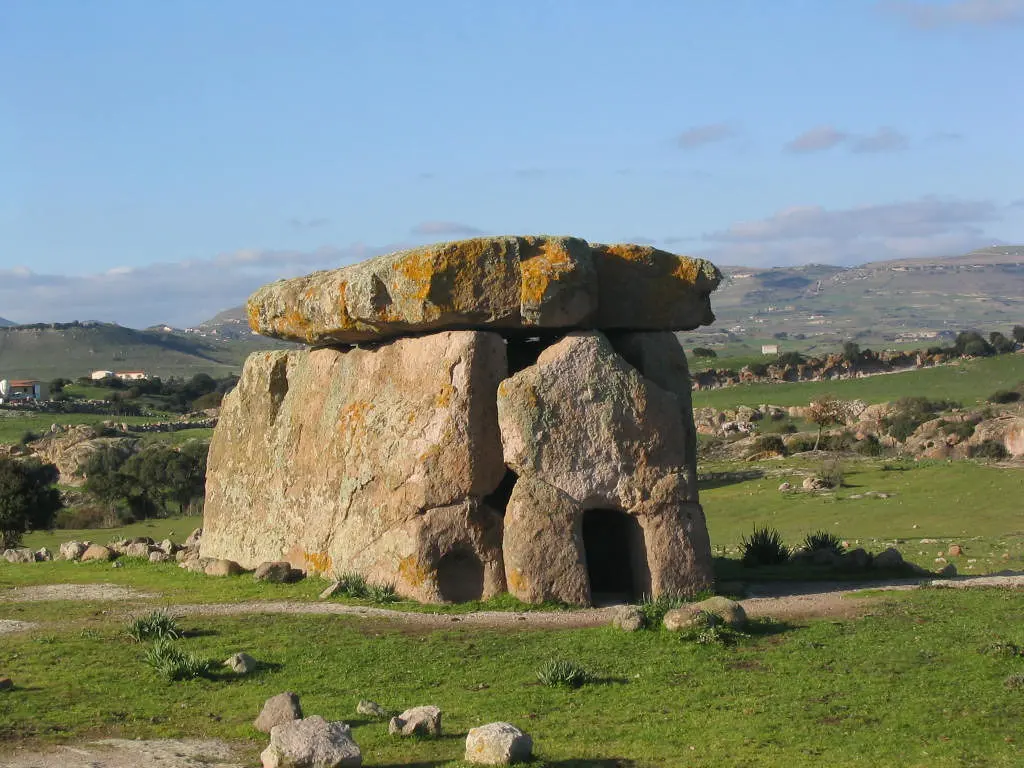
Dolmen Sa Coveccada
Mores, Sassari, Italy
7.1 km away
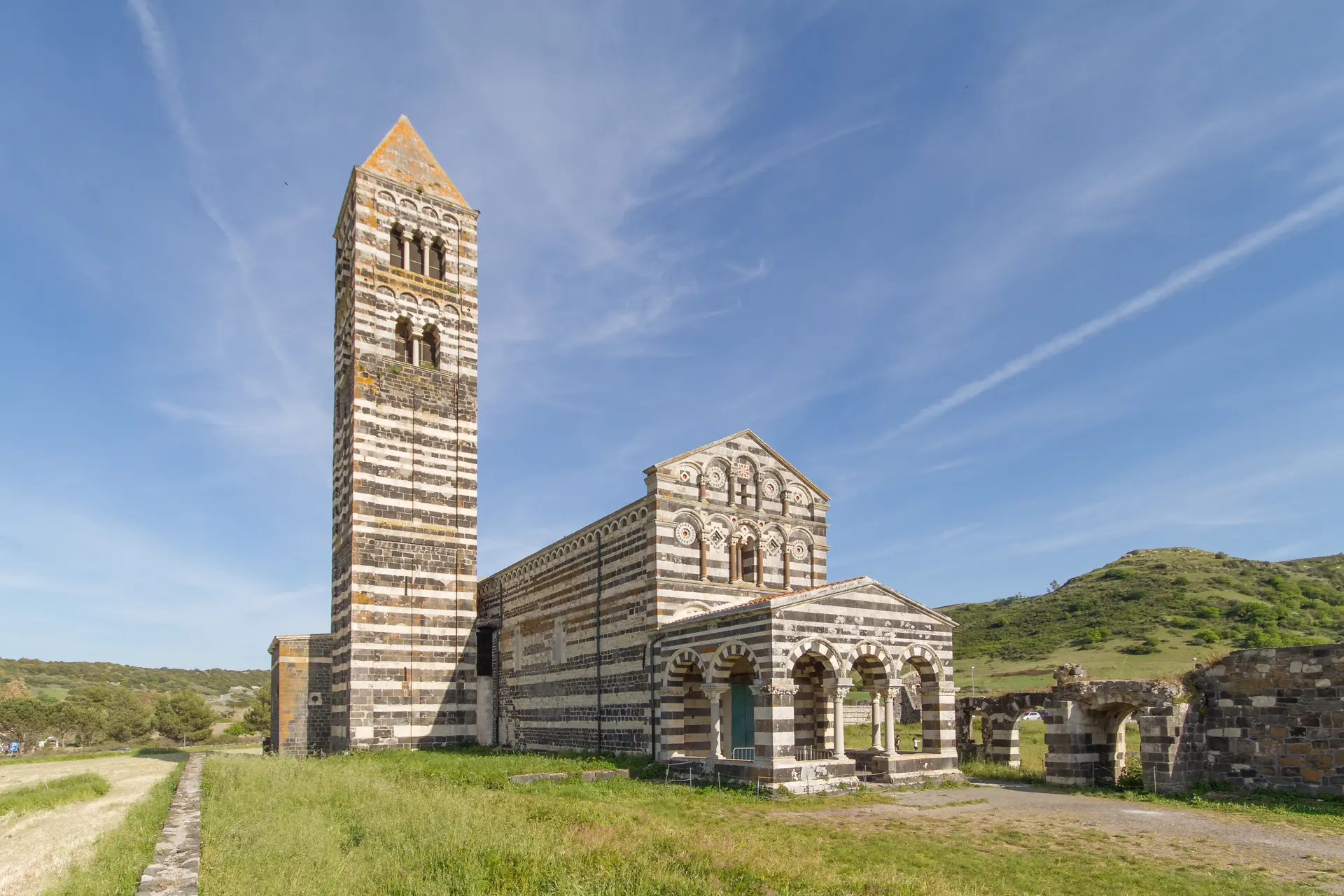
Church of the Holy Trinity Saccargia (Basilica della Santissima Trinita de Saccargia)
Codronzanu/Codrongianos, Sassari, Italy
21.3 km away

Altare Rupestre di Santo Stefano
Oscheri/Oschiri, Sassari, Italy
30.2 km away
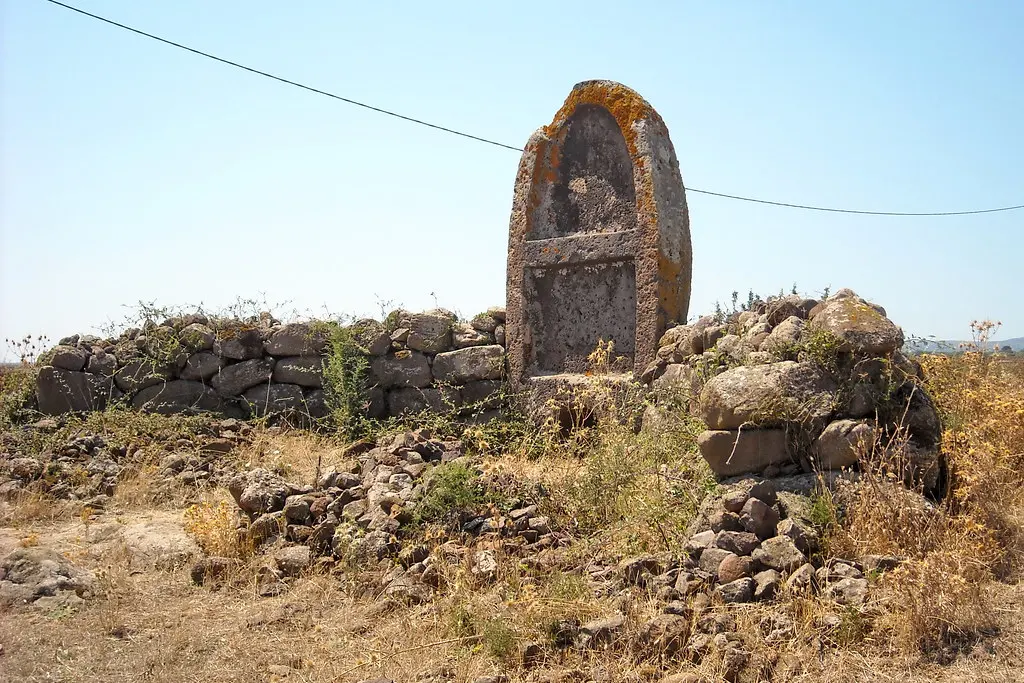
Tomb of Giants and Nuraghe Imbertighe
Bòrore/Borore, Nuoro, Italy
30.9 km away
References
Sources consulted for this page. Source categories describe the publication, not a guarantee that every claim is verified. Traditional accounts and outside interpretations may differ.
- 01Nuraghe Santu Antine - Sardegna Turismo — Sardegna TurismoofficialOfficial regional tourism site
- 02Nuragic monuments of Sardinia - UNESCO World Heritage Centre — UNESCOSource contextUNESCO tentative list entry
- 03Nuraghe Santu Antine Official Site — Nuraghe Santu AntineofficialOfficial site with visitor information
- 04Nuraghi as Ritual Monuments in the Sardinian Bronze and Iron Ages — De GruyteracademicAcademic paper on archaeoastronomy
- 05Nuragic Palace of Santu Antine - La Sardegna verso l'Unesco — Sardegna verso UNESCOSource contextUNESCO candidacy documentation
- 06Museum of the Logudoro-Meilogu Nuraghi Valley — Sardegna CulturaofficialOfficial museum information
- 07Nuraghe Santu Antine - Wikipedia — Wikipedia contributorsencyclopediaComprehensive overview with citations
- 08Ancient Origins - Santu Antine — Ancient OriginsacademicPopular archaeology site with scholarly references
Share a photo
Help visitors recognize Nuraghe of Saint Constantine, Sa domo de su re (The house of the king). Every submission is reviewed before publication.