Site type guide
Historical
Historical sites reveal how different traditions shape sacred space through architecture, landscape, ritual, and memory.
5 historical sacred sites. Use the country and tradition filters to narrow in.
Atlas summary
Historical sacred sites overview
Historical sacred sites span countries, traditions, pilgrimage routes, and sacred landscapes represented in the Pilgrim Map atlas.
Use this guide to compare major country clusters, represented traditions, UNESCO-tagged places, and the map distribution before opening individual site pages.
| Coverage | 5 historical sacred sites across the current atlas. |
|---|---|
| Major countries | |
| Traditions | |
| UNESCO heritage | 2 UNESCO-tagged historical sites appear in this browse view. |
Refine the atlas
Related historical guides
All sites
5
Showing 1-5 of 5 sites in this site-type guide
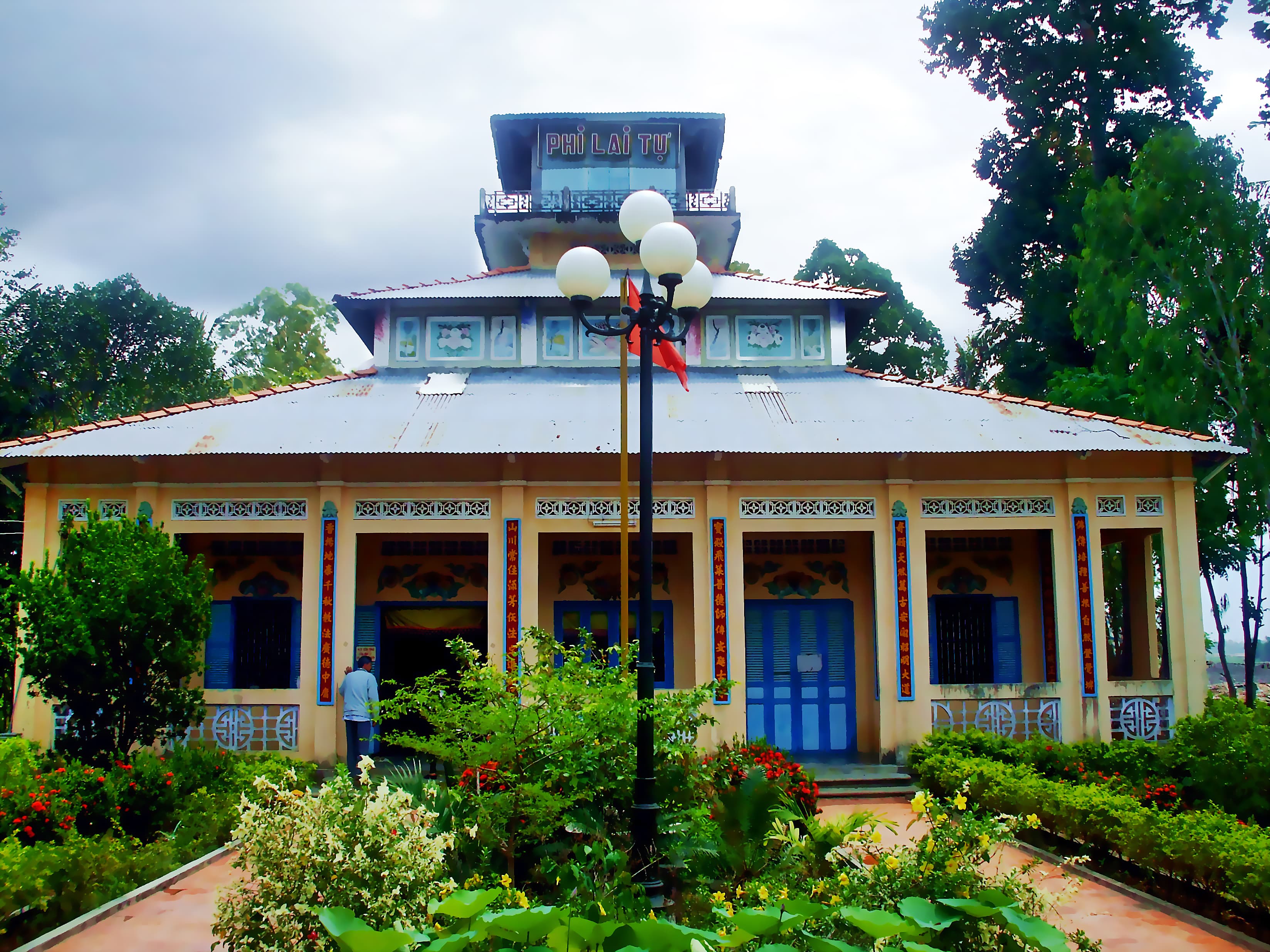
Ba Chúc Tomb and Phi Lai Pagoda
Ba Chúc, An Giang, Vietnam
Ba Chúc Tomb and Phi Lai Pagoda are two named components within the officially protected Tam Bửu–Phi Lai–Ba Chúc Tomb national historical complex....
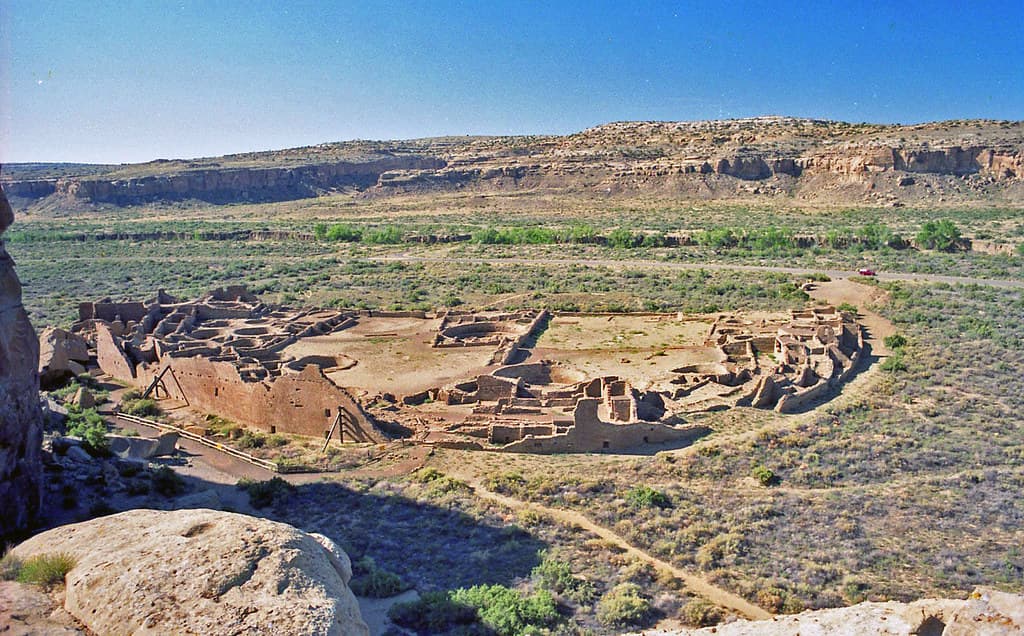
Chaco Canyon, New Mexico
San Juan County, New Mexico, United States
In the high desert of New Mexico, the ruins of Chaco Canyon stand as testimony to a civilization that achieved extraordinary things....

Easter Island
Easter Island, Valparaíso, Chile
At the most isolated inhabited place on Earth, a Polynesian people carved nearly a thousand stone figures to embody their ancestors....

Evora, Roman Temple
Évora, Évora, Portugal
Six Corinthian columns rise from a granite podium at the center of Évora's old town — one of the best-preserved Roman temples on the Iberian Peninsula, and one whose...
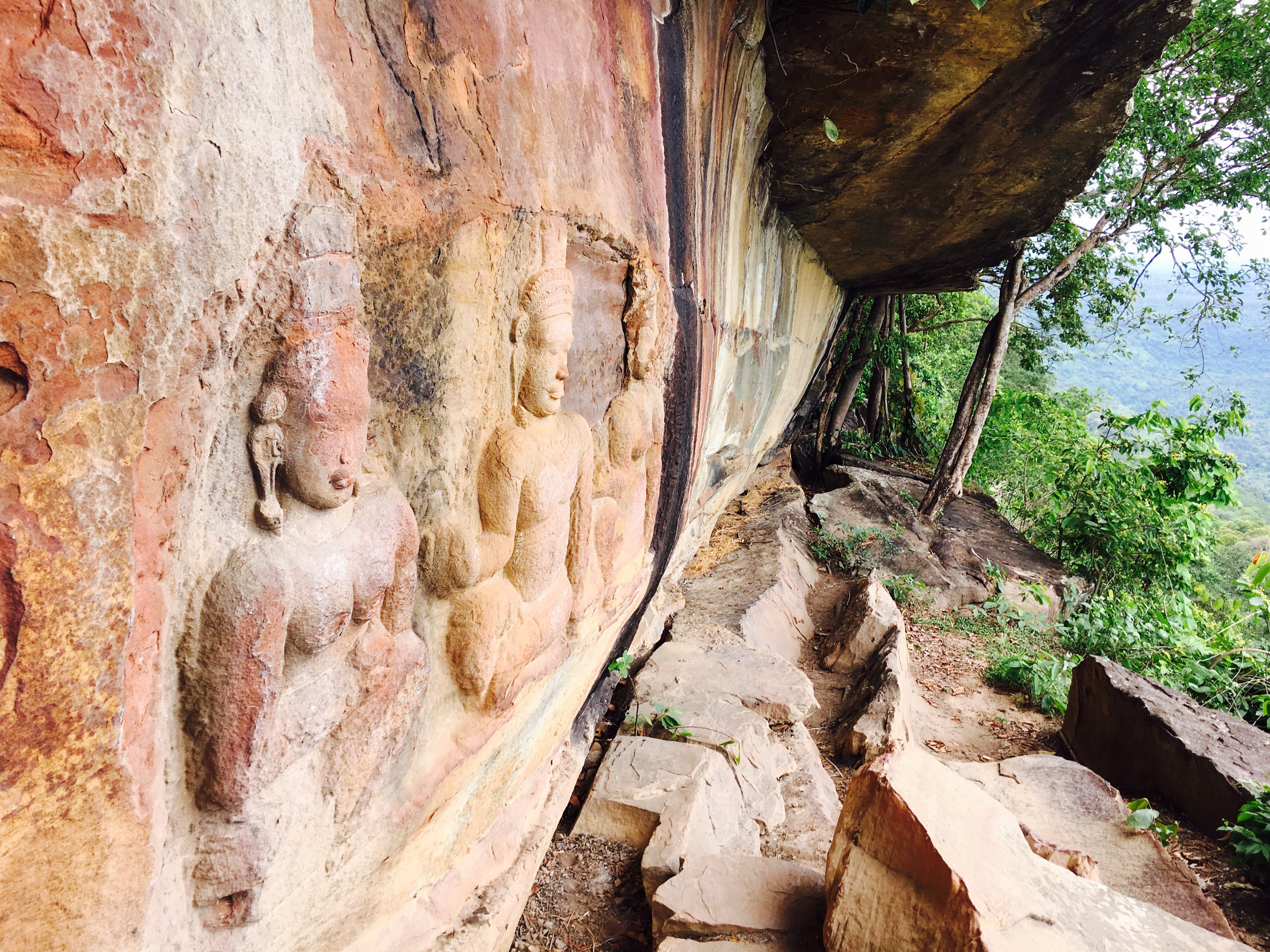
Prasat Khao Phra Wihan Viewpoint and Thai Sacred Approach
Kantharalak, Si Sa Ket, Thailand
This record covers the Thai viewpoint and sacred approach in Khao Phra Wihan National Park, not the Temple of Preah Vihear itself....
Key questions
Historical sacred-site questions
- What historical sacred sites are included?
- Historical sacred sites are places where this site type carries religious, ritual, cultural, or pilgrimage significance. This guide lists 5 in the current Pilgrim Map atlas.
- Where are these historical sites located?
- Major country clusters include Chile, Portugal, Thailand, United States, Vietnam.
- Which traditions are represented?
- Traditions represented here include Indigenous, Ancient Greek and Roman, Historic Khmer Shaivism and protected landscape stewardship, Tứ Ân Hiếu Nghĩa Buddhism and public memorial practice.
- Can I view historical sacred sites on a map?
- Yes. Compare the country and tradition clusters, switch to map view for geography, then use site pages for practical context and related places.