Tradition guide
Hawaiian
Hawaiian sites connect places through shared lineage, practice, story, and pilgrimage across the global atlas.
4 sacred places share this lineage. Use the country and site-type filters to narrow in.
Atlas summary
Hawaiian sacred sites overview
Hawaiian sacred sites connect places through shared lineage, ritual use, memory, and pilgrimage practice across the Pilgrim Map atlas.
Use this page to compare country clusters, common place types, UNESCO-tagged landmarks, and the map distribution before exploring individual site pages.
| Coverage | 4 Hawaiian sacred places in the current atlas. |
|---|---|
| Country clusters | |
| Common place types |
By country
By site type
Refine the atlas
Search within Hawaiian sites
Showing 1-4 of 4 sites in this tradition guide
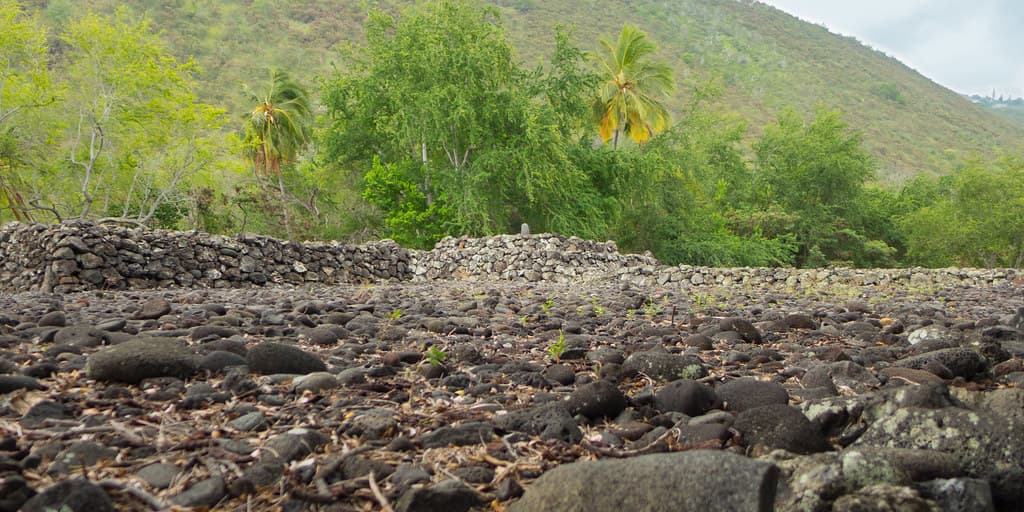
Hikiau Heiau, Hawaii
Captain Cook, Hawaii, United States
On the shore of Kealakekua Bay, massive stones rise in witness to what came before and what persists....
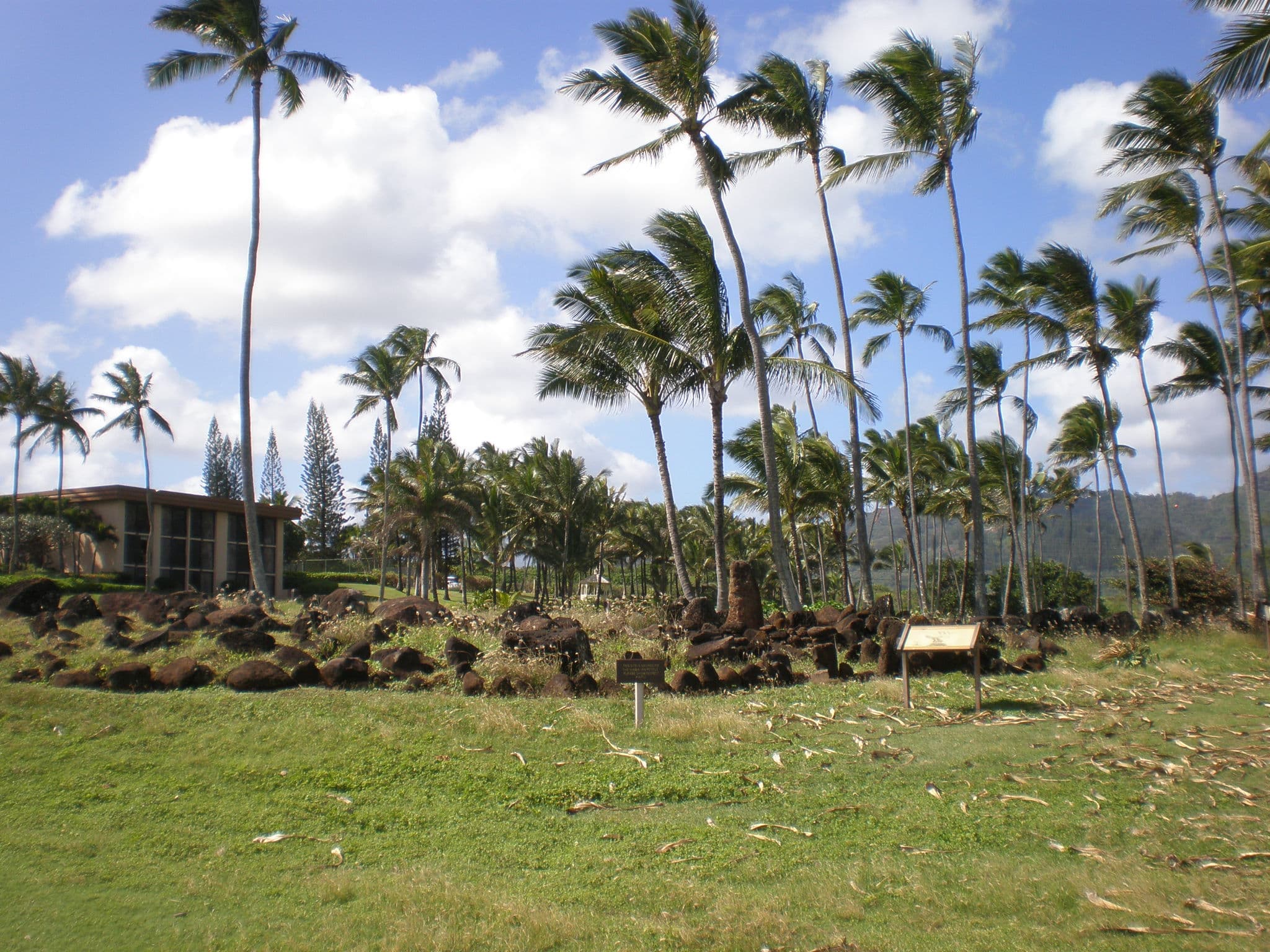
Hikinaakala Heiau, Kauai
Kapaa, Hawaii, United States
At the mouth of the Wailua River on Kauai's eastern shore, the foundation stones of Hikinaakala Heiau mark the exact point where the rising sun first touches the island....
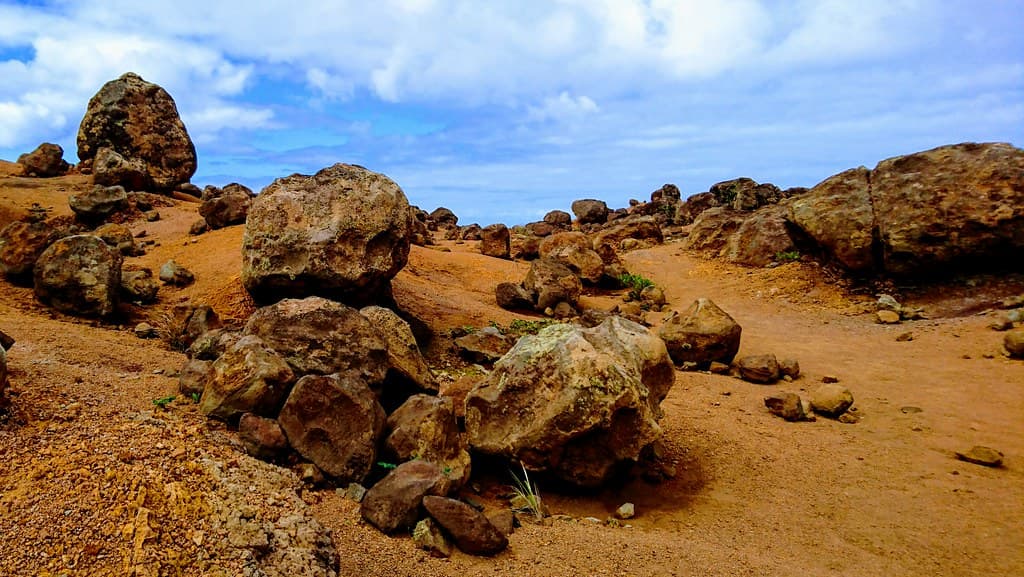
Keahiakawelo (Garden of the Gods), Hawaii
Lanai City, Hawaii, United States
On the remote northwestern shore of Lanai, red rock towers rise from barren earth in formations so otherworldly that visitors struggle to reconcile them with typical...
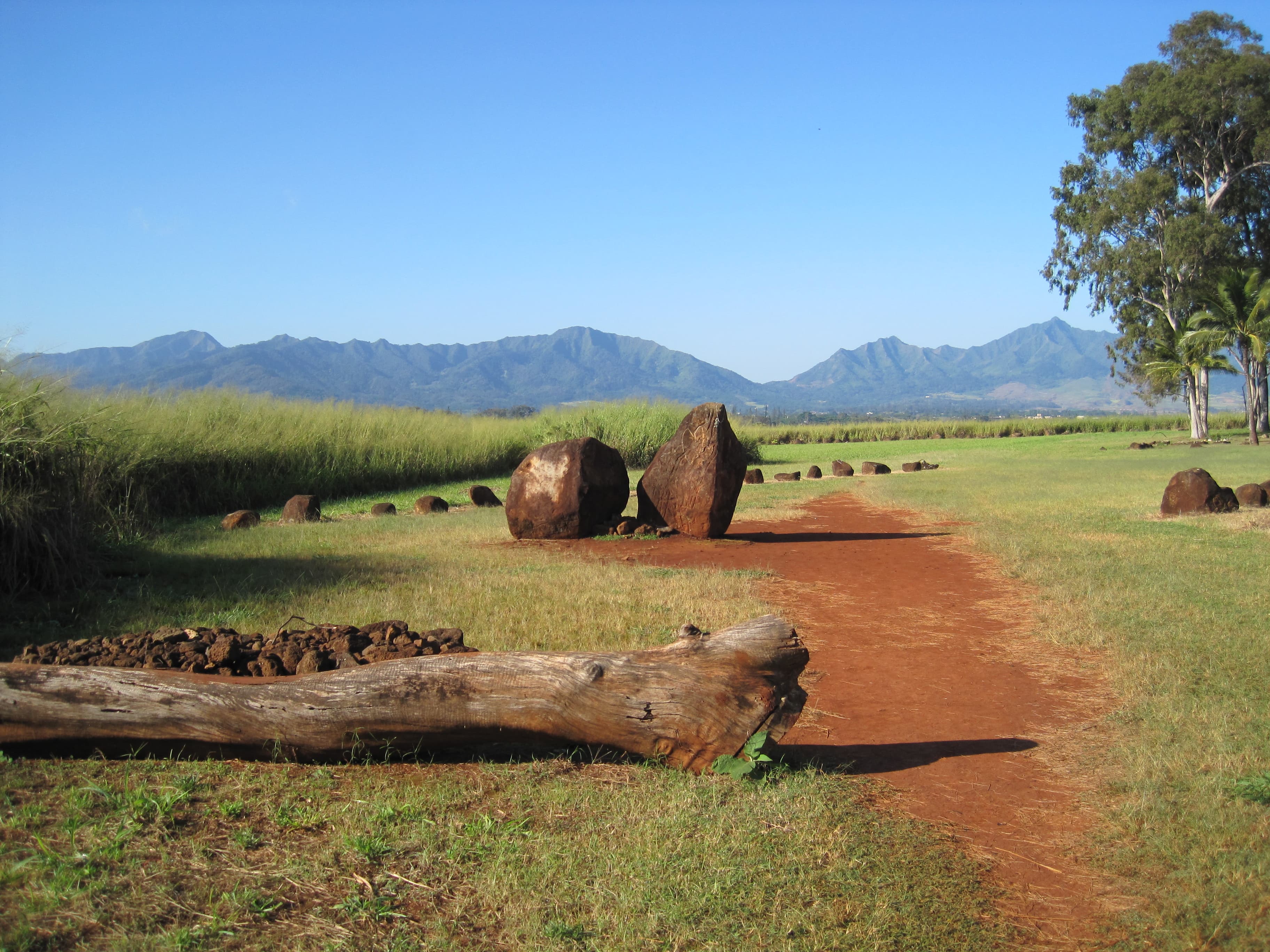
Kukaniloko Birthstones, Hawaii
Wahiawa, Hawaii, United States
In the pineapple fields of central Oahu, stones rise from the earth that are not quite stones....
Key questions
Hawaiian sacred-site questions
- What are Hawaiian sacred sites?
- Hawaiian sacred sites are places connected by shared lineage, practice, memory, ritual use, or pilgrimage tradition.
- Where can I find Hawaiian sacred sites?
- The strongest country clusters in this guide include United States.
- What kinds of places are included?
- Common place types include heiau, natural, birth site.
- Can I map Hawaiian sacred sites?
- Yes. Compare country clusters and site types first, then open individual pages for coordinates, historical context, and visitor guidance.