Sweet Grass Hills, Montana
Where the Sun Dance was first revealed and five tribal nations still come to fast and pray
Whitlash, Montana, United States

Visit essentials
Before you go
- Duration
- Variable depending on access and purpose.
- Etiquette
- The Sweet Grass Hills are sacred to five tribal nations, with active ceremonial use continuing.
Overview
The Sweet Grass Hills rise from the Montana plains like islands from a sea—three buttes lifting more than 3,000 feet above the surrounding prairie, visible from distances that seem to compress the scale of the American West. For the Blackfeet, Gros Ventre, Assiniboine, Chippewa-Cree, and Confederated Salish and Kootenai peoples, these are not simply mountains. They are the origin place of the Sun Dance.
According to Blackfeet tradition, an ancient vision quest atop these buttes led to the discovery of the Sun Dance—the Okan, one of the most important ceremonies of the Plains tribes. The sweat lodge ceremony is similarly rooted in revelations received here. The creator Napi, according to legend, fashioned the hills from rocks left over from forming the Rocky Mountains and liked his work so well that the Sweet Grass Hills became his favored resting place.
For generations, Blackfeet youth came here to fast and seek visions that would guide them into adulthood. The hills provided both spiritual refuge and practical vantage—rising from fertile bison hunting grounds, they offered views across the vast landscape while elevating seekers toward the sky. The fasting that took place here was not deprivation but preparation, a readying of the self to receive what the hills might offer.
In 1995, the Bureau of Land Management designated the Sweet Grass Hills a Traditional Cultural Property in consultation with tribal representatives. The National Trust for Historic Preservation placed them on the list of ten most endangered places, recognizing both their significance and the threats they face. Mining interests have repeatedly sought access to the hills, and the cultural protection remains an ongoing commitment rather than a settled matter.
Why this place is sacred
The thinness of the Sweet Grass Hills derives from their function: these are places where the veil lifts, where human seekers have received visions that shaped the spiritual practice of entire peoples. The Sun Dance did not arrive in a council room or through reasoned deliberation. It arrived through vision, atop one of these buttes, to a seeker who had prepared through fasting and prayer. The same is true of the sweat lodge ceremony.
These are not traditions that humans invented but revelations that were received.
The physical setting reinforces this quality. The hills rise alone from the plains, islands of verticality in a horizontal world. To climb them is to leave the ordinary ground of daily life and enter elevated space—literally higher, but also spiritually separated. The isolation creates the conditions for encounter. There is nowhere to hide, nothing to distract. The seeker and the sky.
The creator Napi, in Blackfeet tradition, fashioned these hills from leftover rocks after forming the Rockies and chose them as his resting place. This is not a distant creator who departed after creation but one who remains present, who finds pleasure in this particular place. The hills are where Napi likes to be. The thinness is not surprising.
Generations of fasting have added to what the hills hold. Each seeker who climbed, who prayed, who received or did not receive but offered themselves to the possibility—each added to the accumulated presence. The hills remember. They hold what has been given to them. For contemporary visitors, this accumulated history is part of what makes the hills thin: not only their intrinsic quality but the weight of all those who have come before.
The Sweet Grass Hills served as vision quest sites where Blackfeet youth came to fast and seek the visions that would guide their adult lives. The hills also served as lookout points over bison hunting grounds, combining practical and spiritual function. But their deepest purpose is as the origin place of ceremony. The Sun Dance and sweat lodge—fundamental to Plains spiritual practice—were revealed here through vision. The hills are where these practices began.
The Sweet Grass Hills have maintained their sacred status despite centuries of pressure. When settlers arrived, they brought agriculture, mining interests, and competing claims to the land. The hills became contested ground between those who saw them as resources to exploit and those who maintained them as sacred.
In 1995, the Bureau of Land Management designated the Sweet Grass Hills a Traditional Cultural Property through consultation with five tribal nations: Blackfeet, Gros Ventre, Assiniboine, Chippewa-Cree, and Confederated Salish and Kootenai. This designation recognized what the tribes had always known—that the hills are not merely scenic but sacred.
Mining threats have been persistent. Gold was discovered in the hills, and mineral extraction interests have repeatedly sought access. The Bureau of Land Management has extended mineral withdrawals to protect the area, but these protections require periodic renewal. The National Trust for Historic Preservation placed the Sweet Grass Hills on its list of ten most endangered places, drawing national attention to their vulnerability.
The designation and mineral withdrawals help preserve traditional access, but require renewal and leave the hills at risk. Their evolution is not from sacred to secular but from uncontested sacred ground to sacred ground that must be defended.
Experience and orientation
To approach the Sweet Grass Hills is to watch them rise from the prairie like formations from another world. From Highway 2 or the rural roads north of Shelby and Chester, the three buttes—West Butte, East Butte, and Gold Butte—become visible from considerable distance, their profiles distinctive against the sky. West Butte, the tallest at 6,983 feet, stands nearly a mile above the surrounding plains.
The land surrounding the hills is a patchwork of Bureau of Land Management holdings and private property. Access is not as straightforward as a national park or developed recreation area. Some areas are accessible via rural roads; others require permission from landowners. The remoteness is part of the experience. These are not tourist destinations but sacred sites that happen to be accessible, under certain conditions, to those who make the effort.
The approach itself becomes a practice. The long drive through prairie, the slow emergence of the buttes on the horizon, the transition from highway to gravel to dirt road—each stage separates the visitor from the ordinary world. By the time you reach the hills, you have already traveled far, both in distance and in something less measurable.
The hills themselves are heavily wooded, offering a stark contrast to the surrounding grassland. Elk, deer, and other wildlife inhabit the slopes. The views from elevated points extend across Montana and into Alberta—a visual reminder of the landscape that drew vision seekers: high ground where earth meets sky and the horizon opens in every direction.
The Sweet Grass Hills are located in north-central Montana, approximately 110 miles northeast of Chief Mountain and south of the Canadian border. Access is via rural roads from Whitlash, Chester, or Shelby. Some land is BLM-managed; some is private. No visitor facilities exist in the immediate area. Come prepared for remote conditions—full tank of gas, water, supplies. Cell service is unreliable. The nearest services are in Chester or Shelby.
Context and lineage
The origin stories of the Sweet Grass Hills weave together creation, revelation, and the hero tradition. According to Blackfeet legend, the creator Napi fashioned the hills in the dim past from rocks left over after forming the Rocky Mountains. Napi liked his work so well that the Sweet Grass Hills became his favored resting place.
The most significant origin involves the Sun Dance. An ancient vision quest atop these buttes led to the discovery of the Okan—the Sun Dance ceremony that would become central to Blackfeet spiritual life. The sweat lodge ceremony similarly roots in revelations received at the Sweet Grass Hills. These are not merely sacred sites but origin places, where fundamental spiritual practices first entered the world.
The hills were also once named for the hero Katoyis, who according to tradition slew a wind-sucker monster atop one of the buttes. This story links the hills to the protection of the people, a place where threats are defeated and safety secured.
The Sweet Grass Hills are sacred to five tribal nations who participated in the Traditional Cultural Property designation: the Blackfeet, Gros Ventre, Assiniboine, Chippewa-Cree, and Confederated Salish and Kootenai Tribes. This multi-tribal significance reflects the hills' position in a landscape shared by different peoples, each of whom recognizes the sacred character of these buttes. The Blackfeet oral traditions are most extensively documented, but the other nations maintain their own relationships with the hills.
Napi (Old Man)
Creator figure in Blackfeet tradition who fashioned the Sweet Grass Hills from leftover rocks after forming the Rocky Mountains, then chose them as his favored resting place.
Katoyis
Blackfeet hero who slew the wind-sucker monster atop one of the buttes. The hills were once named for him.
Traditions and practice
The central practice at the Sweet Grass Hills was vision questing. Young Blackfeet men climbed the buttes to fast, pray, and seek the visions that would guide their adult lives. The isolation and elevation created conditions for encounter with the spiritual. Seekers prepared through fasting, offered themselves to whatever might come, and either received vision or endured the silence that was its own teaching.
The revelations received at the Sweet Grass Hills gave rise to the Sun Dance (Okan) and sweat lodge ceremonies—practices that spread across the Plains and remain central to Native American spiritual life. The hills are not simply a place where ceremonies were performed but the origin place where ceremonies were first received.
The hills also served practical purposes that reinforced their sacred function. Located in the heart of bison hunting grounds, they provided vantage points over the landscape. The combination of practical and spiritual use—seeing far across the physical world while seeing deep into the spiritual world—made the hills essential to Blackfeet life.
Traditional spiritual practitioners continue to use the Sweet Grass Hills for fasting and ceremonies. The 1995 Traditional Cultural Property designation formalized protections that support this ongoing use. The hills remain what they have always been: sacred ground where people come to seek vision, to fast, to pray.
The ceremony practices continue as they have for generations. Specific protocols and details are held within tribal communities and are not available for public documentation. What can be said is that the connection remains unbroken—the hills are not former sacred sites but current sacred sites, in active use.
Visitors to the Sweet Grass Hills cannot participate in the ceremonies that give the hills their sacred significance. Vision quests, fasting, and ceremonial practice belong to the tribal communities who have maintained these relationships for generations.
What visitors can do is approach with reverence. If you travel to the hills, do so with awareness that you are entering sacred ground. Take time to observe the landscape—the buttes rising from the plains, the expanse of sky, the isolation that creates conditions for encounter. Consider the generations who have climbed these hills seeking guidance. Recognize that whatever you experience is partial—a glimpse of what the hills offer to those prepared to receive.
Do not leave offerings. Do not attempt to perform ceremonies of your own devising. Do not disturb fasting sites or areas where offerings have been left. Your role is witness, not participant.
Blackfeet Sacred Geography and Sun Dance Origin
ActiveThe Sweet Grass Hills are where the Sun Dance (Okan) was first revealed through vision. The sweat lodge ceremony similarly originated from revelations received here. These are among the most important ceremonies of the Plains tribes, and the Sweet Grass Hills are their origin place.
Vision quests. Fasting. Ceremonies. Seeking the revelations that gave rise to Sun Dance and sweat lodge traditions. Young men came here for the visions that would guide them into adulthood.
Multi-Tribal Sacred Site
ActiveThe Sweet Grass Hills are sacred to five tribal nations: Blackfeet, Gros Ventre, Assiniboine, Chippewa-Cree, and Confederated Salish and Kootenai. The 1995 Traditional Cultural Property designation formalized this multi-tribal significance.
Ceremonial use by multiple tribes. Fasting. Prayer. The specific practices of each nation are held within their communities.
Perspectives and open questions
The Sweet Grass Hills are understood primarily through their significance to the five tribal nations who maintain them as sacred. The Sun Dance origin tradition places these hills at the center of Plains spirituality. Protection efforts continue against mining and development interests.
Scholarly perspective
The Sweet Grass Hills are documented as a significant multi-tribal sacred site, designated as a Traditional Cultural Property in 1995 through consultation with five tribal nations. The designation process and subsequent protection efforts have been studied as examples of cultural resource management that incorporates Indigenous perspectives.
Geologically, the hills are laccolithic intrusions—igneous rock that pushed up through sedimentary layers without breaking the surface, then was exposed through erosion. They represent some of the most prominent topography in north-central Montana.
Living and traditional perspectives
For the Blackfeet, the Sweet Grass Hills are the origin place of the Sun Dance and sweat lodge ceremonies—fundamental spiritual practices received through vision by seekers who fasted atop these buttes. The creator Napi fashioned the hills and chose them as his resting place. For generations, young men came here to fast and seek the visions that would guide their lives.
The Gros Ventre, Assiniboine, Chippewa-Cree, and Confederated Salish and Kootenai Tribes also maintain the hills as sacred, each with their own relationships and traditions. The 1995 Traditional Cultural Property designation reflected this multi-tribal significance.
Open questions
The specific practices and protocols of vision quests at the Sweet Grass Hills are held within tribal communities and are not available for public documentation. The full oral tradition concerning the hills—including stories, teachings, and ceremonial knowledge—exceeds what can be learned from external sources.
Plan your visit
Access and arrival
Very limited in the immediate area. Larger towns include Chester (30 miles south), Shelby (50 miles south), and Havre (60 miles southeast). Camping may be possible on BLM land—check current regulations.
Respectful visit
Appropriate outdoor clothing for remote Montana conditions. Weather can change rapidly. Bring layers, rain gear, and sun protection.
Photograph the landscape with respect. Do not photograph ceremonial activity, practitioners, or sacred objects.
Do not leave offerings. Do not disturb offerings left by others.
{"Maintain distance from ceremonial activity","Do not disturb fasting sites or offerings","Do not photograph practitioners","Respect private property boundaries","Pack out all trash","No ceremonies of your own devising"}
The Sweet Grass Hills are remote. Come prepared for conditions where help is far away. Cell service is unreliable. Roads can be challenging. Do not approach ceremonial areas or practitioners without invitation. Respect private property boundaries. Mining activity may be present in some areas.
Location
Map loads as you approach this section.
Pilgrim reflections
A portrait of encounter, not a score
Pilgrims describe what they felt, how present they could become, and whether the place would shape a journey. There are no stars and no ranking of traditions.
No reviewed reflections yet
The first pilgrims can help describe the character of being here.
Share a reflection
Available after an account-backed “Been there.” Every reflection is reviewed before publication.
Nearby sacred places
Explore other sacred places in the region. Proximity does not establish access or travel time; check each place’s guidance.
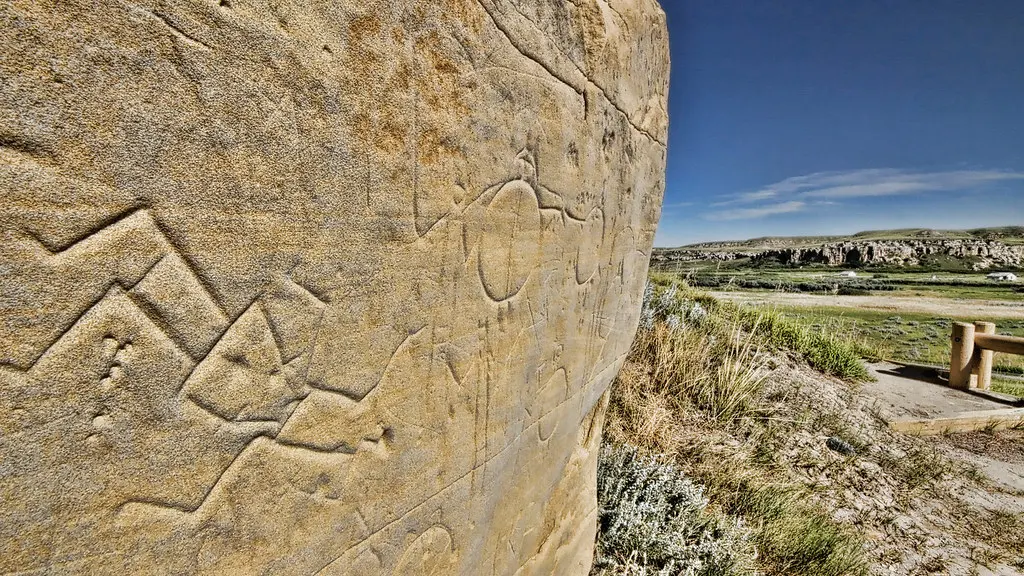
Writing-on-Stone Provincial Park
Milk River, Alberta, Canada
17.4 km away
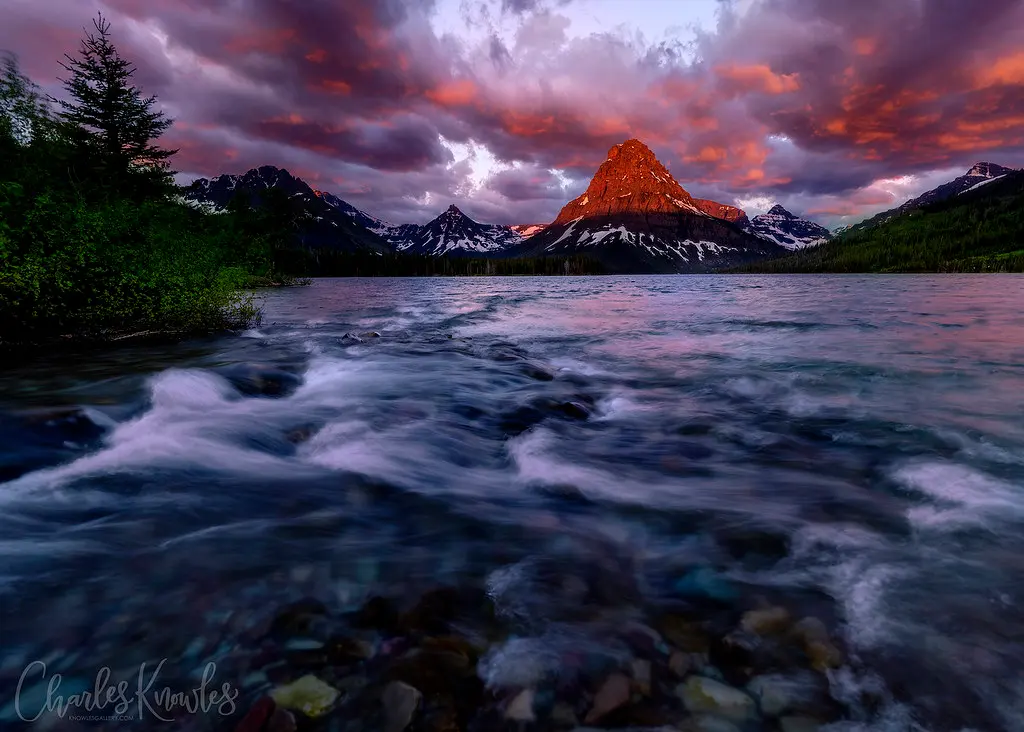
Two Medicine Lake, Montana
East Glacier Park, Montana, United States
144.4 km away
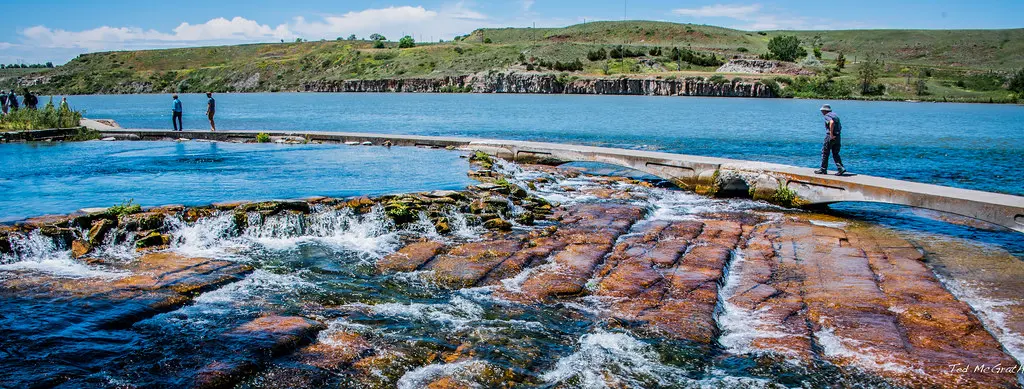
Giant Springs, Great Falls, Montana
Great Falls, Montana, United States
159.8 km away
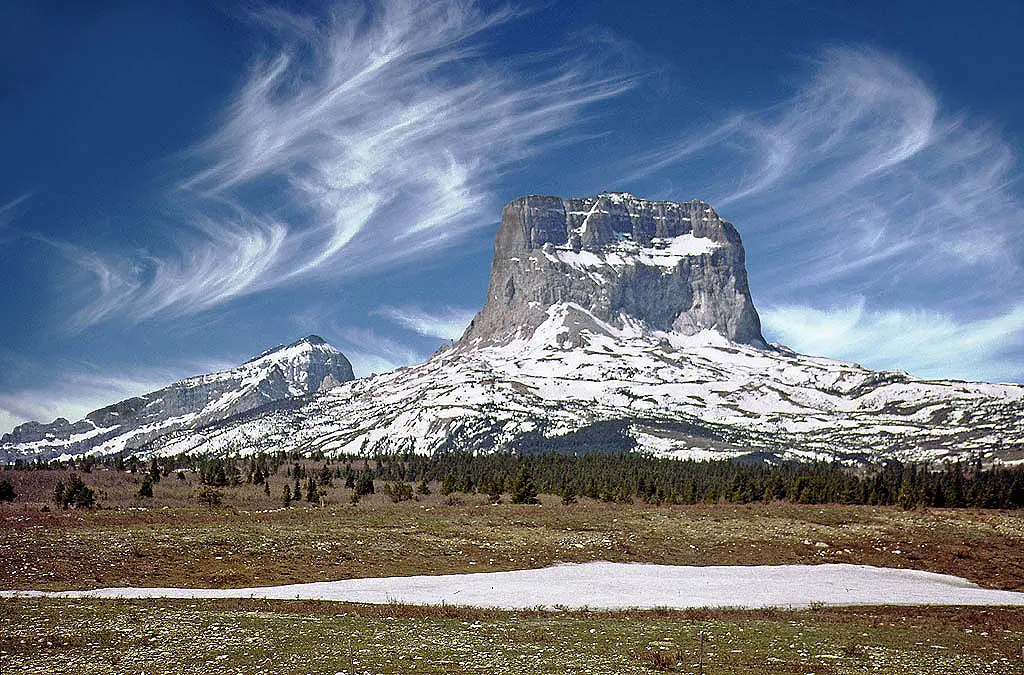
Chief Mountain (Ninaistakis), Glacier County, Montana
Babb, Montana, United States
171.5 km away
References
Sources consulted for this page. Source categories describe the publication, not a guarantee that every claim is verified. Traditional accounts and outside interpretations may differ.
- 01Sweet Grass Hills Mineral Withdrawal extended 20 years — Bureau of Land ManagementofficialOfficial protection status
- 02Sweet Grass Hills — WikipediaencyclopediaGeneral reference
- 03Grandeur of this Land — Big Sky JournalguideRegional publication
Share a photo
Help visitors recognize Sweet Grass Hills, Montana. Every submission is reviewed before publication.