Chief Mountain (Ninaistakis), Glacier County, Montana
Where the Blackfeet have sought visions and heard Thunder for generations beyond counting
Understand sacred places, explore living traditions, and learn how to engage respectfully with Pilgrim Map.
Access has not been verified. Check current local guidance before planning a visit.
Babb, Montana, United States
Read the sources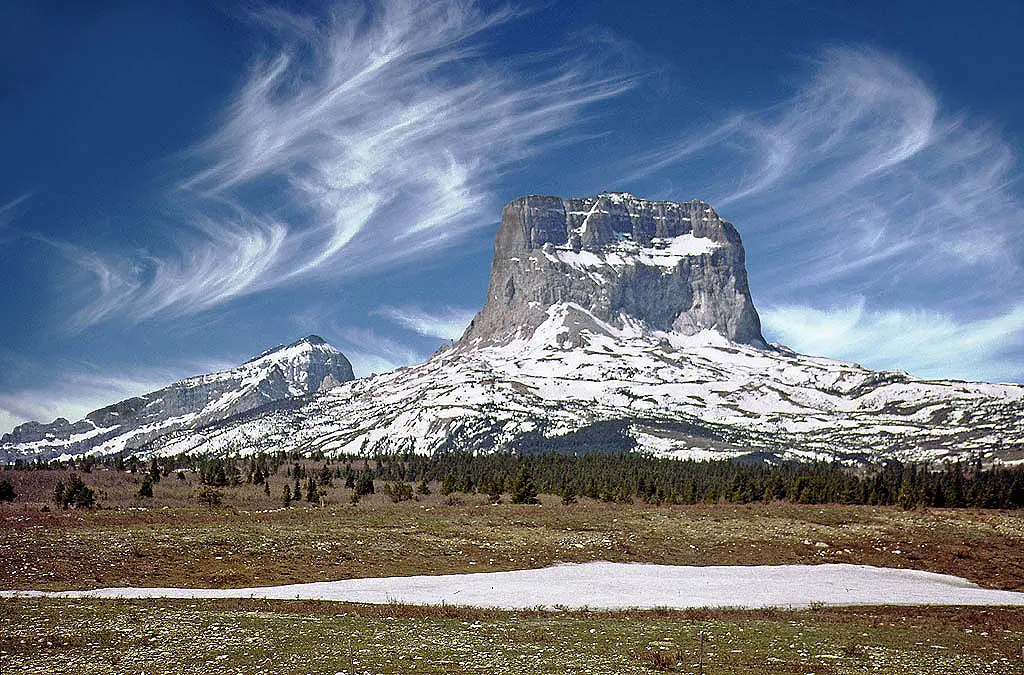
Image of Chief Mountain (Ninaistakis), Glacier County, Montana. Image source · CC-BY-2.0
Visit essentials
A quick read before you go
- Duration
- A brief stop at a viewing pullout can take 15-30 minutes.
- Etiquette
- Chief Mountain is among the most sacred places for the Blackfeet Nation.
Overview
Chief Mountain stands apart. Where other peaks crowd together in the spine of the Rockies, this one rises alone at the mountain front, a dramatic sentinel visible for miles across the Montana prairie. The Blackfeet people call it Ninaistakis—and for them, it is far more than a landmark.
In Blackfeet understanding, this mountain is where the Supreme Being Nah-too-si began the work of creation. Thunder resides here, in the high peaks, and has communicated with holy people through the ages. For generations, Blackfeet youth have climbed to the summit to fast, to pray, to seek the visions that would guide their lives. The bison skulls found on the summit in 1892—left on terrain too rugged for bison to reach naturally—speak to centuries of ceremonial use.
This is not archaeology. This is a living sacred site. Prayer and ceremony continue at Chief Mountain today. Offerings remain on the summit that must not be disturbed. In response to tourists who have climbed onto vision quest beds and handled sacred objects, the Blackfeet Nation appointed its first Chief Mountain Guardian—a position created to protect this irreplaceable place.
For visitors, Chief Mountain offers something rare: an encounter with a site held sacred for longer than anyone can remember, where sacred practice continues unbroken. Most will view the mountain from a distance, from the pullouts along Chief Mountain Highway. The appropriate response is not summit or conquest, but reverence—the recognition that you stand in view of a place where people have sought the sacred and found it.
Why this place is sacred
The isolation of Chief Mountain is its first quality. Unlike the crowded peaks of the Rockies to the west, Ninaistakis rises alone at the mountain front, a solitary sentinel where the vertical world of stone gives way to the horizontal world of prairie. This threshold position—between mountain and plain, between earth and sky—marks it as liminal ground, a place where boundaries thin.
But the Blackfeet understanding goes deeper than landscape. In their cosmology, Chief Mountain is where the Supreme Being Nah-too-si began creating the world. Thunder, one of the most powerful spirit beings, makes his residence here in the high peaks. When holy people climbed to the summit to fast and pray, they were not simply seeking solitude—they were approaching Thunder's dwelling place, seeking communication with spiritual forces that could grant guidance, healing, and power.
The Long-Time-Pipe, the oldest Piikani sacred pipe, was visioned at Ninaistakis. This means that fundamental elements of Blackfeet spiritual practice originated here, received through the thinning of the veil between human seekers and spiritual reality. The Medicine Pipe bundles—among the most sacred objects in Blackfeet religion—trace their origins to visions received at Chief Mountain.
The physical evidence reinforces what tradition holds. When Henry Stimson's party reached the summit in 1892, they found bison skulls weathered by years of wind—skulls that could not have arrived naturally on such difficult terrain. These were vision quest pillows, used by seekers who spent days on the summit in prayer. The skulls themselves had become part of the mountain's thinness, accumulated offerings of those who had come before.
Today, offerings remain on the summit. Vision quest beds persist where seekers have lain. The prayers accumulate. For the Blackfeet, Chief Mountain is not a place that once was sacred—it is a place that remains sacred, where the connection between worlds has been maintained through continuous practice.
Chief Mountain's sacred purpose precedes recorded history. The Blackfeet maintain that it has been a vision quest site and place of prayer for generations beyond counting. According to one creation account, the mountain was where Nah-too-si, the sun, began the work of creation—making it not simply a sacred site but the original sacred site, the starting point of the world itself.
The summit served specifically as a vision quest location. Young men climbed to the exposed plateau to fast, pray, and seek the visions that would guide their adult lives. The bison skulls served as pillows during these multi-day fasts. Thunder, who resides in the high Rockies with Chief Mountain as the most prominent dwelling, was the spiritual presence most associated with the site.
Those who received visions here brought back Medicine Pipe bundle traditions that remain central to Blackfeet spiritual life.
Chief Mountain's sacred status has remained constant even as pressures have mounted. When Glacier National Park was established in 1910, the mountain straddled the new park boundary and the Blackfeet Indian Reservation—a division that reflected political geography rather than sacred geography. For the Blackfeet, the mountain remained one place, whole and sacred.
The 20th and 21st centuries brought increasing recreational interest in the mountain. Climbers, tourists, and hikers came to the area in growing numbers. Some, ignorant of the mountain's significance, climbed onto the vision quest beds. Some handled offerings left in ceremony. The sacred objects on the summit—meant to remain undisturbed—were disturbed.
In response, the Blackfeet Nation created the position of Chief Mountain Guardian, with Ryan Running Wolf appointed as the first person to hold this role. The Guardian's purpose is to protect the sacred site from tourist disturbance while allowing Blackfeet people continued access for prayer and ceremony. This innovation represents an adaptation to modern pressures while maintaining the mountain's original and continuing purpose.
Experience and orientation
The approach to Chief Mountain comes by road, winding through the eastern edge of Glacier National Park along Chief Mountain Highway. As you travel, the peak reveals itself incrementally—first a distant form, then an increasingly dominant presence, rising alone where the Rocky Mountains meet the Great Plains.
What strikes visitors first is the mountain's isolation. Unlike the crowded peaks to the west, Chief Mountain stands apart, a solitary sentinel. Its distinctive profile—steep cliffs on the eastern face, a relatively flat summit—makes it unmistakable. The mountain commands attention in a way that suggests, even before you know its history, that it is not ordinary ground.
Pullouts along the highway offer viewing points where visitors can stop, look, and reflect. From these vantage points, you can see why the Blackfeet have held this mountain sacred for generations. It rises like an altar at the edge of the world, marking the boundary between the vertical realm of mountains and the horizontal realm of prairie. The word that comes to mind is threshold.
Climbing the mountain requires technical mountaineering skills—the eastern face that appears so dramatic from below is extremely difficult terrain. But even if you possessed such skills, the sacred significance of the summit should give pause. Vision quest beds remain there, along with ceremonial offerings that must not be disturbed. The summit is not a destination for recreational climbers. It is an altar in active use.
For most visitors, the appropriate experience is contemplation from below. Stand at one of the viewing points. Let your eyes trace the mountain's profile against the sky. Consider that people have been praying here for longer than anyone can count—and that they pray here still. Let the mountain be what it is: a sacred site, not a summit to bag.
Chief Mountain Highway (Montana Route 17) is the primary access route, open seasonally (typically June through September, depending on snow). The highway offers multiple pullouts with views of the mountain. The nearest services are in St. Mary or East Glacier Park. No facilities exist at the mountain itself. If you wish to understand more about the mountain's significance to the Blackfeet, the Museum of the Plains Indian in Browning provides cultural context.
Approach the mountain with the awareness that you are viewing active sacred ground.
Context and lineage
The Blackfeet hold two interconnected origin narratives about Chief Mountain. In one, the mountain is where the Supreme Being Nah-too-si—the sun—began the work of creation. The mountain stands at the edge of the world, where the vertical realm of the Rockies meets the horizontal realm of the plains, and it was here that the making of things began.
The second narrative concerns Thunder. Thunder resides in the high Rocky Mountains, and Chief Mountain—rising higher and more prominent than the peaks around it—is Thunder's primary dwelling. Thunder communicated with holy people who came to the mountain to fast and seek visions. These communications gave rise to the Medicine Pipe bundle traditions, with the Long-Time-Pipe, the oldest Piikani sacred pipe, visioned at Ninaistakis by a seeker who made the climb.
These are not competing stories but complementary ones. Both establish Chief Mountain as a place of origin—of the world itself, and of the spiritual practices that connect the Blackfeet people to sacred power. The mountain is not sacred because of what happened there once; it is sacred because of the relationship between place and people that continues.
The sacred significance of Chief Mountain belongs primarily to the Blackfeet Nation—including the Piikani (Peigan), Kainai (Blood), and Siksika (Blackfoot) peoples. The mountain lies within their traditional territory, and the spiritual traditions associated with it—Medicine Pipe bundles, vision questing, Thunder communication—are specifically Blackfeet practices. However, other Northern Plains tribes also recognize the mountain's sacred character, and the broader landscape of what is now Glacier National Park holds significance for multiple Indigenous nations.
Brings-Down-The-Sun
North Piikani holy man who shared the story of the Long-Time-Pipe vision at Chief Mountain in 1905, documenting the oral tradition of how the oldest Piikani sacred pipe was received through vision at Ninaistakis.
Ryan Running Wolf
First Chief Mountain Guardian, appointed by the Blackfeet Nation to protect the sacred site from tourist disturbance while maintaining access for traditional practitioners.
Henry Stimson
Led the first recorded summit by white explorers on September 8, 1892. His party found ceremonial bison skulls on the summit, evidence of centuries of Blackfeet vision quests.
Traditions and practice
The central practice at Chief Mountain was—and remains—the vision quest. Young Blackfeet men would climb to the summit to fast, pray, and seek visions that would guide their lives. They brought bison skulls to serve as pillows during the days of fasting. They left offerings. They sought communication with Thunder, who resides in the high peaks.
The visions received at Chief Mountain gave rise to fundamental elements of Blackfeet spiritual practice. The Medicine Pipe bundles, among the most sacred objects in Blackfeet religion, originated from communications with Thunder at this mountain. The Long-Time-Pipe, the oldest Piikani sacred pipe, was visioned here. To seek a vision at Chief Mountain was to approach the source.
Traditional practice also included leaving offerings and treating the mountain with the reverence due to Thunder's dwelling place. The summit was not simply a location but a presence—a place where the boundary between human and spiritual realms thinned enough for communication to occur.
Contemporary practice at Chief Mountain continues the traditional forms. Blackfeet tribal members visit the mountain for prayer, fasting, and ceremonial purposes. Vision quests occur. Offerings are left. The Shield Keepers Gathering, a tribal event, honors the mountain and strengthens cultural identity.
The appointment of a Chief Mountain Guardian represents an innovation in response to modern pressures. Tourism brought visitors who, not understanding the mountain's significance, climbed onto vision quest beds, handled offerings, and disturbed sacred objects. The Guardian's role is to protect the site while ensuring that Blackfeet people can continue their spiritual practices.
For the Blackfeet, Chief Mountain remains what it has always been: one of their most sacred places, a site of active ceremony and prayer, a place where generations have sought and found connection to spiritual power.
Non-Native visitors cannot participate in ceremony at Chief Mountain. The appropriate practice for visitors is witness—viewing the mountain from the pullouts along Chief Mountain Highway, contemplating its significance, and approaching with reverence.
If you are drawn to spend time in the presence of the mountain, choose a viewing point and sit quietly. Let your attention rest on the peak. Consider the generations who have climbed there to pray, the visions that have been received, the prayers that have accumulated. You cannot share their experience, but you can recognize that something real has happened here and continues to happen.
Do not attempt to climb to the summit for spiritual purposes. Do not leave offerings. Do not conduct ceremonies of your own devising. The mountain's sacredness belongs to the Blackfeet, and respectful witness is the appropriate response for those outside that tradition.
Blackfeet Vision Quest and Prayer
ActiveChief Mountain has been a vision quest site for the Blackfeet for generations beyond counting. The mountain is where seekers have come to fast, pray, and receive visions that guide their lives. The bison skulls found on the summit in 1892 served as vision quest pillows, evidence of centuries of use.
Vision quests involving multi-day fasts on the summit. Prayer. Communication with Thunder, who resides in the high peaks. Leaving offerings. The Shield Keepers Gathering honors the mountain and strengthens cultural identity.
Medicine Pipe Bundle Tradition
ActiveThe origins of Medicine Pipe bundles—among the most sacred objects in Blackfeet religion—are attributed to visions received at Chief Mountain from Thunder. The Long-Time-Pipe, the oldest Piikani sacred pipe, was visioned at Ninaistakis.
Sacred pipe ceremonies. Care and transfer of Medicine Pipe bundles. These bundles are living entities requiring proper treatment and ceremony, with their power traced to revelations received at Chief Mountain.
Shield Keepers Gathering
ActiveA contemporary tribal gathering that honors Chief Mountain and strengthens Blackfeet cultural identity. The gathering brings together community members in recognition of the mountain's sacred status.
Cultural ceremonies. Community gathering. Honoring the sacred mountain. Reinforcing the commitment to protect and maintain the site.
Perspectives and open questions
Chief Mountain invites multiple ways of seeing: geological formation, cultural landscape, sacred geography. What makes the mountain distinctive is that for the Blackfeet, these categories do not separate. The mountain is all of these at once, and its sacredness is not metaphor but lived relationship.
Scholarly perspective
Geologically, Chief Mountain is a klippe—an isolated remnant of a thrust sheet, older rock pushed over younger rock during mountain-building events millions of years ago. Its dramatic isolation results from erosion that removed the surrounding older rock, leaving this fragment standing alone.
Archaeologically, the bison skulls found on the summit in 1892 provide physical evidence of ceremonial use. The skulls served as vision quest pillows, and their presence on terrain too difficult for bison to reach naturally demonstrates intentional human transport for ritual purposes. However, archaeological investigation of the summit has been limited, and much remains undocumented.
The mountain's designation as part of Glacier National Park (established 1910) created a jurisdictional divide that does not correspond to sacred geography. The Blackfeet consider the mountain sacred regardless of which political boundary it falls within. Contemporary cultural resource management recognizes Indigenous sacred sites, though the mechanisms for protection remain incomplete.
Living and traditional perspectives
For the Blackfeet Nation, Chief Mountain is Ninaistakis—one of their most sacred places. According to one creation narrative, the Supreme Being Nah-too-si began the work of creation here. Thunder, a powerful spiritual being, resides in the high peaks with Chief Mountain as the primary dwelling. Vision quests conducted here have given rise to Medicine Pipe bundle traditions that remain central to Blackfeet spiritual life.
The mountain is not sacred because of what happened there in the past. It is sacred because of the ongoing relationship between the Blackfeet people and this place. Prayer continues. Ceremony continues. The appointment of a Chief Mountain Guardian demonstrates the commitment to protecting this relationship against modern pressures.
Alternative interpretations
Some visitors perceive Chief Mountain as having special energy or spiritual power independent of any particular tradition. However, the mountain's significance belongs primarily to the Blackfeet, and external interpretations should not displace or appropriate their understanding. Those who sense something powerful at Chief Mountain are likely responding to what generations of ceremony have placed there—but that power belongs to the tradition that has cultivated it.
Open questions
What remains unknown includes the full extent of traditional protocols for vision quests at Chief Mountain, the complete history of visions received there, and all the sacred bundles whose origins trace to this mountain. This knowledge is held within Blackfeet communities and is not available for outside documentation. The gap in public knowledge reflects the sacred nature of the information, not a failure of research.
Plan your visit
Access and arrival
Lodging available in St. Mary, East Glacier Park, and surrounding communities. Camping within Glacier National Park. The Blackfeet Reservation has limited tourism facilities.
Respectful visit
No specific attire is required for viewing the mountain from highway pullouts. If hiking in the broader Glacier National Park area, dress appropriately for mountain conditions—layers, rain gear, sun protection.
Respectful photography of the mountain from viewing points is permitted. Do not photograph vision quest beds, offerings, or practitioners. These are sacred elements, not subjects for documentation.
Do not leave offerings at Chief Mountain unless you are a Blackfeet practitioner engaged in traditional practice. Do not touch or disturb offerings left by others. The items on the mountain are prayers, not decoration.
{"Do not climb onto vision quest beds","Do not touch or move offerings","Do not photograph sacred objects or practitioners","Do not attempt recreational climbing on the mountain","Maintain distance from any ceremonial activity","Do not conduct ceremonies of your own devising","Approach as a place of active prayer, not tourism"}
The summit of Chief Mountain contains vision quest beds and ceremonial offerings that must never be disturbed. Do not touch, move, or photograph these objects. Do not climb onto the fasting beds. If you encounter Blackfeet practitioners in ceremony, maintain respectful distance and do not interrupt. The mountain is not a recreational climbing destination—it is an active sacred site.
Location
Map loads as you approach this section.
Pilgrim reflections
A portrait of encounter, not a score
Pilgrims describe what they felt, how present they could become, and whether the place would shape a journey. There are no stars and no ranking of traditions.
No reviewed reflections yet
The first pilgrims can help describe the character of being here.
Share a reflection
Available after an account-backed “Been there.” Every reflection is reviewed before publication.
Nearby sacred places
Explore other sacred places in the region. Proximity does not establish access or travel time; check each place’s guidance.
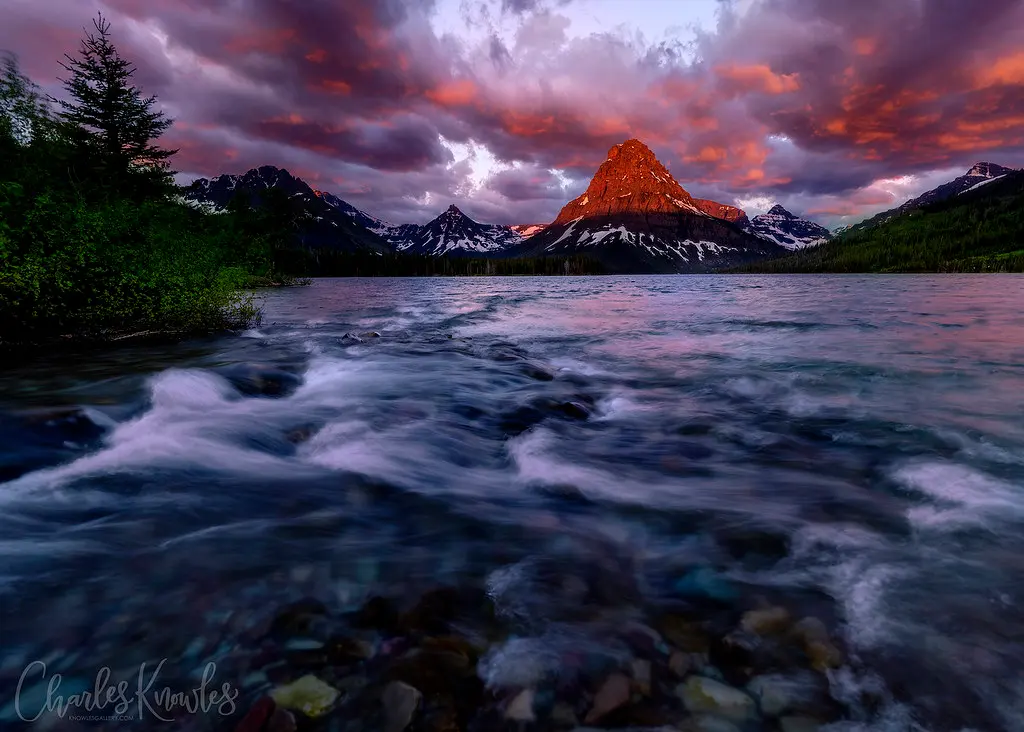
Two Medicine Lake, Montana
East Glacier Park, Montana, United States
61.4 km away

Head-Smashed-In Buffalo Jump
Fort Macleod, Fort Macleod, Alberta, Canada
87.6 km away
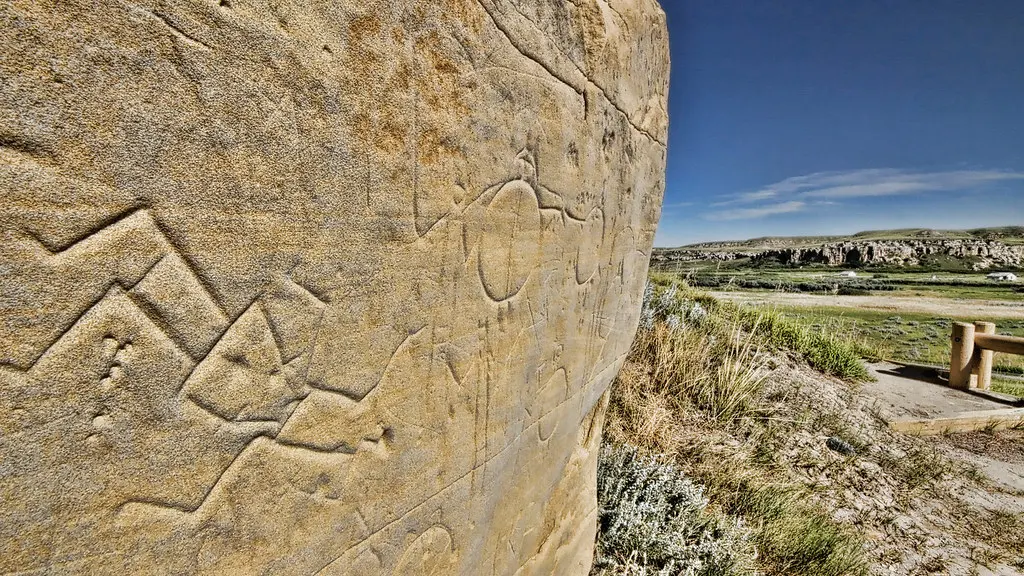
Writing-on-Stone Provincial Park
Milk River, Alberta, Canada
165.0 km away

Sweet Grass Hills, Montana
Whitlash, Montana, United States
171.5 km away
References
Sources consulted for this page. Source categories describe the publication, not a guarantee that every claim is verified. Traditional accounts and outside interpretations may differ.
- 01Guardians of Ninnahstako — Native News (University of Montana)newsUniversity journalism project on Indigenous issues
- 02Chief Mountain — WikipediaencyclopediaGeneral reference
- 03Chief Mountain: Iconic Landmark and Sacred Site — Distinctly MontanaguideRegional publication
- 04Shield Keepers Gathering honors Chief Mountain, strengthens Blackfeet culture — KPAX/KTVHnewsNews coverage of tribal events
Photo gallery
2 curated photos
Share a photo
Help visitors recognize Chief Mountain (Ninaistakis), Glacier County, Montana. Every submission is reviewed before publication.