Shrine of Saint Kateri Tekakwitha, Fonda, New York
Where a Mohawk woman became the first Native American saint, and the ground remembers both worlds
Understand sacred places, explore living traditions, and learn how to engage respectfully with Pilgrim Map.
Access has not been verified. Check current local guidance before planning a visit.
Village of Fonda, New York, United States
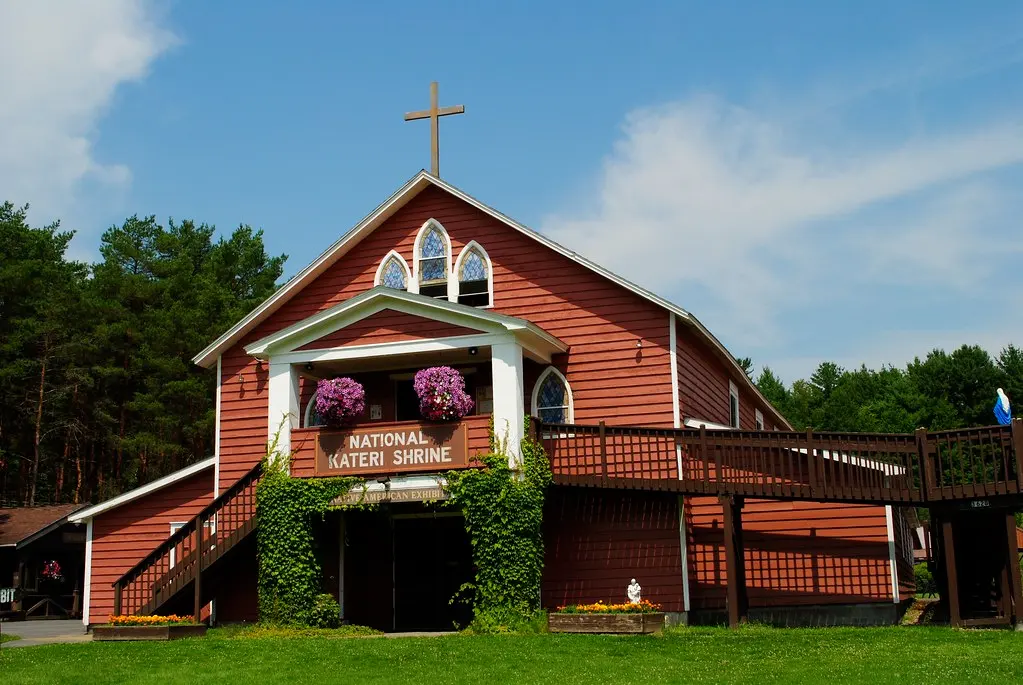
Image of Shrine of Saint Kateri Tekakwitha, Fonda, New York. Image source
Visit essentials
A quick read before you go
- Duration
- A thorough visit including the museum, Candle Chapel, Kateri Spring, archaeological site, and a…
- Access
- The shrine is located at 3636 Route 5, Fonda, NY 12068, approximately 0.25 miles west of the…
Overview
Two realities coexist on these 130 acres along the Mohawk River, and neither one cancels the other.
The first is Catholic. In 1676, a young Mohawk-Algonquin woman named Kateri Tekakwitha was baptized here by a Jesuit priest, taking the name Catherine. She was twenty years old, orphaned by smallpox, and marked by the scars it left on her face and eyes. Her conversion alienated her from much of her community. She fled north to a Jesuit mission near Montreal, where she lived three more years of extraordinary devotion before dying at twenty-four.
According to those who witnessed her death, the scars vanished from her face within minutes. In 2012, Pope Benedict XVI canonized her as the first Native American saint in the Catholic Church.
The second reality is Mohawk. The ground beneath the shrine holds the remains of Caughnawaga, a fortified village with a double wooden stockade and twelve longhouses, occupied from 1666 to 1693. This was a Mohawk community navigating an era of colonial upheaval: military campaigns, epidemic disease, and the presence of Jesuit missionaries whose faith would divide families and reshape identities. Kateri's conversion happened within this world, not apart from it.
The shrine does not choose between these realities. The feast day Mass incorporates four-directions smudging of sacred plants alongside Catholic liturgy. The excavated village and the Candle Chapel sit on the same grounds, separated by centuries and connected by the figure of a young woman who belonged to both worlds.
Whether Kateri's story is one of spiritual transcendence or cultural displacement, or somehow both at once, is a question the shrine holds without resolving. The ground itself is neutral. What visitors bring to it determines what they find.
Why this place is sacred
The quality of this place is not grandeur. The shrine is modest: a small chapel, a candle room, a museum, trails through meadows and forest along the river. There are no soaring spires or ornate altars. The restraint is fitting. Kateri Tekakwitha lived simply, and the place that remembers her does not contradict that simplicity.
What creates the thin quality here is proximity. You walk on the same ground Kateri walked. The archaeological outline of Caughnawaga village lies beneath your feet, excavated and documented, the footprint of twelve longhouses and a double stockade made visible. This is not a place where a saint's story is told through art and architecture. This is the place where the story happened.
The Kateri Spring provides the most concentrated point of connection. A natural spring on the shrine grounds, traditionally identified as the water source used for Kateri's baptism in 1676, it draws pilgrims who come to pray, collect water, and in some cases report healing experiences. Whether the spring is the actual baptismal source is unverifiable across three and a half centuries. What matters to those who come is the intention: to touch, literally, the water that touched Kateri.
The landscape adds its own dimension. The Mohawk River moves slowly past the shrine grounds, as it did when Kateri lived here. The 130 acres include forests and meadows that have recovered from centuries of agricultural use. In Kateri's designation as patron saint of ecology, the land itself becomes part of her legacy. The hiking trails are not afterthoughts. They are extensions of the contemplative space, connecting the devotional site to the living world it honors.
But the thinness here also has an edge. The encounter between worlds that produced Kateri's conversion was not gentle. Colonial pressure, epidemic disease, family fracture, community exile. The Jesuit narrative frames this as a soul finding God against opposition. The indigenous reading frames it as a young woman caught in forces that were reshaping her world without her consent. Both readings are present in the same ground.
The thinness at this shrine is not only the closeness of the divine but the closeness of histories that have not finished speaking to each other.
The Caughnawaga village site was a Mohawk community occupied from 1666 to 1693, built as a fortified settlement with a double wooden stockade and twelve longhouses during a period of intense colonial contact. It served as home to several hundred Mohawk people, including Kateri Tekakwitha after she moved here with her uncle. The village was simultaneously a site of Haudenosaunee community life and Jesuit missionary activity, making it a place where two spiritual worlds intersected in daily practice.
The modern shrine was established in 1938 to honor Kateri's memory and baptismal site.
The village of Caughnawaga was abandoned around 1693, and for over two centuries the site returned to agricultural land. The memory of Kateri Tekakwitha was kept alive through Catholic devotional channels: her cause for canonization was introduced in 1884, and her story circulated through Jesuit writings and Catholic hagiography.
In 1938, Father Thomas Grassmann of the Franciscan Friars established the Fonda Memorial of Catherine Tekakwitha on the site. Between 1950 and 1956, Grassmann led the archaeological excavation of the Caughnawaga village, uncovering the only fully excavated Haudenosaunee settlement in the world. This dual identity, devotional site and archaeological landmark, has shaped the shrine's character ever since.
Kateri's beatification in 1980 elevated the memorial to shrine status. Her canonization in 2012 brought international attention and increased pilgrimage. Her designation as patron of ecology and the environment added a third dimension: the shrine now promotes environmental stewardship alongside spiritual devotion and historical preservation.
In recent years, the shrine has made deliberate efforts to honor Kateri's Mohawk heritage alongside her Catholic faith, incorporating indigenous elements into feast day celebrations and maintaining the archaeological site as an integral part of the visitor experience.
Experience and orientation
The approach is ordinary. Route 5 runs along the Mohawk River through upstate New York farmland, and the shrine entrance comes up without drama. A modest sign. A parking area. No monumental gateway announces arrival. This is not a place that impresses through scale.
What it offers instead is intimacy. The Candle Chapel is small, candlelit, and quiet. Pilgrims come here to sit, to pray, to light candles for intentions they carry. The space has the absorbed quality of a room where many people have brought their most private hopes. The walls are not ornate. The silence does the work.
Outside, the Kateri Spring draws visitors with a different kind of attention. The water emerges from the ground as it has for centuries. Pilgrims fill bottles, touch the water to their faces, pray. Some come with specific healing intentions. The spring's identification as the source of Kateri's baptismal water gives the act of touching or drinking the water a quality of participation in the saint's story. You are not merely commemorating an event.
You are making contact with its physical medium.
The archaeological site shifts the experience from devotion to history. The excavated outlines of Caughnawaga's longhouses and stockade are visible on the ground, and the museum houses artifacts recovered during the 1950s excavation: pottery, tools, trade goods from the contact period. Walking through the village footprint, you enter the daily world Kateri inhabited. The longhouses that sheltered families. The stockade that protected them.
The ground where community life, Haudenosaunee and increasingly Catholic, played out in the tensions of a transforming era.
The hiking trails extend the experience into the landscape. Paths through forest and meadow lead along the Mohawk River, where the light and sound of moving water accompany your walk. Kateri is patron of ecology, and the trails make that patronage concrete: the living world she is said to have loved becomes part of the pilgrimage.
For those who attend the feast day celebration around July 14, the convergence of traditions is most visible. Catholic Mass proceeds alongside Mohawk cultural expressions: the Akwesasne Choir singing, the four-directions smudging of sacred plants, the blessing with a relic of Saint Kateri. The celebration does not pretend these traditions fit together seamlessly. It holds them side by side and lets them speak.
If you come as a Catholic pilgrim, begin at the Candle Chapel. Light a candle. Sit. Let the quiet of the space settle before moving on to the spring and the grounds.
If you come seeking historical understanding, begin at the museum and the archaeological site. Let the artifacts and the village footprint ground you in the 17th-century reality before encountering the devotional elements.
If you come as a seeker without a fixed framework, walk the grounds first. Take the hiking trails along the Mohawk River. Let the land itself speak before the interpretations begin. Then visit the spring, the chapel, the museum, and the archaeological site in whatever order draws you.
However you approach, hold the complexity of this place honestly. Kateri's story is not simple. It involves faith and colonialism, devotion and displacement, a young woman's choices and the enormous forces that shaped the world in which she made them. The shrine does not demand that you resolve these tensions. It asks only that you recognize them.
Context and lineage
Kateri Tekakwitha was born in 1656 at the Mohawk village of Ossernenon, present-day Auriesville, New York. Her father was Mohawk; her mother was Algonquin and Christian, likely baptized by French missionaries before her capture and adoption into the Mohawk community. When Kateri was about four, a smallpox epidemic swept through the village, killing her parents and brother. Kateri survived but was left with scarred skin and weakened eyesight.
She was raised by her uncle in the village of Caughnawaga, on the present shrine site. Jesuit missionaries were active in the community, and Kateri was drawn to their teaching. In 1676, at age twenty, she was baptized by Father Jacques de Lamberville, taking the Christian name Catherine in honor of Catherine of Siena.
Her conversion brought consequences. According to Jesuit accounts, Kateri faced hostility from community members who saw her rejection of traditional practices, including her refusal to marry, as a betrayal. In 1677, she fled north to the Jesuit mission of Kahnawake near Montreal. There she lived three years of intense devotion: prayer, fasting, and physical penances that contemporaries described as extreme. She died on April 17, 1680, at twenty-four.
The Jesuit accounts of her death describe an event that would fuel her cause for sainthood: within minutes of her passing, the smallpox scars that had marked her face reportedly disappeared, leaving her skin clear. This report, attested by priests who knew her, has no modern parallel or scientific explanation.
Kateri's devotional lineage runs through Catholic channels. Her cause for canonization was introduced in 1884, and the process moved through the stages of Venerable (1943), Blessed (1980), and Saint (2012) over more than a century. The Franciscan Friars have maintained the shrine since 1938.
Her indigenous lineage runs through Haudenosaunee memory and contemporary Mohawk identity. The Saint Regis Mohawk Tribe acknowledges her on their official website. The Tekakwitha Conference, established in 1939, brings together indigenous Catholics annually to explore the intersection of Native spiritual traditions and Catholic faith. The Mohawk Akwesasne Choir's participation in feast day celebrations represents an ongoing effort to honor both dimensions of Kateri's identity.
These two lineages do not always agree about what Kateri's story means. The Catholic lineage emphasizes her holiness and the universality of her appeal. The indigenous lineage holds a more complex view, recognizing both the genuine faith of a remarkable woman and the colonial context that shaped her choices. The shrine is the place where both lineages converge, and the conversation between them continues.
Kateri Tekakwitha
saint and historical figure
Born 1656, died 1680. Mohawk-Algonquin woman baptized at Caughnawaga in 1676. Canonized in 2012 as the first Native American saint in the Catholic Church. Known as the 'Lily of the Mohawks.' Patron of ecology, the environment, people in exile, and Native Americans.
Father Jacques de Lamberville
missionary
French Jesuit priest who baptized Kateri Tekakwitha at Caughnawaga on April 18, 1676, and who documented aspects of her spiritual life.
Father Thomas Grassmann
founder and archaeologist
Franciscan friar who established the Fonda Memorial of Catherine Tekakwitha in 1938 and led the archaeological excavation of the Caughnawaga village from 1950 to 1956. His dual roles as priest and excavator shaped the shrine's identity as both devotional site and archaeological landmark.
Darren Bonaparte
historian and cultural commentator
Mohawk historian who has provided critical indigenous perspective on the Jesuit narratives surrounding Kateri's life, noting how hagiographic accounts constructed her holiness by contrasting her with the alleged sinfulness of her Mohawk kin.
Pope Benedict XVI
religious leader
The pope who canonized Kateri Tekakwitha on October 21, 2012, making her the first Native American Catholic saint and designating her patron of ecology and the environment.
Traditions and practice
Kateri Tekakwitha's own spiritual practices, as recorded by Jesuit priests who knew her, included intense and extended prayer, fasting, and physical penances that her contemporaries described as extreme. Some scholars have suggested that her penitential practices may have drawn from indigenous traditions of bodily sacrifice as much as from Catholic asceticism, though this remains debated.
The Caughnawaga village during Kateri's residence (1666-1677) would have been a place of overlapping spiritual practices: Haudenosaunee longhouse ceremonies and community rituals alongside the Jesuit-led Catholic worship that was gaining adherents. The tensions between these practices shaped the social world Kateri navigated.
Weekend Masses are held at the shrine during the active season from May through October. The most significant annual event is the Feast Day celebration around July 14, which draws pilgrims from across the region and beyond. The feast day program includes Mass, prayer services in English and Spanish, music led by the Mohawk Akwesasne Choir, four-directions smudging of sacred plants, and a solemn blessing with a relic of Saint Kateri.
Pilgrims visit the Kateri Spring throughout the year to collect water and pray for healing through Kateri's intercession. The Candle Chapel provides a space for contemplative prayer and candle lighting. The Tekakwitha Conference, held annually at various locations around North America, brings indigenous Catholics together to honor Kateri's legacy and explore the relationship between Native spiritual traditions and Catholic faith.
The shrine also promotes environmental stewardship in keeping with Kateri's designation as patron of ecology, treating its 130-acre natural landscape as an expression of the care for creation that her patronage represents.
Visit the Kateri Spring first. Stand beside the water and consider what it means to be at the place where a woman's life changed direction three and a half centuries ago. Whether you frame that moment as baptism or as the visible marker of a choice shaped by enormous forces, the water is the same water. Touch it if you wish.
Walk the archaeological site next. The outlines of twelve longhouses and a double stockade are visible in the ground. This was not a chapel or a monastery. It was a home. Several hundred people lived here: cooking, raising children, conducting ceremonies, arguing, making decisions, navigating the pressures of an era that was transforming everything they knew. Kateri lived among them. Her conversion did not happen in isolation. It happened within a community.
Then walk the trails. The forest and meadow along the Mohawk River offer space for the kind of reflection that enclosed spaces cannot always support. Kateri is patron of ecology, and the land here, in its quiet recovery from centuries of agricultural use, models something about renewal that connects to her story.
End at the Candle Chapel if you carry an intention. Light a candle. Sit in a room where many people have brought their hopes. The simplicity of the space is its strength.
Roman Catholic
ActiveThe shrine honors the first Native American Catholic saint, canonized in 2012. It is the site of Kateri Tekakwitha's baptism in 1676 and the place where her spiritual life began. The Kateri Spring is venerated as a source of healing. The shrine is managed by the Franciscan Friars and serves as a pilgrimage destination for Catholic faithful, particularly those with devotion to Saint Kateri.
Regular Masses during the active season (May-October). Annual Feast Day celebration around July 14 with Mass, prayer services, relic blessing, and procession. Pilgrimage visits to the Kateri Spring for prayer and collection of holy water. Candle lighting in the Candle Chapel. The Tekakwitha Conference brings indigenous Catholics together annually.
Mohawk/Haudenosaunee
ActiveThe shrine stands on the archaeological site of Caughnawaga, a Mohawk village occupied from 1666 to 1693. This is ancestral Haudenosaunee homeland, and the excavated village is the only fully uncovered Haudenosaunee settlement in the world. Kateri Tekakwitha's Mohawk heritage is integral to her identity and to the meaning of the site. The Mohawk Akwesasne Choir's participation in feast day celebrations and the incorporation of four-directions smudging into the liturgy reflect the ongoing Mohawk cultural presence at the shrine.
Mohawk cultural elements are incorporated into the shrine's feast day celebrations, including music by the Akwesasne Choir and four-directions smudging of sacred plants. The Caughnawaga-Veeder Museum preserves and exhibits Mohawk artifacts from the archaeological excavation. Contemporary Mohawk engagement with the site continues through both Catholic and cultural channels.
Archaeological and Historical Preservation
ActiveThe Caughnawaga village site, excavated from 1950 to 1956, is the only fully excavated Haudenosaunee village in the world. Listed on the National Register of Historic Places in 1973, it provides invaluable archaeological data about 17th-century Mohawk community structure, material culture, and the impact of European contact.
The Caughnawaga-Veeder Museum preserves artifacts from the excavation and provides educational interpretation. The archaeological site is maintained as part of the shrine grounds and is accessible to visitors. Ongoing preservation efforts protect both the archaeological remains and the shrine's historical structures.
Perspectives and open questions
Kateri Tekakwitha's story is interpreted through at least three distinct lenses: Catholic hagiography, indigenous cultural critique, and historical scholarship. Each reveals something the others obscure. The shrine holds all three perspectives without forcing a resolution, making it a place where visitors must do their own interpretive work.
Scholarly perspective
Historians confirm Kateri Tekakwitha as a historical figure whose life is documented primarily through Jesuit missionary accounts, particularly those of Father Pierre Cholenec and Father Claude Chauchetiere, who knew her at Kahnawake. These accounts, while valuable as primary sources, are hagiographic in nature, written to advance her cause for sainthood and shaped by the assumptions of 17th-century Catholic missionary culture.
Modern scholarship places Kateri's story within the broader context of colonial-era pressures on Haudenosaunee communities. The period of her life (1656-1680) was marked by military campaigns against the Mohawk, devastating epidemic disease, and aggressive Jesuit missionization. Her conversion was not an isolated spiritual event but a choice made within a world being reshaped by forces beyond any individual's control.
The archaeological significance of the Caughnawaga site is substantial. Father Grassmann's excavation (1950-1956) uncovered the only fully excavated Haudenosaunee village in the world, providing invaluable data about 17th-century Mohawk community structure, material culture, and the physical reality of contact-era life. The site was listed on the National Register of Historic Places in 1973.
Living and traditional perspectives
Catholic tradition venerates Kateri as the Lily of the Mohawks, a woman who found Christ despite the opposition of her community and lived a life of extraordinary holiness. Her canonization in 2012 affirmed her as a universal model of faith, and her designation as patron of ecology connects her legacy to contemporary concerns about environmental stewardship. For Catholic pilgrims, the shrine is sacred ground: the place where a saint walked, prayed, and was baptized.
Indigenous perspectives are more complex and varied. Some Native American Catholics embrace Kateri as a bridge between their ancestral heritage and their Christian faith, finding in her a figure who honors both identities. The Saint Regis Mohawk Tribe acknowledges her on their official website. The Tekakwitha Conference annually brings together indigenous Catholics who see in Kateri's story a validation of their own dual belonging.
Other indigenous voices are more critical. Mohawk writer Doug George-Kanentiio has expressed concern that Kateri's sainthood may be used to influence Haudenosaunee people away from ancestral values. Mohawk historian Darren Bonaparte has noted that Jesuit accounts constructed Kateri's holiness by contrasting her virtue with the alleged sinfulness of her Mohawk community, a narrative strategy that demeaned Mohawk culture to elevate a convert.
The National Museum of the American Indian has described the complexity of ecstasy in Kateri's life, acknowledging the unresolved tension between devotion and colonial context.
Open questions
Several dimensions of Kateri's story resist resolution. The reported transformation of her face at the moment of death, the disappearance of smallpox scars, is attested by Jesuit eyewitness accounts but has no modern parallel or scientific explanation. Whether this event occurred as described, or represents hagiographic embellishment, cannot be determined from available evidence.
The degree to which Kateri's extreme penances reflected Catholic ascetic tradition versus possible indigenous practices of bodily sacrifice remains debated among scholars. The full details of Mohawk spiritual life at Caughnawaga during her residence, and how it may have interacted with or influenced her Catholic practice, are largely unknown due to the confidential nature of Haudenosaunee ceremonial traditions.
Perhaps most significantly, the inner experience of Kateri herself remains inaccessible. We know her story through the accounts of Jesuit priests who had their own reasons for telling it the way they did. What Kateri understood about her own choices, and what she would make of how those choices have been interpreted across four centuries, is beyond recovery.
Plan your visit
Access and arrival
The shrine is located at 3636 Route 5, Fonda, NY 12068, approximately 0.25 miles west of the village of Fonda on the north bank of the Mohawk River. It is approximately 45 miles west of Albany via the New York State Thruway (I-90, Exit 28 for Fultonville/Fonda). Free admission; donations accepted. The 130-acre grounds are open sunrise to sunset year-round. Indoor facilities (chapel, museum, gift shop) operate primarily May through October. Contact: 518-853-3646 or info@katerishrine.org. Website: katerishrine.org.
Mobile phone signal is generally available on the grounds, as the site is located along Route 5 near the village of Fonda. No specific signal issues were noted in available sources; check with your carrier for coverage in rural Montgomery County, New York.
Fonda is a small village with limited lodging. Amsterdam, approximately 10 miles east, offers more options. Albany, 45 miles east, provides a full range of accommodations and serves as the most common base for visitors combining the Kateri Shrine with other regional sites. For those visiting during the feast day weekend, booking accommodations in advance is recommended.
Respectful visit
Modest dress is appropriate, particularly in the chapel and during services. No specific dress code is enforced on the grounds or trails, but clothing appropriate for walking on uneven terrain and exposure to weather is practical. The 130-acre property includes hiking trails that require comfortable footwear.
Photography is generally permitted on the grounds, at the archaeological site, and along the hiking trails. Restraint is appropriate during Mass, prayer services, and ceremonial moments such as the four-directions smudging during feast day celebrations. Do not photograph people in prayer without their permission. Check current policies with the shrine office for any updates.
Candles may be lit in the Candle Chapel. Donations to the shrine are accepted and support its maintenance and programs. The gift shop offers religious items related to Saint Kateri. Do not leave offerings at the archaeological site.
Do not disturb, collect from, or walk on the archaeological remains of Caughnawaga village. Do not remove any artifacts or natural materials from the site. Follow all posted guidelines. The shrine grounds are managed by the Franciscan Friars. Indoor facilities (chapel, museum) have seasonal hours, primarily May through October. The grounds themselves are accessible sunrise to sunset year-round.
The story of Kateri Tekakwitha is told primarily through Catholic hagiographic sources, which present her conversion as unambiguously positive. Visitors should be aware that indigenous perspectives on her story are more nuanced, and that her canonization is viewed differently across communities. Approaching the shrine with awareness of the colonial context enriches rather than diminishes the experience.
The shrine is a working religious site. If you attend Mass or feast day events, respectful participation or quiet observation is appropriate even if you do not share the Catholic faith.
Be cautious about attributing healing properties to the spring water without acknowledging that reported healing experiences are matters of faith, not documented medical evidence.
Current practical details
Address
3636 NY-5, Fonda, NY 12068, USA
Phone
Hours, fees, and access can change — verify on the official source before you travel. Practical details last checked Jun 2026.
Location
Map loads as you approach this section.
Pilgrim reflections
A portrait of encounter, not a score
Pilgrims describe what they felt, how present they could become, and whether the place would shape a journey. There are no stars and no ranking of traditions.
No reviewed reflections yet
The first pilgrims can help describe the character of being here.
Share a reflection
Available after an account-backed “Been there.” Every reflection is reviewed before publication.
Nearby sacred places
Explore other sacred places in the region. Proximity does not establish access or travel time; check each place’s guidance.
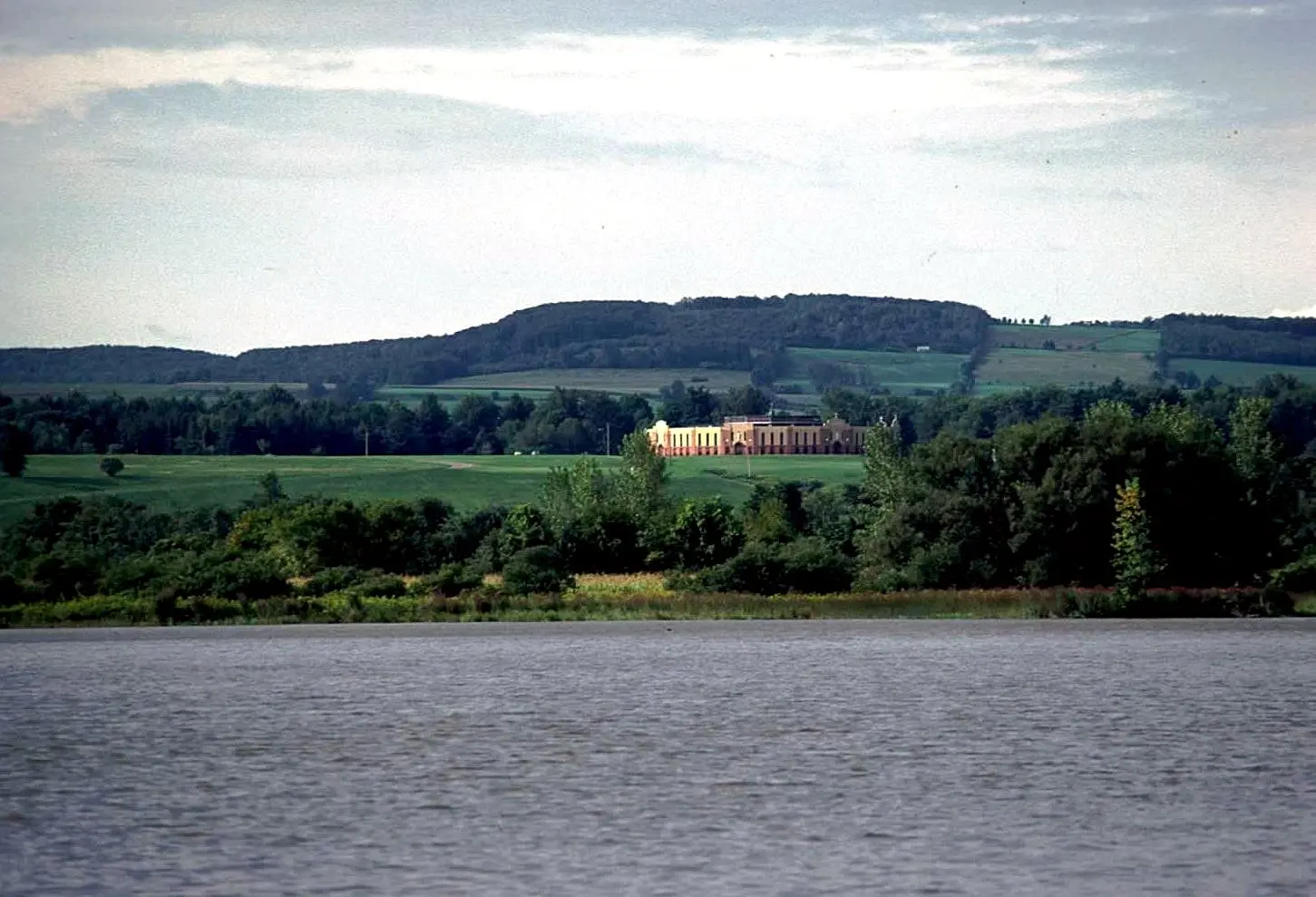
National Shrine of Our Lady of Martyrs
Auriesville, New York, United States
7.9 km away
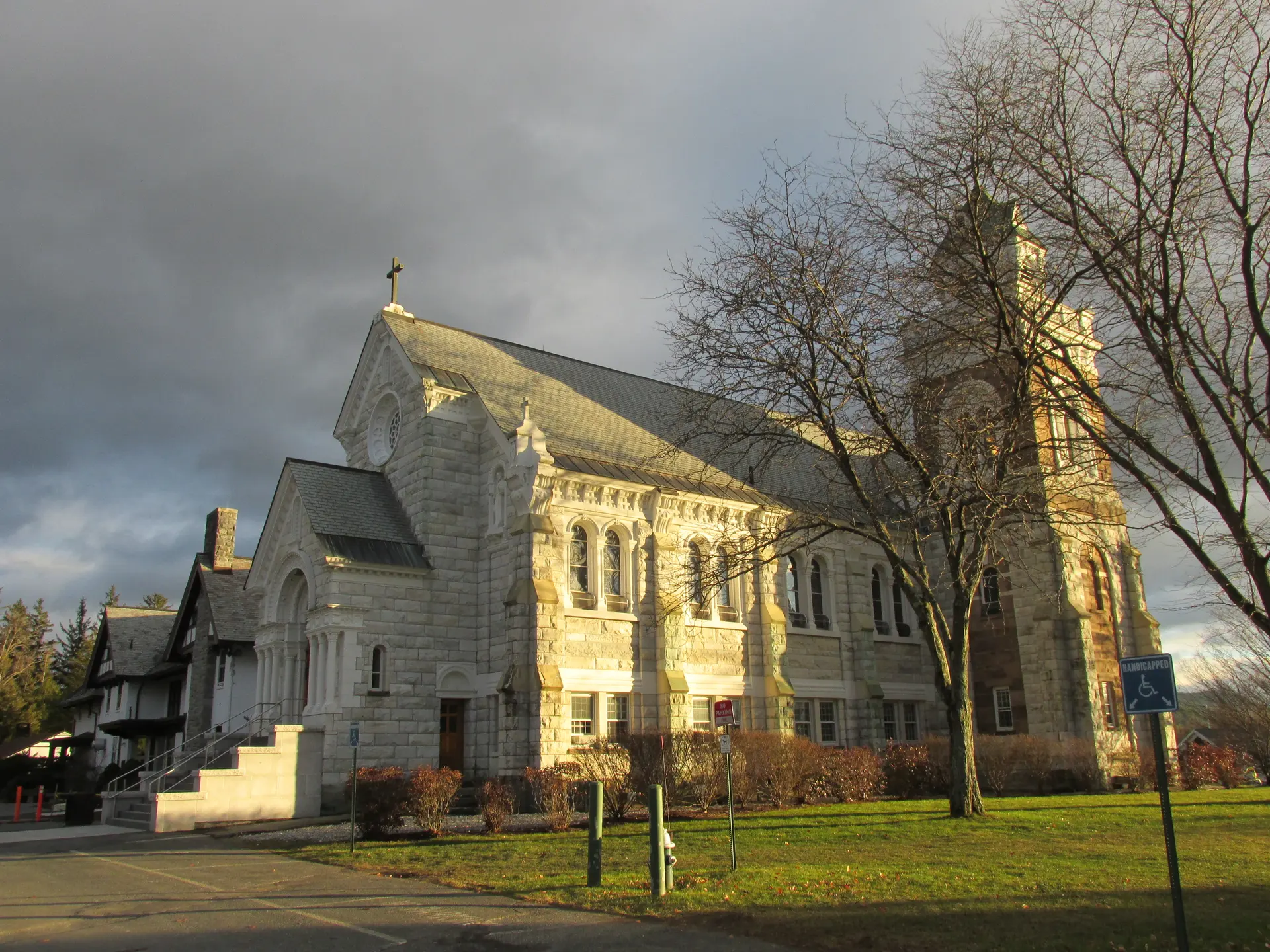
National Shrine of The Divine Mercy
Stockbridge, Massachusetts, United States
115.0 km away
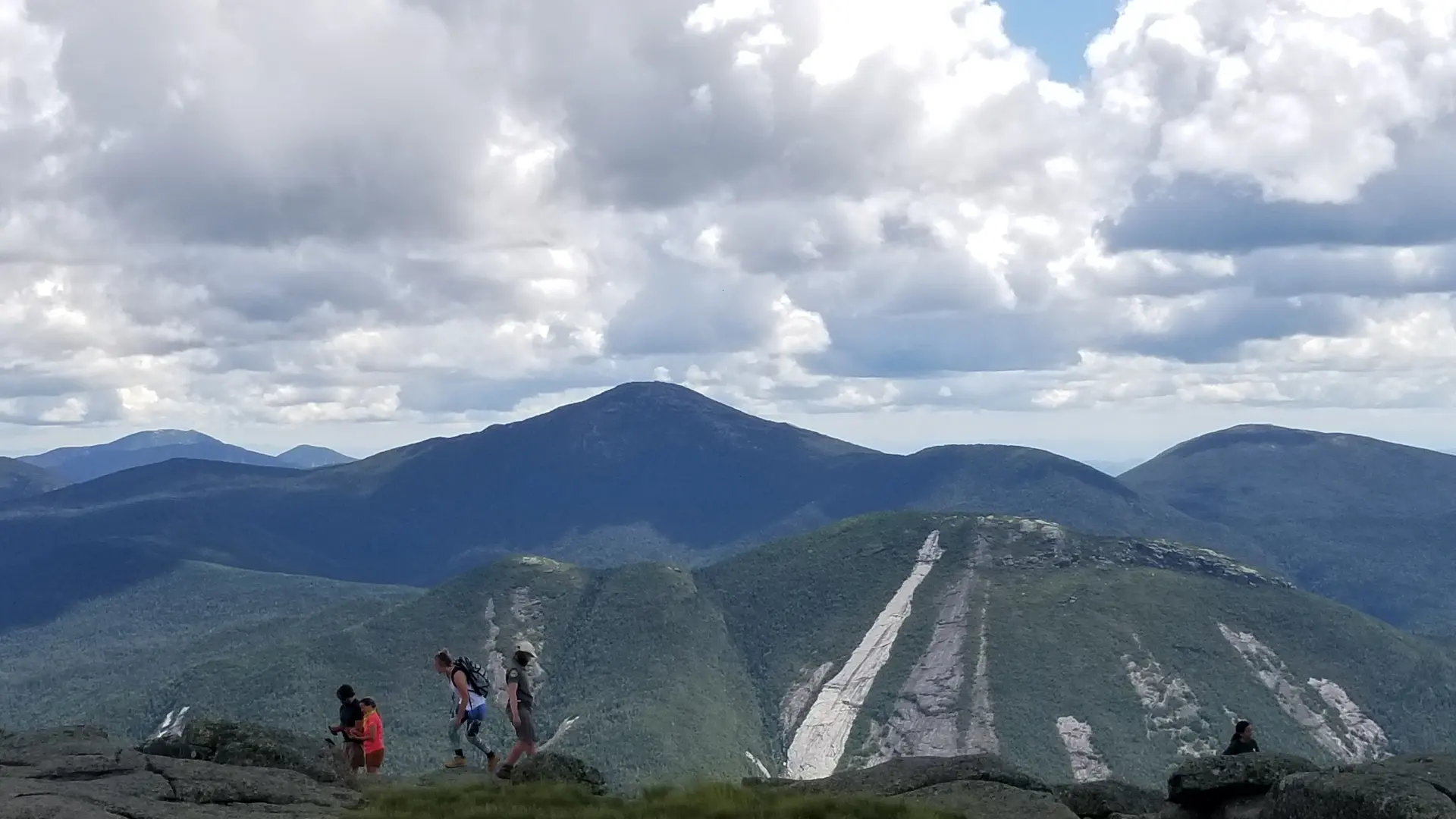
Mt. Marcy, New York
Town of Keene, New York, United States
134.7 km away
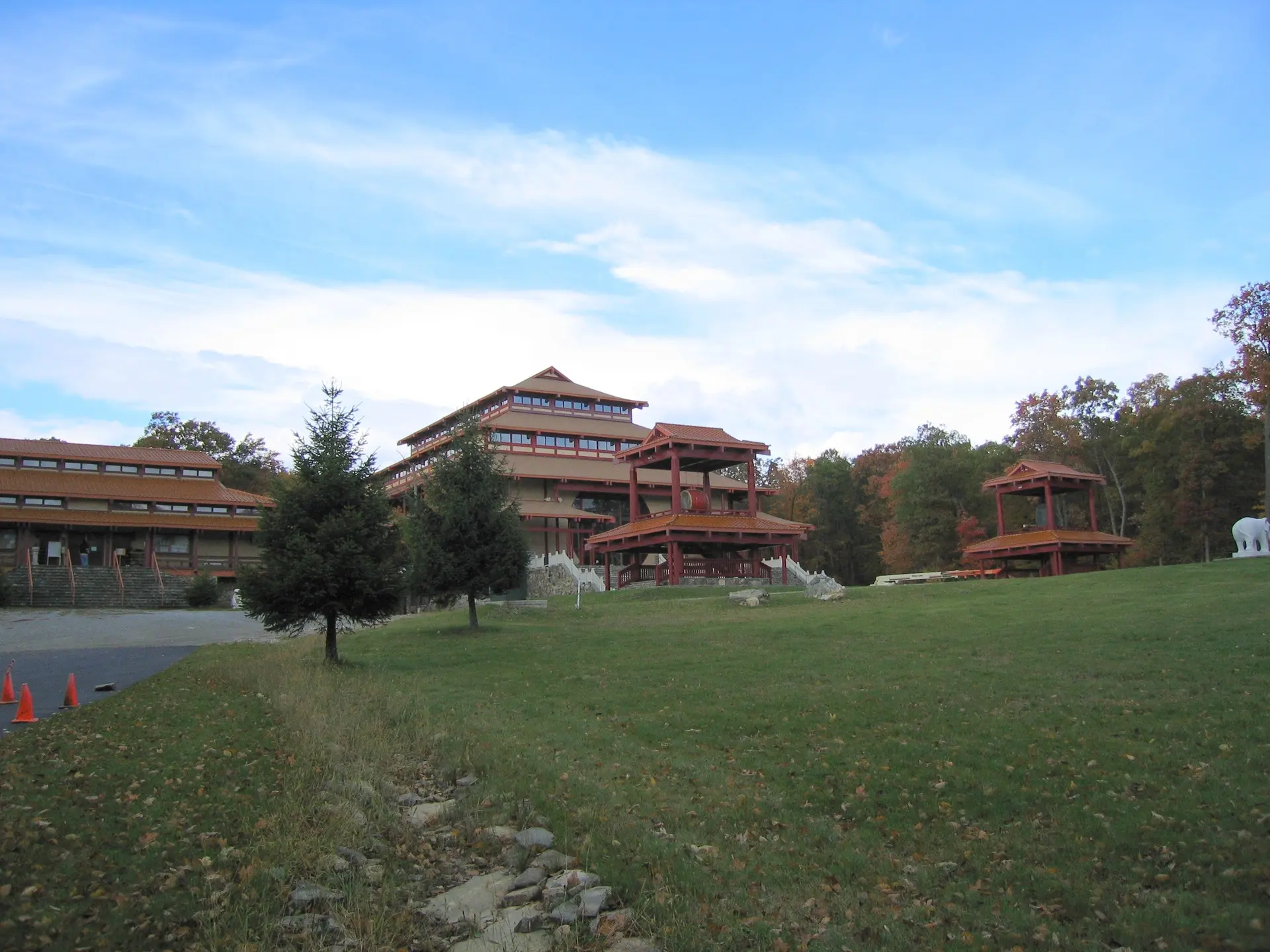
Chuang Yen Monastery
Kent, New York, United States
170.2 km away
Share a photo
Help visitors recognize Shrine of Saint Kateri Tekakwitha, Fonda, New York. Every submission is reviewed before publication.