Saint Odile Spring, Mont St. Odile
Where a blind saint's miracle created waters that heal, and Celtic mystery persists in 300,000 stones
Understand sacred places, explore living traditions, and learn how to engage respectfully with Pilgrim Map.
Access has not been verified. Check current local guidance before planning a visit.
Ottrott, Bas-Rhin, France

Image of Saint Odile Spring, Mont St. Odile. Image source · CC-BY-SA-4.0
Visit essentials
A quick read before you go
- Duration
- A basic visit to the convent, spring, and chapel takes two to four hours.
- Access
- Mont Sainte-Odile is located near Obernai in Alsace, approximately 30 km southwest of…
Overview
The mountain rises 764 meters above the plain of Alsace, its pink sandstone cliffs visible for miles. Something has drawn people here since before memory. The Celts called it Altitona, the high mountain, and built a fortress whose wall still traces the summit. Centuries later, a blind girl born to a duke would found a convent on this height, and her miracle would give the mountain its modern name.
Saint Odile was born blind around 662 CE, an affliction her father considered so shameful he wanted her killed. Her mother hid her in a convent, where she lived in darkness until her baptism miraculously restored her sight. Returning to Alsace, she received this mountain as gift and transformed it into a place of pilgrimage. When she encountered a blind old man on the slopes, she struck a rock with her stick and made water gush forth.
He washed his eyes and could see. The spring still flows.
Pilgrims today drink from the holy spring seeking the same healing. Water credited with curing eye diseases flows into basins where visitors fill bottles and cups. The faithful come requesting Saint Odile's intercession; others come simply hoping. The spring does not distinguish between believers and seekers, between those who name their need and those who cannot.
Around the convent, the Pagan Wall stretches for ten kilometers, a construction of 300,000 stone blocks whose purpose remains debated. Recent research dates it to the seventh century, around the time of the convent itself, but its name preserves older associations. Something sacred happened here before Christianity arrived, something the wall may have enclosed or marked. The mountain holds more than one kind of mystery.
Why this place is sacred
The mountain itself creates conditions for sacredness. At 764 meters, it rises dramatically from the Alsatian plain, its pink sandstone cliffs catching light in ways that mark it as distinctive. The view from the summit encompasses the plain below and the Vosges mountains beyond, creating the physical elevation that cultures worldwide associate with divine encounter. High places have always been thin places.
The Celts recognized this. Their name, Altitona, simply means high mountain, but their decision to build here suggests significance beyond geography. The fortress walls they constructed, whatever their practical purpose, enclosed space they deemed worthy of enclosure. Whether worship occurred here before Christianity, as local traditions suggest, remains uncertain but plausible.
Saint Odile's story transforms the mountain into a place of healing. Her own blindness and its cure at baptism established blindness and sight as the central metaphors. When she struck the rock and water flowed to heal another's blindness, she inscribed healing permanently into the landscape. The spring is not merely water but miracle made ongoing, the saint's compassion continuing to flow.
Thirteen centuries of pilgrimage have accumulated on this height. Countless seekers have climbed hoping for healing, prayed in the convent chapel, drunk from the spring, walked the Pagan Wall. This accumulation of intention creates its own kind of thinness, a weight of human hoping that shapes the experience of subsequent visitors.
The Pagan Wall adds mystery that Christian interpretation does not fully absorb. Ten kilometers of massive construction, 300,000 stone blocks, purpose debated. Pope Leo IX reportedly named it Pagan, acknowledging dimensions that preceded and exceeded Christian meaning. Walking the wall, visitors sense something older than the convent, something the mountain held before Odile arrived.
The original sacred use of Mont Sainte-Odile predates documentation. Celtic worship is claimed but not archaeologically verified. The convent Saint Odile founded around 700 CE was intended for female religious life and for pilgrimage centered on her cult. The holy spring's purpose has remained consistent: healing, particularly of eye ailments, through waters blessed by the saint's miracle.
The mountain's sacred evolution moves from prehistoric possibility through documented Celtic presence to Christian transformation. Whatever rituals occurred at Altitona gave way to, or merged with, the Christian pilgrimage that began with Odile's foundation of the convent.
The Pagan Wall presents interpretive complexity. Long assumed to be prehistoric, recent archaeological work dates it to the seventh century, around the time of the convent. Whether it was built by Christians for purposes we do not understand, or by others the Christians displaced, remains uncertain. Its massive scale suggests significance beyond simple fortification.
The pilgrimage tradition has continued without major interruption. The convent has been rebuilt after destruction, the spring has been architecturally framed, the paths have been formalized, but the essential practice remains unchanged. People come seeking healing. The water still flows. The saint is still invoked.
Experience and orientation
The convent creates an atmosphere of peace distinct from tourist sites. The sisters still live here, still pray the hours, still welcome pilgrims. The rhythm of monastic life underlies the visitor experience, audible in bells, visible in robed figures, palpable in the maintained silence of certain spaces. This is not a museum of religion but its continuation.
The holy spring offers a focal point for pilgrimage. Water flows into stone basins, and visitors fill bottles, cups, or cupped hands. Drinking the water, washing the face, the gestures are simple and direct. Whether one believes in miraculous healing or simply hopes, the act of taking the water creates participation rather than observation. Many report the water's freshness, a quality that may be physical or psychological or both.
The panoramic view from the summit expands perspective in ways that feel spiritual regardless of belief. The plain of Alsace stretches below, distance softening detail into pattern. The Vosges mountains rise beyond. Standing at this height, looking across such expanse, visitors often report a shift in how they see their own lives and concerns. Physical elevation produces emotional or spiritual elevation.
The Pagan Wall creates different experience. Walking the forested path along ten kilometers of massive construction, questions arise that have no answers. Who built this? Why? What did they worship or protect? The wall predates documentation; its builders left no explanations. This not-knowing creates space for imagination, for encounter with mystery that resists resolution.
Some visitors report unusual experiences: healing effects from the water, sensations along the wall, dreams during or after the visit. Such reports cannot be verified but are consistent enough across visitors to suggest the mountain produces effects beyond ordinary expectation.
Mont Sainte-Odile rewards approaching as pilgrim rather than tourist. Come with intention, whether explicit prayer for healing, general openness to transformation, or simply willingness to be affected. The site responds to the quality of attention visitors bring.
The holy spring deserves more than quick drink and departure. Sit with the water. Consider what you are asking for. Let the gesture of taking the water become meaningful rather than routine. Many pilgrims take water home to continue their connection; the spring is generous.
Allow time for the Pagan Wall. The full circuit takes several hours, but even partial walking creates immersion in mystery. Notice how the stones are fitted. Consider the labor involved. Let questions arise without demanding answers. The wall teaches that some things remain unknown.
If possible, stay overnight at the convent guesthouse. The experience of the mountain changes when crowds depart. Evening brings quiet that daylight visitors miss. Morning at the spring, before others arrive, offers intimacy impossible at busy hours.
Context and lineage
Odile was born blind around 662 CE to Duke Adalric of Alsace, a condition so shameful to her father that he wanted her killed. Her mother saved her, sending her to a convent where she grew up in darkness. During her baptism, her sight was miraculously restored. She returned to Alsace, where her repentant father gave her this mountain to found a convent.
One day, walking the mountain, Odile encountered a blind old man. Moved by compassion, she struck a rock with her walking stick. Water gushed forth. She told the man to wash his eyes with it, and he could see. The spring still flows from that spot, still sought for healing of eye ailments.
Odile lived until approximately 720 CE, dying at the convent she had founded. Her tomb in the chapel became a pilgrimage destination, and her feast day, December 13, continues to draw visitors seeking her intercession. She is patron saint of Alsace and of those with eye diseases.
The earlier history of the mountain is less documented. The Celts called it Altitona and built here, but what they believed or practiced remains speculative. The Pagan Wall preserves questions more than answers. Something sacred preceded Odile, and something of it may persist alongside her Christian meaning.
The lineage at Mont Sainte-Odile runs through multiple streams that may or may not connect. Celtic sacred use preceded Christian foundation but left no continuous tradition. Saint Odile's foundation around 700 CE initiated the pilgrimage that continues today. The convent has experienced destruction and rebuilding but maintained the essential practice: seeking healing through the saint's intercession and the spring's waters.
The sisters who live at the convent today continue what Odile began. They pray the hours, welcome pilgrims, maintain the sacred spaces. The lineage is not abstract but embodied in their ongoing presence. Visitors encounter a living tradition, not only historical memory.
Saint Odile
saint
Patron saint of Alsace and of the blind. Born blind around 662 CE, healed at baptism, founder of the convent on this mountain. Her miracle created the holy spring. She is invoked for healing of eye ailments and for spiritual sight.
Duke Adalric
historical
Odile's father, Duke of Alsace. Initially wanted to kill his blind daughter but repented and gave her the mountain to found her convent. He represents worldly values transformed by grace.
The Celtic Builders
ancestral
The unnamed people who built at Altitona before Christian times. Whether they worshipped here, what they believed, how their sacred use relates to later pilgrimage all remain uncertain. They left stones but no explanations.
Traditions and practice
The core traditional practice at Mont Sainte-Odile is pilgrimage seeking healing. Pilgrims come with ailments, especially of the eyes, requesting Saint Odile's intercession. They drink from the holy spring, pray at her tomb, attend Mass, and carry water home for continued use. The practice assumes belief in the saint's ongoing power to obtain healing from God.
The Feast of Saint Odile on December 13 brings particular pilgrimage activity. Special liturgies honor the patron saint of Alsace. The convent welcomes larger crowds. The practices on this day are the same as throughout the year but intensified by the feast.
The convent maintains regular monastic practice that pilgrims may join. The sisters pray the Liturgy of the Hours at set times. Mass is celebrated daily. Visitors who time their arrival can participate in the rhythm of prayer that has structured life here for thirteen centuries.
Contemporary pilgrims engage the traditional practices according to their own belief and need. Drinking from the holy spring remains central; visitors fill bottles and cups, drink on site, and carry water home. Whether they believe in miraculous healing, hope without certainty, or simply find meaning in the gesture, the practice is available.
Mass attendance offers participation in ongoing worship. The convent chapel is open for services, and visitors may receive communion if Catholic or simply attend if not. The presence of the sisters creates continuity with the centuries of prayer that preceded any individual visit.
The Pagan Wall circuit functions as contemporary contemplative practice even without explicit spiritual framing. The several-hour walk through forest along massive stone construction creates conditions for reflection, question, and presence. Many visitors report the walk as the most meaningful part of their visit.
Retreat programs at the convent guesthouse extend engagement beyond day visits. Those who stay overnight experience the mountain's different moods, join the sisters for prayer, and have time for deeper encounter with whatever they seek.
Begin at the holy spring. Approach with whatever intention feels authentic: explicit prayer for healing, general openness, or simply curiosity about what generations of pilgrims have sought here. Drink the water. Let the gesture be meaningful.
Attend Mass or another liturgical hour if timing permits. The convent chapel holds centuries of prayer. Joining the sisters in worship connects you to that lineage, however briefly.
Walk at least part of the Pagan Wall. The full circuit takes several hours, but even an hour of walking creates immersion in mystery. Notice the massive stones. Let questions arise. The wall does not explain itself; learning to be comfortable with not-knowing may be part of what it teaches.
Visit Saint Odile's tomb in the chapel. Whether you pray to her, simply pay respects, or observe others praying, the tomb anchors the pilgrimage to its origin. This woman who was blind and could see founded everything else here.
Take water home if the practice resonates. Many pilgrims do. The continuation of connection beyond the visit extends what begins here.
Roman Catholicism
ActiveSaint Odile is the patron saint of Alsace and of those with eye diseases. Her convent on Mont Sainte-Odile has maintained continuous pilgrimage since around 700 CE. The holy spring, created by her miracle, is sought for healing especially of eye ailments. The convent remains active, with sisters continuing the prayer Odile initiated.
Pilgrimage to the convent and holy spring, drinking and collecting the water for healing, prayer at Saint Odile's tomb, attendance at Mass and liturgical hours, observance of her feast day on December 13. Those who stay at the convent guesthouse participate in the rhythm of monastic prayer.
Holy Spring Veneration
ActiveThe holy spring created when Saint Odile struck the rock is the focal point of pilgrimage. According to tradition, its waters healed a blind man's sight and continue to heal, especially eye ailments. Visitors drink the water, wash their faces, and carry water home for continued use.
Drinking the spring water, collecting water in bottles, washing the face and eyes, prayer for healing. The practice is simple and direct, available to all who come regardless of the specificity of their belief.
Pre-Christian Celtic Tradition
HistoricalThe Celts called this mountain Altitona and built here, including possibly the fortress whose wall survives. The mountain was likely a place of worship before Christianity arrived, though specific practices are unknown. Some suggest a solar temple or goddess worship. The Pagan Wall preserves questions about this earlier sacred use.
Unknown. Celtic worship may have included seasonal ceremonies, solar observation, offerings, and rituals we cannot reconstruct. The tradition is known only through archaeological remains and later designations like the Pagan Wall name.
Perspectives and open questions
Mont Sainte-Odile invites understanding from Catholic, scholarly, and alternative perspectives. The site holds genuine mystery alongside documented history, and honest engagement acknowledges both what we know and what remains uncertain.
Scholarly perspective
Historical scholarship confirms the convent's foundation around 700 CE and the continuous pilgrimage tradition since. Saint Odile is documented in early medieval sources, though hagiographic accounts include miracle stories that historians treat as expressions of faith rather than historical fact.
Recent archaeological work has significantly revised understanding of the Pagan Wall. Long assumed prehistoric, the wall is now dated to the seventh century, around the time of the convent. This raises questions about its purpose and builders. Whether it was a Christian construction, perhaps delimiting sacred space, or built by others for unknown purposes, remains under investigation.
The healing properties of the spring are not subject to scientific verification, but the consistency of the pilgrimage tradition is documented fact. Whether healing occurs through physical properties of the water, psychological effects of pilgrimage and hope, or supernatural intervention, scholarly approaches cannot definitively answer.
Living and traditional perspectives
Roman Catholic teaching understands Mont Sainte-Odile as a place of ongoing grace. Saint Odile continues to intercede for those who seek her help. The holy spring, created by her miracle, channels healing power that God provides through her mediation. The convent maintains prayer that sustains this flow of grace.
The blindness and sight that define Odile's story carry spiritual as well as physical meaning. She is invoked not only for eye ailments but for spiritual sight, for the ability to see what matters, to perceive truth, to find one's way. Her patronage extends to all forms of blindness and all desires to see clearly.
The mountain itself is holy ground, sanctified by Odile's presence and the centuries of prayer that followed. Pilgrimage here is not merely travel but spiritual journey, with healing available to those who come with faith.
Alternative interpretations
The Celtic sacred site that preceded Christianity is a focus for alternative interpretation. Some suggest Mont Sainte-Odile was dedicated to a solar deity, with the Pagan Wall marking astronomical alignments or earth energy pathways. The spring may have been sacred before Odile's miracle, its waters already considered healing.
Earth-energy practitioners identify the mountain as a major power center, possibly an earth chakra. The spring may emerge from an underground stream carrying telluric energies. The Pagan Wall may trace ley lines or mark energy boundaries.
These interpretations lack scholarly support but often emerge from genuine experiences visitors have. The sense of power on this mountain, the effects of the spring water, the mystery of the wall all invite explanation that some find in frameworks outside conventional religion or science.
Open questions
Genuine mysteries persist at Mont Sainte-Odile. The original purpose of the Pagan Wall, even with recent dating, remains unclear. Why construct ten kilometers of massive wall in the seventh century? What did it enclose or mark? Why is it called Pagan if built during Christian times?
The nature of Celtic worship at Altitona is unknown. Claims of solar temples, goddess worship, or druidic practice cannot be verified. Something happened here before Christianity; what it was has not survived.
Why Pope Leo IX reportedly named the wall Pagan is unexplained. The designation suggests awareness of non-Christian significance, but what that significance was is lost.
The healing effects attributed to the spring cannot be scientifically confirmed or denied. Whether physical, psychological, or spiritual, something draws pilgrims to continue seeking. The mechanism remains mysterious even as the practice continues.
Plan your visit
Access and arrival
Mont Sainte-Odile is located near Obernai in Alsace, approximately 30 km southwest of Strasbourg. Road access leads to parking at the summit. Public transportation options are limited; a car is most practical. From Strasbourg, the drive takes about 45 minutes.
The convent guesthouse offers simple accommodations for those seeking retreat experience. Hotels are available in Obernai and Barr, both within short driving distance. Strasbourg offers full range of accommodations and can serve as a base for day visits.
Respectful visit
Modest dress appropriate for a religious site is expected, particularly in the convent and chapel. Shoulders and knees should be covered. Hiking attire is appropriate for the Pagan Wall circuit but should be switched for more modest clothing when entering sacred spaces.
Photography is generally permitted but should be discrete. Do not photograph during services. Do not photograph individuals at prayer without permission. The sisters should not be photographed without their consent. Focus on architecture and landscape rather than people.
Candles can be lit in the chapel. Donations support the convent and its ministry. Physical offerings at the spring are not traditional and should not be left.
Some convent areas are private and closed to visitors. Respect barriers and signage. The convent schedule may limit access at certain times. The sisters' privacy and prayer time take precedence over visitor convenience.
The holy spring is considered potable, but those with health concerns should consult medical advice rather than relying solely on the water. The spring's healing reputation is traditional belief, not medical claim.
The convent is an active religious community. Visitors should respect the sisters' need for silence and privacy. Not all areas are open to visitors. Appropriate behavior in a place of worship applies throughout.
The Pagan Wall circuit involves significant walking through forest terrain. Appropriate footwear and preparation are necessary. The walk is not strenuous but requires several hours for completion.
Current practical details
Address
CCQ4+68 Mont Sainte-Odile, 67530 Ottrott, France
Phone
Hours
Hours, fees, and access can change — verify on the official source before you travel. Practical details last checked Jun 2026.
Location
Map loads as you approach this section.
Pilgrim reflections
A portrait of encounter, not a score
Pilgrims describe what they felt, how present they could become, and whether the place would shape a journey. There are no stars and no ranking of traditions.
No reviewed reflections yet
The first pilgrims can help describe the character of being here.
Share a reflection
Available after an account-backed “Been there.” Every reflection is reviewed before publication.
Nearby sacred places
Explore other sacred places in the region. Proximity does not establish access or travel time; check each place’s guidance.

Strasbourg Cathedral
Strasbourg, Strasbourg, Bas-Rhin / Grand Est, France
30.2 km away

Basilica of Notre-Dame de Marienthal
Haguenau-Marienthal, Haguenau-Marienthal, Bas-Rhin / Grand Est, France
48.7 km away

St Chrischona Pilgrimage Church
Bettingen, Bettingen, Basel-Stadt, Switzerland
98.3 km away
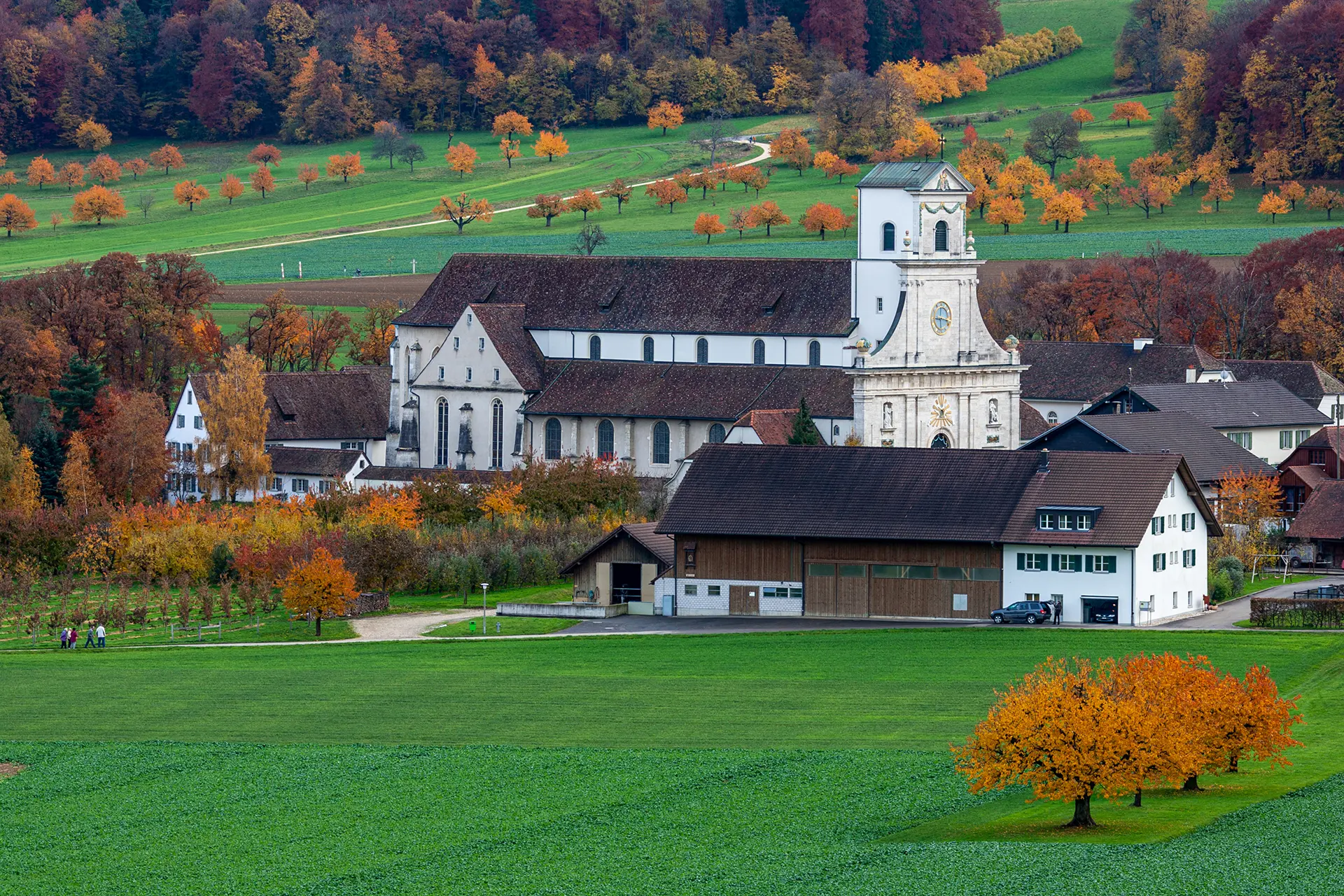
Mariastein Abbey
Metzerlen-Mariastein, Solothurn, Switzerland
107.5 km away
Photo gallery
3 curated photos
Share a photo
Help visitors recognize Saint Odile Spring, Mont St. Odile. Every submission is reviewed before publication.