Ruins of Montegrande
A 5,000-year-old spiral temple where Amazonian ceremony and Andean heights first converged
Understand sacred places, explore living traditions, and learn how to engage respectfully with Pilgrim Map.
Access has not been verified. Check current local guidance before planning a visit.
Jaén, Cajamarca, Peru
Read the sources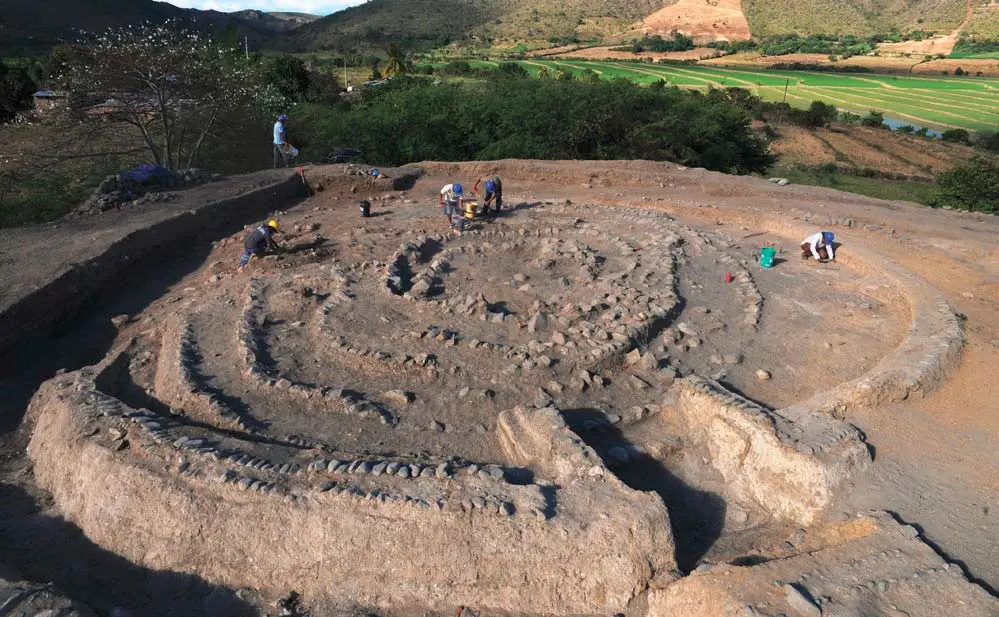
Image of Ruins of Montegrande. Image source · CC-BY-SA-4.0
Visit essentials
A quick read before you go
- Duration
- Half day for the site; plan additional time for travel to and from Jaén.
- Etiquette
- Approach as an active archaeological site of extraordinary antiquity.
Overview
The mound spans more than two acres at its base and rises as tall as a five-story building amid the tropical lowlands of Peru's Jaén Valley. For millennia it sat unexamined until, in 2009, researchers found within it a spiral temple dating to 3000 BCE—older than Egypt's pyramids and contemporary with Caral, one of the Americas' oldest centers of civilization.
Peruvian archaeologist Quirino Olivera Núñez led excavations from 2010 to 2016. Built of adobe and rounded stones, the spiral enclosure is the first monumental ceremonial architecture discovered in Peru's Amazon region. The spiral appears to represent a coiled snake, a symbol found at nearby sites and spiritually significant in ancient Andean and Amazonian cosmologies. Beneath the temple, excavators found the tomb of someone important, possibly a healer or priest.
Over seven years, Olivera established that the pyramid underwent at least eight building phases, beginning in the late preceramic period around 1000 BC and continuing for more than a millennium.
Researchers also found the oldest known traces of cacao beverages, dating back 6,000 years. What became chocolate may have begun here as a ritual offering, sacred substance, and drink of priests and ceremonies. Montegrande is the earliest evidence of ceremonial chocolate, linking the temple to agricultural and spiritual practices that shaped Mesoamerican and South American cultures for millennia.
Why this place is sacred
To stand before Montegrande is to face a boundary that separates not just worlds but eras. Five thousand years ago, when most of Amazonia's human inhabitants left no architectural trace, someone here decided to build toward the sky. Someone organized labor, shaped adobe, arranged stones in a spiral pattern that seems to echo either celestial motion or serpentine coiling.
The spiral is the key to Montegrande's thin quality. Whether representing a snake—sacred throughout ancient South American cosmologies—or encoding astronomical knowledge, or simply emerging from the aesthetic sensibility of long-vanished priests, it marks this place as threshold. The spiral turns inward toward a center that may have been an axis mundi, a point where worlds connected.
The tomb beneath the temple adds another dimension. Whoever was buried here—healer, priest, shaman—was important enough to merit placement at the ceremonial heart of a culture. That individual's presence sanctified the space; their burial ensured the location would remain charged with power.
The cacao adds the final element. The oldest known ceremonial use of cacao connects Montegrande to practices that would spread across two continents. The bitter drink that would become chocolate began, perhaps, as offering to whatever powers these spiral-builders served. Every cup of cacao consumed today connects, through 6,000 years, to rituals performed within these adobe walls.
Montegrande's thinness is temporal as well as spatial: here, the present touches an antiquity so distant that imagination strains to bridge the gap.
Ceremonial temple complex of the Mayo-Chinchipe culture, featuring a spiral enclosure that likely held profound religious and cosmic significance. The site may have served as an oracle center or pilgrimage destination.
At least eight building phases over more than a millennium demonstrate continuous ceremonial use and expansion. The function evolved over time, eventually becoming a burial site for elite individuals before abandonment.
Experience and orientation
Journey to Jaén, gateway to Peru's northern Amazon—approximately six hours south of Palanda, Ecuador. The high jungle climate at 740 meters elevation wraps the landscape in humidity and tropical warmth. Rice paddies and cow pastures surround the mound that conceals the ancient temple.
Approach the site with awareness of its extraordinary age. Five thousand years separate you from the builders. The spiral they created, now partially excavated, emerges from the earth in curves of adobe and rounded stone. Let the form work on your imagination: snake, cosmos, labyrinth, or something for which we have no name.
The Great Pyramid rises 28 meters high, composed of seven stepped platforms, the most imposing structure at the site. Within excavations, archaeologists found deposits of textiles, ceramics, and evidence of ritual activities. The 200 textiles discovered in the Great Pyramid, some hand-painted, represent a rarity in Nazca-era finds.
Remember that excavations continue. Giuseppe Orefici has worked here for over 40 years; Quirino Olivera Núñez's discoveries transformed understanding of Amazonian civilization. You are visiting an active archaeological site where the story is still being written.
The remoteness is part of the experience. Unlike the crowded sites of Cusco or Machu Picchu, Montegrande offers encounter with antiquity in relative solitude. The journey becomes pilgrimage; the arrival becomes revelation.
The site is located in the Jaén Valley within the Cajamarca Region, approximately 28 kilometers from Nazca city and 42 kilometers from the sea. Arrange tours from Jaén city with advance planning.
Context and lineage
The Mayo-Chinchipe culture developed in a region that straddled what is now the Peru-Ecuador border, extending from the Podocarpus National Park to where the Chinchipe River joins the Marañón near Bagua. Around 3000 BCE—contemporary with Egypt's early dynasties and Peru's Caral—they began building what would become Montegrande.
The spiral enclosure rose from adobe and rounded stones, its form unique in Pre-Columbian architecture. Whether the spiral represented a coiled snake, astronomical patterns, or cosmic forces unknown, it marked a deliberate departure from simple construction toward monumental sacred space.
Frabee first excavated the site in 1922, but its significance remained unrecognized. Not until 2009, when the temple was rediscovered, did researchers understand what they had found. Peruvian archaeologist Quirino Olivera Núñez led intensive excavations from 2010 to 2016, establishing that the pyramid underwent at least eight building phases beginning around 1000 BC.
The discovery of 6,000-year-old cacao residue within the temple placed Montegrande at the origin point of ceremonial chocolate use—a finding with implications for understanding both Amazonian and Mesoamerican religious practices. The tomb beneath the temple, likely containing a healer or priest, confirmed the site's role as a major religious center.
Olivera's assessment captured the significance: 'Nothing this big, this old, had ever been excavated in Peru's Amazon region. It showed that complex worship, monumental architecture, and fixed societies had spread to the Amazon centuries earlier than once believed.'
Mayo-Chinchipe culture, a trans-Andean civilization that connected highland and lowland Peru-Ecuador. No direct continuity to historical peoples, but influences may have spread to subsequent Andean cultures.
Quirino Olivera Núñez
Lead archaeologist
Giuseppe Orefici
Long-term researcher
Traditions and practice
Ceremonial temple rituals centered on the spiral structure. Burial ceremonies for elite individuals (healers or priests). Cacao preparation and possible ritual consumption. Snake symbolism and worship. Offerings and ritual deposits.
The site functions as an archaeological destination offering encounter with Peru's deepest ceremonial past. Ongoing excavations continue to reveal new information.
Arrange guided tours through reputable operators in Jaén. Take time with the spiral form, allowing its 5,000-year-old design to speak. Consider the cacao discovery—the sacred origin of a substance now commonplace.
Mayo-Chinchipe Ceremonial Tradition
HistoricalThe first monumental ceremonial architecture in Amazonia, representing complex religious practice and social organization 5,000 years ago.
Spiral temple ceremonies, elite burials, cacao offerings, snake symbolism. Specific practices inferred from archaeological evidence.
Perspectives and open questions
Montegrande can be understood as evidence of early Amazonian civilization, as a unique architectural form with cosmic or serpentine symbolism, as the origin point of ceremonial cacao use, or as a pilgrimage center predating most known sacred sites worldwide.
Scholarly perspective
The site fundamentally changed understanding of Amazonian prehistory, demonstrating that monumental architecture and complex religious practice emerged in the jungle region centuries earlier than previously believed.
Living and traditional perspectives
The spiral temple suggests cosmological thinking—whether representing the snake's sacred coiling or celestial movements, the form encoded meaning that may never be fully recovered.
Alternative interpretations
The extreme antiquity of the site invites speculation about lost knowledge and civilizations that may have existed at the boundaries of recorded history.
Open questions
The specific beliefs and practices of the Mayo-Chinchipe culture remain largely unknown. The meaning of the spiral form can only be inferred from archaeological context and comparison with other Andean cultures.
Plan your visit
Access and arrival
Accommodations available in Jaén city. Basic facilities near the site.
Respectful visit
Comfortable clothing appropriate for high jungle climate. Sturdy shoes for uneven terrain.
Follow current guidelines; some areas may be restricted for ongoing excavations.
Support the site through entrance fees and guided tours. Purchase crafts from local communities.
Do not disturb any archaeological features. Stay within designated areas. Follow all instructions from guides and site personnel.
Remote location requires advance planning. The site is still undergoing excavation; respect archaeological protocols. High jungle climate requires appropriate preparation.
Current practical details
Address
76M4+MG3, Av Inmaculada, Jaén 06801, Peru
Phone
Hours
Hours, fees, and access can change — verify on the official source before you travel. Practical details last checked Jun 2026.
Location
Map loads as you approach this section.
Pilgrim reflections
A portrait of encounter, not a score
Pilgrims describe what they felt, how present they could become, and whether the place would shape a journey. There are no stars and no ranking of traditions.
No reviewed reflections yet
The first pilgrims can help describe the character of being here.
Share a reflection
Available after an account-backed “Been there.” Every reflection is reviewed before publication.
Nearby sacred places
Explore other sacred places in the region. Proximity does not establish access or travel time; check each place’s guidance.

Diocesan Shrine of the Captive Lord of Ayabaca
Distrito de Ayabaca, Piura, Peru
156.4 km away
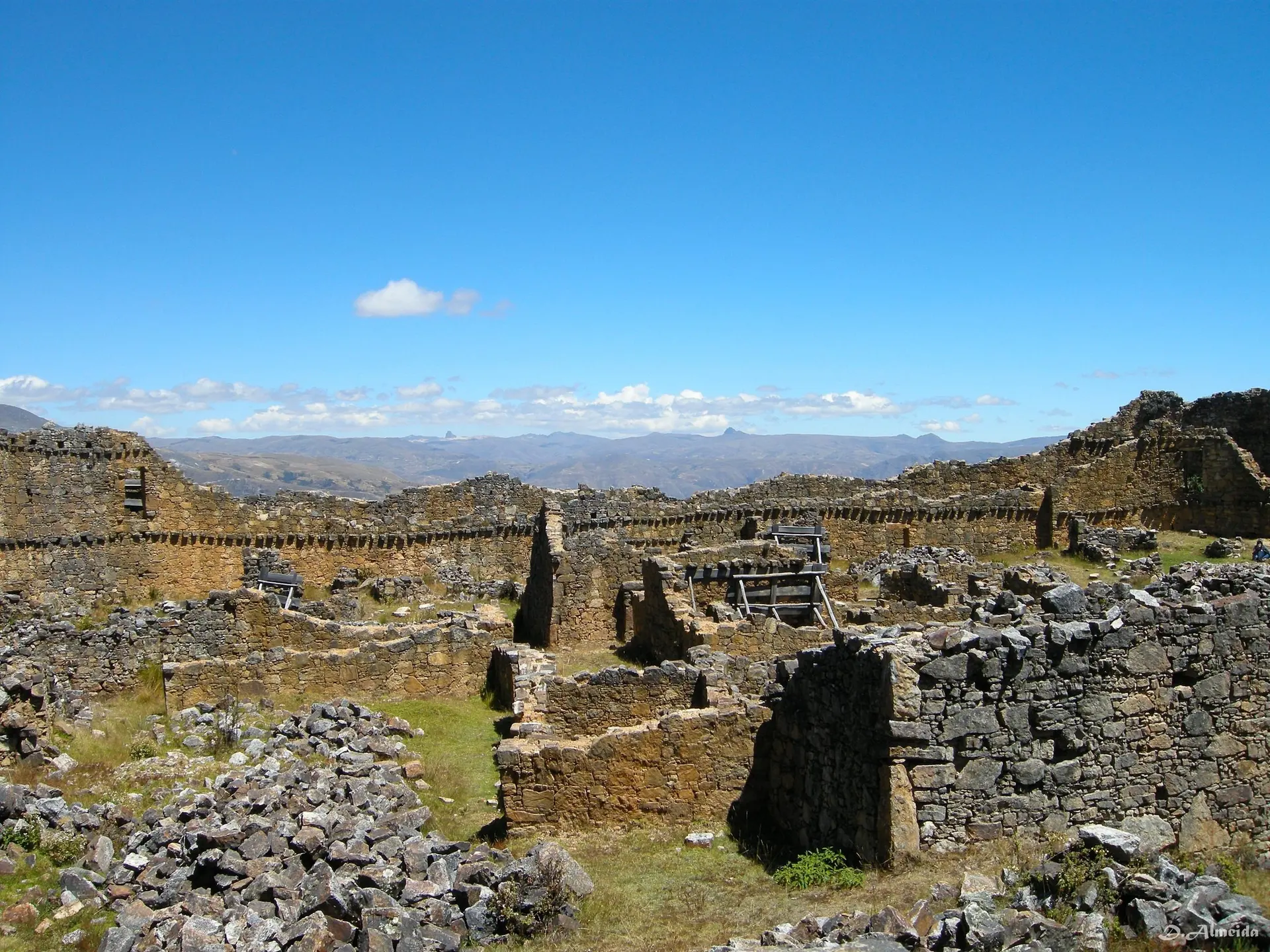
Marcahuamachuco Archaeological Complex
Huamachuco, La Libertad, Peru
247.9 km away
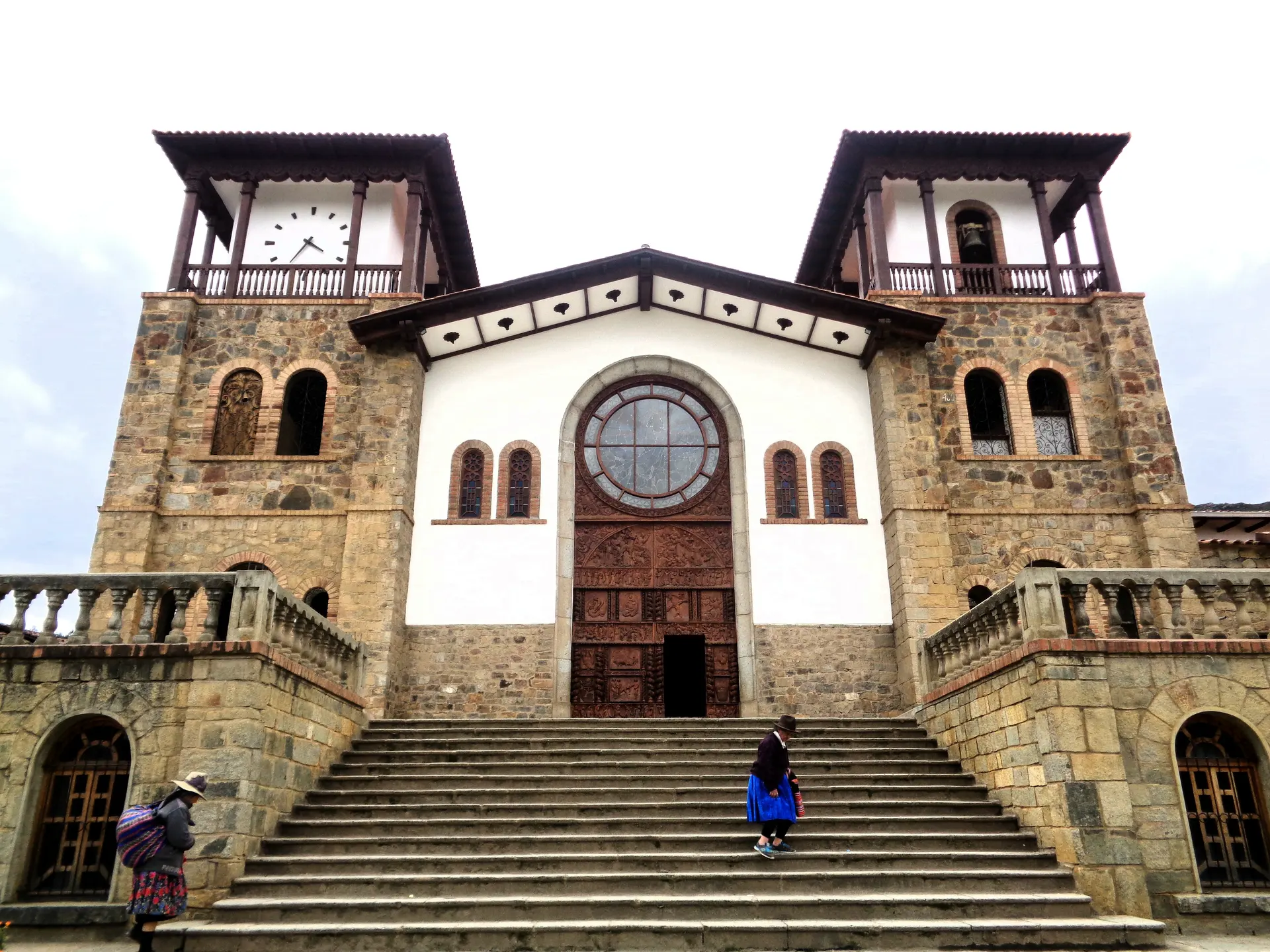
Sanctuary of Our Lady of the Assumption in Chacas
Chacas, Ancash, Peru
415.8 km away
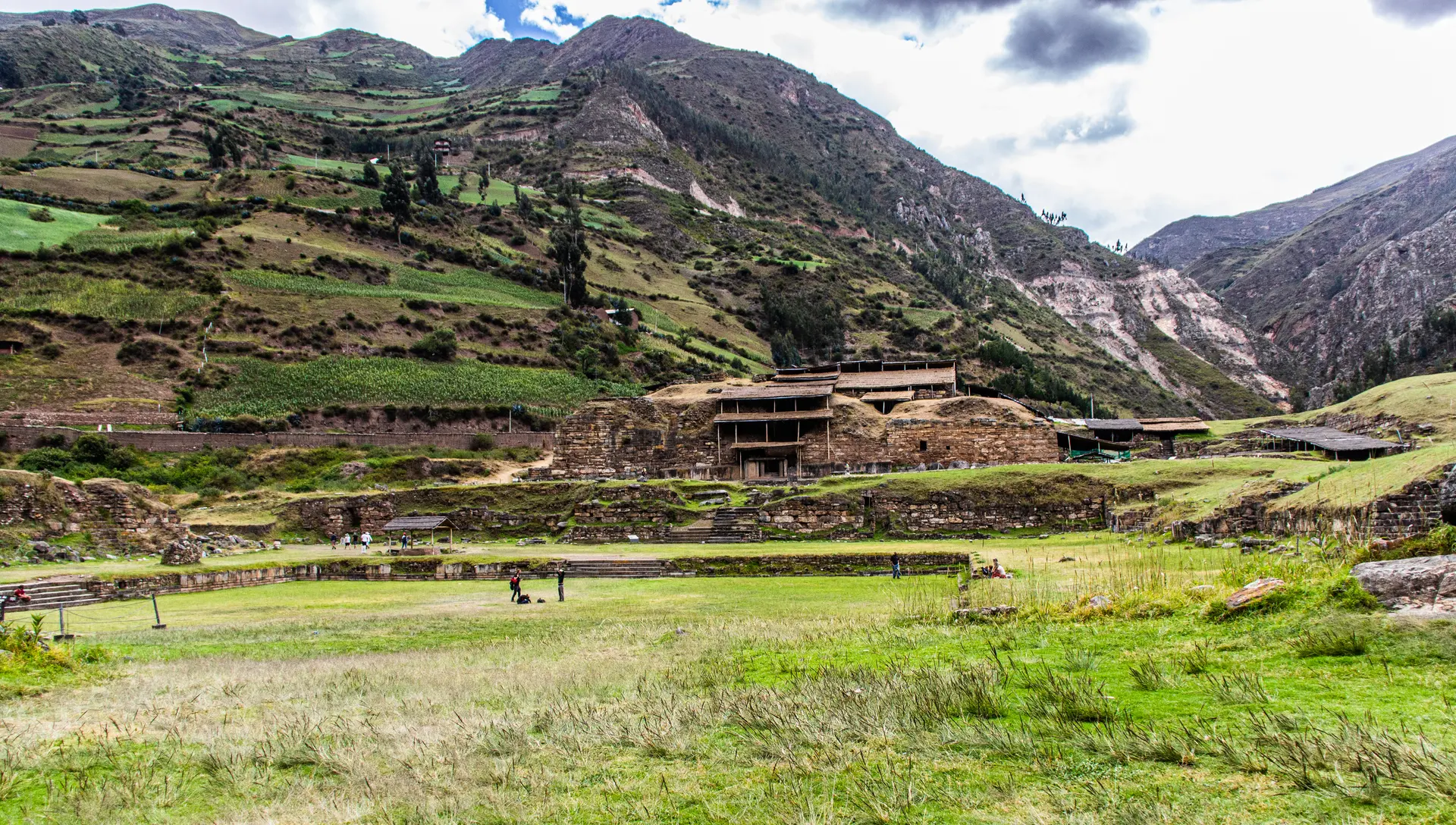
Chavín de Huántar
Chavín de Huantar, Ancash, Peru
468.0 km away
References
Sources consulted for this page. Source categories describe the publication, not a guarantee that every claim is verified. Traditional accounts and outside interpretations may differ.
- 01Montegrande (archaeological site) - WikipediaSource context
- 02Letter From Peru - Connecting Two Realms - Archaeology MagazineSource context
- 03Huaca Montegrande Ancient Cacao TempleSource context
- 04Peru: Get to know ceremonial temple Montegrande in Jaen - ANDINASource context
- 05Jaen Gateway to ChachapoyasSource context
- 06The world will get to know Huaca MontegrandeSource context
Share a photo
Help visitors recognize Ruins of Montegrande. Every submission is reviewed before publication.