Diocesan Shrine of the Captive Lord of Ayabaca
Peru's second-largest pilgrimage—where some walk 2,500 kilometers to reach the Christ that angels carved
Understand sacred places, explore living traditions, and learn how to engage respectfully with Pilgrim Map.
Access has not been verified. Check current local guidance before planning a visit.
Distrito de Ayabaca, Piura, Peru
Read the sources
Image of Diocesan Shrine of the Captive Lord of Ayabaca . Image source · CC-BY-SA-4.0
Visit essentials
A quick read before you go
- Duration
- Half day to full day for the shrine; multiple days for October festival.
- Etiquette
- Approach with reverence for a devotion that has drawn suffering pilgrims for centuries.
Overview
Ayabaca sits at 2,700 meters in Peru's western Andes, near the Ecuador border—a colonial settlement with a fine church that houses one of South America's most powerful devotions. The Captive Lord—Señor Cautivo—is a sculpture of Christ as prisoner, hands bound, in the moment before his Passion begins.
The legend of the image's creation places it in the mid-18th century. A Spanish priest named García Guerrero wanted to give his parishioners a worthy image of the Lord. He decided to use cedar from a tree locals considered sacred—a tree that, according to tradition, had bled blood when a farmer cut it.
Three men arrived in Ayabaca: dressed in impeccable white woolen ponchos, riding albino horses. They offered to sculpt the image under three conditions: that no one see them work, that the village provide them one meal a day, and that the price would be agreed upon completion. The villagers accepted.
Days passed with no word from the sculptors. Finally, villagers approached the workshop and forced the door. Inside they found no sculptors—only an imposing, majestic image of Christ with crossed hands. The artisans had vanished; the statue remained. Only then did the people understand: the sculptors were angels who, having completed their work, simply flew away.
The devotion that grew from this legend has become Peru's second-largest pilgrimage, after the Lord of Miracles in Lima. Each October, pilgrims converge from across South America. Some come from Tacna in Peru's far south—a journey of over 2,500 kilometers on foot, taking six months. They walk, crawl on knees, carry heavy crosses—acts of penance and devotion that transform the roads to Ayabaca into moving prayers.
The Captive Lord is known as the miraculous healer—making the lame walk, curing the sick, answering the desperate prayers of those who have exhausted every other hope. His hands are bound, but his power remains free.
Why this place is sacred
The legend of the Captive Lord's creation establishes Ayabaca as a thin place from its origin. The image was not carved by human hands but by angels in disguise—supernatural artisans who required secrecy for their work and vanished upon completion. The statue itself thus carries divine origin, making every encounter with it an encounter with heavenly craftsmanship.
The cedar from which the image was carved adds another layer. The tree had bled blood when cut—already sacred before the wood was shaped. Whatever power the tree held passed into the image made from its wood. The material itself was numinous.
Centuries of miracles have accumulated around this origin. The lame have walked; the sick have recovered; the desperate have found hope. Each testified healing adds to the site's thin quality. The boundary between divine power and human need has been crossed here countless times, and each crossing leaves a trace.
The October pilgrimage creates annual intensification of extraordinary power. Pilgrims walk for months to arrive. Some travel from Tacna—2,500 kilometers on foot, six months of walking. Their journey is itself an offering, their suffering a prayer. When they finally arrive before the Captive Lord, the accumulated devotion of their journey meets the accumulated power of the shrine.
The Captive Lord's bound hands add theological dimension. Christ is depicted as prisoner—powerless in human terms, about to undergo the Passion. Yet from this position of apparent helplessness, he heals. The paradox of power-in-bondage, strength-in-suffering, creates a thin place where normal categories dissolve.
The pilgrims who crawl on their knees, who carry heavy crosses, who perform acts of penance join their suffering to Christ's. Their bodies become prayers; their pain becomes offering. At Ayabaca, the boundary between pilgrim and Christ grows thin through shared experience of suffering transformed.
Shrine housing a miraculous image of the Captive Christ, legendarily carved by angels in the mid-18th century.
From local devotion to Peru's second-largest pilgrimage. October festival draws pilgrims from across South America. Miracles accumulated over centuries have intensified the shrine's power.
Experience and orientation
Ayabaca lies 210 kilometers north of Piura city, near Ecuador—a journey into Peru's western Andes that climbs to 2,700 meters. Unlike the coastal desert of Piura, this highland territory is cool and moist. The town itself is an old colonial settlement whose fine church holds the image that draws pilgrims from across South America.
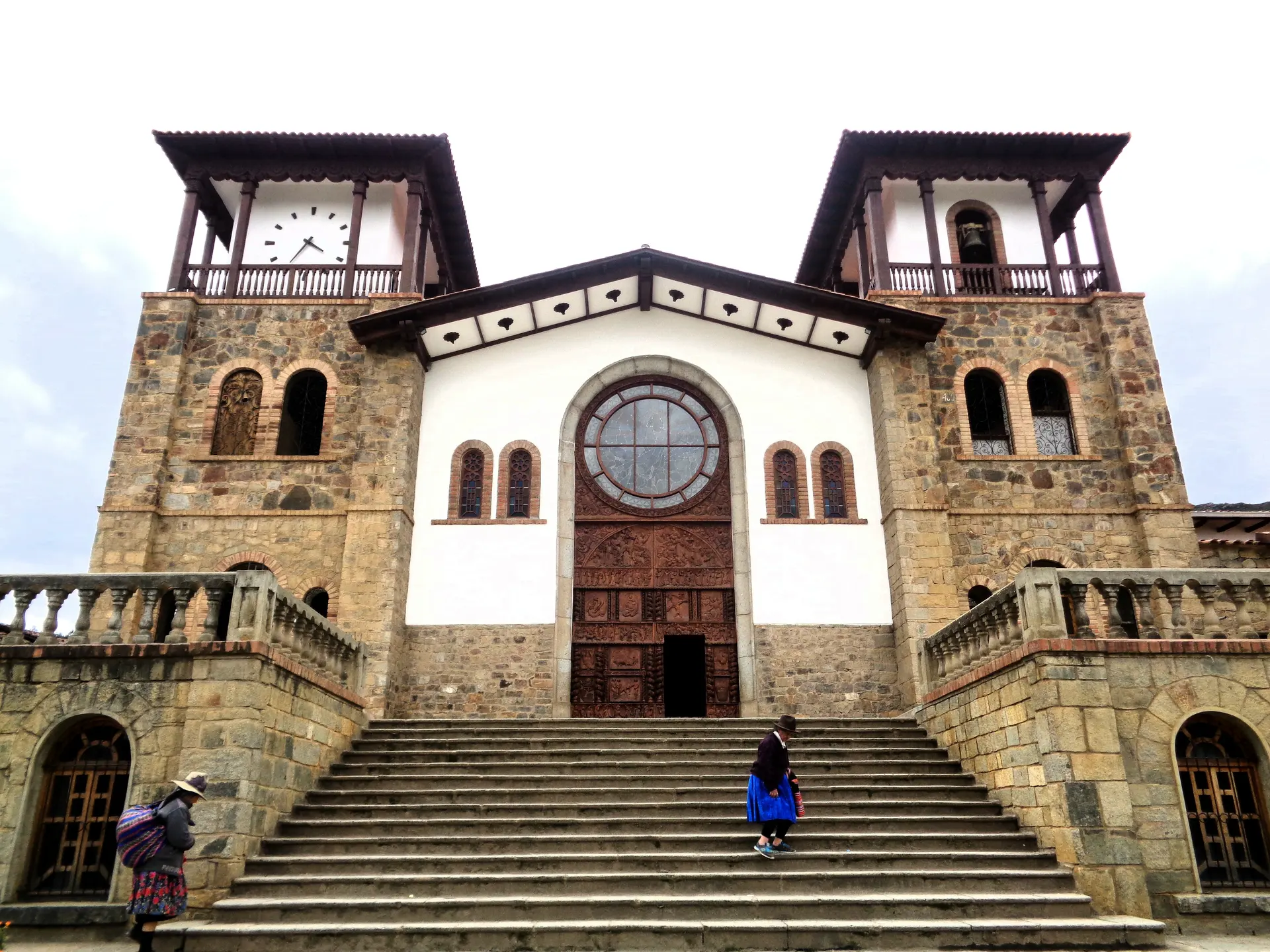
Approach the Church of Our Lady of the Pillar and find the Captive Lord on the main altar. The sculpture depicts Christ as prisoner, hands bound, awaiting his Passion. The face is serene despite the circumstances; the bound hands suggest surrender to divine will. This is the image that angels allegedly carved in secret, the statue that has healed countless pilgrims since the 18th century.
Take time with the image. Notice the bound hands that cannot help yet help anyway. Consider the paradox of power in helplessness that this Christ embodies. The pilgrims who walk 2,500 kilometers to reach this image know they are approaching power that operates through surrender.
If you visit in October, you will witness the pilgrimage at its height. The central day is October 13, when the Señor Cautivo is carried through streets covered with flower petals, followed by thousands of pilgrims. Some have walked for days from regional locations. Others have traveled for months from distant parts of Peru or neighboring countries. Some crawl on their knees; others carry heavy wooden crosses. The streets become a river of devotion.
The market area around the church sells religious items connected to the devotion. The town transforms during the festival, accommodating pilgrims whose arrival represents the completion of journeys that began months before.
The secondary festival on January 1 draws pilgrims from the Piura coast and valleys who petition for rain or express gratitude for it—a reminder that the Captive Lord serves many needs in this agricultural region.
The Church of Our Lady of the Pillar is located in Ayabaca town, 210 km north of Piura at approximately 2,700 meters elevation.
Context and lineage
In the mid-18th century, a Spanish priest named García Guerrero served the parish of Ayabaca. He wanted to give his people an image of the Lord worthy of their devotion. He decided to use cedar from a tree locals considered sacred—a tree that had allegedly bled blood when cut.
Three men arrived in Ayabaca, dressed in immaculate white woolen ponchos and riding albino horses. They offered to sculpt the image under three conditions: complete privacy during their work, one meal a day from the village, and payment to be negotiated upon completion. The villagers agreed.
Several days passed with no word from the mysterious sculptors. Growing concerned, the villagers approached the workshop. When they forced the door open, they found no artisans—only a magnificent sculpture of Christ with bound hands, depicting the moment of his arrest before the Passion. The sculptors had vanished without trace.
Only then did the people understand: the three men were angels who, having completed their divine commission, simply took flight and departed. The statue they left behind was not human handiwork but heavenly creation.
Miracles soon followed. The lame walked; the sick recovered. The devotion spread throughout northwestern Peru and into Ecuador and Colombia. The October pilgrimage grew until it became Peru's second-largest, after the Lord of Miracles in Lima. Pilgrims began walking from increasingly distant locations—some traveling 2,500 kilometers over six months to reach Ayabaca.
The Captive Lord was declared national cultural heritage. The devotion continues to grow, drawing the faithful from across South America to kneel before the Christ that angels carved.
Roman Catholic devotion within the Diocese of Chulucanas. The image is housed in the Church of Our Lady of the Pillar in Ayabaca.
Father García Guerrero
Initiator
Traditions and practice
Walking pilgrimage from great distances (up to 2,500 km). Acts of penance including walking on knees and carrying heavy crosses. Processions carrying the Señor Cautivo through flower-covered streets. Prayers for healing and miracles.
October pilgrimage centered on October 13. Pilgrims arrive from Peru, Ecuador, and Colombia. January 1 secondary festival for rain petitions. Year-round visitation for prayer and healing. National cultural heritage status.
If possible, time your visit for the October festival to witness the pilgrimage at its height. Otherwise, visit the church year-round to pray before the image. Consider the journey that pilgrims make—even if you arrive by vehicle, contemplate what it means to walk for months.
Andean Catholic Pilgrimage
ActiveThe Captive Lord devotion represents one of Latin America's most significant pilgrimages, where physical suffering during the journey becomes offering and arrival becomes encounter with healing power.
Walking pilgrimage from great distances, acts of penance, processions, prayers for healing, rain petitions (January 1).
Perspectives and open questions
The Captive Lord can be understood as a site of miraculous healing, as Peru's second-largest pilgrimage, as an example of Andean Catholic devotion to suffering Christ, or as a place where the boundary between divine power and human need grows thin through accumulated centuries of answered prayers.
Scholarly perspective
The devotion represents a form of Ecce Homo imagery—Christ as suffering prisoner—that may have Spanish origins or may represent Andean religious synthesis. The pilgrimage pattern is comparable to other major Latin American devotions.
Living and traditional perspectives
Within Catholic tradition, the Captive Lord embodies Christ at his most vulnerable—bound, helpless, about to suffer. Yet from this position of weakness, he heals. The paradox speaks to the Christian understanding of power through surrender.
Alternative interpretations
The angel legend connects to widespread traditions of sacred images not made by human hands (acheiropoieta). The bleeding cedar suggests pre-Christian sacred tree traditions incorporated into Catholic devotion.
Open questions
The historical origin of the image—whether the angel legend encodes an actual event, represents theological interpretation, or emerged from popular piety. The identity of the actual sculptor(s).
Plan your visit
Access and arrival
Basic accommodations in Ayabaca. More options in Piura. During October festival, accommodations fill months in advance.
Respectful visit
Modest dress appropriate for a Catholic church. Comfortable shoes if visiting during the pilgrimage.
Respect the privacy of pilgrims engaged in devotion. Check guidelines for photographing the sacred image.
Candles and donations support the shrine. Religious items available at market stalls.
Respect areas reserved for prayer and devotion. During the October festival, follow crowd management instructions.
The October festival is extremely crowded; plan accommodations far in advance. Ayabaca is remote; plan transportation carefully. Altitude at 2,700 meters requires adjustment.
Current practical details
Address
975M+RPF, Ayabaca 20541, Peru
Hours, fees, and access can change — verify on the official source before you travel. Practical details last checked Jun 2026.
Location
Map loads as you approach this section.
Pilgrim reflections
A portrait of encounter, not a score
Pilgrims describe what they felt, how present they could become, and whether the place would shape a journey. There are no stars and no ranking of traditions.
No reviewed reflections yet
The first pilgrims can help describe the character of being here.
Share a reflection
Available after an account-backed “Been there.” Every reflection is reviewed before publication.
Nearby sacred places
Explore other sacred places in the region. Proximity does not establish access or travel time; check each place’s guidance.

References
Sources consulted for this page. Source categories describe the publication, not a guarantee that every claim is verified. Traditional accounts and outside interpretations may differ.
- 01Pilgrimage to Captive Lord of Ayabaca in Peru - Anadolu AgencySource context
- 02PHOTOS: The long spiritual journey to reach the Land of the CaptiveSource context
- 03Ayabaca and the legend of Señor CautivoSource context
- 04These beautiful Peruvian devotions deserve to be knownSource context
- 05Captive Christ of Ayabaca - Peru TravelSource context
- 06Feast of the Captive Lord of AyabacaSource context
Share a photo
Help visitors recognize Diocesan Shrine of the Captive Lord of Ayabaca . Every submission is reviewed before publication.