Ostrusha Tomb
A Thracian tomb-cult complex in the Valley of the Thracian Kings
Understand sacred places, explore living traditions, and learn how to engage respectfully with Pilgrim Map.
Access has not been verified. Check current local guidance before planning a visit.
Shipka, Stara Zagora Province, Bulgaria
Read the sources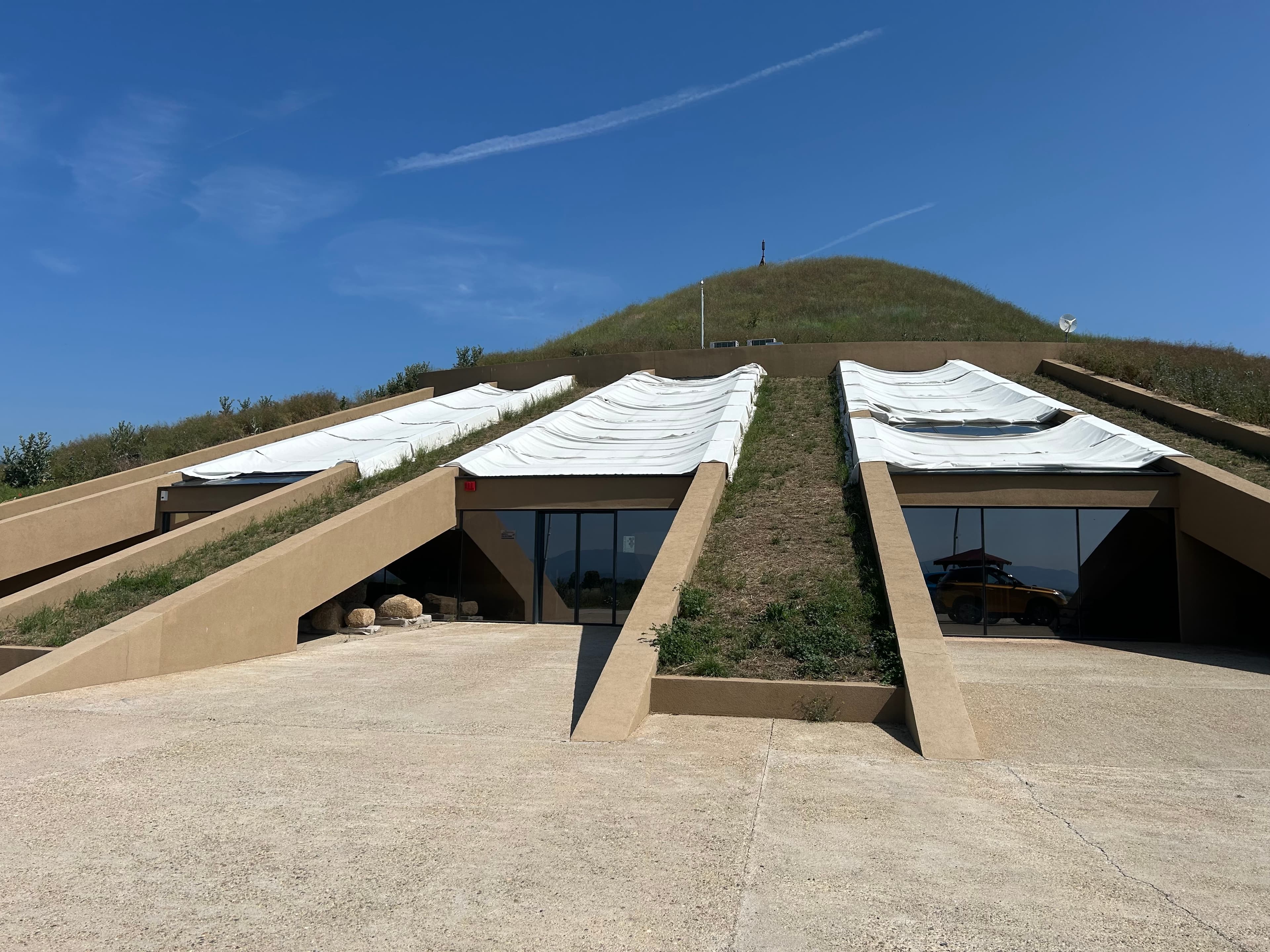
Image of Ostrusha Tomb. Image source · CC BY 4.0
Visit essentials
A quick read before you go
- Etiquette
- Remain within barriers, avoid touching painted or stone surfaces, and follow all museum…
Overview
The complex combines several spaces around a carefully worked central chamber, preserving evidence of elite funerary and commemorative use. The Iskra History Museum provides its exact archaeological identity, while UNESCO includes Ostrusha within a larger tentative serial proposal. Tentative-list status is not the same as World Heritage inscription.
Why this place is sacred
Architecture, painting, and archaeological context support the tomb-cult description without recovering a complete ceremony. The site’s protected status calls for attention to evidence, uncertainty, and conservation.
Experience and orientation
Keep the exact monument or complex distinct from its wider landscape and nearby sites.
Context and lineage
Ostrusha forms one component in the Valley of the Thracian Kings near Kazanlak and Shipka. Its relationship to the wider royal necropolis helps explain regional significance, but does not dissolve its exact component boundary.
Traditions and practice
Observe without touching, climbing, moving, or depositing objects.
Historical Thracian religion
HistoricalOstrusha is interpreted within historical Thracian religion, funerary practice, and elite commemoration.
No historical Thracian rite should be reenacted or presented as living continuity. Discussions of burial, cult, or commemoration should be attributed to archaeological interpretation, and no objects should be added to the monument.
Perspectives and open questions
Ostrusha can be understood as both a distinct archaeological monument and part of a larger funerary landscape. UNESCO tentative-list inclusion provides comparative context but does not make the site an inscribed property.
Scholarly perspective
Historical, archaeological, and conservation claims are kept distinct from confessional tradition and testimony.
Living and traditional perspectives
Ostrusha is interpreted within historical Thracian religion, funerary practice, and elite commemoration.
Open questions
The identity of the occupant, precise ritual sequence, and current availability of interior access remain uncertain.
Plan your visit
Ostrusha is managed in the Kazanlak museum landscape near Shipka. Confirm dated opening and interior-access information with the Iskra History Museum because conservation availability may change.
Respectful visit
Wear footwear and clothing suitable for a protected archaeological visit.
Follow current conservation and religious guidance; treat photography as permission-based.
Do not leave offerings or other material at protected archaeological remains.
Respect barriers, services, staff instructions, and areas closed for conservation or community use.
Do not convert archaeological interpretation into a claim of living ritual continuity.
Location
Map loads as you approach this section.
Pilgrim reflections
A portrait of encounter, not a score
Pilgrims describe what they felt, how present they could become, and whether the place would shape a journey. There are no stars and no ranking of traditions.
No reviewed reflections yet
The first pilgrims can help describe the character of being here.
Share a reflection
Available after an account-backed “Been there.” Every reflection is reviewed before publication.
Nearby sacred places
Explore other sacred places in the region. Proximity does not establish access or travel time; check each place’s guidance.

References
Sources consulted for this page. Source categories describe the publication, not a guarantee that every claim is verified. Traditional accounts and outside interpretations may differ.
- 01Temple in mound Ostrusha — Iskra History Museum, KazanlakofficialOfficial regional museum source confirms the exact tomb-cult complex.
- 02The royal necropolis of the Thracian city of Seuthopolis — UNESCO World Heritage CentreofficialTentative-list serial proposal identifies the Ostrusha component and official centre point; it is not treated as inscribed.
- 03File:Ostrusha mound museum entrance.jpg — Galileo01academicExact image-subject and reuse-license provenance only; not used for historical claims.
Share a photo
Help visitors recognize Ostrusha Tomb. Every submission is reviewed before publication.