Giant’s Grave of Sa Domu e s’Orcu
Where Sardinia's Bronze Age ancestors rest in monumental collective embrace
Understand sacred places, explore living traditions, and learn how to engage respectfully with Pilgrim Map.
Access has not been verified. Check current local guidance before planning a visit.
Quartùcciu/Quartucciu, Cagliari, Italy
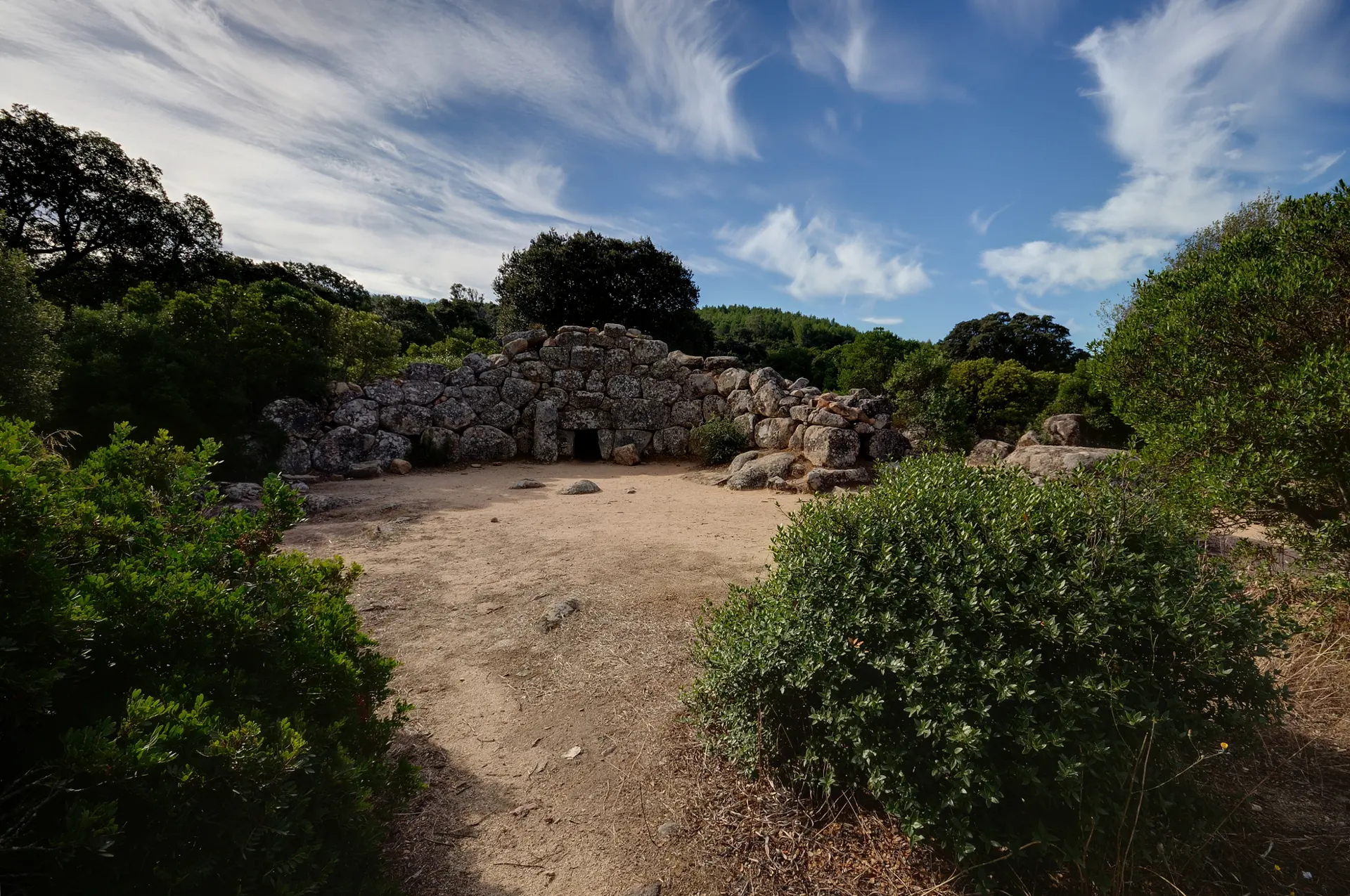
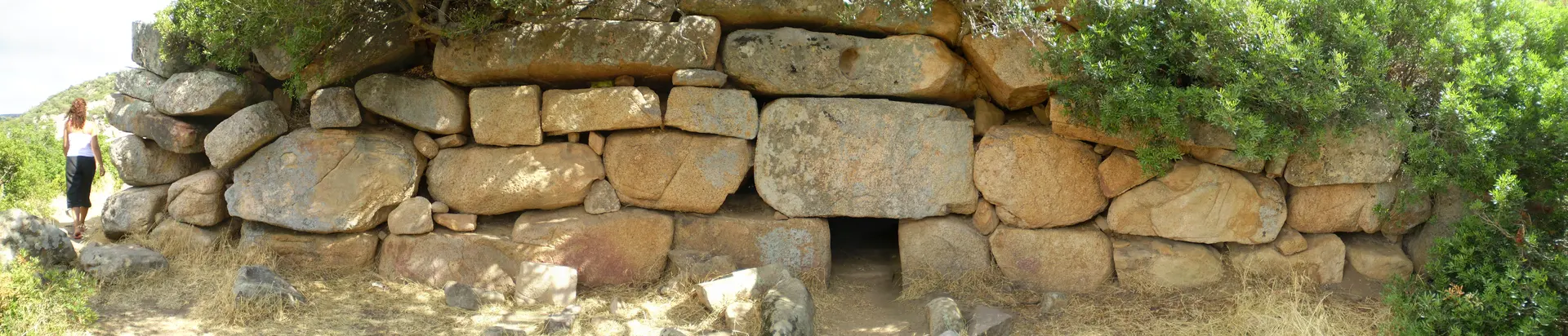
Image of Giant’s Grave of Sa Domu e s’Orcu. Image source · CC-BY-SA-3.0
Visit essentials
A quick read before you go
- Duration
- 1-2 hours at the site, plus hiking time through Sette Fratelli park
- Access
- Located at 338 meters elevation on the western slopes of Sette Fratelli mountains.
Overview
Among Sardinia's eight hundred giants' graves, Is Concias is unusually well preserved in Sette Fratelli park. Nuragic builders made a nearly sixteen-meter burial monument like a stone ship, its prow the semicircular exedra where the living gathered for the dead. Sa Dom'è s'Orcu, “House of the Ogre,” preserves later folk memory that assigned such massive works to giants, although human communities developed them over centuries to sustain ancestral connection.
A betile, a standing stone representing a deity, still guards the entrance. Enrico Atzeni excavated the tomb in the 1960s, and it was carefully restored in 1987. Visitors can move from the open exedra, through the threshold, into the tapering burial gallery—a passage that perhaps echoes Nuragic ideas of transition from life to death.
Why this place is sacred
The giants' graves of Sardinia represent a distinctive answer to humanity's universal question: how do the living maintain relationship with the dead? At Is Concias, this answer took architectural form. The semicircular exedra—ten meters wide—created a forecourt where mourners could gather facing the tomb entrance. This was not merely practical design but sacred geometry, the curved space embracing the living while orienting them toward the realm of ancestors.
The burial gallery itself embodies threshold consciousness. From a maximum height of 2.1 meters at the entrance, the chamber gradually descends to 1.7 meters at its eight-meter depth—a spatial compression that may have symbolized the narrowing passage from this world to the next. Here, collective burial merged individual identities into ancestral community, each new interment joining those who had come before.
The betile standing beside the entrance adds another dimension. This carved stone likely represented a protective deity, guardian of the threshold between realms. Its presence suggests that the Nuragic peoples understood this site not merely as a repository for remains but as an active interface where divine, ancestral, and human worlds intersected.
Collective burial site and ritual gathering space for Nuragic Bronze Age communities, serving ongoing ancestor veneration
From active burial and ritual site (1500-1100 BCE) to abandoned monument, folk memory site attributed to giants, archaeologically excavated site (1960s), restored cultural heritage (1987), and UNESCO candidate
Experience and orientation
Reaching Is Concias requires a journey into the heart of Sette Fratelli park, where the mountain landscape itself prepares visitors for encounter with deep time. The forested slopes, wild and largely unchanged, offer context for imagining Bronze Age communities who chose this elevated site for their collective burial.
The tomb reveals itself gradually—first the curved line of the exedra, then the full extent of the gallery stretching nearly sixteen meters into the mountainside. Built entirely of local granite, the structure carries the warm tones of Sardinian stone, weathered by thirty-five centuries of mountain seasons.
Approaching the entrance, visitors face the same threshold that Nuragic mourners once crossed. The betile standing to the right serves as silent sentinel, its presence raising questions about beliefs that left no written record. Entering the burial chamber, the temperature drops and light diminishes as the gallery narrows toward its far end. This spatial experience—the enclosure, the darkness, the sense of penetrating into the mountain itself—may echo the journey that the Nuragic peoples imagined for their dead.
The 1987 restoration preserved structural integrity without imposing modern interpretation. Standing within the chamber, visitors encounter Bronze Age engineering directly: the carefully fitted stones, the ogival ceiling gradually lowering, the deliberate proportions that combined practical function with symbolic meaning.
Located on the western slopes of the Sette Fratelli mountains within the park of the same name, accessible via hiking trails from Quartucciu in the metropolitan area of Cagliari
Context and lineage
The giants' graves emerged during Sardinia's Bronze Age as the Nuragic civilization developed increasingly monumental approaches to collective burial. The 'rows façade' type seen at Is Concias—characteristic of southern Sardinia—evolved from earlier dolmen traditions into gallery graves that served both burial and ongoing ritual functions.
Is Concias belongs to the tradition of approximately 800 giants' graves scattered across Sardinia, representing the Nuragic civilization's distinctive funerary architecture. This tradition emerged alongside the nuraghi (tower-fortresses) that give the civilization its name, reflecting a culture that invested heavily in monumental stone construction for both the living and the dead.
Enrico Atzeni
Archaeologist who excavated Is Concias in the 1960s, establishing its dating and documenting its structure
Traditions and practice
Nuragic burial practices at giants' graves likely involved periodic collective interments accompanied by ceremonies at the exedra. The semi-circular forecourt could accommodate community gatherings, while the betile at the entrance may have received offerings or invocations. Bodies were placed within the gallery chamber, joining the collective of ancestors.
No contemporary ritual use. The site functions as a protected archaeological monument visited for historical, cultural, and contemplative purposes.
Approach in the spirit of visiting ancestral grounds. Take time at the exedra to appreciate the gathering space before entering. Within the chamber, silence and slow movement honor both the site and those interred here across millennia.
Nuragic Bronze Age Tradition
HistoricalIs Concias exemplifies how Nuragic communities approached death and ancestry. The giants' graves represent a distinctively Sardinian response to universal human concerns, merging monumental architecture with collective identity. Unlike individual burial traditions that emphasize personal immortality, the Nuragic approach dissolved individual death into communal ancestry.
Archaeological evidence suggests repeated collective burials over centuries, ceremonial gatherings at the exedra forecourt, and deity invocation at the betile. The spatial journey from open forecourt through threshold into dark chamber may have structured ritual understanding of the death transition.
Perspectives and open questions
Is Concias invites multiple readings—archaeological, anthropological, and experiential—each illuminating different aspects of Bronze Age Sardinian life and death.
Scholarly perspective
Archaeologists classify Is Concias among the 'rows façade' type of giants' graves characteristic of southern Sardinia. Enrico Atzeni's 1960s excavations established the Middle to Late Bronze Age dating (approximately 1500-1100 BCE) and documented the structural features: the 15.9-meter gallery, the 10-meter exedra, the ogival chamber profile. The presence of a betile indicates religious practice beyond simple interment. Current scholarship recognizes giants' graves as central to understanding Nuragic social organization, with collective burial suggesting community-based identity and ongoing ancestor relationships.
Living and traditional perspectives
Sardinian folk tradition long attributed these massive tombs to a race of giants—hence 'tomba dei giganti.' This interpretation, common across European megalithic cultures, reflects how later societies made sense of monuments beyond their technical capacity to build. The name 'Sa Dom'è s'Orcu' (House of the Ogre) similarly mythologizes the builders.
Open questions
The specific rituals performed at the exedra remain unknown. The identity of the deity represented by the betile cannot be determined from archaeological evidence alone. The social structures that determined who received collective burial, the frequency and nature of ceremonies, and the cosmological beliefs underlying the architecture persist as mysteries that Nuragic peoples took with them into silence.
Plan your visit
Access and arrival
Located at 338 meters elevation on the western slopes of Sette Fratelli mountains. Access via hiking trails from Quartucciu. Vehicle access limited; expect to walk the final approach. GPS: 39.2575, 9.3597
Quartucciu and greater Cagliari metropolitan area offer full range of accommodations. The site visit is typically a day excursion from Cagliari.
Respectful visit
Comfortable hiking clothing appropriate for mountain terrain. Sturdy footwear essential for the approach through Sette Fratelli park.
Permitted throughout. Consider minimizing flash within the burial chamber for both preservation and atmosphere.
Not appropriate at this archaeological site.
No touching, climbing, or removing stones. Stay on designated paths. No camping or fires within the site.
This is a restored archaeological site. Physical structures should be treated with care—no climbing, touching, or removal of stones. The mountain terrain requires appropriate footwear and preparation.
Current practical details
Address
SS125, 09044 Quartucciu CA, Italy
Hours
Hours, fees, and access can change — verify on the official source before you travel. Practical details last checked Jun 2026.
Location
Map loads as you approach this section.
Pilgrim reflections
A portrait of encounter, not a score
Pilgrims describe what they felt, how present they could become, and whether the place would shape a journey. There are no stars and no ranking of traditions.
No reviewed reflections yet
The first pilgrims can help describe the character of being here.
Share a reflection
Available after an account-backed “Been there.” Every reflection is reviewed before publication.
Nearby sacred places
Explore other sacred places in the region. Proximity does not establish access or travel time; check each place’s guidance.
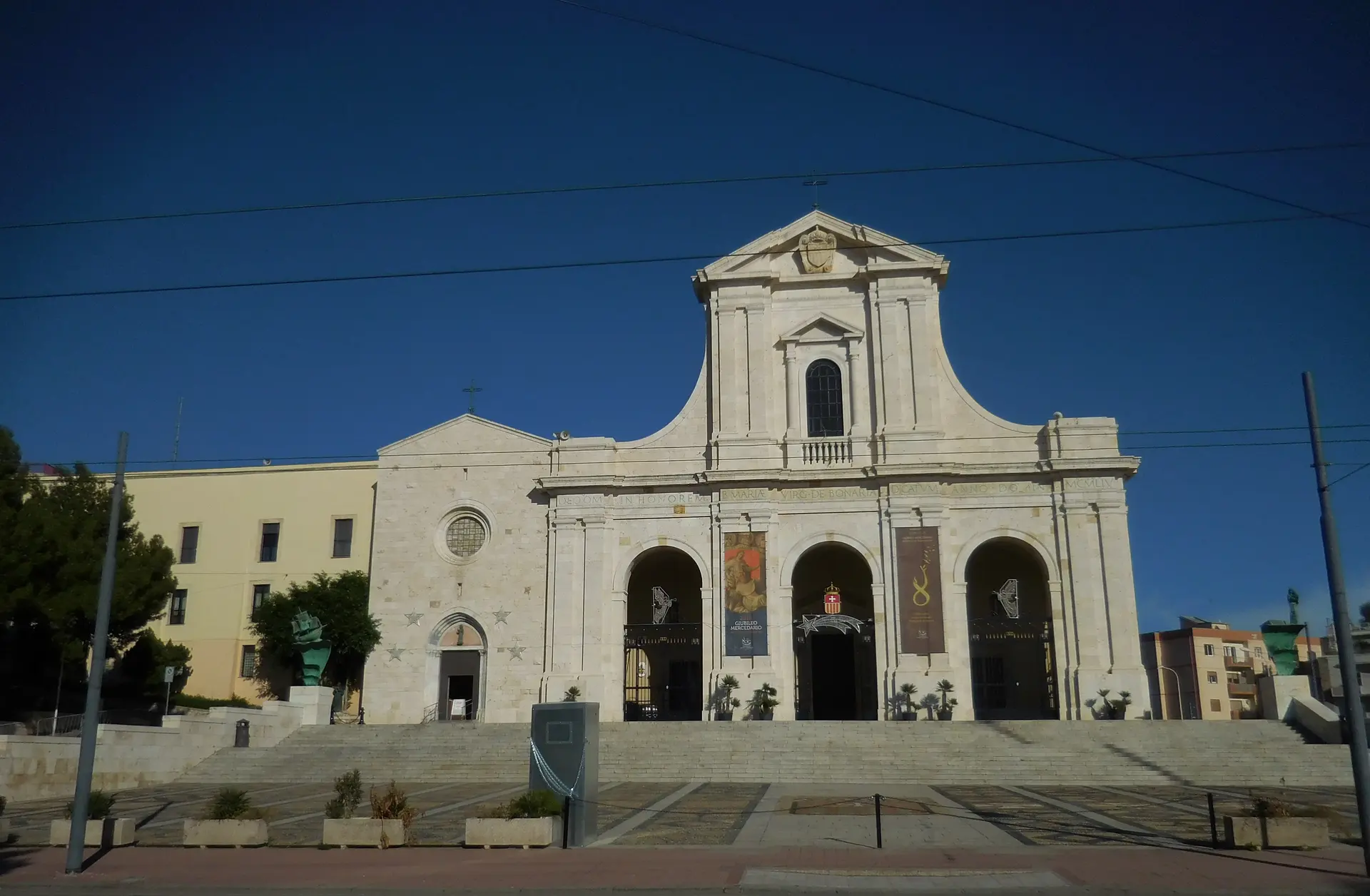
Basilica Santuario Nostra Signora di Bonaria
Cagliari, Cagliari, Italy
20.8 km away
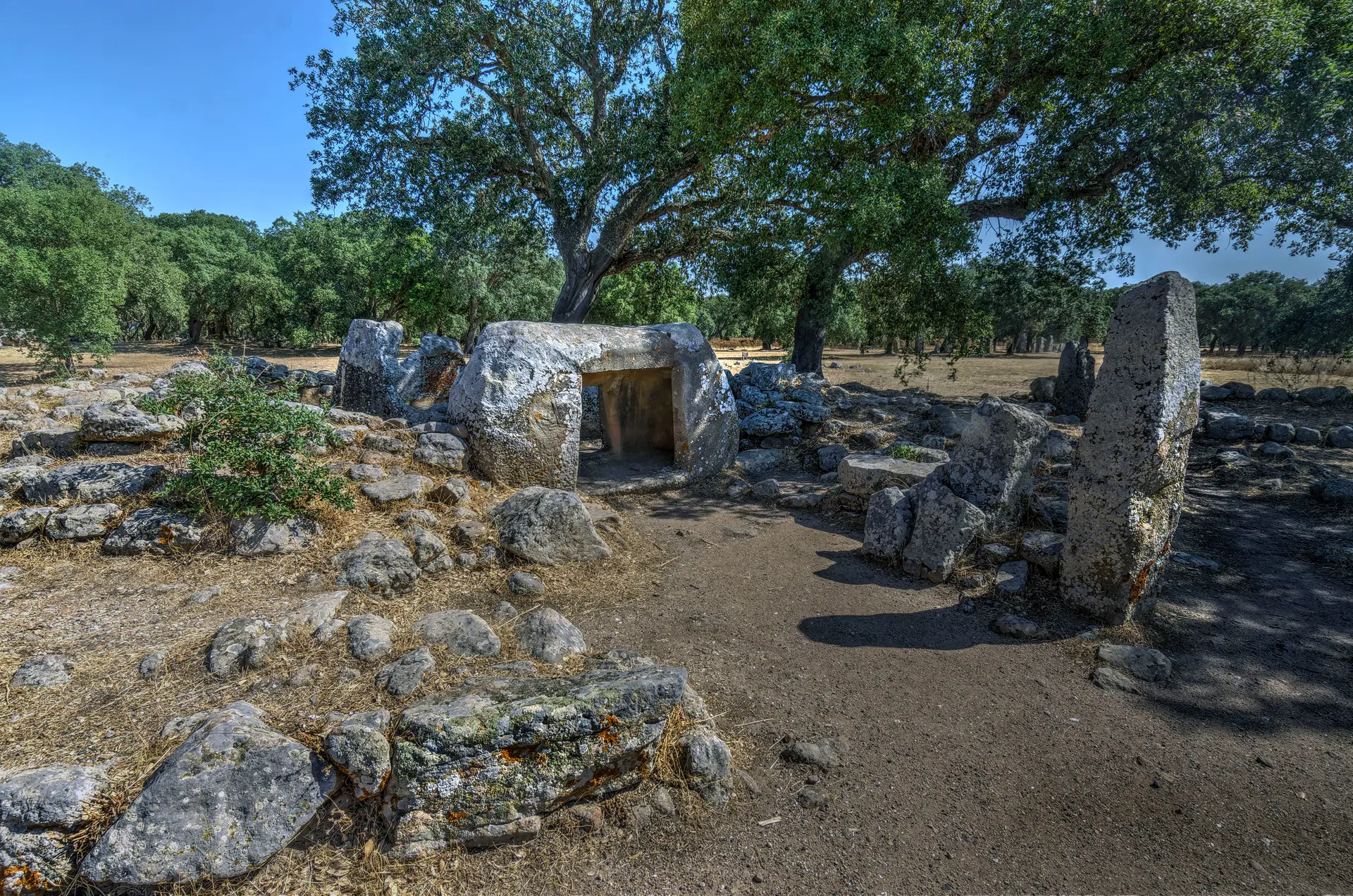
Necropolis of Pranu Mutteddu
Goni, South Sardinia, Italy
31.4 km away
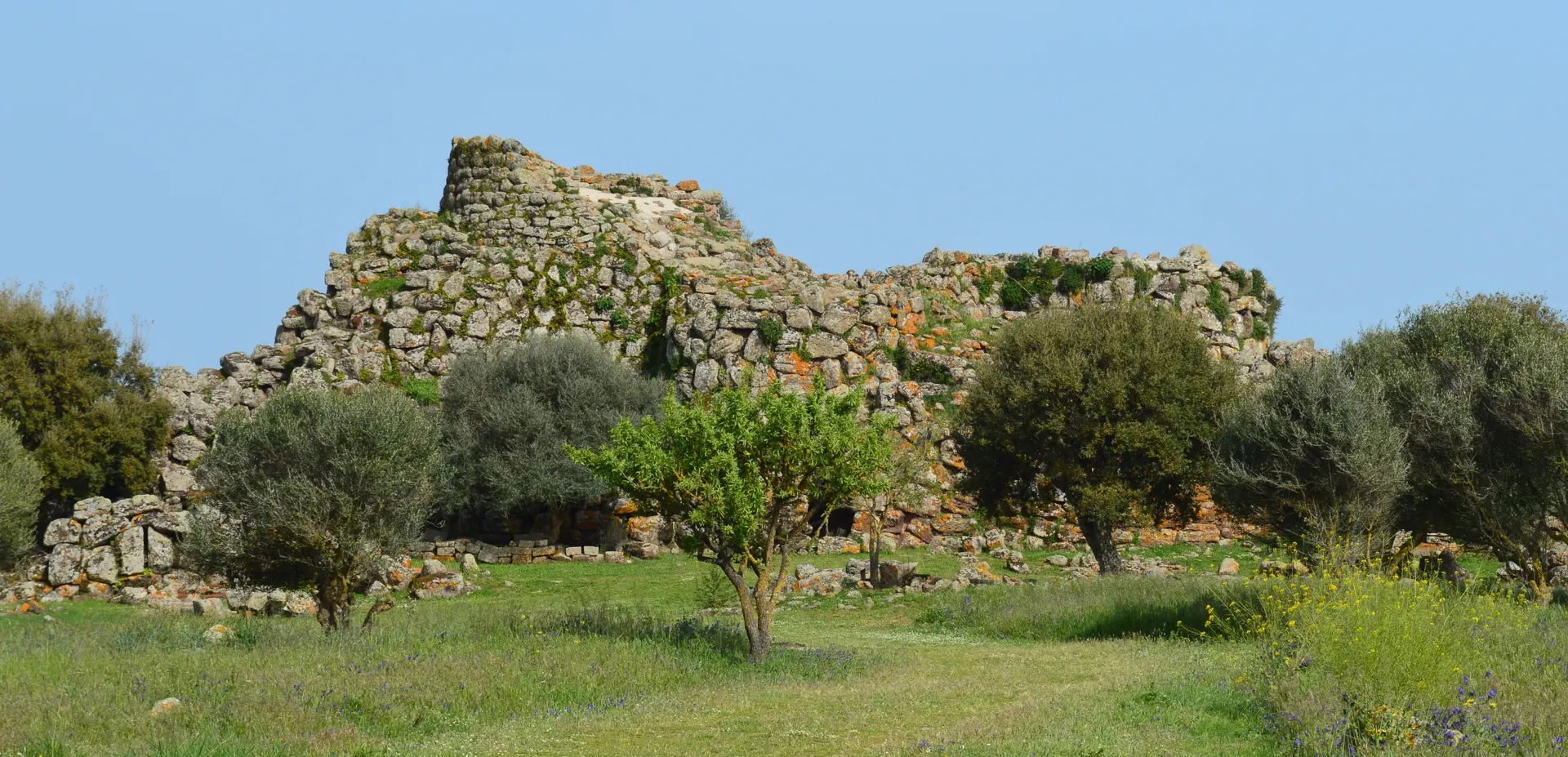
Nuraghe Arrubiu
Arrolli/Orroli, South Sardinia, Italy
45.3 km away
The Giants' Tomb of Barranc Mannu, Sa Tuerredda
Santadi, South Sardinia, Italy
53.9 km away
Share a photo
Help visitors recognize Giant’s Grave of Sa Domu e s’Orcu. Every submission is reviewed before publication.