Kilmichael Glassary Cup and Ring Marks
Where five thousand years of meaning lie carved into living rock, still legible and still unknown
Understand sacred places, explore living traditions, and learn how to engage respectfully with Pilgrim Map.
Access has not been verified. Check current local guidance before planning a visit.
Lochgilphead, Scotland, United Kingdom
Read the sources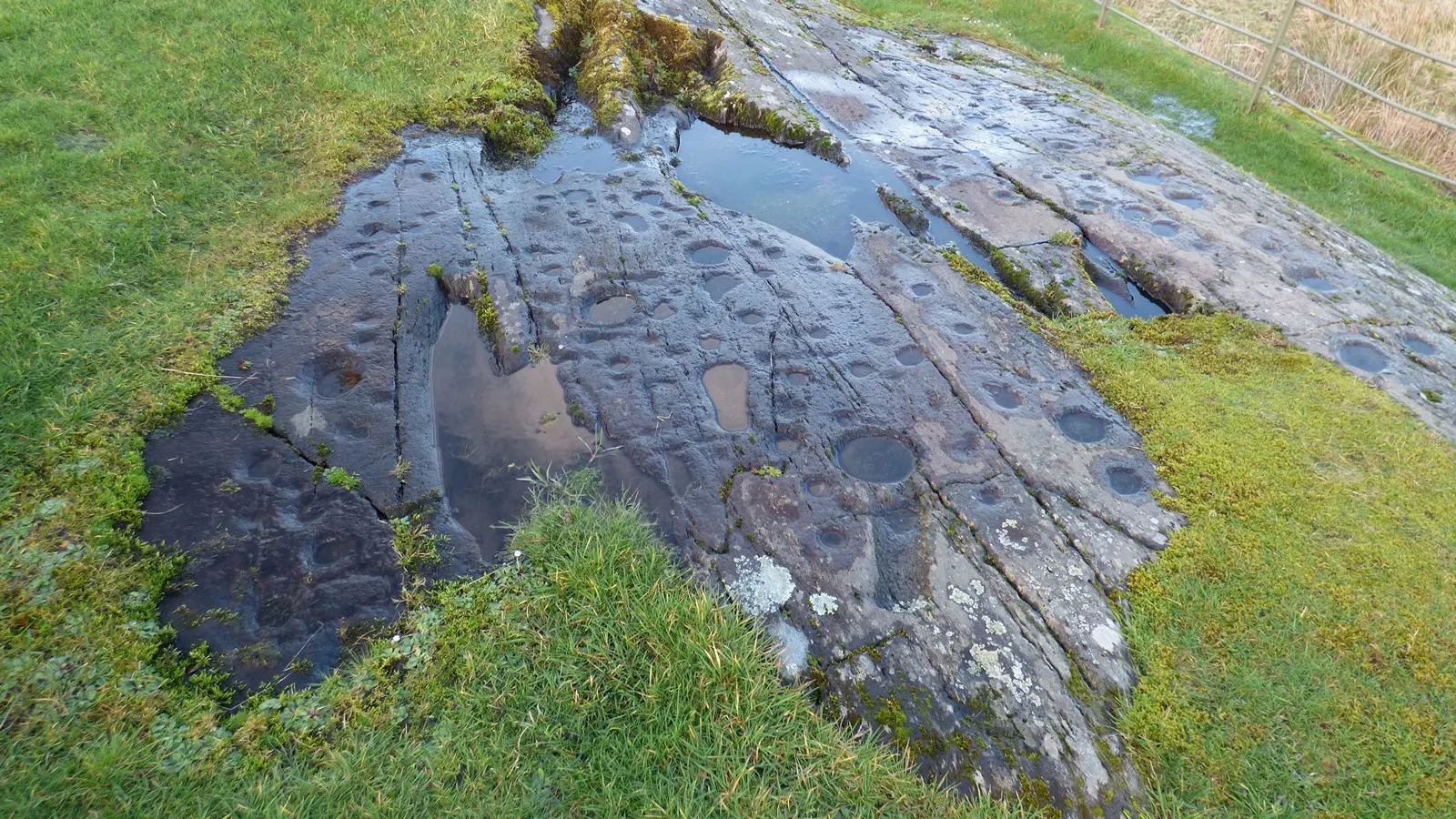
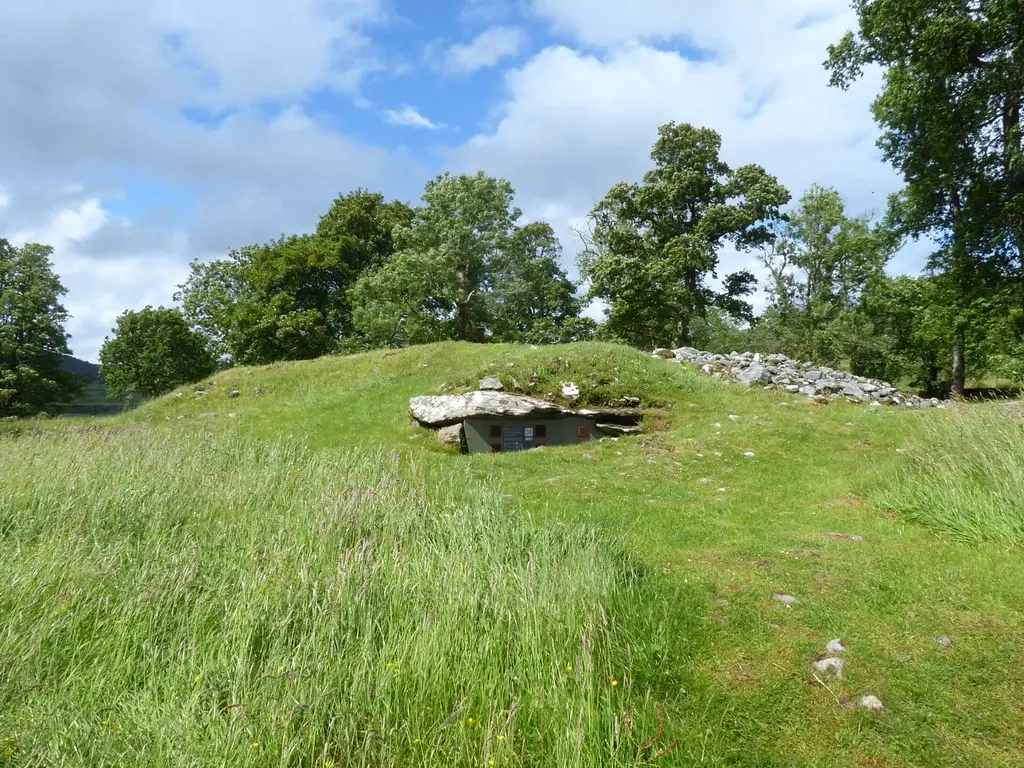
Image of Kilmichael Glassary Cup and Ring Marks. Image source · CC-BY-SA-2.0
Visit essentials
A quick read before you go
- Duration
- Twenty to forty-five minutes for attentive engagement with the rock art.
- Access
- The site is located beside the primary school in Kilmichael Glassary village, off the A816…
Overview
The rock remembers what the people forgot.
Beside Kilmichael Glassary's primary school, a natural stone outcrop slopes toward the light, bearing carvings older than Kilmartin Glen's earliest monuments. More than one hundred and fifty marks cover exposed faces and nearby boulders: deep circular cups, outward-radiating concentric rings, long gutters joining clusters, and at least four keyhole-shaped motifs whose elongated forms distinguish this site from every other rock-art panel in the glen.
Unlike the shallow cups common across Kilmartin Glen and Atlantic Europe, these are unusually deep, as though made for urgent permanence. Whether that difference reflects technique, purpose, or another understanding of stone carving remains unknown.
They are not decorations. Cutting over a hundred and fifty marks into hard rock with stone or antler tools required sustained effort and generations of labor. Whatever they meant, they mattered. Within a landscape densely inscribed with prehistoric intention, walking Kilmartin Glen resembles reading a lost-language text; Kilmichael Glassary remains one open, unread page.
Why this place is sacred
Something about illegible marks compels attention in ways that legible ones do not.
At Kilmichael Glassary, the carvings are not faded or obscured. In raking light, they leap from the rock surface with startling clarity. The cups are deep. The rings are precise. The gutters run with purpose from one motif to the next. The keyhole shapes are unmistakable. Five thousand years of Scottish weather have not erased them. They are perfectly visible and perfectly opaque.
This is what makes the site thin. Not mystery in the vague sense, but the specific experience of standing before something that was clearly significant, was clearly intentional, and is clearly beyond recovery. The prehistoric carvers knew what they were doing. They had reasons for the depth of each cup, the number of rings around it, the direction of each gutter. These were not idle marks. And yet every attempt to decode them has failed.
Scholars have proposed astronomical maps, territory markers, ritual scoring, records of agreements, representations of landscape features, and shamanic imagery. None have achieved consensus. The carvings resist interpretation with the quiet authority of deep time.
The landscape amplifies this quality. Kilmichael Glassary sits near the southern end of Kilmartin Glen, which holds the most concentrated collection of Neolithic and Bronze Age monuments in mainland Scotland. Cairns, standing stones, stone circles, and other rock art panels surround the site for miles. Each monument participates in a web of spatial relationships that the builders clearly understood and that we can map but cannot read. The rock art at Kilmichael Glassary was not isolated.
It was part of a conversation across a sacred landscape. That conversation has ended, but the marks on the stone remain as its written record.
The original purpose of the Kilmichael Glassary carvings is unknown. Cup and ring marks appear across Atlantic Europe from Galicia to Scotland, always similar in basic form yet varying in detail and context. Scholars have noted that complex carvings, like those at lowland sites such as Kilmichael Glassary and nearby Cairnbaan, tend to be more elaborate than those on higher ground.
This pattern suggests that carving complexity may relate to proximity to settlement, ceremonial use, or landscape position, but the specific function of the marks remains unresolved.
The carvings at Kilmichael Glassary appear to date from approximately 3000 BC, placing them in the late Neolithic to early Bronze Age transition. Whether they were carved in a single campaign or accumulated over centuries is not known. The broader Kilmartin Glen landscape continued to receive monuments for at least two thousand years after the earliest carvings. The rock art site itself shows no evidence of later modification or addition.
In modern times, the best-decorated rock surface was placed in state care, fenced for protection, and incorporated into the network of heritage sites managed by Historic Environment Scotland.
Experience and orientation
The approach is ordinary, which makes the encounter stranger. You park near the village, cross a stile over a fence, and there it is: a sloping rock surface covered in marks that predate every building, every road, every boundary line in Scotland. No visitor center prepares you. No audio guide narrates the experience. The rock simply presents itself.
Time your visit for the quality of light. At midday, the carvings flatten into near-invisibility, mere shadows on grey stone. But come when the sun is low, in the first or last hours of daylight, and the shadows thrown by every cup, every ring, every gutter transform the surface into a text dense with intention. The depth of the cup marks becomes startling. These are not scratches. Someone worked this stone with deliberation over hours, days, perhaps longer.
Move slowly across the outcrop. The carvings are not uniformly distributed. Some areas are densely worked, others left blank. The keyhole shapes, when you find them, arrest attention. Their elongated forms differ so markedly from the standard concentric rings that they feel like a different dialect of the same language. What they expressed, and why only here, remains unknown.
The village school nearby anchors the site in the present. Children's voices carry across the fence on weekday mornings. Five thousand years of human presence compressed into the distance between a playground and a carved rock. The juxtaposition is not jarring but clarifying. Life continues here. The marks persist.
From the rock outcrop, the wider landscape of Kilmartin Glen opens to the north. On a clear day, the hills and valleys that hold dozens of other prehistoric monuments are visible. The sense of participating in a larger sacred geography, even as a visitor, even at a distance of five millennia, is difficult to dismiss entirely.
Kilmichael Glassary lies beside the primary school in the village of the same name, off the A816 about three miles north of Lochgilphead. Look for the fenced rock outcrop near the school. Cross the stile and approach the main carved surface. Begin by simply looking. Allow your eyes to adjust to the texture of the stone before seeking specific motifs. If the light is flat, return at dawn or dusk when shadows reveal the depth of carving.
For context, visit Kilmartin Museum before or after, where displays explain the rock art tradition across the glen.
Context and lineage
No origin narrative survives for the Kilmichael Glassary carvings. The people who carved them left no written language and no continuous oral tradition has preserved their understanding. The Gaelic place name, Cill Mhicheil Ghlasraidh, refers to the church of St Michael and the grey-green place, reflecting the medieval settlement rather than the prehistoric rock art. What remains is the work itself: marks that carry their own mute testimony of significance.
The rock art at Kilmichael Glassary has no unbroken lineage of interpretation. The carvers and their communities are lost to prehistory. Later Gaelic-speaking settlers in the glen gave the village its name but left no recorded engagement with the carvings. The site came to modern archaeological attention as part of the broader study of Kilmartin Glen's extraordinary concentration of prehistoric monuments.
Today, Historic Environment Scotland manages the site, and Kilmartin Museum provides interpretive context that places the carvings within the wider Atlantic European rock art tradition.
Unknown Neolithic/Bronze Age carvers
creators
The anonymous peoples who carved over 150 cup and ring marks, keyhole motifs, and guttered channels into the rock outcrops around 3000 BC, leaving behind one of Scotland's most distinctive collections of prehistoric rock art.
Traditions and practice
The original practices associated with the carvings are unknown. The abstract nature of the motifs and the complete absence of any surviving oral tradition mean that the ritual context of the rock art remains entirely speculative. Scholars have noted the parallels with cup and ring marks across Atlantic Europe, suggesting the carvings participated in a widespread tradition of marking certain locations, but the specific ceremonies or purposes behind that tradition have not been recovered.
No formal ceremonies or organized spiritual practices take place at Kilmichael Glassary. Visitors engage through quiet observation, photography, and contemplation. The site's inclusion in walking routes through Kilmartin Glen brings it into contact with people exploring the broader sacred landscape.
Approach the carvings with patience. Arrive when the sun is low and allow the shadows to reveal what direct light conceals. Spend time with individual motifs before trying to comprehend the whole surface. Let your eyes follow the gutters that connect one cluster to another. Notice the depth of the cup marks beneath your gaze. Consider what it means to stand before something significant enough to carve into stone yet impossible to translate.
If moved to sit in stillness, the rock outcrop offers space for that. If exploring the wider glen, carry the memory of these marks with you to the standing stones and cairns that the same culture raised.
Atlantic European Rock Art
HistoricalThe Kilmichael Glassary carvings participate in a widespread prehistoric tradition of carving cup marks, concentric rings, and linear channels into natural rock surfaces. This tradition extends across western Europe from the Iberian Peninsula through Brittany, Ireland, northern England, and Scotland, with outliers as far north as Scandinavia. The consistency of basic motifs across such a vast area suggests shared symbolic frameworks among Neolithic and early Bronze Age communities, though the specific meanings remain unknown.
Unknown. The abstract, non-representational character of the motifs has frustrated all attempts at decipherment. The carvings contain no human or animal figures and no recognizable symbols from later periods. Whatever rituals accompanied their creation, and whatever purposes they served afterward, have been lost entirely.
Perspectives and open questions
The cup and ring marks at Kilmichael Glassary resist definitive interpretation. What follows are honest perspectives from different approaches, each contributing partial understanding while acknowledging what remains unknown.
Scholarly perspective
Archaeological consensus places the Kilmichael Glassary carvings within the Atlantic European cup and ring mark tradition, dated to approximately 3000 BC. The site is notable for the unusual depth of its cup marks compared to other sites in Kilmartin Glen, and for the rare keyhole-shaped motifs found only here.
Scholars observe that complex carvings tend to occur at lowland sites, while simpler marks appear on higher ground, suggesting that the elaboration of rock art may relate to landscape position, proximity to settlement, or ceremonial function. The relationship between the rock art panels and the later monuments of Kilmartin Glen, built over the following two millennia, remains an active area of research.
What is clear is that this landscape attracted sustained ritual attention across a very long period, and the rock art represents its earliest known expression.
Living and traditional perspectives
No traditional interpretive framework survives from the carvers. The Gaelic-speaking communities who settled in Kilmartin Glen in later centuries did not leave recorded interpretations of the prehistoric rock art. The carvings exist outside any living tradition, which gives them a quality of pure encounter: the visitor meets them without the mediation of received meaning.
Alternative interpretations
The cup and ring marks have inspired various alternative interpretations. Some visitors perceive energetic qualities at the site or connect it to hypothesized earth energies linking the Kilmartin Glen monuments. The cup marks have been interpreted as receptacles for ritual liquids, as astronomical charts, as maps of territories or water sources, and as representations of altered states of consciousness.
While none of these proposals have achieved scholarly acceptance, the carvings' resistance to definitive interpretation leaves space for multiple frameworks of understanding.
Open questions
The fundamental mystery of the Kilmichael Glassary carvings is their meaning. Why were they made? What did each motif signify? Why are the cups here deeper than at other sites? What do the unique keyhole shapes represent? Were the carvings made by specialists or by community members? Were they produced in a single campaign or accumulated over generations? Did they mark a boundary, record an agreement, invoke a power, map a cosmos, or serve some purpose we cannot even imagine?
These questions have no answers. They may never have answers. The stone holds its counsel.
Plan your visit
Access and arrival
The site is located beside the primary school in Kilmichael Glassary village, off the A816 approximately three miles north of Lochgilphead and five miles south of Kilmartin village. Grid reference NR 857 934. Limited roadside parking. The rock outcrop is fenced and accessed via a stile. Free and open year-round. The terrain is uneven but the site is close to the road.
Lochgilphead (3 km south) offers hotels, guest houses, and shops. Kilmartin village (5 km north) has the Kilmartin Hotel and is closer to the northern glen monuments. The wider Argyll area provides extensive visitor accommodation. Those wishing to explore the full Kilmartin Glen sacred landscape should plan at least one overnight stay.
Respectful visit
No dress code applies. Sturdy footwear is recommended as the ground can be uneven and the rock surfaces slippery in wet conditions. Layers suit Scotland's changeable weather.
Photography is freely permitted and encouraged. The carvings are best photographed in low raking light when shadows reveal the depth of the cup marks and the contours of the motifs. Early morning or late afternoon produces the most dramatic results. Overhead or flash photography tends to flatten the carvings.
Leaving offerings is not historically traditional at this site. The rock art predates all known offering traditions in Scotland. If you feel moved to leave something, consider whether internal acknowledgment might serve better than physical objects that accumulate and alter the site.
Scheduled ancient monument. Any disturbance, including unauthorized excavation, marking, or removal of material, is a criminal offense. The site is fenced and accessed via a stile. No admission fee.
The site is a scheduled ancient monument. Do not damage, mark, or attempt to make rubbings or casts of the rock surfaces. Do not climb on the carved areas. Leave no trace of your visit. The carvings have survived five thousand years of weather; they should not be diminished by carelessness.
Current practical details
Address
Lochgilphead PA31 8QB, UK
Hours, fees, and access can change — verify on the official source before you travel. Practical details last checked Jun 2026.
Location
Map loads as you approach this section.
Pilgrim reflections
A portrait of encounter, not a score
Pilgrims describe what they felt, how present they could become, and whether the place would shape a journey. There are no stars and no ranking of traditions.
No reviewed reflections yet
The first pilgrims can help describe the character of being here.
Share a reflection
Available after an account-backed “Been there.” Every reflection is reviewed before publication.
Nearby sacred places
Explore other sacred places in the region. Proximity does not establish access or travel time; check each place’s guidance.
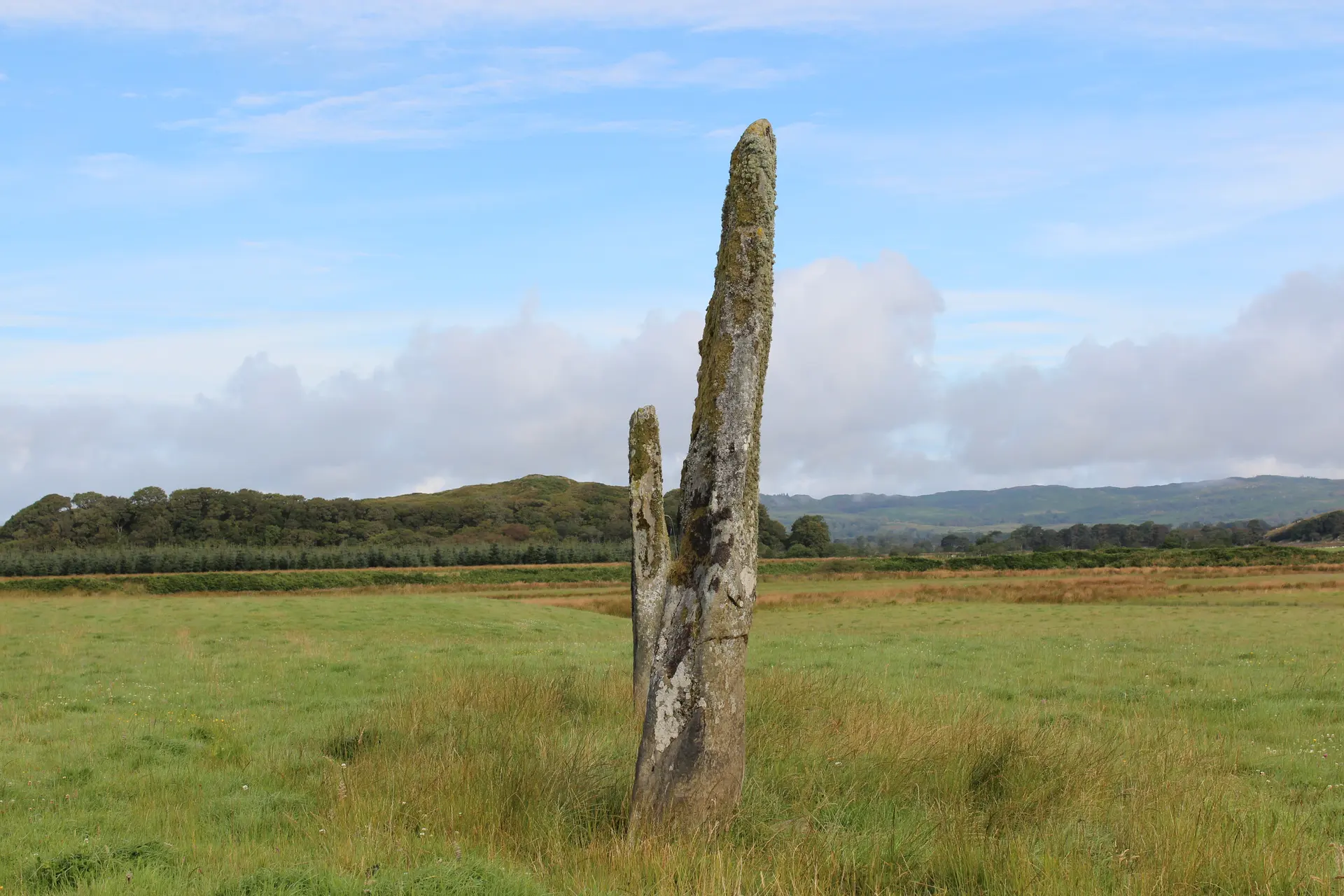
Dunamuck South Stone Row
Kilmichael Glassary, Scotland, United Kingdom
1.4 km away
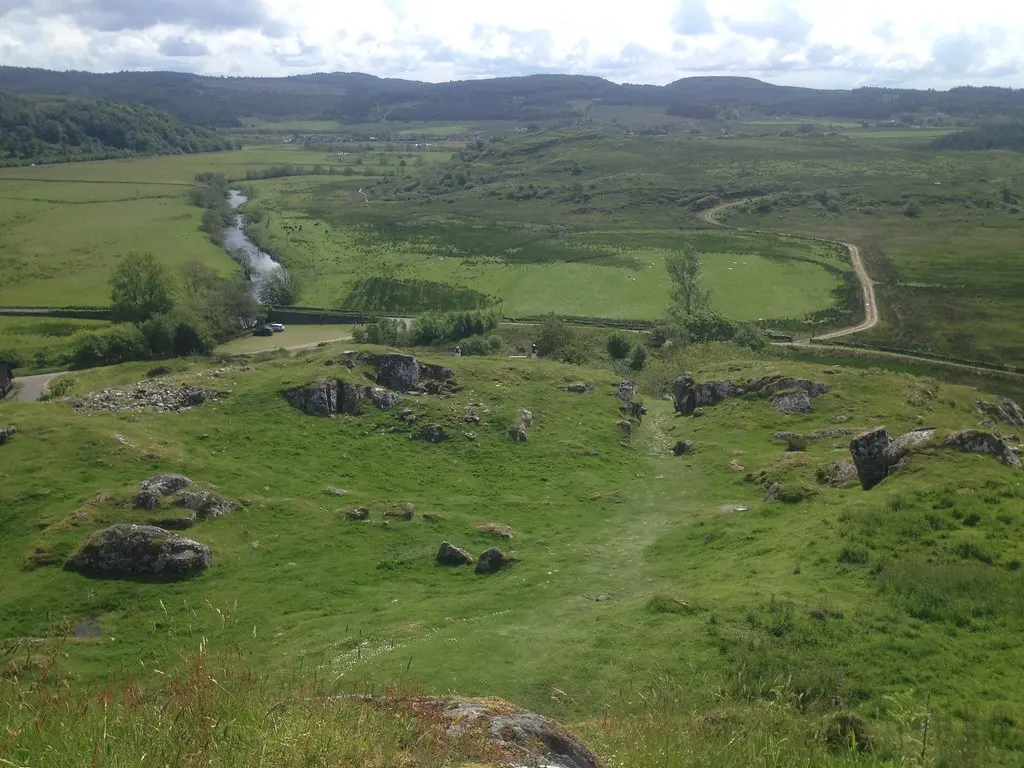
Dunadd sacred hill, Lochgilphead, Scotland
Bridgend, Scotland, United Kingdom
2.1 km away
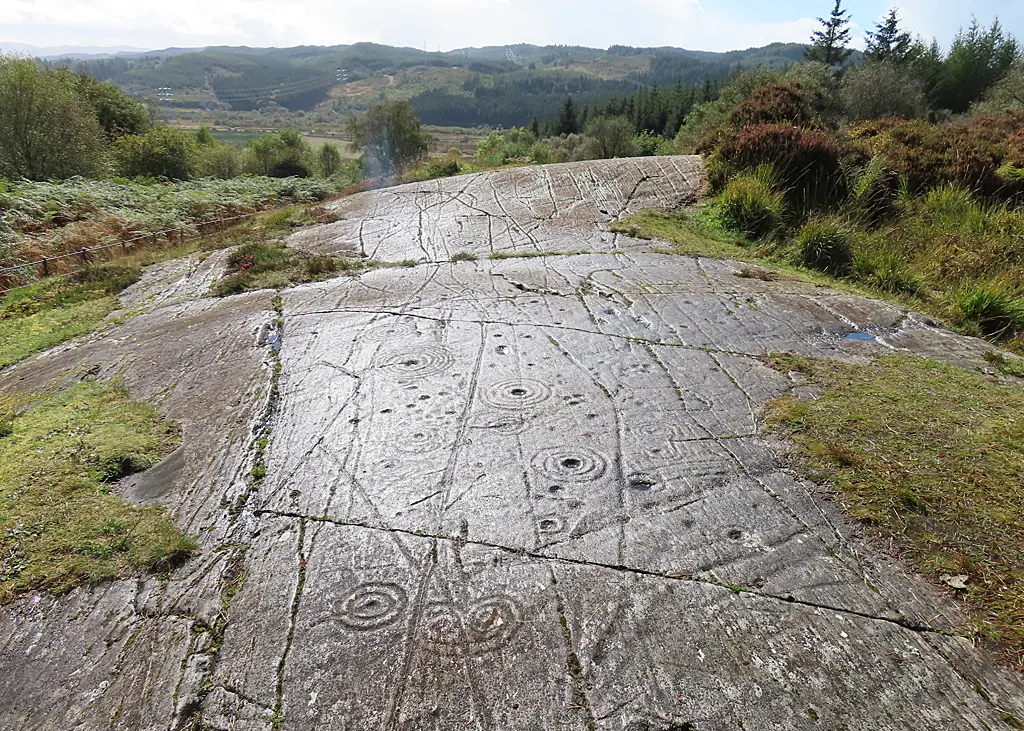
Achnabreck Rock Art Sites
Lochgilphead, Scotland, United Kingdom
2.8 km away
Dunchraigaig Cairn
Kilmartin, Scotland, United Kingdom
4.1 km away
References
Sources consulted for this page. Source categories describe the publication, not a guarantee that every claim is verified. Traditional accounts and outside interpretations may differ.
- 01Kilmartin Glen: Kilmichael Glassary Rock Art — Historic Environment ScotlandofficialOfficial Scottish heritage body - primary visitor and historical information
- 02Kilmichael Glassary Cup and Ring Marks: History — Historic Environment ScotlandofficialDetailed historical interpretation from HES
- 03Kilmichael Glassary 1 - Canmore/Trove — Historic Environment ScotlandofficialNational database record with grid reference and archaeological details
- 04Kilmartin Museum — Kilmartin MuseumofficialLocal specialist museum providing interpretive context for all Kilmartin Glen sites
- 05Kilmichael Glassary 1 Rock Art — The Megalithic PortalofficialCommunity megalithic research database with coordinates and descriptions
- 06Kilmichael Glassary (Cup and Ring Marks / Rock Art) — The Modern AntiquarianofficialCommunity database with visitor reports and field notes
- 07Kilmichael Glassary Cup and Ring Marks — Britain ExpressguideHeritage tourism guide with access information
- 08Saints and Stones: Kilmichael Glassary — Saints and StonesacademicDetailed experiential account of visiting the site
- 09Kilmichael Glassary Decorated Rock Sheet — Ancient ScotlandSource contextScottish heritage information with archaeological details
- 10Kilmartin Glen - Wikipedia — Wikipedia contributorsencyclopediaGeneral reference for Kilmartin Glen context
Share a photo
Help visitors recognize Kilmichael Glassary Cup and Ring Marks. Every submission is reviewed before publication.