Jagannath Vishnu Temple, Puri, Odisha
Where the Lord of the Universe moves from sanctum into the street
Understand sacred places, explore living traditions, and learn how to engage respectfully with Pilgrim Map.
Access has not been verified. Check current local guidance before planning a visit.
Puri (M), Odisha, India
Read the sources
Visit essentials
A quick read before you go
- Duration
- Allow several hours, more during major observances.
- Access
- Reach central Puri by rail or road, then approach on foot according to traffic controls.
Overview
Puri turns toward the temple: its tower rises above streets organized by pilgrimage, while kitchens, markets, monasteries, service communities, and the long avenue of the chariots extend sacred life beyond the walls. Inside, Jagannath is worshipped with Balabhadra and Subhadra in wooden forms whose material vulnerability is part of their meaning. They are dressed, fed, bathed, rested, renewed, and carried into the city.
The present temple took shape under the Eastern Ganga dynasty in the twelfth century, but its deeper structure is seva: coordinated service through inherited roles, daily offerings, ritual time, and food shared as mahaprasad. Pilgrims often wait a long time for brief darshan; that brevity concentrates rather than diminishes the meeting.
Access is restricted, a boundary visitors should not challenge. Those not eligible to enter can still encounter the temple's public sacred geography, especially during Ratha Jatra, when the deities travel toward Gundicha Temple. The movement expresses a central insight of Jagannath devotion: the Lord of the Universe does not remain hidden from the world.
Why this place is sacred
Many thin places are imagined as quiet. Puri is often the opposite. Bells, instructions, crowd movement, cooking, chanting, heat, waiting, and sudden glimpses form the field of attention. The encounter depends less on escaping ordinary life than on seeing ordinary acts gathered into service.
Jagannath's wooden embodiment also resists the idea of sacred permanence as untouched matter. In temple tradition, divine life is served through bodies that require care and periodic renewal. The deities' annual bathing, periods of seclusion, new dress, food, and procession make sacred time intimate and physical.
Ratha Jatra carries this intimacy outward. Jagannath, Balabhadra, and Subhadra are brought in ritual procession to separate chariots and move along the Grand Road. Odisha Tourism describes the festival as a sign of universal fellowship: the deity meets people across social boundaries, and the ruler's ceremonial sweeping places royal status beneath service. The street becomes an extension of the sanctum without erasing the sanctum's restrictions.
The temple was established as the royal and ritual center of Jagannath worship in Purusottama Kshetra.
Successive rulers, monastic lineages, hereditary servitors, state administration, pilgrims, and the city of Puri have sustained and reshaped the institution across centuries.
Experience and orientation
Eligible Hindu pilgrims should enter with few possessions and follow current security instructions. The flow may be compressed; allow worshippers to move, keep voices low, and do not force a longer view when the queue advances. Darshan is relational, not a viewing entitlement.
Outside the walls, pause along the Grand Road. The distance to Gundicha Temple makes the festival route legible even on an ordinary day. Observe the temple tower without turning surrounding residents or pilgrims into scenery. Mahaprasad offers another form of encounter: food carries the result of ritual service outward into shared life. Receive it without waste.
During Ratha Jatra, crowd scale changes every practical calculation. Public access to the deities does not mean unrestricted access to the chariots or rituals. Follow barricades and official directions, protect children and elders, and establish meeting points before mobile networks become congested.
The main temple stands at the western end of Puri's Grand Road. Gundicha Temple lies along the chariot route. Entry, queue patterns, and open gates change with ritual requirements.
Context and lineage
Temple tradition links Jagannath with the hidden deity Nilamadhava and with divine direction concerning sacred wood and the making of the images. These narratives speak within the tradition; the historical formation of Jagannath worship is more complex and remains debated.
Jagannath devotion intersects Vaishnavism, regional Odisha traditions, royal patronage, monastic lineages, and service communities. No single strand exhausts the temple's religious identity.
Anantavarman Chodaganga Deva
Eastern Ganga ruler credited with building the present temple.
Jagannath, Balabhadra, and Subhadra
The divine triad at the center of worship and festival life.
Hereditary servitors
Communities sustaining the temple's extensive cycle of seva.
Traditions and practice
The deities receive repeated services through the day. Food prepared in the temple kitchen becomes mahaprasad. Annual rites include the ceremonial bathing of the triad and Ratha Jatra, when they travel to Gundicha Temple.
Temple worship remains fully active under Sri Jagannath Temple Administration and hereditary servitors. Confirm current ritual schedules because festival periods and periods of seclusion can change ordinary darshan.
Approach waiting as part of pilgrimage. Before entering, decide what can be left behind materially and inwardly. After darshan, sit where permitted and let the surrounding acts of service remain visible rather than reducing the visit to one glimpse.
Jagannath tradition
ActiveLiving worship of Jagannath, Balabhadra, and Subhadra through service, food, darshan, and festival movement.
Seva, offerings, mahaprasad, darshan, bathing rites, and Ratha Jatra.
Vaishnavism
ActiveJagannath is understood as Vishnu or Krishna while gathering multiple devotional lineages in Puri.
Pilgrimage, recitation, darshan, offerings, and devotional service.
Char Dham pilgrimage
ActivePuri forms the eastern point of a major fourfold Hindu pilgrimage geography.
Travel to the dham, darshan when eligible, and engagement with Puri's sacred landscape.
Perspectives and open questions
Jagannath Temple can be understood as architecture, royal institution, pilgrimage center, living deity household, and network of service. The ritual system holds these together.
Scholarly perspective
Historical evidence places the present temple in the medieval Eastern Ganga period, followed by centuries of expansion and changing administration. The formation of Jagannath worship likely drew on multiple regional currents.
Living and traditional perspectives
According to Jagannath tradition, the temple is the Lord's abode and Puri is Purusottama Kshetra. Temple tradition understands the sacred narratives of Nilamadhava and the wooden deities through concealment, revelation, embodiment, and renewal.
Alternative interpretations
Claims about architectural impossibilities or supernatural physical effects circulate widely but are not needed to establish the temple's sacred importance.
Open questions
The relationship among regional, tribal, royal, and Vaishnava strands cannot be reduced to one uncontested origin story.
Plan your visit
Access and arrival
Reach central Puri by rail or road, then approach on foot according to traffic controls. Confirm eligibility and prohibited items. No reliable official mobile-signal information was available; arrange a meeting point. For emergencies contact temple security or local police.
Puri has pilgrim lodging and hotels across many price levels. Reserve far ahead for Ratha Jatra.
Respectful visit
Modest clothing suitable for active Hindu worship; verify current temple requirements.
Restricted inside the temple. Follow posted rules in all surrounding ritual areas.
Use authorized temple channels and treat mahaprasad as sacred food.
Entry eligibility applies; security rules, queue controls, and festival barricades must be followed.
Do not use unauthorized intermediaries, attempt to bypass entry rules, photograph prohibited areas, obstruct queues, or treat mahaprasad casually. During festivals, crowd safety is a spiritual and practical responsibility.
Location
Map loads as you approach this section.
Pilgrim reflections
A portrait of encounter, not a score
Pilgrims describe what they felt, how present they could become, and whether the place would shape a journey. There are no stars and no ranking of traditions.
No reviewed reflections yet
The first pilgrims can help describe the character of being here.
Share a reflection
Available after an account-backed “Been there.” Every reflection is reviewed before publication.
Nearby sacred places
Explore other sacred places in the region. Proximity does not establish access or travel time; check each place’s guidance.
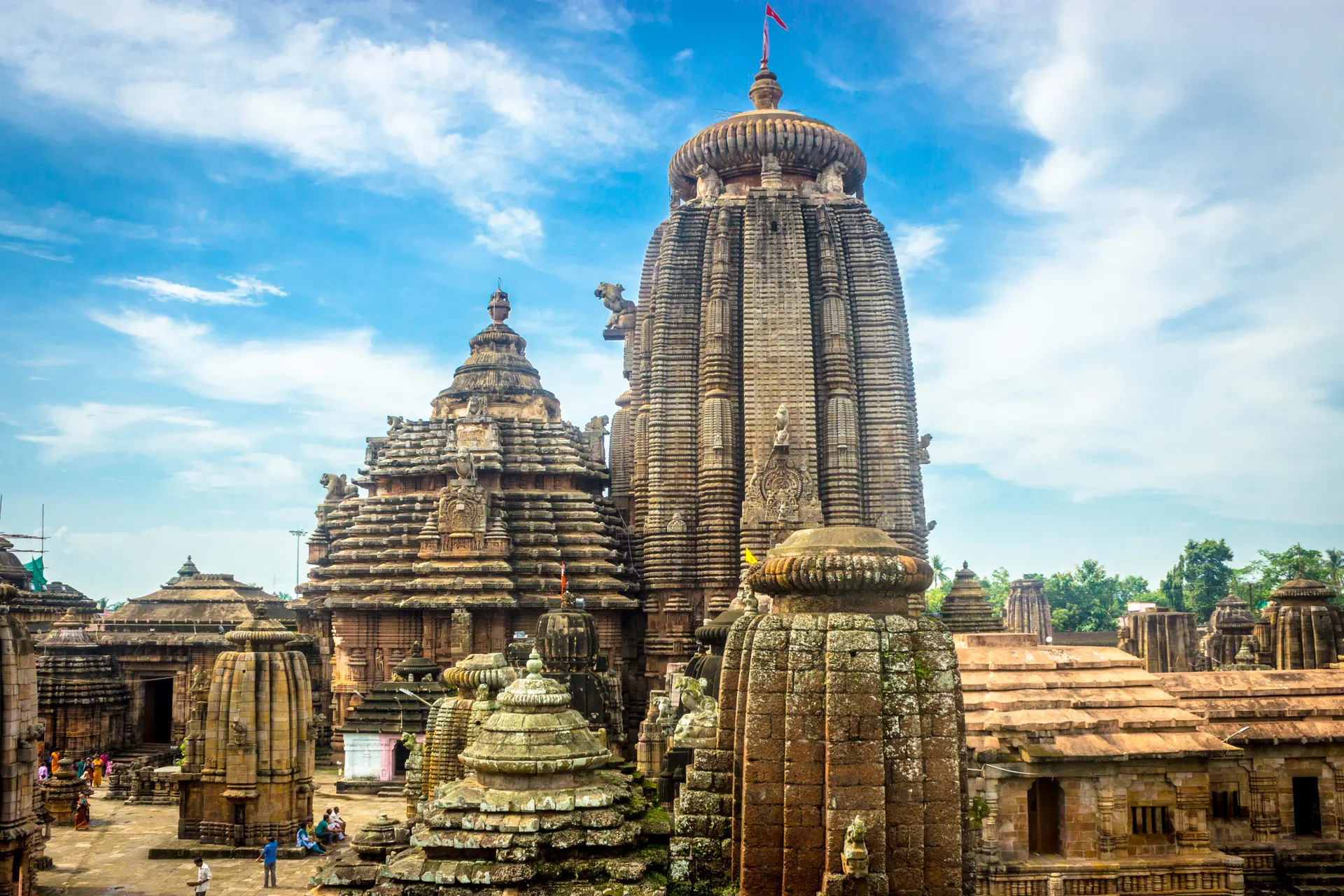
Lingaraj Temple, Bhubaneswar, Odisha
Bhubaneswar Municipal Corporation, Odisha, India
48.2 km away

Brahmeswara Temple, Bhubaneshwar, Odisha
Bhubaneswar Municipal Corporation, Odisha, India
48.5 km away

Ananta Vasudeva Temple, Bhubaneswar, Odisha
Bhubaneswar Municipal Corporation, Odisha, India
48.5 km away

Bhaskareswara Temple, Bhubaneswar, Odisha
Bhubaneswar Municipal Corporation, Odisha, India
49.0 km away
References
Sources consulted for this page. Source categories describe the publication, not a guarantee that every claim is verified. Traditional accounts and outside interpretations may differ.
- 01Sri Jagannath Temple Administration, Puri — Government of OdishaofficialTemple history, administration, Char Dham status and ritual institution.
- 02Jagannath Temple — Odisha TourismofficialArchitecture, deities, annual rites and visitor context.
- 03Ratha Jatra — Government of OdishaofficialOfficial description of the chariot procession.
- 04Festivals of Odisha — Odisha TourismofficialRatha Jatra timing and inclusive public symbolism.
- 05History of Puri District — Puri District AdministrationofficialPurusottama Kshetra history and temple-city development.
- 06Jagannath Temple, Puri — Wikipedia contributorsSource contextCross-check for access restrictions, architecture and ritual terminology.
Photo gallery
7 curated photos
Share a photo
Help visitors recognize Jagannath Vishnu Temple, Puri, Odisha. Every submission is reviewed before publication.