Brahmeswara Temple, Bhubaneshwar, Odisha
An eleventh-century Shiva temple where a dowager queen's gift still receives daily worship
Understand sacred places, explore living traditions, and learn how to engage respectfully with Pilgrim Map.
Access has not been verified. Check current local guidance before planning a visit.
Bhubaneswar Municipal Corporation, Odisha, India
Read the sources
Visit essentials
A quick read before you go
- Duration
- 30 to 60 minutes; longer for those studying the architecture.
- Access
- Near Tankapani Road, Bhubaneswar, Odisha, about 3 km northeast of Lingaraj Temple.
Overview
Brahmeswara Temple stands in Bhubaneswar's Ekamra Kshetra, the garden of a single mango tree, where Shiva is worshipped across dozens of shrines. Its panchayatana plan centers on a rekha-deul tower close to nineteen metres tall, with four corner shrines, early iron-beam reinforcement, and musician-and-dancer friezes. Quieter than the larger Lingaraj, its carved courtyard and Shiva lingam still receive daily puja within over a thousand years of continuous worship.
Why this place is sacred
The sense of threshold at Brahmeswara is built from continuity and craft. A lingam consecrated in 1058 has been bathed and worshipped without interruption since, and the queen who gave the temple is still present in its memory and in the dance-and-music carvings that record the devotion she endowed. The four corner shrines of the panchayatana plan turn the courtyard into a small ordered cosmos.
Set within the dense Shaiva geography of Ekamra Kshetra yet quieter than the towering Lingaraj a few kilometres away, the temple offers an intimacy that visitors describe as absorbing, where craftsmanship and a thousand-year line of worship are felt at close range.
Experience and orientation
Visitors most often note the intricacy of the sandstone carving and the relative calm compared with the much larger Lingaraj Temple. The four corner shrines around the central tower give the courtyard a contained, contemplative quality, and the carved friezes of musicians and dancers reward slow looking. Devotees come for darshan of the Shiva lingam; heritage visitors describe being absorbed by the craftsmanship and by the sense of a thousand years of continuity in a single enclosure.
Early morning, roughly seven to nine, is best for soft light on the carvings and for quiet darshan before the day warms. The temple keeps a brief midday closure after the main puja, and the cooler months from October to February make the visit more comfortable. Maha Shivaratri brings the temple's most charged night, with vigils and special worship.
Remove footwear before the shrine, take darshan of the lingam, then circle the courtyard slowly to read the corner shrines and the dancer-and-musician friezes on the exterior.
Context and lineage
The temple was built by the dowager queen Kolavati Devi at Siddhatirtha in Ekamra in the eighteenth regnal year of her son, the Somavamsi king Udyotakesari, recorded in a foundation inscription now lost. The same inscriptional tradition records her dedication of women to the temple's service, an early documented appearance of what would become the Devadasi tradition in Odisha.
The original inscriptions survive only secondhand, and one Wikipedia phrasing dating it to the late ninth century is generally set aside in favour of the inscriptional 1058 CE.
Shaivism within the Somavamsi (Keshari) Kalinga temple tradition, sustained today as living worship in the Ekamra Kshetra landscape of Bhubaneswar.
Kolavati Devi
Dowager queen and founder
Udyotakesari
Somavamsi (Keshari) king
Devadasis of Brahmeswara
Temple dancers and singers
Sculptors of the Kalinga school
Builders and carvers
Temple priests
Current custodians of worship
Traditions and practice
Worship centres on abhisheka and puja of the Shiva lingam, with offerings of bilva leaves, flowers, and water.
Temple priests conduct daily morning and evening pujas. Maha Shivaratri, in the month of Phalguna, brings night vigils, fasting, and special worship.
Take darshan quietly, then give the carvings the unhurried attention they reward; a morning visit lets you experience both the puja and the soft light on the sandstone.
Hinduism (Shaivism)
ActiveA Shiva temple central to Bhubaneswar's Shaivite sacred landscape (Ekamra Kshetra), enshrining a lingam worshipped continuously since the eleventh century and notable as an early documented link between dance, music, and the Devadasi tradition in Odishan temple life.
Daily morning and evening pujas to the Shiva lingam; Maha Shivaratri vigils, fasting, and offerings.
Perspectives and open questions
Brahmeswara is read both as a precisely dated landmark of Kalinga architecture and as a living seat of Shiva sustained by daily worship.
Scholarly perspective
Art historians regard Brahmeswara as a key dated monument of 1058 CE marking the mature phase of Kalinga (Odishan) temple architecture, with the earliest local appearance of iron-beam reinforcement and the panchayatana plan in Bhubaneswar.
Living and traditional perspectives
For devotees it is a living seat of Shiva within Ekamra Kshetra, sustained by daily worship and the memory of its royal foundation.
Alternative interpretations
Some accounts emphasize the temple's role in documenting an early form of the Devadasi (temple-dancer) tradition that shaped later Odia ritual culture.
Open questions
The foundation inscriptions are lost, leaving some details of the dedication known only secondhand; the precise administrative status (ASI protection versus living-temple administration) is unclear in accessible sources.
Plan your visit
Access and arrival
Near Tankapani Road, Bhubaneswar, Odisha, about 3 km northeast of Lingaraj Temple. Generally open about 6 AM to 8 PM with a midday break; entry is free.
Bhubaneswar offers a full range of hotels and guesthouses; the Old Town near Lingaraj puts several Ekamra Kshetra temples within easy reach.
Respectful visit
Modest, respectful dress; remove footwear before entering the shrine.
Permitted in the complex; avoid flash in the sanctum and do not disturb rituals.
Bilva leaves, flowers, and water for the lingam are customary.
Maintain silence and decorum; do not touch the carvings or climb the structure.
Avoid flash in the sanctum and do not disturb rituals; do not touch or climb the carved fabric.
Current practical details
Address
Near, Tankapani Rd, Siba Nagar, Brahmeswarpatna, Bhubaneswar, Odisha 751002, India
Hours
Hours, fees, and access can change — verify on the official source before you travel. Practical details last checked Jun 2026.
Location
Map loads as you approach this section.
Pilgrim reflections
A portrait of encounter, not a score
Pilgrims describe what they felt, how present they could become, and whether the place would shape a journey. There are no stars and no ranking of traditions.
No reviewed reflections yet
The first pilgrims can help describe the character of being here.
Share a reflection
Available after an account-backed “Been there.” Every reflection is reviewed before publication.
Nearby sacred places
Explore other sacred places in the region. Proximity does not establish access or travel time; check each place’s guidance.

Bhaskareswara Temple, Bhubaneswar, Odisha
Bhubaneswar Municipal Corporation, Odisha, India
0.5 km away

Ananta Vasudeva Temple, Bhubaneswar, Odisha
Bhubaneswar Municipal Corporation, Odisha, India
1.7 km away
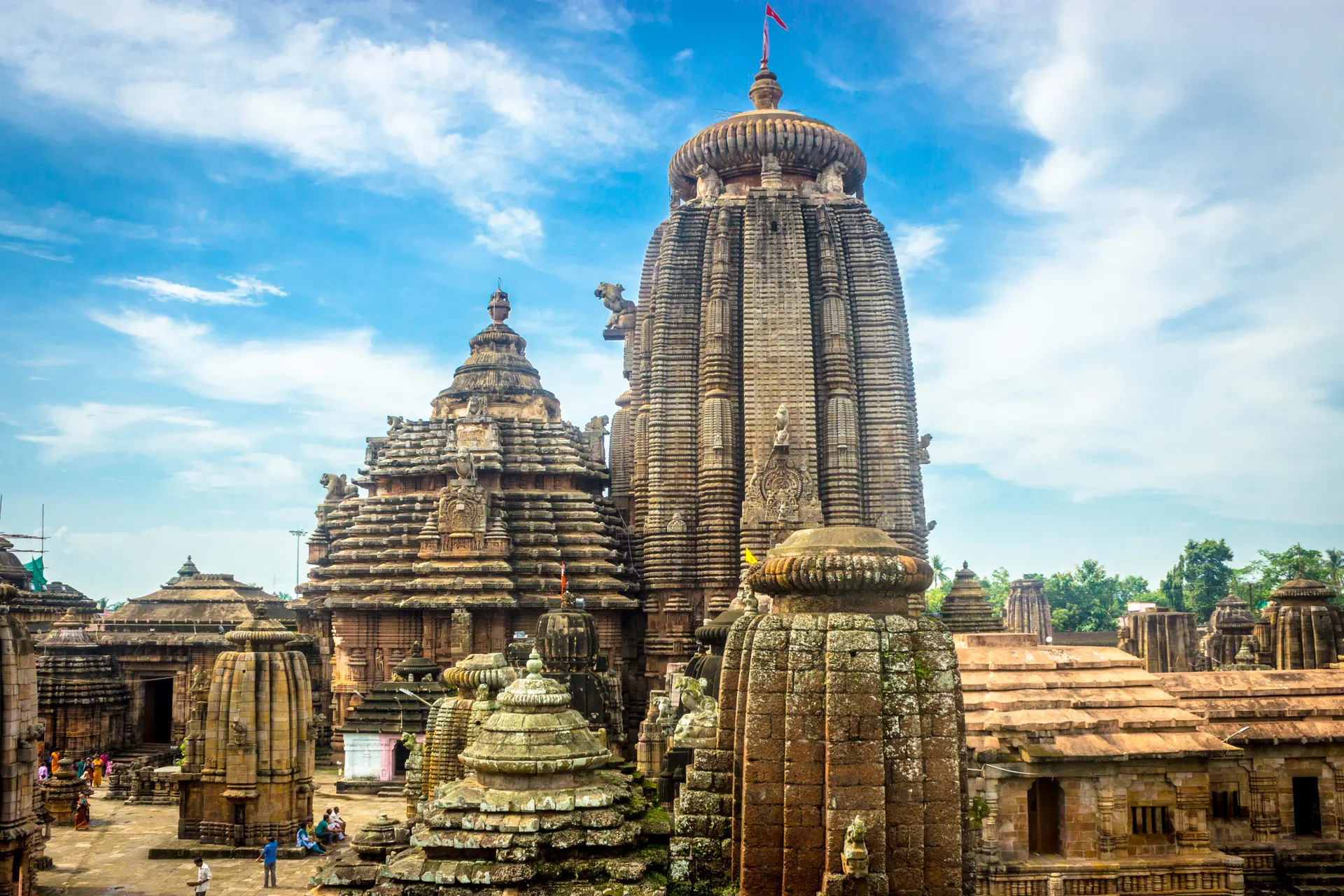
Lingaraj Temple, Bhubaneswar, Odisha
Bhubaneswar Municipal Corporation, Odisha, India
1.9 km away

Bharateswar Temple, Odisha
Bhubaneswar Municipal Corporation, Odisha, India
2.2 km away
References
Sources consulted for this page. Source categories describe the publication, not a guarantee that every claim is verified. Traditional accounts and outside interpretations may differ.
- 01Brahmeswara Temple — Start of Devadasi Tradition (Puratattva) — PuratattvaacademicInscriptional evidence of Kolavati Devi's dedication of women to the temple; Siddhatirtha location; musician/dancer carvings; corroborates the 1058 CE foundation date.
- 02Brahmeswara Temple — Wikipedia — Wikipedia contributorsacademicDedicated to Shiva; built 1058 CE by Kolavati Devi in Udyotakesari's 18th regnal year; lost inscriptions; earliest temple use of iron beams; Devadasi-tradition reference.
- 03Brahmeswara Temple Bhubaneswar — InHeritage Foundation — InHeritage FoundationSource contextDetailed Kalinga architecture: panchayatana plan, ~18.96 m vimana, iron-beam reinforcement, Somavamsi patronage, Ekamra Kshetra context.
- 04Brahmeswara Temple, Bhubaneswar — Timings, History, Architecture (Trawell) — Trawell.inSource contextVisitor-oriented history, architecture and best time to visit.
- 05Brahmeshwara Temple Bhubaneswar — Timings, History, Entry Fee — Bhubaneswar Tourism — Bhubaneswar TourismSource contextWorship details, Maha Shivaratri observance, timings and location.
- 06Brahmeswara Temple Visiting Hours, Tickets, and Historical Sites Guide — Audiala — AudialaSource contextVisiting hours, free entry, photography guidance, proximity to Lingaraj/Mukteswar/Rajarani.
- 07Lingaraja Temple — Wikipedia — Wikipedia contributorsacademicContext for Ekamra Kshetra and Bhubaneswar's Shaivite pilgrimage landscape (Maha Shivaratri); Brahmeswara lies ~3 km NE.
Photo gallery
3 curated photos
Share a photo
Help visitors recognize Brahmeswara Temple, Bhubaneshwar, Odisha. Every submission is reviewed before publication.