Guadalupe Peak, Texas
One of four sacred mountains where the Mescalero Apache survived the flood and received divine teachings
Understand sacred places, explore living traditions, and learn how to engage respectfully with Pilgrim Map.
Access has not been verified. Check current local guidance before planning a visit.
Salt Flat, Texas, United States
Read the sources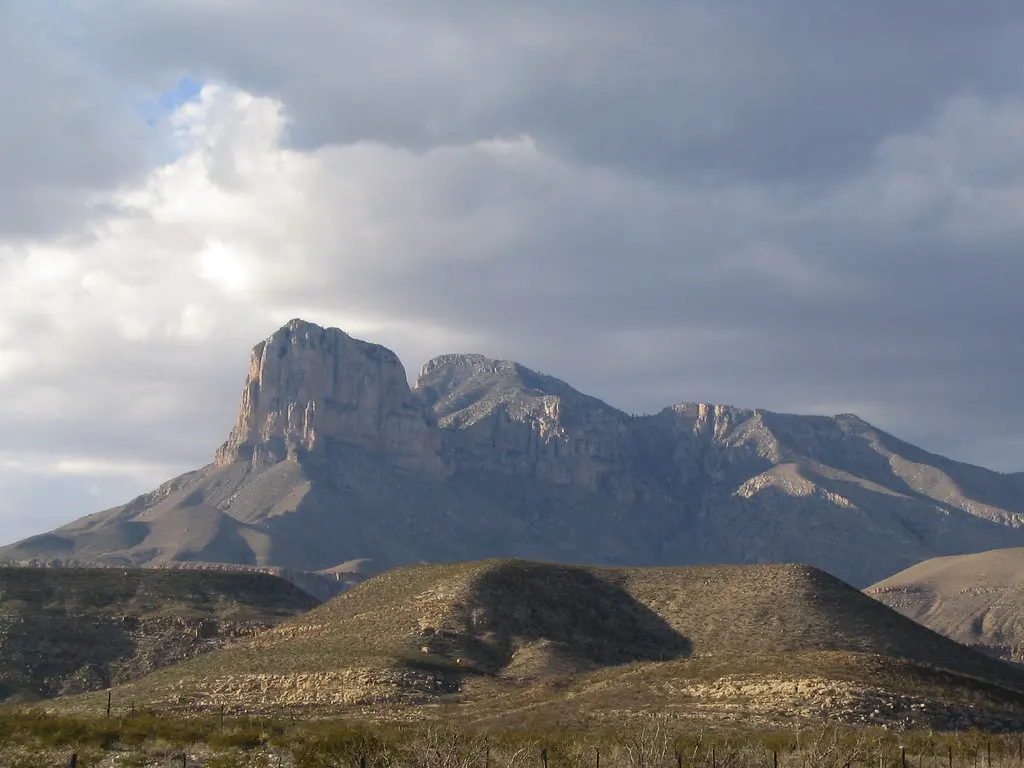
Image of Guadalupe Peak, Texas. Image source
Visit essentials
A quick read before you go
- Duration
- The Guadalupe Peak Trail typically takes 6 to 8 hours round trip for most hikers.
- Access
- Guadalupe Mountains National Park is located in far west Texas, approximately 90 miles east of…
Overview
The Mescalero Apache call it one of their four sacred mountains. Long before Texas claimed it as its highest point, before geologists identified it as a 275-million-year-old fossilized reef, before hikers began counting it among their conquests, this mountain held a people through catastrophe.
According to Mescalero teaching, when a great flood submerged the world, the people gathered at the summit of El Capitan, the dramatic promontory whose Apache name translates as "the Nose." The Gahe, the mountain spirit dancers, descended from above bearing food: first Indian bananas, then mescal, then nuts and berries. Later, White-Painted Woman, the Creator's daughter, came to teach the tribe their ceremonies. Her image remains visible in the white limestone cliffs.
Since 2013, the Mescalero have returned each year to hold mescal roasts in the park, reviving a practice that gave them their name. The agave ovens that archaeologists find scattered across West Texas testify to thousands of years of this same work. The tradition continues.
For seekers who climb the steep 8.4-mile trail, Guadalupe Peak offers something rare: a place where geological deep time, indigenous cosmology, and the simple fact of standing atop something vast converge. The Chihuahuan Desert spreads below like a sea that once was. The stones beneath your feet swam with creatures 275 million years dead. And somewhere in the limestone, according to those who have known this mountain longest, the presence of the divine feminine still watches.
Why this place is sacred
The Mescalero Apache understand their world through four sacred mountains that mark the directions of everyday life. Guadalupe Peak and the adjacent El Capitan form one of these cardinal points, alongside Sierra Blanca, Three Sisters Mountain, and Oscura Mountain Peak. These are not merely landmarks but beings, what tribal members describe as "our church, our university, our source of life."
In the creation narrative, this mountain was where survival happened. When waters covered everything, the people who would become the Mescalero gathered at El Capitan's summit. It was here that the Gahe came down from above, bringing the foods that would sustain the tribe. The mescal they brought gave the people their Spanish name: Mescalero, the mescal-makers. To this day, roasting agave in earthen ovens remains central to Mescalero identity and ceremony.
White-Painted Woman's presence adds another dimension. The Creator's daughter who, according to tradition, gave birth to Child of Water and Killer of Enemies during a turbulent rainstorm, taught the Apache their ceremonies at this place. The white limestone that makes the Guadalupe cliffs so striking is understood to embody her. To look at the mountain is to see her.
Beyond the traditional understanding, the site carries what visitors from many backgrounds describe as thinness. The summit rises more than 3,000 feet above the surrounding desert, creating a dramatic transition from one world to another. The stone itself is ancient beyond comprehension, a fossilized reef from when this desert was a tropical sea 275 million years ago. The fossils of sponges, bryozoans, and other marine creatures remain visible in rock that now touches sky.
Something about the convergence of these factors, the sheer temporal depth, the dramatic verticality, the weight of human meaning making over 10,000 years, produces effects that resist easy explanation. Many who climb to the summit report experiences that exceed what the view alone would warrant: a sense of achievement that feels more like arrival, clarity about decisions that had seemed impossible, or simply a quality of presence they struggle to name.
For the Mescalero Apache, Guadalupe Peak was never constructed or designated sacred. It simply was and is sacred, one of the four mountains that structure their cosmos. Its purpose, if that word even applies, is to hold the spiritual geography of a people, to embody the divine feminine, to connect what happens on earth to what exists beyond it.
The ceremonies that take place here, the mescal roasts and coming-of-age rituals, maintain the reciprocal relationship between humans and the powers that sustain them.
The mountain's meaning has layered over millennia. For at least 10,000 years, humans have found sustenance and shelter in these heights, as evidenced by pictographs, mescal roasting pits, and artifacts found in caves and alcoves. Ancient Pueblo peoples and Mogollon cultures preceded the Apache, their relationship to this place now largely unknown.
The Mescalero Apache became the most recent indigenous people to call this homeland before European colonization disrupted everything. In the 1870s and 1880s, U.S. Cavalry and Texas Rangers drove them from these mountains to reservations. The land that had held their creation stories became inaccessible.
In 1972, Guadalupe Mountains National Park was established, protecting the land but also codifying it as American territory in a new way. And then, in 2013, something significant shifted: the Mescalero Apache returned to hold their first mescal roast in the park, resuming practices that connect living people to ancient ceremonies. A four-year Blessing Feast journey beginning in 2017 visited all four sacred mountains, starting here.
Today the peak draws hikers seeking Texas's high point, geology enthusiasts studying the world's finest Permian reef exposure, and seekers who sense something in this landscape that goes beyond the sum of its parts. The meanings multiply, but the mountain remains.
Experience and orientation
The hike to Guadalupe Peak is not subtle. The 8.4-mile round trip gains 3,000 feet of elevation, often in wind and sun that test the body's limits. For many visitors, this is precisely the point. The physical rigor strips away the mental chatter that accompanies ordinary life, leaving something rawer and more receptive.
At the summit, the Chihuahuan Desert spreads to every horizon, a landscape so vast it becomes abstract. The steel pyramid placed here in 1958 to commemorate the Butterfield Mail centennial feels almost absurd against this scale. Most hikers report a sense of achievement, but many describe something more: a recognition that they have arrived somewhere, not just geographically but in some harder-to-name sense.
Those who know the mountain's significance to the Mescalero Apache often find their experience deepened by that knowledge. To stand where the people gathered during the flood, where the Gahe descended with sustenance, where White-Painted Woman taught the ceremonies, is to participate in a story that began long before any individual life and will continue long after.
The fossils add another dimension entirely. The stone underfoot once swam with marine life in a tropical sea. To touch this rock is to touch 275 million years of transformation, reef becoming mountain, sea becoming desert, the slow work of geology that makes human timescales irrelevant. Many visitors report that this awareness, once it lands, produces a kind of vertigo that is also relief.
Guadalupe Mountains National Park is one of the least-visited national parks in the system. The solitude is real. Unlike crowded wilderness destinations where the sense of wildness is more performance than reality, this place remains genuinely remote. The silence is not empty but full, a listening quality that many notice.
The mountain does not require preparation in any spiritual sense, but it rewards those who arrive knowing what they are approaching. Before hiking, spend time understanding the Mescalero Apache significance of this place. The park's interpretive materials offer a starting point, but deeper sources exist for those who seek them.
Consider the hike itself as a form of pilgrimage rather than exercise. The physical challenge is real, but it can be held as meaningful rather than merely difficult. Many pilgrimage traditions use bodily effort to create the conditions for inner shift. The climb to Guadalupe Peak offers this naturally.
At the summit, rather than immediately photographing, sit. Face El Capitan, the dramatic cliff where the creation narrative places the flood survival. Allow the view to work at its own pace. You need not believe anything in particular to benefit from this kind of receptive attention.
If you encounter any sign of Mescalero Apache activity, whether during their annual mescal roasts or other times, maintain respectful distance unless explicitly invited closer. This is a living tradition, not a performance for outsiders.
Context and lineage
The Mescalero Apache tell of a time when a great flood submerged the world. The people who would survive gathered at the summit of El Capitan, the dramatic cliff formation whose Mescalero name means "the Nose." This was one of the few places that remained above the waters.
In their time of need, the Gahe descended from above. These mountain spirit dancers, central figures in Apache spiritual life, brought food to the stranded people: first Indian bananas, then mescal, then nuts and berries. The mescal would become so identified with the tribe that the Spanish named them after it, Mescalero, the mescal-makers.
Later, White-Painted Woman came to the Guadalupes. She is the Creator's daughter, who according to Apache teaching gave birth to two sons, Child of Water and Killer of Enemies, during a turbulent rainstorm on White Mountain. She raised them to be brave and skilled, and when they grew up they killed the monsters of the earth, bringing peace to all human beings. At Guadalupe, she taught the tribe their ceremonies, including the puberty rite that transforms girls into women.
Her image can be seen in the mountains' white limestone. To look at these cliffs is to see her.
Human presence in the Guadalupe Mountains extends back at least 10,000 to 12,000 years, with hunter-gatherer groups leaving evidence of their passage in the form of projectile points, pictographs, and the remains of mescal roasting pits. Ancient Pueblo peoples and the Mogollon culture followed, their relationship to this landscape now largely inferred from artifacts.
The Mescalero Apache became the most recent indigenous people to call these mountains home before European colonization disrupted the pattern that had held for millennia. They raided Spanish settlements from these highlands, later coming into conflict with Comanche and then American settlers. The Pinery Station, built for the Butterfield Overland Mail in 1858, intensified tensions.
In December 1869, Lieutenant Howard B. Cushing's cavalry devastated a Mescalero encampment at Manzanillo Springs. Throughout the 1870s and 1880s, U.S. Cavalry and Texas Rangers drove the Apache from their sacred homeland to reservations. The mountains that held their creation stories became inaccessible.
Guadalupe Mountains National Park was established in 1972, protecting the landscape but within an American framework that did not initially acknowledge indigenous significance. The shift came in 2013, when the Mescalero Apache returned to hold their first mescal roast in the park since their displacement. They have returned annually since, resuming practices that connect living people to ancient ceremony. From 2017 to 2020, a four-year Blessing Feast journey visited each of the four sacred mountains, beginning here at Guadalupe.
White-Painted Woman
deity
The Creator's daughter, whose image is seen in the white limestone of the Guadalupe cliffs. She taught the Apache their ceremonies at this site and is the central figure in the puberty rite ceremony that transforms girls into women. Her triumph over adversity represents the victory of good over evil.
The Gahe
deity
Mountain spirit dancers who descend from above during ceremonies and who, in the creation narrative, brought sustenance to the people during the great flood. They remain central figures in Apache ceremony and are connected to all four sacred mountains.
Child of Water and Killer of Enemies
deity
The twin sons of White-Painted Woman who grew up to slay the monsters that plagued humanity. Their story represents the triumph of courage and skill over the dangers of the world.
Traditions and practice
The mescal roast is the practice most associated with this place. For thousands of years, Apache people have harvested agave plants and roasted them in earthen ovens, a process that transforms the otherwise inedible plant into food and ceremonial material. The Spanish named the tribe after this practice: Mescalero, the mescal-makers. Archaeological evidence of mescal roasting pits extends across West Texas, testifying to the antiquity of this work.
The mescal roast connects to broader ceremonial life. The agave harvested here is used in coming-of-age ceremonies for young women, rituals that invoke White-Painted Woman's teachings and prepare girls for womanhood. The mountain spirit dancers, the Gahe, are part of these ceremonies, connecting living practice to the creation narrative of spirits descending to feed the people.
The Blessing Feast journey that began at Guadalupe Peak in 2017 and visited each sacred mountain over four years represents another dimension of traditional practice, maintaining the reciprocal relationships that the four mountains require.
Since 2013, the Mescalero Apache have held annual mescal roasts at Guadalupe Mountains National Park, resuming a practice interrupted by their displacement from this homeland. These gatherings are tribal events, not public performances, though the park may post information about scheduled activities.
For non-indigenous visitors, there is no established ceremony to perform. The mountain offers itself to those who approach with awareness and respect. Many find that treating the hike as pilgrimage rather than recreation shifts the quality of the experience. The physical challenge becomes meaningful rather than merely difficult; the summit becomes arrival rather than achievement.
Some visitors bring intentions, questions, or prayers to the mountain, offering them silently at the summit. Others simply practice presence, sitting in stillness rather than immediately photographing the view. These are not prescribed practices but ways that seekers have found to engage with what the mountain offers.
Before hiking, learn about the Mescalero Apache significance of this place. Read the park's interpretive materials and, if possible, sources from the tribe itself. Approach the mountain knowing whose sacred geography you are entering.
During the hike, let the physical effort serve as a form of preparation. The climb is demanding enough to quiet the ordinary mind. Allow this process rather than fighting it or numbing it with distraction.
At the summit, before photographing, sit. Face El Capitan and the white cliffs that embody White-Painted Woman. If you have brought a question or intention, offer it silently. You need not believe in anything particular; you only need to be genuinely curious about what arises when you stop moving.
Before descending, offer silent gratitude. To the mountain, to those who have known it as sacred, to whatever moved you to come. The form matters less than the sincerity.
Mescalero Apache
ActiveGuadalupe Peak and El Capitan form one of the four sacred mountains that structure Mescalero Apache cosmology and identity. The creation narrative places flood survival at El Capitan's summit, where the Gahe mountain spirits descended to bring sustenance. White-Painted Woman, the Creator's daughter who represents the triumph of good over evil, taught the tribe their ceremonies here, and her image is seen in the white limestone cliffs. The four sacred mountains are described by tribal members as "our church, our university, our source of life."
Annual mescal roasts have resumed at Guadalupe Mountains National Park since 2013, connecting to coming-of-age ceremonies for young women that invoke White-Painted Woman's teachings. The Gahe mountain spirit dancers appear in ceremonies connected to all four sacred mountains. A four-year Blessing Feast journey visiting each sacred mountain began at Guadalupe Peak in 2017 and concluded at Sierra Blanca in 2020, maintaining the reciprocal relationships the mountains require.
Ancient Indigenous Cultures
HistoricalArchaeological evidence documents human presence in the Guadalupe Mountains for at least 10,000 to 12,000 years, with hunter-gatherer groups, ancient Pueblo peoples, and Mogollon cultures all leaving traces of their relationship with this landscape. Mescal roasting pits, pictographs, cooking areas, projectile points, baskets, and pottery testify to continuous use of these mountains across millennia.
Evidence suggests mescal roasting in earthen ovens, pictograph creation, seasonal hunting and gathering, and habitation of caves and alcoves. The specific ceremonial or spiritual practices of these cultures, if they existed in relation to the mountain itself, are not recoverable from the archaeological record.
Perspectives and open questions
Guadalupe Peak invites interpretation from multiple frameworks that need not compete. Geologists see one of Earth's finest Permian reef exposures. Archaeologists document 10,000 years of human presence. The Mescalero Apache know it as one of their four sacred mountains, a site of creation narrative and living ceremony. Contemporary seekers often describe something they call energy or presence. Each perspective illuminates; none exhausts the meaning.
Scholarly perspective
Archaeological consensus places human presence in the Guadalupe Mountains at 10,000 to 12,000 years, with evidence of hunter-gatherer groups, ancient Pueblo peoples, and Mogollon cultures preceding the Apache. Mescal roasting pits, pictographs, pottery, and projectile points document continuous use of the mountains' resources.
Geologists recognize the formation as one of the world's most significant Permian reef complexes, so exceptional that it defines the "Guadalupian Series" as a global geological standard. The International Union of Geological Sciences has designated it a geoheritage site of international importance. The reef formed 275 to 260 million years ago in the Delaware Sea, then was uplifted by tectonic forces and exposed by erosion.
Anthropological research, particularly Martin W. Ball's work on Mescalero sacred mountains, documents the deep significance of this site within Apache religious and cultural identity. The four sacred mountains structure Mescalero cosmology, with ceremonies and narratives tied to specific locations.
Living and traditional perspectives
For the Mescalero Apache, Guadalupe Peak is not a place that became sacred but a place that simply is sacred, one of four mountains that define their spiritual geography. As tribal members have stated, these mountains are "our church, our university, our source of life."
The creation narrative places flood survival at El Capitan's summit, where the Gahe descended with sustenance. White-Painted Woman taught ceremonies here that continue to this day, her image visible in the white limestone. The annual mescal roasts that resumed in 2013 maintain relationships between the living community and the powers of this place.
From this perspective, the mountain's significance is not historical artifact but present reality. The Gahe are not symbols but beings. White-Painted Woman is not myth but ancestor. The ceremonies performed here are not reenactment but living practice that sustains the world's balance.
Open questions
Much remains genuinely mysterious about Guadalupe Peak. The specific sacred practices of the ancient Pueblo and Mogollon peoples who preceded the Apache are largely lost; we have their mescal roasting pits but not their stories. Whether the mountain held significance as a power place to these earlier cultures, and how that significance related to or differed from Apache understanding, cannot be recovered.
The exact locations of Apache sacred sites beyond what is publicly shared remain intentionally private, as is appropriate for living tradition. What ceremonies took place at specific features, what the mountain revealed to those who sought visions here, what happened in the centuries between abandonment and Bingham-style "rediscovery" - these questions remain open, perhaps permanently.
Plan your visit
Access and arrival
Guadalupe Mountains National Park is located in far west Texas, approximately 90 miles east of El Paso. No public transportation serves the park; a personal vehicle is required. The Pine Springs Trailhead, where the Guadalupe Peak Trail begins, is just off U.S. Highway 62/180.
The park entrance fee is $10 per adult (16 and over), valid for 7 days. Annual passes are available for $35. As of late 2024, only credit cards are accepted; no cash transactions.
The Pine Springs Visitor Center is open daily from 8am to 4pm and offers ranger information, exhibits, restrooms, water, wifi, and a gift shop.
No lodging exists within the park. Pine Springs Campground offers 20 tent sites and 13 RV sites at $20 per night, reservable up to 6 months in advance. Backcountry camping requires a permit obtained at the visitor center.
The nearest towns with lodging are White's City (35 miles northeast, near Carlsbad Caverns) and Van Horn (65 miles south). El Paso, 90 miles west, offers full services. Those seeking to combine the visit with deeper engagement may find value in staying multiple days, allowing time for multiple hikes and contemplation.
Respectful visit
No ceremonial dress requirements exist, but practical hiking attire is essential. Sturdy hiking boots with ankle support are necessary for the rocky terrain. Bring layers: temperatures can vary significantly between trailhead and summit, and weather changes rapidly. Sun protection is critical in this exposed environment. Carry at least one gallon of water per person.
Personal photography is permitted throughout the park. If you encounter Mescalero Apache tribal members or activities, do not photograph without explicit permission. Even from a distance, photographing ceremony or cultural practice without consent is disrespectful.
At the summit, consider spending time without your camera before documenting the view. The impulse to photograph can prevent the deeper experience the site offers. The mountain will still be there after you have allowed it to work on you.
Physical offerings should not be left at the summit or anywhere in the park. This is a protected wilderness area; well-intentioned offerings become litter that park staff must remove. If you wish to make an offering, let it be internal: a prayer, a moment of gratitude, an intention. The mountain does not require physical gifts.
Dogs are not permitted on the Guadalupe Peak Trail. Camping requires permits and is only allowed in designated areas. Fires are prohibited outside designated fire grates. Drone flying requires special permits and is generally not permitted. Collection of plants, rocks, fossils, or artifacts is illegal.
Do not attempt to participate in or observe Mescalero Apache ceremonies without explicit invitation. These are living traditions, not performances for outsiders. If you encounter tribal activity, maintain respectful distance.
Do not leave physical offerings at the summit or anywhere in the park. What might feel like a meaningful gesture creates litter in a protected wilderness area. If you wish to offer something, make it internal.
Be wary of anyone claiming to offer "Native American ceremonies" or "shamanic experiences" connected to this site. Authentic Apache practice is not available for purchase by outsiders. If ceremony is important to your journey, find ways to engage that do not appropriate indigenous traditions.
Current practical details
Address
Guadalupe Peak, Texas 79847, USA
Hours, fees, and access can change — verify on the official source before you travel. Practical details last checked Jun 2026.
Location
Map loads as you approach this section.
Pilgrim reflections
A portrait of encounter, not a score
Pilgrims describe what they felt, how present they could become, and whether the place would shape a journey. There are no stars and no ranking of traditions.
No reviewed reflections yet
The first pilgrims can help describe the character of being here.
Share a reflection
Available after an account-backed “Been there.” Every reflection is reviewed before publication.
Nearby sacred places
Explore other sacred places in the region. Proximity does not establish access or travel time; check each place’s guidance.
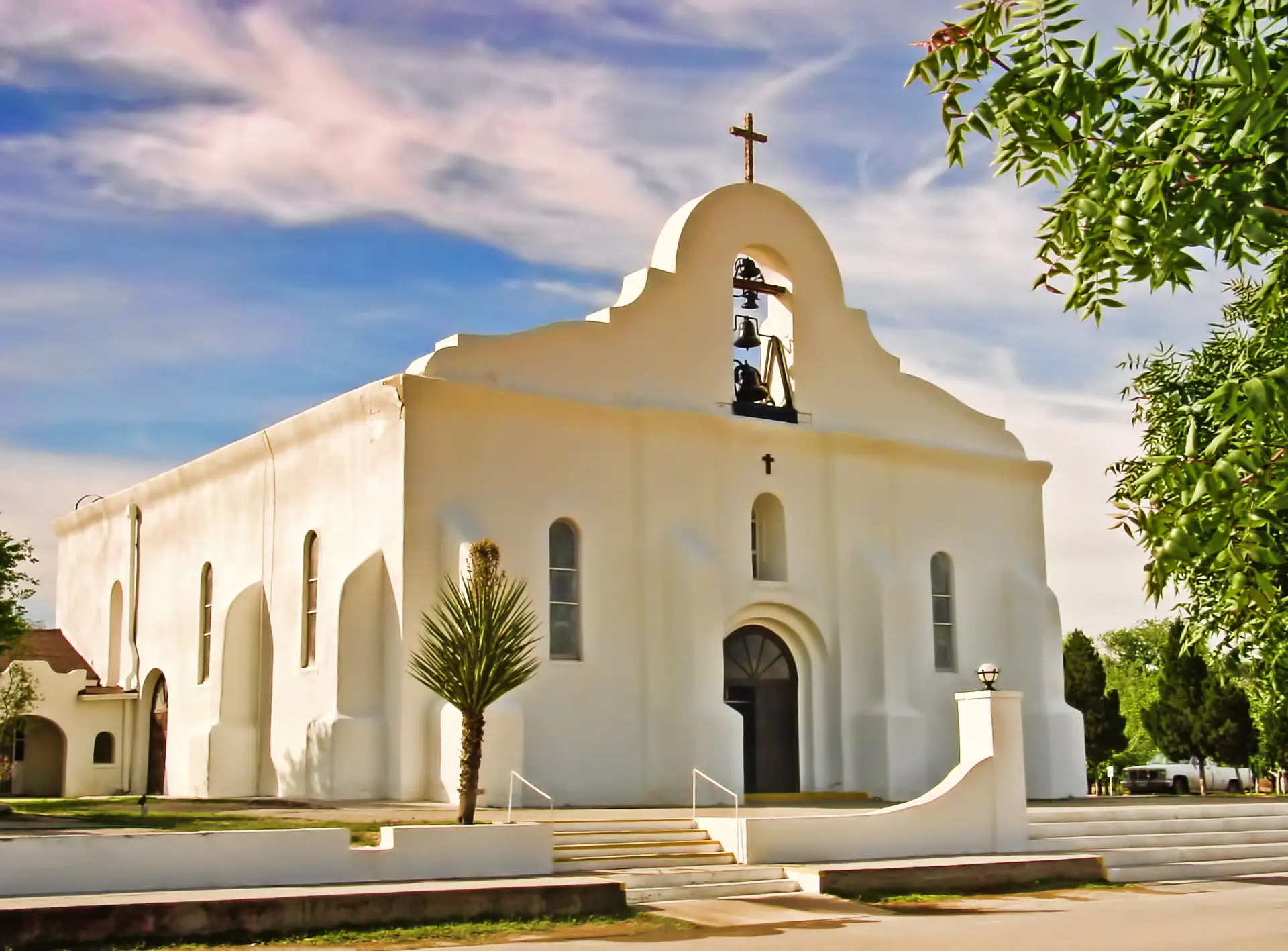
San Elizario Presidio Chapel
San Elizario, San Elizario, Texas, United States
137.8 km away
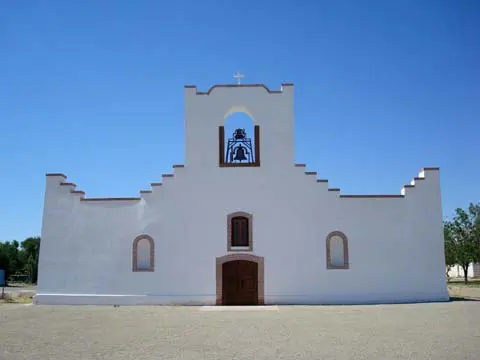
Mission Socorro (Nuestra Señora de la Concepción del Socorro)
Socorro, Socorro, Texas, United States
138.8 km away
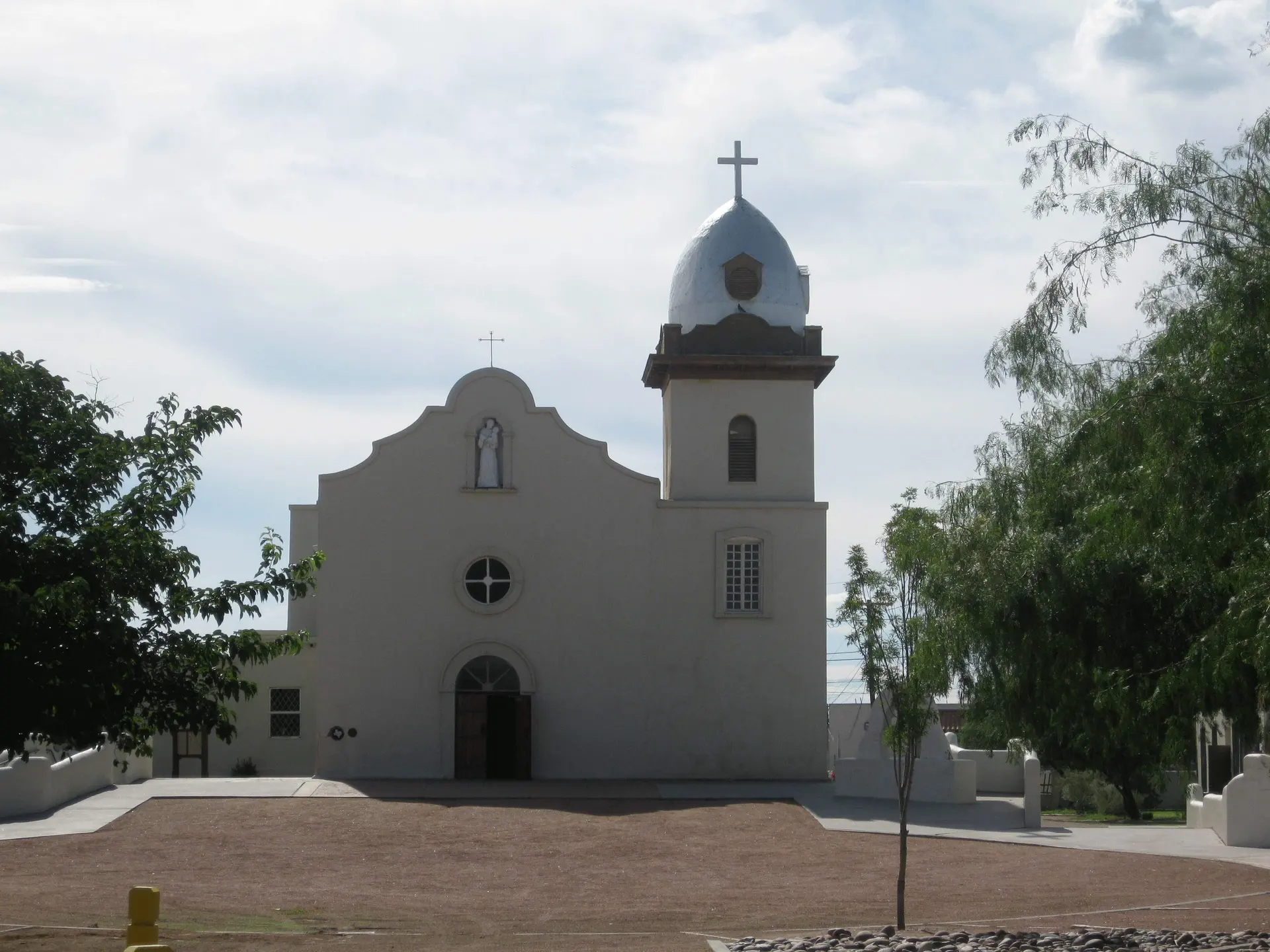
Mission Ysleta (Nuestra Señora del Carmen)
Ysleta, El Paso, Ysleta, El Paso, Texas, United States
140.4 km away
Misión de Guadalupe de los Mansos
Ciudad Juárez, Ciudad Juárez, Chihuahua, Mexico
154.6 km away
References
Sources consulted for this page. Source categories describe the publication, not a guarantee that every claim is verified. Traditional accounts and outside interpretations may differ.
- 01Mescalero Apaches - Guadalupe Mountains National Park — National Park ServiceofficialOfficial NPS resource on Mescalero Apache history at Guadalupe Mountains
- 02Our Culture - Official Website of the Mescalero Apache Tribe — Mescalero Apache TribeSource contextPrimary source from the tribe itself regarding sacred mountains and cultural practices
- 03Apache Mescal Roast at Guadalupe Mountains — Marfa Public RadioacademicRegional public radio coverage of annual mescal roast ceremony with tribal quotes
- 04People - Guadalupe Mountains National Park — National Park ServiceofficialOfficial NPS resource on human history at the park
- 05Guadalupe Peak Hike — National Park ServiceofficialOfficial trail information
- 06Sacred Mountains, Religious Paradigms, and Identity among the Mescalero Apache — Martin W. BallacademicAcademic study of Mescalero sacred mountain traditions
- 07An Apache ceremony for the ages — Searchlight New MexicoacademicInvestigative journalism on coming-of-age ceremony
- 08The Mescalero Apache Coming of Age Ceremony - Earth's Sacred Wonders — PBSguideDocumentary coverage of puberty rite ceremony
- 09Geology of Guadalupe Mountains National Park — U.S. Geological SurveyofficialScientific information on Permian reef geology
- 10Geologic Formations - Guadalupe Mountains National Park — National Park ServiceofficialOfficial geological information
- 11Fees & Passes - Guadalupe Mountains National Park — National Park ServiceofficialOfficial fee information
- 12Operating Hours & Seasons - Guadalupe Mountains National Park — National Park ServiceofficialOfficial operating hours
- 13Permian reef complex of the Guadalupe Mountains — International Union of Geological SciencesacademicInternational geological heritage designation
- 14The Indigenous History of Guadalupe Mountains National Park — RVshareguideDetailed overview of indigenous history drawing from multiple sources
- 15Guadalupe Mountains National Park — WikipediaencyclopediaGeneral reference with citations
- 16Guadalupe Peak — WikipediaencyclopediaGeographic and hiking information
- 17Guardians of the Sacred Mountain: The Enduring Spirit of the Mescalero Apache — Native American Tribes InfoacademicEducational resource on Mescalero Apache culture
Share a photo
Help visitors recognize Guadalupe Peak, Texas. Every submission is reviewed before publication.