Petroglyphs National Monument
Twenty-four thousand sacred images carved where the Earth's interior meets the sky
Albuquerque, New Mexico, United States
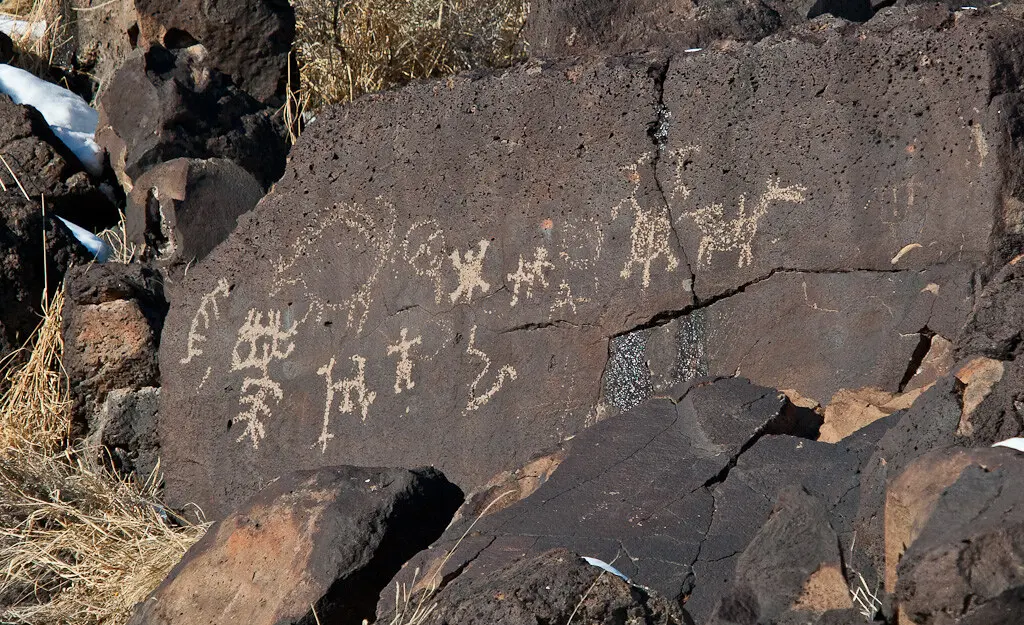
Image of Petroglyphs National Monument. Image source
Visit essentials
Before you go
- Access
- The visitor center is located at 6510 Western Trail NW, Albuquerque, NM 87120.
- Address
- Western Trail NW, Albuquerque, NM 87120, USA
- Duration
- Boca Negra Canyon, with its three short trails, can be visited in 1 to 2 hours and offers the…
- Etiquette
- Petroglyph National Monument is an active sacred site, not merely an outdoor gallery.
Overview
Petroglyph National Monument is not a museum. Images carved into volcanic basalt along Albuquerque's West Mesa are not relics of a vanished culture awaiting scholarly interpretation. In the words of Acoma Pueblo journalist Conroy Chino, they are 'a connection, a pathway that links Indigenous people to their ancestral past and to the supernatural world of deities, beings, and other spiritual dimensions.'
Twenty-four thousand images cross a landscape formed when eruptions brought molten rock from Earth's interior to the surface approximately 156,000 to 200,000 years ago. Pueblo peoples who settled here around 1300 understood that origin as more than geology: the basalt was the Earth speaking. They carved masked beings, horned serpents, flute-players, star beings, handprints, spirals, and symbols whose meanings remain known only to their creating communities.
Those communities remain. Cochiti, Jemez, Sandia, Santa Ana, Zia, and Acoma Pueblo peoples recognize this as sacred ground. Seasonal ceremonies continue at monument shrines, and prayers move through the landscape, petroglyphs, and volcanic escarpment toward the spirit world. Pueblo understanding describes the petroglyphs, volcanoes, and spirit trails as a communication nexus, an interface between dimensions.
Suburban Albuquerque presses against the eastern boundary. A road was cut through the monument in 2007 despite Pueblo opposition, and vandalism has forced trail closures. Still the prayers continue, the stone holds its images, and the connection persists.
Why this place is sacred
Volcanic eruptions created this landscape by forcing the planet's interior to the surface. The basalt that forms the West Mesa escarpment was once molten rock from deep within the Earth, cooled and hardened into dark stone that stretches for 17 miles. For the Pueblo peoples who encounter it, this geological origin carries spiritual weight. The volcanic landscape represents a direct physical connection to deeper forces, and the five volcanic cones visible from the escarpment are sacred symbols in Pueblo cosmology.
Onto this already-thin surface, ancestral Pueblo peoples carved approximately 24,000 images over a period spanning perhaps 3,000 years, though the most intensive carving occurred between 1300 and the 1680s. The images are not decorative. They are functional, serving as pathways between the living world and the spirit world.
Masked beings, horned serpents, flute-players, birds, handprints, spirals, and star-beings create a dense spiritual landscape in which every carved boulder participates in a communication system older and more complex than outside observers can fully comprehend.
What makes this site extraordinary among sacred places is the combination of density and continuity. The sheer concentration of sacred imagery, thousands of carvings across miles of basalt, creates a landscape saturated with intentional spiritual communication. And unlike most ancient sacred sites, the original tradition has not been broken. The Pueblo peoples who carved these images are the direct ancestors of the communities who still conduct ceremonies here.
The line of connection runs unbroken from the first carver to the person who prayed at a monument shrine this season.
The Spanish added their own layer. Colonial settlers carved Christian crosses, livestock brands, and initials onto the same basalt, a palimpsest of competing sacred claims inscribed on the Earth's exposed interior. The indigenous carvings and the colonial markings occupy the same rock face, sometimes within feet of each other, a compressed history of encounter and displacement that remains unresolved.
The volcanic escarpment served as a spiritual communication interface for Pueblo peoples. The petroglyphs recorded visions and spiritual encounters, created pathways between the human world and supernatural dimensions, and marked sacred locations used for ceremonies and prayer. The volcanic landscape's geological origin, its direct connection to the Earth's interior, was central to its selection as a site for this concentrated sacred activity.
The site's sacred function has remained remarkably continuous. From the earliest carvings approximately 3,000 years ago through the Pueblo Revolt of 1680 and the subsequent colonial suppression of indigenous practices, the relationship between Pueblo communities and this landscape has persisted. The 1990 establishment of the National Monument created new institutional protections but also new tensions, as the site now serves simultaneously as public parkland and active sacred ground.
The 2007 road construction through the monument and ongoing vandalism represent the most visible threats, but Pueblo communities continue to maintain their ceremonial relationship with the site.
Experience and orientation
Light determines everything here. Arrive in early morning, when the sun is low in the eastern sky, and the petroglyphs seem to leap from the rock. Every carved line catches shadow, and the images, invisible at noon, stand out in high relief. Spirals, handprints, masked figures, serpents, birds. The density is startling. On a single boulder, three or four images may occupy different faces, carved perhaps centuries apart by different hands responding to the same volcanic surface.
The escarpment trails wind along the base of the basalt ridge, and the petroglyphs appear at irregular intervals, sometimes clustered on a single rock face, sometimes isolated on a boulder set apart from its neighbors. There is no prescribed order. The images accumulate as you walk, each one adding to a visual conversation you can observe but cannot fully enter. The meanings remain with the communities that created them.
Rinconada Canyon offers the most contemplative experience. A 1.2-mile trail loops through a quieter section of the escarpment where the density of petroglyphs is lower but the solitude greater. The volcanic landscape here feels less managed, and the gap between carved image and suburban development narrows uncomfortably, homes visible from the trail's edge, a reminder of what presses against this place.
Boca Negra Canyon provides the most concentrated petroglyph viewing along three short trails. Mesa Point, despite occasional closures due to vandalism, climbs to views across the Rio Grande Valley toward the Sandia Mountains. The volcanic cones are visible to the west, five dark forms rising from the mesa, sacred symbols in the same Pueblo cosmology that informed the petroglyphs at your feet.
The Volcanoes Day Use Area, at the monument's western edge, offers a different encounter. Here the geology dominates. Walking across the cinder surface toward the cones, you stand on the same volcanic material that formed the escarpment where the petroglyphs were carved. The connection between the Earth's interior and the images on the surface becomes tangible in a way that the escarpment trails, closer to the city, do not quite achieve.
Visit in early morning or late afternoon for the light conditions that reveal the petroglyphs most clearly. Midday sun flattens the carved surfaces and makes many images nearly invisible. Begin at the visitor center for orientation and trail maps. If you have limited time, Boca Negra Canyon offers the highest density of viewable petroglyphs. If you seek solitude, choose Rinconada Canyon. Carry water on all trails, as shade is minimal on the exposed volcanic terrain.
Context and lineage
The volcanic landscape came first. Approximately 156,000 to 200,000 years ago, eruptions in what is now the Albuquerque Volcanic Field sent lava flowing across the West Mesa, creating a 17-mile basalt escarpment and five volcanic cones. Over millennia, the basalt developed a dark desert varnish, manganese and iron oxides that gave the rock its characteristic dark surface.
When ancestral Pueblo peoples settled on these lands around 1300, they found in the escarpment a canvas prepared by the Earth itself. By pecking through the dark desert varnish to the lighter rock beneath, they created images that stood out sharply against the blackened surface. The volcanic origin of the rock was not incidental.
In Pueblo understanding, the volcanic landscape represents the Earth's direct connection to deeper forces, and the images carved upon it serve as pathways between the human world and the spirit world.
The petroglyphs record visions and spiritual encounters: masked beings, horned serpents, flute-players who echo the ancestral figure known across the Southwest, star-beings whose forms resist easy interpretation, spirals that may mark celestial events, handprints that anchor a human presence to stone. Apache, Navajo, and later Spanish colonial settlers added their own images. The Spanish carved Christian crosses and livestock brands, inscribing a different sacred claim on the same volcanic surface.
The lineage here is unusually direct. The Pueblo peoples who conduct ceremonies at the monument today are the descendants of the people who carved the images centuries ago. This continuity is not metaphorical. The same communities, the same languages, the same cosmological frameworks persist. The petroglyphs are not the work of a vanished civilization interpreted by outsiders but the living heritage of peoples who remain and who continue to add to the spiritual relationship their ancestors began.
The Spanish colonial period added a layer of complexity. After the Pueblo Revolt of 1680, Catholic suppression of indigenous practices drove many ceremonial traditions to become more private, a pattern that persists in the Pueblo communities' preference for keeping specific ceremonial details out of public discourse. The establishment of the national monument in 1990 created yet another layer: the formal partnership between Pueblo communities, federal government, and city government in managing a landscape that carries fundamentally different meanings for each.
Conroy Chino
cultural interpreter
Emmy Award-winning journalist from Acoma Pueblo and author of 'Petroglyphs of the Southwest: A Puebloan Perspective.' His writing provides one of the most articulate and publicly available expressions of how Pueblo peoples understand the petroglyphs as living sacred entities and communication pathways to the spirit world.
Ancestral Pueblo peoples
original creators
The primary creators of the estimated 24,000 petroglyphs, who settled on these lands around 1300 and carved images of their spiritual encounters into the volcanic basalt. Their descendants in the contemporary Pueblo communities maintain the sacred relationship with the site.
SAGE Council
conservation advocates
Coalition of indigenous leaders, environmental organizations, and concerned citizens who led opposition to the Paseo del Norte road extension through the monument in the 1990s and 2000s. Though the road was ultimately built, their advocacy raised national awareness of threats to the monument.
National Park Service and City of Albuquerque
co-managers
The monument is co-managed by the NPS and the City of Albuquerque's Open Space Division, a partnership established in the 1990 enabling legislation that reflects the site's position between federal cultural preservation and local land management.
Traditions and practice
The act of carving petroglyphs was itself a spiritual practice. Ancestral Pueblo peoples inscribed their visions and spiritual encounters onto the volcanic basalt, creating images that served as permanent pathways between the human world and the spirit world. Some scholars interpret animal images as relating to hunting rituals, plant images to harvest ceremonies, and certain symbols to rite-of-passage initiations. Pueblo communities understand the full meaning of these images within their own traditions, much of which is kept appropriately private.
Beyond the petroglyphs themselves, the monument contains shrine sites where contemporary Pueblo peoples from Cochiti, Jemez, Sandia, Santa Ana, Zia, and other communities conduct seasonal ceremonies. The volcanic escarpment, the petroglyphs, and the spirit trails function together as a communication system in which prayers and ceremonial announcements are channeled through the sacred landscape toward the spirit world. The gathering of medicinal plants within the monument is also part of the living traditional practice.
Contemporary Pueblo ceremonial practices at the monument continue on a seasonal cycle, though specific details remain private. The NPS acknowledges the monument's dual role as public parkland and active sacred site, and areas may be temporarily closed for ceremonial purposes. Pueblo cultural advisors participate in monument management and interpretive programs.
For general visitors, the monument offers NPS-led interpretive programs that provide archaeological and cultural context for the petroglyphs. The visitor center bookstore carries publications including Conroy Chino's work presenting a Pueblo perspective. Ranger-led walks focus on both the geological and cultural dimensions of the landscape.
Walk the Rinconada Canyon trail in the first hour after sunrise. The low light throws shadows across every carved surface, and the images emerge as if waking. Move slowly. Resist the impulse to identify or interpret each image immediately. Let the accumulation work on you. After the twentieth petroglyph, after the fiftieth, the individual images begin to compose something larger, a sense of the escarpment as a continuous surface of spiritual communication.
At Boca Negra Canyon, climb to the Mesa Point overlook if it is open. From here, the five volcanic cones are visible to the west, dark forms against the mesa. Turn east toward the Rio Grande Valley and the Sandia Mountains. You are standing at an interface: the volcanic interior of the Earth beneath your feet, the vast sky above, and all around you the images that were carved to connect the two.
If you visit the Volcanoes Day Use Area, walk across the cinder surface toward the cones. Here the geological story is primary. The rock you walk on is the same material that forms the escarpment where the petroglyphs were carved. Volcanic geology is not merely the setting for the sacred imagery but, in Pueblo understanding, the reason for it. The Earth opened here, and the people responded.
Return in different light. The petroglyphs change with the angle of the sun. An image invisible at noon reveals itself at dawn. A spiral that looked decorative in flat light, seen in raking shadow, shows structure and intention that shifts your understanding.
Pueblo (Ancestral and Contemporary)
ActiveFor Pueblo peoples from Cochiti, Jemez, Sandia, Santa Ana, Zia, Acoma, and other communities, the monument is a living sacred landscape. The approximately 24,000 petroglyphs carved primarily by ancestral Pueblo peoples are not artifacts but active spiritual entities that function as communication pathways between the living world and the spirit world. The volcanic escarpment, born of eruptions that brought the Earth's interior to the surface, holds inherent sacred power. Shrines within the monument remain sites of contemporary ceremonial activity.
Seasonal ceremonies are conducted at shrines within the monument by members of multiple Pueblo communities. Prayer and spiritual communication are channeled through the petroglyph landscape toward the spirit world. Ceremonial announcements are made at designated areas that serve as conduits to the spirit realm. Medicinal plants are gathered within the monument as part of traditional healing practice. Specific ceremonial details are kept private by Pueblo communities.
Apache and Navajo
ActiveApache and Navajo peoples contributed petroglyphs to the escarpment, particularly during the period between 1300 and the 1680s. The monument's sacred character is recognized by indigenous communities beyond the Pueblo peoples, reflecting a broader indigenous understanding of the West Mesa volcanic landscape as spiritually significant.
Hispanic Catholic (Spanish Colonial)
HistoricalSpanish colonial settlers who arrived in the region beginning in the 1540s added their own petroglyphs to the basalt escarpment. Christian crosses, livestock brands, and sets of initials are carved alongside centuries of indigenous sacred imagery. The colonial carvings represent the inscription of a different sacred claim onto a landscape already dense with spiritual meaning.
Spanish settlers carved Christian crosses and religious symbols onto the volcanic basalt, alongside secular markings of livestock brands and personal initials. These carvings are usually distinguishable from indigenous petroglyphs by their subject matter and technique.
Conservation and heritage stewardship
ActiveThe 1990 establishment of the national monument, the co-management partnership between NPS and the City of Albuquerque, and the ongoing work to protect the site from vandalism and development encroachment represent a modern form of reverence enacted through legal and institutional means. The SAGE Council's opposition to the Paseo del Norte road extension and the National Trust for Historic Preservation's involvement highlight the ongoing tension between conservation and development.
NPS and City of Albuquerque co-manage the monument. Interpretive programs provide archaeological and cultural context. Pueblo cultural advisors participate in management decisions. Conservation efforts address ongoing vandalism including rock stacking, scratching, and off-trail damage that prompted the 2024 Mesa Point Trail closure. The Western National Parks Association supports education and publication.
Perspectives and open questions
Petroglyph National Monument exists at an intersection of perspectives that resist easy reconciliation. For archaeologists, it is a remarkable concentration of prehistoric rock art requiring study and preservation. For Pueblo peoples, it is a living sacred landscape where communication between worlds continues. For the city of Albuquerque, it is a public amenity at the edge of suburban development. For seekers, it may be all three. The honesty of this site lies in not resolving the tension.
Scholarly perspective
Archaeological consensus identifies the majority of the approximately 24,000 petroglyphs as created by Ancestral Pueblo peoples between roughly 1300 and 1680, with some carvings in Boca Negra Canyon dated to approximately 3,000 years ago. The images include representational figures such as animals, humans, and masks; geometric designs including spirals, circles, and lines; and symbolic imagery whose specific meanings are often known only to Pueblo communities. Apache and Navajo peoples also contributed carvings during the main period.
Spanish colonial additions, distinguishable by their Christian and secular subject matter, appeared after the 1540s. Geologists document the basalt escarpment as formed approximately 156,000 to 200,000 years ago by eruptions in the Albuquerque Volcanic Field. The site is recognized as one of the largest and most significant petroglyph concentrations in North America.
Living and traditional perspectives
For contemporary Pueblo peoples, the petroglyphs are not subject to interpretation because they are not artifacts. They are living sacred entities that continue to function as pathways between the human world and the spirit world. Conroy Chino of Acoma Pueblo describes them as 'a connection, a pathway that links Indigenous people to their ancestral past and to the supernatural world of deities, beings, and other spiritual dimensions.'
The petroglyphs, the volcanic escarpment, and the spirit trails form a communication nexus through which prayers and ceremonial announcements are channeled into the spirit world. The volcanic landscape's connection to the Earth's interior is not metaphorical but literally sacred. Multiple Pueblo communities continue to conduct seasonal ceremonies at shrines within the monument, maintaining a relationship with the site that predates European contact by centuries.
Alternative interpretations
Some visitors approach the petroglyphs through New Age or alternative frameworks, perceiving them as evidence of ancient energy sites, extraterrestrial contact, or universal symbolic systems. Certain images, particularly those described as 'star beings,' attract speculation about non-terrestrial origins. While these readings emerge from genuine fascination, they should be weighed against the authoritative Pueblo understanding that the images have specific spiritual functions within living indigenous traditions.
Applying external interpretive frameworks to images whose meanings are held by living communities raises questions about cultural respect that visitors should consider.
Open questions
Genuine mysteries surround the petroglyphs. The specific meanings of individual images are often known only to Pueblo communities and are appropriately kept private. The purpose and cultural context of the earliest carvings, those approximately 3,000 years old, predate the main Pueblo occupation and are less well understood. Whether specific petroglyphs at this monument function as astronomical markers, as documented at other Southwest sites like Chaco Canyon and Hovenweep, remains an open question.
The full relationship between the five volcanic cones and Pueblo cosmology is not publicly documented. The extent and specific spiritual purposes of Apache and Navajo contributions to the petroglyph corpus are poorly understood. These gaps are not failures of research but reminders that some knowledge belongs to the people who carry it.
Plan your visit
Access and arrival
The visitor center is located at 6510 Western Trail NW, Albuquerque, NM 87120. The monument's four trail areas, Boca Negra Canyon, Piedras Marcadas Canyon, Rinconada Canyon, and the Volcanoes Day Use Area, are separate access points each a short drive from the visitor center. The monument is located on the west side of Albuquerque, accessible from Unser Boulevard and other major streets. Parking is available at each trail area.
Boca Negra Canyon has the most developed parking with a small fee (approximately $1 to $2 per vehicle). Mobile phone signal is generally available throughout the monument due to its proximity to Albuquerque. The monument is open daily; the visitor center operates 8:30 AM to 4:30 PM. Boca Negra Canyon trails close at 4:30 PM. Check with the NPS for current hours and any closures at 505-899-0205.
Albuquerque provides a full range of accommodations at all price points, most within 15 to 20 minutes of the monument. Hotels along the Rio Grande corridor offer convenient access. There are no accommodations within the monument itself. For visitors combining the monument with other sacred sites in northern New Mexico, the High Road to Taos corridor (Chimayo, Truchas, Taos) lies 60 to 90 miles north.
Respectful visit
Sturdy footwear for rocky, uneven desert terrain. Sun protection is essential: hat, sunscreen, sunglasses. The basalt absorbs and radiates heat, making summer visits particularly intense. Light layers for shoulder seasons when morning temperatures can be cool and afternoons warm.
Photography of petroglyphs and the landscape is permitted for personal use. Do not use flash on petroglyph surfaces. Do not photograph people who may be conducting ceremonies or prayer. Commercial photography requires an NPS permit. Consider whether your first instinct to photograph might be better served by simply looking.
Do not leave offerings at the petroglyphs unless you are a member of a Pueblo community conducting traditional practices. If you encounter offerings or ceremonial objects, do not touch, move, or photograph them.
Do not touch, trace, chalk, or make rubbings of petroglyphs. Stay on designated trails. Do not remove, stack, or rearrange rocks. No collecting of natural or cultural materials. No pets on some trails. Respect all posted closures. Boca Negra Canyon trails close at 4:30 PM. The visitor center operates 8:30 AM to 4:30 PM daily.
Do not touch the petroglyphs. The oils from human skin accelerate erosion of the desert varnish, and the damage is permanent. Do not attempt to trace, chalk, or make rubbings of the images. Stay on designated trails and do not climb or scramble on the boulders. Rock stacking, which has become popular on social media, causes direct damage to the archaeological landscape and has led to trail closures.
If you encounter offerings or ceremonial objects, leave them undisturbed and do not photograph them.
Current practical details
Address
Western Trail NW, Albuquerque, NM 87120, USA
Phone
Hours
Hours, fees, and access can change — verify on the official source before you travel. Practical details last checked Jun 2026.
Location
Map loads as you approach this section.
Pilgrim reflections
A portrait of encounter, not a score
Pilgrims describe what they felt, how present they could become, and whether the place would shape a journey. There are no stars and no ranking of traditions.
No reviewed reflections yet
The first pilgrims can help describe the character of being here.
Share a reflection
Available after an account-backed “Been there.” Every reflection is reviewed before publication.
Nearby sacred places
Explore other sacred places in the region. Proximity does not establish access or travel time; check each place’s guidance.
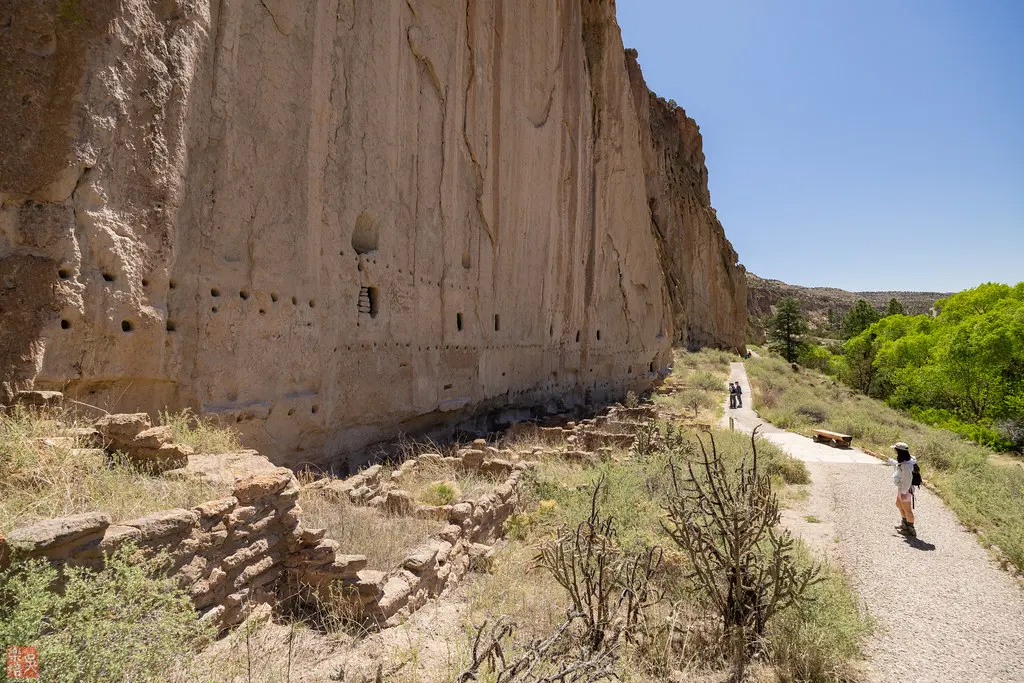
Bandelier National Monument
Sandoval County, New Mexico, United States
78.0 km away
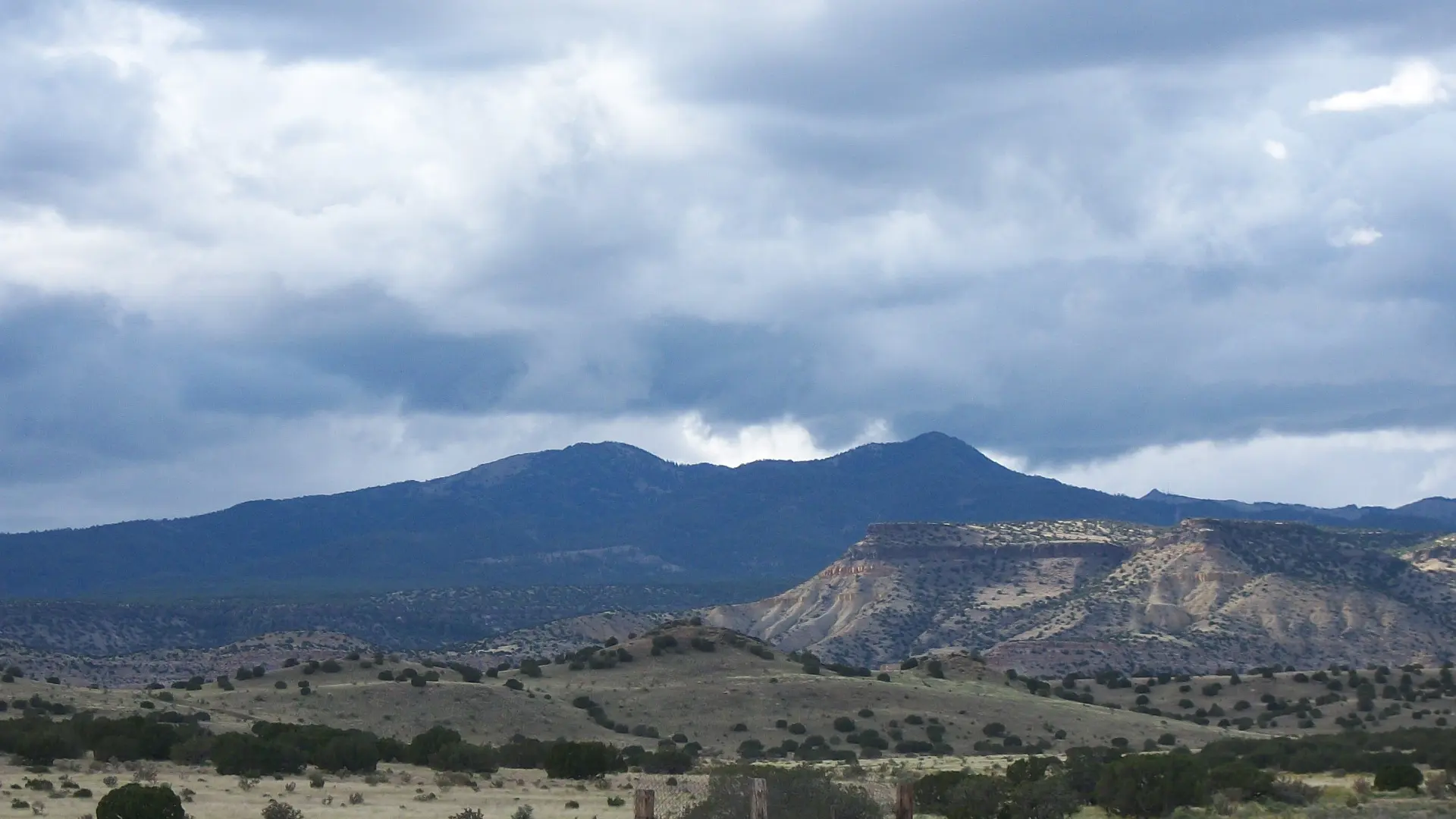
Mt. Taylor, New Mexico
Cibola County, New Mexico, United States
82.3 km away
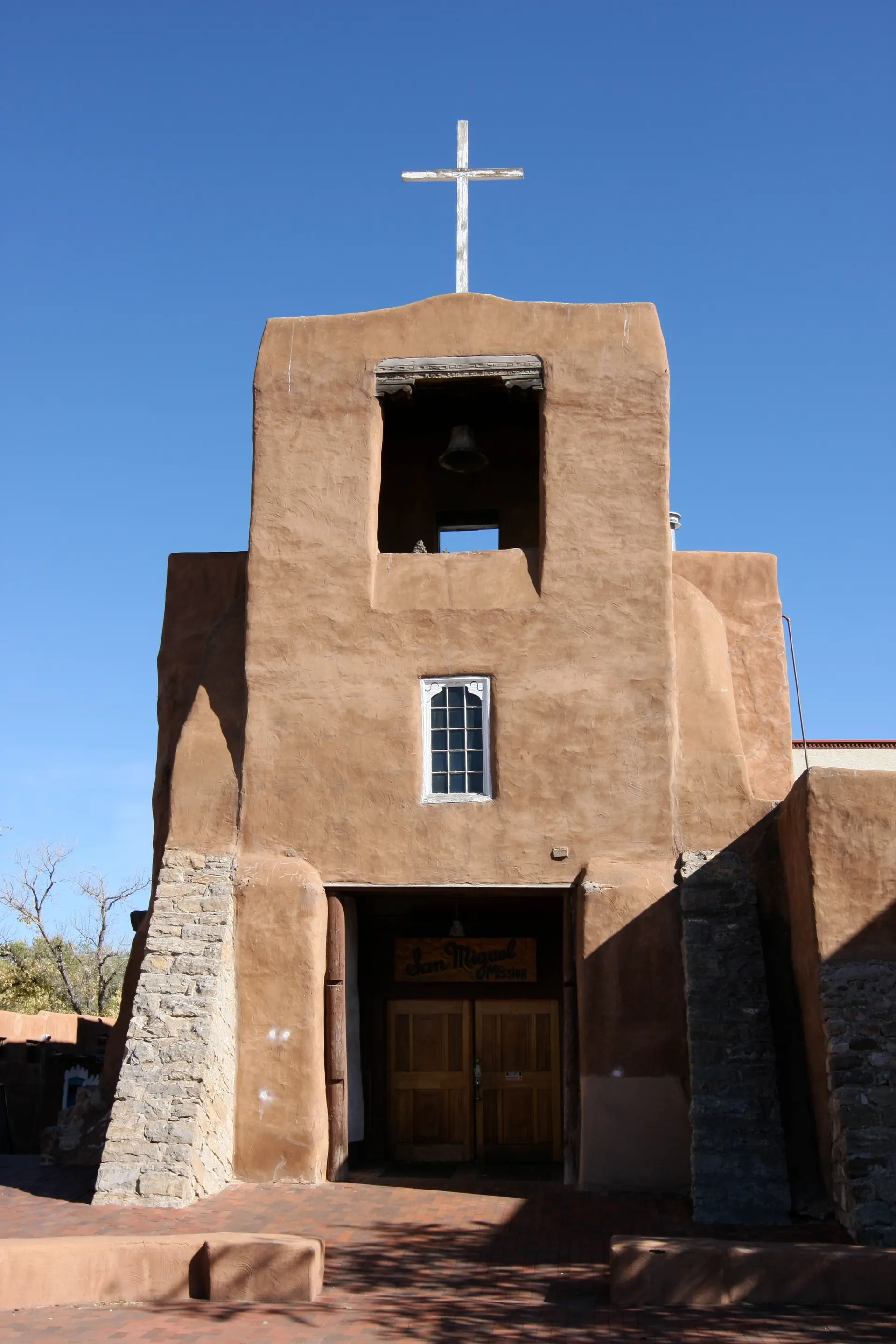
San Miguel Chapel
Santa Fe, New Mexico, United States
92.6 km away

Sanctuary of Chimayo, New Mexico
Santa Fe County, New Mexico, United States
118.4 km away
Share a photo
Help visitors recognize Petroglyphs National Monument. Every submission is reviewed before publication.