Dragon Hill
Where England's dragon-slaying legend meets the chalk, and grass refuses to grow
Vale of White Horse, England, United Kingdom
Visit essentials
Before you go
- Address
- Dragon Hill, Uffington, Faringdon SN7 7QH, UK
- Duration
- 2-3 hours to include White Horse and Uffington Castle
- Etiquette
- Open access National Trust land.
Overview
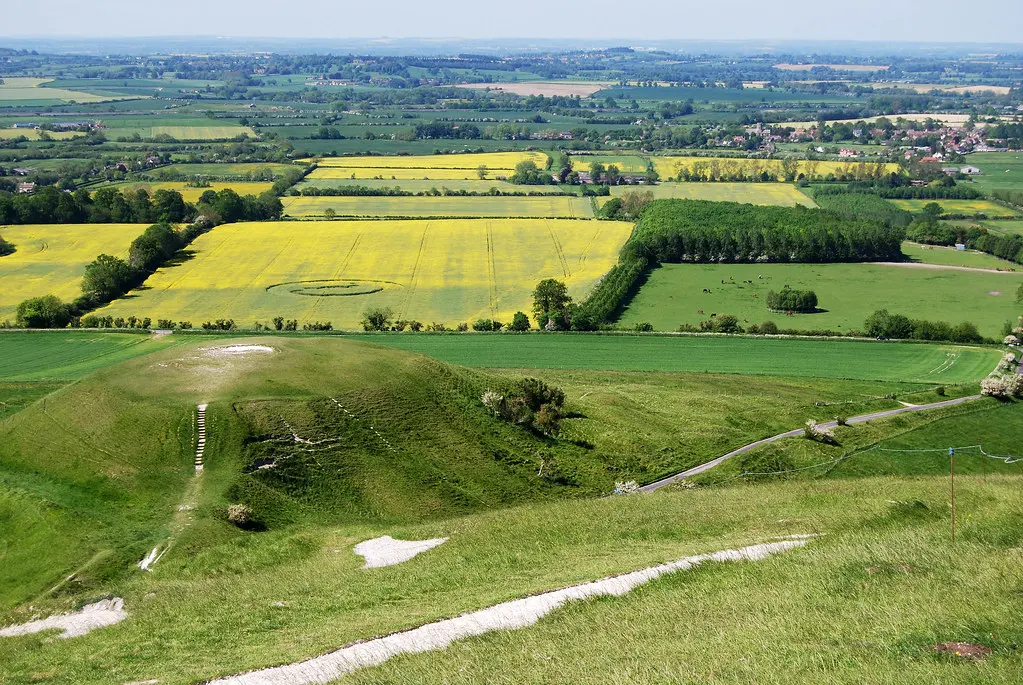
The first thing visitors notice is the bare patch. A flat expanse of exposed chalk at the summit of a small hill, surrounded by grass that grows everywhere else but refuses to grow there. Local legend says this is where St George's dragon fell, its blood poisoning the earth so thoroughly that vegetation has never returned. Rationalists point to foot traffic, soil composition, deliberate manipulation. But the patch exists, and explanations only deepen the mystery.
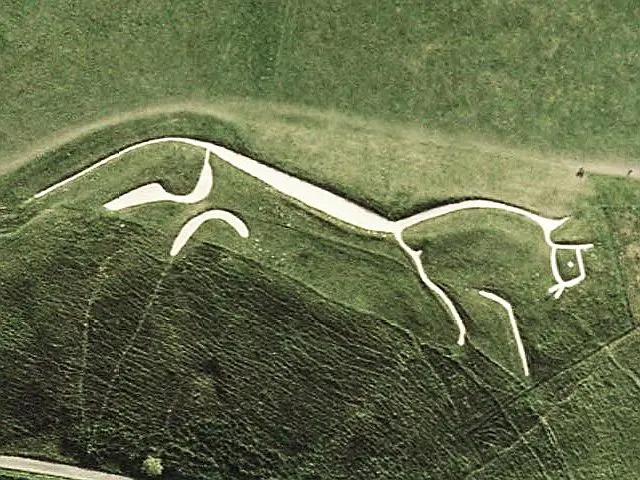
Dragon Hill rises just below the Uffington White Horse, the oldest chalk-cut figure in Britain, 3,000 years old and still visible from miles away. The hill itself was artificially flattened at some unknown date, probably during the Iron Age when the landscape hummed with ritual significance. Uffington Castle hillfort crowns the ridge above; the ancient Ridgeway trackway runs below. This is concentrated sacred geography, and Dragon Hill sits at its heart.
The St George legend is medieval overlay on prehistoric substrate. Whatever the Iron Age builders intended when they flattened this summit, later generations needed to explain the bare patch. They chose England's patron saint and his most famous deed. Now visitors climb the same chalk slopes that pilgrims and wanderers have walked for millennia, drawn by a story that physics cannot quite dismiss.
Why this place is sacred
What creates the particular quality of Dragon Hill? The answer may be simple: physical evidence. Most sacred sites ask you to take their significance on faith. Dragon Hill shows you a bare patch of chalk on a grass-covered summit and asks you to explain it. The explanations multiply. Dragon's blood. Foot traffic from millennia of visitors. Deliberate scraping by medieval pilgrims seeking relics. A natural quirk of chalk chemistry. Each explanation satisfies some; none satisfies all. The patch remains.
Standing on that bare chalk, you occupy contested ground. The rationalist in you assembles sensible explanations; the seeker notes that grass grows everywhere else on this hill but not here. The landscape adds weight to the encounter. Above you, the Uffington White Horse stretches 110 meters across the chalk escarpment, the oldest of Britain's hill figures, older than the Romans, older than the Iron Age hillforts, possibly older than the concept of horses as we understand it.
Some scholars suggest the figure depicts a goddess's mount; others see a tribal emblem; the National Trust simply maintains it. Below you, the Ridgeway—Britain's oldest road—traces a route that Bronze Age traders and pilgrims walked before history began to record their journeys. Dragon Hill sits in this charged landscape, and the bare patch sits at the summit, refusing to yield to grass or explanation.
Unknown. The hill is natural chalk, but the summit was artificially flattened at some point in prehistory. The relationship to the Uffington White Horse suggests deliberate placement within a ritual landscape. The Iron Age builders may have used it for ceremonies related to the horse figure above.
The hill's flattened summit dates to an unknown period, possibly Iron Age (c. 1000 BC) when the White Horse was carved. The St George legend attached in medieval times, giving Christian explanation to prehistoric mystery. The site is now managed by the National Trust as part of the White Horse Hill complex.
Experience and orientation
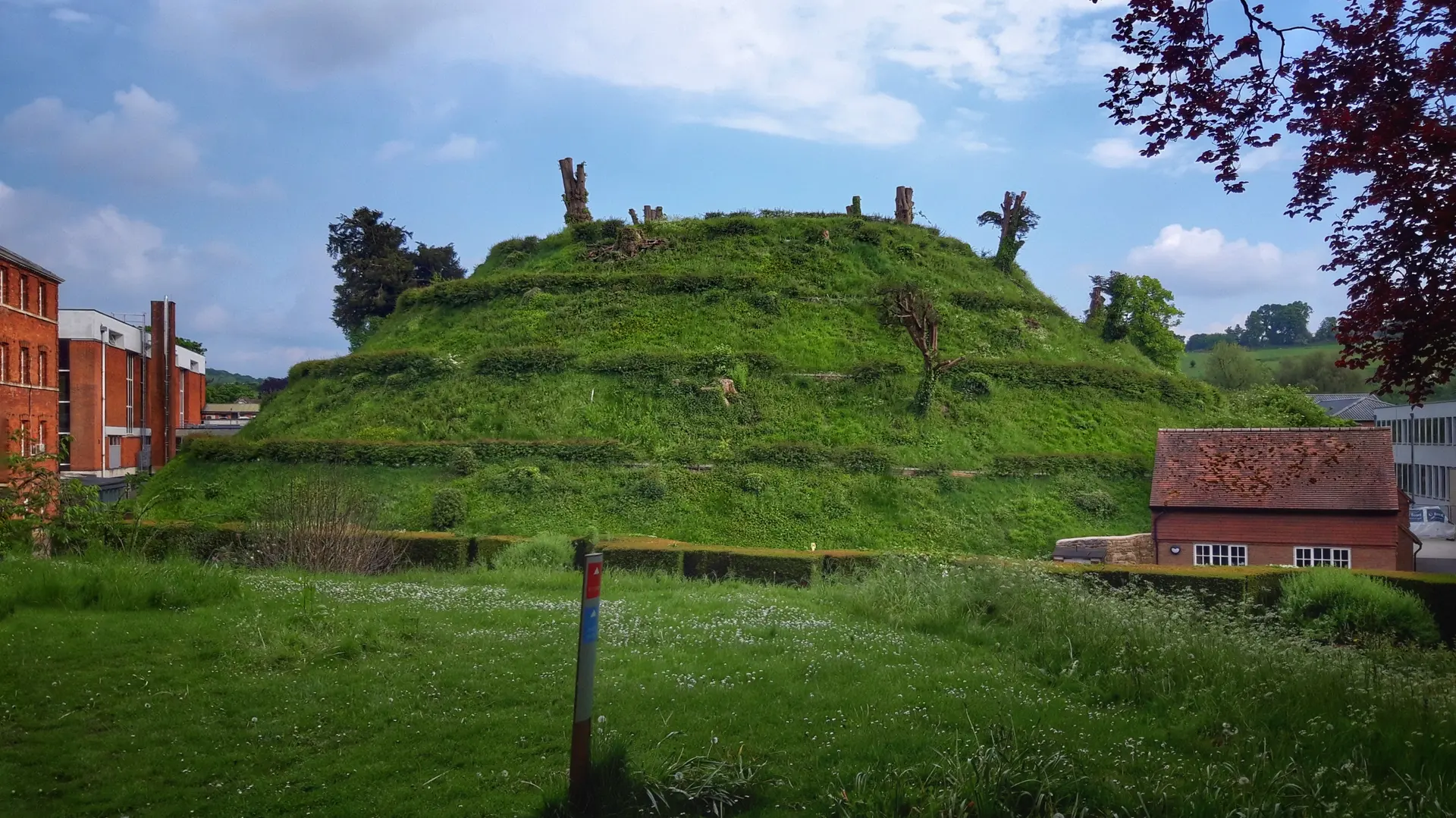
You park at the National Trust car park at White Horse Hill and see Dragon Hill immediately: a rounded chalk knoll rising from the grass below the escarpment. The climb takes only minutes but the gradient is steep, chalk underfoot requiring attention. As you ascend, the views open: the Vale of the White Horse spreads below, patchwork fields dissolving into the haze of the English Midlands. The Ridgeway stretches along the ridge, ancient trackway turned National Trail.
At the summit, the ground levels to the artificially flattened platform. And there it is: the bare patch. Chalk exposed to sky, surrounded by grass that stops at an irregular boundary. The patch is not large—perhaps twenty meters across—but it is unmistakable. You can stand on the chalk and feel the wind that blows constantly across these downs, the same wind that has polished this surface for centuries. What do you feel? That depends on what you bring.
Some experience only a curiosity explained by a sign. Others feel the weight of accumulated belief, two thousand years of people climbing this hill to see where the dragon fell. The experience intensifies if you continue to the White Horse above. From Dragon Hill, you see only the hillside; the Horse is invisible from below. Climb the steep path to the escarpment and the figure spreads before you, abstract and ancient, its eye a perfect circle of exposed chalk.
Uffington Castle's earthworks rise beyond. The full landscape reveals itself as a complex of meaning: horse, dragon, fortress, trackway.
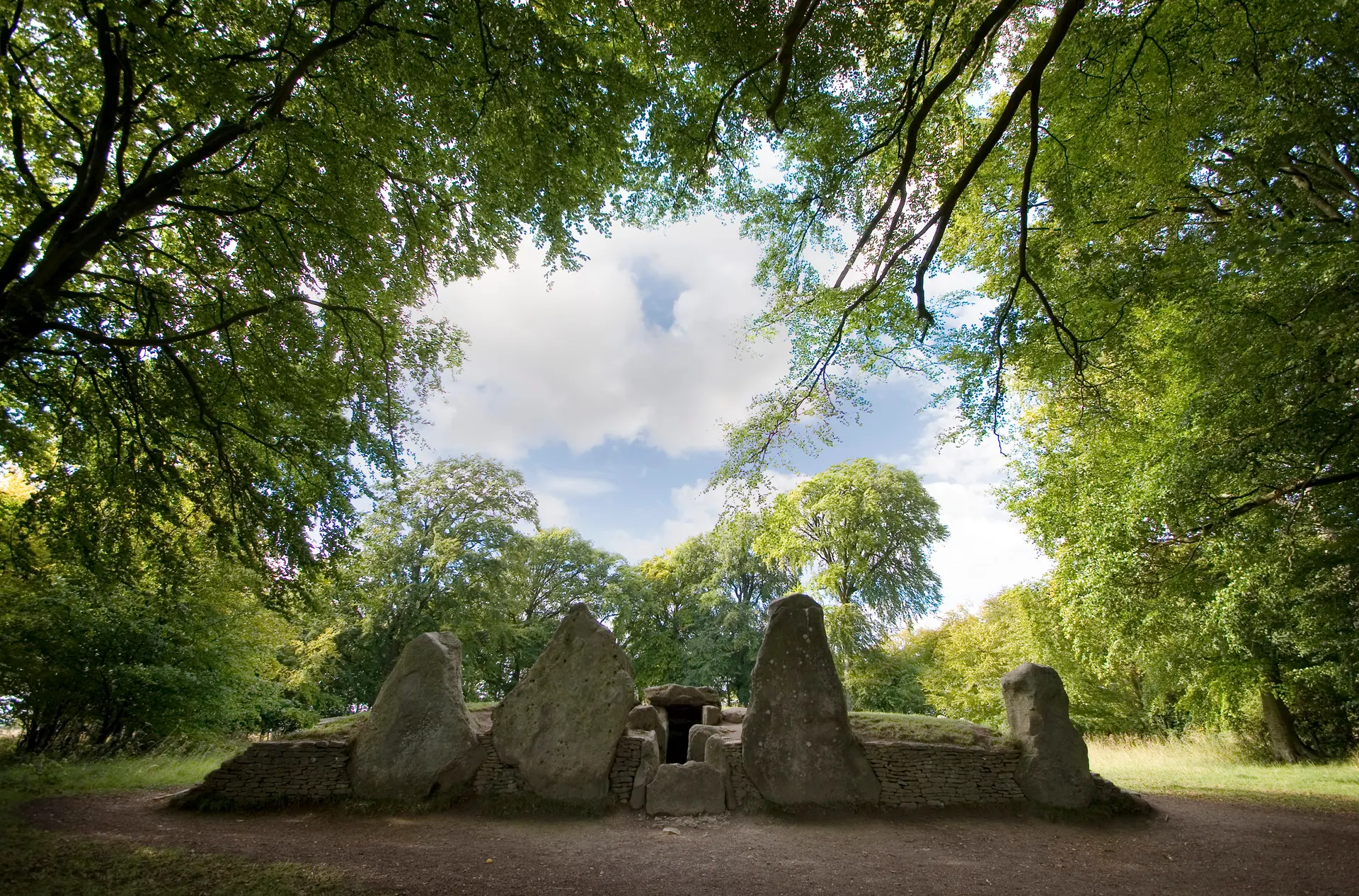
Dragon Hill is accessed from the National Trust car park at White Horse Hill. The hill itself is directly visible from the car park. After visiting Dragon Hill, most visitors continue up the escarpment to the White Horse and Uffington Castle. The Ridgeway National Trail passes through, connecting to Wayland's Smithy (1.5 miles west).
Context and lineage
The Uffington White Horse has watched over this landscape for approximately 3,000 years. Cut into the chalk escarpment during the late Bronze Age or early Iron Age, it is the oldest of Britain's hill figures, maintained through the centuries by communities who scoured the turf to keep the chalk exposed. Below the horse, a small natural hill had its summit flattened at some unknown date—perhaps by the same builders who carved the horse, perhaps earlier or later.
The flattening created a platform visible from the Ridgeway below, a stage set before the horse's gaze. For millennia, the hill waited unnamed. Then medieval imagination supplied a story. St George, England's patron saint since the 14th century, needed a location for his dragon-slaying deed. The bare chalk patch on this mysterious flattened hill demanded explanation. The legend formed: here George killed the dragon; here its blood poisoned the ground; here vegetation died and will not return.
The story grafted Christian hero onto prehistoric place, creating a palimpsest that continues to draw visitors. The National Trust now manages the site, maintaining access while preserving the fragile chalk landscape.
Dragon Hill belongs to the landscape tradition centered on the Uffington White Horse and including Uffington Castle hillfort and the Ridgeway trackway. This concentrated ritual landscape may connect to the horse-goddess Epona or tribal identity markers. The St George legend places the site within the broader tradition of dragon-slaying narratives found across Europe.
St George
Traditions and practice
Unknown specifically for the Iron Age. The White Horse required periodic scouring to maintain visibility, and these 'scouring festivals' may have included Dragon Hill in their ritual geography. The medieval St George legend would have drawn pilgrims seeking connection to England's patron saint.
Walking the landscape between Dragon Hill, the White Horse, and Uffington Castle. Photographing the bare patch and contemplating its meaning. Some visitors time their visits to solstices, equinoxes, or other significant dates for personal practice. The Ridgeway draws long-distance walkers who encounter the site as part of a larger pilgrimage along Britain's oldest road.
Begin at Dragon Hill to establish connection with the legend, then climb to the White Horse to encounter the ancient figure, then continue to Uffington Castle for panoramic views and Iron Age atmosphere. If time permits, walk the Ridgeway west to Wayland's Smithy (1.5 miles), a Neolithic chambered tomb named for the legendary smith god. This circuit encompasses multiple layers of sacred landscape.
St George and the Dragon
ActiveLocal legend claims St George killed England's last dragon on this hill. The bare chalk patch marks where the dragon's blood poisoned the ground so thoroughly that grass will never grow there.
Visiting to see the bare patch and contemplate the legend. The story connects national patron saint to local landscape, grounding English identity in specific geography.
Iron Age ritual landscape
HistoricalThe artificially flattened summit and position below the Uffington White Horse suggest deliberate placement within a ceremonial landscape dating to approximately 1000 BC.
Unknown specifically. The site may have played a role in ceremonies related to the White Horse or the Ridgeway trackway. The scouring festivals that maintained the Horse may have included Dragon Hill.
Contemporary landscape pilgrimage
ActiveDragon Hill draws visitors as part of the broader White Horse Hill landscape, combining prehistoric mystery with Arthurian legend and natural beauty.
Walking meditation through the landscape, visiting Dragon Hill, the White Horse, and Uffington Castle as a connected circuit. Some time visits to solstices or equinoxes for personal practice.
Perspectives and open questions
Dragon Hill exists at the intersection of archaeology and legend, where a bare chalk patch demands explanation and receives multiple answers.
Scholarly perspective
The hill is a natural chalk knoll whose summit was artificially flattened at an unknown date, possibly during the Iron Age when the Uffington White Horse was created (c. 1000 BC). The site sits within a concentrated ritual landscape including the White Horse, Uffington Castle hillfort, and the Ridgeway trackway. The bare chalk patch has been attributed to various causes including heavy foot traffic over centuries, deliberate scraping by medieval relic-seekers, natural soil chemistry, or deliberate manipulation in antiquity.
The St George legend is recognized as medieval folklore attached to a prehistoric site. Archaeological investigation has been limited; the relationship between Dragon Hill and the White Horse remains unclear.
Living and traditional perspectives
The St George legend offers a specifically English sacred narrative. George, who became England's patron saint in the 14th century, needed a site for his dragon-slaying deed. Dragon Hill's mysterious bare patch provided physical evidence for the story: here the dragon bled, here the earth was poisoned, here vegetation died forever. The story connects an abstract patron saint to specific English geography, grounding national identity in local landscape.
Alternative interpretations
Some interpret the dragon not as a literal creature but as earth energy, and the White Horse above as a goddess figure (Epona or similar). In this reading, Dragon Hill marks a node of concentrated earth energy, the bare patch a natural phenomenon of geomantic significance. The landscape forms part of a larger pattern of ley lines and sacred geometry connecting prehistoric sites across Britain.
Open questions
The date and purpose of the summit's flattening remain uncertain. The relationship between Dragon Hill and the White Horse is unclear. What rituals, if any, took place here in the Iron Age cannot be recovered. And the fundamental question persists: why does grass not grow on the bare patch? Each explanation satisfies partially; the mystery remains.
Plan your visit
Access and arrival
Limited accommodation near Uffington village. Wantage and Faringdon offer more options. The site makes an excellent day trip from Oxford (25 miles), Swindon (12 miles), or the Cotswolds.
Respectful visit
Sturdy footwear for the steep chalk paths. Layers recommended—the exposed ridgetop is often windier and cooler than lower ground.
Freely permitted. The White Horse is best photographed from Dragon Hill or the Ridgeway below; from the escarpment itself, the figure is difficult to see as a whole.
Not traditional. Nothing should be left that would litter this exposed landscape.
National Trust land: no camping, no fires, no metal detecting. Dogs welcome but under control. The White Horse itself should not be walked on.
The chalk paths can be slippery when wet. The exposed location means wind and cold in winter. Respect the fragile chalk landscape—stay on paths where indicated. The White Horse itself should not be walked on.
Current practical details
Address
Dragon Hill, Uffington, Faringdon SN7 7QH, UK
Hours, fees, and access can change — verify on the official source before you travel. Practical details last checked Jun 2026.
Location
Map loads as you approach this section.
Pilgrim reflections
A portrait of encounter, not a score
Pilgrims describe what they felt, how present they could become, and whether the place would shape a journey. There are no stars and no ranking of traditions.
No reviewed reflections yet
The first pilgrims can help describe the character of being here.
Share a reflection
Available after an account-backed “Been there.” Every reflection is reviewed before publication.
Nearby sacred places
Explore other sacred places in the region. Proximity does not establish access or travel time; check each place’s guidance.
References
Sources consulted for this page. Source categories describe the publication, not a guarantee that every claim is verified. Traditional accounts and outside interpretations may differ.
- 01Dragon Hill — National TrustofficialOfficial site manager
- 02White Horse Hill — English HeritageofficialArchaeological context
- 03Dragon Hill, Uffington — WikipediaencyclopediaWell-referenced article
- 04Dragon Hill — Atlas ObscuraguideVisitor-focused information
- 05Uffington White Horse — WikipediaencyclopediaContext on the landscape
Share a photo
Help visitors recognize Dragon Hill. Every submission is reviewed before publication.